How an Automated Ticketing System Streamlines Processes
It is time to bid farewell to the manual processes and switch to an automated ticketing system to meet customer expectations effectively.
It is time to bid farewell to the manual processes and switch to an automated ticketing system to meet customer expectations effectively.
What is the common customer problem businesses face today?
Businesses usually encounter 1 in 3 customers dropping a brand after just one bad support experience and it takes 12 positive experiences to make up for just 1 negative one.
Unfortunately, exceptional customer support is becoming more expensive and overwhelming to provide. Especially with higher call volumes, deeper backlogs and faster employee turnover? This is where automated ticketing systems come in.
An automated ticketing platform offers a more streamlined approach to managing customer support requests.
Let us explore the benefits of implementing an automated ticketing system in your business and how it can improve the overall customer support experience.
An automated ticketing system is a digital platform that manages customer support requests by collecting, organizing, and tracking issues from start to resolution. It transforms incoming queries into trackable tickets with unique identifiers that move through predefined workflows automatically. This technology serves as the backbone of modern customer service operations across industries.
When a customer submits an inquiry through email, chat, or web form, the system instantly creates a ticket with a unique ID. This ticket is then automatically categorized, prioritized, and routed to the appropriate support agent based on predefined rules. The system tracks each ticket throughout its lifecycle and provides updates to both customers and support teams.
Key Objectives:
Leveraging automated ticketing software helps businesses manage customer complaints effectively. It simplifies the client support processes and provides faster responses – helping businesses to meet the key KPIs i.e. agent productivity and average response time.
Here are some of the key advantages of implementing an automated ticketing system:
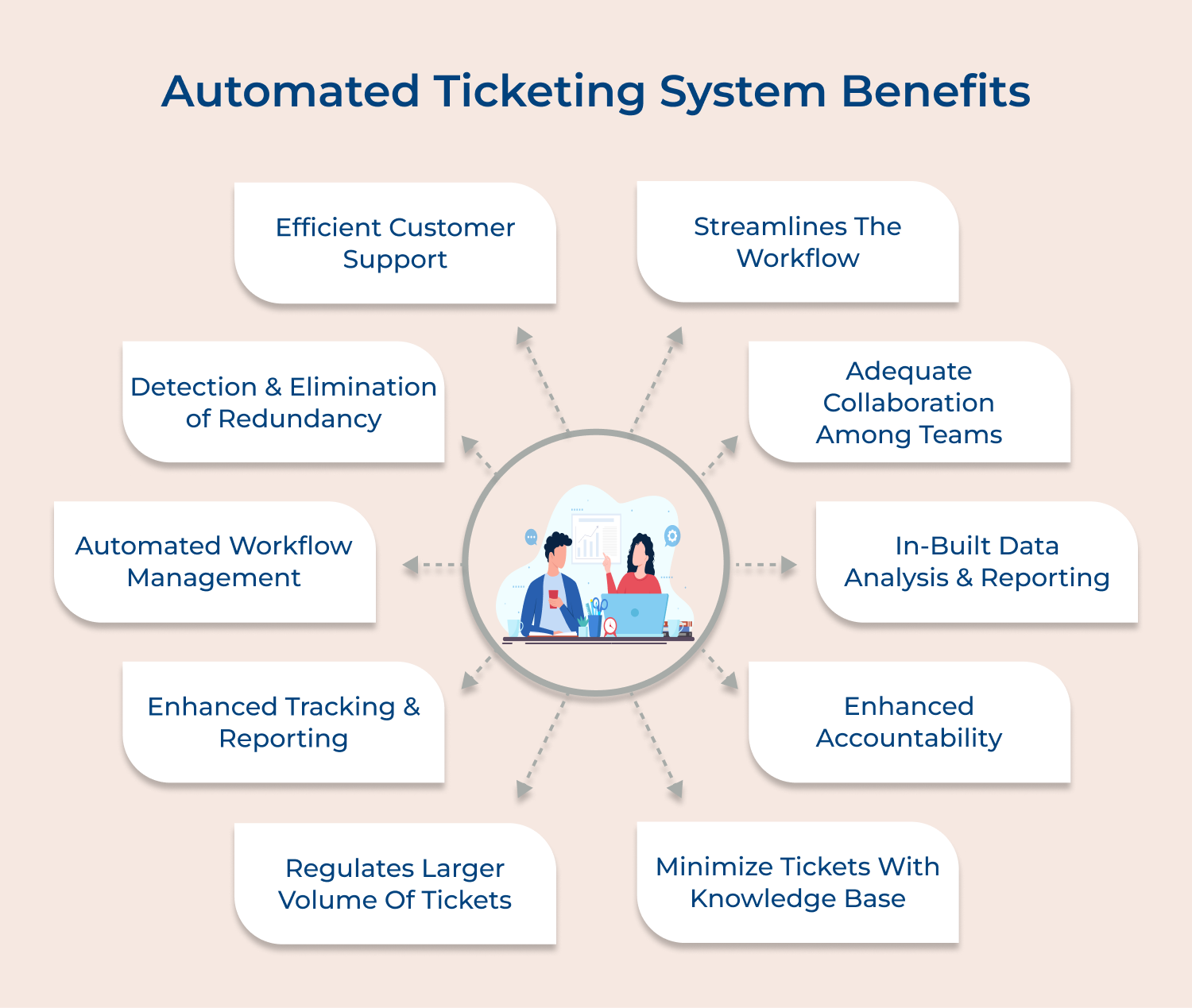
When customers face an issue, they can simply create a ticket and the system will automatically route it to the appropriate team/department. It ensures that customer queries are addressed promptly leading to increased customer satisfaction. This reduces resolution time significantly while providing customers with automated updates throughout the entire support process.
Deploying automated ticketing software helps streamline the workflow within the business. It allows efficient allocation of ticket assignments. Tickets are categorized based on urgency to the right team/department ensuring smooth workflow management. Custom automation rules can handle repetitive issues automatically, freeing staff to focus on complex problems requiring human expertise.
Teams can collaborate seamlessly on customer support issues with an automated ticketing system. It ensures that everyone is on the same page. It boosts teamwork as well as problem-solving capabilities and delivers exceptional support experience. Centralized conversation histories prevent knowledge silos and eliminate redundant communication when multiple team members address complex customer issues.
An automated ticketing system provides businesses with valuable data analysis and reporting capabilities. It allows businesses to track various metrics like ticket response time, resolution time, etc. These insights help businesses to make data-driven decisions to enhance customer experience. Trend identification highlights recurring issues, enabling proactive problem-solving that prevents future tickets before customers encounter problems.
Leveraging an AI-automated ticketing system tool promotes accountability within the organization by tracking and assigning tickets. Each ticket can be assigned to a specific team member to resolve the issue. It ensures timely resolution of customer inquiries. Performance metrics for individual agents create healthy competition while identifying training opportunities to improve overall support quality.
An automated ticketing system can be integrated with a knowledge base, where businesses can store commonly asked questions and their corresponding answers. It allows customers to find answers to their queries without creating a ticket, reducing the overall number of tickets. Self-service solutions empower customers while simultaneously reducing support costs and freeing agents for high-value customer interactions.
Businesses that deal with a high volume of customer inquiries largely benefit from the automated ticketing software. It has centralized communication capabilities that manage a large number of tickets ensuring that all customer interactions are streamlined in one place. Intelligent load-balancing prevents agent burnout by distributing tickets fairly based on workload, expertise, and current availability.
Businesses can easily track the status of each ticket with an automated ticketing tool. They can see the open tickets, the resolved ones and those that require additional attention. It helps in tracking the progress of the issues and taking appropriate measures to improve efficiency. Real-time dashboards allow managers to identify bottlenecks instantly and reallocate resources before service level agreements are compromised.
An automated ticketing software offers strong automated workflow management features. Tickets can be automatically categorized, prioritized and routed to the right team. It saves time and ensures that tickets are handled efficiently. Intelligent routing algorithms learn from past resolutions, continuously improving accuracy and reducing the need for manual ticket reassignment.
Artificial Intelligence (AI) has redefined the traditional ticketing system. Businesses can enhance their ticketing process and provide better customer experiences by deploying the power of AI in their ticketing platform.
Here are seven ways AI can enhance the ticketing process:
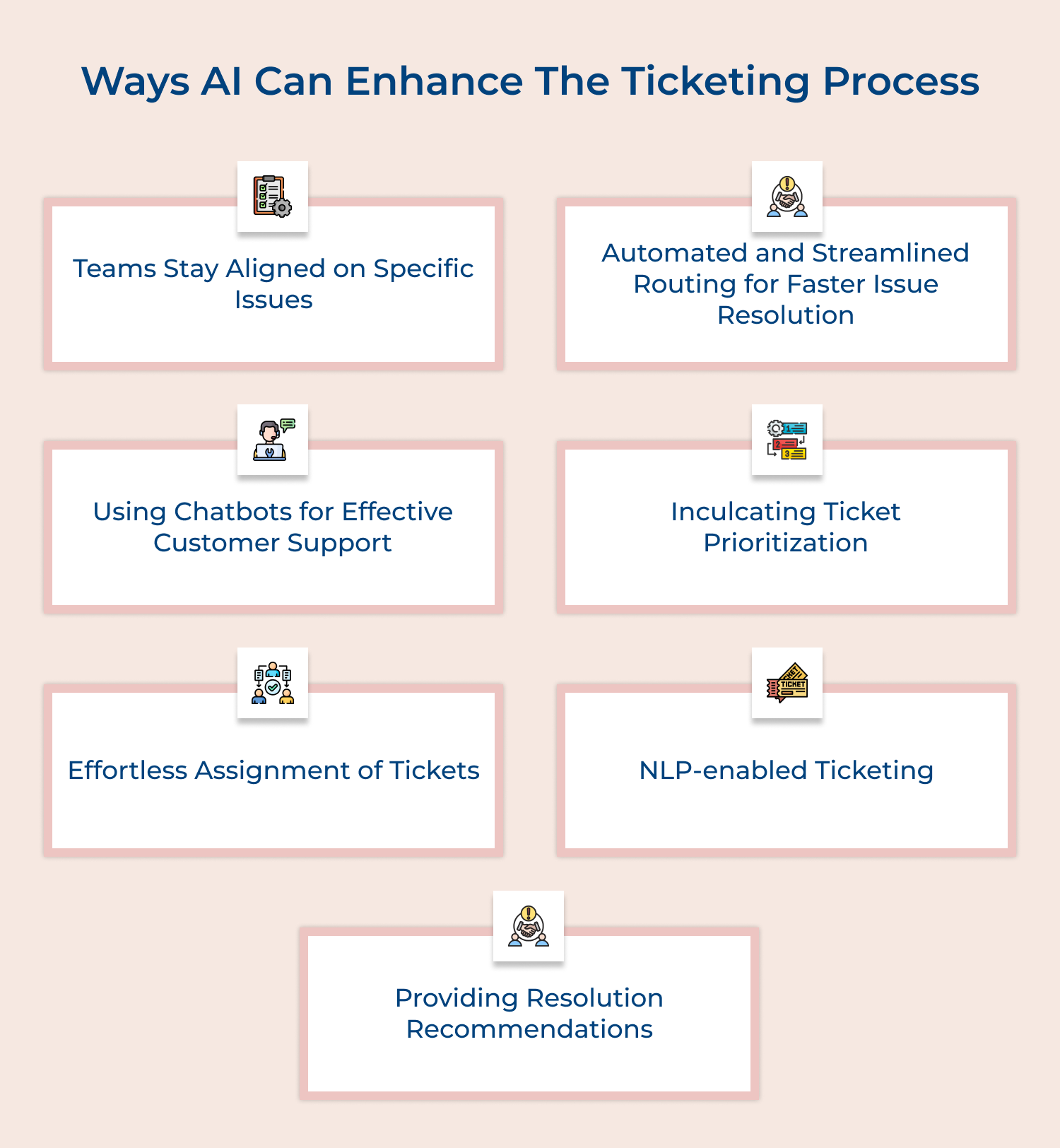
AI-powered ticketing systems can automatically assign tickets to the relevant teams based on the nature of the issue. It ensures that the right people with the necessary expertise handle the tickets, leading to faster resolution and improved customer satisfaction.
Pro tip:
Businesses leveraging AI can help in fixing customer issues faster. AI algorithms can intelligently analyze and categorize incoming tickets based on their content.
The algorithms enable automated routing of tickets to the appropriate departments/agents, reducing manual effort and ensuring faster response times.
Pro tip:
Leveraging AI-powered chatbots in the ticketing process can significantly enhance customer support efficiency.
Chatbots can handle common queries and provide instant responses 24/7. It frees up human agents to focus on more complex tasks, thereby improving productivity and overall customer experience.
Pro tip:
Having an automated ticketing tool integrated allows access to ticket urgency based on predefined criteria such as customer type, issue severity, or service level agreements (SLAs).
By automatically prioritizing tickets, businesses can address critical issues promptly, preventing potential escalations and ensuring customer satisfaction.
Pro tip:
AI-enabled ticketing systems can intelligently assign tickets to available agents based on their workload, skills, and expertise. It streamlines the ticket assignment process, reducing manual effort and ensuring optimal resource utilization.
Pro tip:
Natural Language Processing (NLP) algorithms can understand and interpret the contents of customer tickets more accurately.
NLP-enabled automated ticketing software allows the system to extract key information, identify underlying issues, and suggest relevant solutions, making the ticket resolution process more efficient.
Pro tip:
AI automated ticketing systems can analyze past ticket resolutions and customer feedback data to provide agents with relevant suggestions or best-practice recommendations for resolving similar issues. It saves time and ensures consistent service quality across the organization.
Pro tip:
Identifying the hurdles helps us understand the efficiency that AI has brought to automated ticketing systems today.
Here are the challenges of using the pre-AI ticketing process and shed light on how technology has transformed.
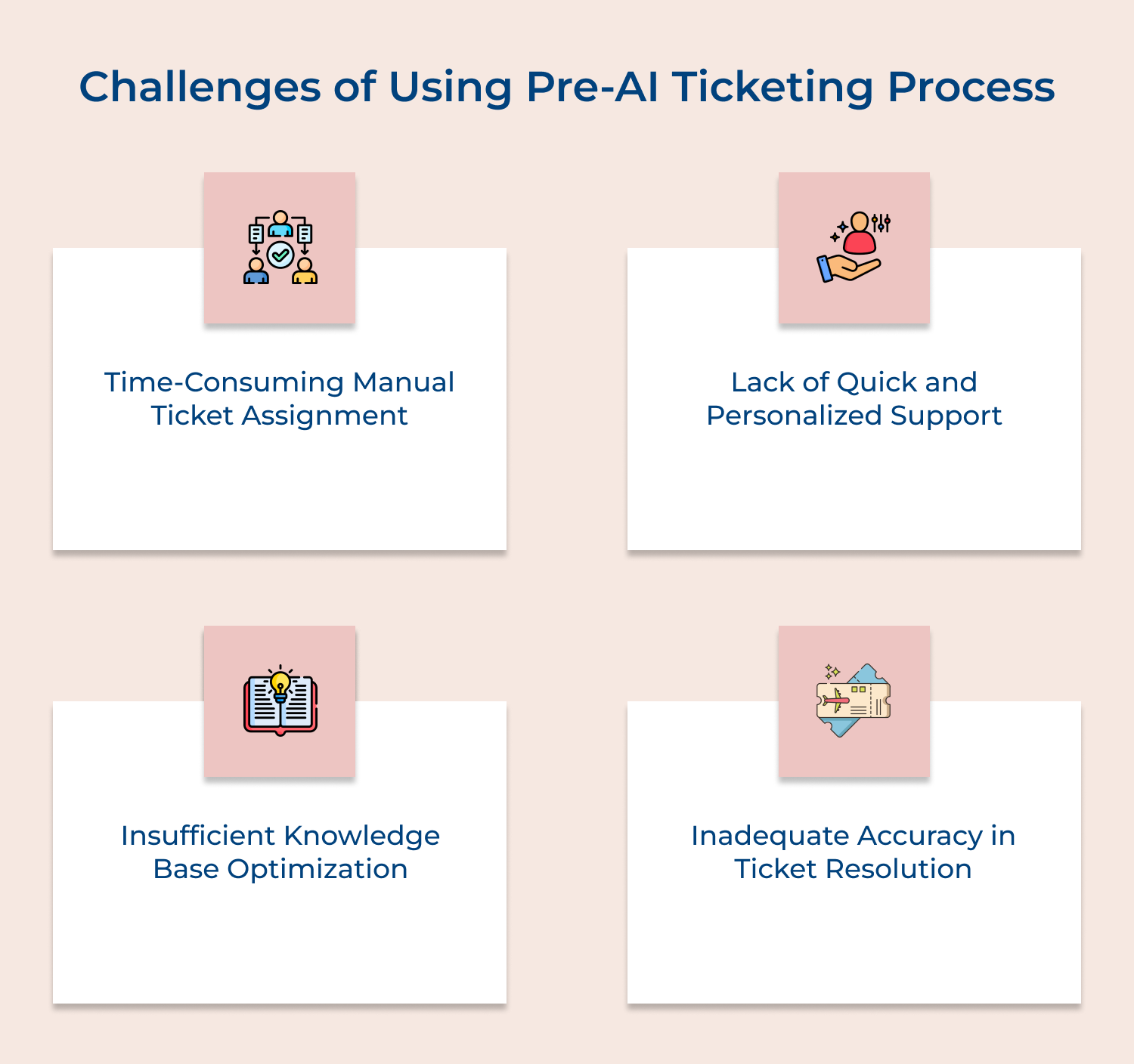
1. Time-Consuming Manual Ticket Assignment
Manual ticketing processes are time-consuming. AI algorithms can intelligently route tickets based on their content, urgency, and other factors. It saves time and ensures that tickets are quickly assigned to the right team member for prompt resolution.
2. Lack of Quick and Personalized Support
In a manual ticketing process, customers often have to wait longer for a response due to the sheer volume of tickets. Automated ticketing systems overcome the issue by providing real-time responses, thereby improving customer satisfaction and reducing response times.
3. Insufficient Knowledge Base Optimization
Insufficient knowledge base optimization is a common issue with traditional ticketing processes. Deploying automated ticketing systems helps by integrating with a comprehensive knowledge base ensuring consistency in responses.
4. Inadequate Accuracy in Ticket Resolution
Inadequate accuracy can lead to dissatisfied customers. Automated ticketing software minimizes these issues by applying consistent rules in ticket resolution. It ensures that customers receive accurate and consistent responses, leading to improved customer satisfaction.
Automated ticketing systems simplify the process of handling customer inquiries and enable businesses to provide efficient support.
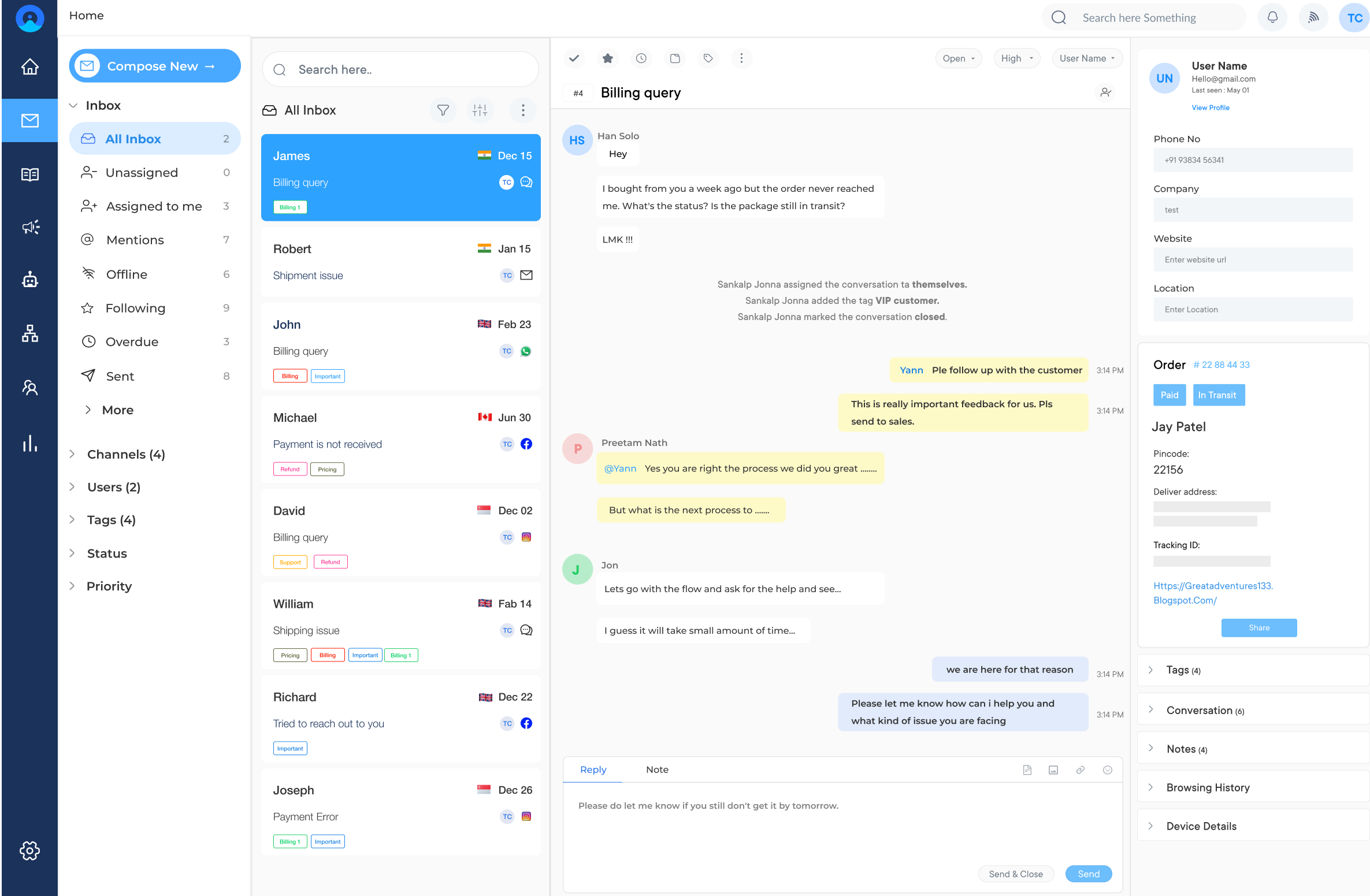
Omni24 is a comprehensive customer experience platform that seamlessly integrates multiple communication channels into one unified interface. The platform enables businesses to manage customer interactions across email, live chat, social media, and messaging apps, creating a cohesive support ecosystem that eliminates silos and reduces response times.
The software combines powerful automation capabilities with intuitive analytics to help support teams deliver consistent, personalized experiences at scale. Comm100’s cloud-based architecture ensures accessibility from anywhere, while its customizable workflows adapt to existing business processes rather than forcing organizations to change their established support methodologies.
Key features:
Pricing: They offer a range of plans from a basic free plan to Enterprise level plans starting at $29/month. Higher tier plans include additional features such as access analytics, reporting, and integrations into many leading platforms like Salesforce, Zapier, Hubspot etc., for SMBs.
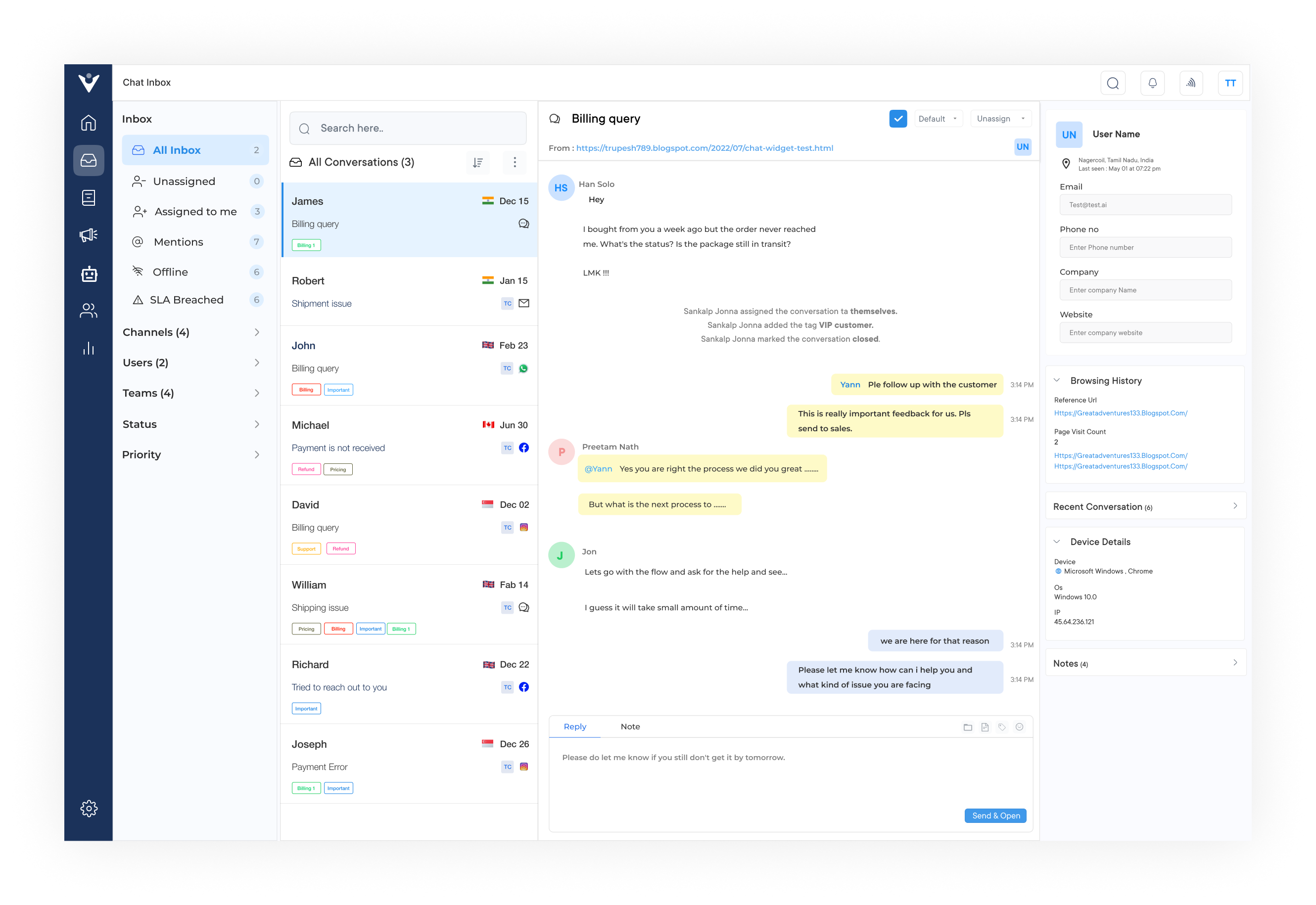
Veemo Support is an advanced customer support platform that centralizes all customer interactions across multiple channels into a unified ticketing system. The software combines smart automation capabilities with robust customization options, allowing businesses to streamline their customer service operations while maintaining a personalized approach to support.
The platform’s intuitive interface enables support teams to efficiently manage, track, and resolve customer inquiries through an organized workflow system. HappyFox integrates seamlessly with various third-party applications and provides advanced reporting tools that help organizations measure performance metrics, identify bottlenecks, and continuously improve their customer service quality.
Key Features
Pricing: There are three pricing tiers based on the number of staff users, so companies can choose whichever works best for them – ranging from $19-299/month depending on the size of your business. Additional add-ons are included in a few packages at different costs, if necessary.
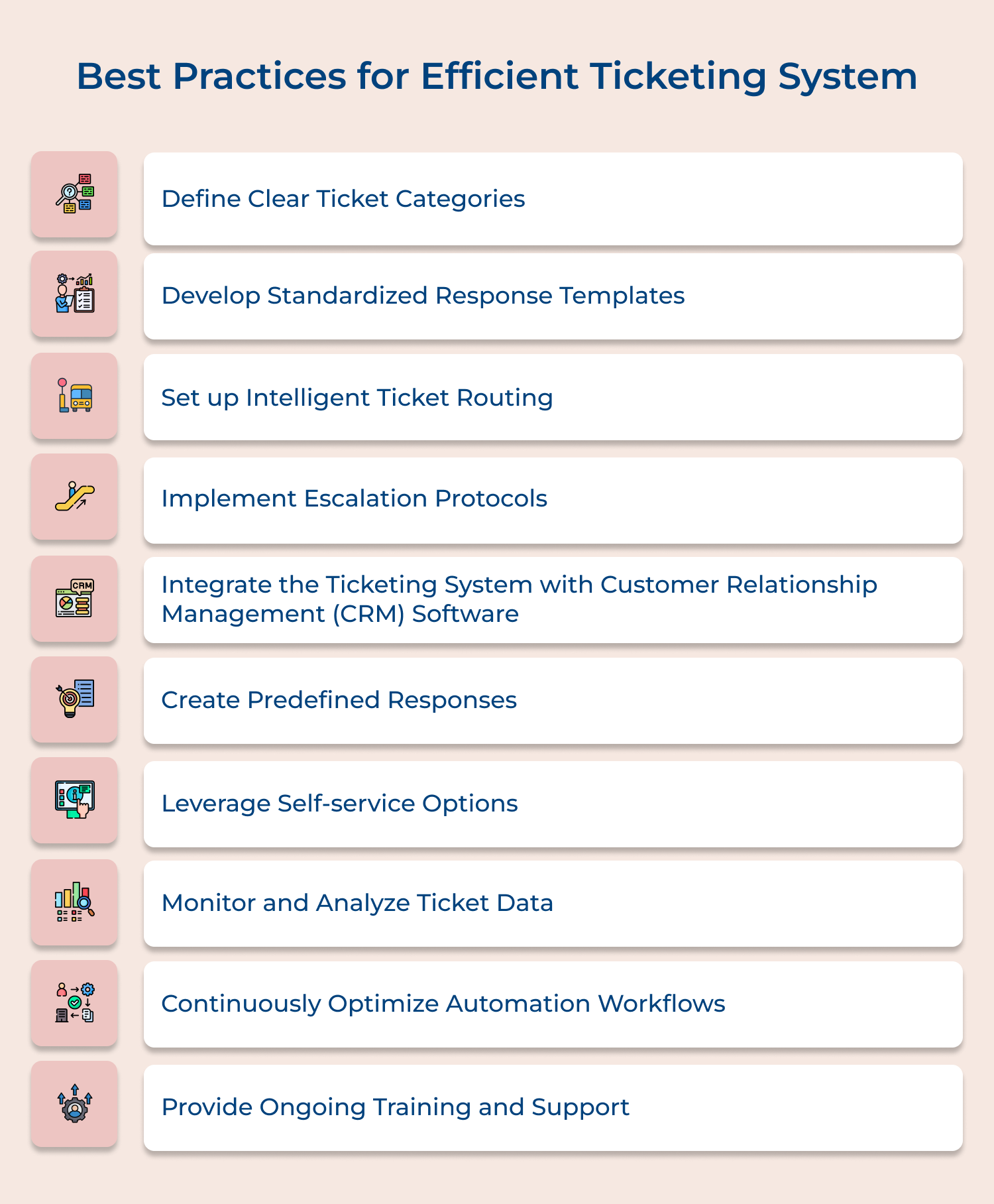
Freshdesk is a popular choice for businesses looking for an automated ticketing system that is easy to set up and use. It offers a clean and intuitive interface, making it a preferred option for businesses with less technical expertise.
Key features:
Live Agent is a feature-rich ticketing system that caters to businesses with complex support needs. It offers various automation features, such as ticket routing and categorization, to ensure that inquiries are assigned to the right agents with the necessary expertise.
Key features:
Businesses can efficiently handle customer inquiries and provide timely resolutions by streamlining the ticketing process.
Businesses are constantly looking for ways to streamline their operations and improve customer satisfaction. One area that can greatly benefit from automation is the service desk. Businesses can transform their service desk and provide efficient customer support by implementing an automated ticketing system.
Transforming your service desk with AI-automated ticketing software can revolutionize the way brands provide support to customers. By improving response times, streamlining workflow, and enhancing collaboration businesses can achieve higher levels of customer satisfaction.

1. Why is automation an important part of a ticketing system?
Automation is crucial in ticketing systems because it eliminates manual processing, dramatically reducing response times and human error. By automatically routing, prioritizing, and categorizing tickets based on predefined rules, support teams can focus on complex issues rather than repetitive tasks. This efficiency not only improves customer satisfaction but also allows organizations to handle larger ticket volumes without proportionally increasing staff.
2. Is the ticketing system part of the CRM?
Ticketing systems often integrate with Customer Relationship Management (CRM) platforms but aren’t inherently part of them. While CRMs focus on managing customer interactions and data throughout the customer lifecycle, ticketing systems specifically handle support requests and issue resolution. The integration allows support agents to access comprehensive customer histories while resolving tickets, creating a unified approach to customer service that leverages both systems’ strengths.
3. What common challenges or issues may arise when using an automated ticketing system?
While automation brings numerous benefits, there can be challenges associated with the implementation and utilization of automated ticketing systems. Some common issues include
4. How can you use data and analytics to track and improve the performance of your automated ticketing system?
Data and analytics play a crucial role in the continuous improvement of an automated ticketing system. By analyzing ticketing system metrics, such as response times, resolution rates, and customer satisfaction scores, businesses can identify areas for improvement. These insights can be utilized to optimize automation workflows, enhance response times, and allocate resources effectively.
5. What are some of the key features to look for in an automated ticketing system?
When selecting an automated ticketing system, it is important to consider the following key features:
 https://omni24.io/wp-content/uploads/2026/09/Social-commerce-scaled.png
1340
2560
Webvision Solution
https://omni24.io/wp-content/uploads/2023/04/Omni-Logo-1.svg
Webvision Solution2026-10-23 12:18:272026-10-23 12:18:27What is Social Commerce and Why Does It Matter?
https://omni24.io/wp-content/uploads/2026/09/Social-commerce-scaled.png
1340
2560
Webvision Solution
https://omni24.io/wp-content/uploads/2023/04/Omni-Logo-1.svg
Webvision Solution2026-10-23 12:18:272026-10-23 12:18:27What is Social Commerce and Why Does It Matter? https://omni24.io/wp-content/uploads/2026/08/AI-Customer-Service-Agents.png
1256
2400
Webvision Solution
https://omni24.io/wp-content/uploads/2023/04/Omni-Logo-1.svg
Webvision Solution2026-09-21 04:48:512026-09-21 04:48:51How to Build an AI Customer Service Agents: 8 Key Steps
https://omni24.io/wp-content/uploads/2026/08/AI-Customer-Service-Agents.png
1256
2400
Webvision Solution
https://omni24.io/wp-content/uploads/2023/04/Omni-Logo-1.svg
Webvision Solution2026-09-21 04:48:512026-09-21 04:48:51How to Build an AI Customer Service Agents: 8 Key Steps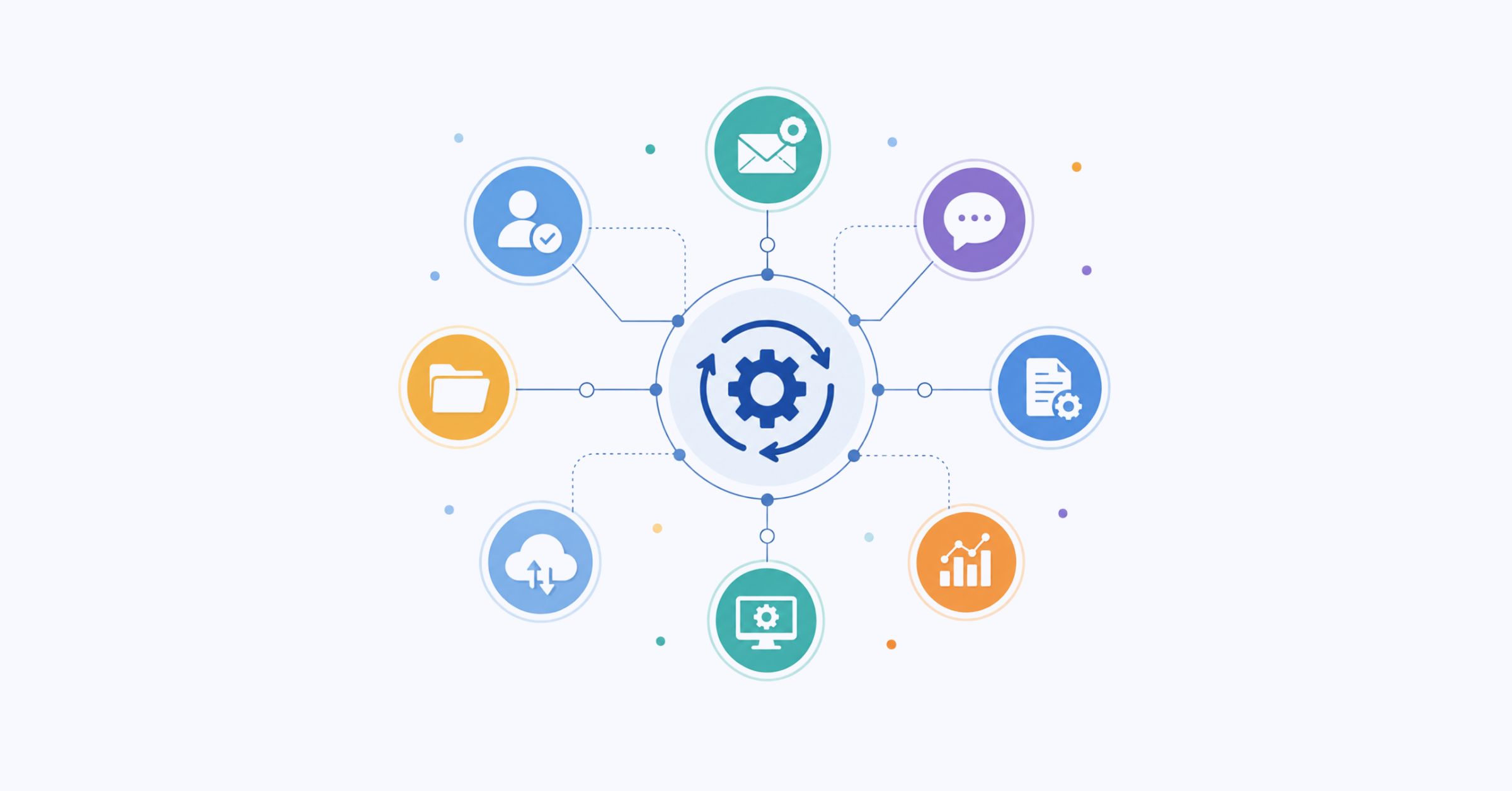 https://omni24.io/wp-content/uploads/2026/08/Omnichannel-Conversational-AI.png
1256
2400
Tushar Joshi
https://omni24.io/wp-content/uploads/2023/04/Omni-Logo-1.svg
Tushar Joshi2026-09-16 03:51:072026-09-16 03:51:07How to Build Omnichannel Conversational AI Strategy
https://omni24.io/wp-content/uploads/2026/08/Omnichannel-Conversational-AI.png
1256
2400
Tushar Joshi
https://omni24.io/wp-content/uploads/2023/04/Omni-Logo-1.svg
Tushar Joshi2026-09-16 03:51:072026-09-16 03:51:07How to Build Omnichannel Conversational AI Strategy
Whether it’s about acquire, engage or support – Omni24 covers all your customer engagement needs in one complete platform.

Copyright ©2026 Veemo All rights reserved.
CA, Los Angeles, Hall Ave, 19011