How to Build a Customer Success Playbook: Guide & Examples
Enhance your customer experience with our free success playbook templates. Customer success playbooks help align your team goals with your customers’ to drive better results and retention.

Enhance your customer experience with our free success playbook templates. Customer success playbooks help align your team goals with your customers’ to drive better results and retention.
Are you struggling to retain customers and ensure their success with your product or service?
If yes, here is the key to keep customers happy and loyal – having a well-defined customer success playbook. Customers have higher expectations and are quick to switch to a competitor if they feel their needs are not being met.
80% of customers say the experience a company provides is as important as its product or services. A customer success playbook serves as a guide for your team to effectively engage with customers, understand their needs and drive value for them.
Let us explore the importance of having a strong customer success playbook framework and how it can benefit your business in the long run.
A customer success playbook is defined as a strategic document that outlines the steps and processes necessary to ensure that customers achieve their desired outcomes with a product or service. It serves as a guide for customer success teams to effectively engage with customers, proactively address their needs and drive retention.
Leveraging a customer success playbook strategy includes various components such as customer segmentation, onboarding processes, proactive outreach strategies and escalation procedures. By following the playbook, customer success teams can standardize their approach to managing client relationships and ensure high-quality service delivery.
Key objectives:
Customer success playbooks help in driving customer retention. They provide a structured framework for teams to follow, helping to ensure a consistent and positive experience.
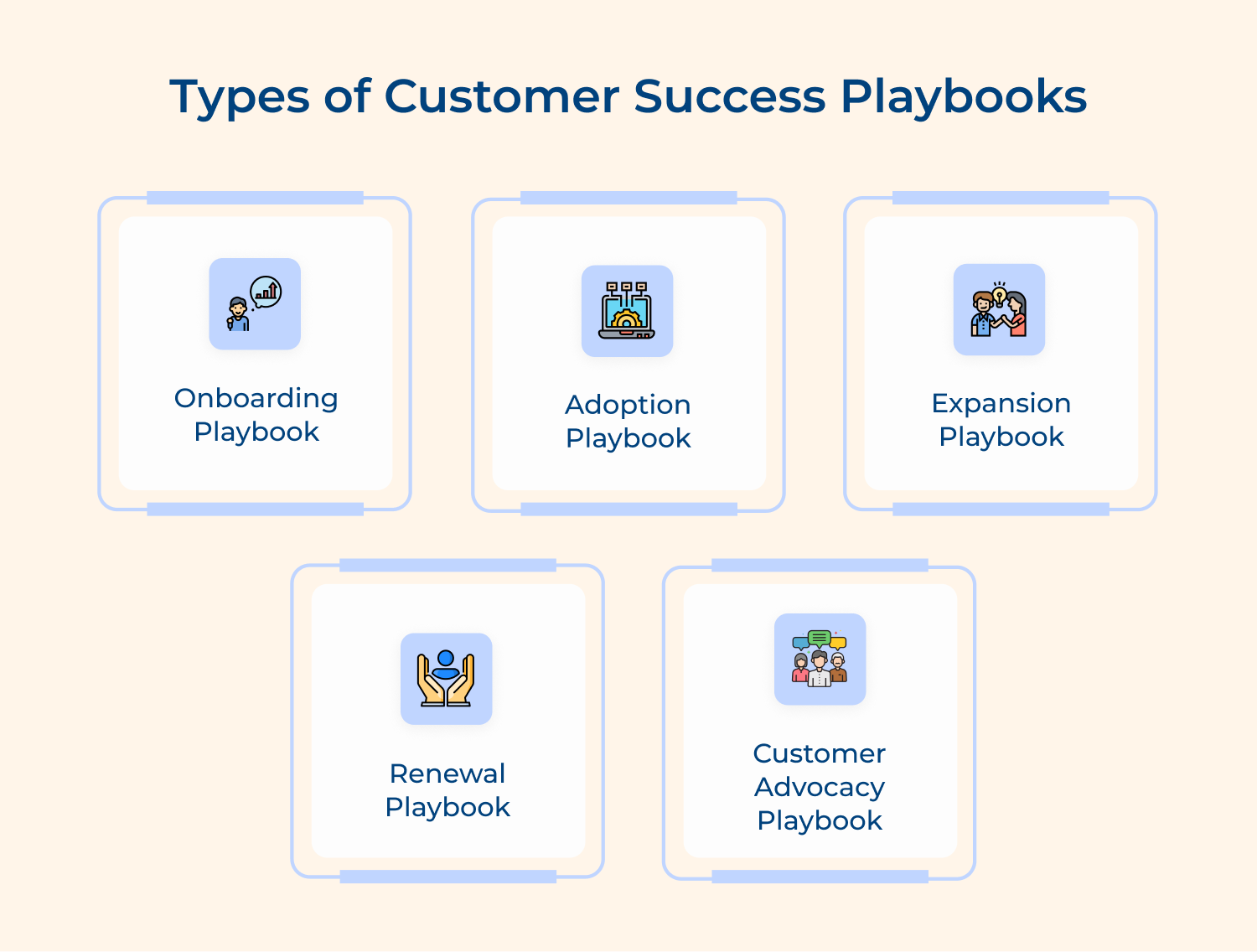
The onboarding playbook is designed to guide new customers through the process of getting started with a product or service. It outlines the steps that need to be taken to ensure a smooth transition and help customers get the most out of their purchase. It includes training materials, checklists and success tips.
The adoption playbook focuses on helping customers fully utilize the features and benefits of a product or service. It includes tips for increasing engagement, best practices for using specific features and resources for troubleshooting common issues. The goal of this playbook is to drive customer satisfaction and loyalty by ensuring that customers see value in their purchase.
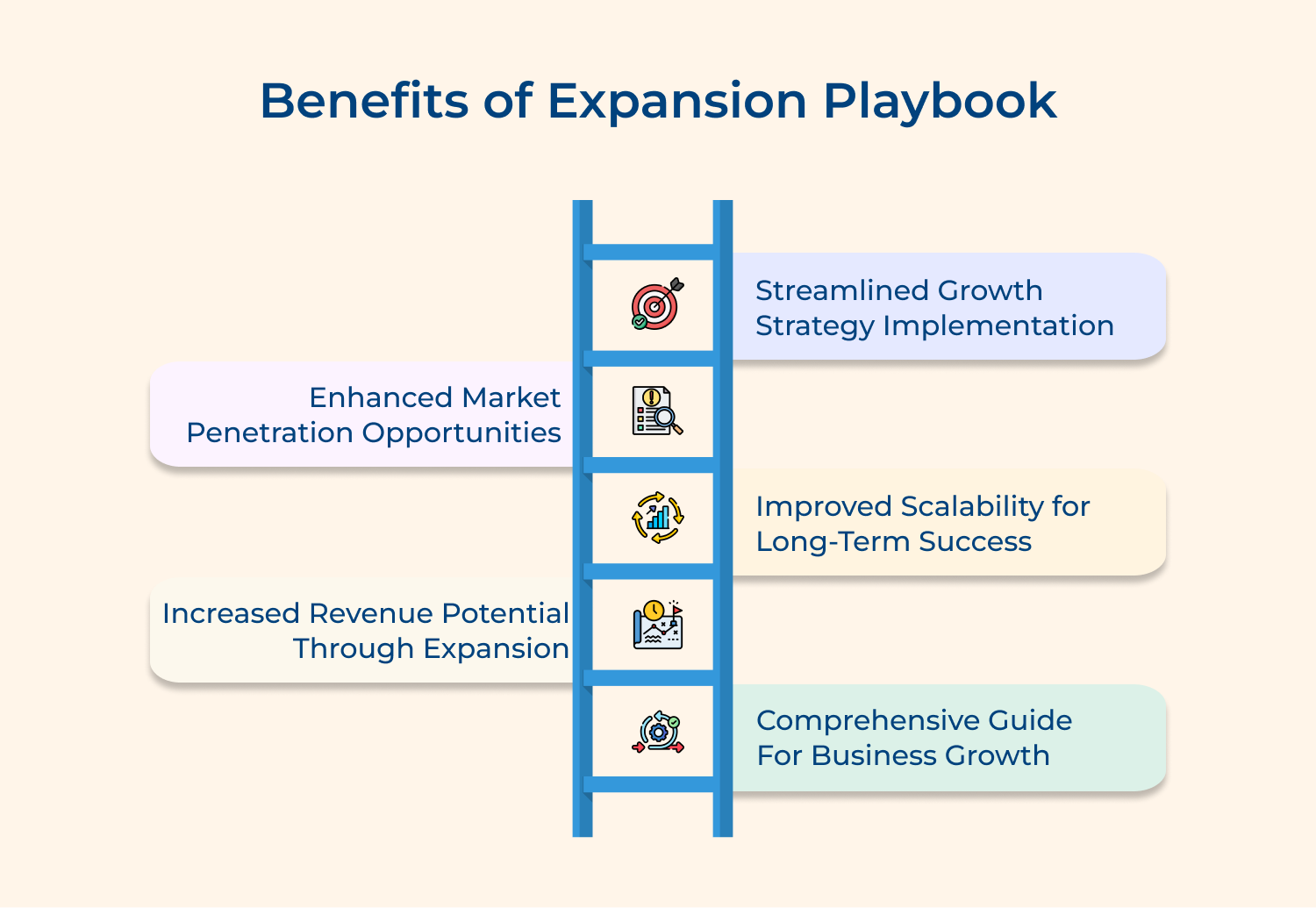
The expansion playbook is focused on upselling and cross-selling to existing customers. It provides strategies for identifying opportunities to expand the customer relationship and increase revenue. It includes targeted offers, personalized recommendations and outreach tactics to drive sales.
The renewal playbook is crucial for ensuring that customers continue their relationship with a company. It outlines strategies for proactively engaging with clients to address concerns, gather feedback and secure renewals. It carries customer success stories, testimonials and incentives to encourage customer loyalty.
The customer advocacy playbook focuses on developing loyal customers who will advocate for a brand. It outlines how to build strong relationships with customers, gather feedback and encourage them to share their positive experience. It has referral programs, customer testimonials and social media campaigns to amplify client advocacy.
88% of customers say good customer service makes them more likely to purchase again. A customer success playbook outlines best practices, strategies and actions to ensure that customers have a positive experience.
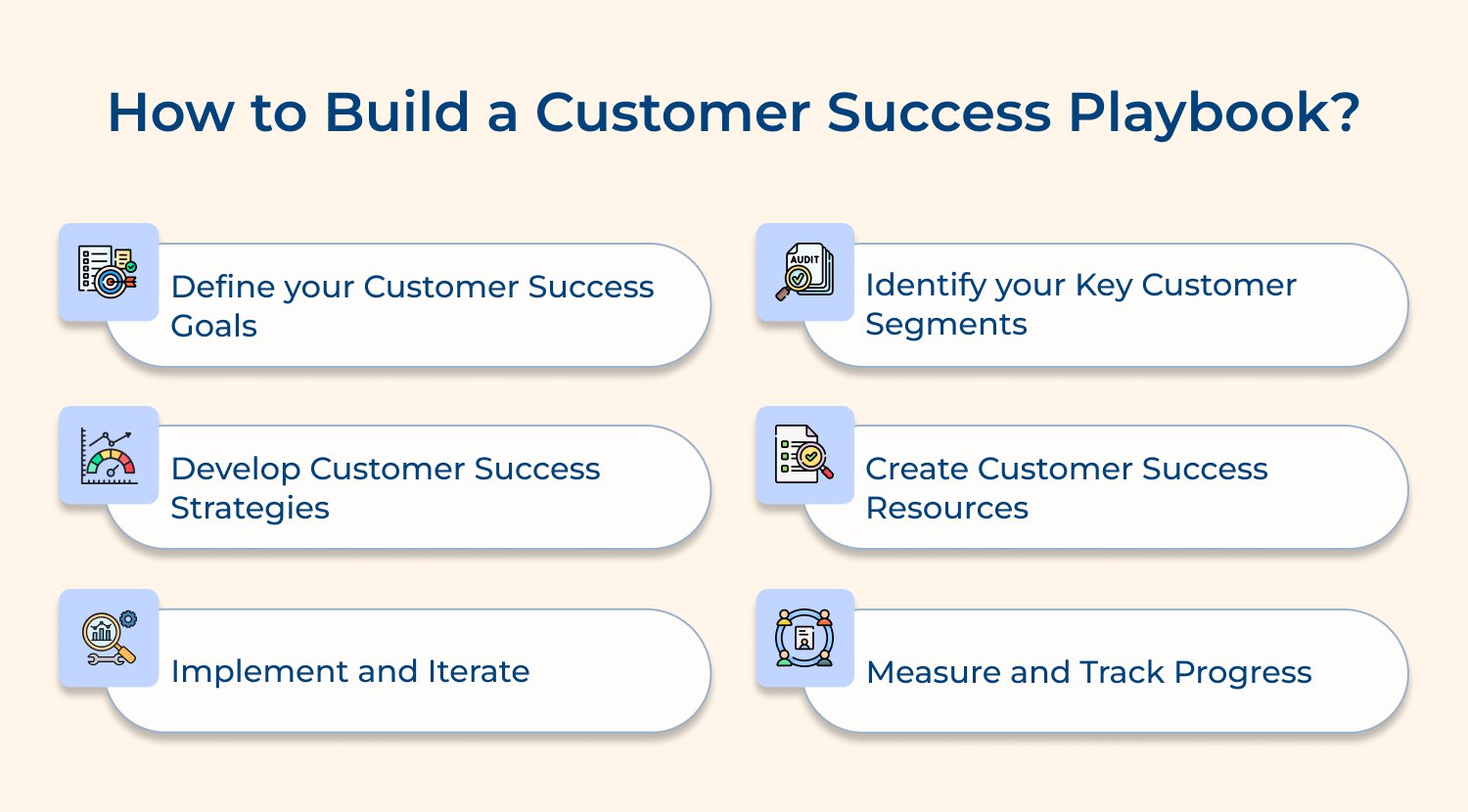
Clearly define your customer success goals before creating a playbook. What do you want to achieve with your customer success efforts? Do you want to increase customer retention, reduce churn or improve customer satisfaction?
Setting clear and measurable goals will help guide your playbook creation.
Here are few tips:
Identifying key customer segments based on factors such as industry, company size or product usage can help tailor your customer success strategies to meet the specific needs of each segment.
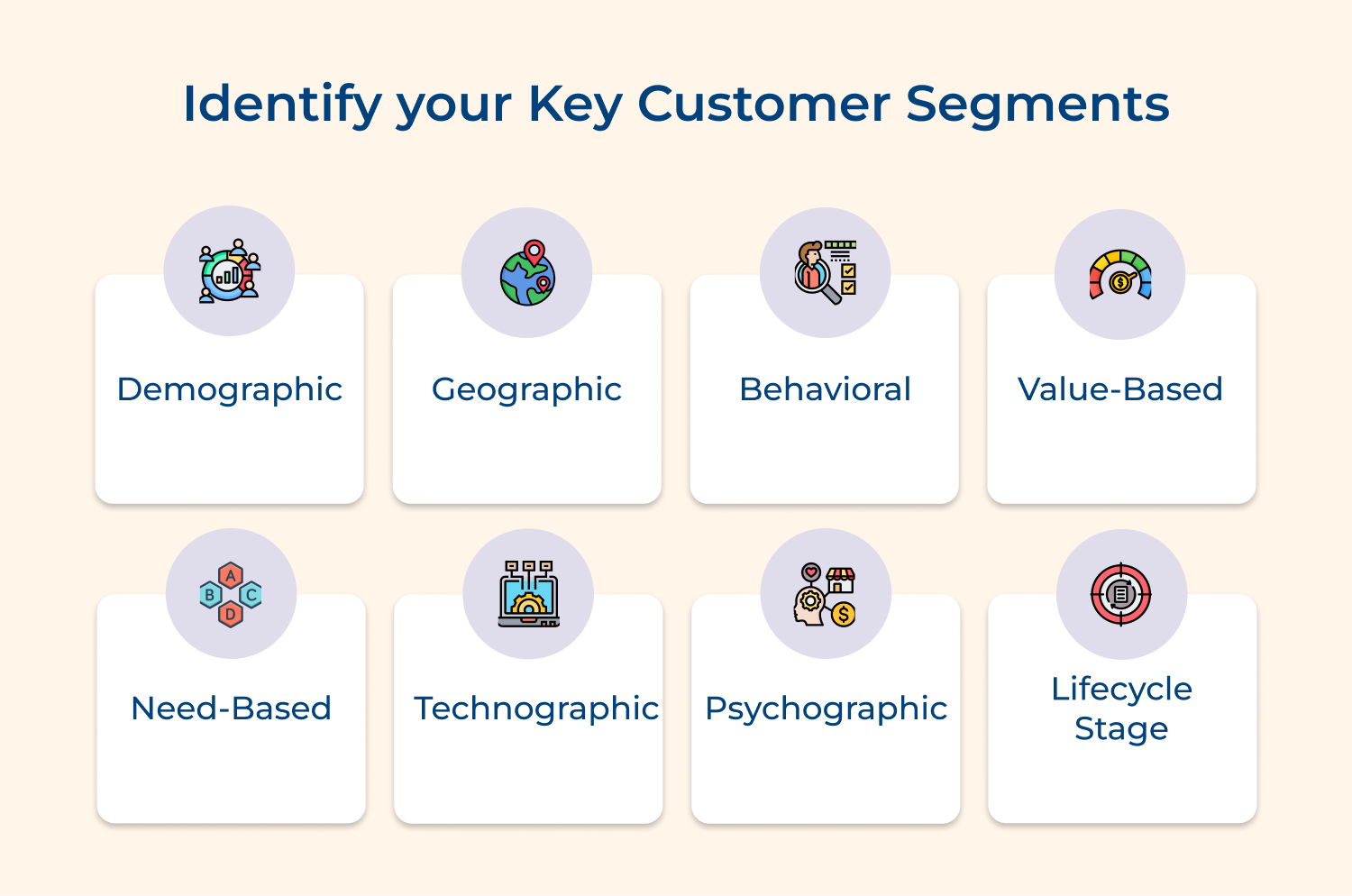
Consider following tips:
After defining the goals and identifying key customer segments, it’s time to develop customer success strategies. It includes onboarding processes, customer training programs, proactive support initiatives and more.
These success strategies should be designed to help customers derive maximum value from your product or service.
Pro tips to follow:
In order to effectively support your customers, you need to have the right resources in place.
Resources could include FAQs, knowledge bases, tutorials and other self-service tools that empower customers to find solutions to their problems on their own. They should be easy to follow and adaptable to different customer scenarios.
Tips to follow:
Once you have created your customer success playbooks, it’s time to implement them. Continuously monitor and track the effectiveness of your playbooks. If something isn’t working, don’t be afraid to iterate and make adjustments as needed.
Pro tips:
Establish key performance indicators (KPIs) to measure the success of your customer success initiatives. Monitor these metrics regularly and make adjustments to your playbook based on the data.
Tips to consider:
56% of the consumers feel positive about their support interactions with businesses. These playbooks outline specific processes, best practices and guidelines for ensuring customer success.
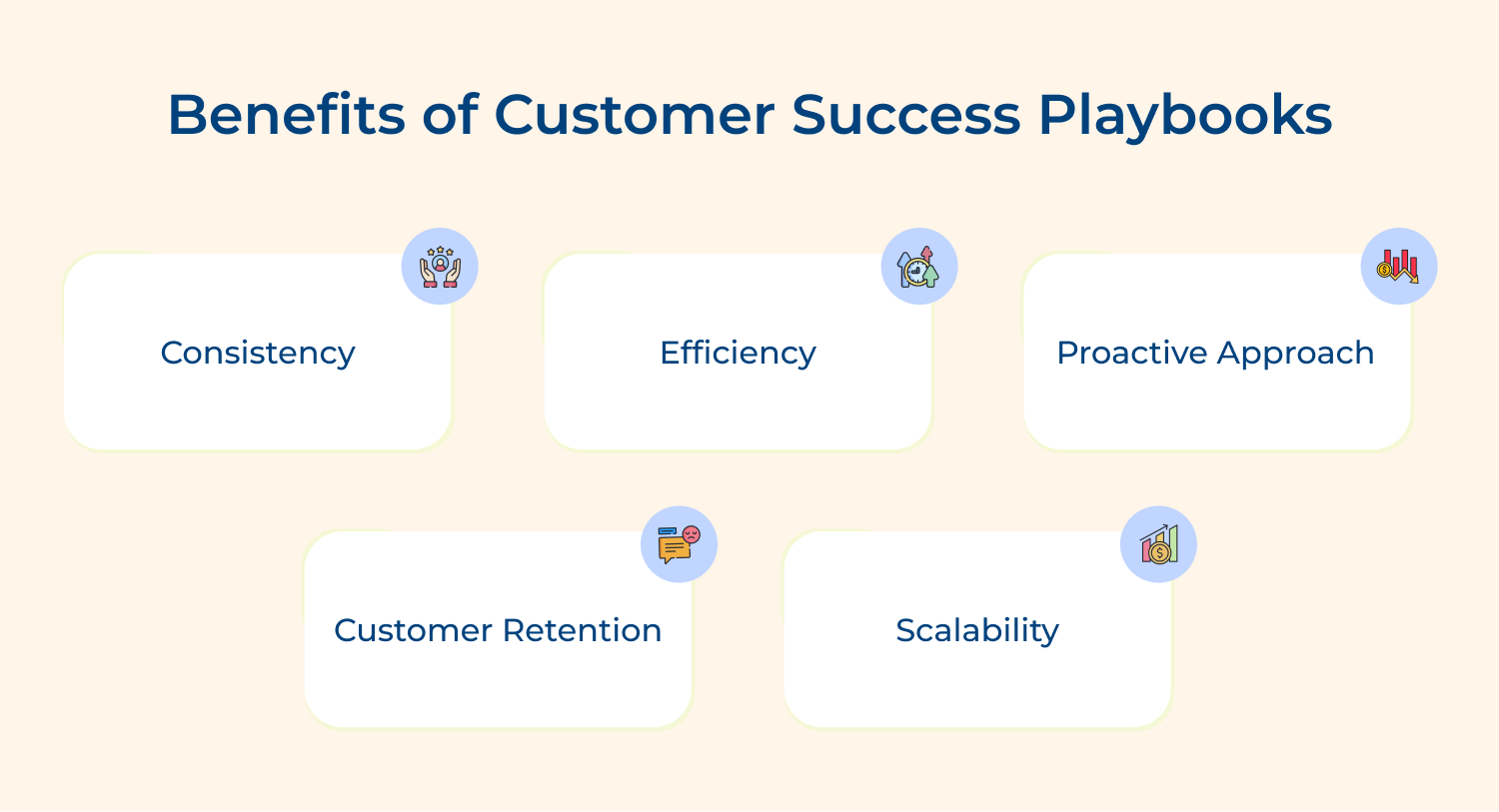
Customer success playbooks provide a standardized approach to customer engagement and support. By following a set of predetermined processes, your team can ensure a consistent and cohesive experience for customers, regardless of which team member they are interacting with.
A well defined playbook provides a roadmap for support representatives to follow when interacting with customers. This can help streamline the process and ensure that no steps are missed along the way. By having a clear plan in place, representatives can work more efficiently and effectively.
The success playbooks often include proactive measures to prevent customer issues before they arise. By anticipating potential problems, addressing them early on, companies can reduce the likelihood of customers becoming dissatisfied and then churn.
The main goal of a customer success playbook is to drive customer satisfaction and retention. By providing exceptional service and support to customers, companies can increase loyalty. Happy customers are more likely to continue using a company’s products or services and even refer others to the business.
When the business expands, it can be challenging to maintain a consistent level of customer service across all customers. Customer success playbooks help to standardize processes and ensure that the same level of care is provided to every customer, regardless of size or industry.
Having a solid customer success playbook in place can help ensure that your customers are satisfied and successful with your offerings.
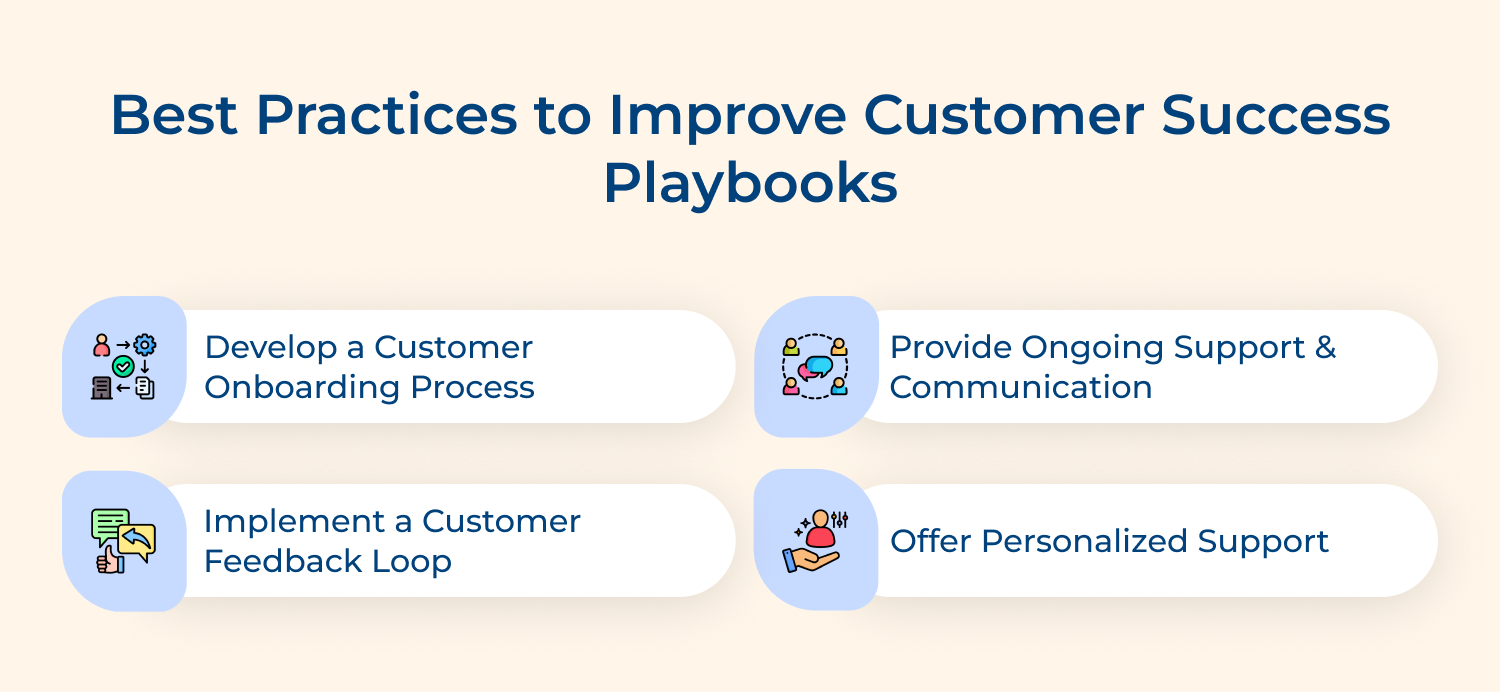
The customer success playbook is a strategic guide that outlines the steps and processes needed to drive customer success.
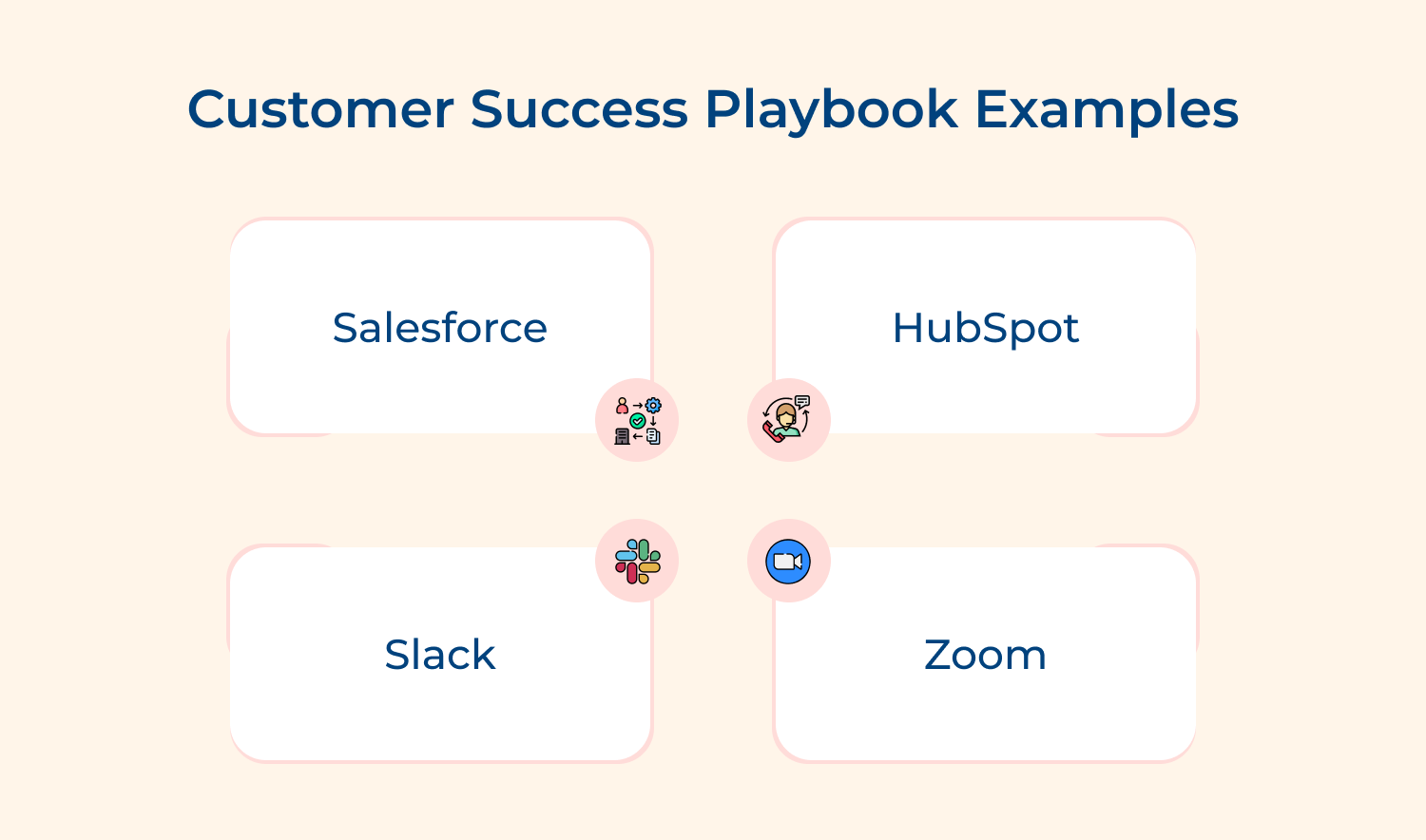
1. Salesforce
Salesforce, a leading customer relationship management platform, is known for its robust customer success program. They have a detailed customer success playbook that focuses on onboarding, training and ongoing support for their customers. Salesforce assigns a customer success manager to each client, who works closely with them to ensure they are getting the most out of the platform.
2. HubSpot
HubSpot, a popular inbound marketing and sales platform, also has an effective customer success playbook. They provide customers with extensive training resources, dedicated support channels and regular check-ins to ensure they are achieving their marketing goals. HubSpot’s approach to customer success has led to a high customer retention rate and positive reviews from users.
3. Slack
Slack, a messaging platform for teams, is another example of a company with a strong customer success playbook. They offer personalized onboarding sessions, ongoing training webinars and a dedicated customer support team to assist users with any issues they may encounter. Slack’s emphasis on customer success has contributed to its widespread adoption among businesses of all sizes.
4. Zoom
Zoom, a video conferencing platform, has seen explosive growth in recent years, thanks in part to its customer success efforts. They provide customers with a comprehensive onboarding process, regular training webinars and a customer support team that is available 24/7 to address any concerns. Zoom’s dedication to customer success has helped them become a dominant player in the video conferencing market.
Investing in a customer success playbook is crucial for driving long-term growth for your business. By focusing on the satisfaction of your customers, you can build strong relationships, build loyalty and increase overall business revenue.
Implementing a customer success strategy not only benefits your customers but also your bottom line. It helps to reduce churn, drive repeat business and even attract new customers through positive word-of-mouth. So, don’t overlook the importance of prioritizing customer success in your business strategy. Start implementing a customer success playbook today and see the long-term benefits it can bring to your growth

What Should Be Included In A Customer Success Playbook?
A customer success playbook should include a clear definition of the customer success team’s goals and objectives. It should outline the customer journey from onboarding to ongoing support, detailing how the team will engage with customers at each stage. The playbook should also include key performance indicators (KPIs) and metrics to track the team’s success in achieving its goals.
How do I create a customer service playbook?
To create a customer service playbook, start by defining your customer success goals and objectives. Identify the customer journey and touchpoints where customers will interact with your team. Develop processes and protocols for managing customer relationships. Document these processes in the playbook and ensure that all team members are trained on how to use it.
How to Design Your Customer Success Playbook?
When designing your customer success playbook, consider the needs and preferences of your customers. Tailor your strategies to meet their expectations and provide a seamless experience. Include best practices for communication, problem-solving and relationship management. Make sure the playbook is easy to access and navigate, so team members can quickly find the information they need.
What’s in a customer success playbook?
A customer success playbook typically includes a customer success mission statement, goals, customer journey map, key customer success processes, communication guidelines, escalation procedures, KPIs & metrics and resources for team members. It may also include customer personas, customer segmentation strategies and case studies to illustrate successful customer interactions.
Why do you need to create regular customer service reports?
Creating regular customer service reports is essential for monitoring performance, tracking progress and identifying areas for improvement. Generate reports on a consistent basis to ensure that your customer service efforts are aligned with your business objectives and that you are meeting or exceeding customer expectations. Regular reporting also allows you to measure the impact of any changes or initiatives implemented and make adjustments as needed to drive continuous improvement.
 https://omni24.io/wp-content/uploads/2026/08/AI-Customer-Service-Agents.png
1256
2400
Webvision Solution
https://omni24.io/wp-content/uploads/2023/04/Omni-Logo-1.svg
Webvision Solution2026-09-21 04:48:512026-09-21 04:48:51How to Build an AI Customer Service Agents: 8 Key Steps
https://omni24.io/wp-content/uploads/2026/08/AI-Customer-Service-Agents.png
1256
2400
Webvision Solution
https://omni24.io/wp-content/uploads/2023/04/Omni-Logo-1.svg
Webvision Solution2026-09-21 04:48:512026-09-21 04:48:51How to Build an AI Customer Service Agents: 8 Key Steps https://omni24.io/wp-content/uploads/2026/08/Omnichannel-Conversational-AI.png
1256
2400
Tushar Joshi
https://omni24.io/wp-content/uploads/2023/04/Omni-Logo-1.svg
Tushar Joshi2026-09-16 03:51:072026-09-16 03:51:07How to Build Omnichannel Conversational AI Strategy
https://omni24.io/wp-content/uploads/2026/08/Omnichannel-Conversational-AI.png
1256
2400
Tushar Joshi
https://omni24.io/wp-content/uploads/2023/04/Omni-Logo-1.svg
Tushar Joshi2026-09-16 03:51:072026-09-16 03:51:07How to Build Omnichannel Conversational AI Strategy https://omni24.io/wp-content/uploads/2026/08/Customer-Service-Teams.png
1256
2400
Tushar Joshi
https://omni24.io/wp-content/uploads/2023/04/Omni-Logo-1.svg
Tushar Joshi2026-09-15 04:01:522026-09-15 04:02:16How to Build Customer Service Teams: 6 Key Steps
https://omni24.io/wp-content/uploads/2026/08/Customer-Service-Teams.png
1256
2400
Tushar Joshi
https://omni24.io/wp-content/uploads/2023/04/Omni-Logo-1.svg
Tushar Joshi2026-09-15 04:01:522026-09-15 04:02:16How to Build Customer Service Teams: 6 Key Steps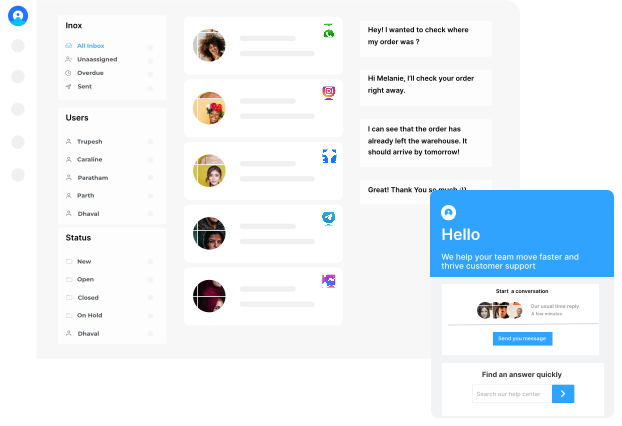
Whether it’s about acquire, engage or support – Omni24 covers all your customer engagement needs in one complete platform.

Copyright ©2026 Veemo All rights reserved.
CA, Los Angeles, Hall Ave, 19011