Future of Customer Service: 7 Technology Trends to Watch
Exploring the future of customer service reveals how technology reshapes the landscape while keeping satisfaction simple and central.

Exploring the future of customer service reveals how technology reshapes the landscape while keeping satisfaction simple and central.
Gone are the days of waiting on hold for hours to speak to a customer service representative or to visit the store to resolve an issue. The rise of chatbots, artificial intelligence and personalized customer experiences are changing the game.
Customer service is becoming more important than ever. Businesses need to adapt to meet the needs and demands of their customers.
Businesses can grow revenues between 4% and 8% above their market when prioritizing better customer service experiences.
Satisfied customers have a 60% – 70% chance of returning to make future purchases and are inclined to tell others about your business when they experience excellent customer service.
So, what does the future hold for customer service? Let’s take a closer look at the trends and developments shaping the future of customer service.
Customer service trends refer to the latest strategies, techniques, and practices that businesses adopt to improve customer support. These trends are driven by various factors such as technological advancements, changing customer expectations, and the need for businesses to stay competitive in the market.
Key objectives are as follows:
Customer expectations are constantly evolving. With the rise of technology and the internet, customers now have more information or options than ever before. So, how exactly are customer expectations changing and what does this mean for businesses?
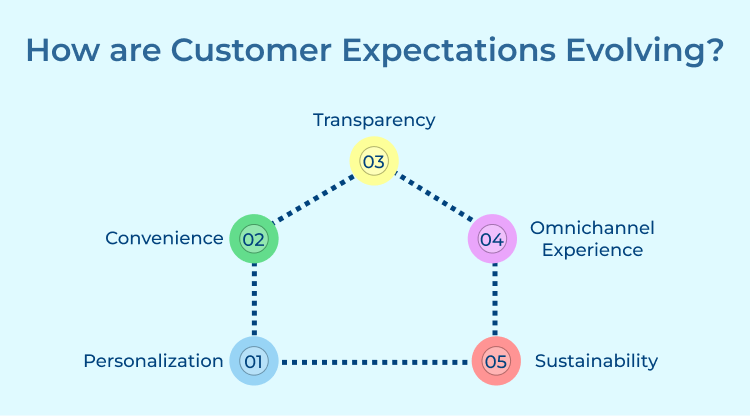
There have been significant advancements and innovations in the field of customer service that are shaping the future of how businesses interact with their customers. Here are seven trends that are shaping the future of customer service.
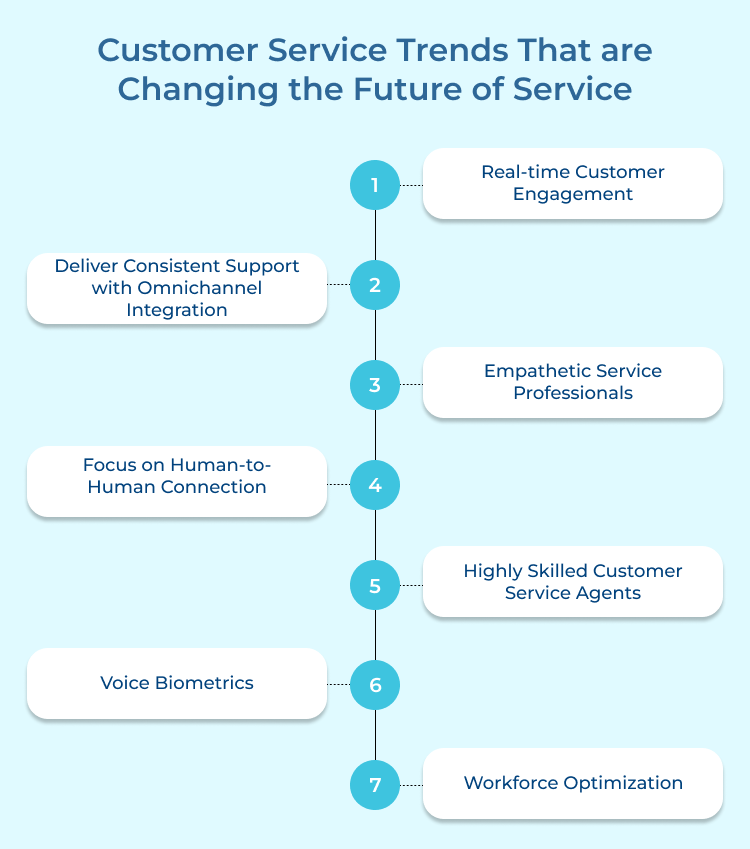
The rise of social media and instant messaging platforms empowers businesses to engage with customers in real time. It allows immediate responses to customer inquiries, complaints, and feedback resulting in better customer satisfaction.
Ways it could influence the future of customer service:
Omnichannel integration allows businesses to provide a seamless customer service experience across multiple online & offline channels, such as phone, email, chat, social media and in-person interactions.
Being omnichannel ensures customers receive consistent support and information, regardless of the channel they choose to engage with the company.

Ways it could influence the future of customer support:
One of the most significant trends in customer service is the focus on empathy. Businesses are increasingly recognizing the importance of building emotional customer connections and employing service professionals who are adept at understanding their needs.
Empathy can go a long way in resolving customer issues and building long-lasting relationships.
Ways it could influence the future of customer service:
Businesses are realizing the value of human-to-human connection in customer service. Customers appreciate speaking to a real person who can offer personalized assistance and understanding.
Companies are investing in training their service agents to interact with customers more humanly and authentically, rather than relying solely on automated solutions.
Ways it could influence the future of customer support:
Businesses are placing a greater emphasis on hiring highly skilled customer service agents. These professionals are equipped with the knowledge and expertise to handle complex queries.
Investing in training and development programs for customer service agents is crucial in meeting the evolving demands of a modern customer base.
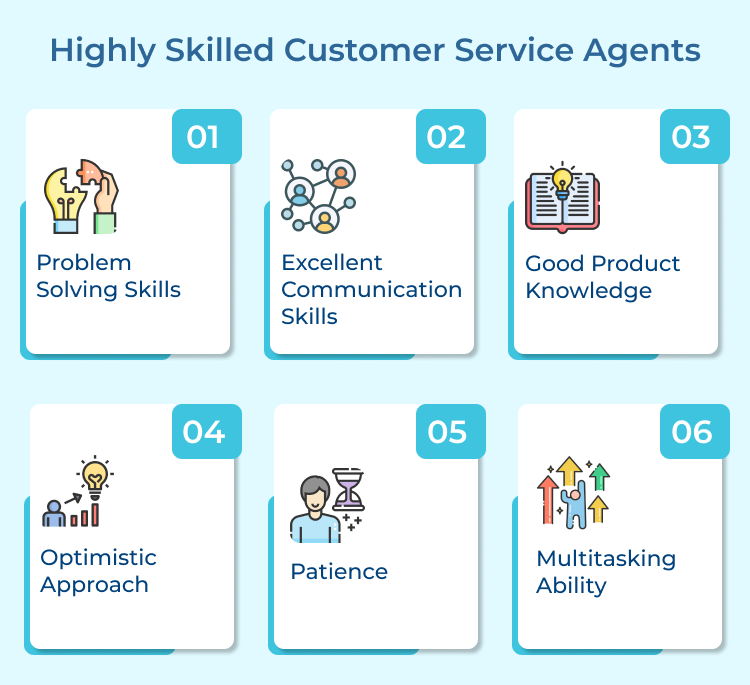
Ways it could influence the future of customer service:
Voice biometrics is another trend that is revolutionizing customer service. The technology allows businesses to authenticate customers based on their unique voice characteristics, providing a more secure and seamless experience.
Leveraging voice biometrics helps companies enhance the efficiency of their customer service operations while also improving the overall customer experience.
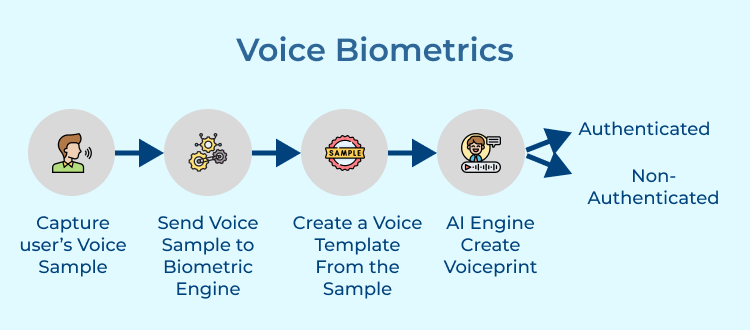
Ways it could influence the future of customer support:
Businesses are turning to workforce optimization tools to streamline customer service operations and maximize efficiency. These tools help businesses manage their workforce more effectively, ensuring that the right agents are assigned to the right tasks at the right time.
Optimization of their workforce will help businesses improve productivity, reduce costs and enhance the overall quality of customer service.
Ways it could influence the future of customer service:
Technology has a profound impact on the future of customer service, revolutionizing the way businesses interact with their customers. As technology continues to advance, customer service is becoming increasingly efficient, personalized, and convenient.
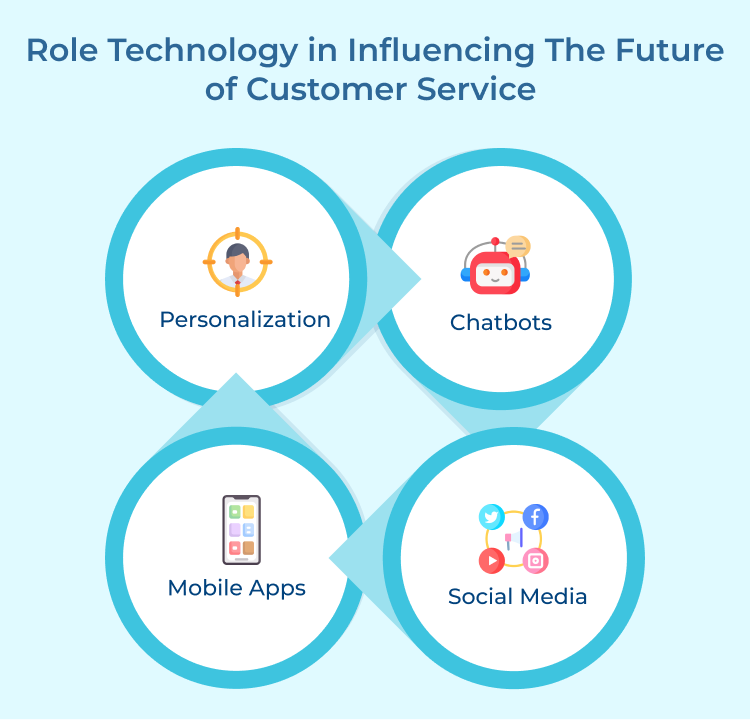
Here are some ways technology is influencing the future of customer service:
AI-powered chatbots are virtual assistants that can provide instant responses to customer queries, offer personalized recommendations, and even complete transactions, all without human intervention.
Takeaways for the future of customer service:
Self-service options powered by AI technology are becoming more prevalent, allowing customers to find answers to their questions without the need to interact with a customer service representative. It not only saves time for customers but also reduces the workload for service agents.
Takeaways for the future of customer support:
Technology is enabling businesses to create hyper-personalized customer experiences. By leveraging data and analytics, companies can tailor their products, services and communication to meet individual customer needs. The level of personalization helps to build stronger customer relationships and loyalty.
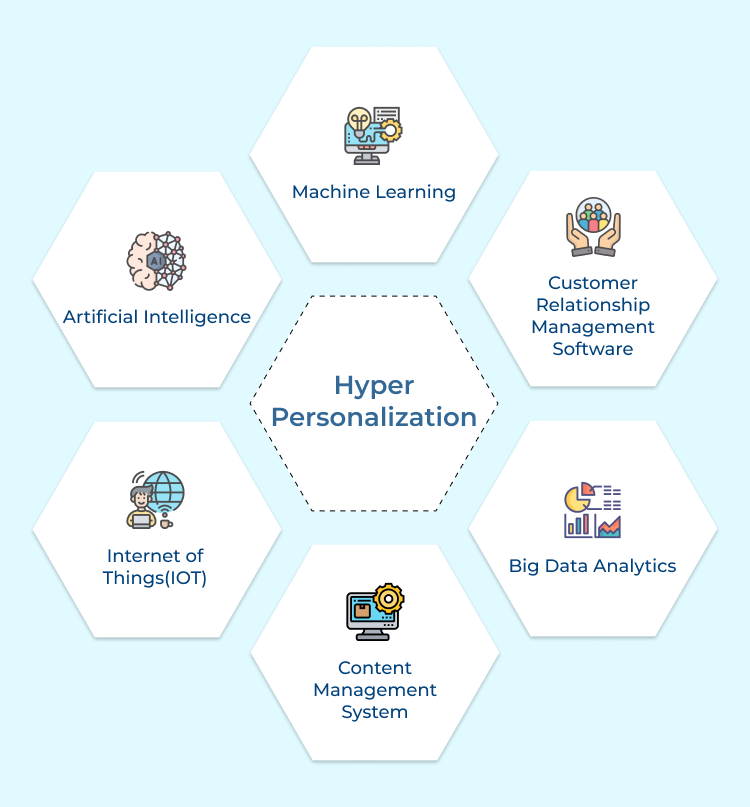
Takeaways for the future of customer support:
VR and AR technologies are enhancing the customer service experience by providing immersive solutions. Businesses can use these technologies to showcase products, offer virtual tours or provide hands-on assistance, creating a more engaging and memorable customer experience.
Takeaways for the future of customer support:
The world of customer service is also evolving. With tech-savvy customers expecting immediate responses and personalized experiences, businesses are facing new challenges when it comes to meeting their customer’s needs.
Here are some of the customer service challenges of the future.
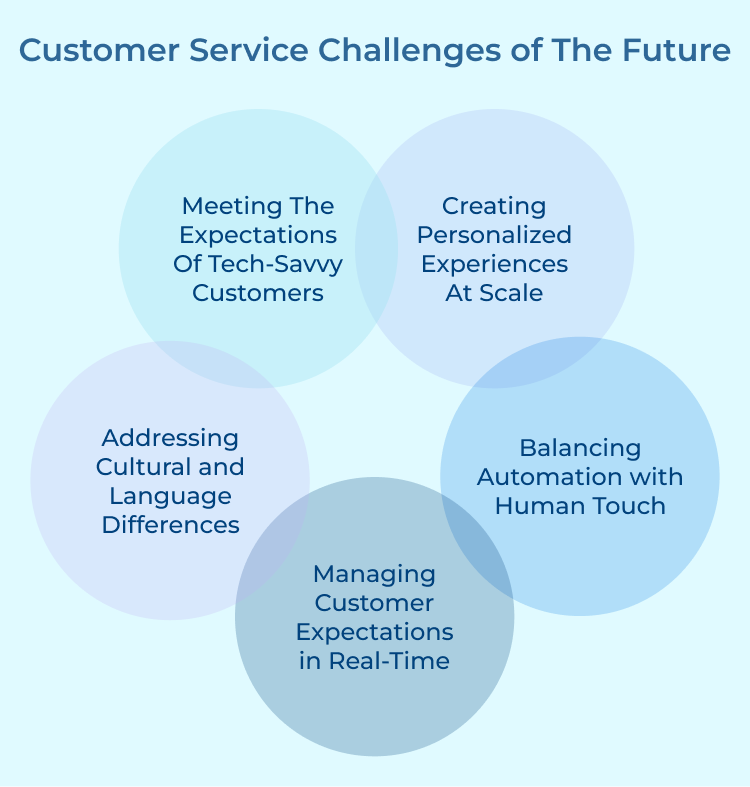
The rise of social media and instant communication channels allows customers to expect fast service around the clock. It means that businesses will need to invest in cutting-edge technology and training for their customer service teams to keep up with these demands.
Modern customers expect personalized recommendations and tailored interactions. The support team needs to find ways to provide individualized service to a large customer base. It can be achieved through data analytics & automation, but striking the right balance between efficiency and personalization is key.
Balancing automation with the human touch is another challenge for customer service professionals. While automation can streamline processes and improve efficiency, it is important not to lose the human element of customer service. Finding ways to incorporate automation while still providing a personalized and empathetic customer experience is crucial.
Instant messaging has allowed customers to expect quick responses and resolutions to their issues. Customer service teams must be able to handle customer inquiries and complaints quickly to maintain customer satisfaction.
Companies will need to be able to communicate effectively with customers from different cultures and backgrounds as there is globalization of businesses. It will require businesses to invest in training for their customer service teams and develop strategies for addressing cultural differences.
Keeping up with customer expectations is crucial for the bright future of customer service. Understanding their needs, embracing new technologies, investing in training exceeding customer expectations.
Prioritizing customer satisfaction helps businesses build strong relationships, enhance their reputation, and drive success in the competitive marketplace. The future of customer service relies on adaptability, innovation, and a deep commitment to delivering exceptional customer experiences.

1. What is the future of Al in customer service?
Artificial Intelligence (AI) is expected to play a significant role in customer service in the future. AI-powered chatbots and virtual assistants are already being used by many companies to provide immediate responses to customer queries and improve efficiency. As AI technology continues to advance, we can expect more personalized and seamless customer experiences with AI handling routine queries while human agents focus on more complex issues.
2. What are the latest trends in customer service?
Some of the latest trends in customer service include omnichannel support, where customers can interact with a company through multiple channels seamlessly. Personalization is another key trend with companies using customer data to tailor their interactions and offerings. Self-service options, such as knowledge bases and FAQs, are also becoming increasingly popular as customers seek quick solutions to their problems.
3. What is the future of customer satisfaction?
Customer satisfaction will continue to be a top priority for businesses in the future. Companies will need to focus on providing exceptional customer experiences across all touchpoints to build loyalty and drive repeat business. It includes offering personalized interactions, quick responses and proactive problem-solving. As customer expectations continue to rise, businesses will need to continually innovate and adapt to meet their needs.
4. What is the future of services?
The future of services is likely to be heavily influenced by technology and automation. Companies will need to embrace digital transformation to stay competitive and meet changing customer demands. It may involve implementing AI and machine learning tools, leveraging data analytics for insights and investing in automation technologies. But, the human touch will still be essential in providing excellent service. Companies will need to strike a balance between technology and human interaction to thrive in the future.
 https://omni24.io/wp-content/uploads/2026/07/Customer-Data-Platform.png
1256
2400
Tushar Joshi
https://omni24.io/wp-content/uploads/2023/04/Omni-Logo-1.svg
Tushar Joshi2026-07-08 03:58:592026-07-08 03:58:59How a Customer Data Platform Unlocks Unified Customer Insights
https://omni24.io/wp-content/uploads/2026/07/Customer-Data-Platform.png
1256
2400
Tushar Joshi
https://omni24.io/wp-content/uploads/2023/04/Omni-Logo-1.svg
Tushar Joshi2026-07-08 03:58:592026-07-08 03:58:59How a Customer Data Platform Unlocks Unified Customer Insights https://omni24.io/wp-content/uploads/2026/07/Unified-Customer-View.png
1256
2400
Tushar Joshi
https://omni24.io/wp-content/uploads/2023/04/Omni-Logo-1.svg
Tushar Joshi2026-07-07 03:37:342026-07-07 03:37:34How a Unified Customer View Transforms Customer Experience
https://omni24.io/wp-content/uploads/2026/07/Unified-Customer-View.png
1256
2400
Tushar Joshi
https://omni24.io/wp-content/uploads/2023/04/Omni-Logo-1.svg
Tushar Joshi2026-07-07 03:37:342026-07-07 03:37:34How a Unified Customer View Transforms Customer Experience https://omni24.io/wp-content/uploads/2026/06/Omnichannel-CRM.png
1256
2400
Tushar Joshi
https://omni24.io/wp-content/uploads/2023/04/Omni-Logo-1.svg
Tushar Joshi2026-07-06 03:49:012026-07-06 04:00:22How to Implement Omnichannel CRM Strategy: 7 Key Steps
https://omni24.io/wp-content/uploads/2026/06/Omnichannel-CRM.png
1256
2400
Tushar Joshi
https://omni24.io/wp-content/uploads/2023/04/Omni-Logo-1.svg
Tushar Joshi2026-07-06 03:49:012026-07-06 04:00:22How to Implement Omnichannel CRM Strategy: 7 Key Steps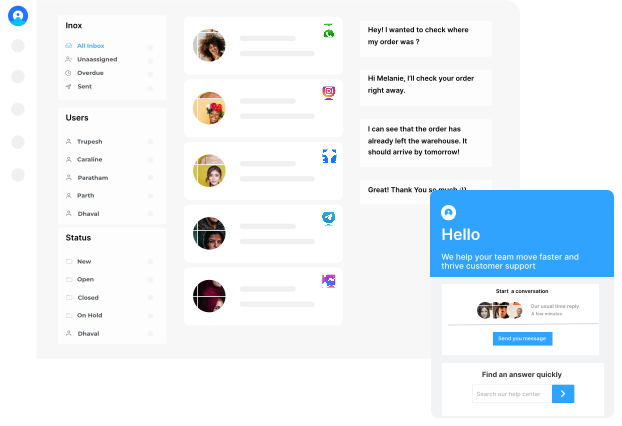
Whether it’s about acquire, engage or support – Omni24 covers all your customer engagement needs in one complete platform.

Copyright ©2026 Veemo All rights reserved.
CA, Los Angeles, Hall Ave, 19011