Customer Experience for Business Growth: A Success Guide
Customer experience is a key driver of business growth, helping build loyalty and retention. By prioritizing seamless interactions, companies can boost satisfaction and long-term success.

Customer experience is a key driver of business growth, helping build loyalty and retention. By prioritizing seamless interactions, companies can boost satisfaction and long-term success.
In the modern business landscape, every brand needs to identify its audience and not look like a commoditized product. Delivering exceptional customer experience (CX) has become a key differentiator for brands striving to drive growth.
Companies that lead in CX grow their revenue 80% faster than competitors who lag.
As consumers become more demanding, brands that prioritize CX stand out from the crowd and achieve long-term profitability.
Achieving a consistently superior CX is not without its challenges. One major hurdle is seamlessly integrating multiple touchpoints. Leveraging customer data effectively to tailor experiences can be a daunting task.
As customers become increasingly demanding and competition intensifies, delivering a superior customer experience can be the game-changer for your business.
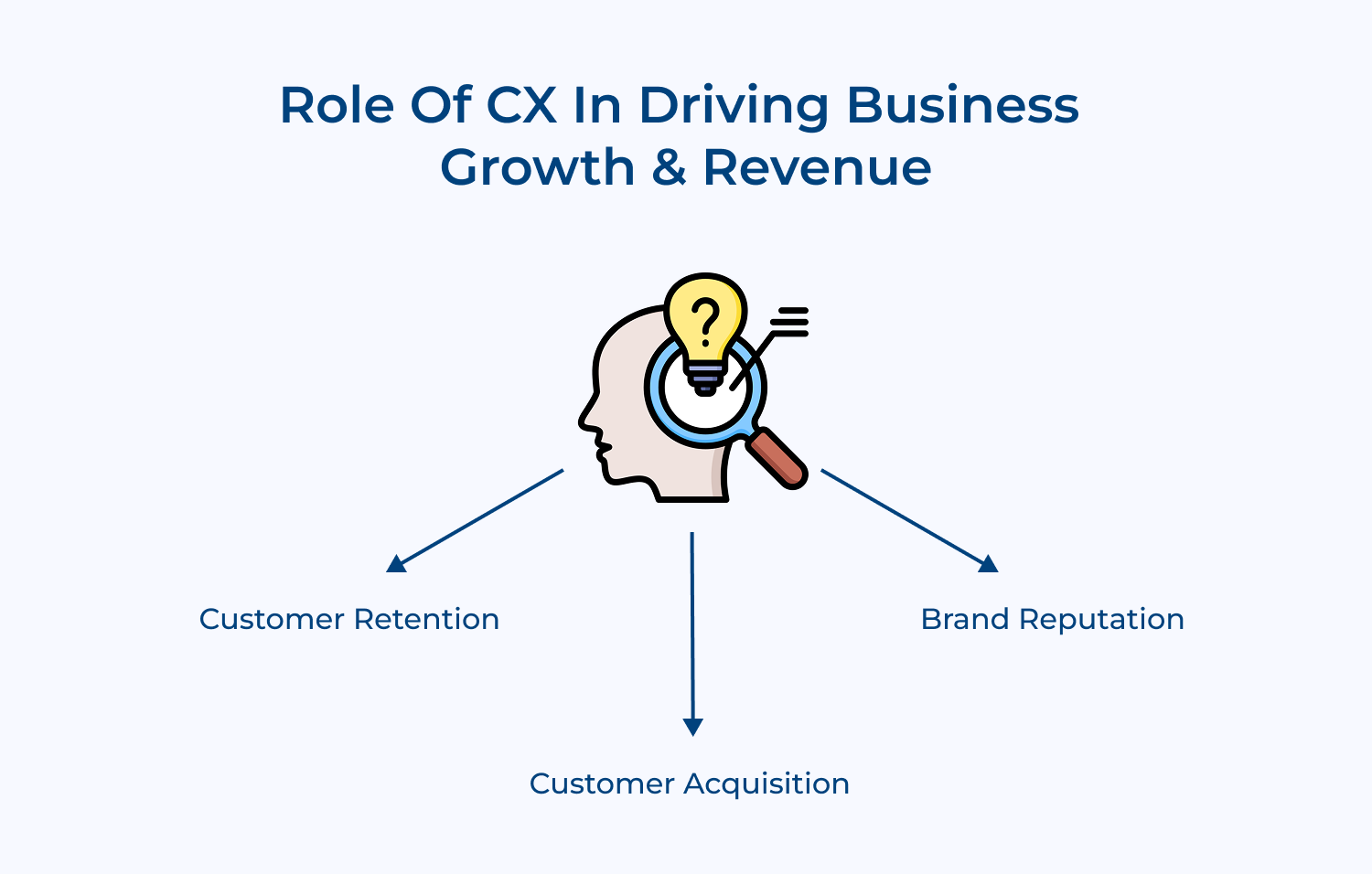
A positive customer experience boosts satisfaction, loyalty and sales through repeat purchases. A negative one risks churn, bad word-of-mouth.
Examples of industries:
Customer experience (CX) is vital to business success, driving satisfaction, loyalty and growth. In today’s competitive market, prioritizing CX helps companies stand out and stay ahead
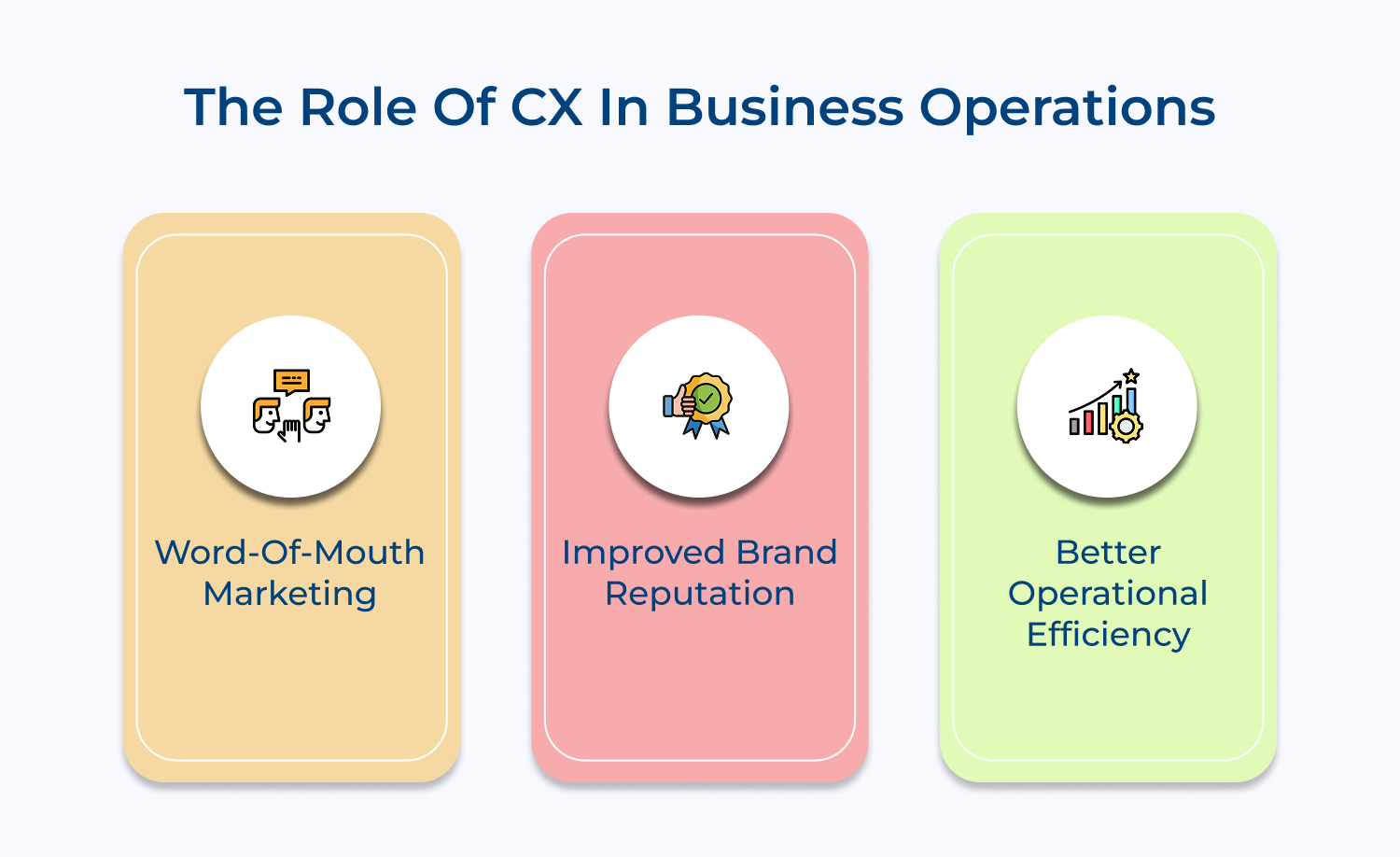
Customer experience (CX) is crucial for business success, driving growth and loyalty through positive interactions. These seven use cases highlight how CX directly impacts business performance.
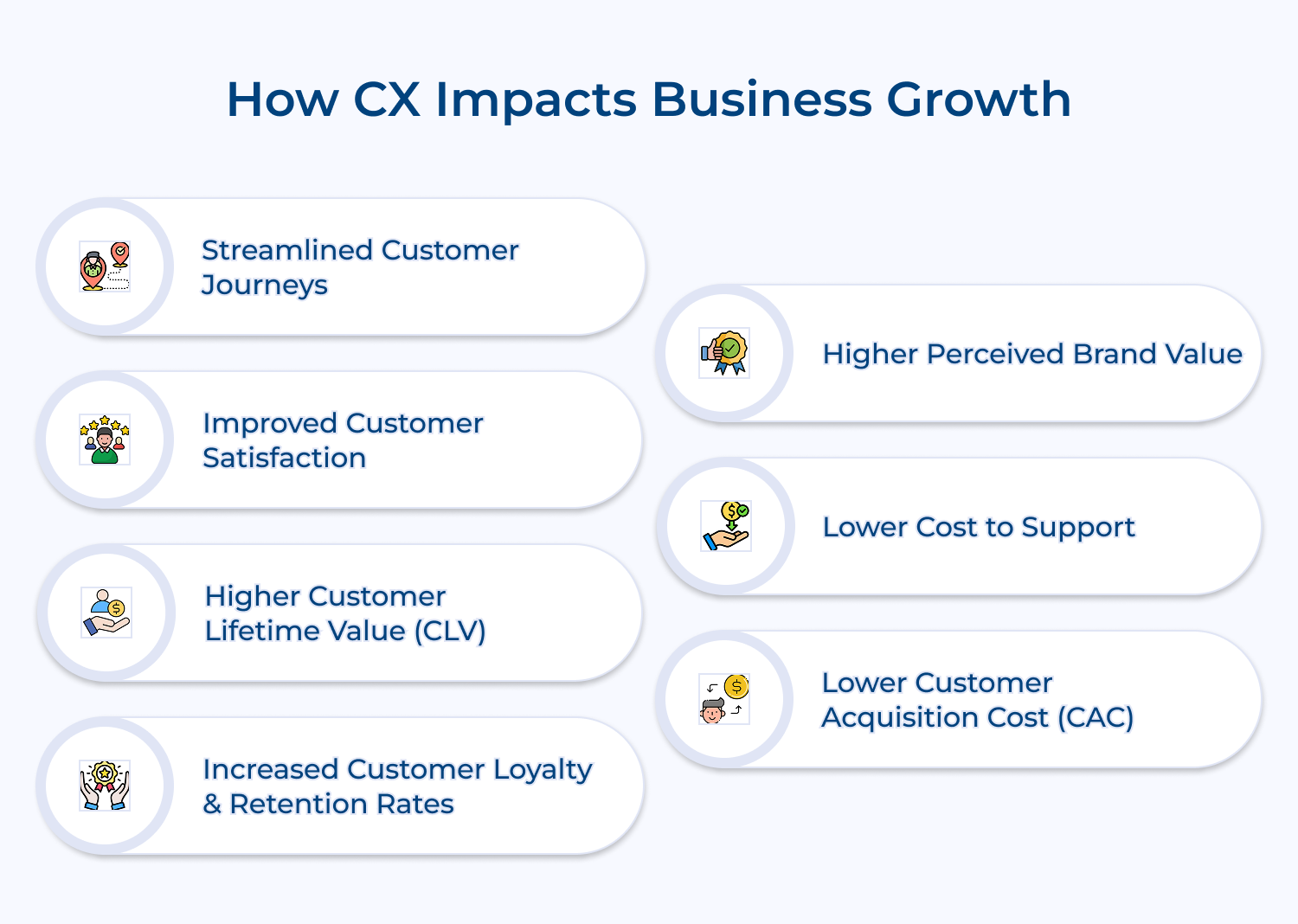
Customer journeys are crucial because they eliminate friction points and enhance overall satisfaction. When customers encounter unnecessary hurdles, they are more likely to abandon transactions or switch to competitors.
Implementing streamlined customer journeys is important for several reasons:
Customer experience (CX) has a profound impact on revenue through improved customer satisfaction. Satisfied customers are more likely to remain loyal and recommend the brand to others, driving revenue.
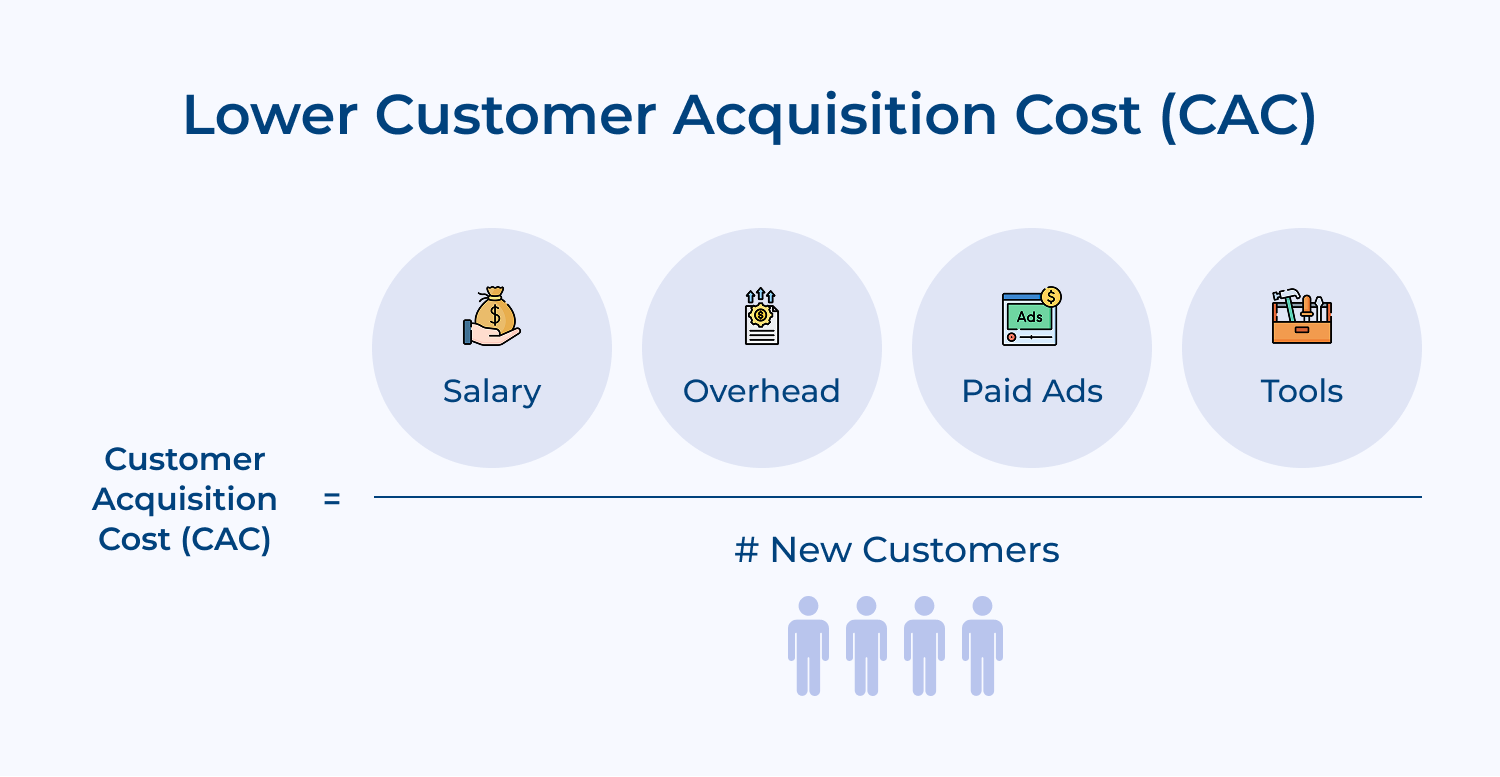
Improving customer satisfaction directly influences client retention and acquisition rates. Satisfied customers are less likely to reduce the costs associated with acquiring new customers.
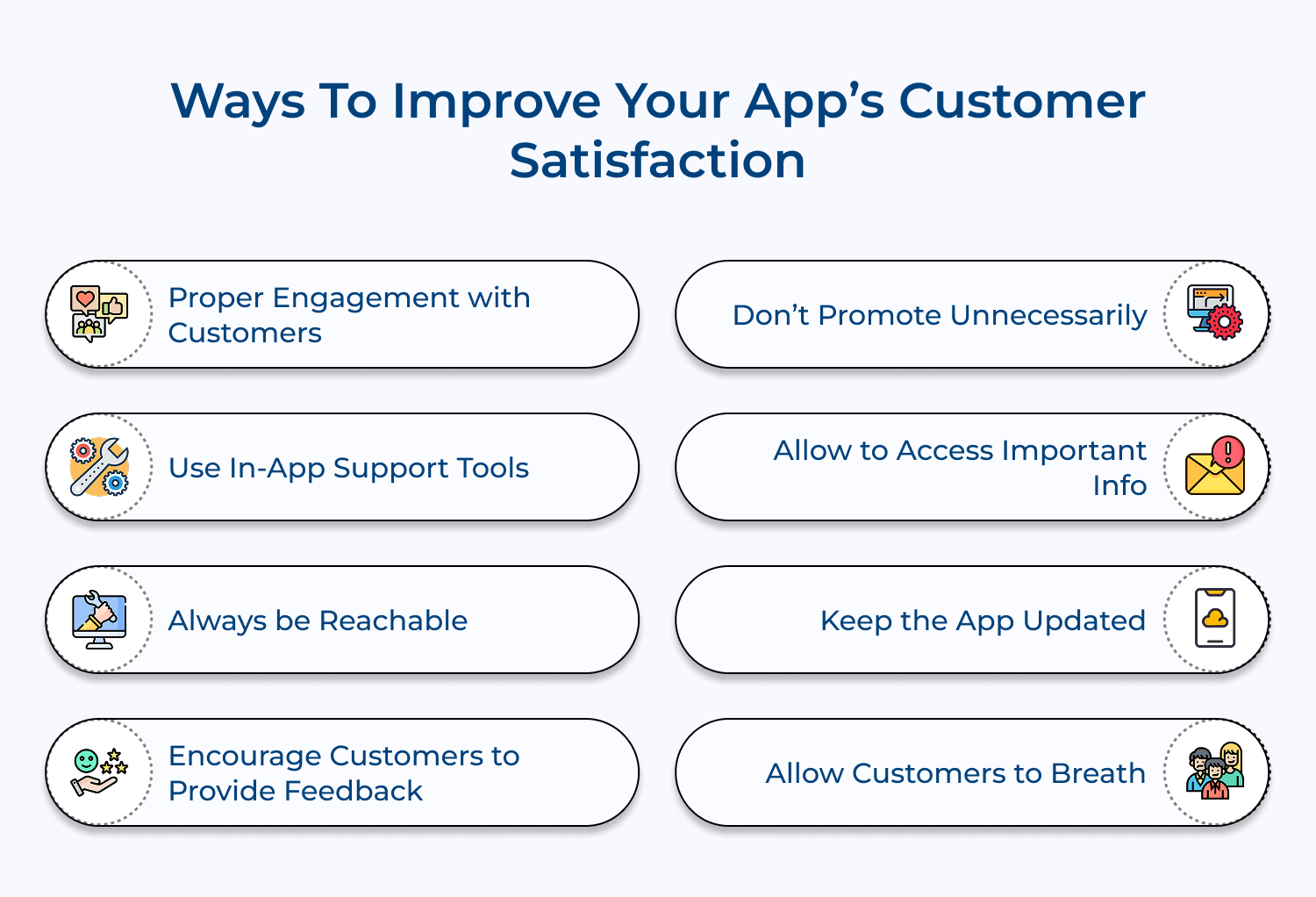
Here are three different ways or use cases to implement strategies that improve customer satisfaction:
CLV represents the total revenue a customer generates throughout their relationship with a company, making it a crucial metric for long-term profitability
Satisfied customers are more likely to stick to a brand, make repeat purchases and recommend it to others. Implementing strategies to enhance CX is therefore essential for maximizing CLV and driving revenue growth.
Here are three different ways or use cases to consider:
When customers have a positive experience with a company, they are more likely to become repeat customers, refer friends & family and spend more money with that business.
Here’s why customer experience is important and how it can be implemented effectively:
Customer experience (CX) impacts revenue and business growth. One of the key ways CX influences these aspects is through higher perceived brand value and brand positioning.
It is important to prioritize CX because satisfied customers are more likely to become repeat customers and brand advocates. When customers have a positive experience with a company, they are more likely to trust the brand, refer it to others and continue doing business with it.
Implementing CX effectively can be done in various ways, including:
Customer experience (CX) is not just about providing good customer service, but about creating a positive and seamless journey for customers that leads to increased loyalty, advocacy.
Implementing lower cost to support through customer experience can be done in several ways:
Customer experience (CX) plays a crucial role in impacting revenue and business growth.
Having a strong CX strategy in place can attract new customers more efficiently and effectively.
When customers have a positive experience with a brand, they are more likely to refer others and share their positive experiences online, leading to word-of-mouth referrals.
Prioritizing customer experience (CX) is essential for creating a competitive advantage and driving long-term success in today’s business world. By focusing on providing exceptional customer service, personalized interactions & seamless experiences, companies can build strong relationships with their customers, increase loyalty, and stand out from competitors.
Investing in CX not only leads to increased customer satisfaction as well as retention but also boosts brand reputation and contributes to sustainable business growth. It’s clear that making CX a top priority is key to achieving success in the modern marketplace.

How to provide an experience that delights customers?
To provide an experience that delights customers, businesses must prioritize customer satisfaction and focus on exceeding customer expectations. This can be achieved by offering personalized customer service, listening to customer feedback and providing seamless interactions across all touchpoints.
How can a great customer experience grow your bottom line?
A great customer experience can grow your bottom line by increasing customer retention, driving repeat business and attracting new customers through positive word-of-mouth referrals. When customers have a positive experience with your business, they are more likely to become loyal, long-term customers, leading to increased sales and revenue.
How can businesses create a positive customer experience?
Businesses can create a positive customer experience by consistently delivering high-quality products & services, providing excellent customer service, and creating a seamless and enjoyable customer journey. It’s important to listen to customer feedback, address customer concerns promptly and personalize the customer experience to meet individual customer needs.
How Does CX Benefit Businesses?
Customer experience (CX) benefits businesses by improving customer satisfaction, increasing customer loyalty and enhancing brand reputation. When businesses prioritize the customer experience, they build strong relationships with customers, leading to increased customer retention and loyalty, which ultimately results in higher profitability.
How Can CX Help a Business Scale?
Customer experience (CX) can help a business scale by attracting new customers, retaining existing customers and driving business growth. When businesses provide a positive customer experience, they differentiate themselves from competitors, build customer trust & loyalty, and create opportunities for cross-selling & upselling. This, in turn, leads to increased revenue and helps businesses expand.
 https://omni24.io/wp-content/uploads/2026/09/Social-commerce-scaled.png
1340
2560
Webvision Solution
https://omni24.io/wp-content/uploads/2023/04/Omni-Logo-1.svg
Webvision Solution2026-10-23 12:18:272026-10-23 12:18:27What is Social Commerce and Why Does It Matter?
https://omni24.io/wp-content/uploads/2026/09/Social-commerce-scaled.png
1340
2560
Webvision Solution
https://omni24.io/wp-content/uploads/2023/04/Omni-Logo-1.svg
Webvision Solution2026-10-23 12:18:272026-10-23 12:18:27What is Social Commerce and Why Does It Matter? https://omni24.io/wp-content/uploads/2026/08/AI-Customer-Service-Agents.png
1256
2400
Webvision Solution
https://omni24.io/wp-content/uploads/2023/04/Omni-Logo-1.svg
Webvision Solution2026-09-21 04:48:512026-09-21 04:48:51How to Build an AI Customer Service Agents: 8 Key Steps
https://omni24.io/wp-content/uploads/2026/08/AI-Customer-Service-Agents.png
1256
2400
Webvision Solution
https://omni24.io/wp-content/uploads/2023/04/Omni-Logo-1.svg
Webvision Solution2026-09-21 04:48:512026-09-21 04:48:51How to Build an AI Customer Service Agents: 8 Key Steps https://omni24.io/wp-content/uploads/2026/08/Omnichannel-Conversational-AI.png
1256
2400
Tushar Joshi
https://omni24.io/wp-content/uploads/2023/04/Omni-Logo-1.svg
Tushar Joshi2026-09-16 03:51:072026-09-16 03:51:07How to Build Omnichannel Conversational AI Strategy
https://omni24.io/wp-content/uploads/2026/08/Omnichannel-Conversational-AI.png
1256
2400
Tushar Joshi
https://omni24.io/wp-content/uploads/2023/04/Omni-Logo-1.svg
Tushar Joshi2026-09-16 03:51:072026-09-16 03:51:07How to Build Omnichannel Conversational AI Strategy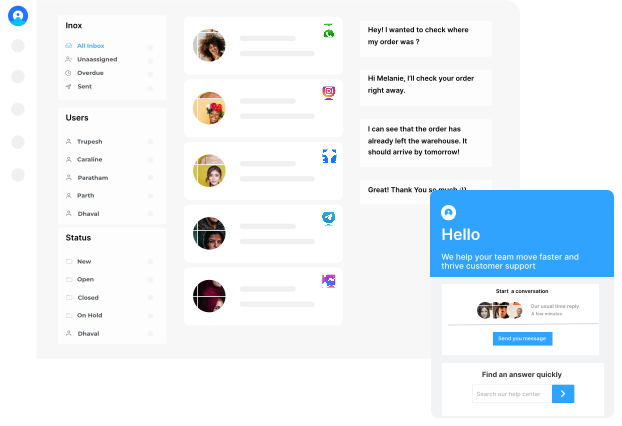
Whether it’s about acquire, engage or support – Omni24 covers all your customer engagement needs in one complete platform.

Copyright ©2026 Veemo All rights reserved.
CA, Los Angeles, Hall Ave, 19011