What are the Benefits of Customer Experience for Business?
Benefits of Customer Experience: positive experiences build brand loyalty, strengthen relationships and drive better business results.

Benefits of Customer Experience: positive experiences build brand loyalty, strengthen relationships and drive better business results.
Businesses often struggle to stand out and retain customers in a competitive market. Negative experiences can lead to churn and harm brand reputation.
Customers expect seamless, personalized interactions. Failing to meet these expectations results in lost opportunities and declining loyalty. 86% of customers are willing to pay more for better experiences, while CX drives 61% higher spending and positions.
Customer Experience Management (CXM) addresses these challenges by enhancing every customer touchpoint. It drives satisfaction and boosts revenue. We will explore how effective CXM can transform your business, improve customer satisfaction and lead to long-term success.
Customer Experience (CX) refers to the overall perception and feelings that customers develop toward a brand. It is shaped by their interactions with the brand across various touch points such as sales, customer service and digital platforms. CX as a definitive guide covers every stage of the customer journey, from initial awareness to post-purchase support.
CX plays a crucial role in business success. It directly impacts customer satisfaction, loyalty and retention, all of which are essential for long-term growth. Positive experiences create strong emotional connections, leading to repeat business and word-of-mouth recommendations.
Key objectives:
Customer experience shapes how customers perceive and connect with a brand. Focusing on it is essential to build loyalty, stand out in competitive markets and drive long-term growth.
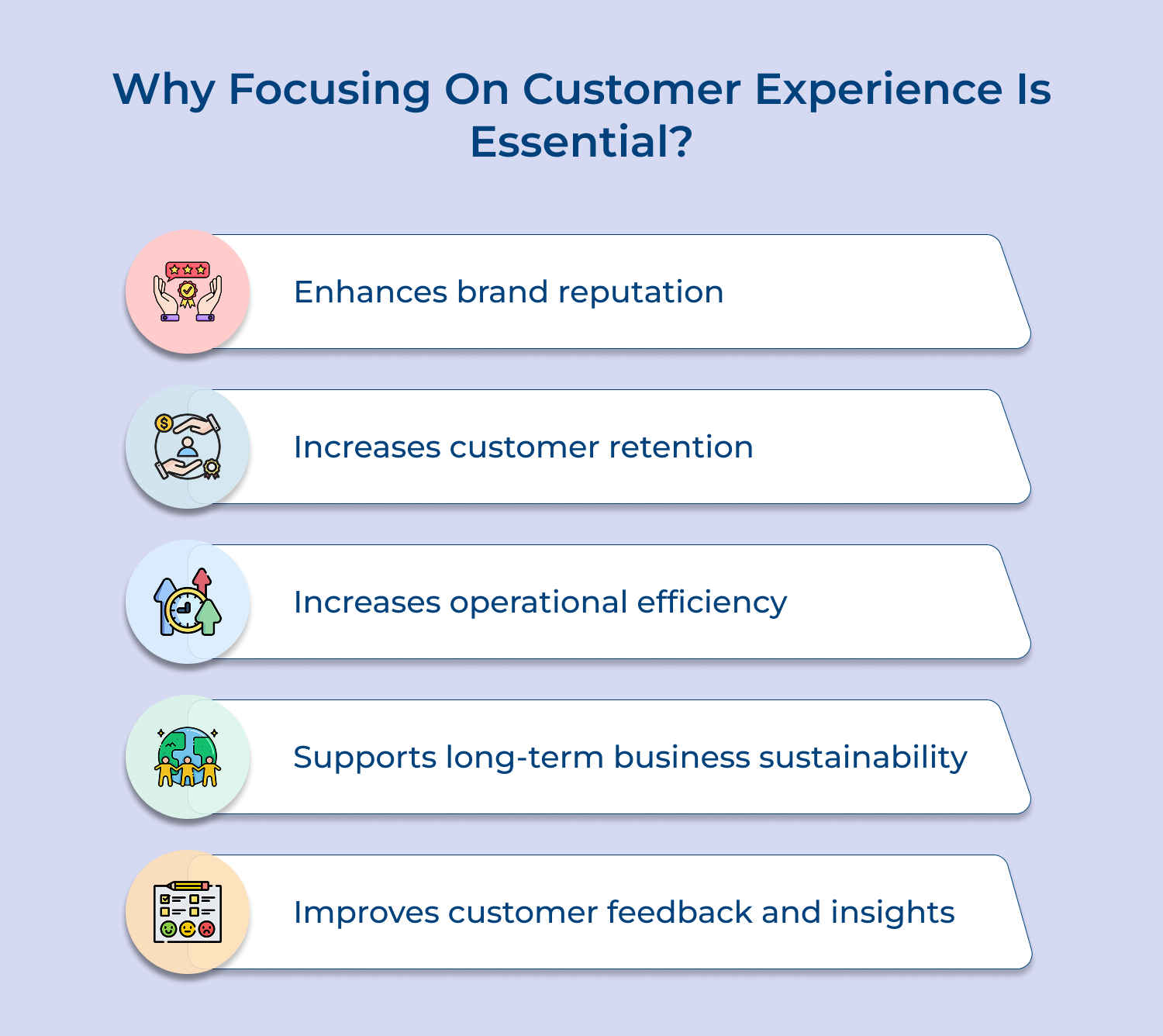
1. Enhances brand reputation: A strong customer experience boosts a brand’s reputation. Satisfied customers are more likely to share their positive experiences with others which strengthens the brand’s position in the market.
2. Increases customer retention: Prioritizing customer experience reduces customer churn. Meeting or exceeding customer expectations helps retain customers and improves long-term profitability by ensuring ongoing engagement.
3. Increases operational efficiency: Focusing on customer experience often leads to streamlined processes. A smooth and well-optimized customer journey saves time, reduces errors and boosts customer satisfaction.
4. Supports long-term business sustainability: Prioritizing customer experience helps create loyal customers who provide consistent business. The stability results in sustainable growth and long-term revenue for the company.
5. Improves customer feedback and insights: Focusing on customer experience encourages businesses to listen closely to customers. Collecting feedback enables businesses to adapt, improve their services and enhance customer satisfaction.
Customer experience plays a vital role in how customers engage with and stay loyal to a brand. Understanding its key benefits helps businesses drive satisfaction and sustainable growth.
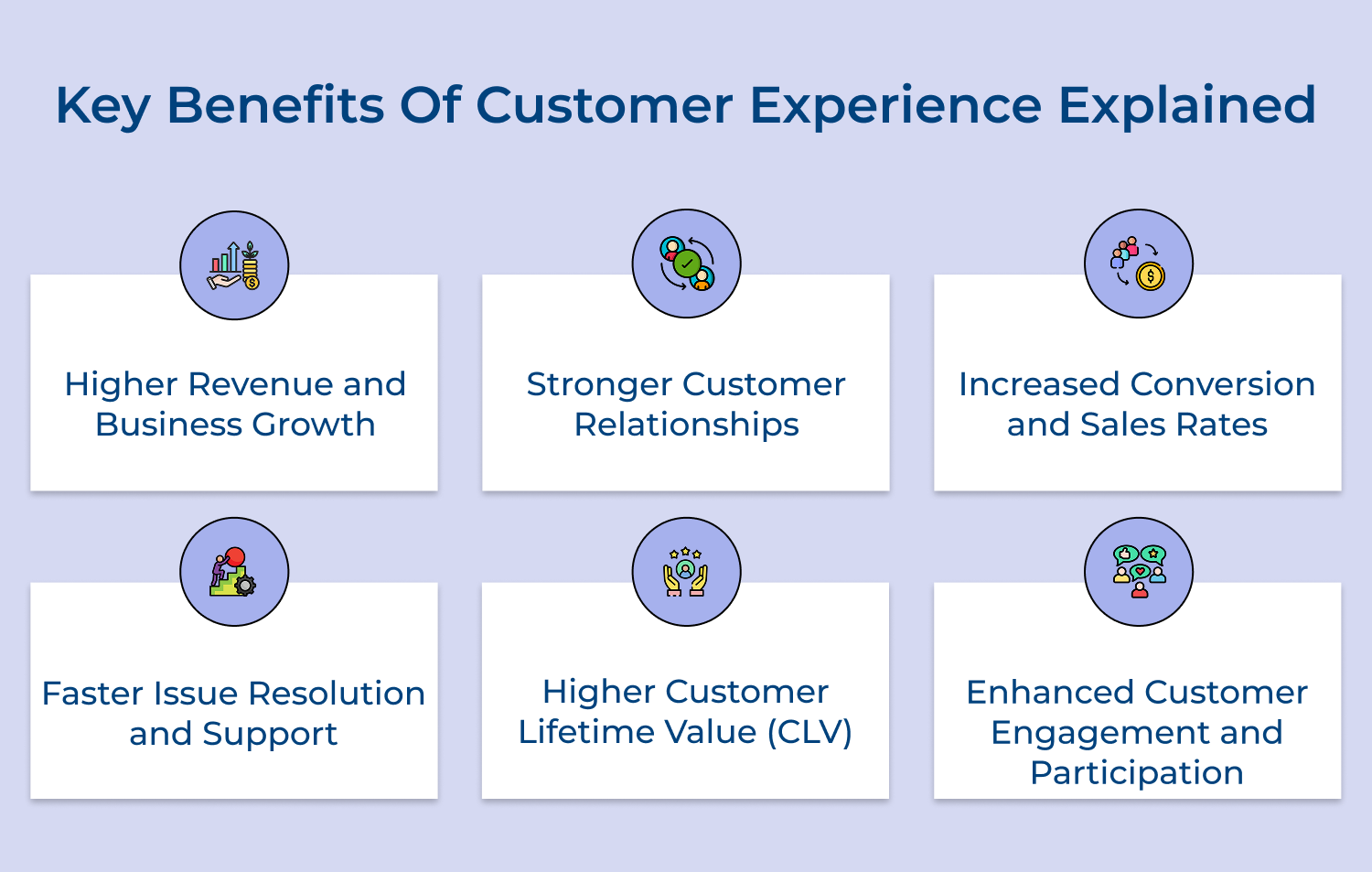
Business growth through customer experience refers to the direct correlation between excellent customer service and increased financial performance, leading to sustainable expansion of business operations.
Enhanced customer experience drives this growth by encouraging repeat purchases, enabling premium pricing and expanding market share. It creates a reliable foundation for long-term business success and investment in innovation.
Actionable Tips:
Strong customer relationships and advocacy develop when businesses consistently exceed customer expectations, creating emotional connections that transform customers into loyal brand ambassadors who actively promote the company.
Traditional advertising is losing effectiveness in today’s competitive market. Customer advocacy provides authentic, trustworthy promotion that influences potential customers more effectively than paid advertising. It also creates a protective buffer during challenging times.
Actionable Tips:
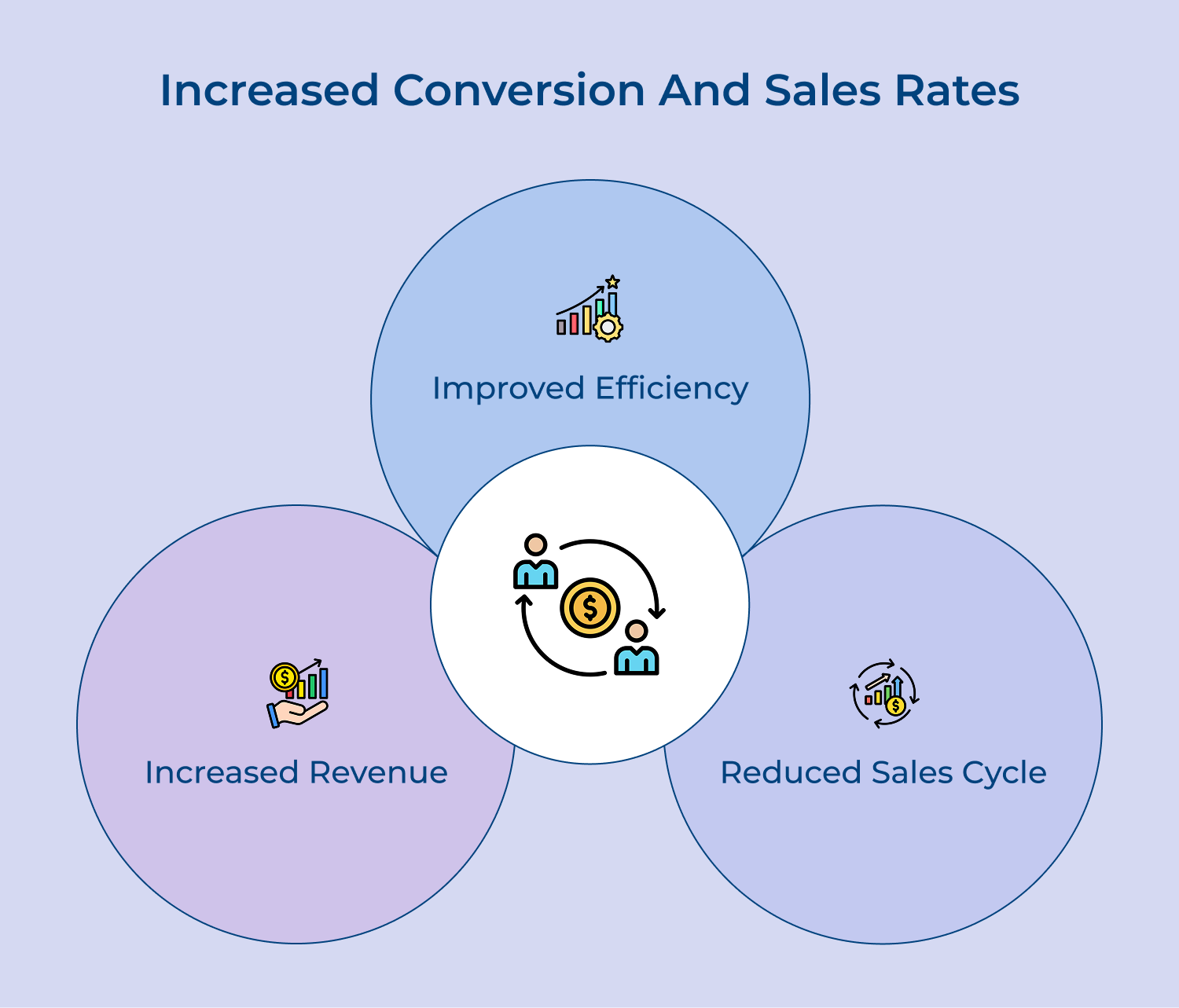
Increased conversion and sales rates reflect the improved efficiency in turning prospects into customers & existing customers into repeat buyers through optimized customer experience strategies.
Higher conversion rates mean better return on marketing investment and more efficient use of resources. It’s essential for maintaining competitive advantage and ensuring sustainable growth in increasingly crowded markets.
Actionable Tips:
Faster issue resolution involves efficiently addressing customer problems through streamlined processes, resulting in quicker solutions and improved customer satisfaction.
Quick resolution of customer issues prevents frustration, reduces churn and builds trust. It demonstrates a company’s commitment to customer success and helps maintain positive relationships even when problems arise.
Actionable Tips:
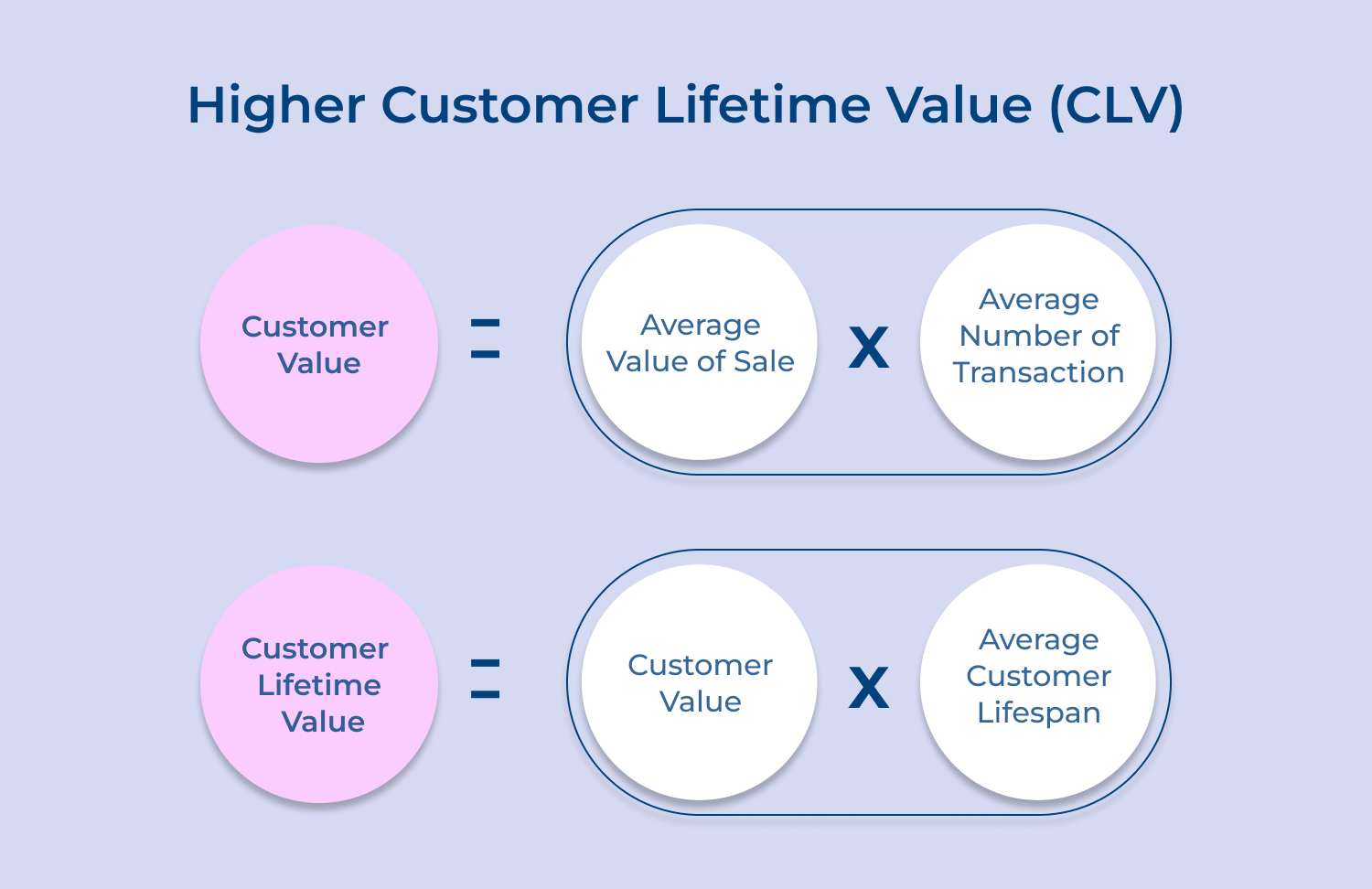
Customer Lifetime Value represents the total revenue a business can expect from a single customer account throughout the business relationship, influenced by customer experience quality.
Understanding CLV helps businesses focus resources on the most valuable customers and develop strategies to extend customer relationships. It provides a long-term perspective on customer relationships beyond individual transactions.
Actionable Tips:
Enhanced customer engagement refers to creating meaningful interactions that encourage customers to actively participate in brand experiences, product development and community building.
Engaged customers are more likely to remain loyal, provide valuable feedback and participate in brand initiatives. Strong engagement creates emotional connections that resist competitive pressures and market changes.
Actionable Tips:
Client experience is shaped by every interaction, big or small. Following best practices helps create meaningful engagements that build trust, loyalty and long-term partnerships.
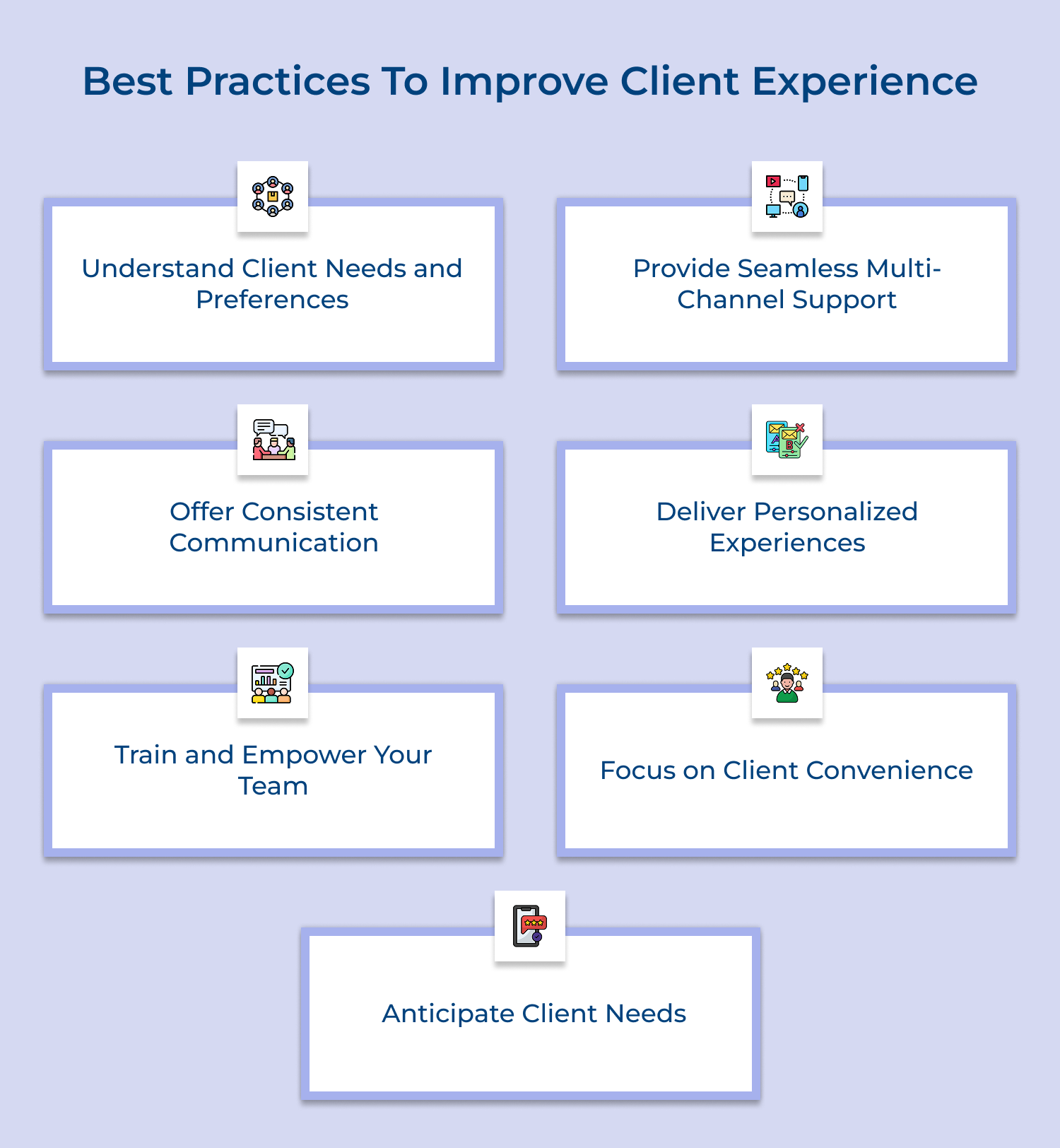
1. Understand Client Needs and Preferences
Regularly gather feedback through surveys, interviews, or social media to better understand client expectations. Personalizing interactions based on their preferences helps create more meaningful experiences.
2. Provide Seamless Multi-Channel Support
Ensure that clients can reach you easily through multiple channels (phone, email, social media, chat). A unified experience across all touchpoints helps create a smoother, more efficient interaction.
3. Offer Consistent Communication
Regular, clear and transparent communication builds trust. Keep clients informed throughout their journey and proactively update them on changes or potential issues, showing that their concerns are a priority.
4. Deliver Personalized Experiences
Use data to tailor your offerings and interactions. Whether it’s recommending products or providing customized services, personalized experiences make clients feel valued and understood.
5. Train and Empower Your Team
Equip your employees with the skills and tools they need to resolve client issues quickly. Empower them to make decisions and provide excellent service without delays or approvals, ensuring a faster response time.
6. Focus on Client Convenience
Simplify processes and reduce friction in every interaction. From easy-to-navigate websites to quick checkout processes, client convenience should be a top priority in every touchpoint.
7. Anticipate Client Needs
Go beyond responding to client requests and proactively identify their future needs. Use data and trends to anticipate questions or issues, showing that you care about their long-term success.
The advantages of customer experience have a direct impact on business growth. Exceptional service or engagement cultivates customer loyalty, encouraging repeat business and positive recommendations.
Adapting to client feedback encourages innovation, leading to improved satisfaction and higher revenue. Investing in customer experience strengthens customer relationships, offering long-term success and a competitive advantage.

How does customer experience management impact customer retention?
Effective CXM enhances customer satisfaction, which leads to higher retention rates. By consistently meeting or exceeding customer expectations, businesses reduce churn, making customers more likely to stay loyal and continue engaging with the brand over time.
Can customer experience management increase revenue?
Yes, CXM can boost revenue by improving customer loyalty, increasing repeat purchases and encouraging brand advocacy. Satisfied customers are more likely to spend more, refer others, and engage in cross-selling or upselling opportunities, which directly contribute to increased sales.
How does CXM improve customer satisfaction?
CXM improves customer satisfaction by ensuring personalized and seamless experiences at every touchpoint. It focuses on understanding customer needs, addressing concerns quickly, and providing value, creating positive interactions that leave customers feeling valued with the brand.
How does customer experience management affect brand reputation?
CXM positively impacts brand reputation by fostering trust and delivering consistent, high-quality experiences. Customers who are happy with their interactions are more likely to share their positive experiences, helping build a strong reputation and attracting new customers through positive reviews or word-of-mouth.
How does customer experience management improve customer insights?
CXM helps gather valuable customer insights by analyzing behavior, feedback and preferences. These insights allow businesses to understand customer needs better, improve offerings, personalize communications and make informed decisions to enhance customer experiences.
What role does technology play in customer experience management?
Technology plays a critical role in CXM by enabling businesses to collect and analyze data, automate processes, personalize interactions. Tools like customer relationship management (CRM) systems, AI, chatbots and analytics platforms help improve the efficiency, personalization, consistency of customer experiences across various channels
 https://omni24.io/wp-content/uploads/2026/08/Customer-Service-Teams.png
1256
2400
Tushar Joshi
https://omni24.io/wp-content/uploads/2023/04/Omni-Logo-1.svg
Tushar Joshi2026-09-15 04:01:522026-09-15 04:02:16How to Build Customer Service Teams: 6 Key Steps
https://omni24.io/wp-content/uploads/2026/08/Customer-Service-Teams.png
1256
2400
Tushar Joshi
https://omni24.io/wp-content/uploads/2023/04/Omni-Logo-1.svg
Tushar Joshi2026-09-15 04:01:522026-09-15 04:02:16How to Build Customer Service Teams: 6 Key Steps https://omni24.io/wp-content/uploads/2026/08/conversational-ai-ecommerce.png
1256
2400
Webvision Solution
https://omni24.io/wp-content/uploads/2023/04/Omni-Logo-1.svg
Webvision Solution2026-09-08 04:06:222026-09-08 04:06:22How Conversational AI for Ecommerce Boosts Sales in 2026
https://omni24.io/wp-content/uploads/2026/08/conversational-ai-ecommerce.png
1256
2400
Webvision Solution
https://omni24.io/wp-content/uploads/2023/04/Omni-Logo-1.svg
Webvision Solution2026-09-08 04:06:222026-09-08 04:06:22How Conversational AI for Ecommerce Boosts Sales in 2026 https://omni24.io/wp-content/uploads/2026/08/Ecommerce-Customer-Segmentation.png
1256
2400
Tushar Joshi
https://omni24.io/wp-content/uploads/2023/04/Omni-Logo-1.svg
Tushar Joshi2026-09-07 04:53:302026-09-07 04:53:30How Ecommerce Customer Segmentation Drives Higher Conversions
https://omni24.io/wp-content/uploads/2026/08/Ecommerce-Customer-Segmentation.png
1256
2400
Tushar Joshi
https://omni24.io/wp-content/uploads/2023/04/Omni-Logo-1.svg
Tushar Joshi2026-09-07 04:53:302026-09-07 04:53:30How Ecommerce Customer Segmentation Drives Higher Conversions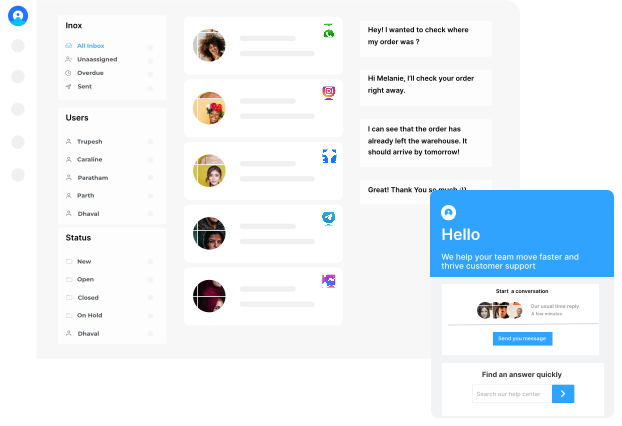
Whether it’s about acquire, engage or support – Omni24 covers all your customer engagement needs in one complete platform.

Copyright ©2026 Veemo All rights reserved.
CA, Los Angeles, Hall Ave, 19011