Benefits of Conversational AI: What You Should Know
Conversational AI delivers fast, scalable customer interactions, boosting efficiency, satisfaction, and competitiveness.

Conversational AI delivers fast, scalable customer interactions, boosting efficiency, satisfaction, and competitiveness.
Businesses lose customers daily, not from bad products, but from inconsistent service. Customers expect instant responses, and when they don’t get them, they leave without hesitation. The benefits of conversational AI become clear here, as it helps businesses meet these rising expectations reliably, at scale, across every interaction.
Traditional support models can’t keep pace with today’s pressures of understaffed teams, surging query volumes and growing channel complexity. Conversational AI changes this by enabling faster responses and smarter engagement across every touchpoint. This blog breaks down real benefits helping businesses deliver better experiences while reducing operational strain.
Conversational AI is technology that enables machines to understand, process, and respond to human language in a way that feels natural. It works across channels like chat, voice and messaging to create purposeful and real-time business interactions.
In today’s business environment, it is no longer enough to just be available to customers — you need to be responsive and intelligent across every touchpoint. Companies that adopt Conversational AI early are seeing measurable improvements in customer satisfaction and operational efficiency.
Key objectives:
Having worked closely with business leaders on customer experience strategy, I can tell you that Conversational AI is no longer a support tool it is a core business function.
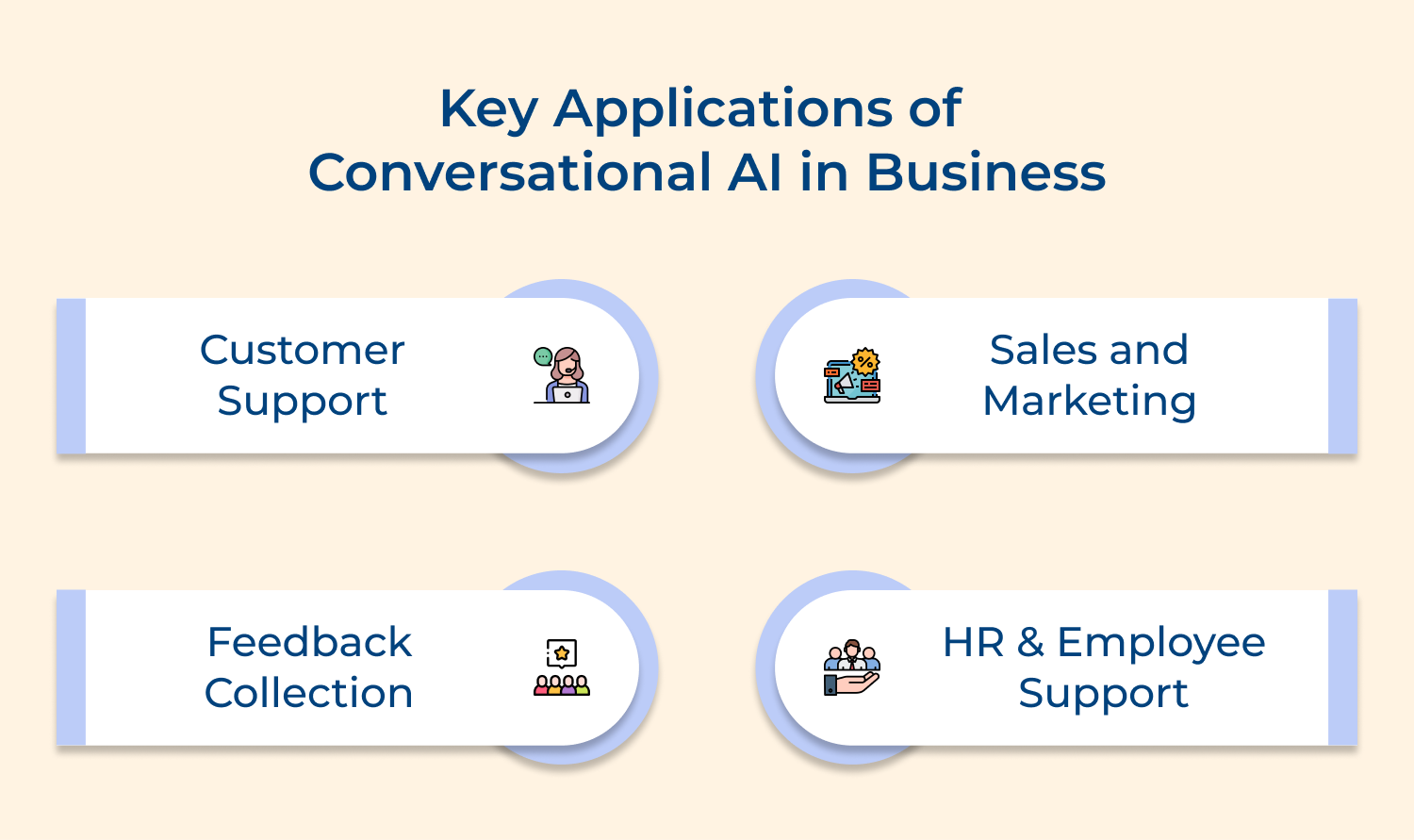
Customer Support
In high-volume environments like telecom or e-commerce, the biggest CX killer is wait time — and Conversational AI directly eliminates that bottleneck. I have seen businesses cut their average resolution time by over 60% simply by deploying AI that handles Tier-1 queries with the same accuracy a trained agent would.
Sales and Marketing
Most businesses lose potential revenue not because of bad products but because of delayed follow-ups and generic outreach. Conversational AI engages prospects the moment they show intent and delivers personalized messaging that moves them closer to a buying decision faster.
Feedback Collection
Traditional feedback forms give you numbers but rarely tell you the “why” behind customer dissatisfaction. Conversational AI asks follow-up questions dynamically and uncovers the root cause of poor experiences in a way no static survey ever could.
HR and Employee Support
Inside an organization, employees waste significant time chasing answers about payroll, leave policies, and IT issues. Conversational AI acts as an always-available internal assistant that resolves employee queries instantly and frees HR teams to focus on strategic people operations.
The shift to Conversational AI is not just a technology upgrade — it is a fundamental change in how businesses build relationships with customers.
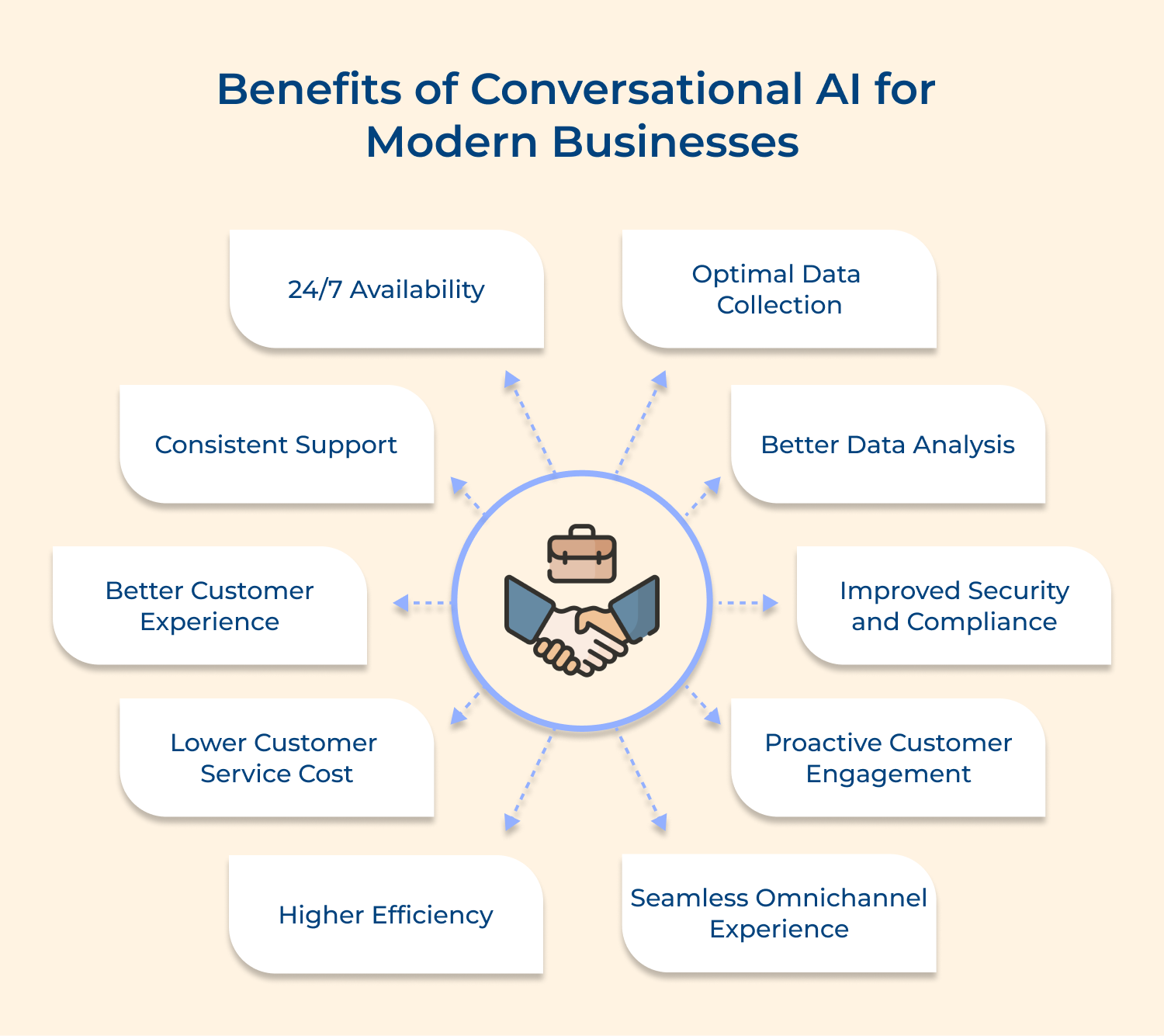
Customer issues do not follow a 9-to-5 schedule and businesses unavailable after hours are silently losing customers to competitors. Conversational AI ensures every customer gets an immediate response regardless of time zone or business hours.
So what does true 24/7 availability actually mean for a business? It means your customers never hit a dead end — whether troubleshooting a product at midnight or tracking an order on a holiday.
Building a solid 24/7 AI presence requires covering these critical deployment areas:
Getting availability right also means knowing when NOT to rely on AI alone. High-stakes interactions like complaints or refund disputes still need a human touchpoint — even if AI initiates the conversation first.
Executing 24/7 availability well comes down to these two non-negotiable practices:
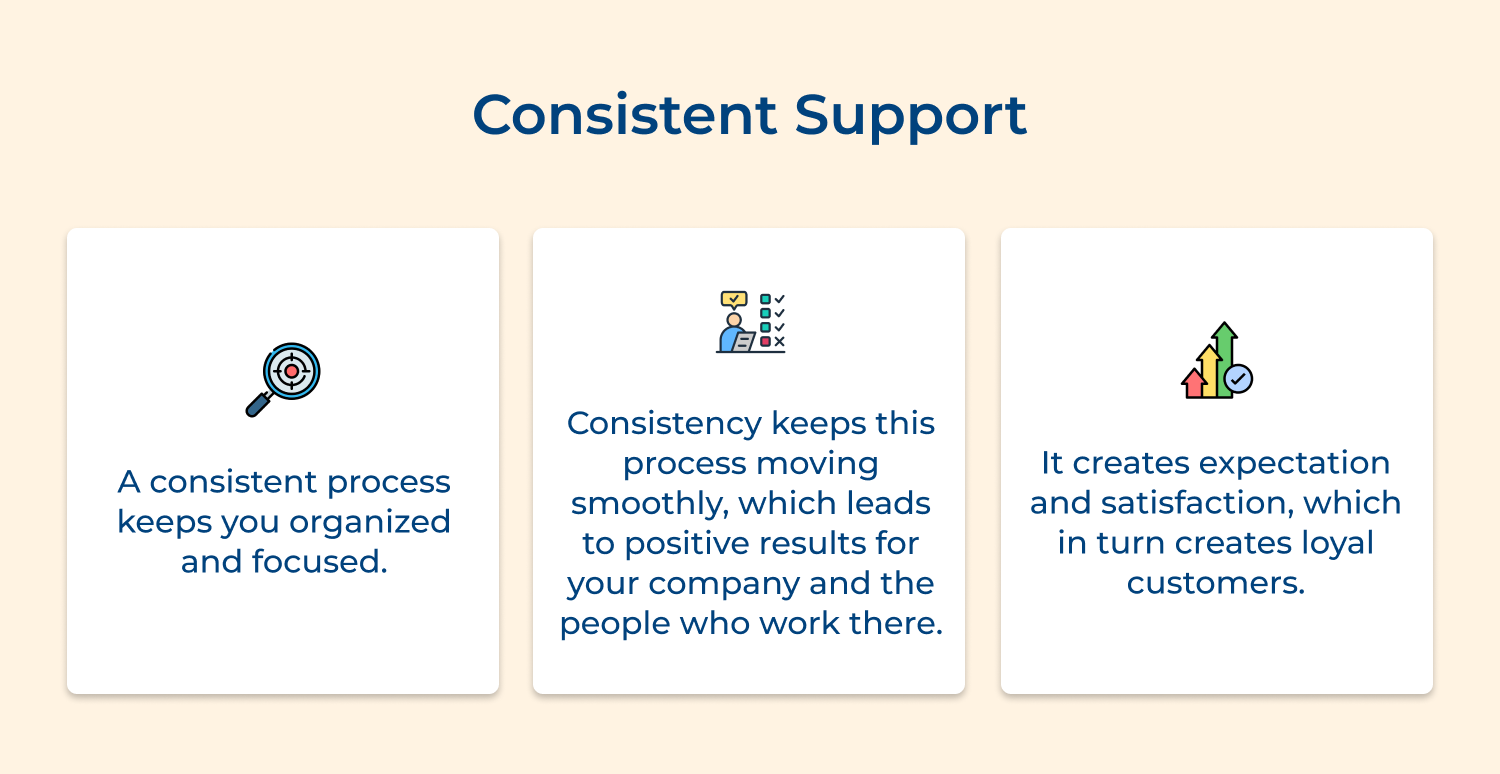
One of the biggest CX failures observed across industries is inconsistency — where two customers ask the same question and receive completely different answers. Conversational AI delivers the same accuracy every single time eliminating human variability from critical customer interactions.
Think about what inconsistency costs a business in the long run. It erodes trust and forces customers to second-guess every piece of information they receive from your brand.
Achieving consistent AI support requires getting these three foundational elements right:
Zappos built its entire brand reputation on consistent service delivery — and AI-driven consistency is what makes that possible at scale today
Consistency is not just about giving the right answer — it is about giving the right answer in the right tone every single time. That combination is what turns a satisfied customer into a loyal one.
Maintaining long-term consistency depends on these three ongoing practices:
Customers today do not just want solutions — they want to feel understood and valued at every stage of their journey. Conversational AI uses interaction history to make every touchpoint feel personal rather than transactional.
Personalization only lands when your AI is connected to real customer data — not just scripted responses. Without CRM integration your AI is guessing and customers can feel that difference immediately.
Delivering better CX through AI starts with focusing on these three core integration priorities:
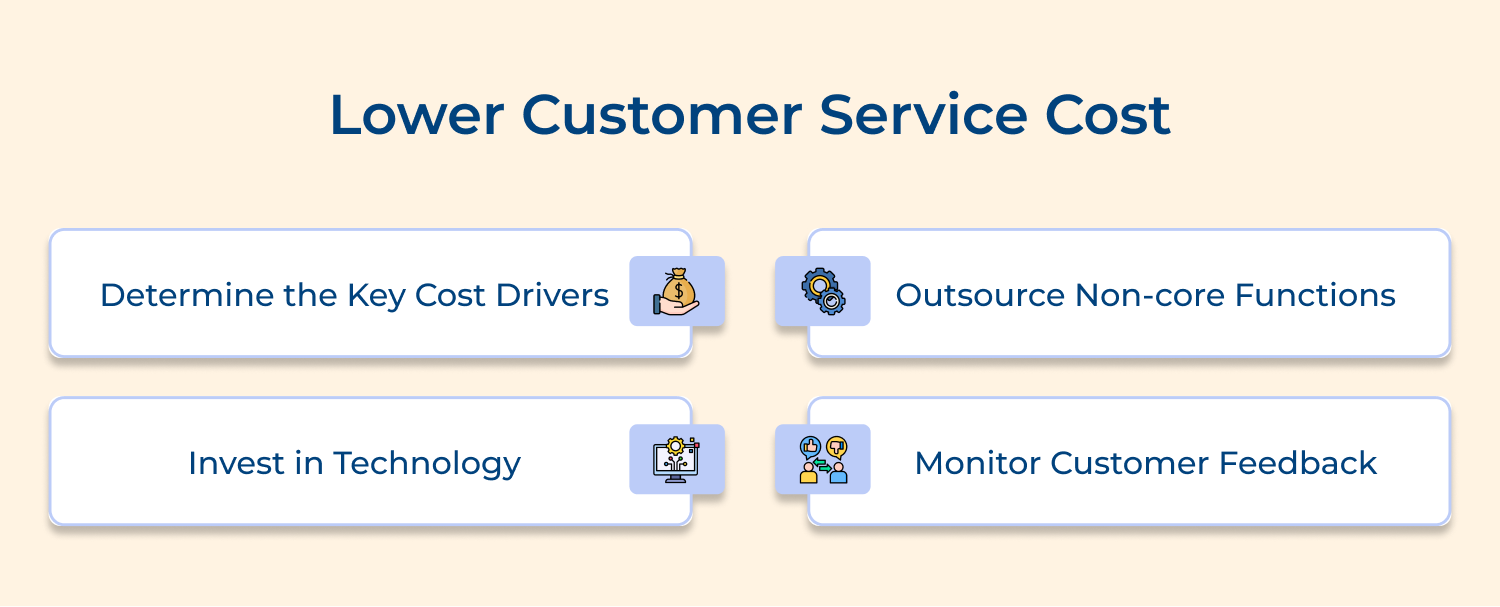
Scaling a human support team to match growing demand is expensive and operationally complex for most businesses. Conversational AI handles thousands of simultaneous interactions at a fraction of the cost allowing businesses to grow without growing headcount.
How much of your current support cost is going toward queries that could be resolved without human involvement? In most businesses that number sits between 60% and 70% of total support volume.
Before calculating your cost savings ask yourself these critical questions:
Reducing cost should never come at the expense of experience quality. Businesses that get this balance right use AI savings to invest back into the human interactions that truly matter to customers.
The biggest drain on support teams is repetitive low-complexity queries consuming agent time and reducing capacity for meaningful work. Conversational AI absorbs that volume instantly and frees agents to focus on issues requiring empathy and critical thinking.
This shift does not just improve agent productivity — it reduces burnout and elevates the quality of every human-led interaction that actually reaches a live agent.
The efficiency gains from Conversational AI show up most clearly across these three measurable areas:
The efficiency benefit extends well beyond individual agents — when AI absorbs volume consistently it also relieves pressure on QA teams and workforce planners who manage staffing around demand spikes.
Sustaining efficiency gains long-term depends on executing these two ongoing practices:
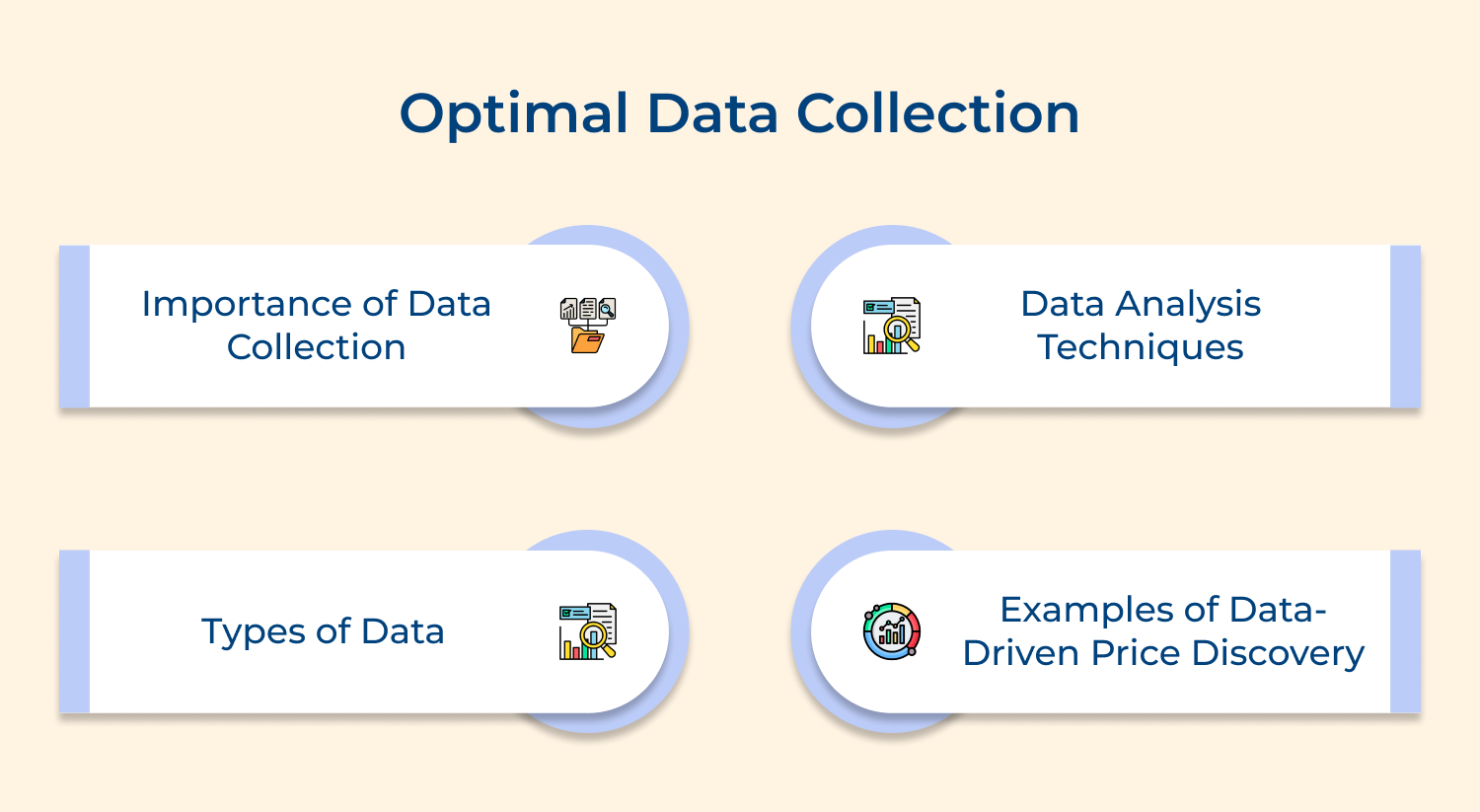
Every customer conversation is a goldmine of behavioral and intent data that most businesses are not capturing effectively. Conversational AI collects this systematically in real time giving businesses insights that manual processes simply cannot replicate.
Unlike form submissions or surveys AI conversation data captures unsolicited intent — what customers actually think before they decide to stay or leave your brand. That level of honesty is something no structured feedback tool can consistently produce.
The most valuable data that Conversational AI captures consistently across every interaction includes:
Raw data is only valuable when translated into actionable intelligence for decision makers across your business. Conversational AI identifies patterns in customer behavior that help fix experience gaps before they become serious churn risks.
The real advantage is speed — businesses that analyze AI conversation data in real time can respond to emerging customer issues days before they surface in formal feedback channels. That kind of lead time is what separates reactive brands from proactive ones.
The most impactful analysis capabilities to look for in a Conversational AI platform include:
Businesses winning on CX today are not just collecting more data they are analyzing it faster and acting more decisively than their competitors. Speed of insight is now a genuine competitive advantage that directly impacts customer retention and revenue growth.
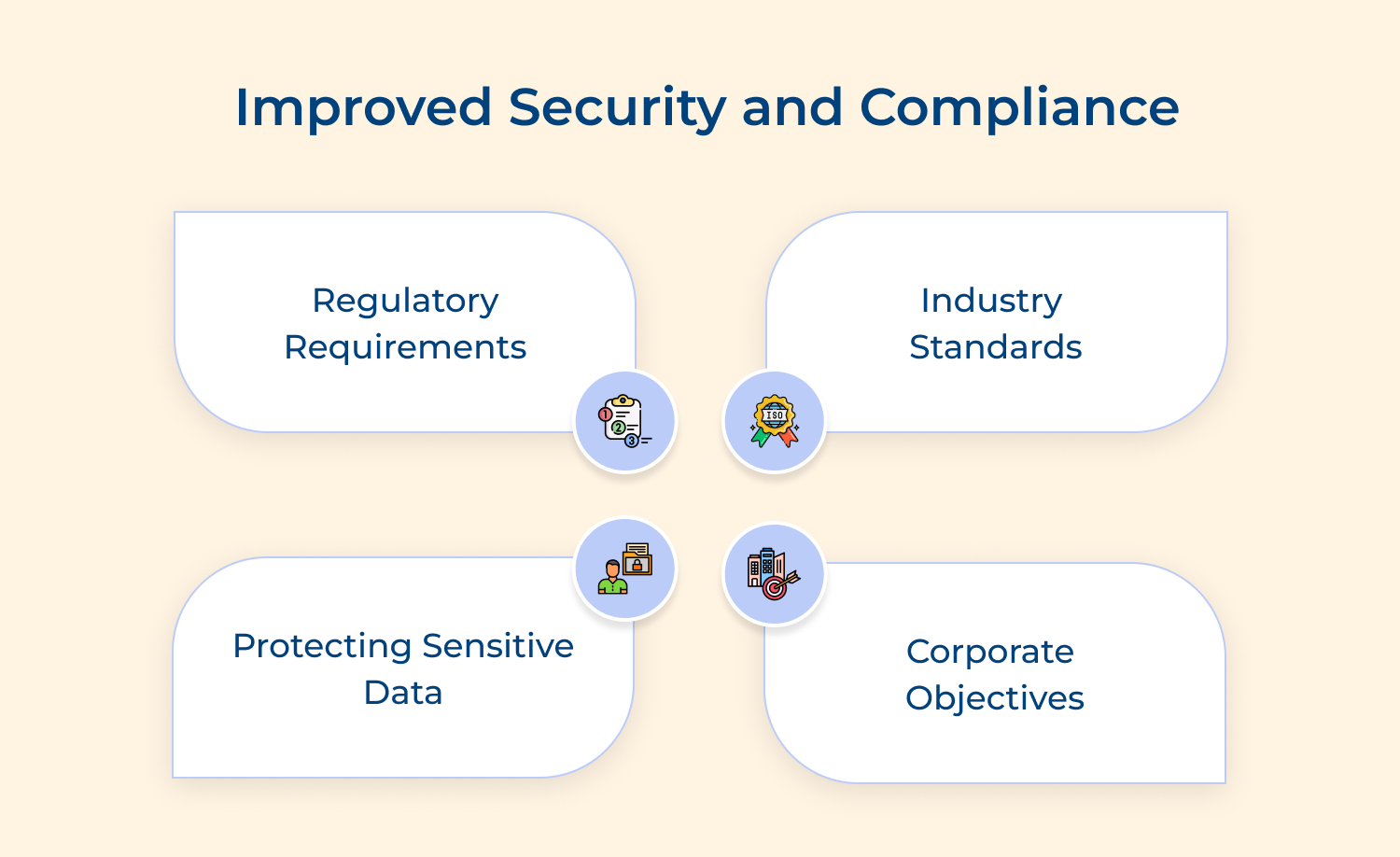
In regulated industries like banking and healthcare a single compliance failure results in significant financial and reputational damage. Conversational AI enforces policy-compliant responses consistently while reducing human error in sensitive customer interactions.
Beyond preventing errors, AI creates a retrievable record of every interaction giving compliance teams the evidence they need during regulatory reviews without relying on agent recall or manual logs. That auditability alone makes AI indispensable in high-risk environments.
Before deploying AI in a compliance-sensitive environment ask yourself these critical questions:
Most businesses wait for customers to reach out with a problem instead of anticipating needs before they arise. Conversational AI triggers personalized outreach based on customer behavior turning passive systems into proactive retention drivers.
Proactive engagement only works when it feels helpful rather than intrusive. Timing, personalization, and channel preference determine whether a proactive message strengthens or damages the customer relationship.
The behavioral signals that Conversational AI can act on proactively to prevent churn and drive revenue:
Getting proactive engagement right requires more than just setting triggers — it requires a deep understanding of your customer lifecycle and the moments that matter most to them. Without that foundation even well-timed messages can feel generic and out of place.
Launching proactive AI engagement effectively requires defining these two things before going live:
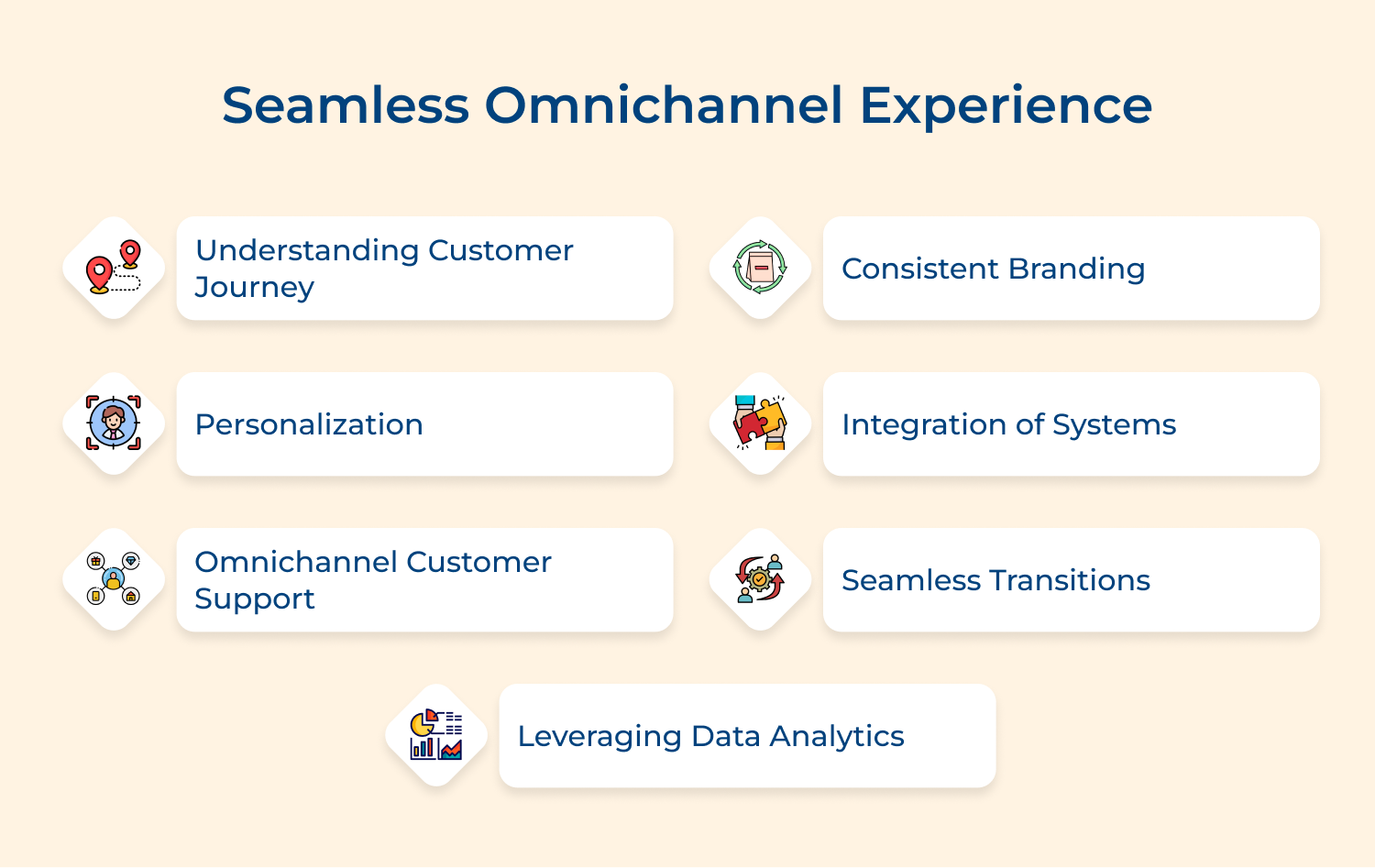
Customers move across channels from website to WhatsApp to email expecting conversations to flow without repeating themselves. Conversational AI maintains context across every channel creating a unified experience that reduces customer effort significantly.
Every time a customer repeats their issue on a new channel they lose a little more trust in your brand. AI-driven context continuity directly prevents that trust erosion at every single transition point.
Executing omnichannel AI without overextending your resources requires following these two proven practices:
Omnichannel AI done well does not just reduce customer effort it creates a perception of organizational intelligence that elevates brand trust significantly. Customers notice when a business remembers them and that feeling drives long-term loyalty across every channel they use.
These five steps will help your business implement AI in a way that delivers real and measurable impact from day one.
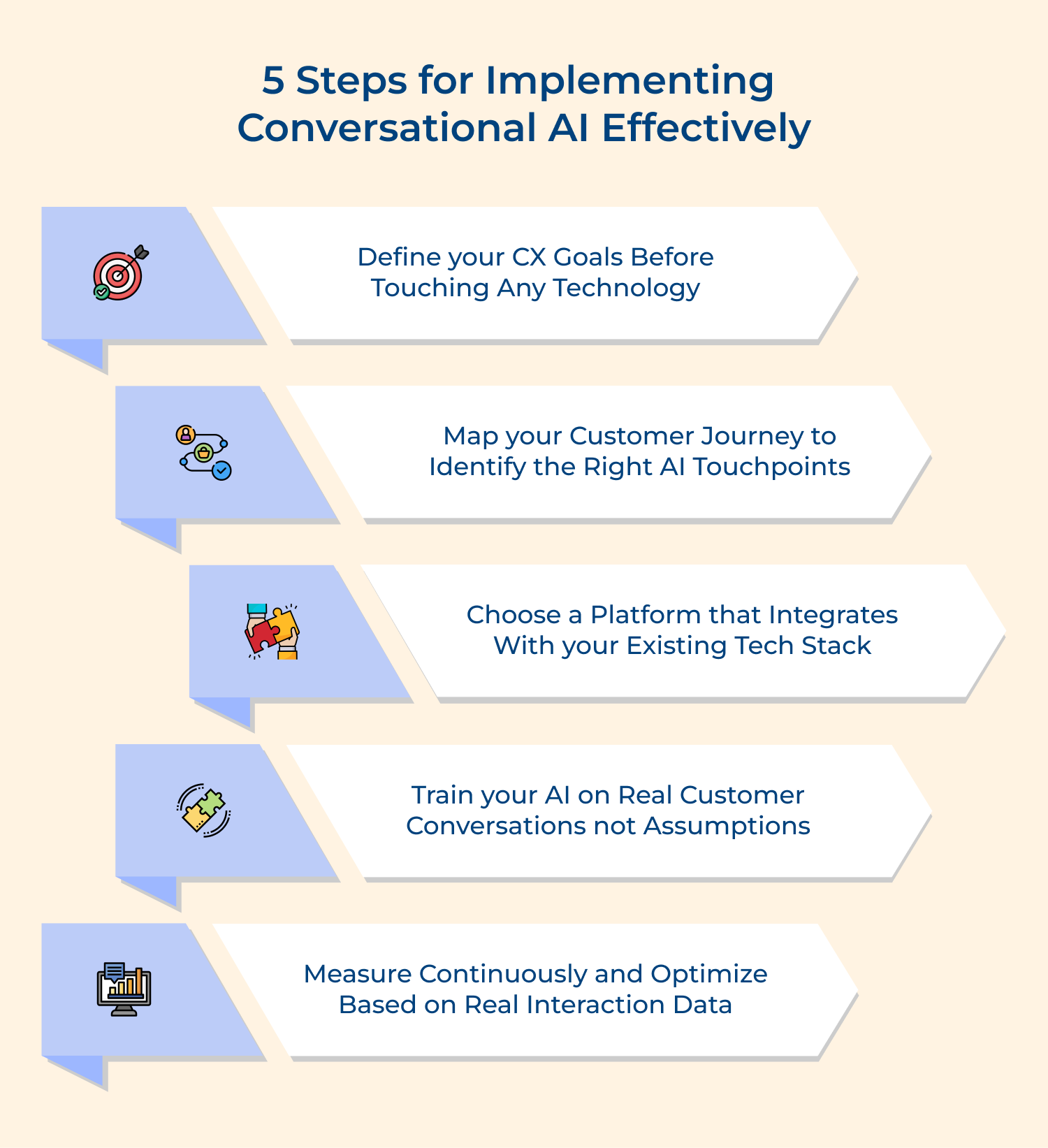
1. Define Your CX Goals Before Touching Any Technology
Most businesses make the mistake of selecting an AI platform before defining what success actually looks like for their customers. Start by identifying the specific experience gaps you want to close — whether that is reducing wait times, improving first contact resolution, or increasing self-service adoption rates.
2. Map Your Customer Journey to Identify the Right AI Touchpoints
Not every touchpoint needs AI and deploying it in the wrong places creates friction rather than removing it. Map your full customer journey and identify the moments where AI can add the most speed, consistency, and value without replacing the human connection customers genuinely need.
3. Choose a Platform That Integrates With Your Existing Tech Stack
An AI platform that cannot connect with your CRM, helpdesk, or data systems will create silos rather than solving them. Prioritize integration capability over feature lists because an AI that works seamlessly within your existing infrastructure will always outperform a feature-rich tool that operates in isolation.
4. Train Your AI on Real Customer Conversations Not Assumptions
The quality of your AI output is directly tied to the quality of data you train it on. Use actual historical customer conversations, support tickets and query logs to build an AI that reflects how your customers genuinely communicate not how you assume they do.
5. Measure Continuously and Optimize Based on Real Interaction Data
Launching your AI is not the finish line, it is the starting point for continuous improvement. Track metrics like resolution rate, escalation frequency and customer satisfaction scores after every major update to ensure your AI is getting smarter over time.
Conversational AI is not a tool you deploy and forget — it is a living system that grows smarter with every single customer interaction your business has. The businesses seeing real results are the ones treating AI as a strategic CX investment rather than a cost-cutting shortcut.
Getting this right means combining the speed of AI with the empathy of human agents at exactly the right moments in the customer journey. That balance is what separates businesses that merely automate from businesses that genuinely elevate the experience their customers remember.

How do the benefits of conversational AI improve customer service?
Conversational AI improves customer service by eliminating wait times and delivering consistent accurate responses across every channel your customers use. It also captures interaction data in real time allowing businesses to proactively fix service gaps before they impact customer satisfaction scores.
What are the cost-saving benefits of conversational AI?
Conversational AI reduces cost by automating high-volume repetitive queries that would otherwise consume expensive agent hours without adding strategic value. Businesses typically see 60% or more of their total support volume handled by AI directly lowering cost-per-interaction across every channel.
How do the benefits of conversational AI increase sales?
Conversational AI increases sales by engaging prospects at the exact moment they show buying intent — something a human team simply cannot do at scale. It also reduces cart abandonment through timely personalized nudges that move hesitant customers toward a confident purchase decision.
What are the benefits of conversational AI for small businesses?
For small businesses Conversational AI levels the playing field by delivering enterprise-grade customer experience without the overhead of a large support team. It allows lean teams to stay responsive and consistent across channels while focusing their limited human resources on high-value customer interactions.
How do the benefits of conversational AI enhance customer engagement?
Conversational AI enhances engagement by making every interaction feel relevant rather than generic and reactive. It uses behavioral data and interaction history to reach customers with the right message at the right moment turning passive touchpoints into meaningful brand experiences.
 https://omni24.io/wp-content/uploads/2026/08/AI-Customer-Service-Agents.png
1256
2400
Webvision Solution
https://omni24.io/wp-content/uploads/2023/04/Omni-Logo-1.svg
Webvision Solution2026-09-21 04:48:512026-09-21 04:48:51How to Build an AI Customer Service Agents: 8 Key Steps
https://omni24.io/wp-content/uploads/2026/08/AI-Customer-Service-Agents.png
1256
2400
Webvision Solution
https://omni24.io/wp-content/uploads/2023/04/Omni-Logo-1.svg
Webvision Solution2026-09-21 04:48:512026-09-21 04:48:51How to Build an AI Customer Service Agents: 8 Key Steps https://omni24.io/wp-content/uploads/2026/08/Omnichannel-Conversational-AI.png
1256
2400
Tushar Joshi
https://omni24.io/wp-content/uploads/2023/04/Omni-Logo-1.svg
Tushar Joshi2026-09-16 03:51:072026-09-16 03:51:07How to Build Omnichannel Conversational AI Strategy
https://omni24.io/wp-content/uploads/2026/08/Omnichannel-Conversational-AI.png
1256
2400
Tushar Joshi
https://omni24.io/wp-content/uploads/2023/04/Omni-Logo-1.svg
Tushar Joshi2026-09-16 03:51:072026-09-16 03:51:07How to Build Omnichannel Conversational AI Strategy https://omni24.io/wp-content/uploads/2026/08/Customer-Service-Teams.png
1256
2400
Tushar Joshi
https://omni24.io/wp-content/uploads/2023/04/Omni-Logo-1.svg
Tushar Joshi2026-09-15 04:01:522026-09-15 04:02:16How to Build Customer Service Teams: 6 Key Steps
https://omni24.io/wp-content/uploads/2026/08/Customer-Service-Teams.png
1256
2400
Tushar Joshi
https://omni24.io/wp-content/uploads/2023/04/Omni-Logo-1.svg
Tushar Joshi2026-09-15 04:01:522026-09-15 04:02:16How to Build Customer Service Teams: 6 Key Steps
Whether it’s about acquire, engage or support – Omni24 covers all your customer engagement needs in one complete platform.

Copyright ©2026 Veemo All rights reserved.
CA, Los Angeles, Hall Ave, 19011