Chatbot Use Cases for Modern Businesses: A Comprehensive Guide
Discover how businesses use chatbots across support, sales and industries to cut costs while improving customer experience.
Discover how businesses use chatbots across support, sales and industries to cut costs while improving customer experience.
Businesses can no longer afford to staff every customer touchpoint around the clock – yet customer expectations for instant, accurate responses have never been higher. Chatbot use cases are the specific, real-world applications through which AI-powered conversational tools handle tasks that would otherwise require human intervention.
And the stakes are high – 82% of customers now prefer chatbots over waiting for a representative, a 20% rise since 2022.
This guide breaks down the most impactful chatbot use cases by industry and function. It covers customer service, e-commerce, healthcare, HR, and sales. You will be able to identify exactly where chatbots deliver the highest return for your business.
Chatbot use cases define the specific business scenarios where automated conversational tools handle real customer interactions. They cover everything from answering FAQs to processing complex transactions without human intervention.
Chatbots work by receiving a user input and matching it against pre-defined rules or AI models to generate a relevant response. The more data they are trained on, the more accurately they resolve queries in real time.
Types of chatbot:
Businesses that deploy chatbots strategically see measurable improvements across support, sales, marketing and operations. Here are six benefits that actually move the needle.
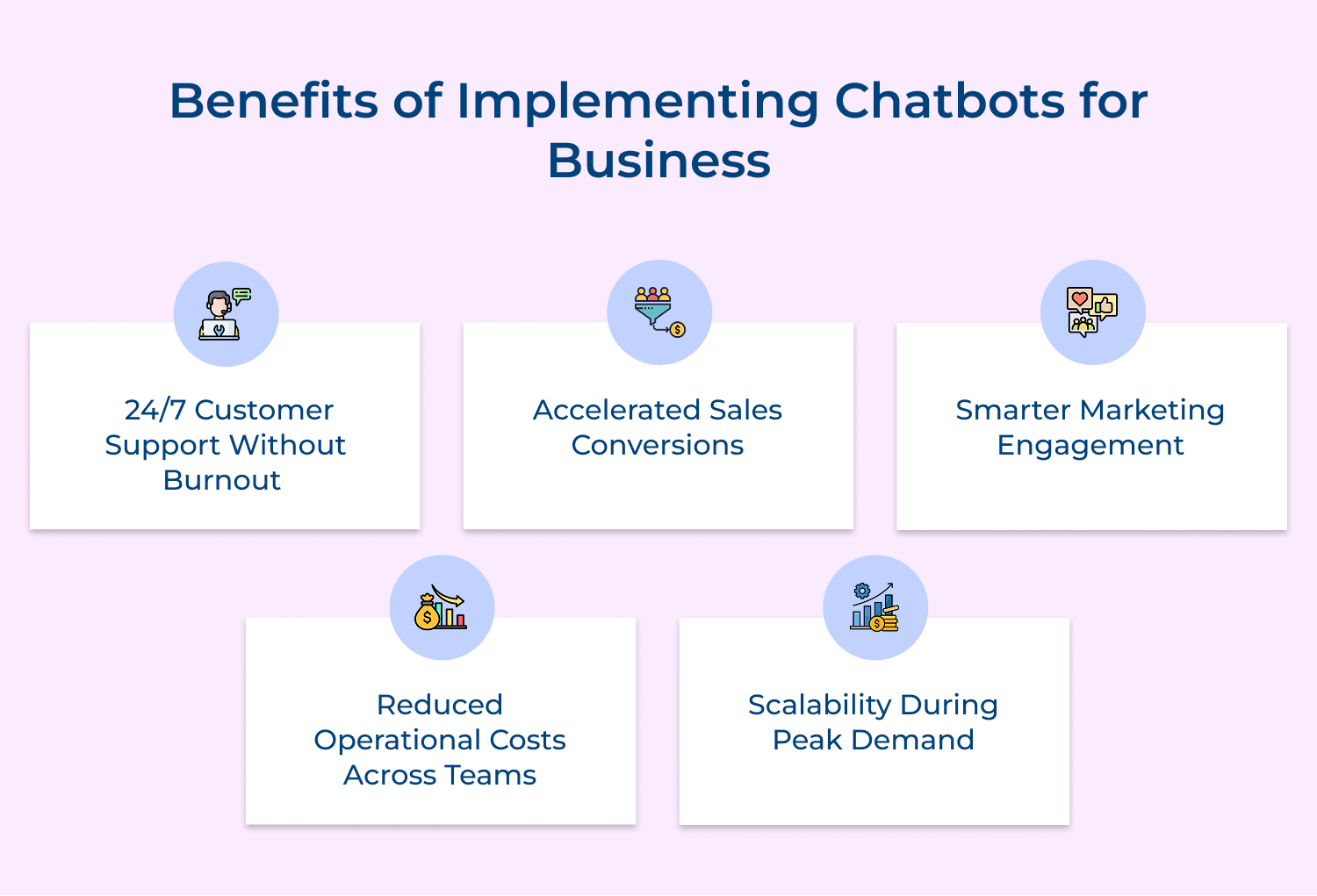
1. 24/7 Customer Support Without Burnout
Most customer issues don’t follow a 9-to-5 schedule and a chatbot ensures your business is always present to respond. This constant availability directly reduces ticket backlog and improves first-contact resolution rates.
2. Accelerated Sales Conversions
A chatbot placed at the right point in the buyer journey can qualify leads, recommend products and push a hesitant prospect toward a purchase decision. Sales teams that use chatbots as a first touchpoint consistently report shorter sales cycles and higher conversion rates.
3. Smarter Marketing Engagement
Chatbots can run personalized campaigns, deliver targeted offers and collect opt-ins directly inside a conversation. This makes them a far more interactive channel than static email blasts or passive landing pages.
4. Reduced Operational Costs Across Teams
A single chatbot can handle thousands of simultaneous conversations without adding headcount across support, sales or marketing teams. Businesses consistently see a measurable drop in cost-per-interaction when repetitive tasks are automated at scale.
5. Scalability During Peak Demand
During product launches or seasonal campaigns, both support and sales volumes can spike overnight without warning. Chatbots absorb that surge across every department without requiring emergency hiring or compromising response quality.
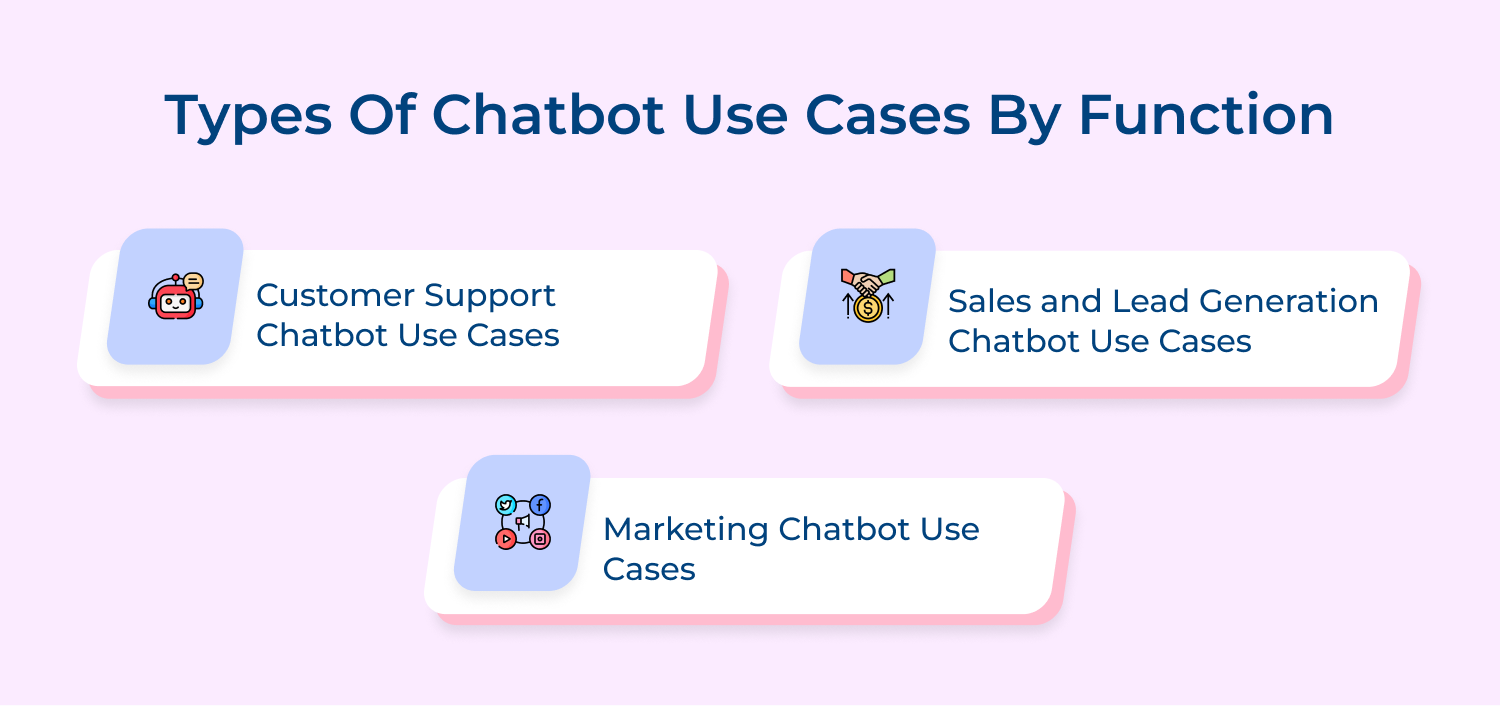
Let’s delve into the various chatbot use cases categorized by function, offering insights into how these smart tools can be integrated into your business strategy to drive growth.
Chatbots handling FAQs are not just about deflecting tickets, they are about giving customers the right answer at the right moment. In customer experience, speed and accuracy of information directly determine whether a customer stays or leaves.
Most customers abandon a purchase or raise a complaint simply because they couldn’t find a clear policy answer in time. A well-configured FAQ chatbot eliminates that friction before it becomes a support issue.
Here are common questions businesses configure their chatbot to answer instantly:
Getting the chatbot live is only half the job, the real work is mapping your most-asked questions to accurate and up-to-date answers. Businesses that audit their FAQ content quarterly see significantly better containment rates and fewer escalations.
Best practice:
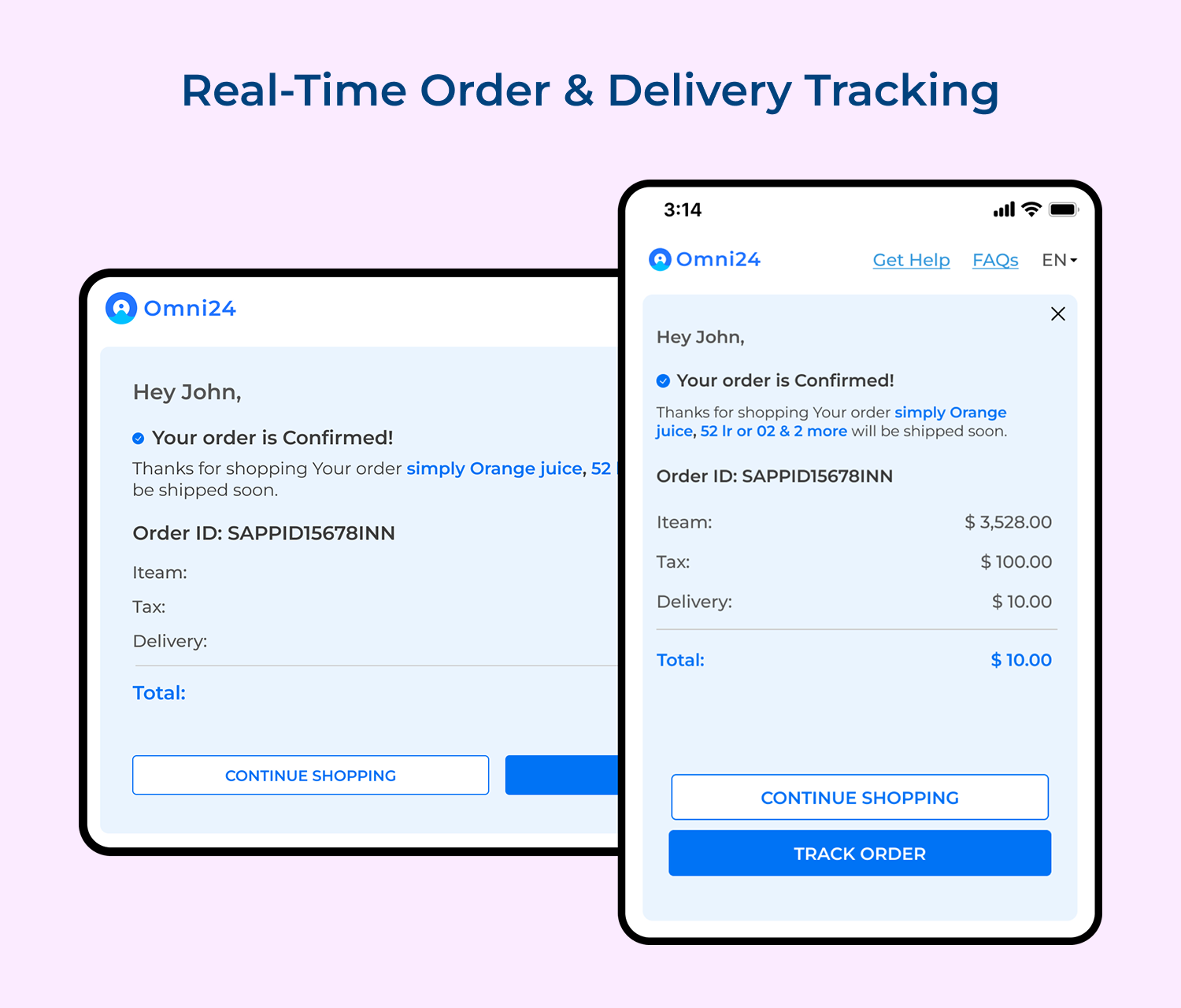
Order tracking is one of the highest-volume and most repetitive queries any e-commerce or retail support team handles daily. Deploying a chatbot here gives customers the proactive visibility they expect after every purchase.
These chatbots are particularly well-suited for businesses across these industries:
Here are the businesses where this use case delivers the most impact:
So how exactly does a tracking chatbot improve the post-purchase experience? When a customer messages asking “where is my order,” the chatbot doesn’t just pull a status, it interprets the order stage and delivers context-rich updates that reduce anxiety while building trust.
Here is how the chatbot works in real-time order tracking to deliver better support:
When a customer raises a complaint, the first 60 seconds of that interaction determine whether the situation escalates or gets resolved. A chatbot designed for complaint management gives businesses the ability to respond immediately and log issues accurately before a human even gets involved.
Getting complaint management right requires a structured approach – the chatbot needs to first acknowledge the issue, then categorize it and finally route it to the right team with full context attached.
Here is what a well-built complaint resolution chatbot handles at the front line:
Consider a customer who received a damaged product on a Friday evening when your support team is offline. The chatbot captures the complaint, raises a priority ticket and sends the customer a confirmation with an expected resolution timeline, so they feel heard even before Monday morning.
No chatbot can resolve every issue and the best customer experience strategies never expect it to. The real measure of a chatbot’s effectiveness is how gracefully it hands off what it cannot.
Here is a quick escalation-readiness checklist every business should validate before going live:
What separates a frustrating chatbot experience from a seamless one is the moment of handoff. When the live agent receives full context (what the customer asked, what the bot attempted and where it failed) the customer never has to repeat themselves as well as that single detail makes an enormous difference in satisfaction scores.
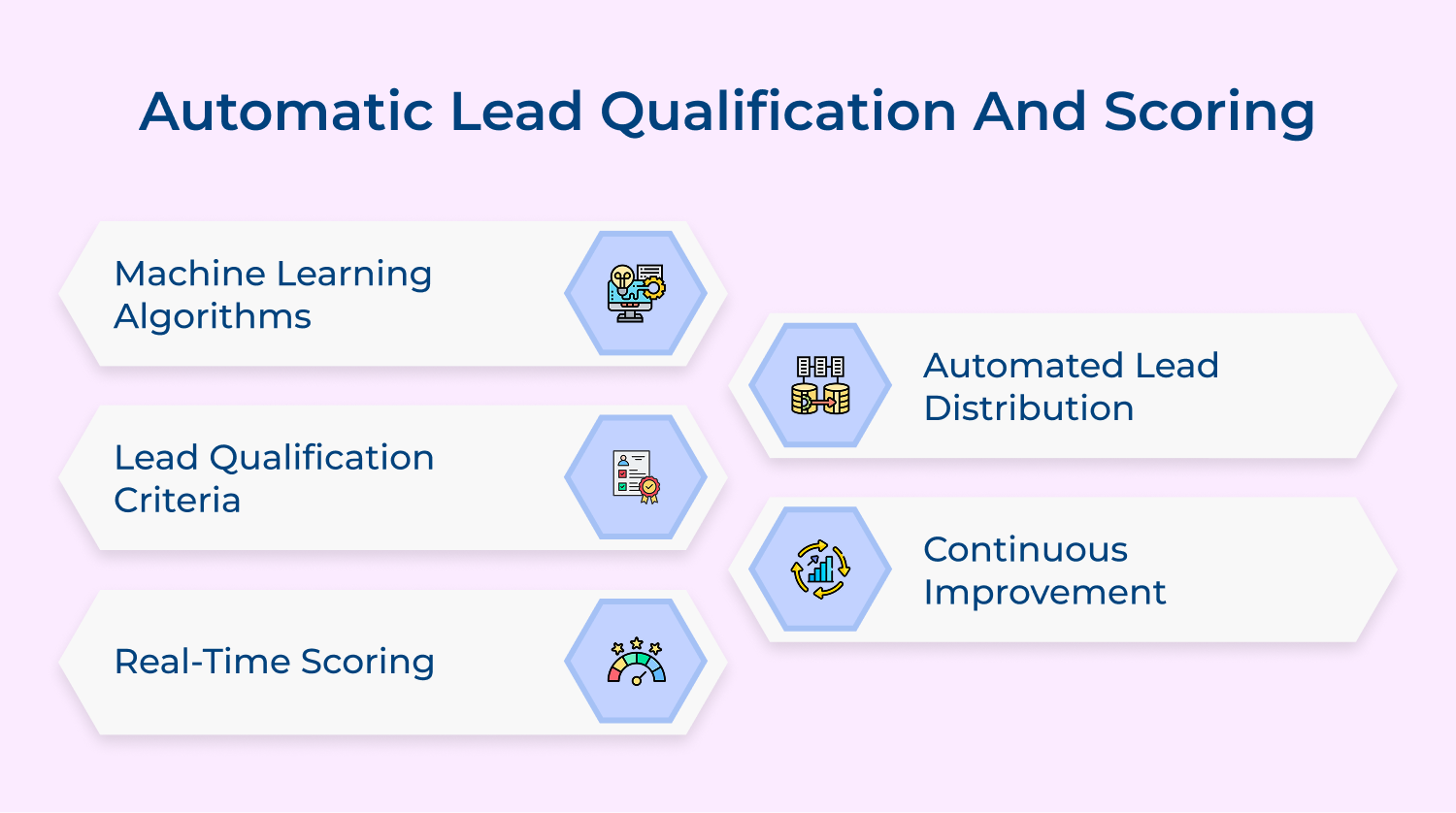
Most sales teams lose valuable hours chasing leads that were never going to convert. A qualification chatbot acts as your smartest first filter – separating serious buyers from casual browsers before any human effort is invested.
Intent-based questions help the chatbot identify buying intent and eliminate unqualified prospects at the very first touchpoint. Here are the qualifying questions businesses typically configure their chatbot to ask:
Once responses are collected the chatbot scores each lead against predefined criteria like budget fit, urgency and decision-making authority. This means your sales rep enters every conversation already knowing the prospect’s readiness level.
So what happens after a lead is scored? The chatbot pushes a fully enriched lead profile directly into your CRM so your sales team receives a briefed contact record rather than a cold name.
Pro tips:
Back-and-forth emails to schedule a meeting kill sales momentum faster than almost anything else. A scheduling chatbot lets the prospect book directly inside the conversation, removing friction at the exact moment their interest is highest.
Here is what a well-configured scheduling chatbot handles across the entire booking process:
How does this impact conversion rates in practice? Teams using scheduling chatbots consistently report shorter sales cycles because the time between first interest and first conversation drops from days to minutes.
No-show rates are where most businesses underestimate the chatbot’s value. A well-timed reminder sequence 24 hours and 1 hour before the meeting keeps prospects engaged as well as shows up as a direct improvement in demo-to-close ratios.
The window between a pricing inquiry and receiving a quote is exactly where buying intent goes cold. A chatbot that delivers instant tailored estimates keeps that momentum alive at the most critical point in the sales journey.
Here is a practical implementation checklist before deploying a quote-generation chatbot:
Which businesses benefit most from this use case? Any company with variable pricing (SaaS platforms, logistics providers, insurance firms and B2B manufacturers) benefits most because pricing is always the first question a serious prospect asks.
The chatbot runs a short discovery sequence, collects requirements and generates a tailored estimate on the spot. This replaces a process that previously took hours with a response that arrives in seconds and keeps the prospect moving forward.
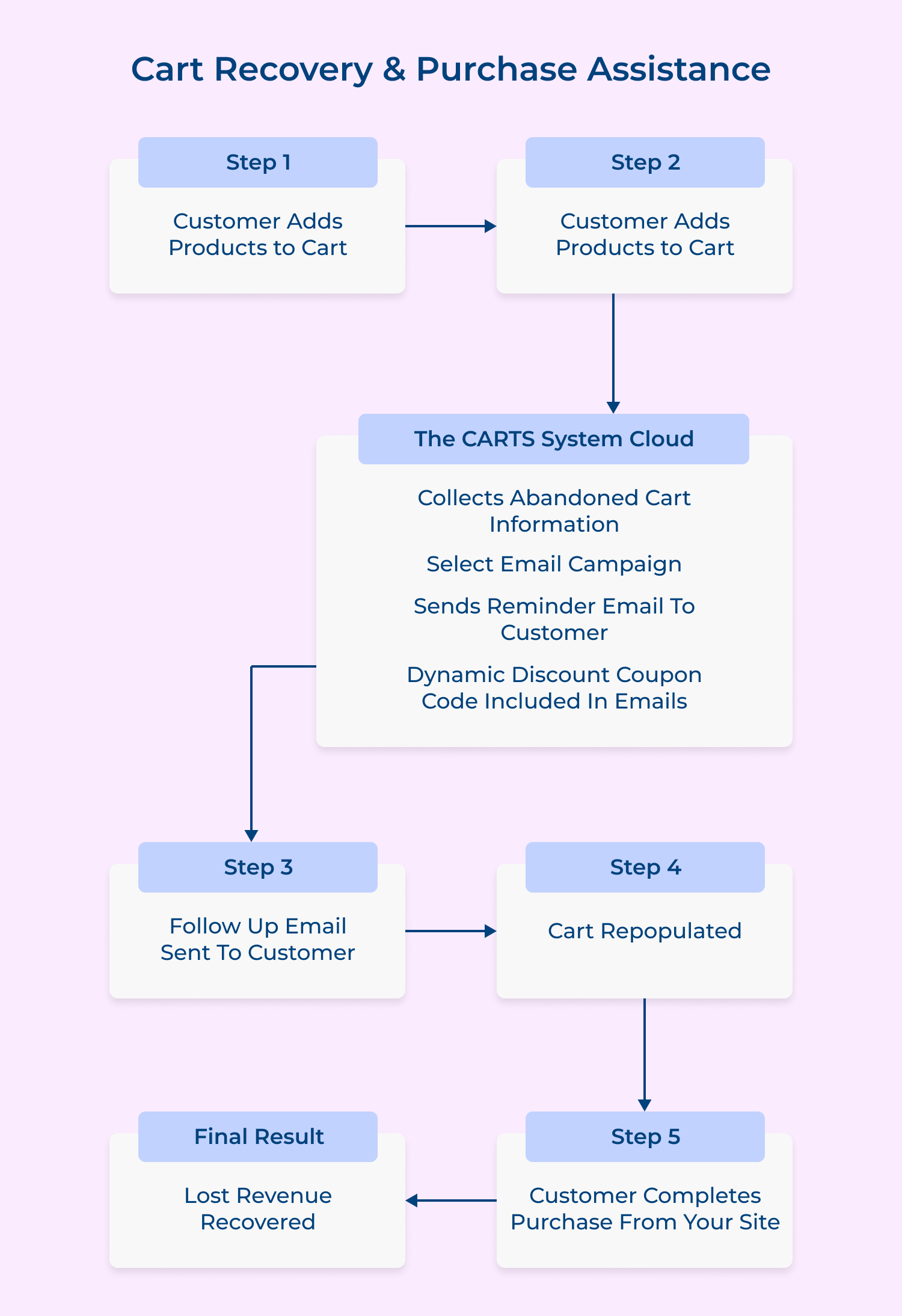
An abandoned cart is not a lost sale, it is a customer who got close and then hesitated. Understanding why that hesitation happened is exactly where an experienced CX leader focuses and a chatbot gives you the tool to address it in real time.
In most cases cart abandonment is driven by an unanswered question, an unexpected cost or a simple distraction at the wrong moment. A recovery chatbot re-engages that customer immediately with a personalized message that speaks directly to what caused them to pause.
Here is how a cart recovery chatbot works across the full purchase journey:
What separates a high-performing recovery chatbot from a generic one is hyper-personalization at the moment of re-engagement. Referencing the exact product, addressing the likely objection and delivering a relevant incentive converts at a rate no email recovery sequence can consistently match.
Interactive campaign chatbots are built for e-commerce brands, media companies and consumer apps that need engagement beyond passive content. They turn one-way marketing messages into two-way conversations that hold a customer’s attention long enough to drive action.
Running Quizzes and Giveaways Directly via Chat
Quiz-based campaigns inside a chatbot consistently outperform static landing pages because the experience feels personal rather than transactional. A beauty brand running a “find your shade” quiz through a chatbot sees completion rates that a regular web form simply cannot match.
Collecting Entries and Customer Data Through Conversations
Every contest entry becomes a structured data collection opportunity when it runs through a chatbot flow. Instead of a basic form the chatbot captures preferences, intent signals and contact details inside a natural conversation without feeling intrusive.
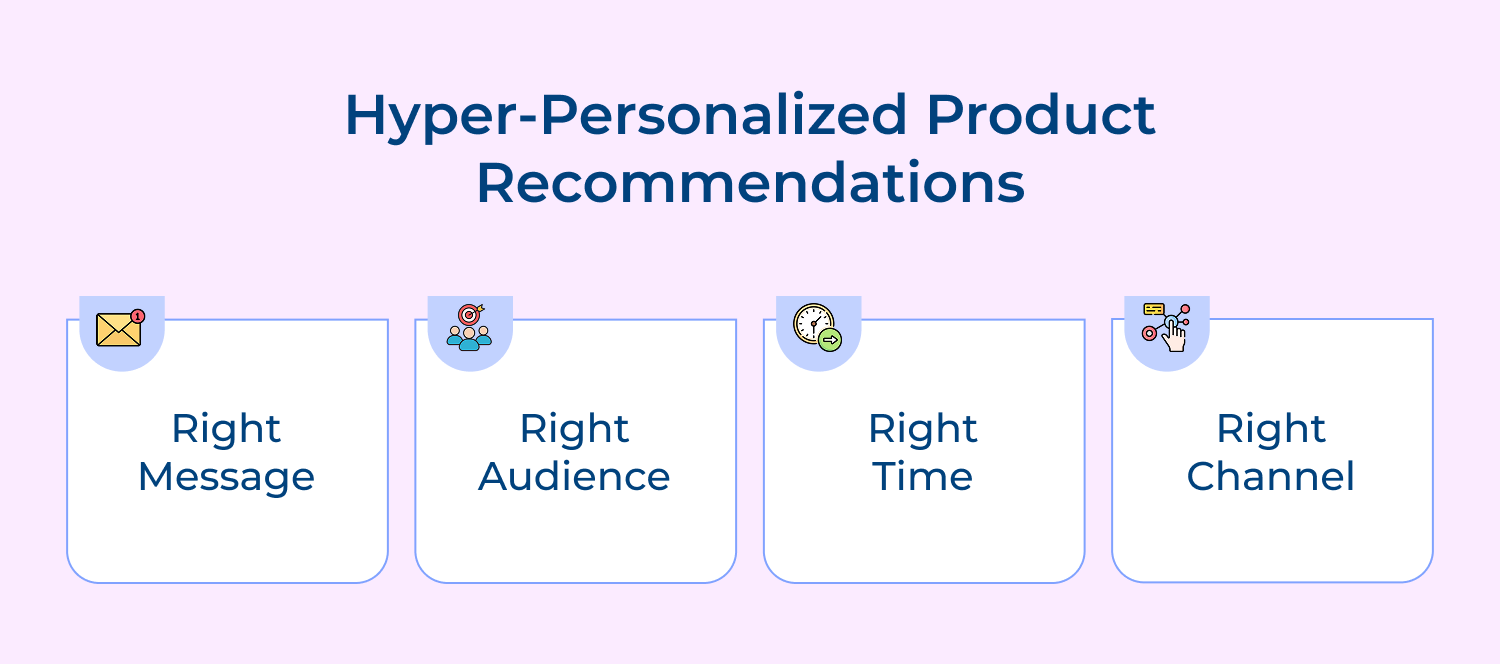
Product recommendation chatbots consistently rank among the highest-ROI marketing use cases because they influence purchase decisions at the exact moment a customer is actively browsing. They replace generic promotions with suggestions that feel individually curated for each person.
A recommendation chatbot analyzes past purchase history to surface products that match a customer’s established preferences with precision. For example a customer who bought running shoes gets shown performance socks and training gear, not random bestsellers from unrelated categories.
Here are two capabilities that make purchase-based recommendations work effectively:
A chatbot-guided onboarding experience determines whether a new user reaches their first value moment or drops off before understanding the product. It is the single most underleveraged retention tool most businesses have sitting unused inside their existing tech stack.
Getting onboarding right means meeting users at their exact point of confusion rather than delivering a generic product tour. A chatbot does this by detecting where users stall and responding with targeted guidance before frustration sets in.
Here are three effective ways a chatbot drives better onboarding outcomes:
Consider a SaaS tool where new users consistently drop off before creating their first project. A chatbot that detects this inactivity and asks “Need help setting up your first project?” recovers that user before they quietly churn and never return.
Chatbot adoption across businesses grew roughly 4.7x between 2020 and 2025. Here is how different sectors are putting chatbots to work in ways that directly impact their business.
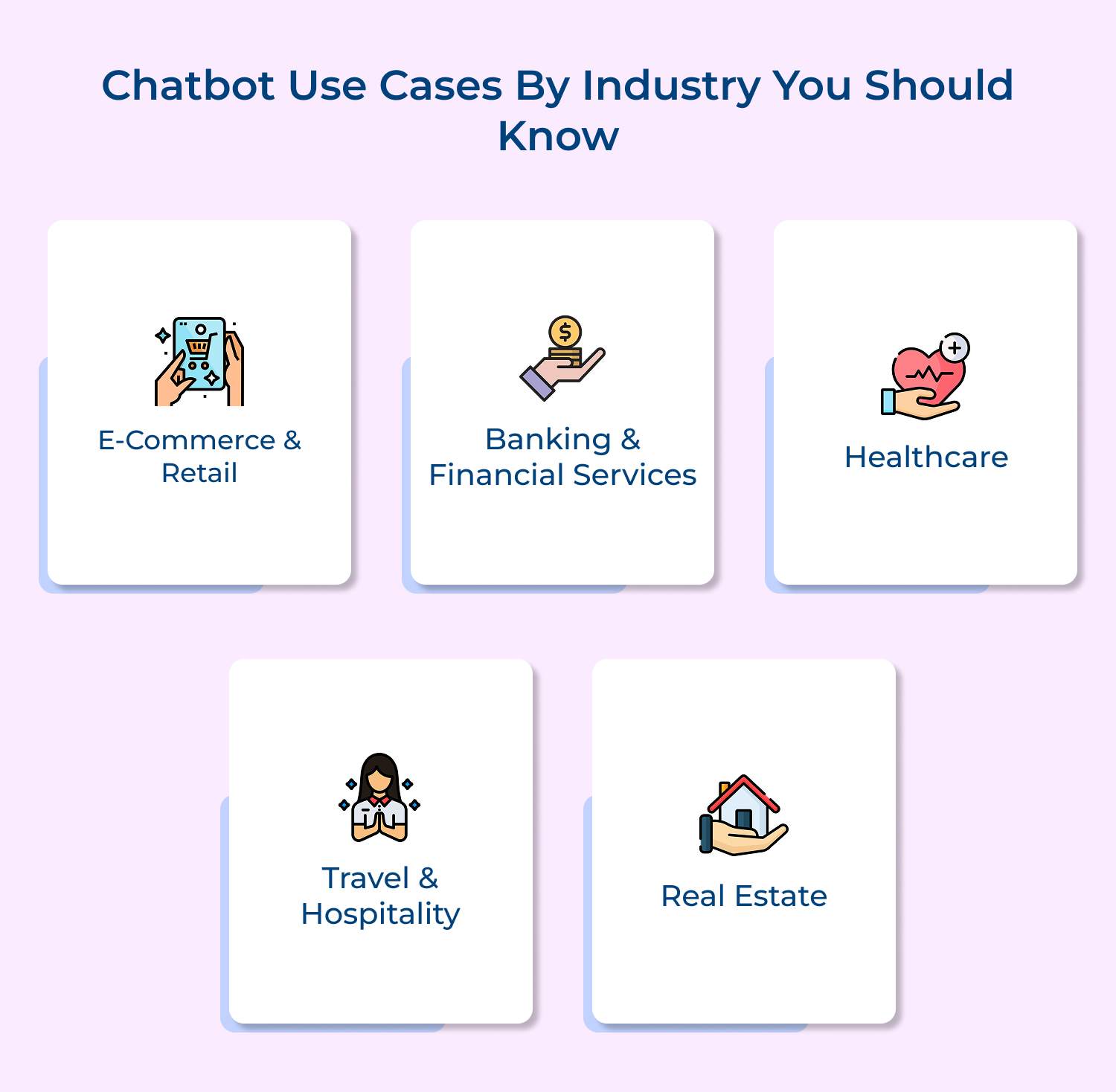
Retail chatbots reduce purchase friction and keep customers engaged across every stage of the buying journey. Here are three use cases driving real impact in retail:
Financial chatbots handle sensitive queries with speed and accuracy while keeping customers away from long call center queues. Here are three use cases transforming customer experience in banking:
Healthcare chatbots reduce the administrative burden on medical staff while giving patients faster access to the information they need. Here are three use cases improving patient experience in healthcare:
Travel chatbots handle high-volume transactional queries that would otherwise overwhelm a front desk or reservations team. Here are three use cases delivering measurable value in travel:
Real estate chatbots qualify serious property buyers early and reduce the time agents spend on exploratory conversations. Here are three use cases adding clear value in real estate:
Chatbots are not just automation tools — they are strategic assets that directly impact revenue, retention and operational efficiency when deployed with clear intent. The businesses winning with chatbots today are not the ones using the most advanced technology but the ones mapping the right use case to the right customer moment.
Start small, measure the impact on a single use case and then scale what works across your broader customer journey. A chatbot that solves one real customer problem consistently will always outperform a complex deployment that tries to do everything at once.

Can you provide examples of chatbot use cases in customer support?
Customer support chatbots handle FAQ resolution, order tracking, complaint logging and seamless live agent escalation with full context transfer. Businesses deploying these see faster resolution times and significantly lower cost-per-interaction across their support operations.
How do chatbots apply to e-commerce as a use case?
E-commerce chatbots assist shoppers with product discovery, size guidance, cart recovery and post-purchase order tracking without human involvement. They directly influence conversion rates by engaging customers at the exact moment purchase hesitation typically sets in.
What future trends should we watch in chatbot use cases?
Voice-enabled chatbots, emotionally intelligent AI and deep CRM integrations are the three trends redefining what chatbots can do next. Businesses that start building conversational data assets today will have a significant advantage as these capabilities become mainstream.
How do chatbot use cases reduce operational costs?
A single chatbot handling thousands of simultaneous conversations eliminates the need for proportional headcount growth in support and sales teams. Businesses consistently report a measurable drop in cost-per-interaction once routine queries are deflected away from live agents at scale.
What is the difference between rule-based and AI chatbot use cases?
Rule-based chatbots follow fixed scripts and work best for predictable as well as repetitive queries with clearly defined answer paths. AI chatbots understand intent and context which makes them far more effective for complex communication along with open-ended customer conversations.
 https://omni24.io/wp-content/uploads/2026/08/AI-Customer-Service-Agents.png
1256
2400
Webvision Solution
https://omni24.io/wp-content/uploads/2023/04/Omni-Logo-1.svg
Webvision Solution2026-09-21 04:48:512026-09-21 04:48:51How to Build an AI Customer Service Agents: 8 Key Steps
https://omni24.io/wp-content/uploads/2026/08/AI-Customer-Service-Agents.png
1256
2400
Webvision Solution
https://omni24.io/wp-content/uploads/2023/04/Omni-Logo-1.svg
Webvision Solution2026-09-21 04:48:512026-09-21 04:48:51How to Build an AI Customer Service Agents: 8 Key Steps https://omni24.io/wp-content/uploads/2026/08/Omnichannel-Conversational-AI.png
1256
2400
Tushar Joshi
https://omni24.io/wp-content/uploads/2023/04/Omni-Logo-1.svg
Tushar Joshi2026-09-16 03:51:072026-09-16 03:51:07How to Build Omnichannel Conversational AI Strategy
https://omni24.io/wp-content/uploads/2026/08/Omnichannel-Conversational-AI.png
1256
2400
Tushar Joshi
https://omni24.io/wp-content/uploads/2023/04/Omni-Logo-1.svg
Tushar Joshi2026-09-16 03:51:072026-09-16 03:51:07How to Build Omnichannel Conversational AI Strategy https://omni24.io/wp-content/uploads/2026/08/Customer-Service-Teams.png
1256
2400
Tushar Joshi
https://omni24.io/wp-content/uploads/2023/04/Omni-Logo-1.svg
Tushar Joshi2026-09-15 04:01:522026-09-15 04:02:16How to Build Customer Service Teams: 6 Key Steps
https://omni24.io/wp-content/uploads/2026/08/Customer-Service-Teams.png
1256
2400
Tushar Joshi
https://omni24.io/wp-content/uploads/2023/04/Omni-Logo-1.svg
Tushar Joshi2026-09-15 04:01:522026-09-15 04:02:16How to Build Customer Service Teams: 6 Key Steps
Whether it’s about acquire, engage or support – Omni24 covers all your customer engagement needs in one complete platform.

Copyright ©2026 Veemo All rights reserved.
CA, Los Angeles, Hall Ave, 19011