Why External Knowledge Bases Are Essential for Business Growth
An external knowledge base boosts customer satisfaction, streamlines support, builds credibility, drives traffic and fuels continuous learning and growth.

An external knowledge base boosts customer satisfaction, streamlines support, builds credibility, drives traffic and fuels continuous learning and growth.
There is an abundance of information available at our fingertips. From online articles & research papers to podcasts & webinars, the possibilities for expanding our knowledge are endless. However, many individuals may not be taking advantage of these external knowledge bases to their full potential.
Actively seeking out and embracing external knowledge bases helps individuals stay informed, learn new skills as well as broaden their perspectives. In fact, 89% of millennials check on search engines for answers rather than calling customer service.
In my opinion, tapping into external knowledge base tools will always help you improve your customer experience. Let’s explore how it benefits your overall growth!
An external knowledge base is a repository of information that is accessible to users outside of an organization. It is a resource that is typically used to provide support and information to customers, clients, partners or any other external parties.
External knowledge bases are important tools for organizations looking to improve customer service and satisfaction. By providing a centralized location for information, organizations can ensure that external users have access to the most up-to-date as well as accurate information about products, services, policies and more.
Key Objectives:
First things first. 91% of consumers will use a knowledge base if it meets customers needs. Let’s Look into other factors that affect exclusively if you decide on incorporating it.
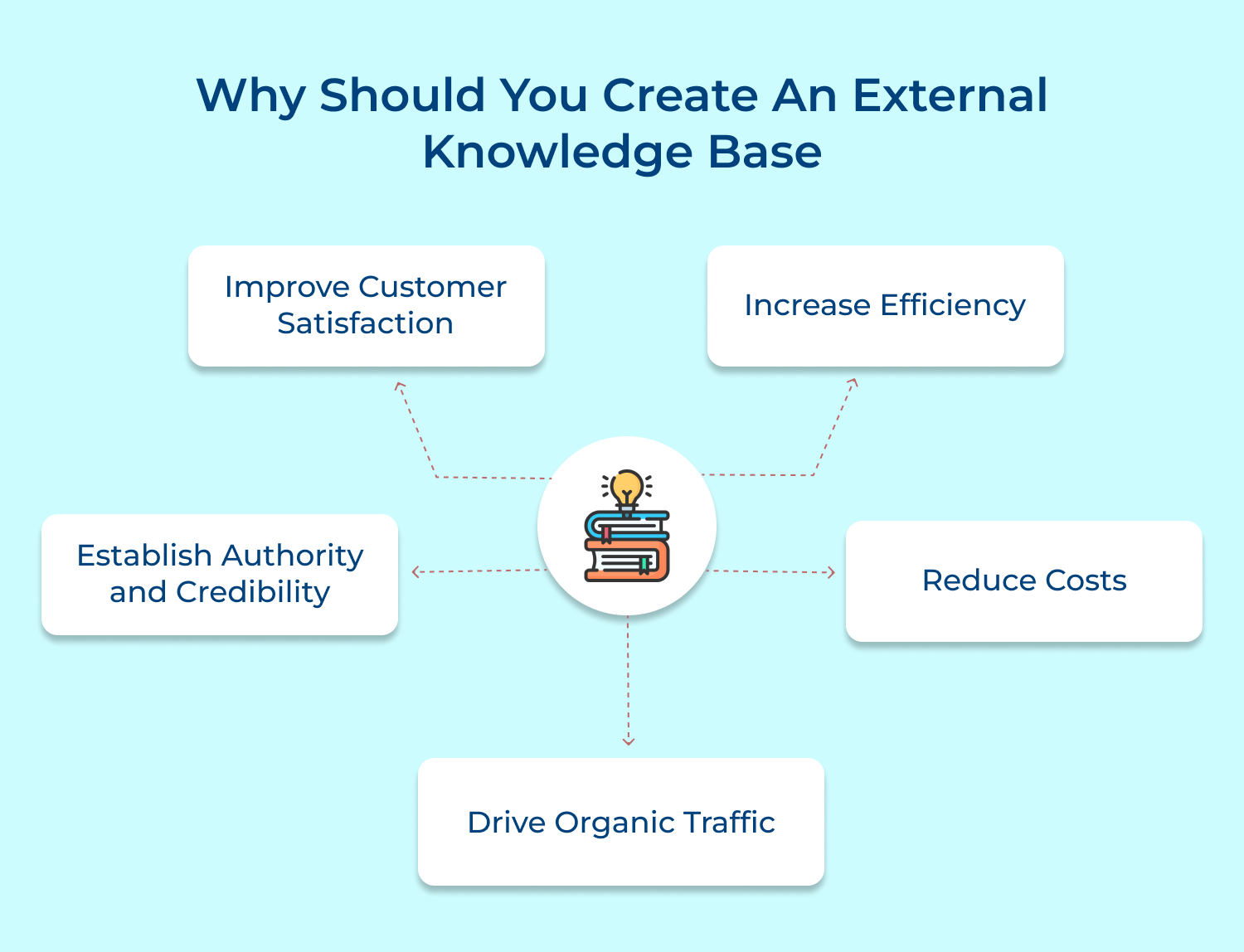
Improve Customer Satisfaction
Providing customers with a definitive guide to knowledge base (KB) that addresses common questions and concerns helps businesses improve customer satisfaction. Customers appreciate being able to find answers to their questions quickly, without having to wait for a response from a support agent.
Increase Efficiency
An external knowledge base helps businesses streamline their operations by reducing the number of repetitive inquiries that customer support teams have to deal with. This frees up time for support agents to focus on more complex issues and provide a higher level of service to customers.
Establish Authority and Credibility
Creating an external knowledge base that is informative as well as well-maintained helps businesses to establish themselves as authorities in their industry. Customers are more likely to respect businesses that can provide them with accurate and helpful information.
Reduce Costs
Investing in creating an external knowledge base may require some initial effort and resources. However, in the long run, it helps businesses save money by reducing the workload of customer support teams and decreasing the number of support tickets that need to be addressed.
Drive Organic Traffic
An external knowledge base can also serve as a valuable resource for attracting new customers. By optimizing the content in the knowledge base for search engines, businesses can drive organic traffic to their website and increase their online visibility.
Simply having a knowledge base isn’t enough – you need to ensure that the content within it is well-planned and organized in order to be effective. How to create one, you ask?
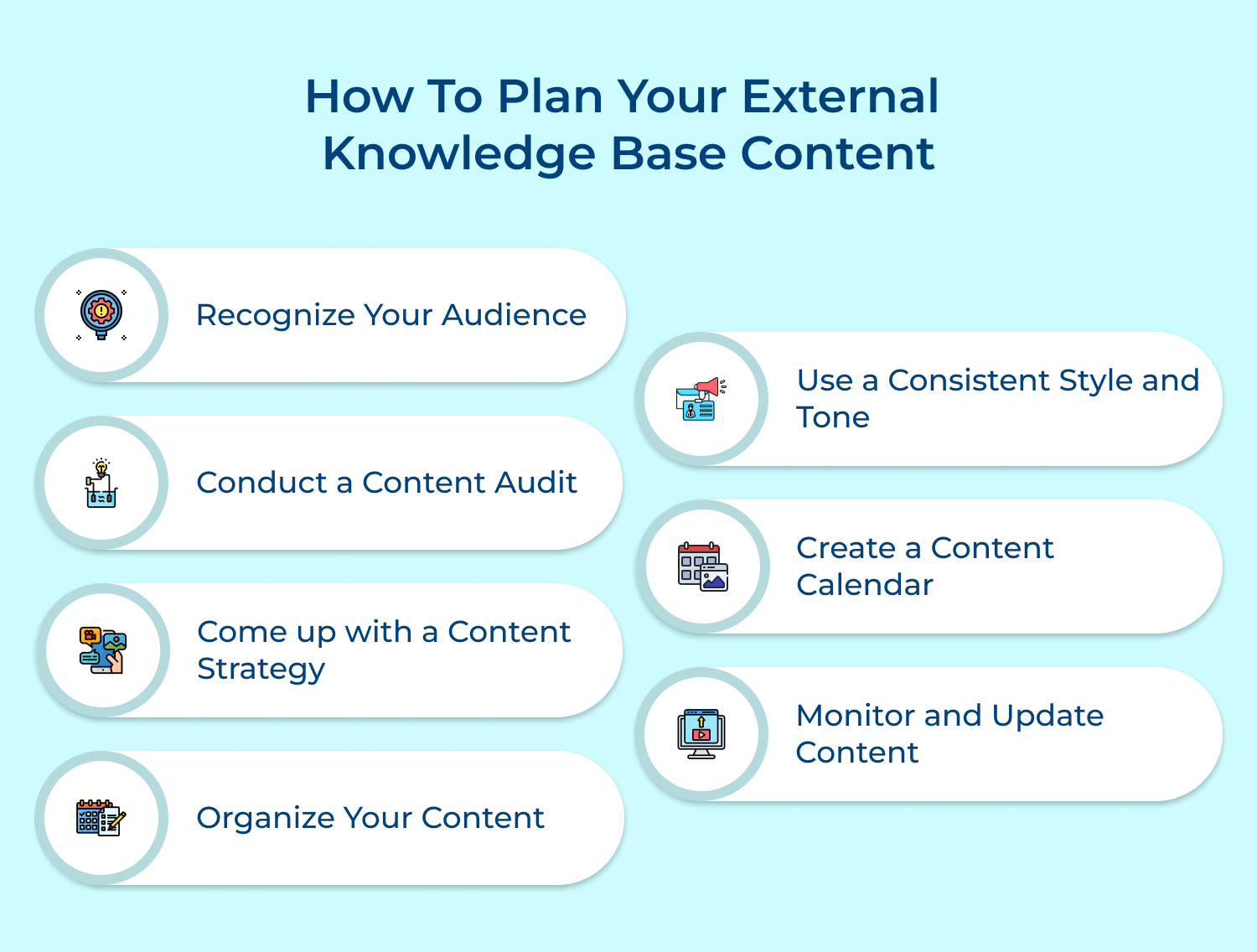
Before you start creating content for your knowledge base, identify who your target audience is. Consider their needs, questions and pain points in order to create content that is relevant as well as valuable to them.
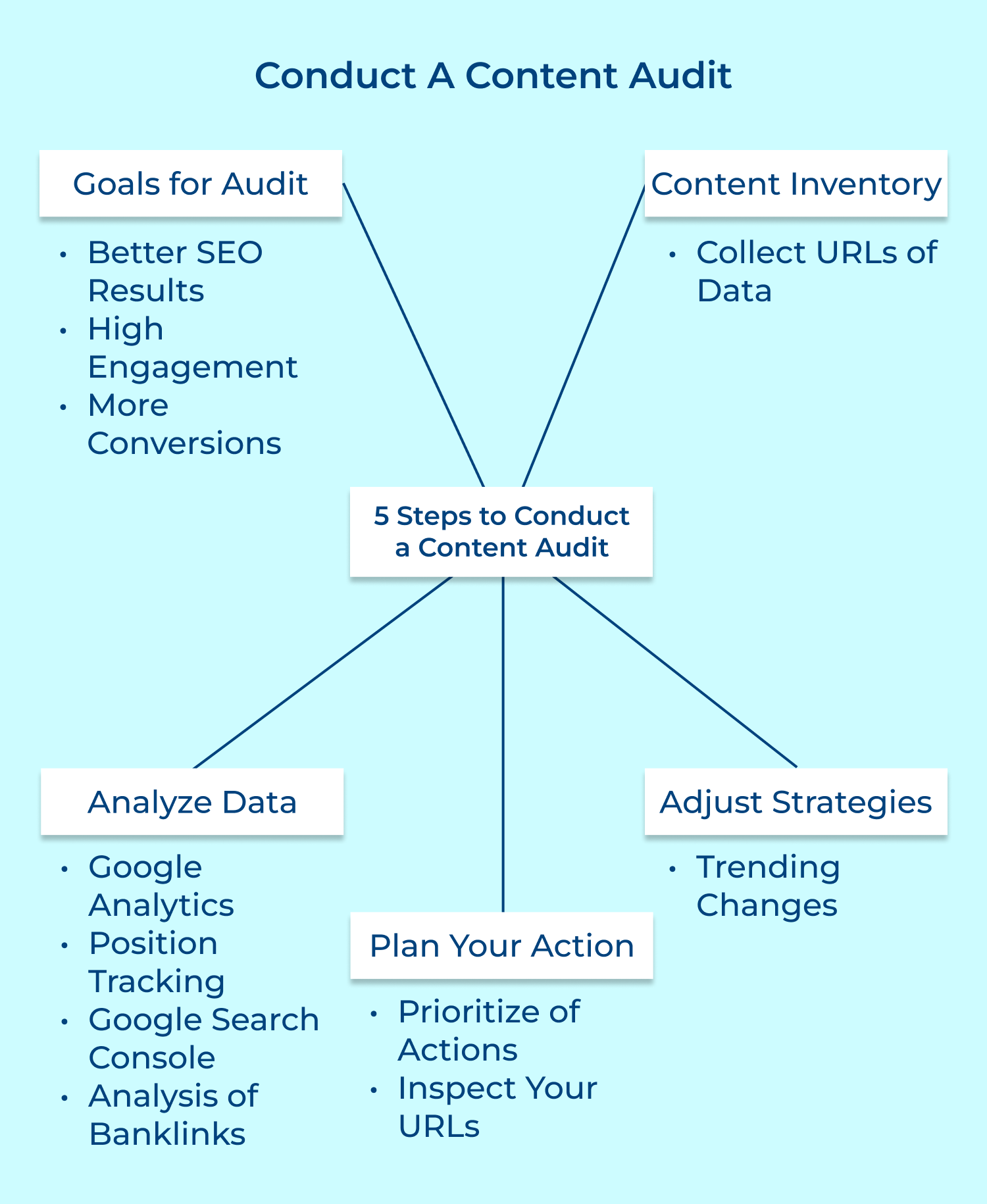
Take inventory of the content you currently have in your knowledge base and assess its quality as well as its relevance. Identify any gaps in information that need to be filled in order to provide a comprehensive resource for your audience.
Create a content strategy that outlines the goals and objectives of your knowledge base. Determine what topics you want to cover, how often you will update the content and what formats (such as articles, videos, or infographics) you will use.
Develop a logical hierarchy for organizing your content within the knowledge base. This could include categorizing information by topic, audience type or level of expertise. Make sure that users can easily navigate the knowledge base to find the information they need.
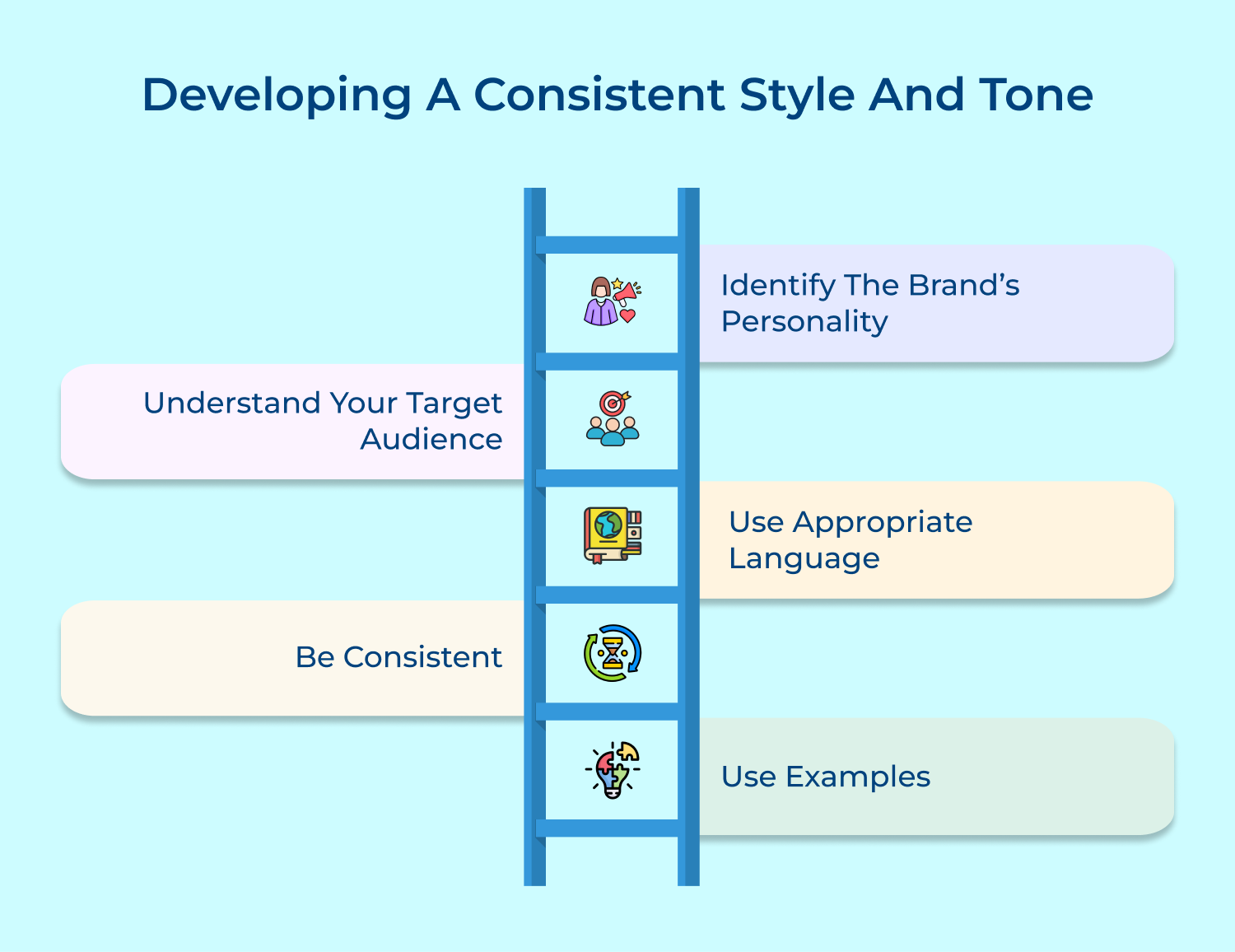
Psychologically, people want to see patterns and consistency to stick to a brand. Grasping this aspect with regards to your knowledge base content provides a comprehensive experience for your users. It doesn’t just establish your brand’s voice but makes the information more digestible for the audience.
Plan out a content calendar that outlines when new content will be published in your knowledge base. This will help you stay organized and ensure that you are regularly updating the information to keep it relevant.
Regularly monitor the performance of your knowledge base content, such as how often it is being accessed and any user feedback you receive. Use this information to continuously improve and update the content to better meet the needs of your audience.
By 2026, Gartner predicts that 95% of all digital workloads will run on cloud-native platforms. In such a case, the sooner you adapt to the trends, the better it becomes for you to transition.
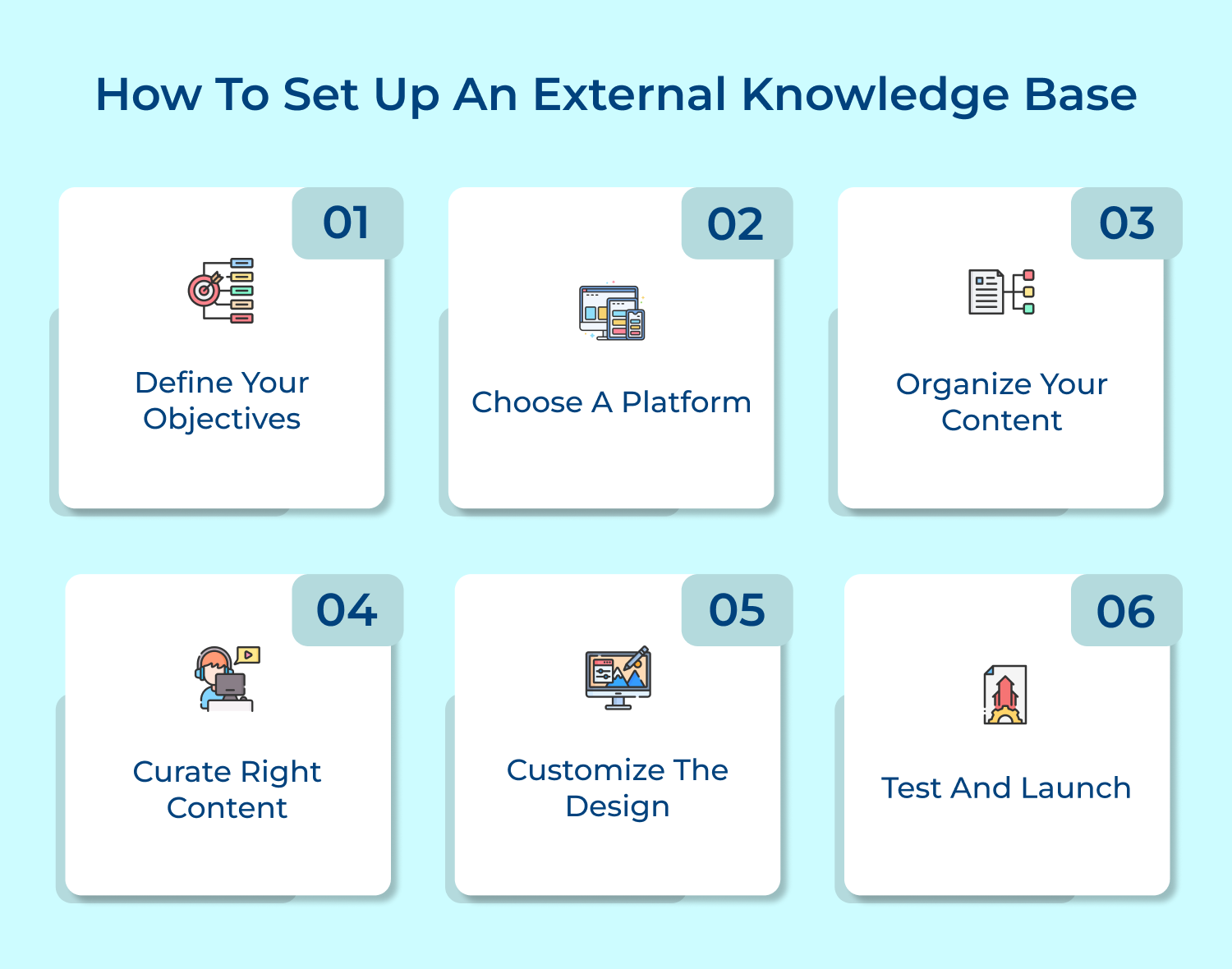
Define your objectives before setting up your external knowledge base. Determine what information you want to share with your audience and what the main goals of your knowledge base are. It will help guide the content creation and organization process.
There are many platforms available for setting up an external knowledge base, such as Zendesk, HelpDocs, or Omni24.io. Choose a platform that aligns with your business needs and budget. Consider factors such as ease of use, customization options and integration with other tools.
Once you have chosen a platform, start organizing your content. Create categories and subcategories to make it easy for users to navigate as well as find the information they need. Consider using tags or keywords to make search functionality more effective.
Start creating content for your knowledge base. This can include articles, FAQs, tutorials, videos, or any other type of information that is relevant to your audience. Make sure to keep the content updated and accurate.
Customize the design of your knowledge base to align with your brand and provide a seamless user experience. Add your logo, brand colors and customize the layout to make it visually appealing.
Before launching your external knowledge base, make sure to test it thoroughly to ensure that all links work, content is accurate and the user experience is smooth. Once everything is in order, launch your knowledge base and promote it to your audience.
Having access to external knowledge can be incredibly beneficial for staying ahead of the competition and creating successful campaigns.
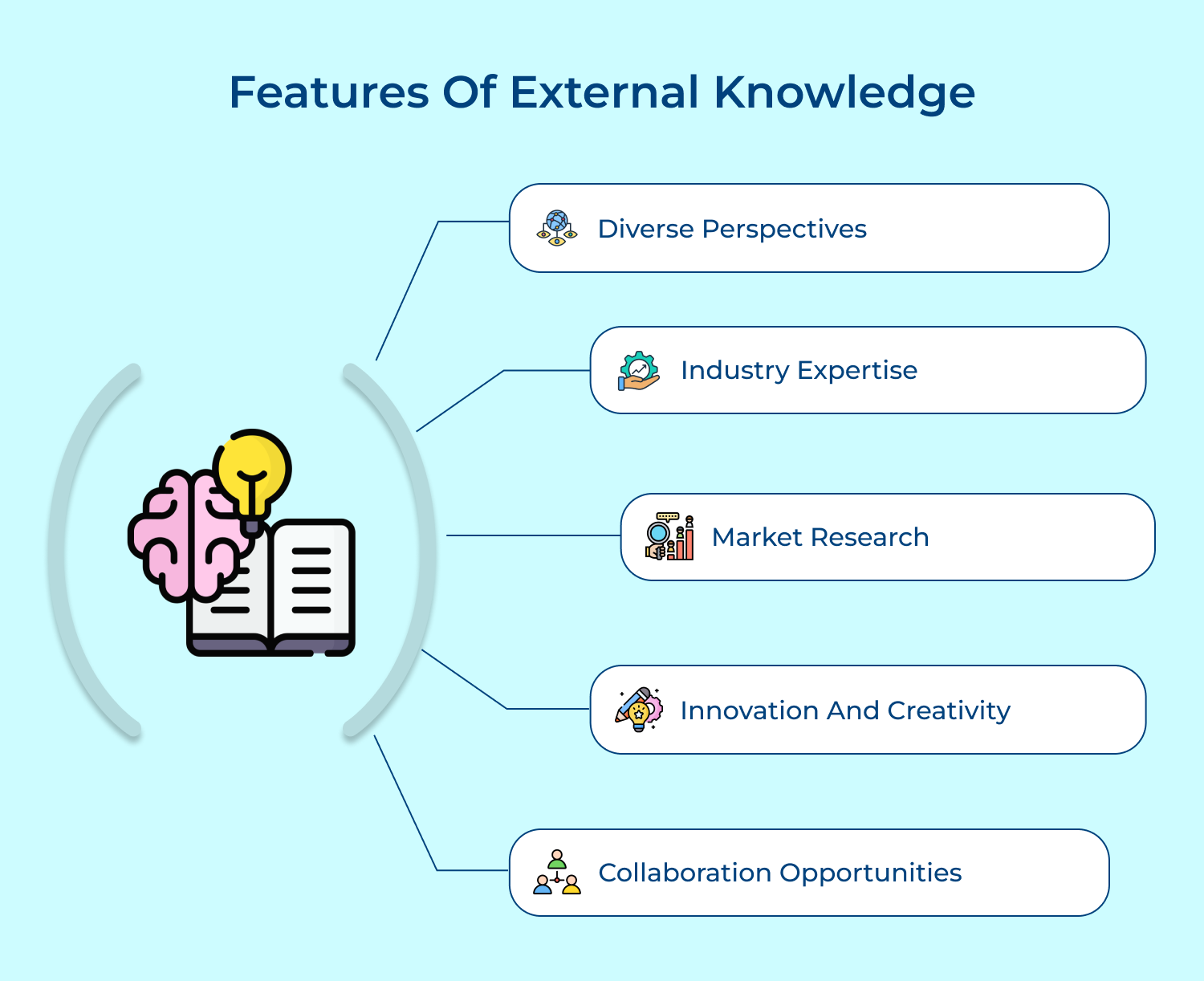
External knowledge bases range from online articles & forums to specialized databases & expert networks.
Stack Overflow is a popular online community for programmers to ask and answer technical questions. It serves as a valuable resource for troubleshooting code, learning new programming languages and connecting with other professionals in the industry. Users can search for specific topics, post their own questions and contribute to discussions, making it a go-to resource for anyone in the tech field.
The Harvard Business Review is a well-known publication that offers analysis on business strategy, management and leadership. Their knowledge base includes articles, case studies and research reports that cover a wide range of topics relevant to professionals in various industries. Business leaders access these resources to stay informed on best practices, trends and innovative strategies for success.
Khan Academy is a non-profit educational organization that provides free online courses and tutorials on a variety of subjects, including math, science, history, economics etc. Their knowledge base is designed to support students of all ages and skill levels, offering interactive lessons, practice exercises as well as personalized learning tools. By leveraging Khan Academy’s resources, learners can supplement their traditional education and enhance their understanding of complex concepts.
Google Scholar is a search engine that indexes scholarly articles, journals and academic publications from around the world. Researchers, students and professionals can use this platform to find reliable sources for their work while also staying up-to-date on the latest research in their field. Google Scholar’s external knowledge base helps users access credible information, evaluate research findings and contribute to the academic community.
In conclusion, empowering individuals to learn and grow with external knowledge bases is essential in the competitive sphere. By seeking out new information, skills and perspectives from external sources, individuals can expand their horizons, improve their expertise, while staying ahead of the curve.
Whether through formal education, online courses, mentorship, or freelance work, the opportunity to continuously learn and grow is crucial for personal as well as professional development. By embracing external knowledge bases, individuals can unlock their full potential and thrive in a rapidly changing digital marketing landscape.

What kind of knowledge is captured in an external knowledge base?
An external knowledge base can contain a wide range of information, including product or service FAQs, troubleshooting guides, how-to articles, best practices, tutorials and more. The goal is to provide helpful and relevant information to external users to help them find answers to their questions or problems.
How to build an external knowledge base?
To build an external knowledge base, start by identifying the types of information that your external users might need. Then, create content that addresses these needs in a clear and organized manner. Choose a platform or software that allows you to easily manage your knowledge base and regularly maintain it to ensure that the information is up-to-date.
How to plan your external knowledge base content?
When planning your external knowledge base content, consider the needs and preferences of your external users. Focus on creating content that is easy to understand, well-organized and searchable. Use a mix of text, images, videos and other multimedia elements to make the content engaging.
What are the external sources of knowledge?
External sources of knowledge can include industry reports, research articles, white papers, case studies, customer testimonials, forums, social media and more. By leveraging these external sources, you can enhance the credibility and depth of your knowledge base content.
 https://omni24.io/wp-content/uploads/2026/08/AI-Customer-Service-Agents.png
1256
2400
Webvision Solution
https://omni24.io/wp-content/uploads/2023/04/Omni-Logo-1.svg
Webvision Solution2026-09-21 04:48:512026-09-21 04:48:51How to Build an AI Customer Service Agents: 8 Key Steps
 https://omni24.io/wp-content/uploads/2026/08/Omnichannel-Conversational-AI.png
1256
2400
Tushar Joshi
https://omni24.io/wp-content/uploads/2023/04/Omni-Logo-1.svg
Tushar Joshi2026-09-16 03:51:072026-09-16 03:51:07How to Build Omnichannel Conversational AI Strategy
 https://omni24.io/wp-content/uploads/2026/08/Customer-Service-Teams.png
1256
2400
Tushar Joshi
https://omni24.io/wp-content/uploads/2023/04/Omni-Logo-1.svg
Tushar Joshi2026-09-15 04:01:522026-09-15 04:02:16How to Build Customer Service Teams: 6 Key Steps
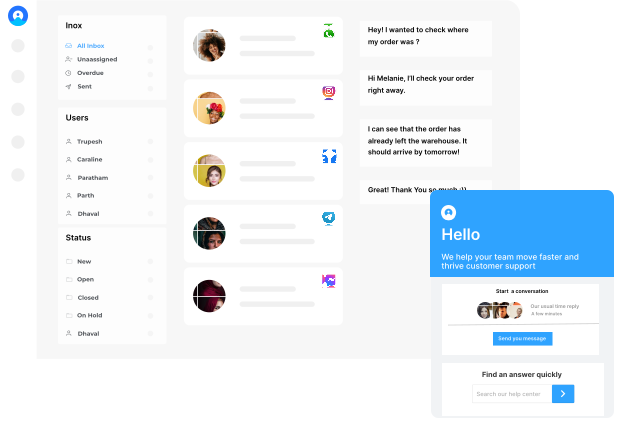
Whether it’s about acquire, engage or support – Omni24 covers all your customer engagement needs in one complete platform.

Copyright ©2026 Veemo All rights reserved.
CA, Los Angeles, Hall Ave, 19011