How to Increase User Engagement: 9 Proven Ways
Increasing customer engagement is essential for building long-term relationships. Engaged customers are more likely to stay, advocate and drive sustainable business growth.
Increasing customer engagement is essential for building long-term relationships. Engaged customers are more likely to stay, advocate and drive sustainable business growth.
User engagement is a critical component of successful digital strategies, serving as a bridge between businesses and audiences. It includes how users interact with content, products or services, influencing everything from brand loyalty to sales conversion rates.
Real-time, relevant messaging boosts engagement rates by 40% compared to static campaigns, while multichannel consistency increases engagement by 3x.
High levels of engagement indicate that users find value in what a brand offers, building deeper connections and enhancing customer experiences. Understanding and optimizing user engagement can lead to significant advantages, such as increased customer retention and higher revenue.
Explore the importance of user engagement, actionable strategies to enhance it and metrics to measure its effectiveness.
User engagement refers to the level of interaction, involvement and commitment that users have with a product, service or brand. It encompasses the quality, frequency and depth of interactions users have across various touchpoints. Engaged users are more likely to actively participate, spend time and derive value from their experiences with a company’s offerings.
High engagement levels often correlate with increased customer satisfaction, loyalty and retention. Engaged users are more likely to become brand advocates, providing valuable word-of-mouth marketing. For businesses, strong user engagement can lead to improved product adoption, higher conversion rates and ultimately, increased revenue.
Key objectives:
User engagement is crucial for business success, influencing customer loyalty and revenue growth. Understanding its significance can drive better strategies. Here are the key reasons.
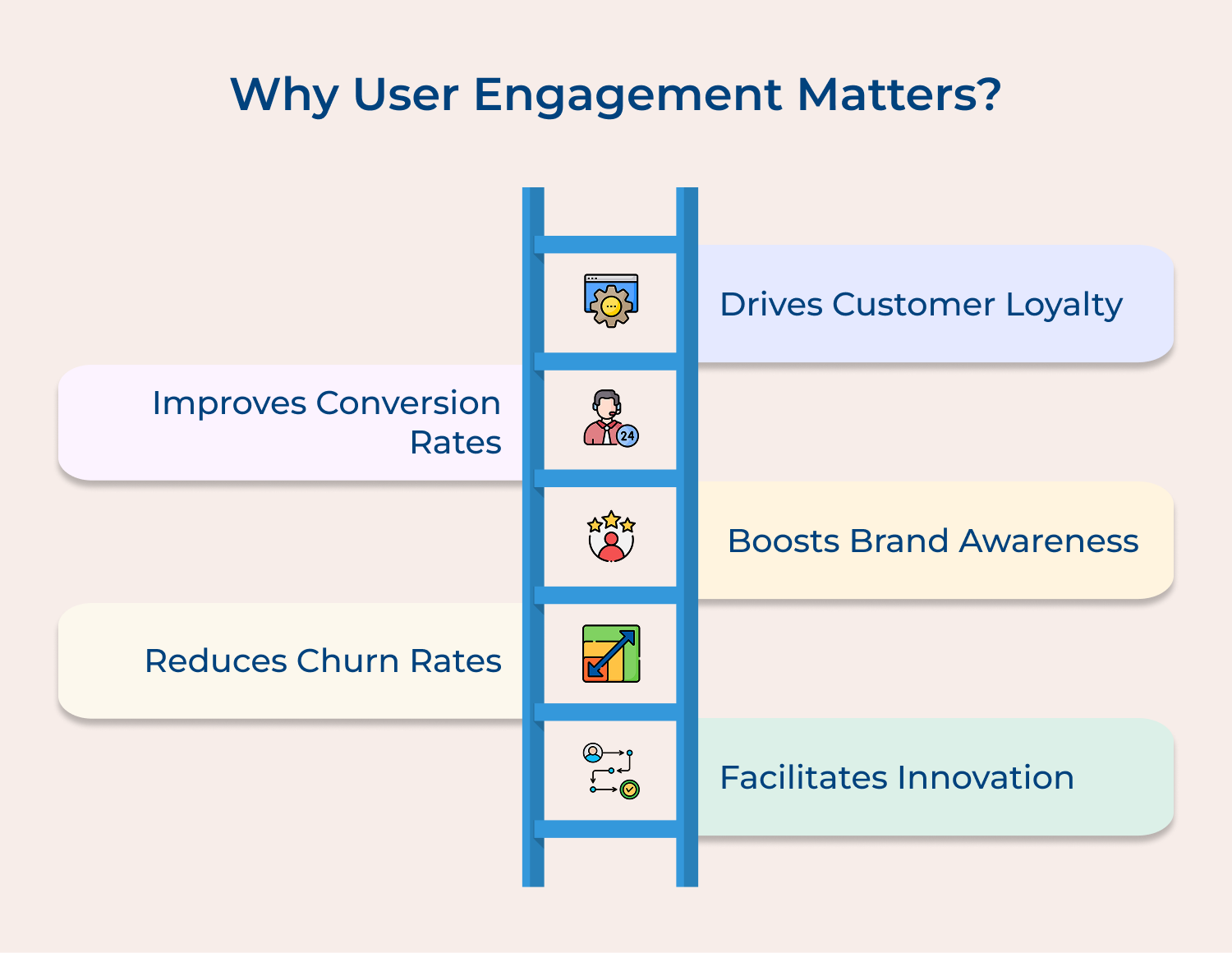
1. Drives customer loyalty: High user engagement builds customer loyalty, as users feel a stronger connection to a brand. When customers are actively engaged, they are more likely to return, make repeat purchases, advocate for the brand, ultimately enhancing lifetime value and driving long-term success.
2. Improves conversion rates: Engaged users are more likely to convert into paying customers. By actively interacting with content and brand messaging, users develop trust, familiarity, making them more inclined to complete purchases. The increased conversion rate directly impacts revenue and business growth.
3. Boosts brand awareness: Engaged users often share their experiences with others, amplifying brand visibility. Word-of-mouth marketing through social sharing increases brand awareness, attracting new users. The organic promotion is invaluable, as it establishes credibility and encourages potential customers to explore the brand further.
4. Reduces churn rates: High user engagement helps reduce churn rates by keeping users actively involved with a brand. Engaged users are less likely to abandon services or products, as they feel a sense of belonging and value. Lower churn rates directly contribute to increased revenue stability.
5. Facilitates innovation: Engaged users provide feedback and suggestions that can drive innovation. When customers are invested in a brand, their insights can lead to new ideas and improvements. This collaborative approach to development ensures that products and services evolve to meet user needs effectively.
Enhancing user engagement is essential for building relationships and improving conversions. Implementing effective strategies can lead to substantial benefits. Here are powerful ways.
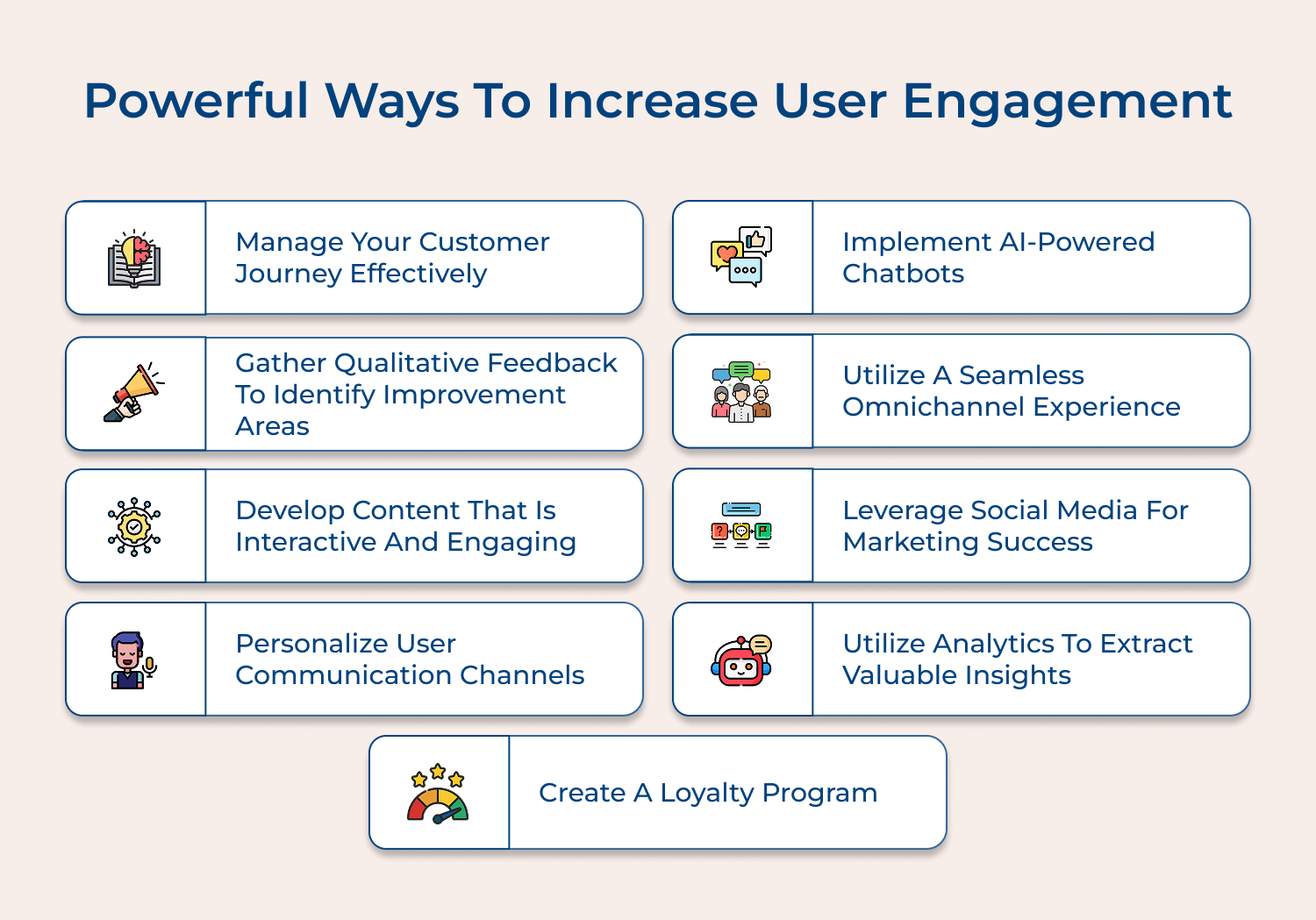
Effectively managing the customer journey is crucial because it ensures a smooth and cohesive experience across all touchpoints. It helps identify pain points, optimize interactions and create a more satisfying overall experience.
Map out every step of the customer journey, from initial awareness to post-purchase support. Analyze each touchpoint to ensure it adds value and aligns with customer expectations. Use this insight to streamline processes, personalize interactions and create seamless transitions.
Pro tips:
1. Create detailed customer personas to better understand user needs and expectations at each stage.
2. Implement customer feedback loops at key touchpoints to continuously improve the journey.
3. Use journey mapping tools to visualize and analyze the entire customer experience, identifying areas for improvement.
Qualitative feedback provides deep, contextual insights into user experiences that quantitative data alone can’t capture. It helps uncover the ‘why’ behind user behaviors, preferences and pain points.
Conduct user interviews, surveys and focus groups to gather detailed feedback. Analyze this information to identify common pain points and improvement opportunities. Use these insights to inform product development, refine user experience and tailor engagement strategies to better meet user needs.
Pro tips:
1. Implement in-app surveys at key moments to capture immediate, context-specific feedback.
2. Use open-ended questions in feedback forms to encourage detailed, qualitative responses.
3. Regularly conduct user testing sessions to observe how users interact with your product in real-time.
Interactive, engaging content captures and maintains user attention, encourages active participation, creates memorable experiences. It helps differentiate your brand, increases time spent on your platform and improves information retention.
Create diverse content formats such as quizzes, polls, interactive infographics and video tutorials. Incorporate gamification elements to make user interactions more rewarding and enjoyable. Use storytelling techniques to make your content more relatable and compelling.
Pro tips:
1. Implement a content calendar to ensure a consistent flow of diverse, interactive content.
2. Use tools like Typeform or Qzzr to easily create interactive quizzes and surveys.
3. Incorporate user-generated content contests to encourage active participation and content creation.
Personalized communication makes users feel valued and understood. It increases the relevance of your messages, improving engagement rates and user satisfaction. Personalization can lead to stronger emotional connections with your brand, nurturing loyalty and encouraging repeat interactions or purchases.
Segment your user base based on behaviors, preferences and demographics. Use this data to tailor your messaging, content recommendations and product offerings. Implement personalized email campaigns, in-app notifications and custom user interfaces.
Pro tips:
1. Use dynamic content in emails to personalize messages based on user data and behavior.
2. Implement a recommendation engine to suggest relevant content or products to users.
3. Create personalized onboarding experiences based on user roles or goals.
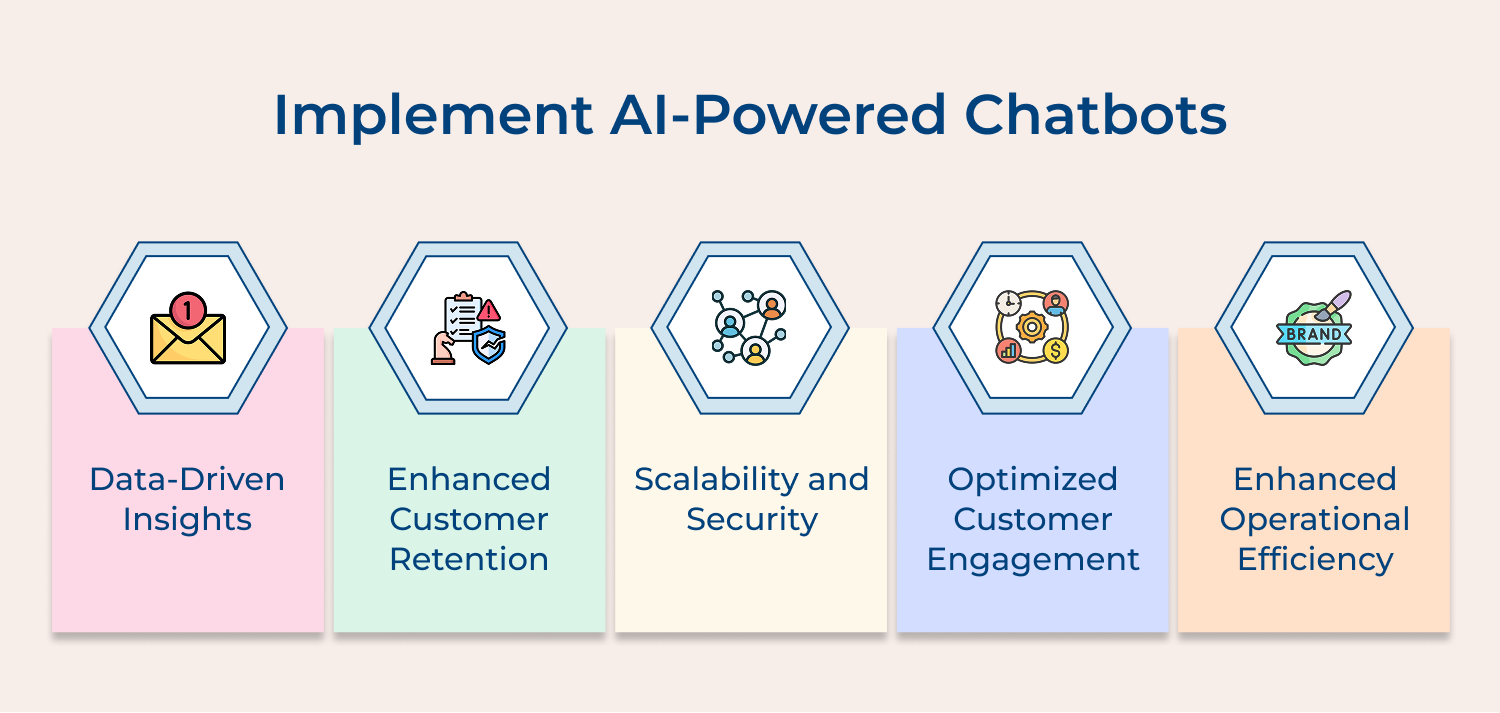
AI-powered chatbots provide instant, 24/7 support to users, improving response times and user satisfaction. They can handle routine queries, freeing up human agents for more complex issues. Chatbots can also gather valuable user data and insights, helping to personalize experiences and inform business strategies.
Integrate chatbots into your website, app, or messaging platforms. Train them to handle common user queries, guide users through processes and provide personalized recommendations. Use natural language processing to make interactions more human-like. Continuously improve the chatbot’s knowledge base based on user interactions.
Pro tips:
1. Start with a focused use case, like FAQs or order tracking, before expanding the chatbot’s capabilities.
2. Implement sentiment analysis to detect user frustration and seamlessly transfer to human agents when needed.
3. Use chatbot analytics to identify common user queries and improve your product or documentation accordingly.
A seamless omnichannel experience ensures consistency across all user touchpoints, allowing users to switch between channels effortlessly. This improves user satisfaction by providing a cohesive brand experience and allowing users to engage on their preferred platforms. It also increases the likelihood of continued engagement and conversion.
Integrate all your customer-facing channels (website, mobile app, social media, email, etc.) to share data and provide a consistent user experience. Implement unified customer profiles to track interactions across channels. Ensure brand messaging, visual identity and user interface are consistent across all platforms.
Pro tips:
1. Use a Customer Data Platform (CDP) to centralize user data from all channels.
2. Implement cross-channel journey mapping to identify and optimize critical touchpoints.
3. Train your team on omnichannel best practices to ensure consistent service across all channels.
Social media platforms are where many users spend a significant portion of their online time. Leveraging these platforms can increase brand visibility, nurture community engagement and drive traffic to your main platform. It also provides valuable channels for customer service, feedback collection and real-time user engagement.
Develop a comprehensive social media strategy aligned with your overall marketing goals. Create and share engaging, platform-specific content regularly. Use social listening tools to monitor brand mentions and engage in conversations. Leverage paid social advertising to reach targeted audiences. Use social media for customer support and community building.
Pro tips:
1. Develop a content calendar for each social platform to ensure consistent, relevant posting.
2. Use social media management tools like Hootsuite or Buffer to schedule posts and track engagement.
3. Implement user-generated content campaigns to increase engagement and build community.
Analytics provide crucial insights into user behavior, preferences and engagement patterns. This data-driven approach allows for informed decision-making, helps identify areas for improvement and enables the measurement of the effectiveness of engagement strategies. It’s essential for continuous optimization and understanding of user needs.
Implement comprehensive analytics tools to track user interactions, engagement metrics and conversion rates. Use this data to identify popular features, common user paths and potential pain points. Conduct regular data analysis to inform product development, marketing strategies and user experience improvements. A/B test new features or changes.
Pro tips:
1. Set up custom event tracking to monitor specific user actions that are important to your business.
2. Create dashboards that display key engagement metrics for easy monitoring and reporting.
3. Conduct regular data deep dives to uncover insights and trends that might not be immediately apparent.
Loyalty programs incentivize continued engagement and repeat business. They make users feel valued and rewarded for their loyalty, increasing emotional connection with the brand. Effective loyalty programs can improve customer retention, increase lifetime value and even attract new users through word-of-mouth recommendations.
Design a points-based or tiered loyalty program that rewards users for various engagements (purchases, referrals, content creation, etc.). Offer exclusive benefits, early access to new features, or personalized rewards. Use the program to gather additional user data and provide more personalized experiences.
Pro tips:
1. Implement a gamification element in your loyalty program to make earning rewards more engaging and fun.
2. Use loyalty program data to segment users and create targeted marketing campaigns.
3. Regularly review and update your rewards to ensure they remain relevant, valuable to users..
Measuring user engagement provides insights into audience interactions and preferences. Tracking relevant metrics helps optimize strategies for better results. Here are the key metrics.
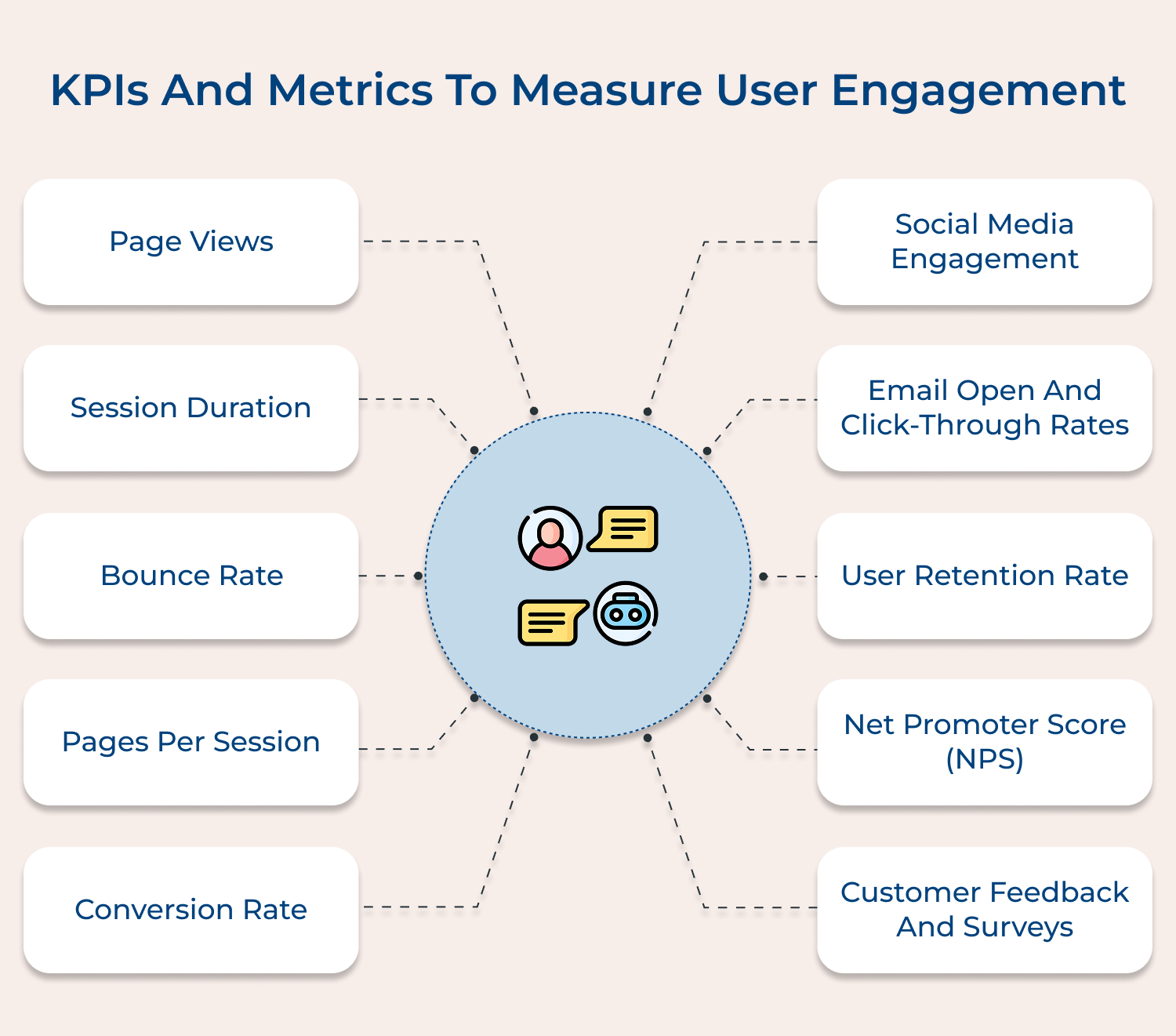
1. Page Views
Page views indicate how many times a specific page on your website has been viewed. This metric provides insight into which content is most appealing to users. High page views suggest that users find your content relevant, while low numbers may indicate a need for improvement or better promotion.
2. Session Duration
Session duration measures the amount of time a user spends on your site during a single visit. Longer session durations typically suggest that users find your content engaging and informative. Analyzing this metric can help identify areas where content might be enhanced to hold user interest longer.
3. Bounce Rate
The bounce rate refers to the percentage of visitors who leave your site after viewing only one page. A high bounce rate may indicate that the landing page did not meet user expectations or that the content is not engaging enough. Lowering the bounce rate can significantly enhance overall user engagement.
4. Pages per Session
This metric tracks the average number of pages a user visits during a single session. A higher pages-per-session count typically signifies that users are exploring more of your content, indicating greater interest and engagement. This can help identify effective content clusters or topics.
5. Conversion Rate
The conversion rate measures the percentage of users who complete a desired action, such as signing up for a newsletter, downloading a resource, or making a purchase. Higher conversion rates often correlate with effective engagement strategies, highlighting the importance of aligning content with user needs.
6. Social Media Engagement
Metrics such as likes, shares, comments and follower growth on social media platforms provide valuable insights into user engagement outside your website. High levels of social media interaction suggest that your content resonates with the audience and builds a sense of community.
7. Email Open and Click-Through Rates
For businesses utilizing email marketing, tracking open rates (the percentage of recipients who open an email) and click-through rates (the percentage who click links within the email) is essential. High open and click-through rates indicate that your subject lines and content effectively engage your audience.
8. User Retention Rate
User retention rate measures how many users return to your site or app after their first visit. High retention rates suggest that users find value in your offerings and are likely to engage again. This metric is critical for subscription-based businesses.
9. Net Promoter Score (NPS)
NPS gauges customer satisfaction and loyalty by asking users how likely they are to recommend your product or service to others. A higher NPS indicates strong user engagement and satisfaction, providing a clear picture of your brand’s perception.
10. Customer Feedback and Surveys
Direct feedback from users, collected through surveys or feedback forms, can offer qualitative insights into engagement. Questions regarding user satisfaction, ease of navigation and content relevance can help identify strengths and areas for improvement.
Increasing user engagement directly impacts business revenue and builds customer loyalty. Engaged users are more likely to convert, leading to higher sales and repeat purchases. A strong engagement strategy builds trust and satisfaction, encouraging customers to remain loyal to your brand. This loyalty translates into consistent revenue streams, as satisfied customers often become brand advocates, driving referrals and positive word-of-mouth.
Prioritizing user engagement enhances customer experiences and creates a sustainable growth model. Investing in effective engagement strategies ultimately results in a loyal customer base that contributes significantly to long-term profitability.

What does user engagement mean for SaaS?
For SaaS (Software as a Service), user engagement refers to how actively and frequently customers interact with the software. It encompasses metrics like login frequency, feature usage, time spent in the application and user retention. High engagement in SaaS often correlates with customer satisfaction, reduced churn and increased lifetime value. It’s crucial for SaaS companies to monitor and improve engagement to ensure product adoption & business growth.
How do you build user engagement?
Building user engagement involves creating a product that provides consistent value and a positive user experience. Strategies include personalizing the user experience, implementing gamification elements, providing excellent customer support and regularly releasing new features or content. Effective onboarding, targeted communication and gathering & acting on user feedback are also crucial. Continuously analyzing user behavior and iterating on your product based on insights helps maintain and increase engagement over time.
What is a good user engagement?
Good user engagement varies depending on the product and industry, but generally, it’s characterized by regular, meaningful interactions with your product. Indicators of good engagement include high retention rates, frequent logins, active feature usage and positive user feedback. For SaaS, a good engagement might mean daily active users comprise a significant portion of monthly active users. Ultimately, good engagement should translate to user satisfaction, loyalty and business growth.
How to measure user engagement?
Measuring user engagement involves tracking various metrics that reflect how users interact with your product. Key metrics include Daily and Monthly Active Users (DAU/MAU), session duration and frequency, retention rates and feature adoption rates. User actions per session, time to value and customer lifetime value are also important. Use analytics tools to track these metrics and combine quantitative data with qualitative feedback for a comprehensive understanding of user engagement.
Should you start increasing your user engagement?
Yes, increasing user engagement should be a continuous goal for any digital product or service. Higher engagement often leads to improved customer satisfaction, reduced churn and increased revenue. Start by analyzing your current engagement levels, identifying areas for improvement, setting specific, measurable goals. Implement strategies to enhance the user experience, provide more value, encourage more frequent and meaningful interactions. Regularly measure and iterate on your engagement strategies for best results.
 https://omni24.io/wp-content/uploads/2026/08/AI-Customer-Service-Agents.png
1256
2400
Webvision Solution
https://omni24.io/wp-content/uploads/2023/04/Omni-Logo-1.svg
Webvision Solution2026-09-21 04:48:512026-09-21 04:48:51How to Build an AI Customer Service Agents: 8 Key Steps
https://omni24.io/wp-content/uploads/2026/08/AI-Customer-Service-Agents.png
1256
2400
Webvision Solution
https://omni24.io/wp-content/uploads/2023/04/Omni-Logo-1.svg
Webvision Solution2026-09-21 04:48:512026-09-21 04:48:51How to Build an AI Customer Service Agents: 8 Key Steps https://omni24.io/wp-content/uploads/2026/08/Omnichannel-Conversational-AI.png
1256
2400
Tushar Joshi
https://omni24.io/wp-content/uploads/2023/04/Omni-Logo-1.svg
Tushar Joshi2026-09-16 03:51:072026-09-16 03:51:07How to Build Omnichannel Conversational AI Strategy
https://omni24.io/wp-content/uploads/2026/08/Omnichannel-Conversational-AI.png
1256
2400
Tushar Joshi
https://omni24.io/wp-content/uploads/2023/04/Omni-Logo-1.svg
Tushar Joshi2026-09-16 03:51:072026-09-16 03:51:07How to Build Omnichannel Conversational AI Strategy https://omni24.io/wp-content/uploads/2026/08/Customer-Service-Teams.png
1256
2400
Tushar Joshi
https://omni24.io/wp-content/uploads/2023/04/Omni-Logo-1.svg
Tushar Joshi2026-09-15 04:01:522026-09-15 04:02:16How to Build Customer Service Teams: 6 Key Steps
https://omni24.io/wp-content/uploads/2026/08/Customer-Service-Teams.png
1256
2400
Tushar Joshi
https://omni24.io/wp-content/uploads/2023/04/Omni-Logo-1.svg
Tushar Joshi2026-09-15 04:01:522026-09-15 04:02:16How to Build Customer Service Teams: 6 Key Steps
Whether it’s about acquire, engage or support – Omni24 covers all your customer engagement needs in one complete platform.

Copyright ©2026 Veemo All rights reserved.
CA, Los Angeles, Hall Ave, 19011