How to Build a Seamless Customer Experience (CX): Top 10 Strategies
Discover key strategies to deliver a seamless customer experience, enhance satisfaction and strengthen customer loyalty across all touchpoints.

Discover key strategies to deliver a seamless customer experience, enhance satisfaction and strengthen customer loyalty across all touchpoints.
Customers today frequently endure fragmented and disconnected interactions across multiple touchpoints, which leads to frustration, drives them away as well as weakens brand loyalty. According to a recent Gartner, Inc. study, 62% of customer-service channel transitions are “high-effort” and such experiences significantly diminish loyalty.
A seamless customer experience (where every channel, interaction and hand-off feels unified) bridges that gap. It ensures smooth transitions, fewer redundancies and consistent brand treatment. Brands that deliver this kind of experience see higher retention, stronger perception and improved business outcomes.
A seamless customer experience refers to providing a consistent, smooth and uninterrupted journey for customers across all interactions with a brand. A seamless experience involves aligning customer-facing channels and systems to work together seamlessly, creating a cohesive process for the customer.
In a highly competitive market, customers expect ease and convenience. They want brand interactions without encountering obstacles, whether they’re shopping online, seeking support, or engaging with marketing materials. A seamless experience boosts customer satisfaction, enhances brand loyalty and increases the likelihood of repeat business.
Key objectives:
A seamless customer experience acts as a powerful differentiator. Organizations with strong omnichannel engagement retain an average of 89% of their customers.
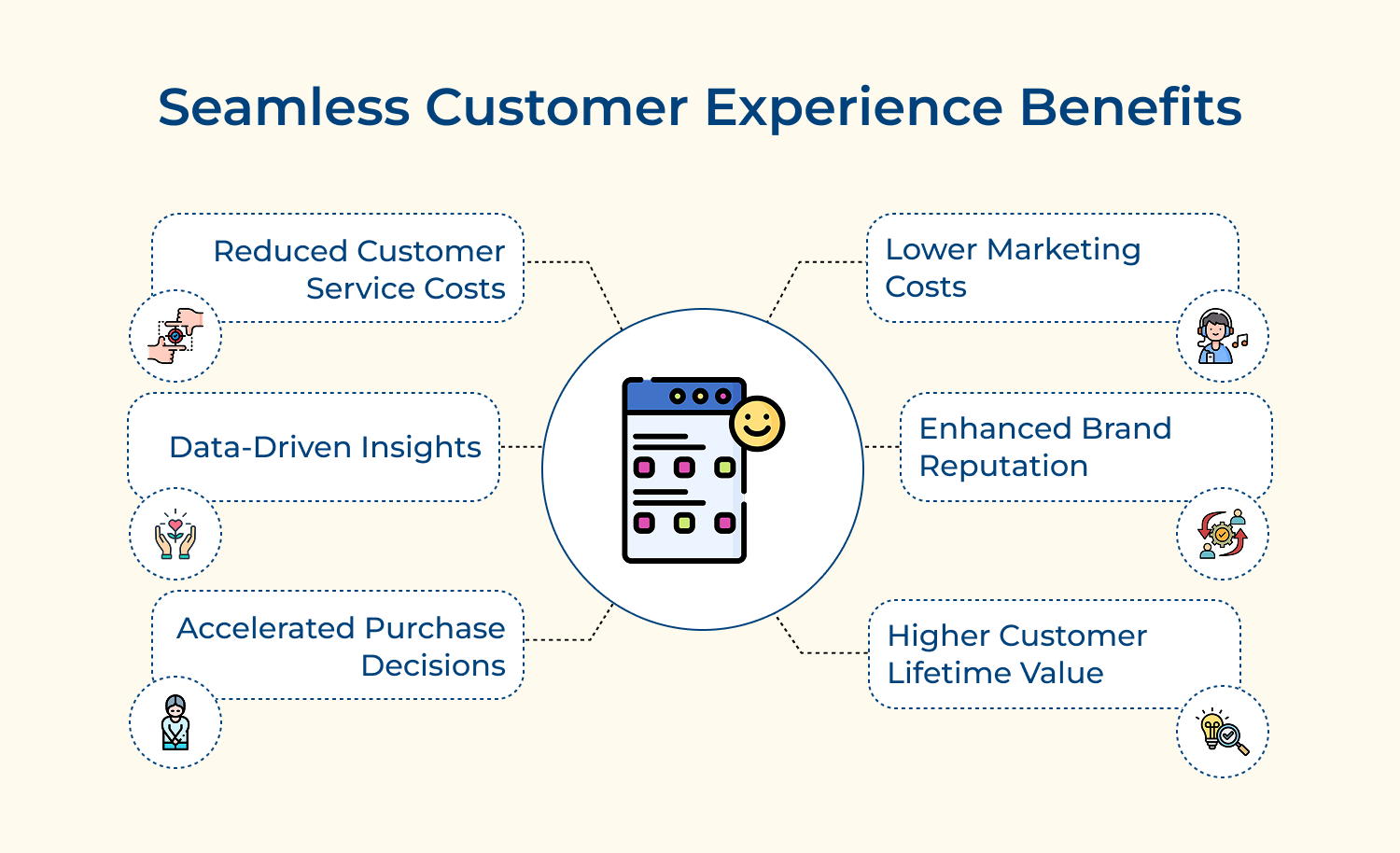
Reduced Customer Service Costs
When customers can easily find information, complete transactions and resolve issues independently, it significantly reduces the burden on customer service teams. This operational efficiency translates into lower support costs and better resource allocation.
Data-Driven Insights
A well-integrated CXM software generates valuable data about customer preferences, behaviors and pain points. These insights enable better decision-making in product development, marketing strategies and service improvements.
Accelerated Purchase Decisions
When customers can easily navigate through the buying process without obstacles, they’re more likely to complete purchases quickly. This smooth journey reduces cart abandonment rates as well as shortens the overall sales cycle.
Lower Marketing Costs
Satisfied customers who experience seamless interactions become natural brand ambassadors, reducing the need for expensive acquisition campaigns. Their authentic recommendations carry more weight than traditional advertising, leading to more cost-effective marketing efforts.
Enhanced Brand Reputation
A seamless experience demonstrates organizational competence and customer-centricity, strengthening your market position. When customers share their positive experiences through word-of-mouth and social media, it naturally attracts new customers while building credibility in the marketplace.
Higher Customer Lifetime Value
Customers who encounter minimal friction during their journey are more likely to make additional purchases and explore other product lines. This increased engagement leads to higher average transaction values as well as more frequent purchases over time.
Creating a seamless customer experience starts with understanding every stage of the customer journey. These 10 strategies will help you build consistent and connected interactions.
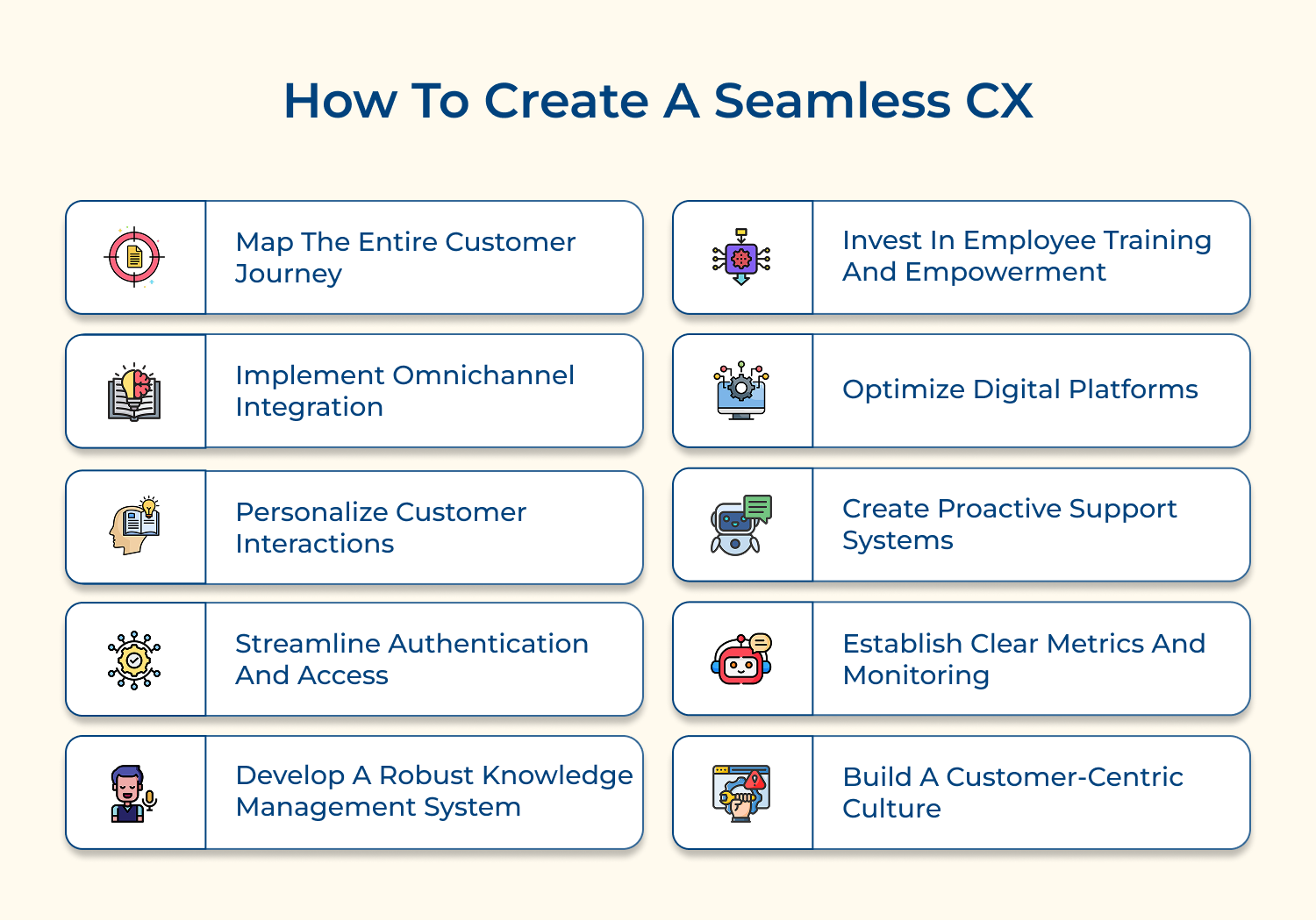
Customer journey mapping helps you visualize every interaction customers have with your brand — from discovery to post-purchase. It shows how they feel at each step and highlights what builds or breaks loyalty. This process helps you spot pain points, understand behavior patterns and design smoother experiences across touchpoints.
Here’s how to do it effectively:
Done right, journey mapping builds empathy, alignment and stronger customer loyalty.
Omnichannel integration ensures a consistent experience across every customer touchpoint — digital, physical, or communication. It connects websites, apps, stores, call centers, social media and email into one seamless system.
This unified approach removes gaps between channels, reduces the need for customers to repeat information and allows smoother, more personalized interactions. It also gives brands a complete view of customer behavior, helping them optimize resources and improve satisfaction.
Here’s how to implement it effectively:
Tailoring customer experiences based on individual preferences, behavior patterns, purchase history and demographic information to create more relevant as well as engaging interactions.
Customers expect companies to understand their preferences and provide relevant experiences. Personalization increases engagement, satisfaction and loyalty while improving conversion rates along with customer lifetime value.

Use customer data to customize communications, product recommendations and service approaches. Implement AI-driven systems to scale personalization efforts while maintaining relevance.
Tips:
Creating simple yet secure ways for customers to access services and verify their identity across all platforms, reducing friction while maintaining security.
Complex authentication processes frustrate customers and increase abandonment rates. Streamlined access improves user experience while maintaining necessary security measures.
Implement single sign-on systems, biometric authentication and social login options. Create secure but user-friendly password recovery processes and account management tools.
Tips:
A knowledge management system stores and organizes all company information in one place. It includes product details, policies, guides, FAQs and customer history. The system should be searchable, regularly updated and accessible across all channels.
Consistent and accurate information ensures faster responses as well as better service quality. It also helps employees find answers quickly and improves customer self-service.
To build it effectively:
Pro tips:
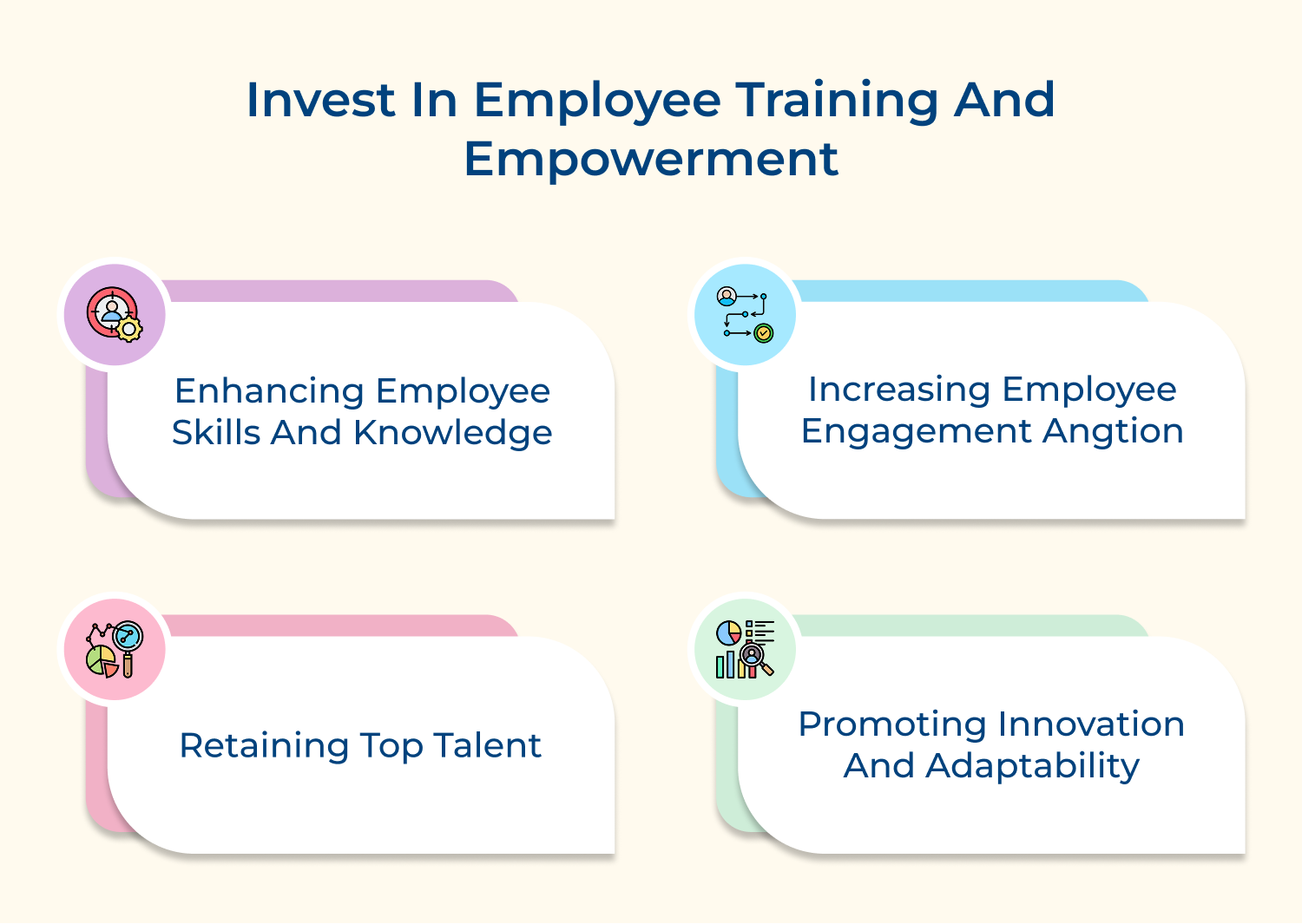
An employee empowerment strategy focuses on training, trust and autonomy. It combines technical knowledge, soft skills and decision-making authority to help employees serve customers confidently.
This approach includes ongoing learning, simulation-based sessions and real-life practice scenarios.
Empowered employees resolve issues faster, deliver better service and create happier customers. It also improves job satisfaction, reduces escalations and lowers turnover.
To build it effectively:
Tips:
Digital platform optimization ensures every online touchpoint delivers a smooth and consistent experience. It covers website speed, app functionality, mobile responsiveness, navigation, search and backend integration. It also includes accessibility and compatibility across devices.
Well-optimized platforms reduce friction, boost conversions and improve satisfaction. On the other hand, poor digital experiences can frustrate users and hurt brand reputation.
To optimize effectively:
Pro tips:
Proactive support is key to delivering a seamless customer experience that meets and exceeds customer expectations. It focuses on identifying and resolving issues before they affect customers. This approach uses predictive analytics, automated monitoring and early warning systems to prevent disruptions while maintaining consistent service quality.
Proactive support not only reduces costs but also builds trust and long-term loyalty by showing customers that your brand truly cares.
To implement it effectively:
Tips:
A comprehensive system of key performance indicators (KPIs) and monitoring tools to track customer experience quality as well as identify areas for improvement.
Without clear metrics, it’s impossible to measure success or identify areas needing improvement. Regular monitoring ensures consistent service quality and enables data-driven decisions.
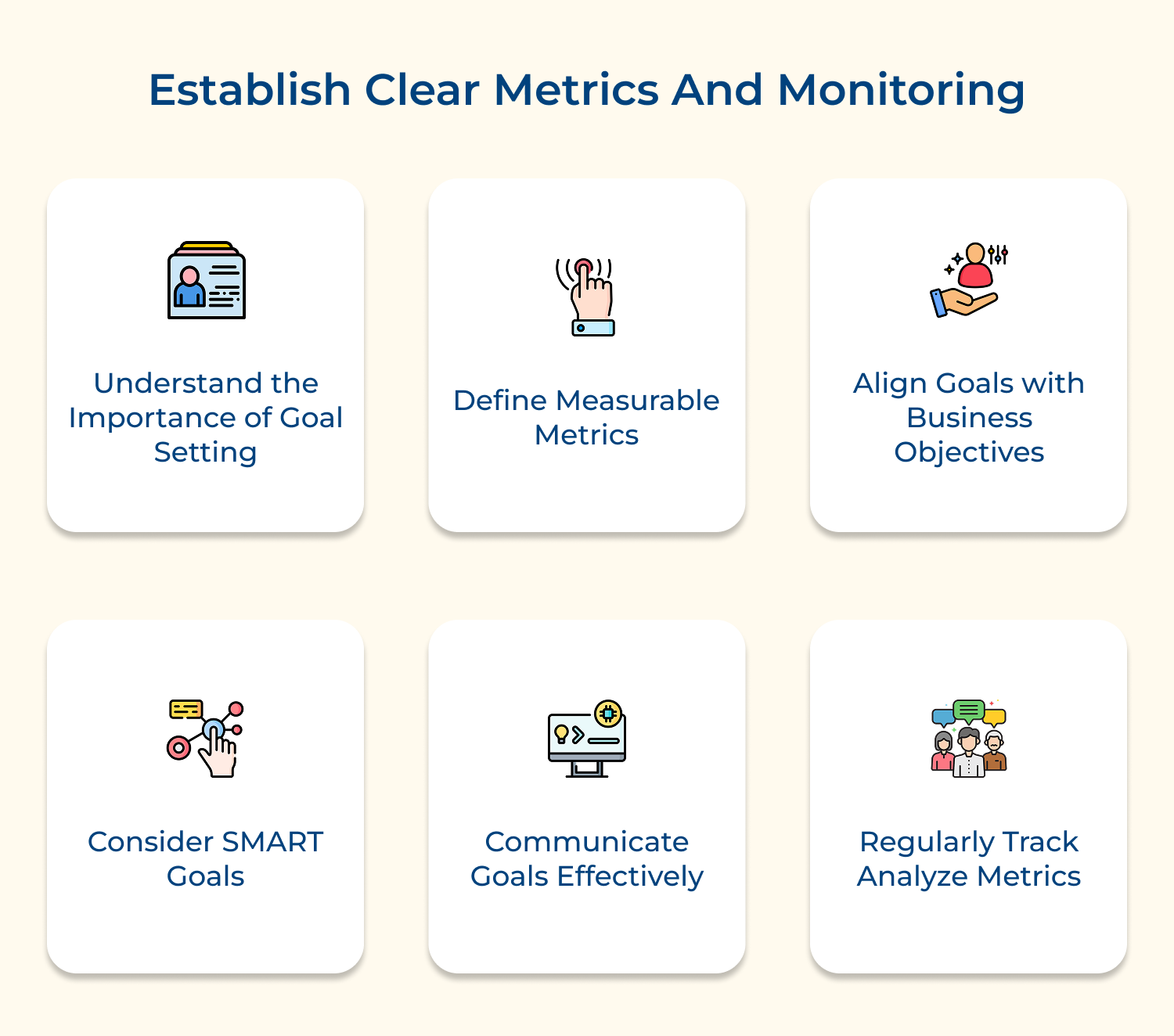
Implement dashboards tracking key metrics across all channels. Regular review meetings to analyze trends and plan improvements.
Pro tips:
Creating an organizational culture where customer needs and satisfaction drive all decisions along with actions, from strategic planning to daily operations.
A customer-centric culture ensures consistent focus on customer experience across all departments. It drives innovation and continuous improvement based on customer needs.
Incorporate customer impact considerations into all decision-making processes. Create reward systems that recognize customer-focused behaviors and outcomes.
Tips:
Delivering a seamless customer experience is easier said than done. Many businesses struggle to align multiple touchpoints while keeping up with rising customer expectations.

1. Legacy System Integration
Outdated systems and technology stacks often don’t communicate effectively with modern solutions, creating data silos as well as fragmented customer experiences.
Implement API-driven middleware solutions to bridge old and new systems. Gradually migrate to modern, scalable platforms while maintaining service continuity. Create a clear technology roadmap that prioritizes critical integration points and customer impact.
2. Data Quality and Consistency
Inconsistent customer data across different touchpoints leads to personalization failures and disjointed experiences.
Establish a unified customer data platform (CDP) with strict data governance policies. Implement real-time data validation and cleaning processes. Create standardized data collection protocols across all channels and train staff on proper data entry procedures.
3. Cross-Channel Coordination
Different departments and channels often operate in isolation, leading to inconsistent messaging as well as service delivery.
Develop an omnichannel strategy with clear communication protocols. Create cross-functional teams responsible for maintaining consistency. Implement centralized content management systems and regular cross-department coordination meetings to align objectives.
4. Employee Training and Adoption
Staff struggle to adapt to new systems and procedures, resulting in poor service delivery along with customer frustration.
Create comprehensive training programs with hands-on practice sessions. Implement a continuous learning approach with regular updates and refresher courses. Assign mentors to support team members and establish clear performance metrics tied to customer experience goals.
5. Resource Constraints
Limited budget and personnel resources make it difficult to implement while maintaining seamless experiences across all touchpoints.
Prioritize improvements based on customer impact and ROI. Start with quick wins that demonstrate value. Leverage automation and self-service options to maximize resource efficiency. Consider strategic partnerships or outsourcing for specialized capabilities.
6. Customer Journey Complexity
Modern customer journeys are increasingly complex with numerous touchpoints and potential failure points.
Map detailed customer journeys to identify pain points and opportunities. Use journey analytics tools to monitor and optimize paths to purchase. Create proactive intervention points to prevent common issues before they impact customers. Regularly gather and incorporate customer feedback to refine journeys.
Seamless customer experiences (CX) drive remarkable business growth in the modern business landscape. Providing effortless, consistent interactions strengthens customer loyalty, satisfaction and lifetime value. Eliminating obstacles in the journey improves conversion rates, while enhancing retention and operational efficiency.
Companies that focus on seamless CX build stronger relationships, reduce customer churn and ultimately grow their market share. Investing in this approach fosters a competitive advantage, allowing businesses to stay ahead of trends and remain relevant. The long-term payoff of seamless CX is evident in customer trust, brand strength and sustainable growth.

How to Deliver Seamless Customer Experiences?
To deliver seamless customer experiences, businesses must focus on consistency, personalization and ease of use across all touchpoints. Integrating customer data, training staff for smooth interactions and leveraging technology for automation helps eliminate friction. This approach ensures that customers enjoy a hassle-free, enjoyable experience every time they engage.
How can businesses create a seamless customer experience across multiple channels?
Businesses can create a seamless experience by ensuring consistency across all channels, whether online or offline. Integrating systems, offering unified customer support and maintaining the same messaging as well as branding help customers easily transition between platforms. Using data to understand customer preferences ensures a personalized, frictionless journey across all channels.
What are the key elements of a seamless customer experience?
Key elements of a seamless customer experience include consistency in messaging, personalization based on customer preferences, easy navigation, quick issue resolution and accessibility across multiple channels. A seamless experience also requires eliminating friction, providing instant support, while maintaining transparency throughout the customer journey to build trust and satisfaction.
How does technology play a role in delivering a seamless customer experience?
Technology plays a crucial role by enabling automation, data integration and real-time communication across platforms. Tools like CRM systems, chatbots and AI-driven analytics help businesses streamline processes, predict customer needs as well as deliver personalized experiences. Technology removes friction points, allowing for faster, more efficient interactions with customers.
What are some best practices for ensuring a seamless customer experience online?
Best practices for online seamless experiences include ensuring fast website loading times, offering easy navigation and providing responsive customer support. Simplified checkout processes, clear product information and personalized content also enhance the online journey. Regular testing, data analytics and feedback collection help fine-tune these experiences over time.
How can businesses measure the effectiveness of their seamless customer experience?
Businesses can measure the effectiveness through customer feedback, surveys, Net Promoter Scores (NPS) and customer satisfaction ratings. Analyzing metrics like customer retention, conversion rates and response times also provides insight. Tracking customer behavior and sentiment through analytics tools helps determine areas for improvement as well as whether the experience meets expectations.
 https://omni24.io/wp-content/uploads/2026/09/Social-commerce-scaled.png
1340
2560
Webvision Solution
https://omni24.io/wp-content/uploads/2023/04/Omni-Logo-1.svg
Webvision Solution2026-10-23 12:18:272026-10-23 12:18:27What is Social Commerce and Why Does It Matter?
https://omni24.io/wp-content/uploads/2026/09/Social-commerce-scaled.png
1340
2560
Webvision Solution
https://omni24.io/wp-content/uploads/2023/04/Omni-Logo-1.svg
Webvision Solution2026-10-23 12:18:272026-10-23 12:18:27What is Social Commerce and Why Does It Matter? https://omni24.io/wp-content/uploads/2026/08/AI-Customer-Service-Agents.png
1256
2400
Webvision Solution
https://omni24.io/wp-content/uploads/2023/04/Omni-Logo-1.svg
Webvision Solution2026-09-21 04:48:512026-09-21 04:48:51How to Build an AI Customer Service Agents: 8 Key Steps
https://omni24.io/wp-content/uploads/2026/08/AI-Customer-Service-Agents.png
1256
2400
Webvision Solution
https://omni24.io/wp-content/uploads/2023/04/Omni-Logo-1.svg
Webvision Solution2026-09-21 04:48:512026-09-21 04:48:51How to Build an AI Customer Service Agents: 8 Key Steps https://omni24.io/wp-content/uploads/2026/08/Omnichannel-Conversational-AI.png
1256
2400
Tushar Joshi
https://omni24.io/wp-content/uploads/2023/04/Omni-Logo-1.svg
Tushar Joshi2026-09-16 03:51:072026-09-16 03:51:07How to Build Omnichannel Conversational AI Strategy
https://omni24.io/wp-content/uploads/2026/08/Omnichannel-Conversational-AI.png
1256
2400
Tushar Joshi
https://omni24.io/wp-content/uploads/2023/04/Omni-Logo-1.svg
Tushar Joshi2026-09-16 03:51:072026-09-16 03:51:07How to Build Omnichannel Conversational AI Strategy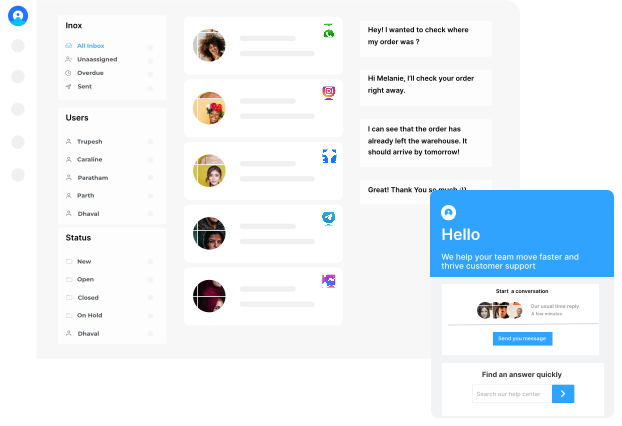
Whether it’s about acquire, engage or support – Omni24 covers all your customer engagement needs in one complete platform.

Copyright ©2026 Veemo All rights reserved.
CA, Los Angeles, Hall Ave, 19011