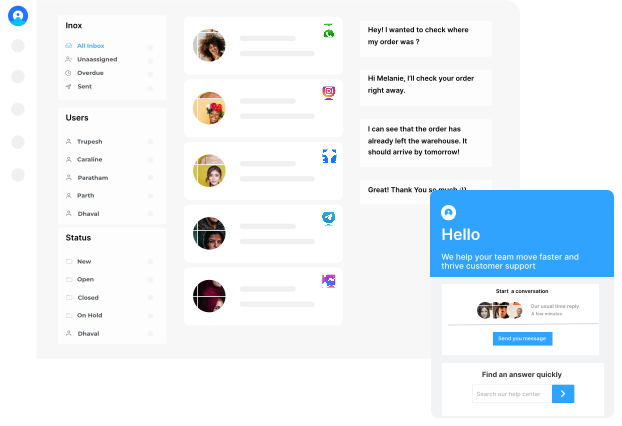
What is a Chatbot and How Do AI Chatbots Work?
Chatbots provide 24/7 customer support, ensuring your business is always available to assist customers, improving satisfaction and loyalty.
No Credit Card Needed | Guided Setup
Chatbots provide 24/7 customer support, ensuring your business is always available to assist customers, improving satisfaction and loyalty.
No Credit Card Needed | Guided Setup
Engage customers with personalized conversations by deploying a chatbot. Enhance the user experience and drive higher conversion rates with the best chatbot platform.
Businesses lose customers when no support agent is responding quickly, as they expect an immediate answer to sales or support queries. This is where a chatbot comes into play, simulating human conversation through text or voice to interpret user intent and respond in real time.
Let’s dive into the definitive guide to what chatbots are, types, real use cases and selection criteria. It makes chatbots the highest-ROI investments in customer experience (CX).
A chatbot is defined as a computer program designed to simulate human conversation through text or voice interactions. It uses artificial intelligence (AI) and natural language processing (NLP) to understand user inputs and provide appropriate responses.
Chatbots have become increasingly important as efficient tools for businesses and organizations to engage with customers and enhance user experiences. They offer round-the-clock availability to handle multiple interactions, reducing workload and improving overall efficiency.
Key objectives:
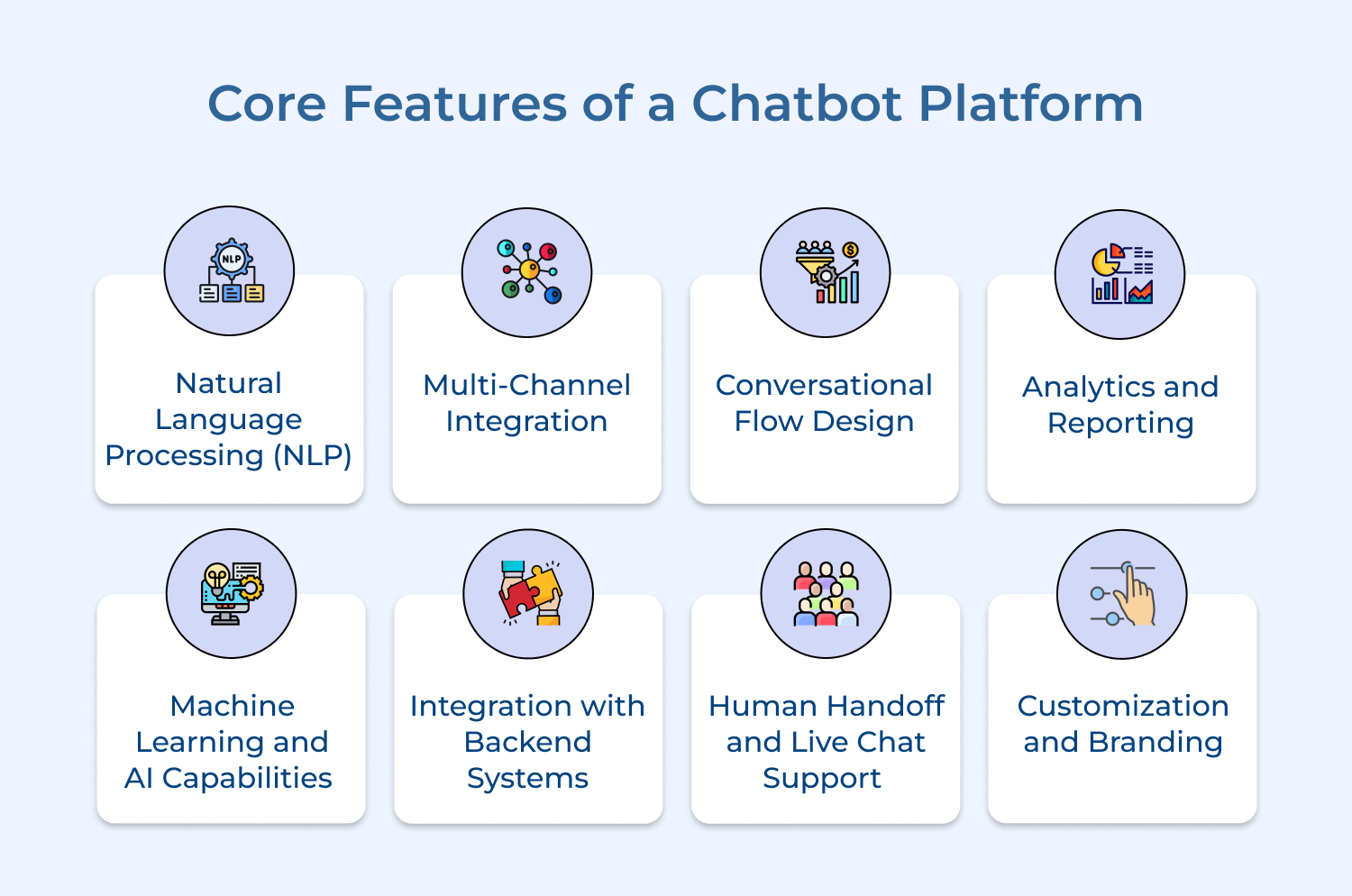
Chatbots functionalities that make a chatbot platform effective and efficient? Let’s take a closer look at some of the essential features that a robust chatbot platform should have:
At the core of any effective chatbot platform is robust Natural Language Processing capability. NLP enables the chatbot to understand and interpret human language in a meaningful way. Such functionality allows the bot to parse user inputs and formulate appropriate responses.
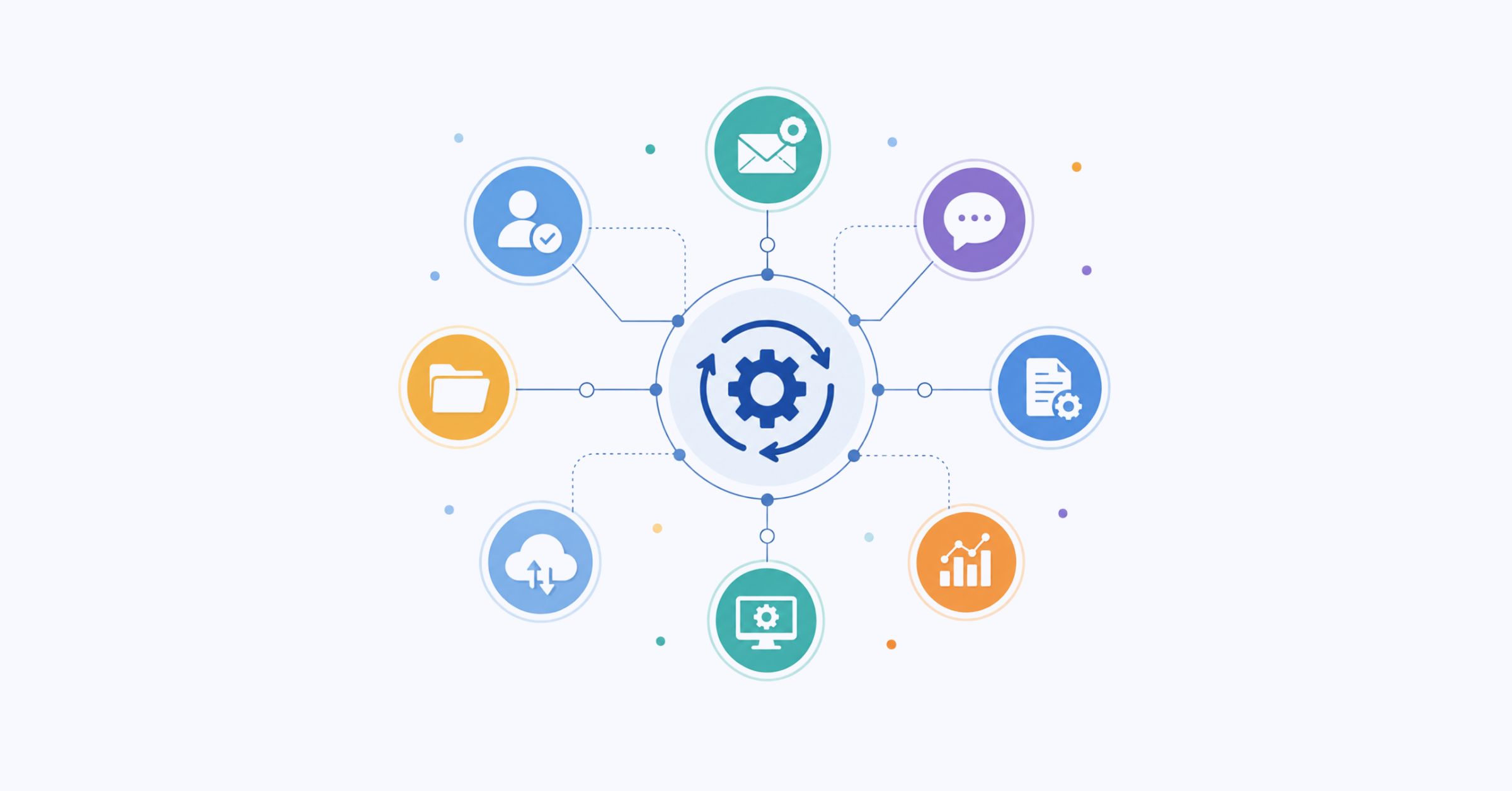
Modern customers expect to interact with businesses across various platforms and devices. A versatile chatbot platform should support seamless integration across multiple channels, including websites, mobile apps, SMS and Voice assistants. The multi-channel capability ensures consistent user experience and allows businesses to meet customers where they are most comfortable.
A user-friendly interface for designing conversational flows is essential. The tool should allow non-technical users to create, edit and manage conversation scenarios without extensive coding knowledge. The ability to design complex, multi-turn conversations is crucial for handling sophisticated user queries and providing personalized experiences.
Comprehensive analytics are vital for measuring chatbot performance and identifying areas for improvement.These insights help businesses optimize their chatbot’s performance, identify knowledge gaps, and make data-driven decisions to enhance the overall chatbot customer journey.
While chatbots can handle many queries, there will always be situations that require human intervention. A good chatbot platform should provide seamless handoff to human agents when necessary. The functionality includes Intelligent routing based on query complexity or user preferences and transfer of conversation history to the human agent.
Customization and branding are the essence of business growth. To maintain brand consistency and provide a tailored user experience, chatbot platforms should offer extensive customization options. The level of customization helps create a cohesive brand experience across all customer touchpoints.
AI chatbots have become increasingly popular in various industries for their ability to assist customers. Here are chatbots that serve different purposes and have unique functionalities.
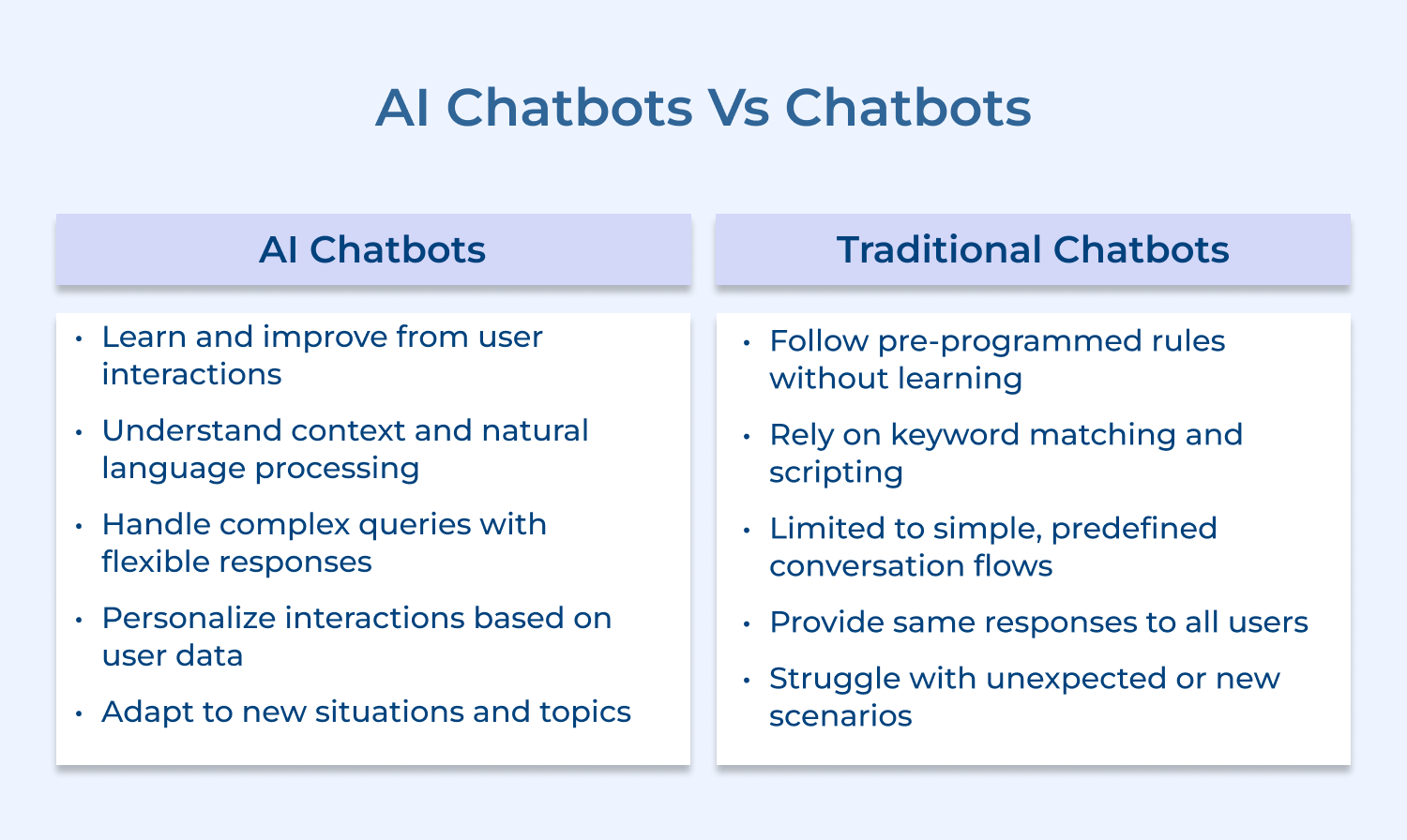
These are the simplest forms of chatbots. They follow a predefined set of rules and can only respond to specific commands or questions. Rule-based chatbots use pattern matching to classify text and produce a response.
They’re best for scenarios with a limited scope, such as FAQ bots or simple customer service inquiries. While they’re easier to build and maintain, they lack flexibility in handling complex or unexpected queries.
These chatbots use artificial intelligence, specifically natural language processing (NLP) and machine learning, to understand user intent to provide more dynamic responses. They can learn from interactions over time, improving their accuracy and capabilities.
AI chatbots are better at handling complex queries, understanding context and providing personalized responses. They’re suitable for more sophisticated applications like virtual assistants or advanced customer support systems.
Hybrid chatbots combine rule-based systems with AI capabilities. They use predefined rules for common queries and AI for more complex interactions. The approach balances the reliability of rule-based systems with the flexibility of AI, making them a popular choice for businesses looking for a robust yet manageable solution.
These chatbots are designed to perform specific tasks or functions. They excel in narrow domains like booking appointments, ordering food, or providing weather updates. Task-oriented bots typically use a combination of rules and AI to guide users through a specific process or transaction efficiently.
They are also known as virtual assistants or digital assistants, these chatbots aim to engage in more human-like conversations. They use advanced NLP & AI to understand context, remember previous interactions and personality.
Examples include Siri, Alexa and Google Assistant. These bots can handle a wide range of queries and tasks across multiple domains.
These chatbots interact with users through voice commands and responses. They use speech recognition and text-to-speech technologies in addition to NLP. Voice-enabled bots are becoming increasingly popular with the rise of smart speakers and voice assistants in various devices.
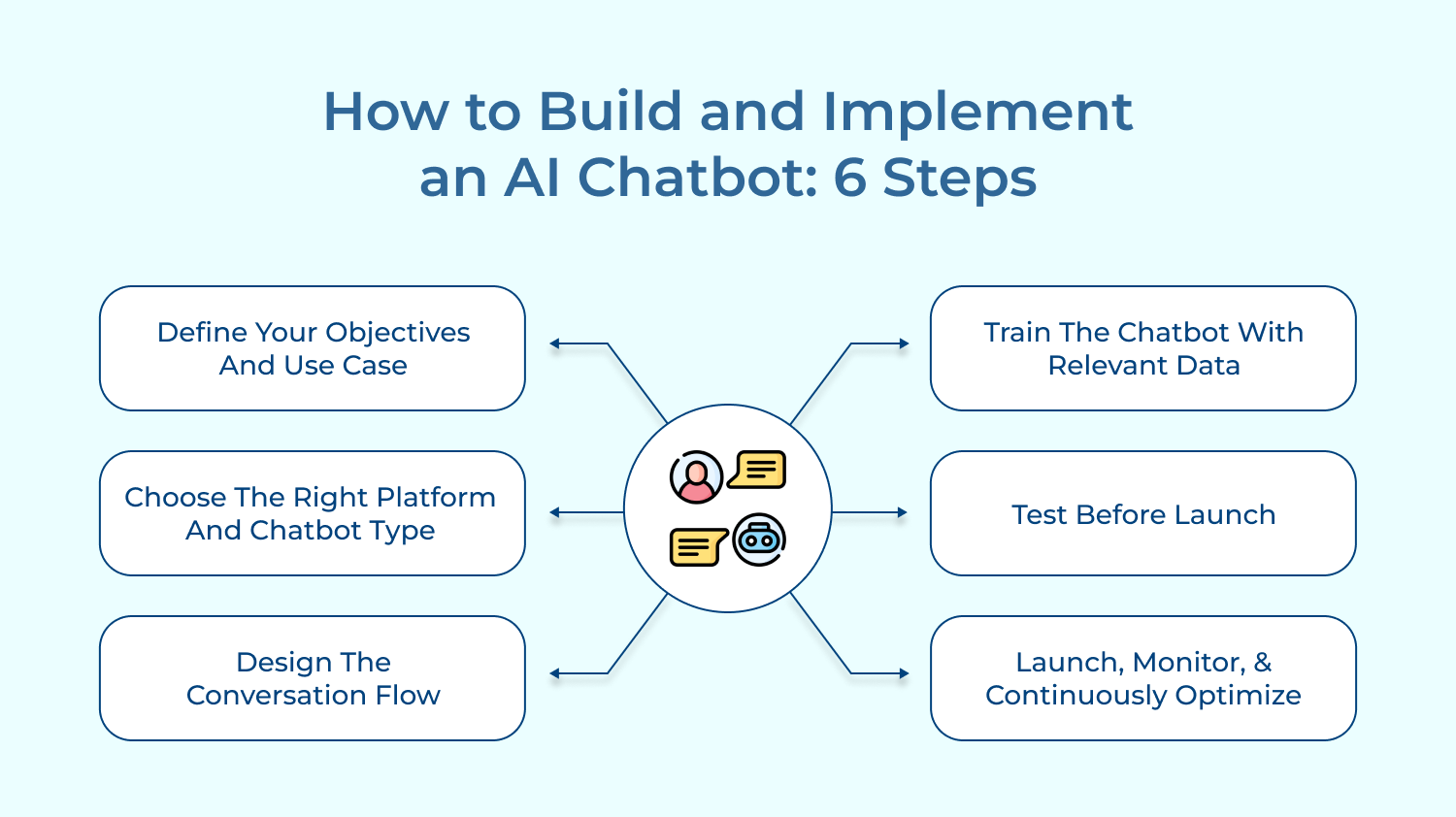
Deploying a chatbot on your website requires picking software off a shelf. It requires a process to launch. Let’s start implementing an AI chatbot successfully in your business.
Clarify exactly what the chatbot needs to accomplish, such as answering FAQs, qualifying leads, or booking appointments. Vague goals lead to chatbots that try to do everything instead of focusing on one thing well.
Take these concrete steps before moving forward:
Keep a record of these objectives before evaluating any platform because vendors will ask about them directly. A written scope gives the team a clear benchmark to measure success against once the chatbot goes live.
Once the objectives are denied it is time to match them to a chatbot type. AI-powered for complex conversations, or hybrid for a balance of both. The platform should support your specific use case.
Prioritize platforms that offer integrations, customization and scalability your objectives demand instead of the one with the longest feature list. A tool built for enterprise support is unnecessarily complex for a small business FAQ bot.
Map out how the conversations should unfold, such as questions the bot asks, paths it follows and where it should escalate to a human agent. The blueprint guides everything that follows.
Most modern platforms provide visual, drag-and-drop flow so this rarely needs coding expertise. Focus on including the most common customer questions first and then expand coverage gradually as real conversations reveal gaps.
Pro tips:
Testing the flow with real team members before launch helps in identifying confusing branches or dead ends that aren’t obvious on paper.
Training means feeding the system relevant data, past support tickets, FAQs and product documentation so it can recognize intent accurately. The quality of this data directly defines the response accuracy. Start building a solid training foundation by:
For example, rule-based bots skip formal training but still require proper content mapping to make sure every question has an accurate answer.
Pro tip: This step shouldn’t be rushed because it forms the foundation for everything the chatbot does afterward.
Run the chatbot through a wide range of scenarios such as edge cases and unexpected phrasing. Internal team members often uncover this gap that wasn’t obvious during the earlier phase.
Pay close attention to the bot handles queries outside its scope. A graceful fallback and clean handoff to a human agent matters more than trying to force an answer. Chatbots that admits it doesn’t know something build more trust than one that guesses incorrectly.
Walk through this checklist before going live:
Launching means not the end, but the start of an ongoing feedback loop. Monitor conversations closely within the first few weeks to identify issues before affecting a large volume of customers. Post-launch, build these habits into the first month post-launch:
These insights can be used to refine conversation flow and expand coverage over time. A chatbot that improves after launch delivers more value than one deployed and untouched.
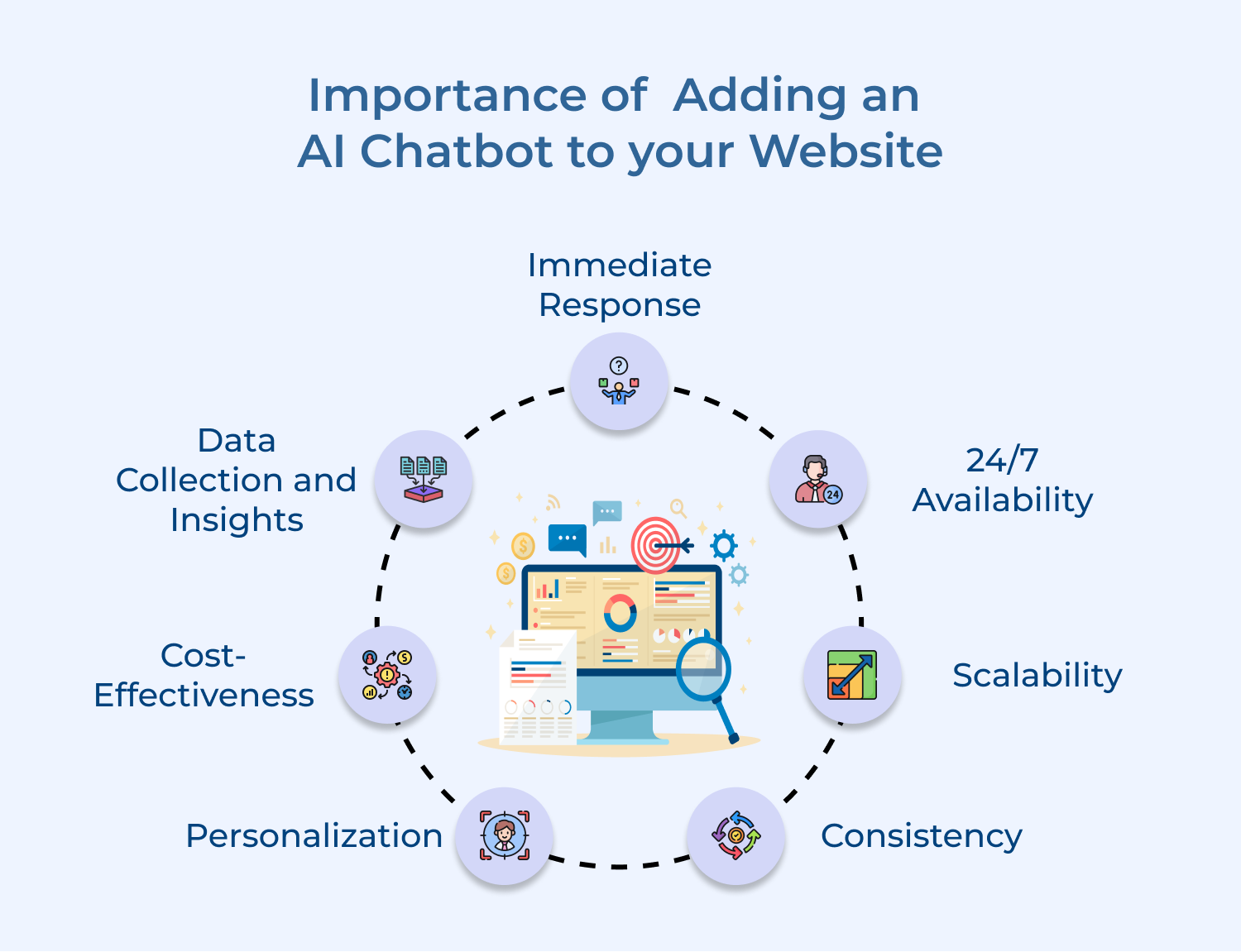
AI chatbots are transforming customer experience by providing instant, 24/7 support and personalized interactions at scale hence, the benefits of chatbot stems from several key factors:
1. Immediate response: Modern customers expect quick answers. Leveraging AI chatbots can provide immediate responses to common queries, significantly reducing wait times and improving customer satisfaction.
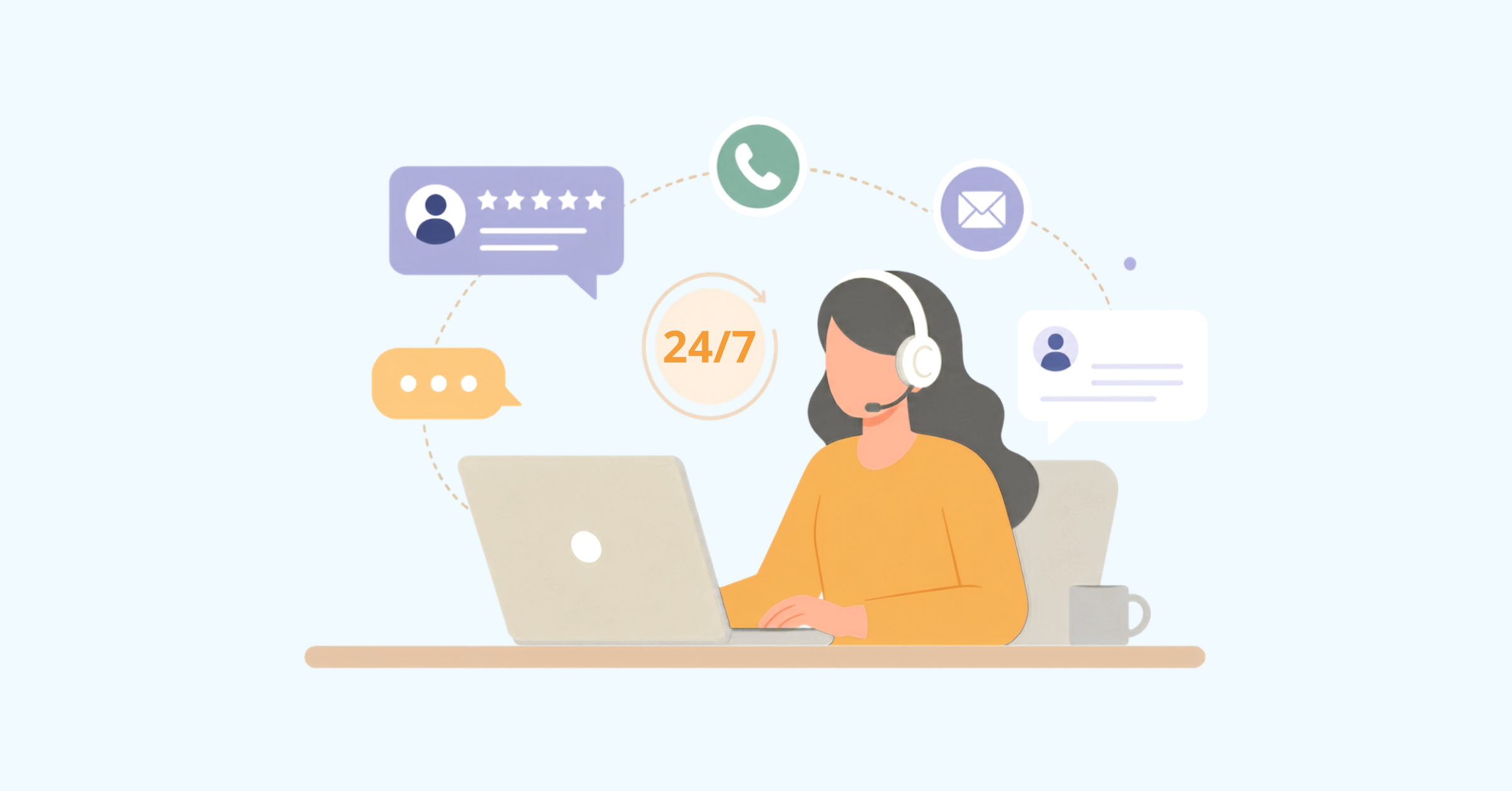
2. 24/7 availability: Unlike human agents, chatbots can operate round-the-clock, ensuring customers receive support at any time, regardless of time zones or holidays. The constant availability enhances customer convenience and satisfaction.
3. Scalability: Chatbots can handle an increasing volume of customer interactions without a proportional increase in costs. The scalability is crucial for maintaining service quality during peak periods.
4. Consistency: AI chatbots deliver consistent responses to similar queries, ensuring uniform quality in customer interactions. The consistency helps maintain brand voice and reduces the risk of misinformation.
5. Personalization: Advanced AI chatbots can access customer data to provide personalized recommendations, support and experiences, enhancing customer engagement as well as loyalty.
6. Cost-effectiveness: Handling routine inquiries, chatbots free up human agents to focus on more complex issues, optimizing resource allocation and reducing operational costs.
7. Data collection and insights: Chatbots can gather valuable data on customer preferences, common issues, interaction patterns, providing businesses with insights to improve products, services and overall customer experience.
Chatbots are designed to provide 24/7 assistance without the need for human intervention. But, there is a confusion about the difference between AI chatbots and traditional chatbots.
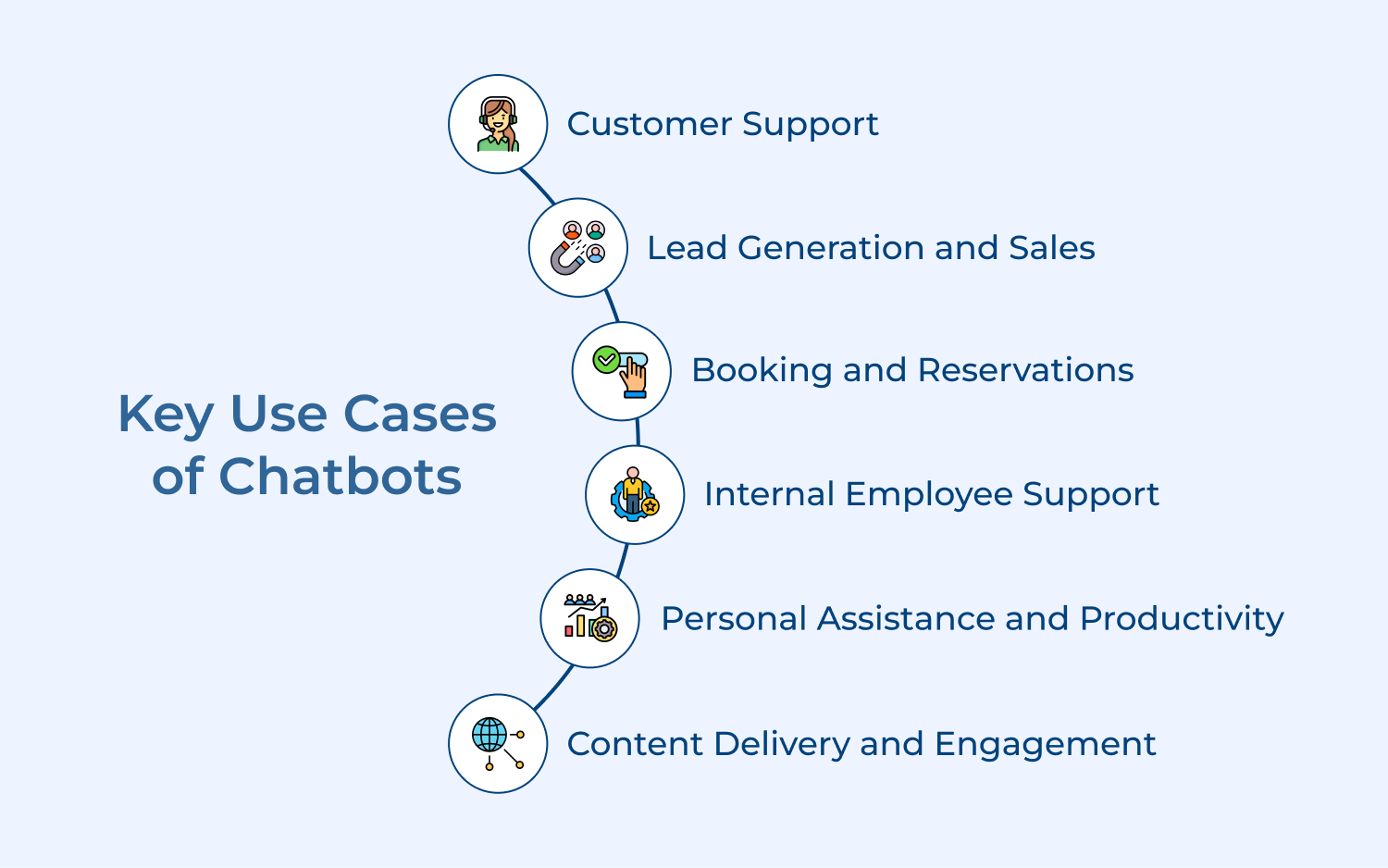
Businesses are finding innovative ways to implement chatbots to improve customer service, streamline operations and increase efficiency. Here are some key use cases of chatbots:
Chatbots excel in providing front-line customer support, handling common inquiries and issues 24/7. They can answer frequently asked questions, troubleshoot basic problems and guide users through simple processes.
For example, in e-commerce, chatbots can help with order tracking, return policies and product information. In the tech industry, they can assist with password resets, account issues and basic troubleshooting. When faced with complex issues beyond their capabilities, well-designed chatbots seamlessly escalate to human agents, ensuring a smooth customer experience.
A few capabilities strengthen chatbot-driven support:
Chatbots are powerful tools for lead generation and sales support. They can engage website visitors, qualify leads by asking relevant questions and guide potential customers through the sales funnel.
In real estate, bots can ask about preferences in location, budget and property type, then provide relevant listings or schedule viewings. For B2B companies, chatbots can qualify leads by inquiring about company size, budget and specific needs before connecting them with the sales team. They can also upsell or cross-sell by suggesting complementary products based on customer interactions.
Many businesses use chatbots to streamline booking and reservation processes. In the hospitality industry, chatbots can help users book hotel rooms, providing information on availability, rates and amenities.
What makes chatbot-driven booking more effective?
Airlines use chatbots for flight bookings, check-ins and to provide flight status updates. Healthcare providers employ chatbots for appointment booking, allowing patients to book, reschedule or cancel appointments easily. These chatbots can also send reminders and collect pre-appointment information.
Chatbots are increasingly used for internal company support, assisting employees with various tasks and inquiries. They can help with IT support, answering common tech questions and guiding employees through basic troubleshooting.
Ways chatbots support internal teams:
HR chatbots can assist with leave requests, policy inquiries and onboarding processes for new employees. In large organizations, chatbots can help employees navigate internal systems, find relevant documents or connect with the right department.
AI-powered chatbots serve as personal assistants, helping users manage tasks and boost productivity. They can set reminders, manage to-do lists, and provide quick information like weather updates or currency conversions.
More advanced chatbots integrate with calendars to schedule meetings, considering participants’ availability. In education, chatbots can act as study aids, providing flashcards, quizzes and answering subject-specific questions.
Chatbots offer an interactive way to deliver content and engage users. News organizations use chatbots to deliver personalized news updates based on user preferences. In education, chatbots can deliver course material in an interactive format, asking questions and providing explanations.
Fitness and wellness apps use chatbots to deliver workout plans, nutrition advice or motivational content. Social media chatbots can adapt content delivery based on user responses, creating a more engaging and personalized experience.
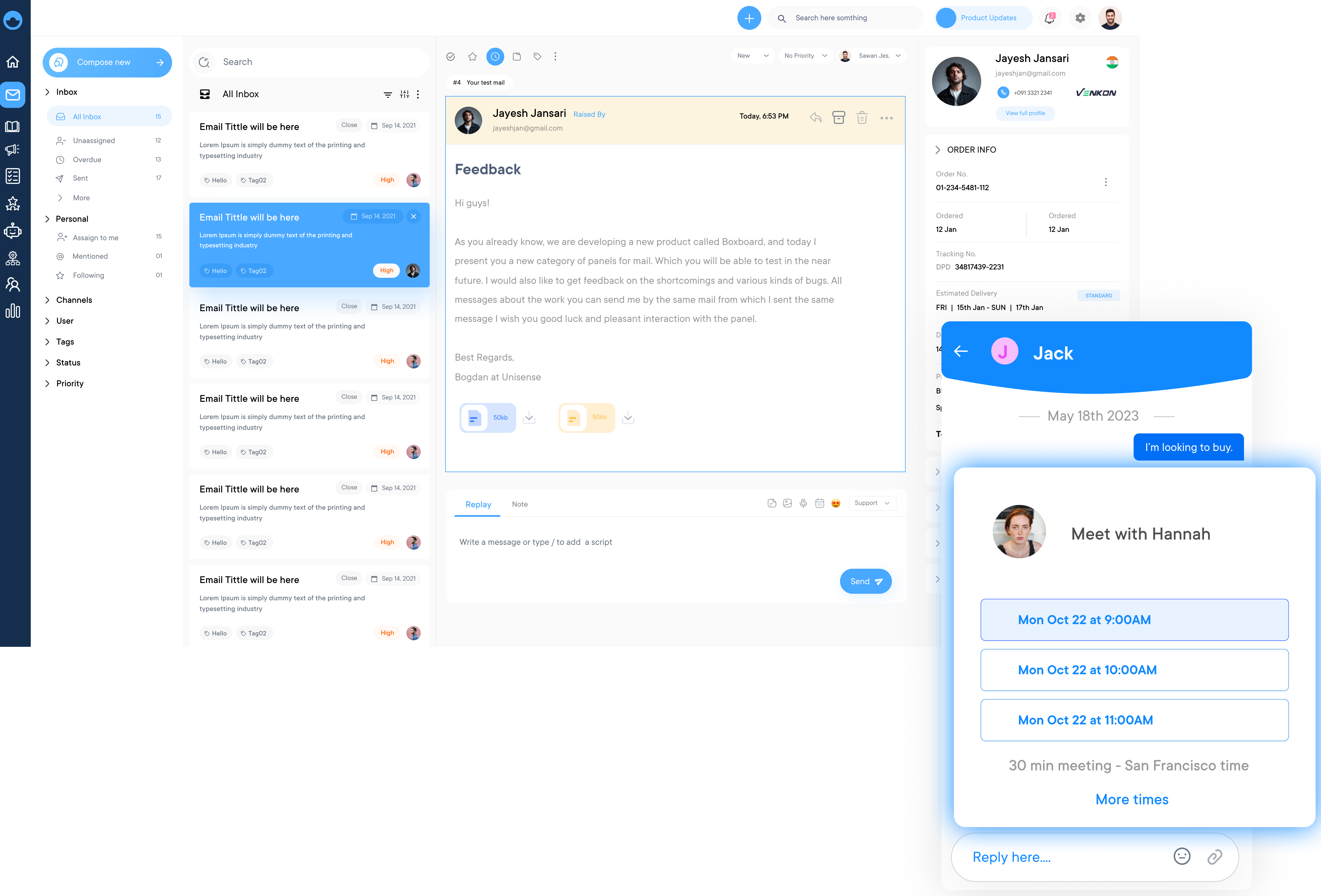
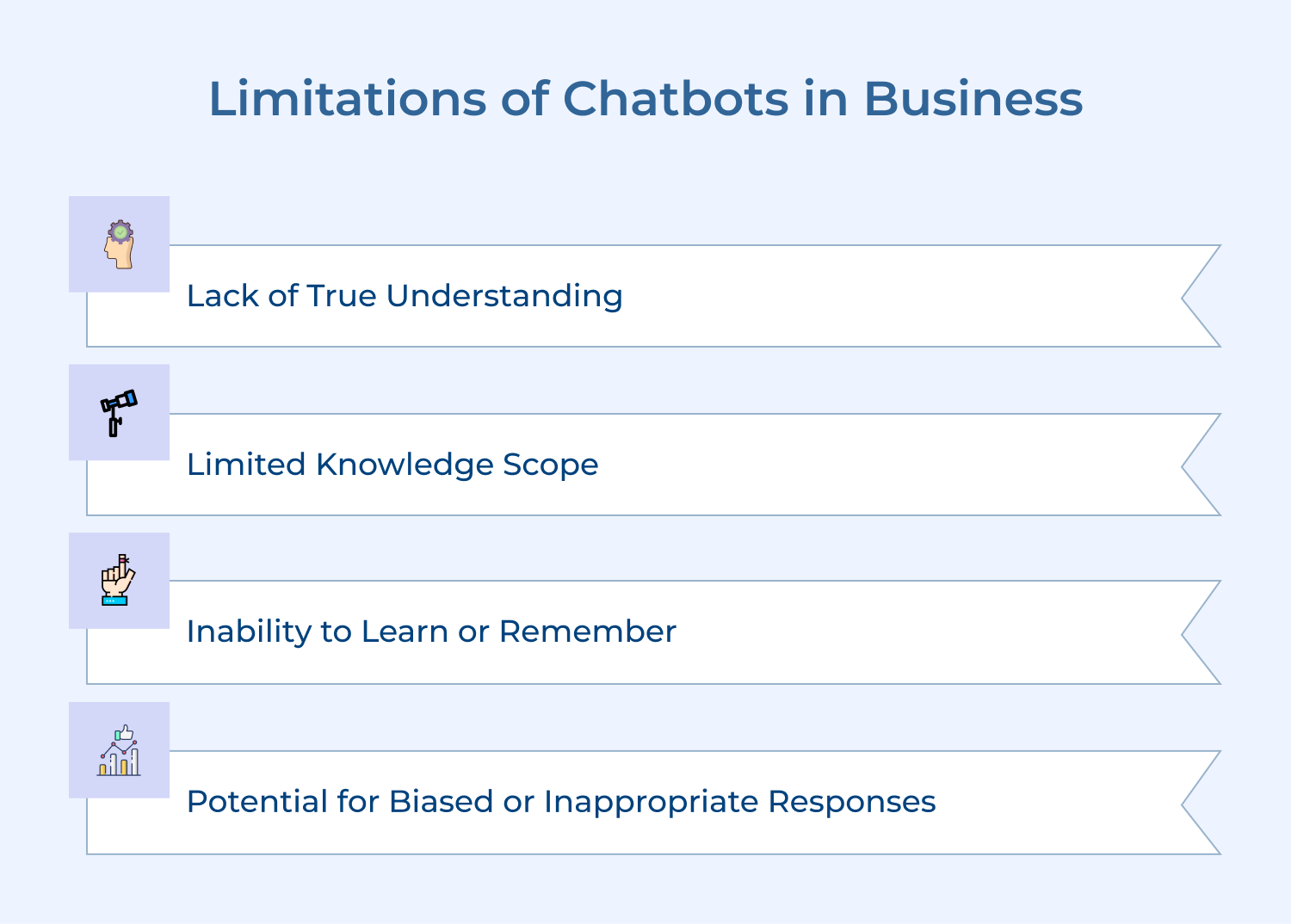
Chatbots have become a popular tool for businesses looking to streamline customer service and improve efficiency. But, like any technology, there are various chatbot challenges to what they can do.
While chatbots can process language and generate relevant responses, they don’t truly understand the meaning behind words or the nuances of human communication.
Bots operate based on pattern matching and statistical correlations in their training data, rather than genuine comprehension. It can lead to misinterpretations, irrelevant answers, or an inability to grasp context and subtext.
Chatbots are constrained by the data they were trained on. They can’t access real-time information or learn from ongoing interactions. It means their knowledge has a cutoff date and they may provide outdated or incorrect information on current events or rapidly evolving topics. They may have gaps in their knowledge base, especially regarding niche or specialized subjects.
Most chatbots, including myself, cannot learn from conversations or retain information from one interaction to the next. Each conversation starts fresh, without any memory of previous exchanges. The limitation prevents chatbots from building long-term relationships with users or improving their performance based on feedback.
Chatbots can inadvertently reflect biases present in their training data, leading to unfair or discriminatory responses. They may also generate inappropriate, offensive, or factually incorrect content, especially when dealing with complex social issues or controversial topics. It necessitates careful monitoring and content filtering.
Chatbots are a core infrastructure for modern customer engagement that enables businesses to deliver instant and personalized support. The right chatbot strategy, whether it’s rule-based or AI-powered, directly impacts retention, efficiency and revenue.
Ready to see chatbots in action? Book a live demo to explore how Omni24 fits your support stack. Read how omnichannel customer service software amplifies chatbot performance across all channels.
Omni24’s customer engagement platform harnesses automation and AI to deliver unified customer experiences across digital channels, while keeping human touch
There are many AI chatbot platforms available in the market, each with its own unique features and capabilities. The right AI chatbot for your business will depend on factors such as your budget, industry, customer base and specific needs. Some popular AI chatbot options include Chatfuel, ManyChat and Dialogflow.
The AI chatbots mentioned above were chosen based on their reputation, user reviews, features and pricing. It’s important to research and compare different AI chatbots to find the one that best suits your business requirements.
An AI chatbot is a computer program that uses artificial intelligence technology to simulate conversation with users. These chatbots are programmed to understand natural language and provide responses based on predefined rules or machine learning algorithms.
AI chatbots work by analyzing user input, processing it using natural language processing (NLP) algorithms and generating appropriate responses. Some AI chatbots use predefined rules to determine responses, while others use machine learning to improve their conversational abilities over time.
The cost of AI chatbots varies depending on the platform, features, customization and level of support required. Some AI chatbots offer free plans with limited features, while others charge a monthly subscription or one-time fee. Custom-built AI chatbots can be more expensive but may offer more tailored solutions for your business.
AI chatbots interact with users in real time to provide information or assistance during a conversation. AI writers, in contrast, focus on generating standalone content such as articles, emails, or product descriptions instead of live interaction.
Key distinctions between the two include:
Yes, beyond the popular AI chatbots mentioned, several alternative options worth considering depending on your specific business needs. It also consider technical requirements and existing tech stack integrations across your organization.
Notable alternatives include:
AI chatbots can help businesses improve customer service, streamline communication, automate routine tasks, generate leads, gather data and increase efficiency. By implementing an AI chatbot, businesses can provide 24/7 support, engage with customers in real-time and enhance overall customer experience.
The easiest way to implement an AI chatbot on your website is to use a chatbot platform that offers intuitive tools, templates and integrations. Many AI chatbot platforms provide step-by-step guides and support resources to help businesses quickly set up and customize their chatbots without extensive technical knowledge.
AI chatbots and automation are used in business to streamline processes, improve productivity, enhance customer experience and drive growth. Businesses can use AI chatbots for customer service, lead generation, sales support, data collection, marketing automation and more. By leveraging AI technology, businesses can stay competitive, deliver personalized experiences and make data-driven decisions.