The Definitive Guide to Customer Engagement

Discover how personalization transforms customer engagement. See how tailoring your approach to individual needs builds lasting connections and boosts loyalty.

No Credit Card Needed | Guided Setup

Trusted by Customer Centric Businesses Globally

Transform Customer Engagement for Business Success

Master omnichannel engagement to boost customer relationships and drive growth. Explore tools and strategies that set your business on the path to lasting success.

  • Empower Your Customer Retention Metrics

    Use various feedback channels to gather information about how you can improve your service and retain your customers using customer engagement tools through omnichannel support.

  • Meet Your Audience Everywhere

    With multichannel campaigns you can enhance your approach towards your audience. However, first define where most of your audience is at and then strategize on ways to reach out to them effectively.

  • Offer Easy Self Help

    An effective consumer engagement tool will offer its customers a robust platform where the audience can find answers to their general questions themselves without any further assistance.

  • Real-time Data Visualization

    Effectively measure how your brand performs on a specific marketing campaign. The data visualization helps in making necessary changes to the campaigns without compromising operational intensity.

  • Personalized Customer Journeys

    Leverage customer data to create personalized journeys, offering tailored content and recommendations that resonate with individual preferences, boosting satisfaction.

  • Seamless Integration with CRM Systems

    A top engagement tool integrates effortlessly with your CRM, unifying customer data and interactions for a comprehensive view, enabling teams to deliver a high-quality experience.

Most businesses invest in acquiring new customers. Still, 80% of revenue comes from just 20% of existing ones. One-time transactions no longer sustain growth where switching costs are low. A Good customer engagement process helps build interactions between a brand and its customers across every touchpoint to gain loyalty and long-term value.

Walk through this definitive guide to understand strategy, tools and best practices of customer engagement. Businesses with strong engagement gain more customers.

What is Customer Engagement?

Customer engagement refers to creating meaningful connections between brands and consumers across different communication platforms. It’s about building relationships with your customers by engaging them in conversations, providing helpful advice or launching campaigns that initiate a dialogue.

At its core, customer engagement is about forming connections through meaningful conversations and meeting consumer needs as part of the process. It involves letting customers reach out with questions, concerns or advocacy requests so they feel heard and respected.

Key objectives:

  • Build trust: Genuine connections that make customers feel heard and valued.
  • Drive loyalty: Strengthen relationships that encourage repeat purchases and long-term advocacy.
  • Enable two-way dialogue: Create open channels where customers can share questions, concerns and feedback.
  • Deliver personalized value: Meet individual customer needs through relevant interactions.

Key Features of Customer Engagement

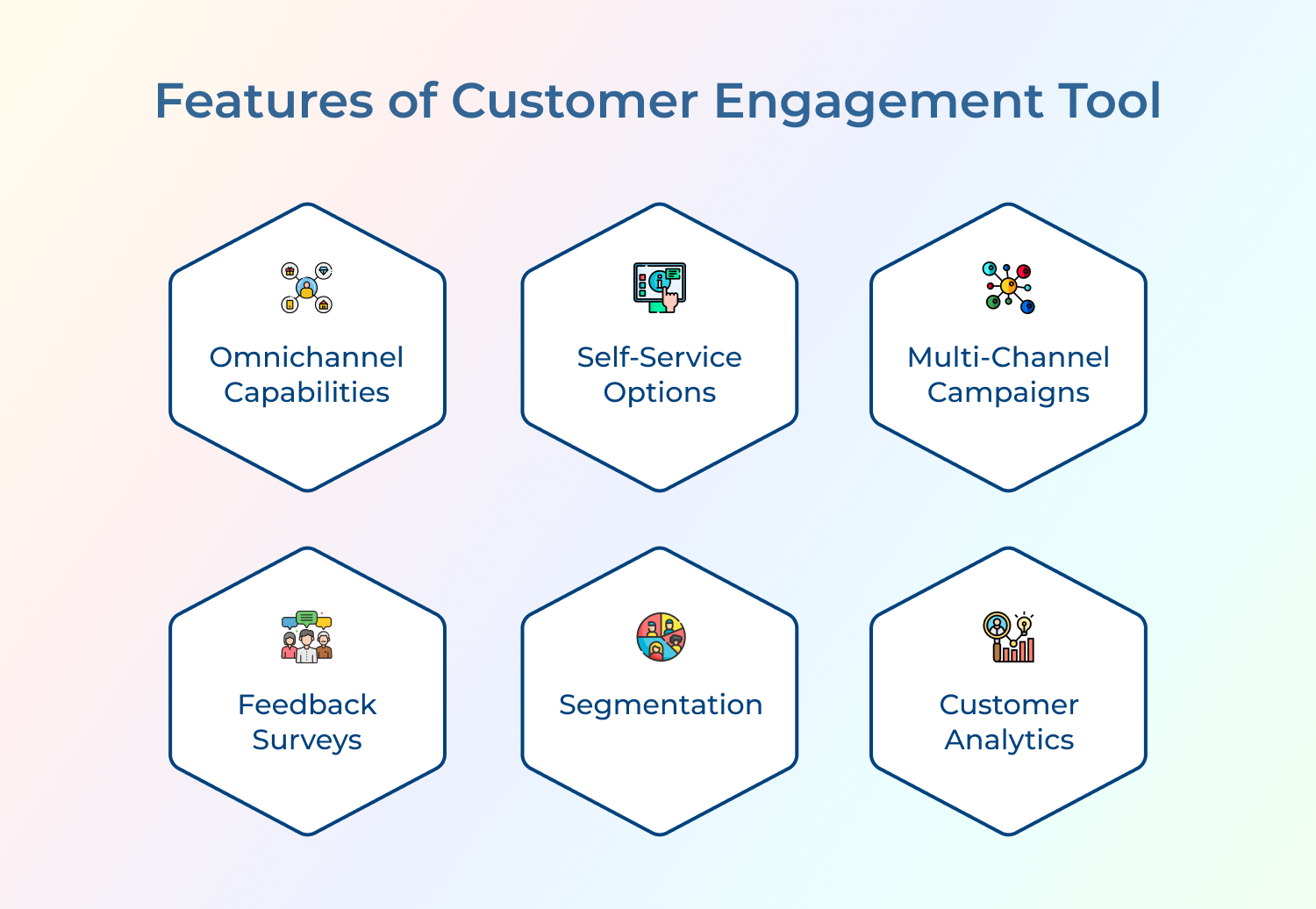
Here’s the list of key features of a consumer engagement tool that can help businesses connect with customers on a deeper level.

Features of Customer Engagement Tool

1. Omnichannel Capabilities

An effective omnichannel customer engagement tool must have the ability to interact with customers across various channels, including email, social media, chat, phone and in-store. The multichannel approach allows customers to communicate via their preferred medium, making the experience as smooth as possible.

2. Self-Service Options

Customers expect self-service options from businesses, and a customer engagement tool can provide them with the devices to solve their problems independently. By providing online self-service options such as FAQs, knowledge bases or live chat, businesses can decrease the need for phone support, while providing a quick resolution to customers at the same time.

3. Multi-Channel Campaigns

Reaching customers on multiple platforms and varying channels is critical. It enables brands to precisely target their audience as needed. Multi-channel campaigns help businesses manage campaigns across email, web, social media, and other channels seamlessly.

4. Feedback Surveys

Feedback surveys can help businesses in multiple ways like assessing satisfaction levels, uncovering areas for improvement, and ensuring customer retention. An effective customer engagement tool should offer built-in feedback surveys that are sent at the appropriate time in the customer journey, following a sale or a service interaction.

5. Segmentation

A customer engagement tool should be able to segment customers into specific groups based on demographics, location, behavior, or other criteria. The segmentation ability allows businesses to create targeted marketing campaigns and relevant messaging making it more likely for customers to engage as well as make a purchase.

6. Customer Analytics

Measuring customer engagement with effective analytics is vital for business improvement. An effective customer engagement tool should be able to track customer interactions across multiple channels and provide real-time data visualization for measuring brand performance on running campaigns.

Top 6 Customer Engagement Platforms

Customer engagement involves building relationships with your customers and ensuring that they are satisfied with your products. Here are some of the best customer engagement platforms that you should consider using:

Omni24

Best customer engagement software for real-time interaction

Omni 24 Customer Engagement

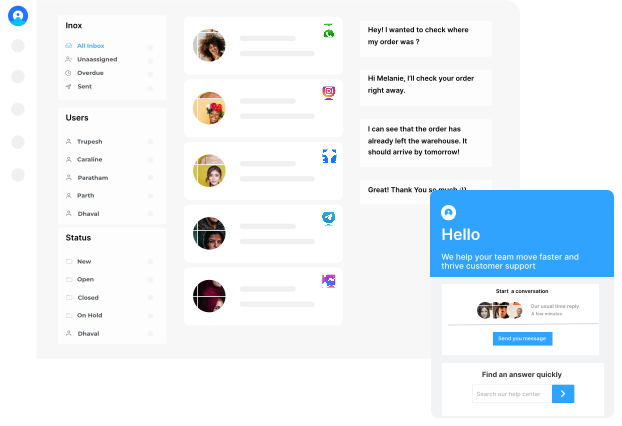
Omni24 is one of the best AI-powered customer engagement platforms, unifying support, sales and marketing into one unified suite. It leverages AI, automation and omnichannel to function as a centralized customer data platform across the entire customer lifecycle.

Businesses use Omni24’s customer engagement functionalities to interact with customers in real time with chatbots, personalized campaigns and unified conversation view. This helps teams attract, engage and delight customers consistently, regardless the channel the customer initiates the interaction.

Key features:

  • CRM: Centralize customer interactions and information in one unified database, providing a complete 360-degree view of every relationship.
  • Campaign management: Run personalized campaigns based on customer behavior. This helps businesses drive engagement through relevant messaging.
  • Knowledge base: Build self-service articles and FAQs to find answers independently. This reduces support workload while boosting customer self-service.
  • Ticket management: Manage customer service requests through live chat, chatbots and surveys, ensuring efficient resolution of customer inquiries.
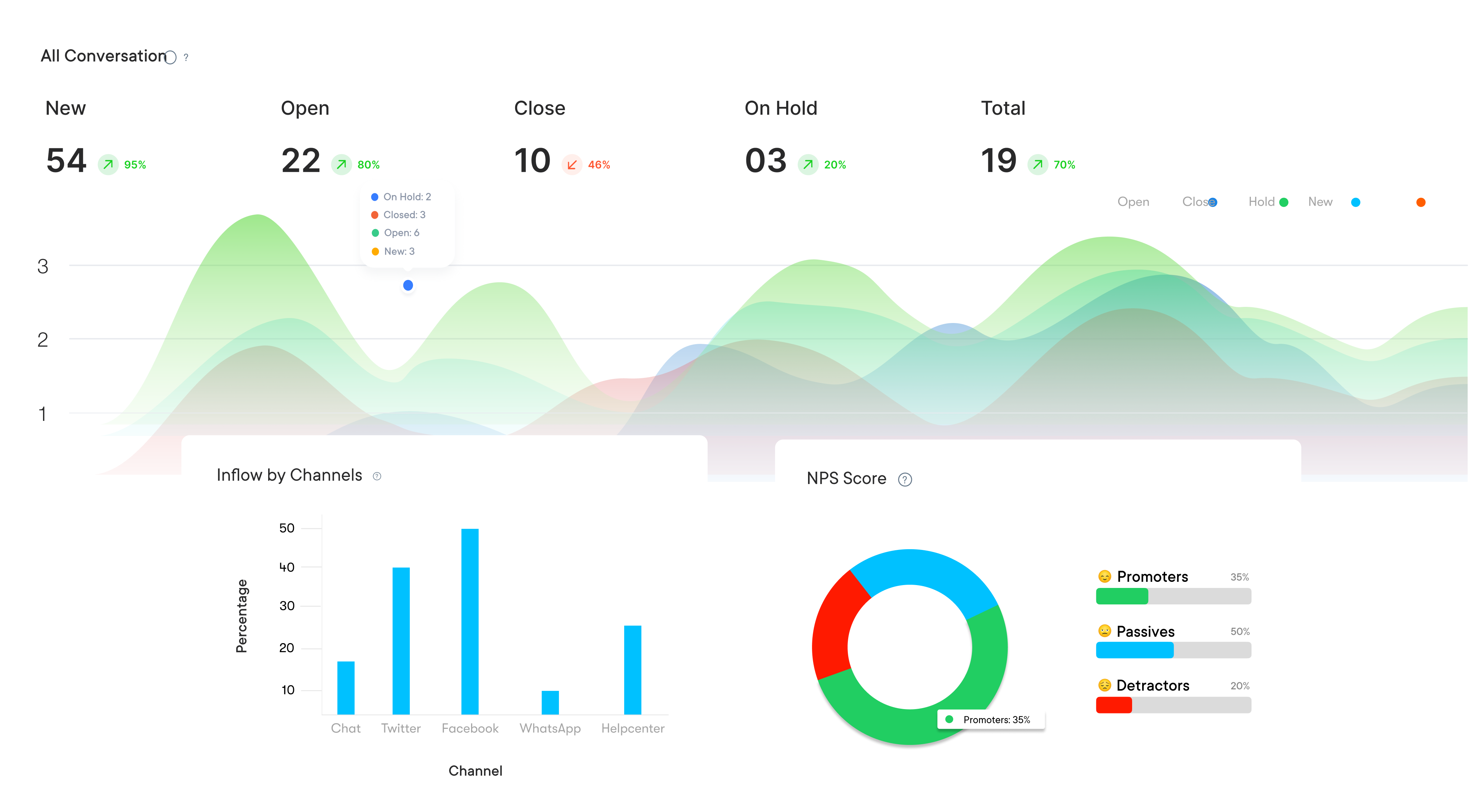
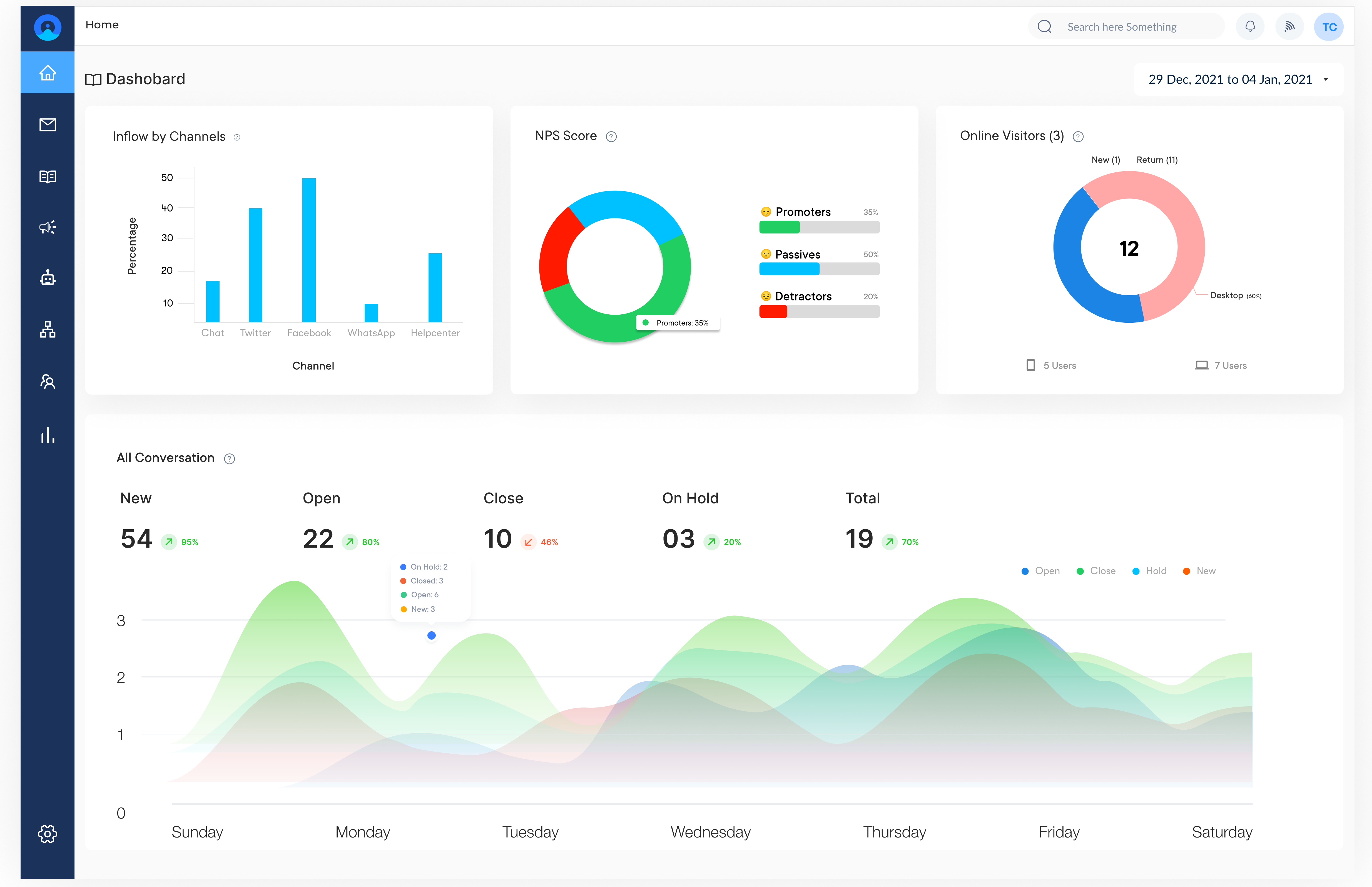
  • Reporting and analytics: Access real-time dashboards tracking marketing, sales, and service performance to make data-driven decisions while improving engagement.

Pricing: The initial plan is priced at $34/month. It also offers a free trial period of 14 days. Check out its pricing for more detailed comparisons.

Veemo Chat

Top customer engagement tool with effective analytics

Veemo Customer Engagement

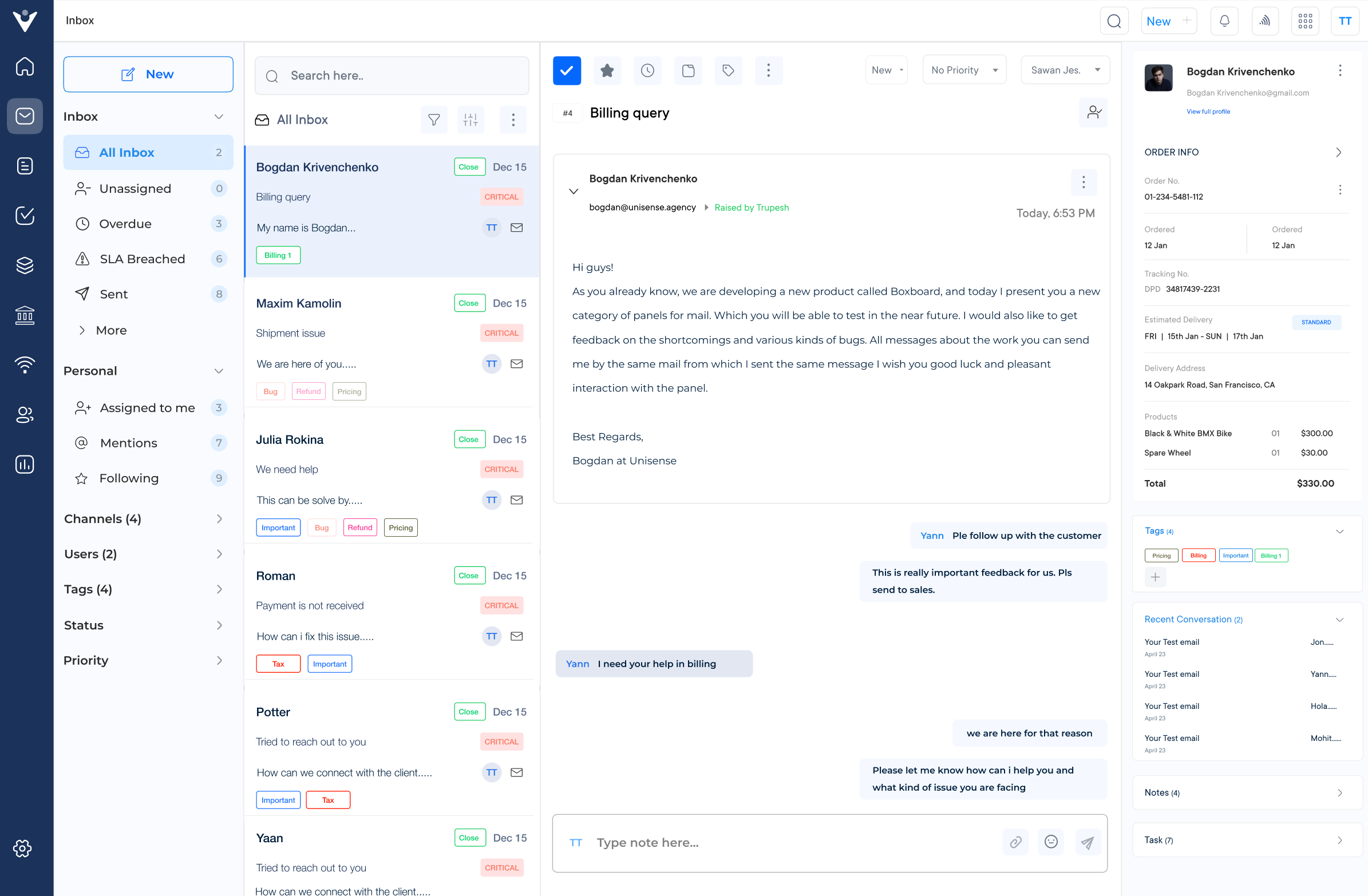
Veemo Chat is the best business messaging platform, helping businesses communicate seamlessly with customers across every channel. It combines live chat, chatbot, knowledge base, etc into one connected system for effortless customer service.

Businesses of all sizes can use it to engage customers consistently across website, live chat and social media, whether resolving queries of website visitors or building lasting relationships through personalized campaigns. This allows teams to maintain full context on every interaction and strengthen customer engagement across organizations.

Key features:

  • Omnichannel support: Unified view of customer interactions across every channel and touchpoint, providing a seamless experience for both agents and customers.
  • Live chat and messaging: Real-time communication with customers across multiple channels to ensure instant engagement regardless of channel customers prefer.
  • Knowledge base: Self-service portal for customers to find answers to common questions. This reduces support workload while improving customer satisfaction.
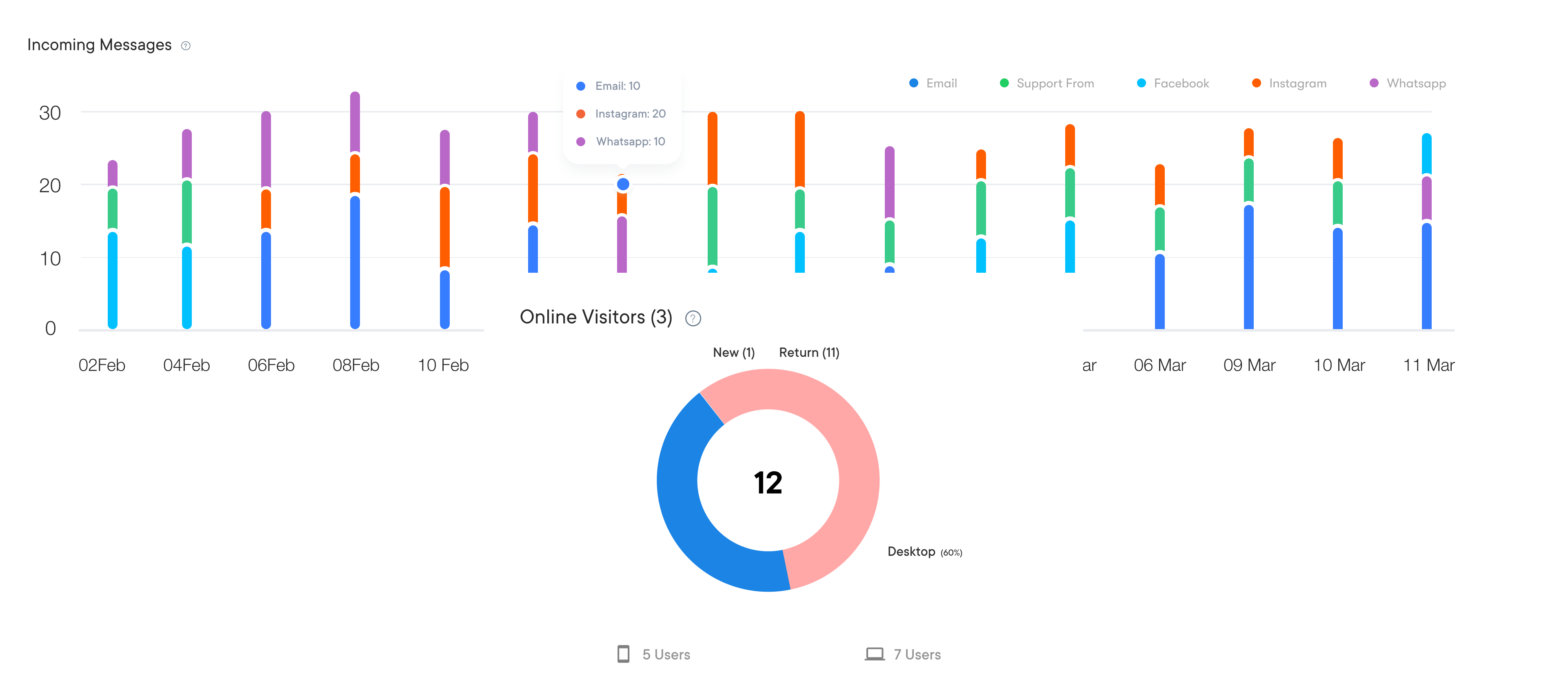
  • Analytics and reporting: Real-time insights into agent performance and customer satisfaction levels to track engagement trends over time.

Pricing: There are three pricing plans – the Growth plan starts at $34/user/month with basic features. The Team plan is priced at $79/user/month with more features. The Enterprise plan is priced at $149/user/month which includes advanced features. Try their 14-day trial period. Refer to their pricing plans here.

HubSpot

Inquisitive customer engagement software for tracking interactions

HubSpot Customer Engagement

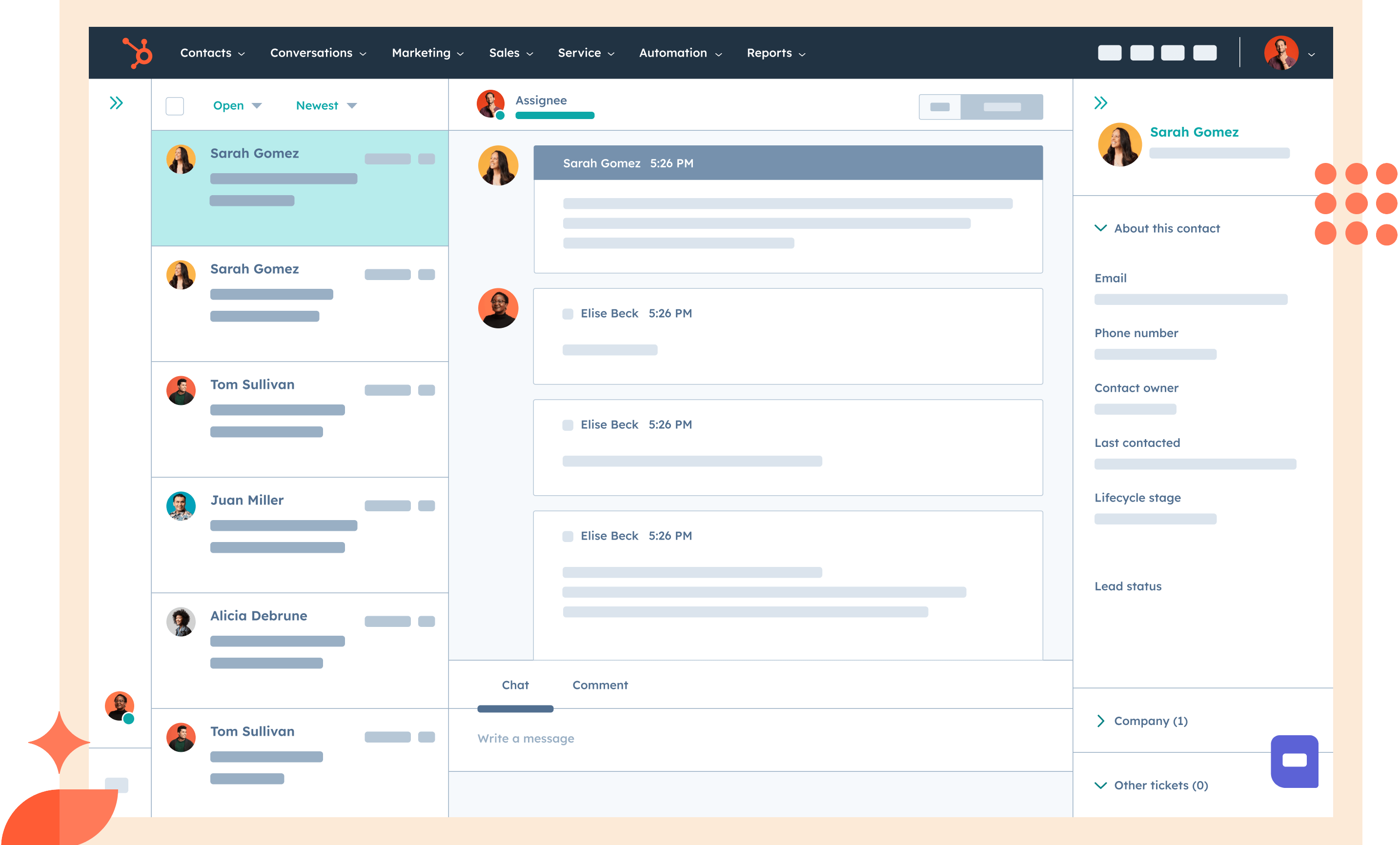
HubSpot is an all-in-one inbound marketing, sales, and customer service platform. It’s designed to help businesses attract visitors, convert leads, and close customers.

HubSpot’s integrated approach allows companies to manage all aspects of customer engagement from a single platform. The marketing hub provides email marketing, social media management, and content creation tools.

Intercom

Intercom Customer Engagement

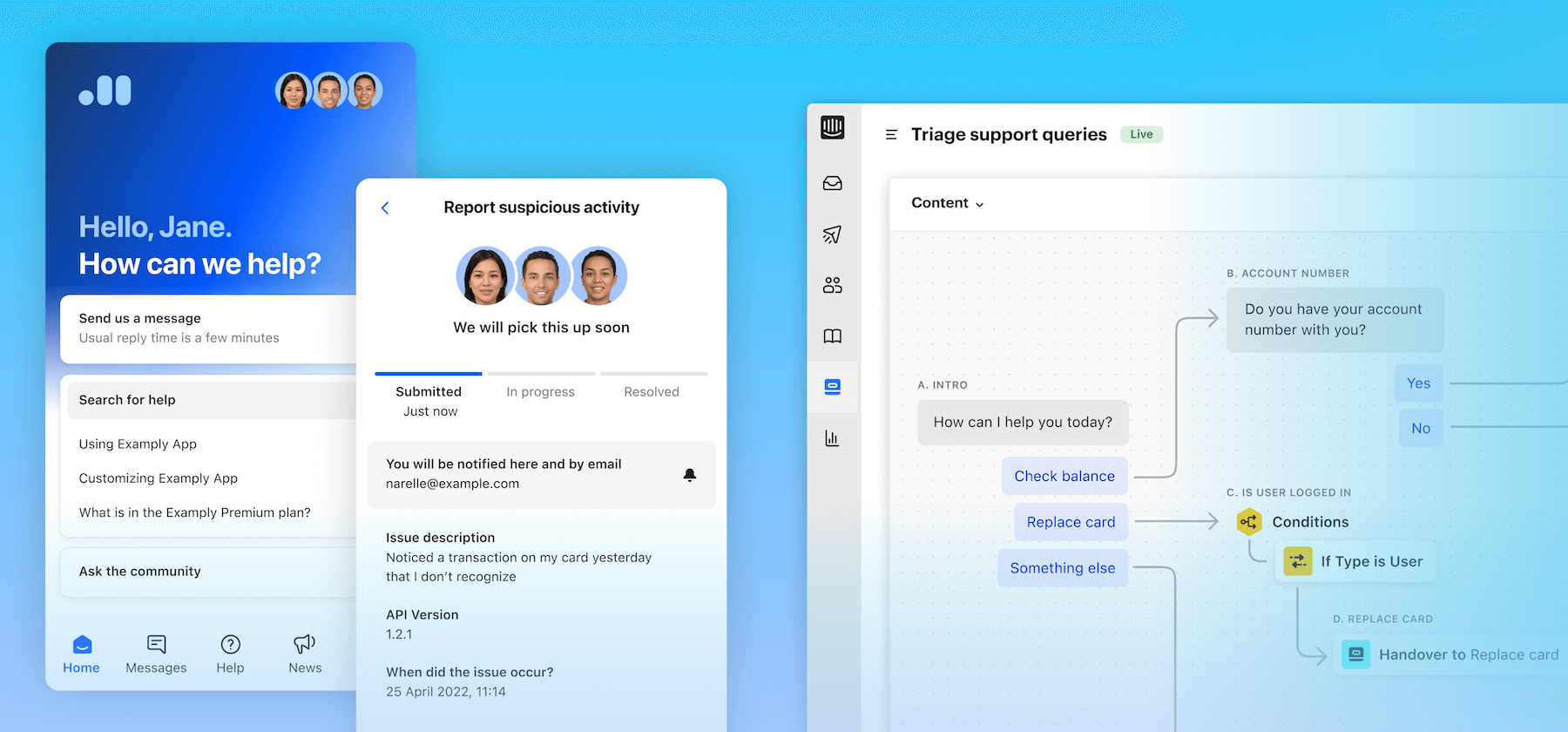
Intercom is a conversational relationship platform that helps businesses build better customer relationships through personalized, messenger-based experiences. It’s particularly popular among SaaS companies and online businesses. Intercom’s core feature is its customizable chat widget, which can be embedded on websites and in apps to facilitate real-time customer conversations.

Zendesk

Zendesk Customer Engagement

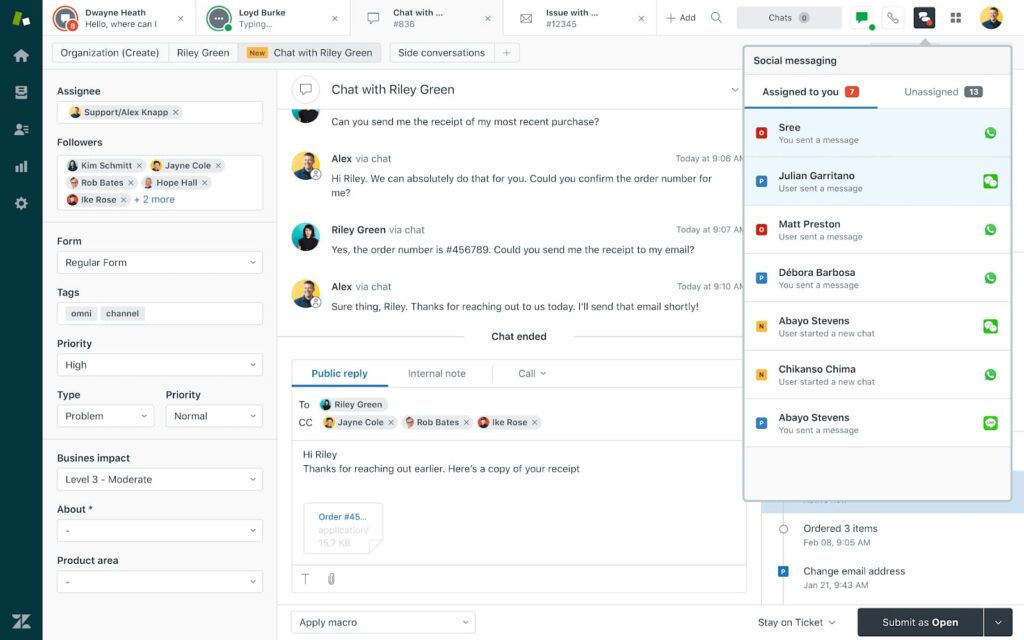
Zendesk is a customer service software company that builds support, sales, and customer engagement software designed to build better customer relationships. It’s ticketing system forms the core of its platform, allowing businesses to manage and track customer support requests across multiple channels.

Salesforce Service Cloud

Salesforce Service Cloud Customer Engagement

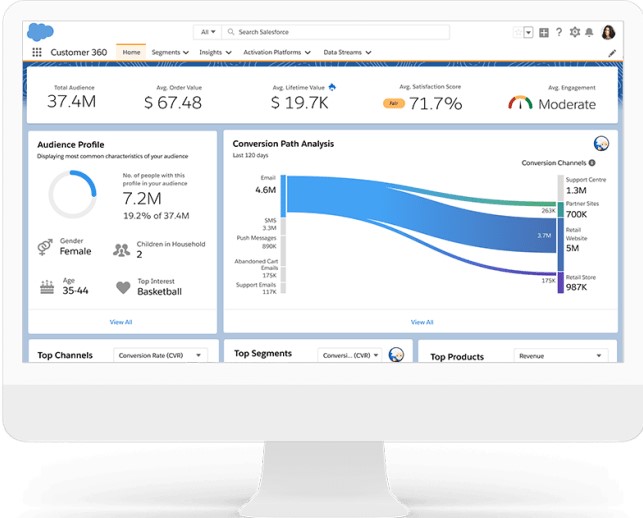
Salesforce Service Cloud is part of the larger Salesforce ecosystem, focusing on customer service and support. It’s designed to help businesses deliver smarter, faster and more personalized service across multiple channels. Service Cloud offers case management tools that help support agents track and resolve customer issues efficiently.

How to Build an Effective Customer Engagement Strategy?

Do you want to boost your business by fostering customer relationships? If yes, then you need customer engagement strategies that will guide your efforts.

Building an Effective Customer
Engagement Strategy

1. Identify Your Customer Personas

In order to engage your customers effectively, you need to understand who they are and what they want. This is where customer personas come in – a fictional representation of your ideal customer, based on real data and research. Identifying your customer personas enables you to tailor your marketing efforts to their specific needs and preferences.

Start by gathering data about your existing customers, such as demographics, behavior patterns, and pain points. Use the information to create a profile for each customer persona, highlighting their key characteristics and motivations.

Accurate persona building requires the right data sources and validation methods:

  • Interview Existing Customers: Conduct direct conversations to uncover motivations data that alone cannot be done.
  • Validate with Sales Teams: Cross-check assumptions against real objections and questions sales reps encounter.
  • Update Personas Quarterly: Refresh profiles regularly as customer needs and market conditions evolve.

Once you have identified your customer personas, you can target your marketing messages and channels accordingly. By personalizing your messages and offers to each persona, you are more likely to build a strong as well as lasting relationship with your customers.

2. Offer Excellent Omnichannel Customer Service

Your customers are on multiple channels, and so should your customer service. Providing seamless customer experience across different channels is critical in building a solid customer engagement strategy.

Your clients should be able to get in touch with you through any channel they choose, including email, phone, chat and social media channels. Adopting an omnichannel approach will make it easy for customers to get the support they require, no matter which channel they are using.

Omnichannel service depends on a few operational fundamentals:

  • Unify Customer Records: Maintain a single customer profile accessible across every support channel.
  • Standardize Response Times: Set consistent service-level expectations regardless of the channel a customer prefers.
  • Enable Seamless Handoffs: Allow agents to transfer context smoothly when customers switch channels mid-conversation.

Achieve optimal client engagement by being present on all channels, train your customer service team to be knowledgeable on each channel and use customer service software to track communication across all channels.

3. Create & Promote Engaging Content

Another key element of a solid consumer engagement marketing strategy is creating and promoting engaging content. It could be anything from blog posts & social media updates to videos & podcasts. The goal is to provide value to your customers, whether through educational resources, entertaining content, or helpful tips and advice.

When creating content, think about your customer personas and what types of information would be most helpful to them. The key is to provide content that is relevant, informative, and engaging, as well as that aligns with your brand values along with messaging.

A strong content strategy also depends on how well it’s distributed and measured:

  • Repurpose Across Formats: Turn a piece of content into multiple formats to extend its reach.
  • Track Engagement Signals: Monitor shares, comments and time spent to gauge content resonance.
  • Align with Customer Journey Stage: Match content type to whether customers are discovering, evaluating or retaining.

Once you have created your content, it’s important to promote it through the right channels. It might include social media, email marketing, influencer partnerships, or paid advertising. By creating and promoting engaging content, you can build a loyal following of customers who appreciate as well as trust your brand.

4. Utilize Chatbots to Automate Engagement

Chatbots have become a crucial part of the customer engagement strategy in recent years. Customers prefer instant responses to their queries, and chatbots provide just that. Chatbots are programmed to engage with your customers 24/7, provide them with relevant information and help them navigate through your website with ease.

Effective chatbot deployment depends on a few design considerations:

  • Define Clear Escalation Rules: Establish the perfect handoff process to transfer conversations to the right human agent.
  • Train on Real Conversations: Use actual customer queries to improve accuracy and reduce fallback responses.
  • Test Regularly for Accuracy: Review chatbot performance to catch outdated responses.

To ensure a successful chatbot implementation, it is important to ensure that the chatbots are programmed with relevant keywords and phrases so that they can provide accurate responses to your customers’ queries. Moreover, you can even program your chatbots to understand customer emotion and provide personalized responses, making the interaction more human-like.

5. Use Real-Time Engagement Tools

Real-time engagement tools such as live chat, video chat, and co-browsing are effective ways to enhance customer interaction with a human touch. The tools allow real-time interaction between customers and customer service representatives, making the customer feel valued as well as heard.

Live chat is a cost-effective solution for businesses to provide quick and meaningful support to their customers by addressing their concerns along with any queries.

Selecting the right tool depends on the complexity of the interaction:

  • Match Tool to Use Case: Reserve video chat for complex issues that require a visual or emotional connection.
  • Monitor Response Times: Track how quickly agents engage to maintain the “real-time” promise consistently.
  • Train Agents on Tone: Make sure representatives sound natural and warm during live interactions.

Meanwhile, video chat allows businesses to build a personal connection with their customers, adding an emotional touch to the interaction. Co-browsing, on the other hand allows customer service representatives to view the customer’s screen and guide them through complex processes, ultimately creating a personalized experience.

6. Personalize Every Customer Interaction

One of the critical components of building a solid customer engagement strategy is personalization. Customers are more likely to re-engage with a brand that recognizes their unique needs and preferences. Personalizing every customer interaction is the key to establishing a strong relationship with your customers.

To personalize every customer interaction, use customer data to create a framework of your marketing messages and content to their interests & behavior. It can be done through various customer touchpoints such as email, social media, or text messages.

Pro tips:

  • Leverage Behavioral Triggers: Send messages based on specific actions customers take, not generic schedules.
  • Segment Beyond Demographics: Use purchase history and engagement patterns for more relevant targeting.
  • Avoid Over-Personalization: Balance relevance with privacy comfort to prevent customers from feeling bored.

7. Define & Track Your Customer Engagement Metrics

Defining along with tracking your customer engagement metrics is the first step to building a successful engagement strategy. Engagement metrics track the level of interaction between your customers with your brand, and how they respond to your marketing efforts. Some customer engagement metrics to consider include:

a. Website traffic: Analyzing website traffic can help you understand which pages or products are popular among your customers.
b. Social media engagement: Social media provides powerful tools to engage with customers. Analyzing engagement metrics such as c. likes, shares, and comments can help you understand how your audience interacts with your brand.
c. Email marketing: Analyzing parameters such as open rate, click-through rate, and conversion rate can help you track your audience interactions with your emails.

8. Invest in a Customer Engagement Platform

A customer engagement platform can help you deliver relevant and personalized experiences to your consumers across different channels, such as email, social media, mobile, etc.
Benefits of an Effective Customer Engagement

Customer touchpoints encompass a variety of strategies & techniques, including social media campaigns, email marketing, along with personalized communications.

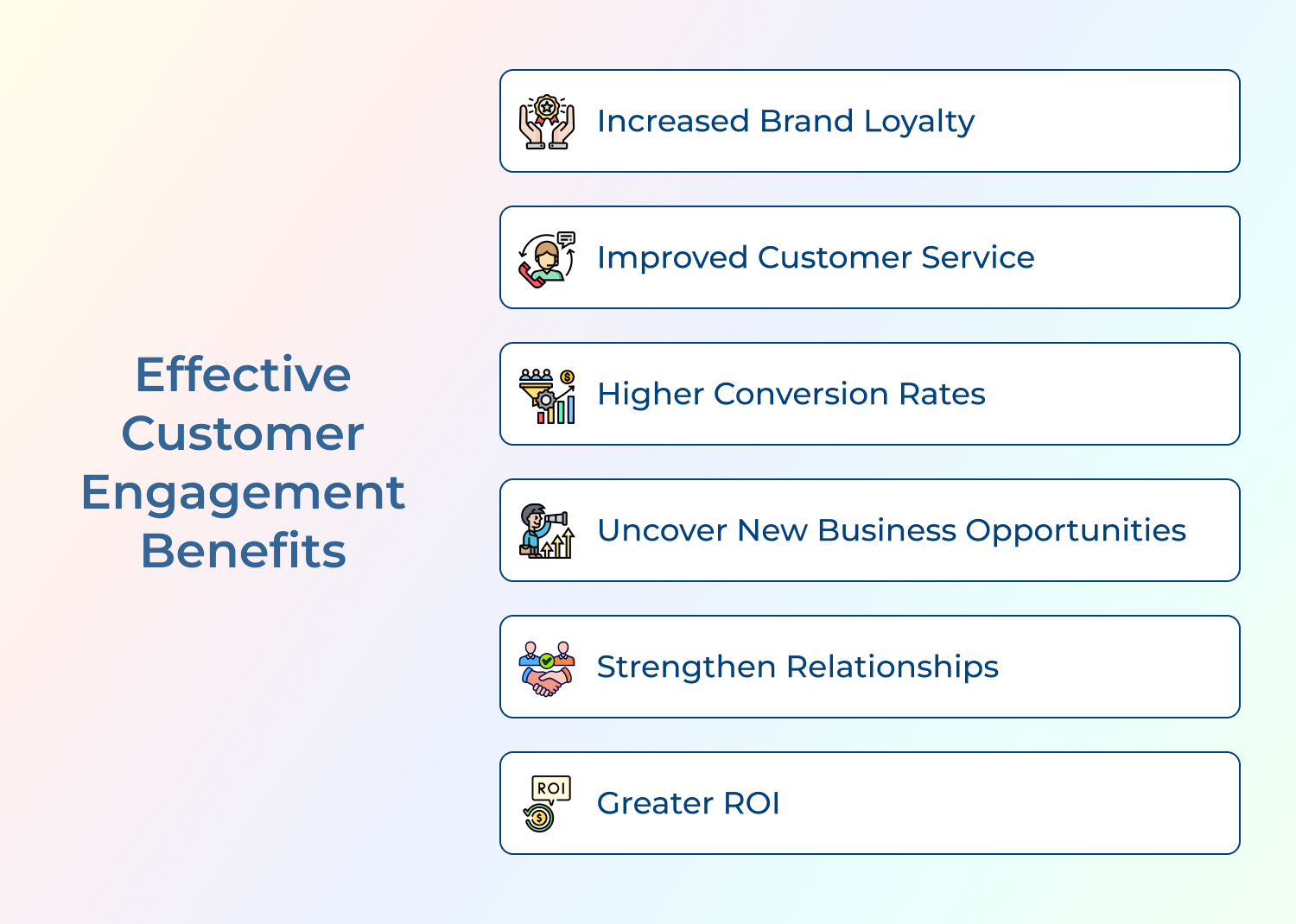
Effective Customer Engagement Benefits
  1. Increased Brand Loyalty
    Customer engagement helps to make loyal customers and leads to better retention rates. Customers are more likely to stay loyal when they have an emotional connection to a brand and are engaged in conversations with the company.
  2. Improved Customer Service
    Engaging with customers on social media channels provides an opportunity to receive direct feedback from customers and improve customer service levels overall. Companies can respond quickly and address customer issues, creating an effective way of improving overall customer satisfaction.
  3. Higher Conversion Rates
    Establishing an engaging dialogue between a company and its customers can help convert prospects into actual buyers, as it is often easier for customers to trust a product or service if there is positive interaction with the brand.
  4. Uncover New Business Opportunities
    By closely monitoring what customers say about your brand online, companies can identify new opportunities and figure out new models on how they can improve existing products or services that are being requested by potential buyers.
  5. Strengthen Relationships
    Along with providing better customer service, engaging with customers on social media is a great way to strengthen relationships. An efficient customer engagement process provides companies with insights into what their customers want or need, allowing them to tailor content accordingly.
  6. Greater ROI
    One of the key benefits of customer lifecycle engagement is that it results in greater ROI as it enables companies to track sales performance in real time. The customer engagement software enables businesses to make future decisions about campaigns or pricing strategies based on current customer reactions and preferences.

Customer Engagement Best Practices for Every Business

Ensure consumers become loyal to your business. Implement these best practices and build a rapport with them.

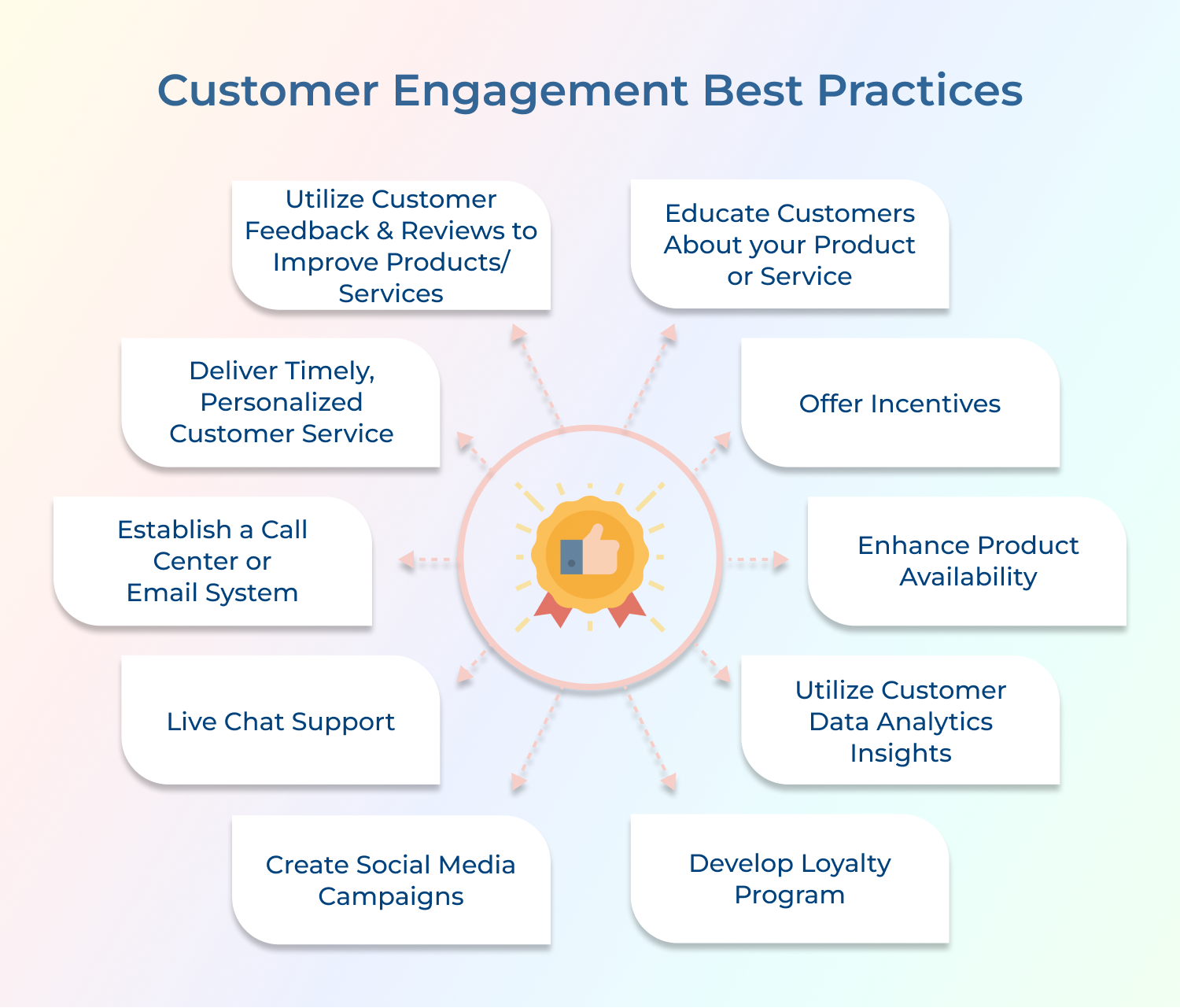
Customer Engagement Best Practices
  1. Utilize customer feedback & reviews to improve products/services: Reviewing customer feedback and implementing changes is a great way to show that the company cares about their customers’ opinions.
  2. Deliver timely, personalized customer service: Responding to customers quickly with tailored solutions will foster trust between the customer and the business.
  3. Live chat support: Live chat options allow for speedy communication between customers and a business representative when they need it most which creates better customer experiences overall.
  4. Create social media campaigns: Connecting with consumers through social media significantly increases awareness about new products and services being offered.
  5. Educate customers about your product or service: Providing resources on how to properly use any product or service, it will give them a better understanding of its value in the long run.
  6. Offer incentives: Offering incentives such as discounts or exclusive deals helps strengthen existing customer relationships while creating new ones as well.
  7. Develop loyalty program: Creating loyalty initiatives generates more repeat purchases while helping develop brand advocacy among consumers​.

Try Omni24 for an Omnichannel Customer Engagement

Effective customer engagement is all about sustainable business growth. Omni24 helps to build it at scale by unifying every channel and interaction. You can turn one-time buyers into loyal brand advocates.

  • Omnichannel support ensures customers reach you on the preferred channel, every time.
  • Personalization and real-time engagement drive higher satisfaction and conversion rates.
  • Tracking engagement metrics to refine strategy and improve ROI continuously.

Ready to elevate your customer engagement? Start your 14-day free trial or book a demo to see Omni24 in action.

Scale Your Customer Engagement with Omni24

Omni24’s customer engagement platform harnesses automation and AI to deliver unified customer experiences across digital channels while keeping human touch.

FAQs about Customer Engagement Guide

Social media platforms offer businesses a direct avenue to engage customers while building communities and boosting genuine conversations that strengthen brand loyalty over time. It creates lasting connections that traditional marketing channels struggle to achieve. Key contributions include:

  • Sharing relevant content that matches your followers
  • Responding promptly to customer inquiries and feedback
  • Creating a sense of community around the brand
  • Building clear visibility through shares, comments, and interactions

No, customer engagement extends beyond online interactions. While digital channels like social media, email, and websites play a crucial role, engagement can also happen through offline interactions, such as in-store experiences, customer service calls, events, or direct mail campaigns. Effective customer engagement strategies encompass both online and offline touchpoints to create a cohesive as well as seamless experience.

Technology plays a crucial role in customer engagement by providing businesses with tools and platforms to automate as well as enhance their interactions with customers. CRM software helps manage communication and track customer interactions over time.

Social media management tools and email marketing platforms support personalized engagement at scale. These technologies, combined together to maintain consistency while reducing the manual effort for customer engagement across departments.

Measuring customer engagement can be done through various metrics, including customer satisfaction surveys, Net Promoter Score (NPS), customer feedback, social media analytics, website analytics (such as time spent on site & bounce rates), and sales data. The metrics provide insights into customer behavior, sentiment, and the effectiveness of engagement efforts.

Yes, big corporations with vast resources or dedicated marketing teams behind them anyone can use a customer engagement strategy. Small businesses can use it to understanding target audience and personalize communication. Key advantages include:

  • Leverage social media and other cost-effective marketing channels
  • Personalized communication despite limited resources or budget
  • Authentic and meaningful relationships with consumers directly to boost engagement
  • Compete effectively against larger and resource-rich competitors

You can build lasting relationships by consistently demonstrating your commitment to their satisfaction. Keep communication channels open and accessible, provide exceptional customer service, while continually innovating to meet your customers’ evolving needs. Regularly gather feedback and act upon it, ensuring that your customers feel heard as well as valued.