1. Identify Your Customer Personas
In order to engage your customers effectively, you need to understand who they are and what they want. This is where customer personas come in – a fictional representation of your ideal customer, based on real data and research. Identifying your customer personas enables you to tailor your marketing efforts to their specific needs and preferences.
Start by gathering data about your existing customers, such as demographics, behavior patterns, and pain points. Use the information to create a profile for each customer persona, highlighting their key characteristics and motivations.
Accurate persona building requires the right data sources and validation methods:
- Interview Existing Customers: Conduct direct conversations to uncover motivations data that alone cannot be done.
- Validate with Sales Teams: Cross-check assumptions against real objections and questions sales reps encounter.
- Update Personas Quarterly: Refresh profiles regularly as customer needs and market conditions evolve.
Once you have identified your customer personas, you can target your marketing messages and channels accordingly. By personalizing your messages and offers to each persona, you are more likely to build a strong as well as lasting relationship with your customers.
2. Offer Excellent Omnichannel Customer Service
Your customers are on multiple channels, and so should your customer service. Providing seamless customer experience across different channels is critical in building a solid customer engagement strategy.
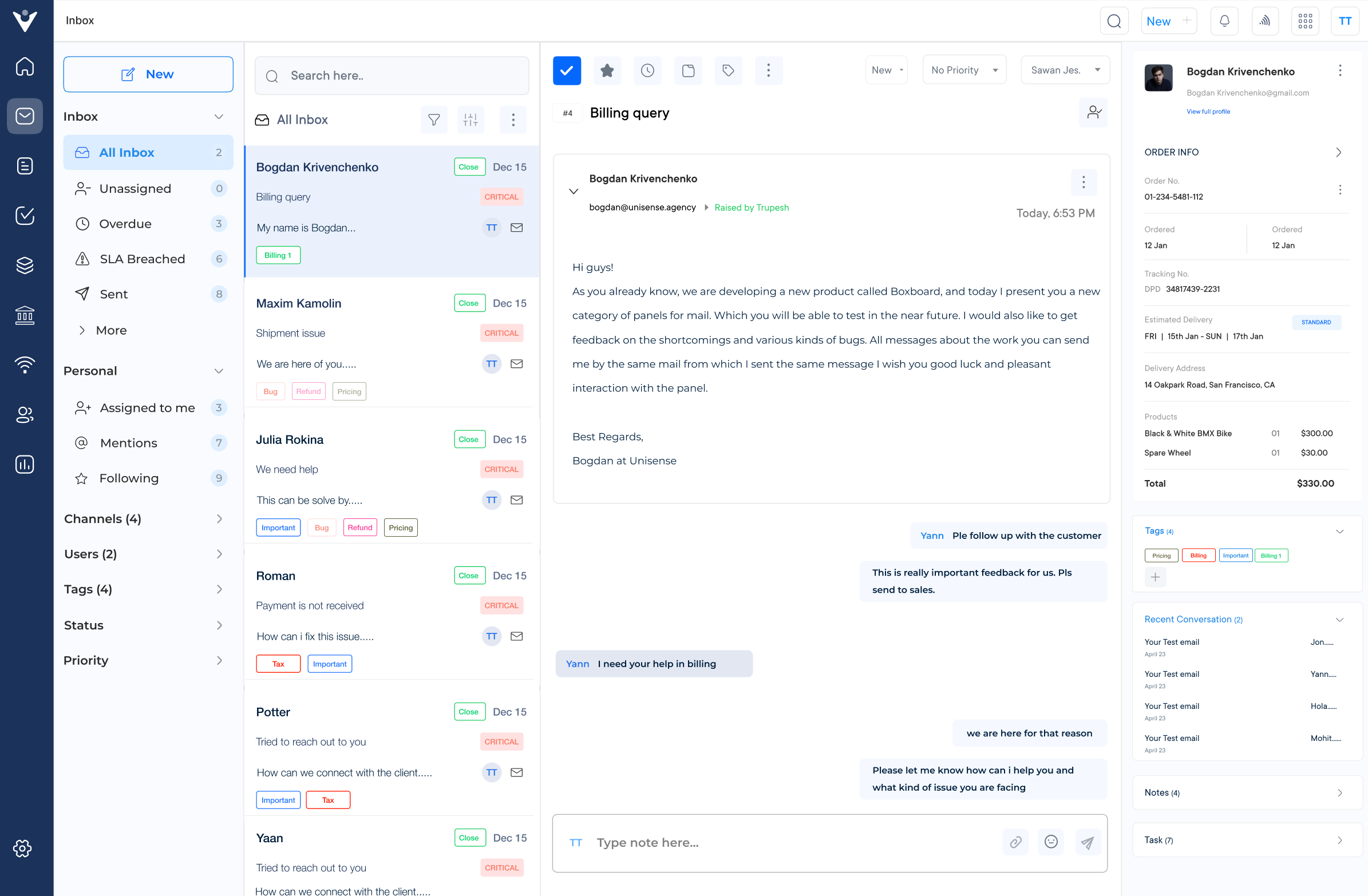
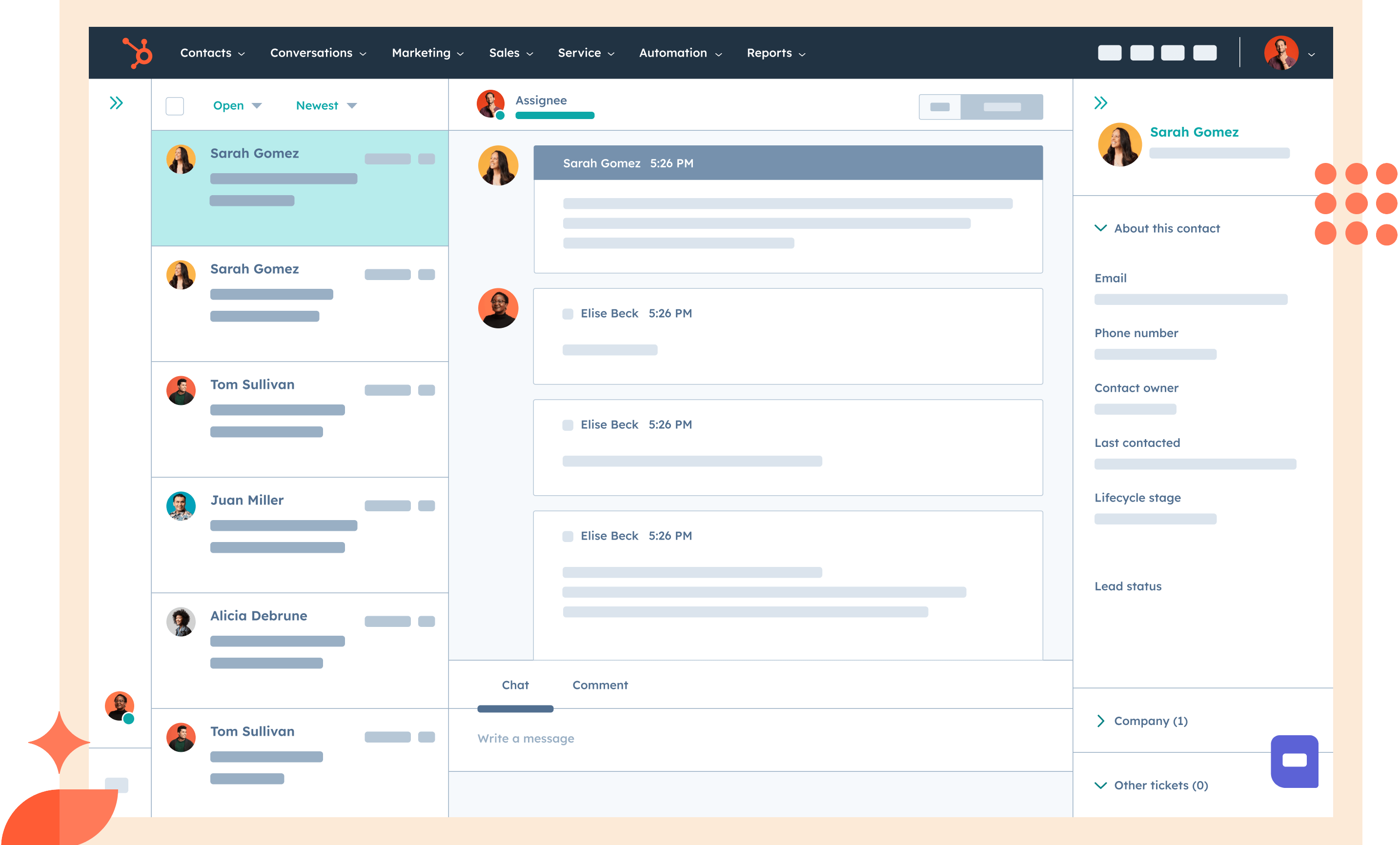
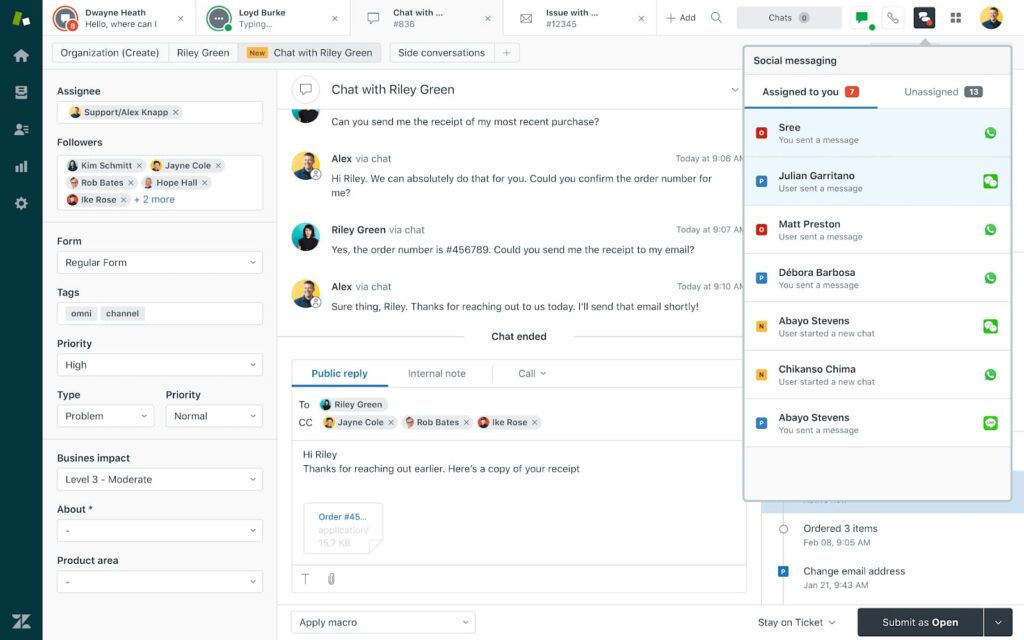
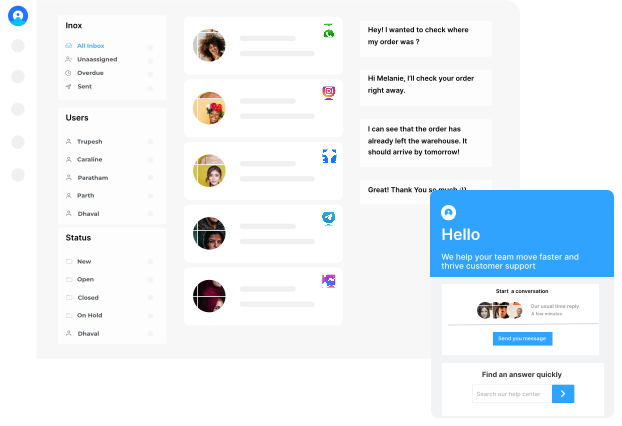
Your clients should be able to get in touch with you through any channel they choose, including email, phone, chat and social media channels. Adopting an omnichannel approach will make it easy for customers to get the support they require, no matter which channel they are using.
Omnichannel service depends on a few operational fundamentals:
- Unify Customer Records: Maintain a single customer profile accessible across every support channel.
- Standardize Response Times: Set consistent service-level expectations regardless of the channel a customer prefers.
- Enable Seamless Handoffs: Allow agents to transfer context smoothly when customers switch channels mid-conversation.
Achieve optimal client engagement by being present on all channels, train your customer service team to be knowledgeable on each channel and use customer service software to track communication across all channels.
3. Create & Promote Engaging Content
Another key element of a solid consumer engagement marketing strategy is creating and promoting engaging content. It could be anything from blog posts & social media updates to videos & podcasts. The goal is to provide value to your customers, whether through educational resources, entertaining content, or helpful tips and advice.
When creating content, think about your customer personas and what types of information would be most helpful to them. The key is to provide content that is relevant, informative, and engaging, as well as that aligns with your brand values along with messaging.
A strong content strategy also depends on how well it’s distributed and measured:
- Repurpose Across Formats: Turn a piece of content into multiple formats to extend its reach.
- Track Engagement Signals: Monitor shares, comments and time spent to gauge content resonance.
- Align with Customer Journey Stage: Match content type to whether customers are discovering, evaluating or retaining.
Once you have created your content, it’s important to promote it through the right channels. It might include social media, email marketing, influencer partnerships, or paid advertising. By creating and promoting engaging content, you can build a loyal following of customers who appreciate as well as trust your brand.
4. Utilize Chatbots to Automate Engagement
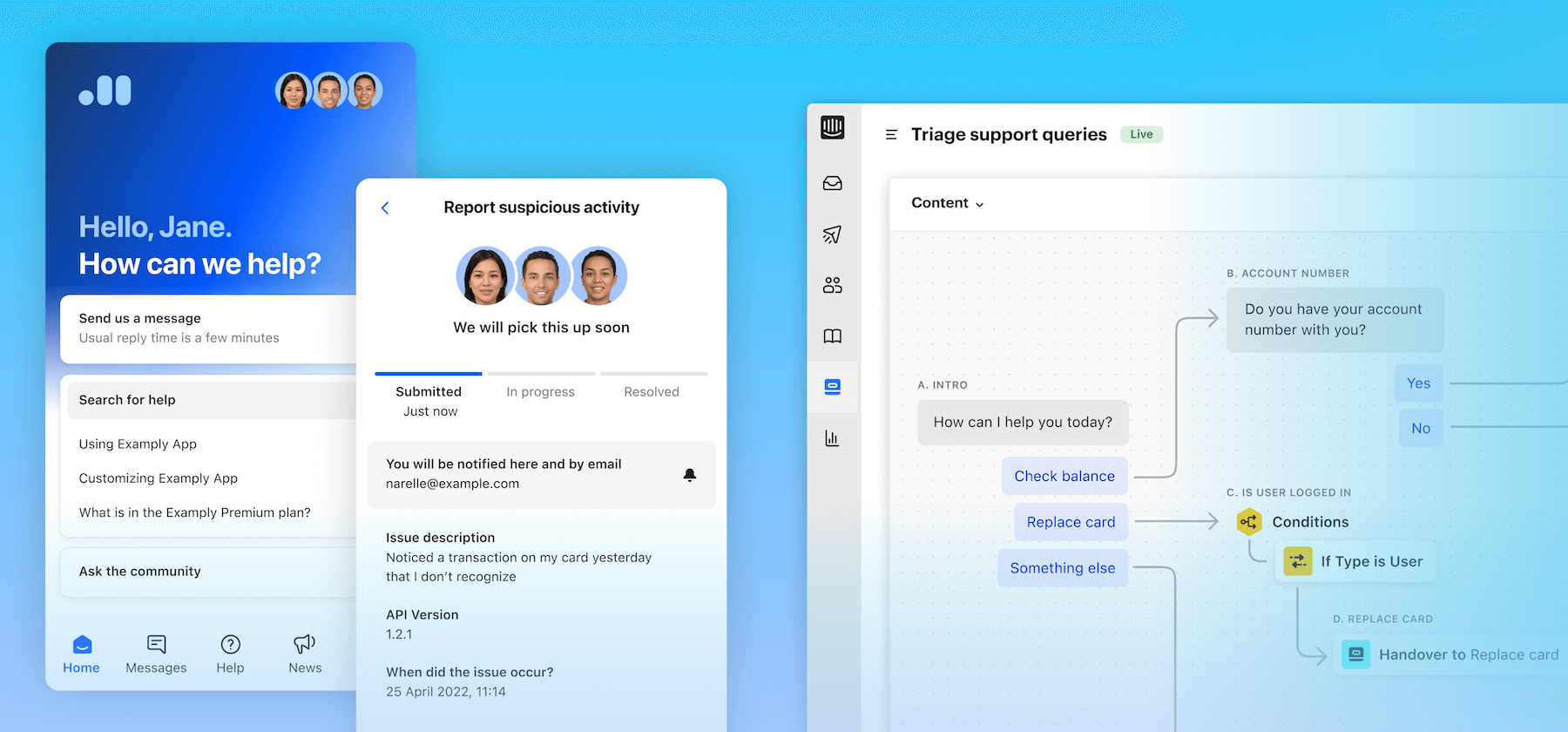
Chatbots have become a crucial part of the customer engagement strategy in recent years. Customers prefer instant responses to their queries, and chatbots provide just that. Chatbots are programmed to engage with your customers 24/7, provide them with relevant information and help them navigate through your website with ease.
Effective chatbot deployment depends on a few design considerations:
- Define Clear Escalation Rules: Establish the perfect handoff process to transfer conversations to the right human agent.
- Train on Real Conversations: Use actual customer queries to improve accuracy and reduce fallback responses.
- Test Regularly for Accuracy: Review chatbot performance to catch outdated responses.
To ensure a successful chatbot implementation, it is important to ensure that the chatbots are programmed with relevant keywords and phrases so that they can provide accurate responses to your customers’ queries. Moreover, you can even program your chatbots to understand customer emotion and provide personalized responses, making the interaction more human-like.
5. Use Real-Time Engagement Tools
Real-time engagement tools such as live chat, video chat, and co-browsing are effective ways to enhance customer interaction with a human touch. The tools allow real-time interaction between customers and customer service representatives, making the customer feel valued as well as heard.
Live chat is a cost-effective solution for businesses to provide quick and meaningful support to their customers by addressing their concerns along with any queries.
Selecting the right tool depends on the complexity of the interaction:
- Match Tool to Use Case: Reserve video chat for complex issues that require a visual or emotional connection.
- Monitor Response Times: Track how quickly agents engage to maintain the “real-time” promise consistently.
- Train Agents on Tone: Make sure representatives sound natural and warm during live interactions.
Meanwhile, video chat allows businesses to build a personal connection with their customers, adding an emotional touch to the interaction. Co-browsing, on the other hand allows customer service representatives to view the customer’s screen and guide them through complex processes, ultimately creating a personalized experience.
6. Personalize Every Customer Interaction
One of the critical components of building a solid customer engagement strategy is personalization. Customers are more likely to re-engage with a brand that recognizes their unique needs and preferences. Personalizing every customer interaction is the key to establishing a strong relationship with your customers.
To personalize every customer interaction, use customer data to create a framework of your marketing messages and content to their interests & behavior. It can be done through various customer touchpoints such as email, social media, or text messages.
Pro tips:
- Leverage Behavioral Triggers: Send messages based on specific actions customers take, not generic schedules.
- Segment Beyond Demographics: Use purchase history and engagement patterns for more relevant targeting.
- Avoid Over-Personalization: Balance relevance with privacy comfort to prevent customers from feeling bored.
7. Define & Track Your Customer Engagement Metrics
Defining along with tracking your customer engagement metrics is the first step to building a successful engagement strategy. Engagement metrics track the level of interaction between your customers with your brand, and how they respond to your marketing efforts. Some customer engagement metrics to consider include:
a. Website traffic: Analyzing website traffic can help you understand which pages or products are popular among your customers.
b. Social media engagement: Social media provides powerful tools to engage with customers. Analyzing engagement metrics such as c. likes, shares, and comments can help you understand how your audience interacts with your brand.
c. Email marketing: Analyzing parameters such as open rate, click-through rate, and conversion rate can help you track your audience interactions with your emails.
8. Invest in a Customer Engagement Platform
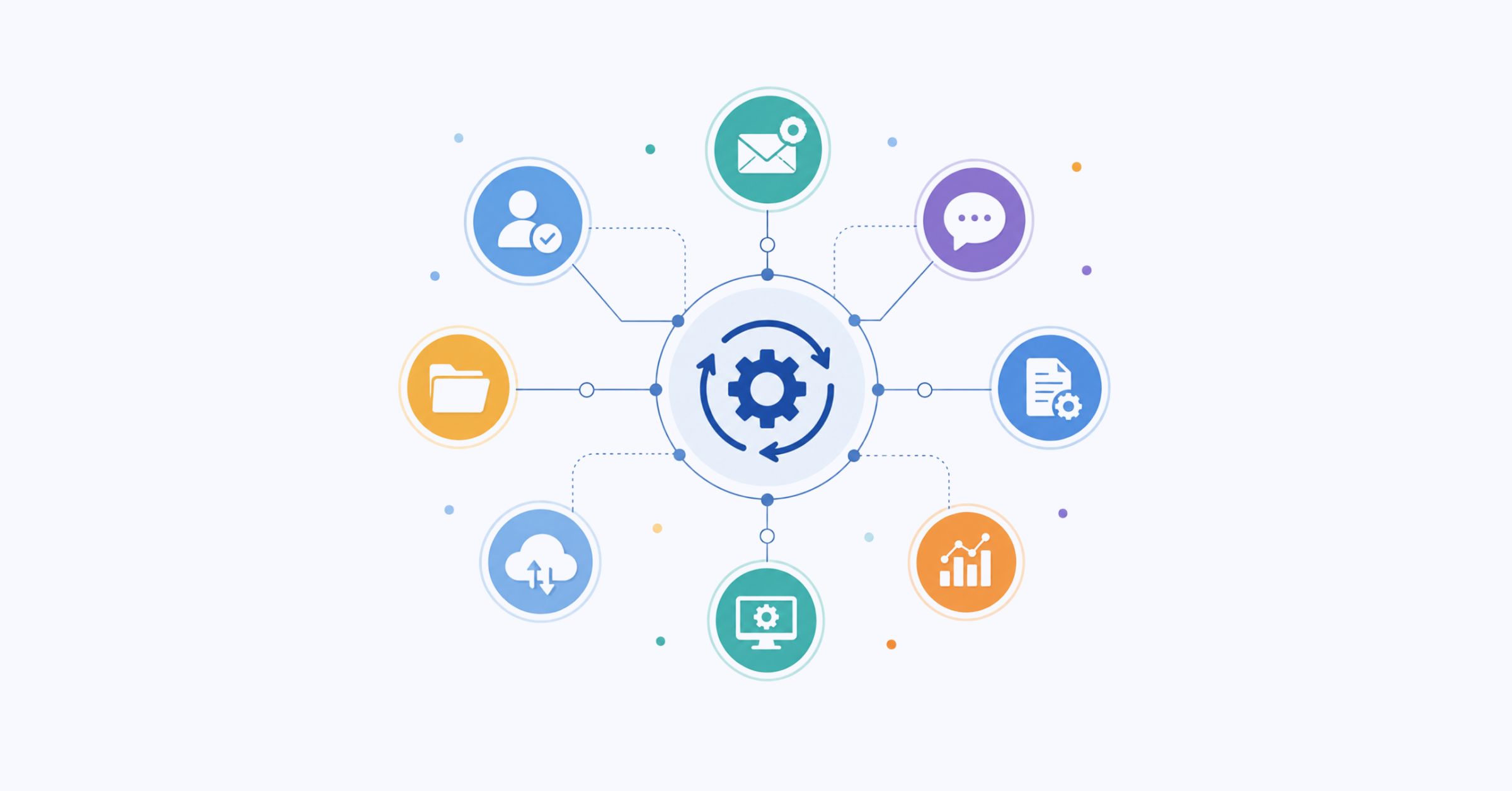
A customer engagement platform can help you deliver relevant and personalized experiences to your consumers across different channels, such as email, social media, mobile, etc.