12 Best Customer Satisfaction Software & Tools for Businesses
Leverage customer satisfaction software to gain real-time insights and drive continuous improvement in your services.


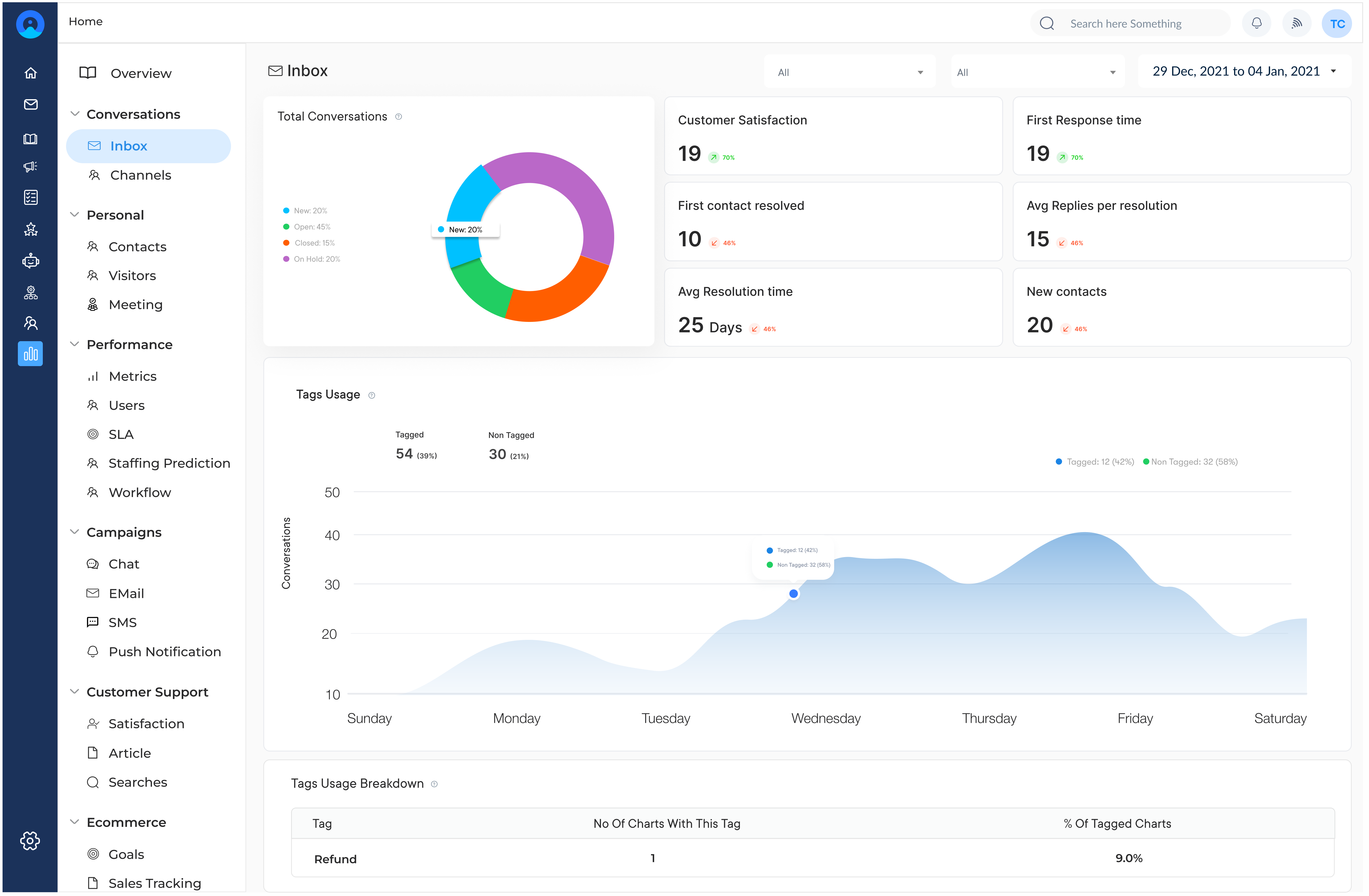
Leverage customer satisfaction software to gain real-time insights and drive continuous improvement in your services.
The best customer satisfaction software enables efficient feedback management, ensuring prompt responses and elevated customer satisfaction
Customer satisfaction software enables businesses to gather feedback in real-time, allowing immediate insights into CX. The information helps businesses quickly address any issues, improving overall customer satisfaction.
Gain valuable insights with analytics and reporting features of customer satisfaction tools that turn raw feedback into actionable data. Businesses can identify trends and understand customer preferences leading to more informed decision-making.
Regularly respond to customer feedback to enhance customer satisfaction, reducing churn rates and increasing customer loyalty. Satisfied customers are more likely to continue doing business and recommend the company to others.
Feedback collected through customer satisfaction software can highlight specific issues with products or services, guiding improvements and innovations. The continuous loop of feedback and enhancement ensures that offerings better meet customer needs.
Most customers leave without explaining the problem; the real cost isn’t just lost revenue; instead, it is a feedback gap teams never close. This is where customer satisfaction software can be used to collect, centralize, and analyze feedback across all touchpoints to turn raw sentiment into actionable intelligence.
Companies that systematically measure satisfaction consistently outperform competitors on retention as well as revenue. Walk through the best tools available today based on features, pricing and selection criteria to choose the right solution.
Customer satisfaction software is defined as a specialized tool to help businesses monitor, measure their customers’ experiences and overall satisfaction. It works by collecting, analyzing and acting on customer feedback or interactions across various touchpoints.
Implementing a customer satisfaction software allows organizations to gain actionable insights that drive strategic decision-making. Understanding how customers feel about products and services enables informed changes that enhance the customer journey and elevate brand loyalty.
Key objectives:
Customer satisfaction software effectively measures and improves satisfaction index. To help you make an informed decision, we have compared the top 12 customer satisfaction platforms.
| Software | Key Features | Price |
|---|---|---|
| Omni24 |
|
Starts at $34/agent/month |
| Veemo |
|
Starts at $34/user/month |
| Freshdesk |
|
Free plan available; Paid plans start at $15/agent/month |
| HubSpot Service Hub |
|
Starts at $45/month for 2 users |
| Intercom |
|
Starts at $74/month (billed annually) |
| Help Scout |
|
Starts at $20/user/month |
| Kayako |
|
Starts at $30/agent/month |
| Zoho Desk |
|
Free plan available; Paid plans start at $14/agent/month |
| LiveAgent |
|
Starts at $15/agent/month |
| Groove |
|
Starts at $12/user/month |
| Gladly |
|
Custom pricing; contact for quote |
| Kustomer |
|
Custom pricing; contact for quote |
Customer satisfaction tools help businesses to build long-lasting relationships with clients. With so many options available, it can be overwhelming to choose the right customer platform.
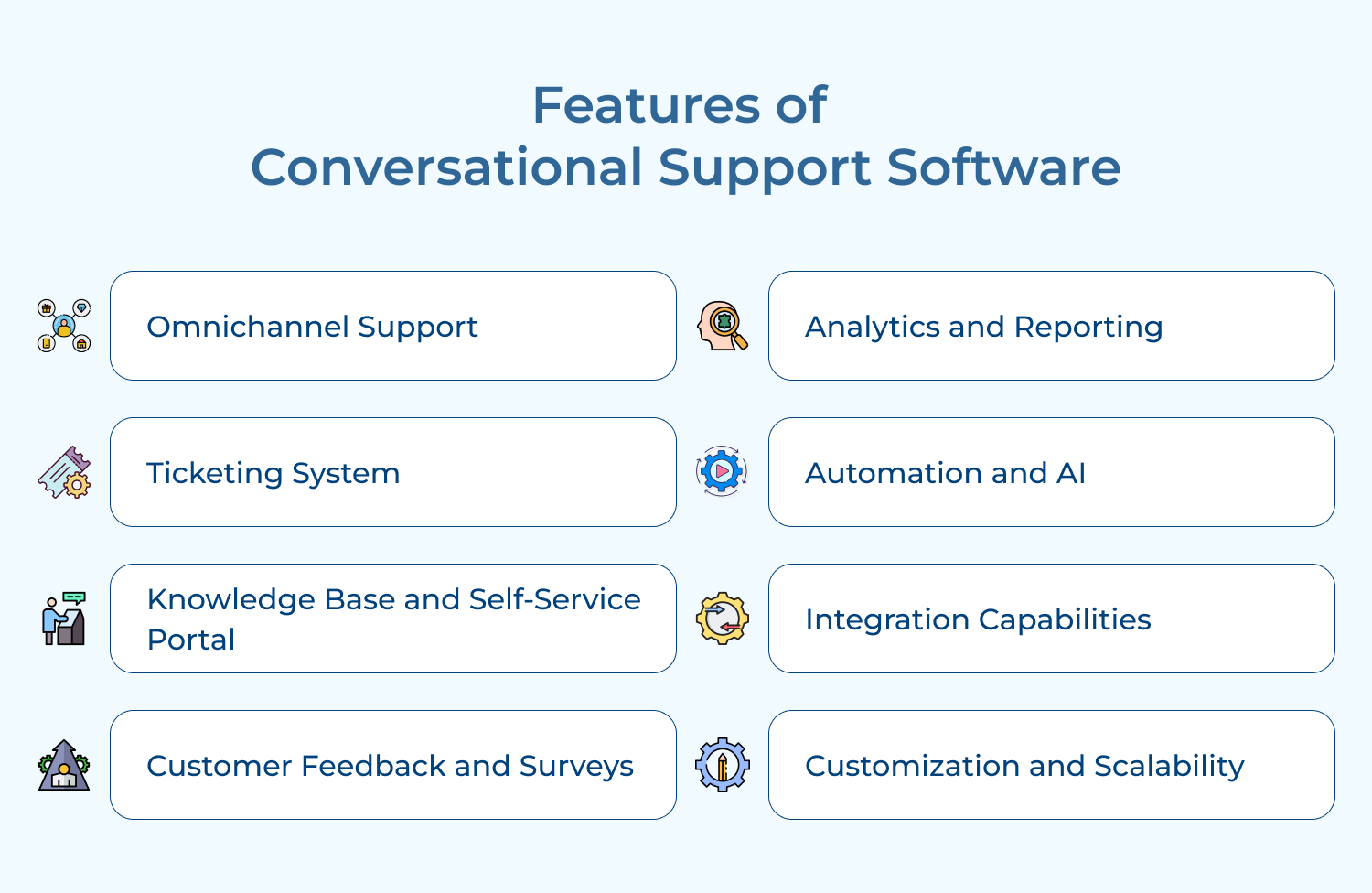
Modern customer satisfaction software must offer omnichannel support capabilities. Omnichannel features allow businesses to manage customer interactions across various channels such as email, phone, chat etc., from a single, unified interface. Omnichannel support enables agents to have a complete view of customer interactions.
A robust ticketing allow for automatic ticket creation from various channels, custom ticket fields, priority levels and status updates. An effective ticketing system helps streamline workflow, reduce response times and ensure that no customer issue falls through the cracks.
A comprehensive knowledge base and self-service portal feature helps in creating FAQs, how-to guides and troubleshooting articles. The self-service portal should be searchable, mobile-friendly and capable of suggesting relevant articles based on customer queries.
The right software must include tools for collecting and analyzing customer feedback. It offers customizable survey templates to send automated surveys after interactions and tools for analyzing feedback data. Net Promoter Score (NPS), Customer Satisfaction (CSAT) and Customer Effort Score (CES) are common metrics that should be supported.
Comprehensive analytics and reporting are essential for tracking key performance indicators (KPIs) as well as to identify improvement areas. The software provides customizable dashboards to generate detailed reports on metrics such as response times, resolution rates, customer satisfaction scores and agent performance.
Automation features, often powered by artificial intelligence, include chatbots for handling common queries, automated ticket routing & prioritization and AI-powered suggestions for agents. Automation enables improved efficiency, reduces response times and allows human agents to focus on more complex issues.
The ability to integrate with other business systems is crucial for creating a seamless customer experience. The software should offer native integrations or APIs to connect with CRM systems, e-commerce platforms and other relevant business applications. It ensures a unified view of the customer across all touchpoints.
Happy customers are more likely to become repeat customers. Deploying the right customer satisfaction tool that can help businesses achieve the goal. Here’s the list of the best ones.
Best customer support platform with strong analytics capabilities
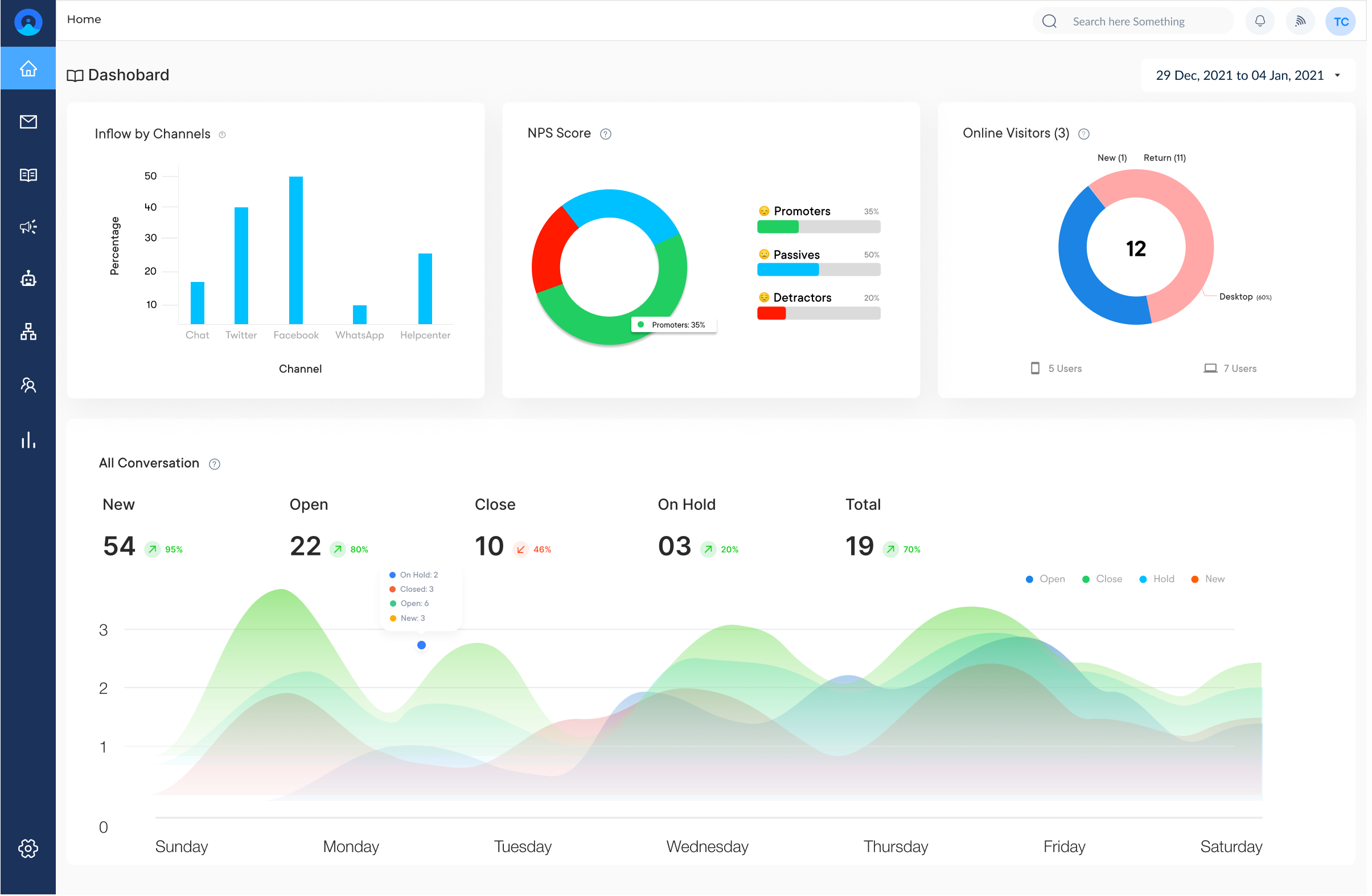
Omni24 is an omnichannel customer engagement platform, combining support, sales and marketing suites into one unified place. It includes an AI-powered chatbot, automated ticketing and a self-service knowledge base across every channel, so customer queries are resolved quickly. Detailed analytics turn every interaction into insight for continuous improvement.
Omni24 can be used across support teams to resolve tickets faster, across sales teams to track satisfaction at deal stages as well as across marketing teams to gauge campaign sentiment. The unified approach enables businesses to catch dissatisfaction early and act on it consistently.
Key features:
Pricing: Omni24’s pricing starts from $29/user/month and goes up to $149/user/month based on the features and add-ons. All plans come with 14 days free trial.
Excellent customer satisfaction platform for team collaboration
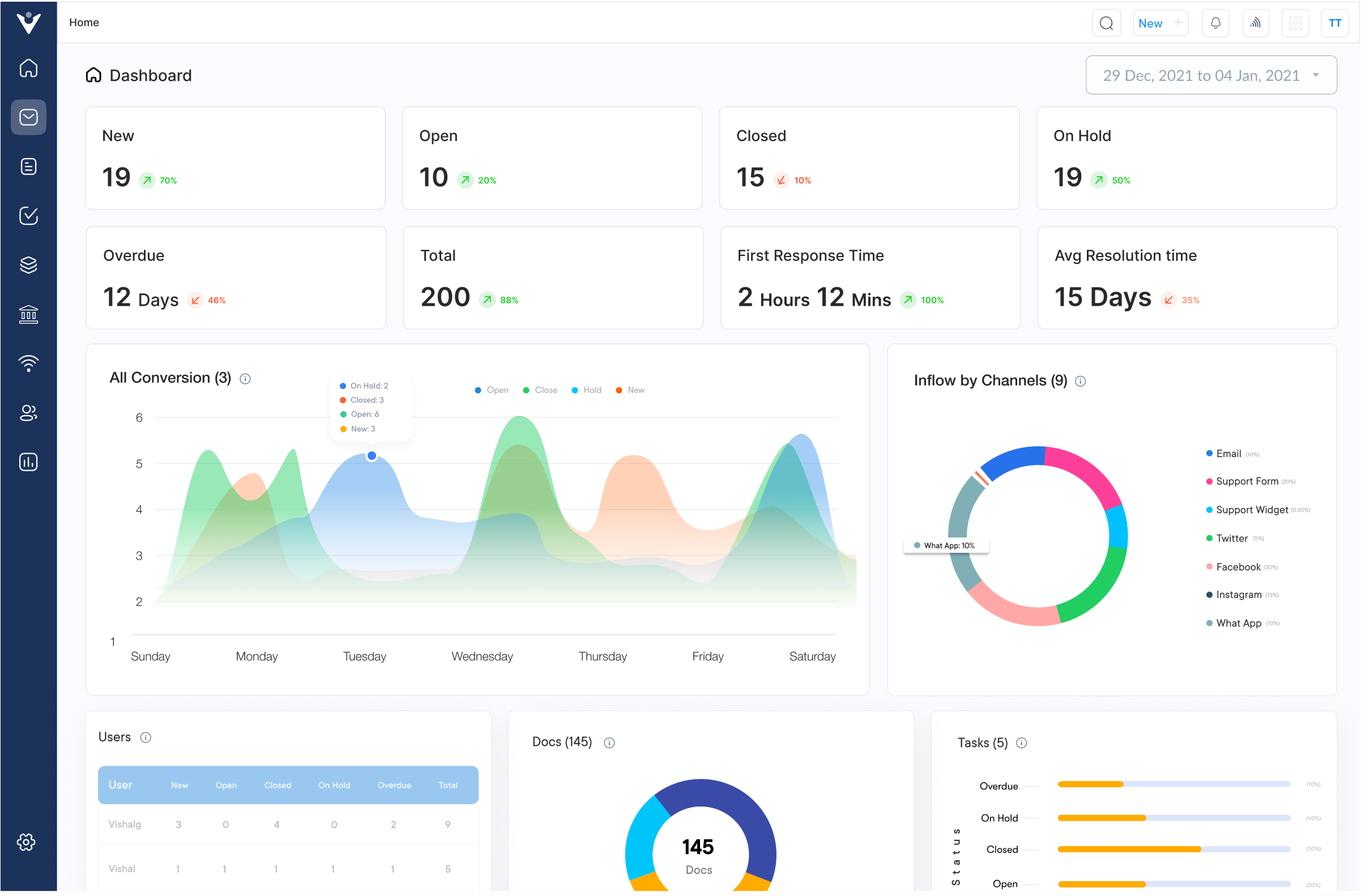
Veemo Survey is a customer satisfaction platform that helps businesses create, distribute and analyze customer feedback at scale. It offers customizable survey templates and multi-channel distribution across email, web and chat, making it easy to collect feedback wherever customers are.
The platform also includes advanced reporting and analytics tools, along with multi-language support, helping businesses uncover trends across diverse customer segments. This combination makes it simple to design targeted surveys and turn responses into real improvements in customer satisfaction.
Key features:
Pricing: Veemo’s pricing plans start from $29/user/month and go up to $129/user/month based on the features and add-ons. The software pricing is also customizable as per business requirements.
Great customer satisfaction tool for all businesses
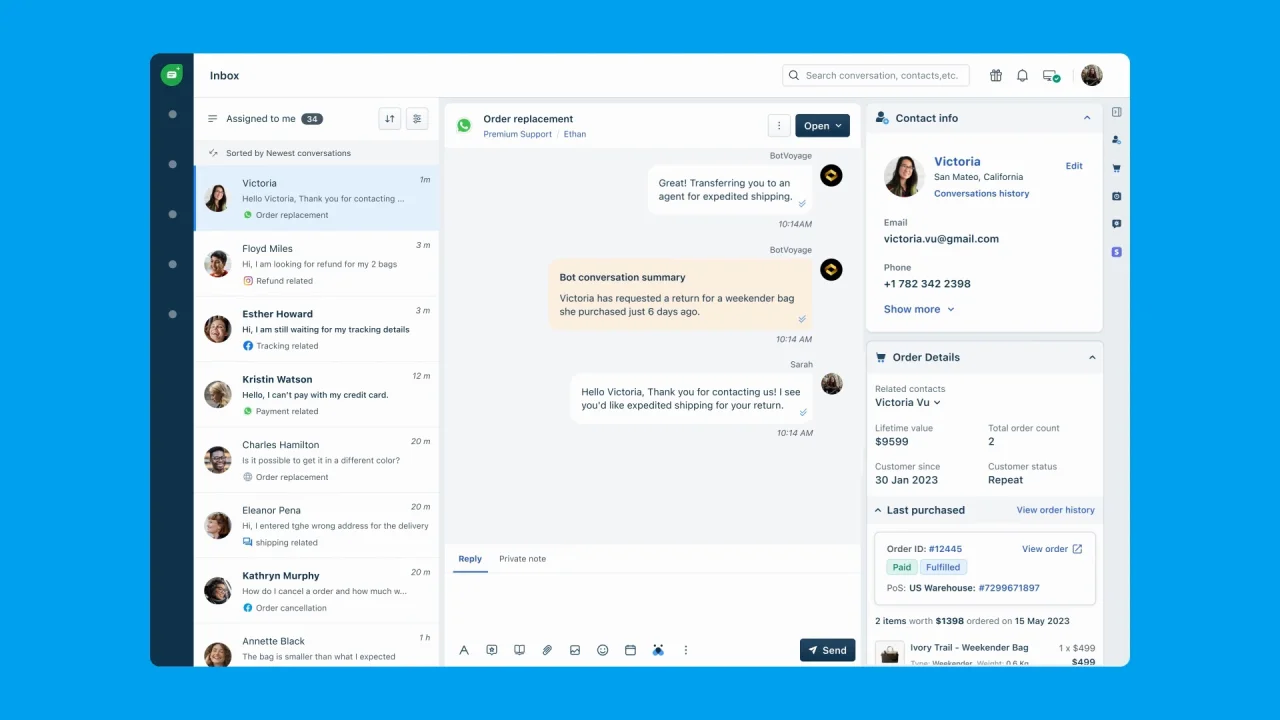
Freshdesk is a user-friendly customer support software suitable for businesses of all sizes.
Key features: Freshdesk provides a robust ticketing system, team collaboration tools, automation capabilities, multi-channel support and a customizable customer portal. It also offers gamification features to motivate support agents.
How does it impact customer satisfaction?
Freshdesk improves satisfaction by streamlining support processes, reducing response times, and offering self-service options. Its collaboration tools ensure consistent, high-quality support across teams.

HubSpot Service Hub is part of HubSpot’s comprehensive CRM platform, focusing on customer service and support.
Key features: It offers a conversational inbox, customer feedback surveys, a knowledge base, reporting dashboards and ticket automation. The platform integrates seamlessly with HubSpot’s marketing and sales tools.
How does it impact customer satisfaction?
Service Hub enhances satisfaction by aligning sales, marketing and service efforts. Its feedback tools help businesses continuously improve, while self-service options reduce resolution times.
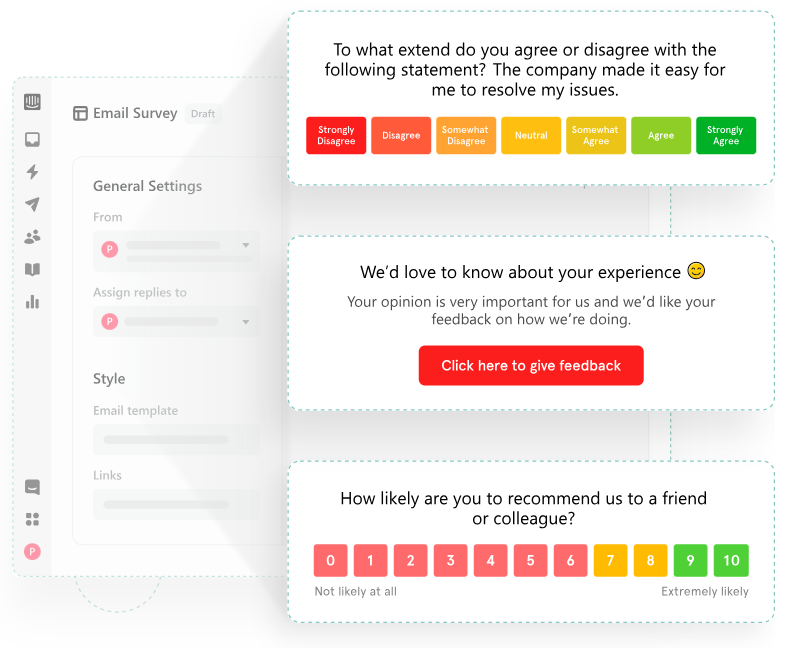
Intercom is a conversational relationship platform that combines customer communication tools with a powerful marketing automation system.
Key features: Intercom offers live chat, chatbots, a knowledge base, customer data platform, and automated workflows. It excels in providing personalized, proactive customer engagement.
How does it impact customer satisfaction?
Intercom boosts satisfaction by enabling real-time, personalized interactions. Its proactive messaging and self-service options help resolve issues quickly, often before customers need to reach out.
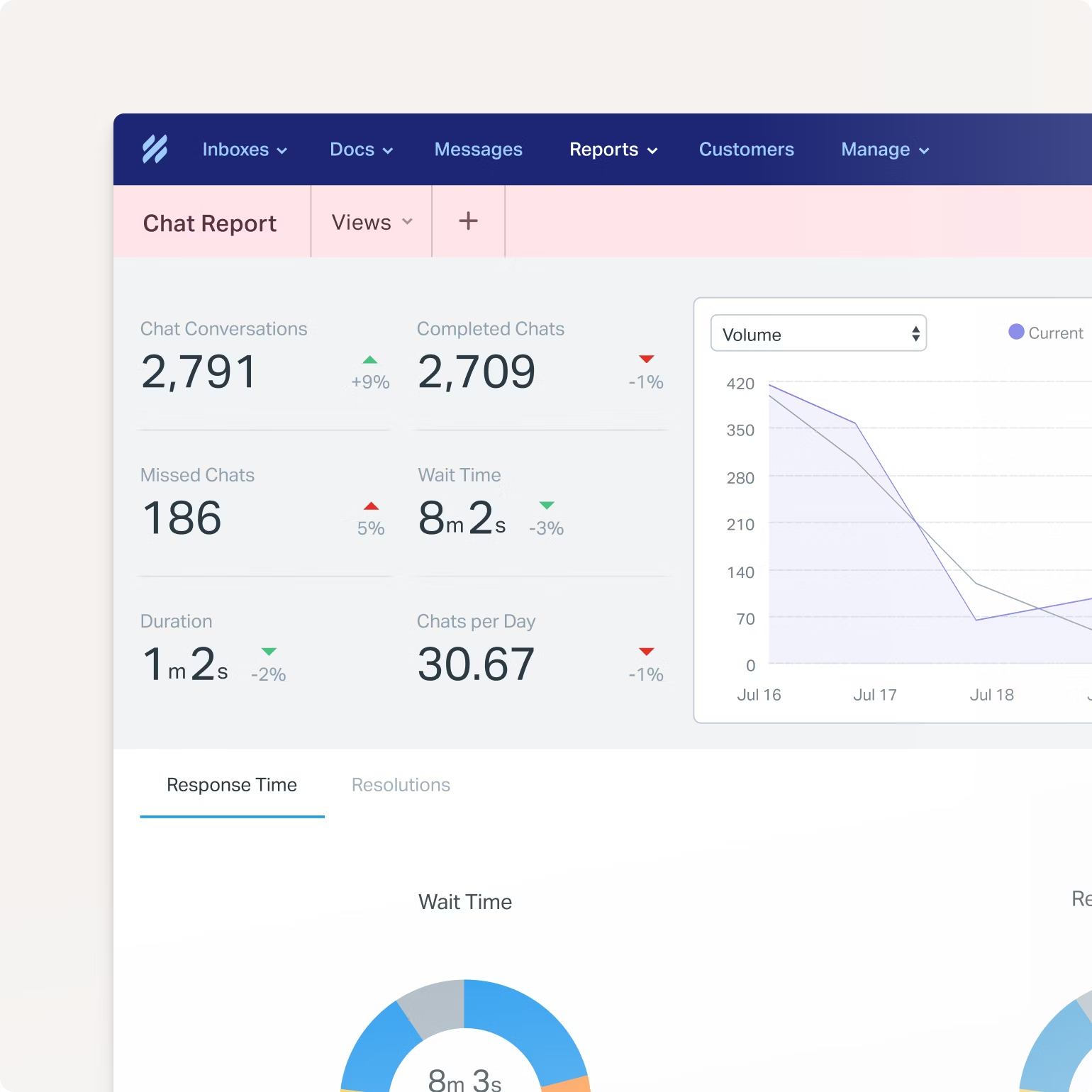
Help Scout is a customer service platform designed to provide a more personal support experience.
Key features: It includes a shared inbox, knowledge base, live chat, reporting tools and customizable workflows. Help Scout focuses on delivering a human touch to customer interactions.
How does it impact customer satisfaction?
Help Scout improves satisfaction by facilitating more personal, empathetic customer interactions. Its efficiency tools help agents provide faster, more accurate responses.
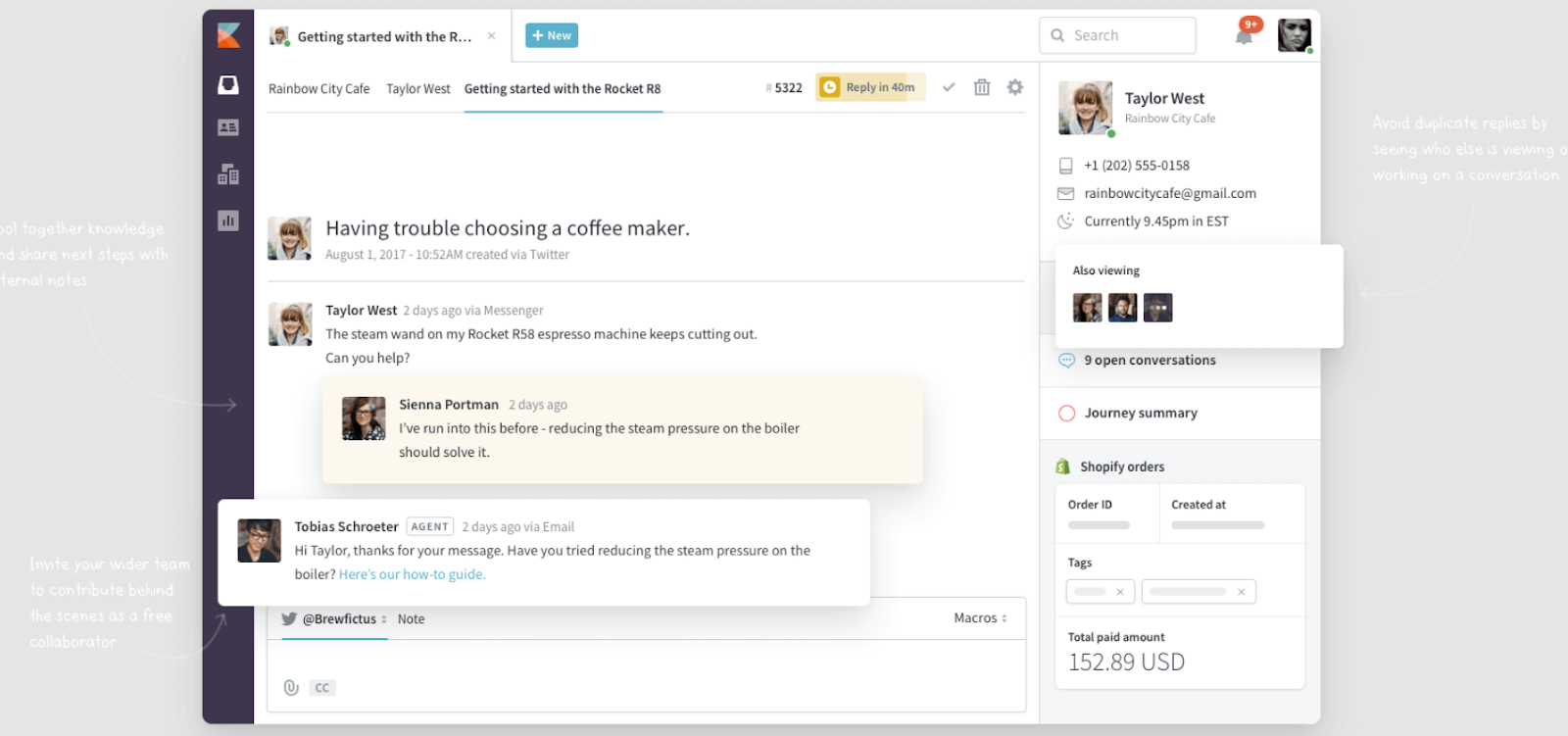
Kayako is a customer service software that aims to provide a unified view of the customer across all touchpoints.
Key features: Kayako offers a unified customer view, multi-channel support, a self-service portal, automation capabilities and comprehensive reporting & analytics.
How does it impact customer satisfaction?
Kayako enhances satisfaction by providing context-rich customer interactions. Its unified view helps agents deliver more personalized, informed support across all channels.

Zoho Desk is a context-aware help desk software that helps businesses deliver efficient, personalized customer support.
Key features: It provides multichannel support, an AI assistant, knowledge base, team collaboration tools and a customizable interface. Zoho Desk integrates well with other Zoho products and third-party applications.
Influence on customer satisfaction: Zoho Desk improves satisfaction by providing context-aware support. Its AI assistant helps agents work more efficiently, while its multichannel capabilities ensure consistent support across all touchpoints.

LiveAgent provides a comprehensive help desk solution that unifies all customer communications in one platform. The software excels in managing multiple communication channels while maintaining quick response times and personalized customer interactions.
Key Features: Universal inbox, real-time chat, video calling, ticketing system, automated ticket distribution, time tracking, customer portal, built-in call center, social media integration, and gamification elements.
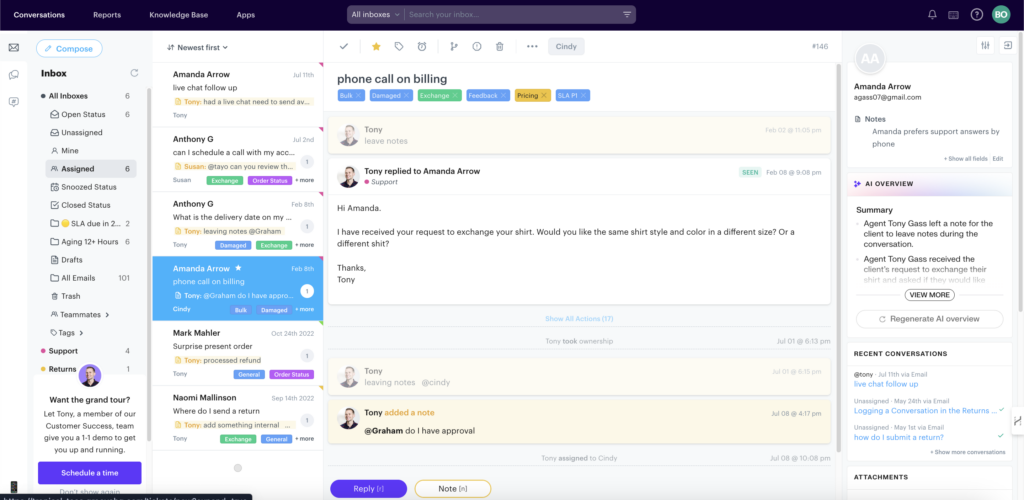
Groove offers a straightforward, intuitive help desk platform designed for small to medium-sized businesses. It focuses on simplicity while delivering powerful customer support features that help teams collaborate effectively.
Key Features: Shared inbox, knowledge base creation, canned replies, custom folders, reporting dashboard, conversation history, API access, mobile support, and integration with popular business tools.
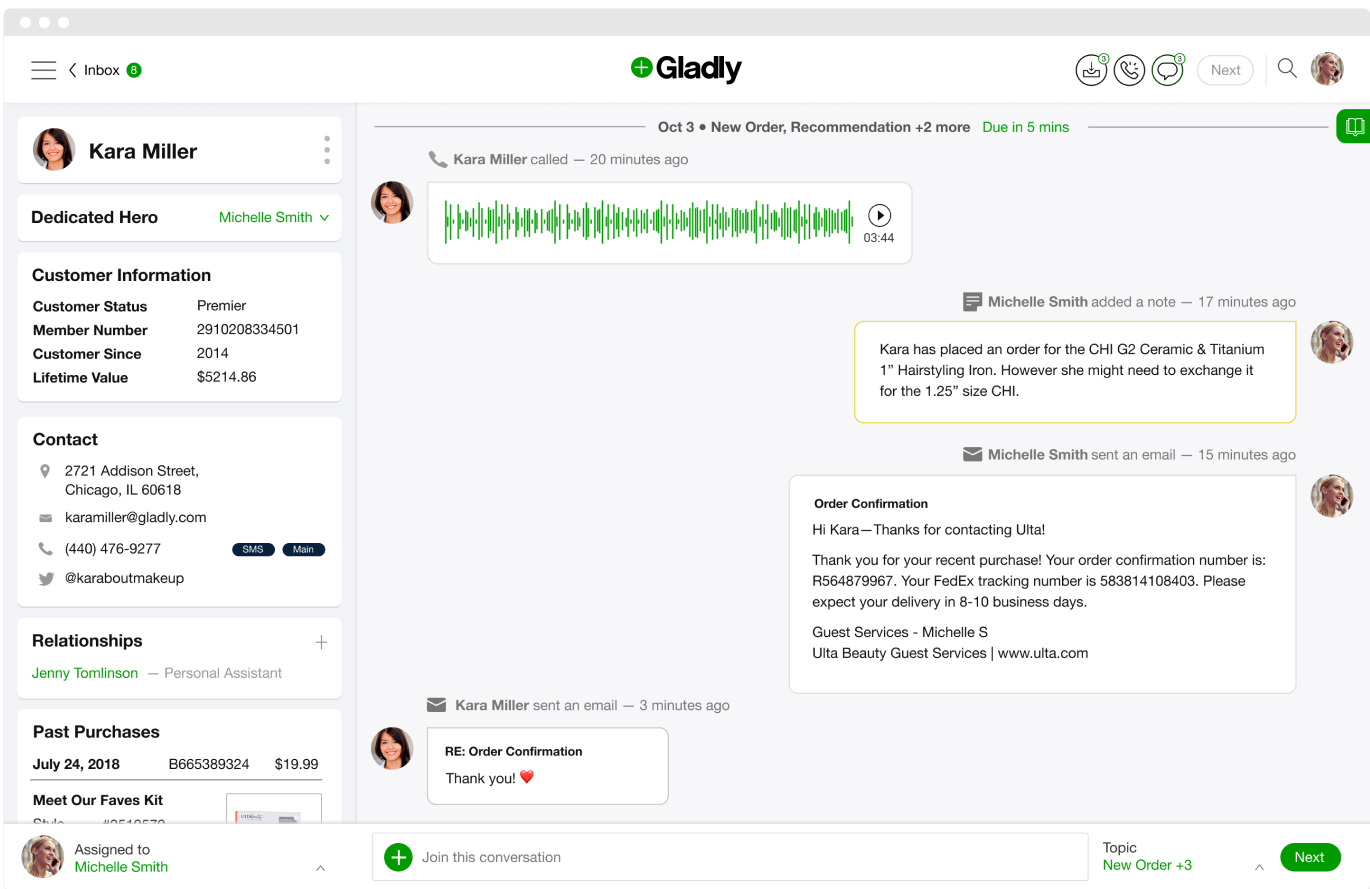
Gladly revolutionizes customer service by organizing conversations around the customer rather than tickets. The people-centered approach enables more natural, continuous conversations across all channels.
Key Features: People-centered platform, lifetime conversation history, voice and SMS support, smart routing, self-service options, task management, analytics dashboard, and seamless channel switching.
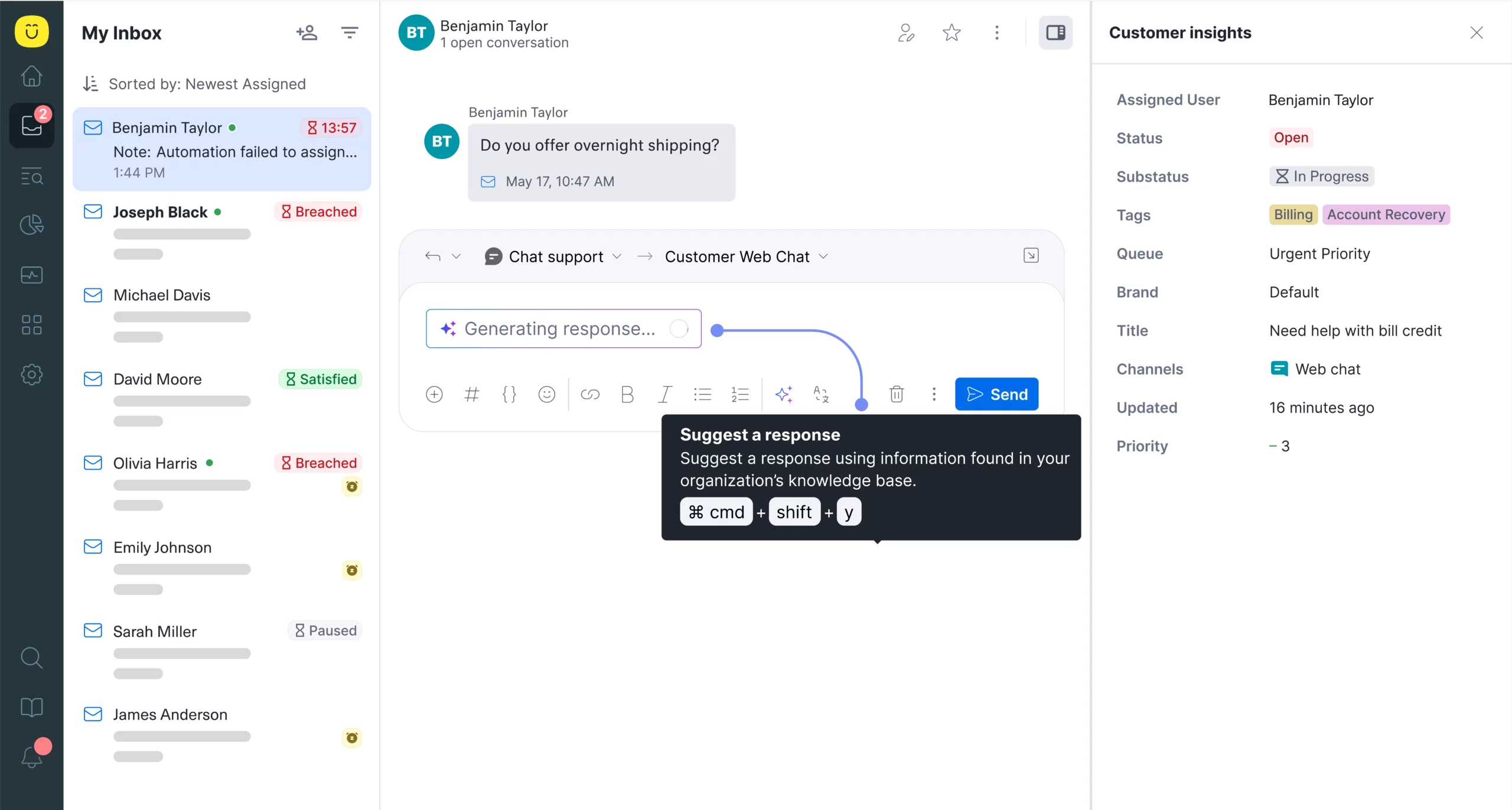
Kustomer offers an AI-powered CRM platform for customer service that provides a holistic view of the customer. It enables agents to deliver personalized support through a single timeline of all customer interactions.
Key Features: Omnichannel support, unified customer timeline, AI-powered automation, custom workflows, sentiment analysis, advanced reporting, enterprise-grade security, and seamless CRM integration.
Read more: Explore our curated list of Kustomer alternatives to discover more customer satisfaction tools.
Businesses are constantly looking for ways to improve their client service and make customers happy. One tool that can help achieve this goal is customer satisfaction software.
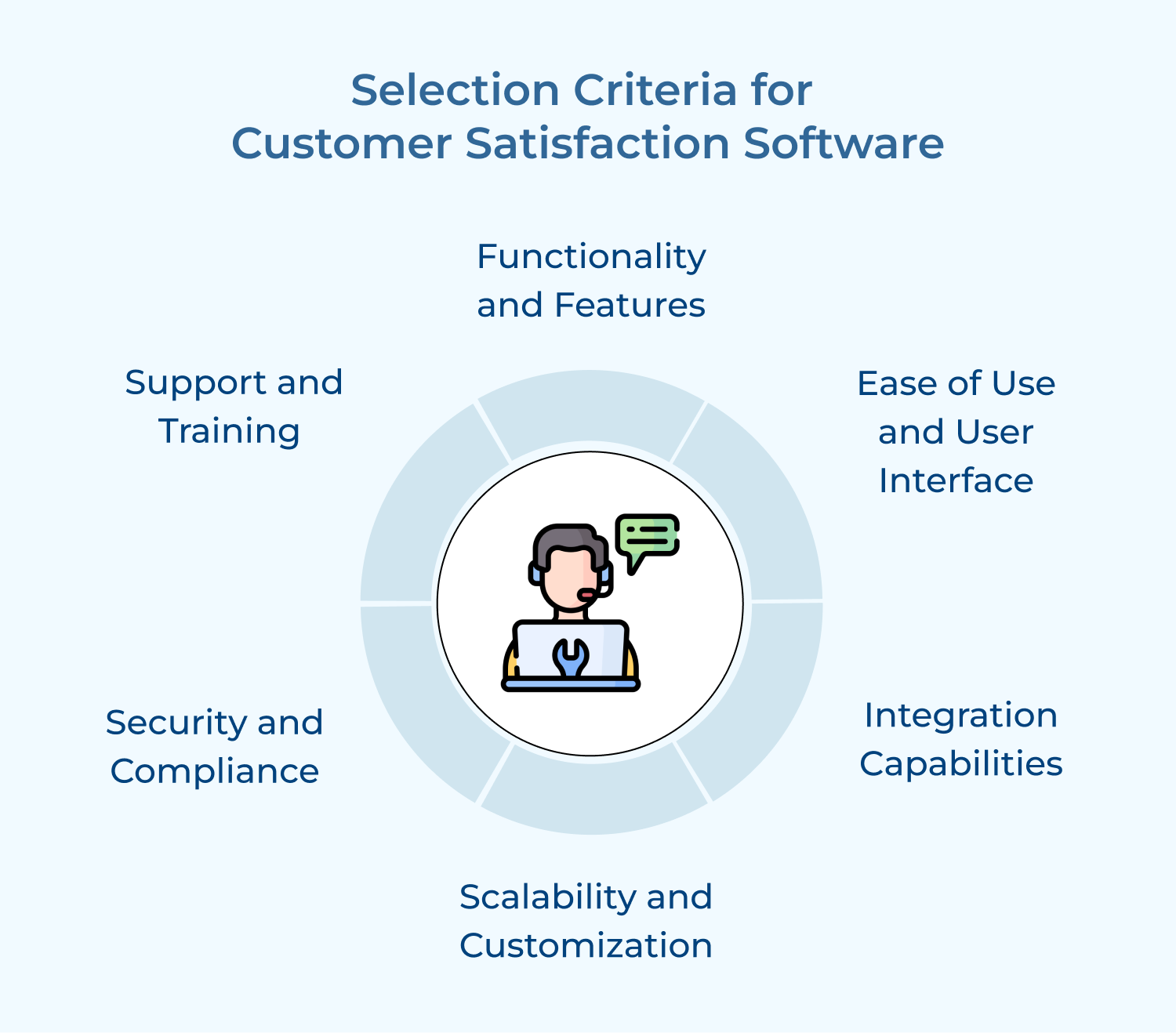
1. Functionality and Features
Assess the software’s core features and how well they align with your business needs. Prioritize software that offers a comprehensive set of features matching your specific requirements. Consider both your current needs and potential future requirements as your business grows.
2. Ease of Use and User Interface
The software should be user-friendly for both your support team and customers. A well-designed interface can significantly impact adoption rates and productivity. If possible, request a demo or trial period to evaluate the user experience firsthand.
3. Integration Capabilities
The ability to integrate with your existing tech stack is crucial. Seamless integration ensures a unified view of customer data and streamlines your overall operations. Consider software that offers: Native integrations with popular business tools (CRM, marketing automation, etc.)
4. Scalability and Customization
Choose software that can grow with your business. Scalable and customizable software allows you to adapt the tool to your changing needs without switching platforms. Evaluate thoughtful prior to investing:
5. Security and Compliance
Given the sensitive nature of customer data, prioritize software with robust security features mentioned below:
Data encryption (in transit and at rest)
Ensure the software meets your industry’s specific security requirements and compliance standards.
6. Support and Training
Consider the level of support and training offered by the software provider. Robust support and training can significantly impact the successful implementation and ongoing use of the software. It should include features as mentioned below:
Customer Satisfaction Software turns customer insights into a strategic advantage. Below are five key benefits it brings to your business.
1. Improved Customer Retention
Identifying dissatisfaction early enable businesses to address issues before customers churn. Proactive resolution keeps customers engaged and loyal, reducing the cost of acquiring new customers to replace those lost to unresolved frustration.
2. Data-Driven Decision Making
Customer Satisfaction Software combines feedback into clear, actionable insights. Businesses can prioritize improvements based on real customer sentiment instead of depending on assumptions to make sure resources are directed toward changes that genuinely impact satisfaction and revenue.
3. Enhanced Brand Reputation
Satisfied customers are more likely to leave positive reviews and recommend your brand. Tracking and acting on feedback strengthens your reputation, helping you stand out in a competitive market where reviews influence purchasing decisions.
4. Increased Customer Lifetime Value
Satisfied customers make repeat purchases and remain open to upsells or new offerings. Customer Satisfaction Software enables you to identify these opportunities while maximizing revenue from existing relationships instead of solely focusing on customer acquisition.
The right customer satisfaction software is the fastest way to turn customer feedback into business growth. Omni24 stands out for teams that want omnichannel feedback collection with real-time analytics and AI-powered automation.
Ready to see it in action? Start your free 14-day trial of Omni24. The best customer satisfaction software does not just collect scores; it drives the decisions that keep customers coming back.
Omni24’s customer engagement platform harnesses automation and AI to deliver unified customer experiences across digital channels, while keeping human touch
Customer Satisfaction Software works by collecting feedback from customers through surveys, reviews and other feedback channels. This feedback is then analyzed to identify trends, insights, and areas for improvement. Businesses can use this information to make data-driven decisions and take action to enhance customer satisfaction.
Investing in a customer satisfaction platform helps you understand customers’ sentiment about your products or services, so you can identify areas for improvement. It turns customer feedback into a measurable business asset for helping you act before issues affect retention or loyalty.
The right Software depends on your budget, business size and required features, such as survey options, analytics as well as reporting. Seamless Integration capabilities with existing tools and reliable customer support also matter, so compare options carefully to identify the best fit for your goals.
To implement Customer Satisfaction Software in your organization, start by defining your goals and objectives for using the software. Train your team on how to use the software effectively, choose the right feedback channels to gather customer feedback.. Regularly review the results to track progress and make adjustments as needed.
Some common challenges when using Customer Satisfaction Software include low response rates from customers, difficulty interpreting feedback data, implementing changes based on feedback and ensuring that the software integrates seamlessly with other tools in your organization. Overcoming these challenges requires effective communication, a commitment to customer satisfaction and a willingness to adapt.
Businesses of all sizes and industries can benefit from Customer Satisfaction Software. Whether you’re a small start-up or a large enterprise, understanding your customers’ needs, preferences, and feedback is essential for success. Retailers, e-commerce businesses, service providers and B2B companies can all benefit from using Customer Satisfaction Software to enhance customer relationships.
 https://omni24.io/wp-content/uploads/2026/08/AI-Customer-Service-Agents.png
1256
2400
Webvision Solution
https://omni24.io/wp-content/uploads/2023/04/Omni-Logo-1.svg
Webvision Solution2026-09-21 04:48:512026-09-21 04:48:51How to Build an AI Customer Service Agents: 8 Key Steps
https://omni24.io/wp-content/uploads/2026/08/AI-Customer-Service-Agents.png
1256
2400
Webvision Solution
https://omni24.io/wp-content/uploads/2023/04/Omni-Logo-1.svg
Webvision Solution2026-09-21 04:48:512026-09-21 04:48:51How to Build an AI Customer Service Agents: 8 Key Steps https://omni24.io/wp-content/uploads/2026/08/Omnichannel-Conversational-AI.png
1256
2400
Tushar Joshi
https://omni24.io/wp-content/uploads/2023/04/Omni-Logo-1.svg
Tushar Joshi2026-09-16 03:51:072026-09-16 03:51:07How to Build Omnichannel Conversational AI Strategy
https://omni24.io/wp-content/uploads/2026/08/Omnichannel-Conversational-AI.png
1256
2400
Tushar Joshi
https://omni24.io/wp-content/uploads/2023/04/Omni-Logo-1.svg
Tushar Joshi2026-09-16 03:51:072026-09-16 03:51:07How to Build Omnichannel Conversational AI Strategy https://omni24.io/wp-content/uploads/2026/08/Customer-Service-Teams.png
1256
2400
Tushar Joshi
https://omni24.io/wp-content/uploads/2023/04/Omni-Logo-1.svg
Tushar Joshi2026-09-15 04:01:522026-09-15 04:02:16How to Build Customer Service Teams: 6 Key Steps
https://omni24.io/wp-content/uploads/2026/08/Customer-Service-Teams.png
1256
2400
Tushar Joshi
https://omni24.io/wp-content/uploads/2023/04/Omni-Logo-1.svg
Tushar Joshi2026-09-15 04:01:522026-09-15 04:02:16How to Build Customer Service Teams: 6 Key Steps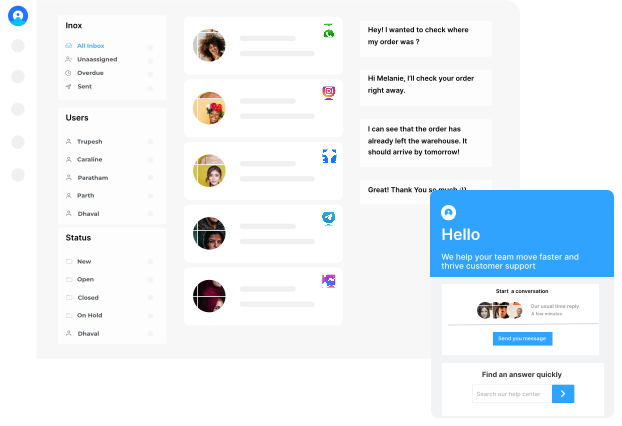
Whether it’s about acquire, engage or support – Omni24 covers all your customer engagement needs in one complete platform.

Copyright ©2026 Veemo All rights reserved.
CA, Los Angeles, Hall Ave, 19011