How to Improve Retail Customer Engagement: 6 Proven Strategies
Retail customer engagement strengthens relationships, boosts loyalty, increases satisfaction and drives repeat sales and long‑term value.
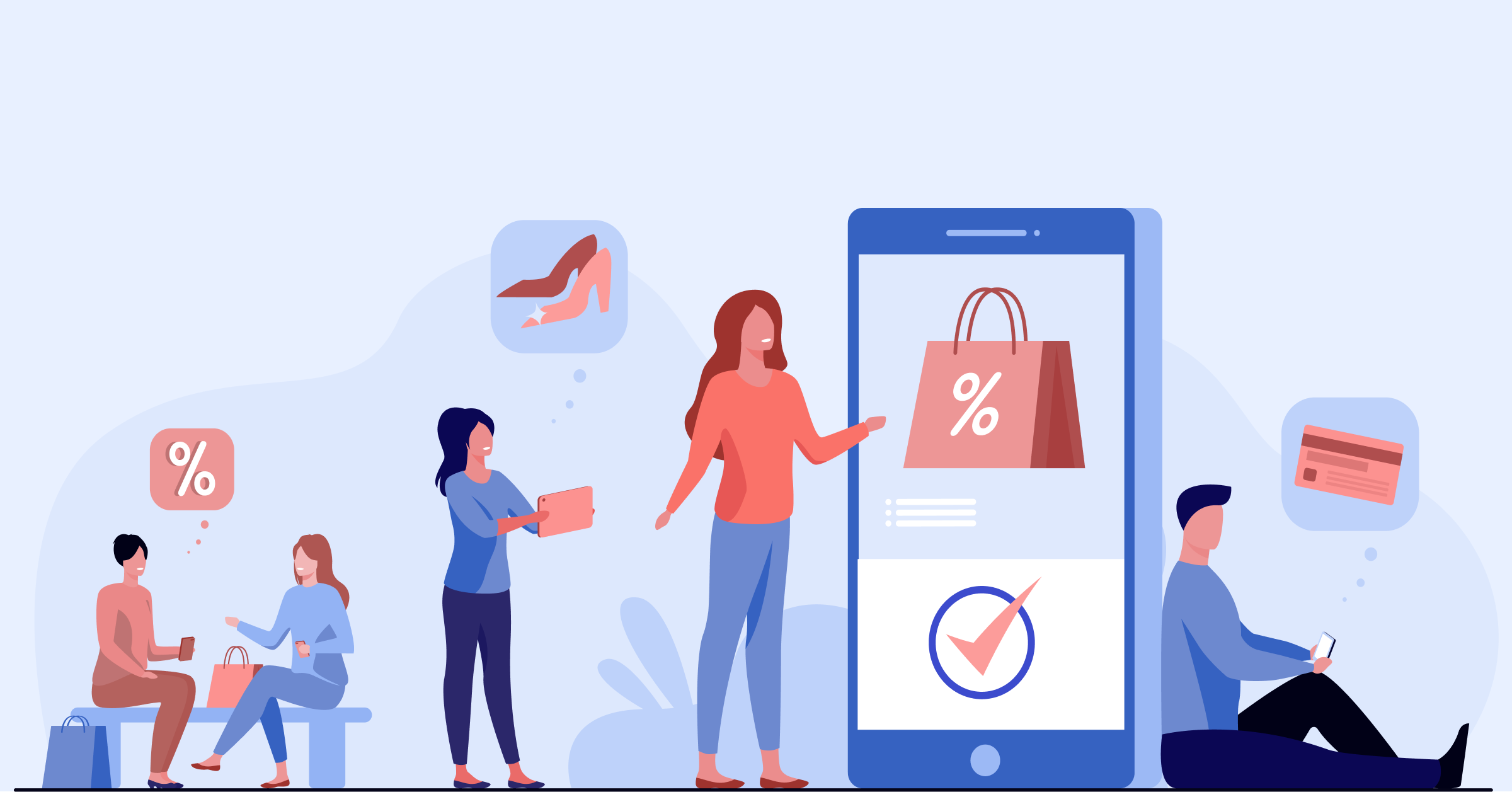
Retail customer engagement strengthens relationships, boosts loyalty, increases satisfaction and drives repeat sales and long‑term value.
The hyper competitive age of ever-evolving consumer preferences raises the struggle for the traditional retail models to keep up. Customers demand personalized and engaging interactions with brands.
84% of shoppers expect a seamless shopping experience across a retailer’s app, website, and physical store. Effective retail customer engagement strategies hold the key to unlocking long-term loyalty, sustained growth and a competitive edge.
Let us explore the latest trends, best practices and real-world examples of innovative retail customer engagement strategies. Learn about how to create unforgettable shopping experiences that keep customers coming back for more.
Retail customer engagement refers to the interactions between any retail business with its customers that establish a connection and drive repeat sales. Customer engagement is about forming a relationship with customers that goes beyond simply purchasing products or services. It is about creating a positive experience that keeps customers coming back for more.
Modern consumers expect more than just products—they seek memorable experiences and meaningful interactions. Retailers achieve this by leveraging omnichannel strategies, real-time support tools like live chat and advanced technologies. A well-executed engagement strategy not only drives sales but also builds a strong foundation for lasting customer relationships.
Key objectives:
Retail customer engagement helps in building strong relationships with customers, retailers can not only increase sales but also create loyal customers who will continue to support their brand.
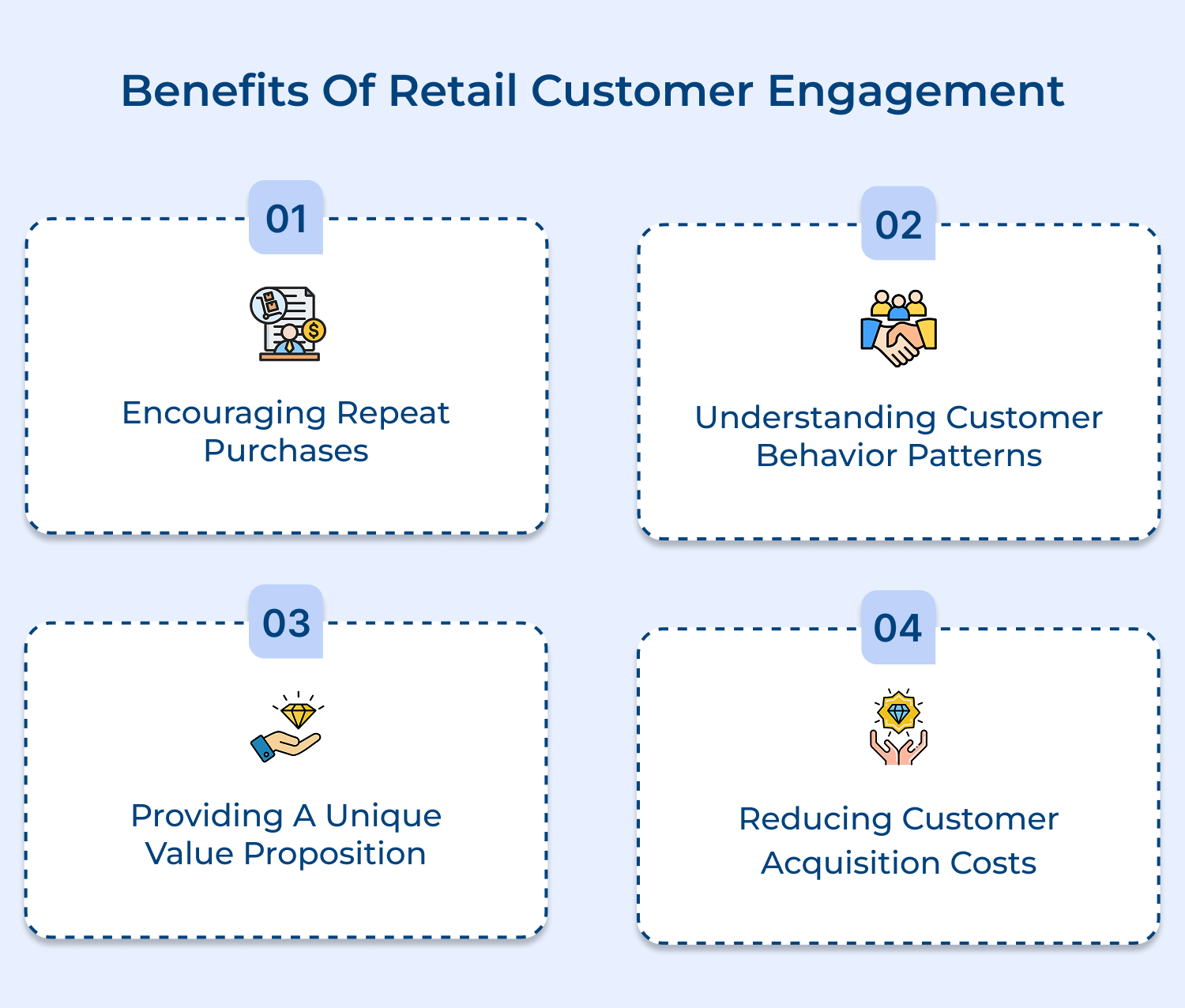
Customer engagement has become a critical factor for success. Fostering meaningful connections with customers, retailers can build lasting relationships and increase revenue.
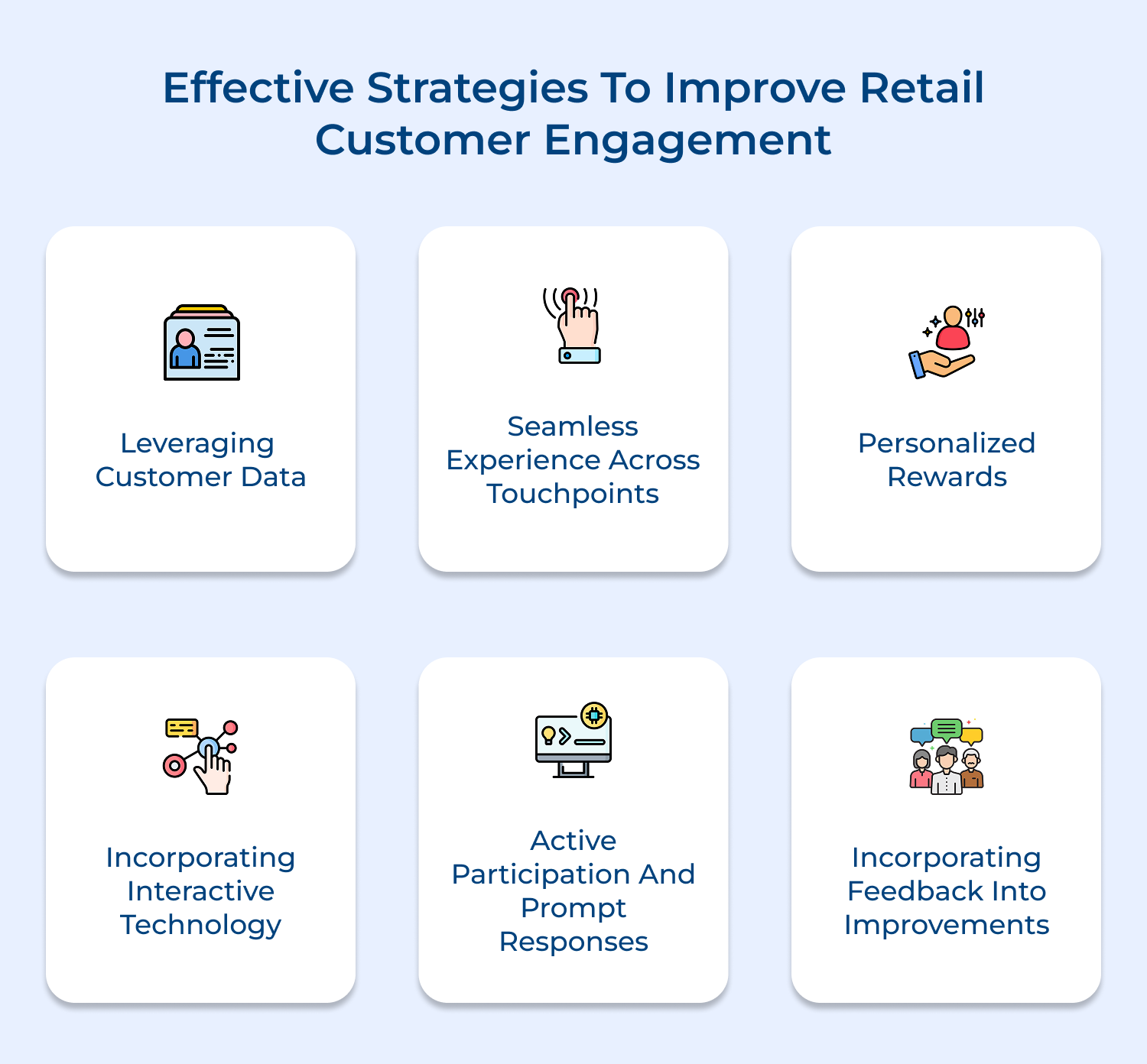
Harnessing the power of customer data is crucial for delivering personalized and relevant experiences. Leveraging data, retailers can tailor their interactions and offers to meet the specific needs of individual customers, significantly enhancing customer engagement.
Key ways to achieve this
Customers expect a consistent experience across all touchpoints, including brick-and-mortar stores, e-commerce platforms, mobile apps and social media channels. Omnichannel integration is key to achieving this seamless experience and enhancing customer engagement.
Key ways to achieve this:
Implementing a well-structured loyalty program with personalized rewards can be a powerful tool for improving customer engagement.
Retailers should offer attractive incentives and rewards tailored to individual customers’ preferences and shopping behavior, building a sense of recognition.
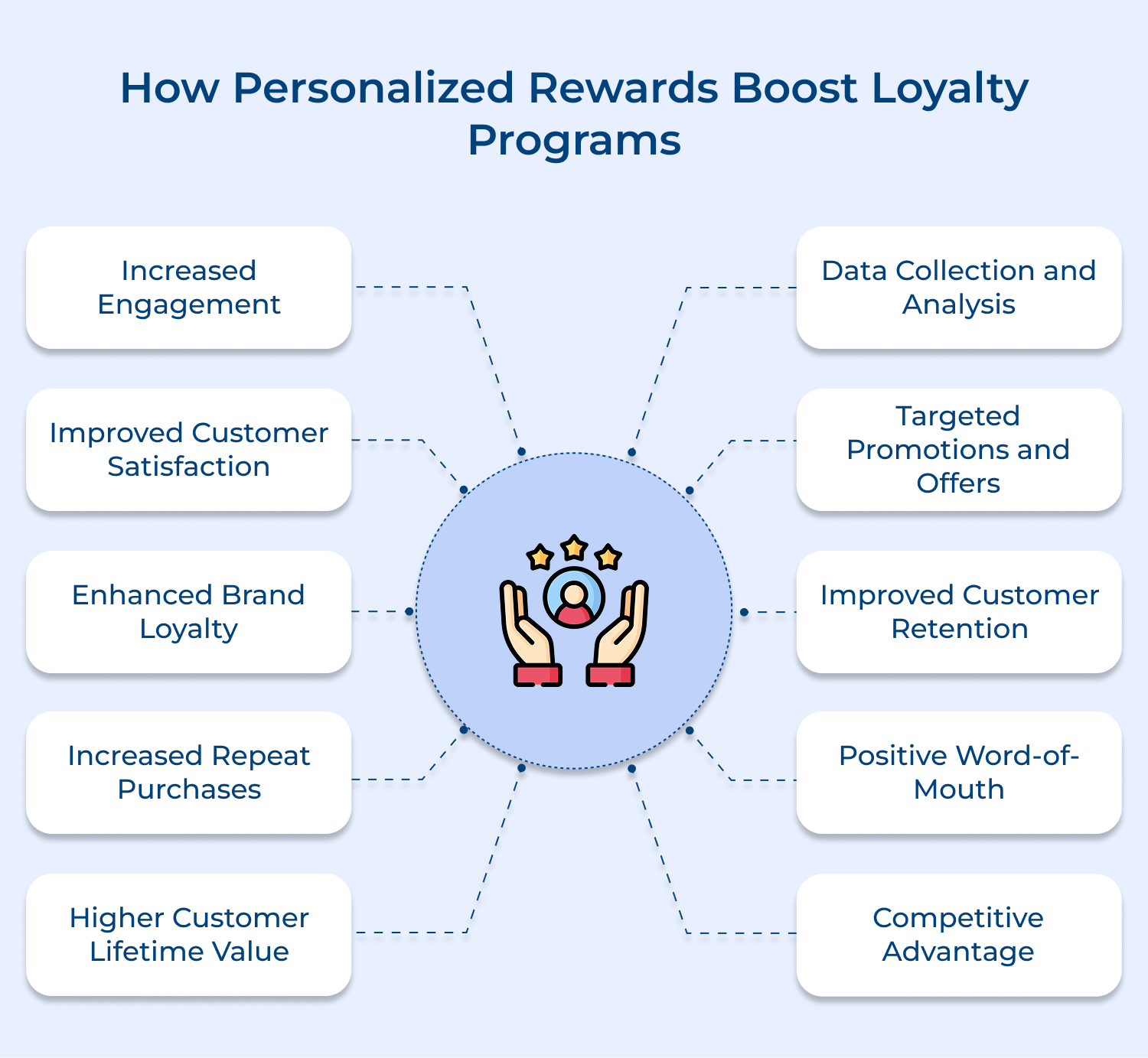
Key ways to achieve this:
Leveraging interactive technology can create immersive in-store experiences for customers, fostering engagement and memorable experiences. Incorporate augmented reality (AR), virtual reality (VR) and smart mirrors to enable virtual try-ons, product visualizations as well as personalized recommendations.
Key ways to achieve this:
Social media has become a crucial platform for customer engagement and should actively participate in social conversations and respond promptly to customer inquiries.
Key ways to achieve this:
Actively soliciting customer feedback and incorporating it into product development, service improvements or operational processes can significantly enhance customer engagement by demonstrating a commitment to listening to customers and continuously improving their experiences.
Key ways to achieve it:
Engaging with customers is crucial in today’s market. Innovative strategies help attract new buyers, retain loyal ones, and boost both sales and brand loyalty.
Macy’s has implemented in-store pickup lockers for online orders, offering a convenient and contactless pickup option for customers. They have introduced virtual reality (VR) experiences in select stores, allowing customers to virtually explore before making a purchase.
Practices to follow from Macy’s:
Burberry has integrated social media into their retail experience by allowing customers to share their in-store looks on social media platforms and see their images displayed on large screens throughout the store. They also use social media to engage with customers, share behind-the-scenes content and promote new product launches.
Best practices to learn from Burberry
Sephora’s loyalty program, Beauty Insider, offers personalized rewards, exclusive events and birthday gifts tailored to each customer’s preferences or purchase history.
Here are few best practices to consider
The retail experience is being redefined through engagement with customers. By creating interactive experiences, retailers can connect with consumers on a deeper level and build lasting relationships.
Through the use of technology and innovative strategies, retailers can enhance the shopping experience. It is important for retailers to adapt and evolve in order to meet the changing demands of consumers. By focusing on engagement, retailers can differentiate themselves in a competitive market and create a memorable shopping experience for their customers.

Why is customer engagement crucial for retail businesses?
Customer engagement is crucial for retail businesses because it helps to build a strong relationship with customers. Engaged customers are more likely to make repeat purchases, refer friends or family and interact with the brand on social media.
How can retailers leverage social media for customer engagement?
Social media is a powerful tool for retailers looking to engage with customers. By creating compelling content, responding to customer inquiries and running targeted ad campaigns, retailers can build a strong online presence. Social media also allows retailers to gather valuable feedback, insights & data that can inform future marketing strategies and improve the overall customer experience.
How important is personalization in retail customer engagement?
Personalization is crucial in retail customer engagement because it helps to create a more personalized and relevant shopping experience for customers. By using customer data and insights, retailers can tailor marketing messages, product recommendations and promotions to meet the individual needs and preferences of each customer. Personalization can help to build trust, drive sales and enhance the overall customer experience.
How can retailers measure the success of their customer engagement efforts?
Retailers can measure the success of their customer engagement efforts by tracking key metrics such as customer satisfaction, customer loyalty, customer retention and sales conversions. By analyzing these metrics, retailers can identify which strategies are working well and which ones need to be improved. Retailers can also use customer feedback, surveys and analytics tools to gather valuable insights and make data-driven decisions to enhance their customer engagement efforts.
 https://omni24.io/wp-content/uploads/2026/09/Social-commerce-scaled.png
1340
2560
Webvision Solution
https://omni24.io/wp-content/uploads/2023/04/Omni-Logo-1.svg
Webvision Solution2026-10-23 12:18:272026-10-23 12:18:27What is Social Commerce and Why Does It Matter?
 https://omni24.io/wp-content/uploads/2026/08/AI-Customer-Service-Agents.png
1256
2400
Webvision Solution
https://omni24.io/wp-content/uploads/2023/04/Omni-Logo-1.svg
Webvision Solution2026-09-21 04:48:512026-09-21 04:48:51How to Build an AI Customer Service Agents: 8 Key Steps
 https://omni24.io/wp-content/uploads/2026/08/Omnichannel-Conversational-AI.png
1256
2400
Tushar Joshi
https://omni24.io/wp-content/uploads/2023/04/Omni-Logo-1.svg
Tushar Joshi2026-09-16 03:51:072026-09-16 03:51:07How to Build Omnichannel Conversational AI Strategy

Whether it’s about acquire, engage or support – Omni24 covers all your customer engagement needs in one complete platform.

Copyright ©2026 Veemo All rights reserved.
CA, Los Angeles, Hall Ave, 19011