Conversational AI vs Generative AI: What is the Difference?
Conversational AI vs Generative AI: both help business; evaluate needs, understand differences and use the right technology.
Conversational AI vs Generative AI: both help business; evaluate needs, understand differences and use the right technology.
Are you wondering how to take your business to the next level by deploying the latest technologies? Generative and conversational AI are the advanced technologies unlocking new opportunities and revolutionizing the way you interact with customers.
The hellotars research says, “The conversational AI market is projected to grow from $6.8 billion in 2022 to $18.4 billion by 2026, reflecting a compound annual growth rate (CAGR) of 22.5%. The Generative AI market is expected to reach $110.8 billion by 2030, growing at a CAGR of 34.3% during the same period.”
Both Generative and Conversational AI have the potential to transform customer experiences, streamline workflows, and drive growth for your organization.
Let’s dive into how you can leverage these technologies to unlock new opportunities and propel your business forward.
Conversational AI, also known as chatbots, virtual assistants, or smart speakers, is an advanced technology that allows computers to simulate natural conversations with users. These AI-powered systems can understand and respond to human language in a way that feels like communicating with a real person.
The goal of conversational AI is to provide users with a seamless and personalized experience. Whether it’s through text chat or voice commands, conversational AI aims to make communication with technology more efficient, intuitive, and user-friendly.
Key features:
Generative AI, also known as generative adversarial networks (GANs), is a subset of artificial intelligence that involves the creation of new content, such as images, videos, text, and more. The technology uses two neural networks, a generator and a discriminator, that work together to produce realistic and original content.
The goal of generative AI is to generate data that is indistinguishable from data created by humans. It can be achieved by training the neural networks on a large dataset of examples so they can learn to generate new content that is similar in style and quality to the training data.
Key features:
Conversational AI vs Generative AI both fall under the umbrella of AI. There are some key differences between the two.
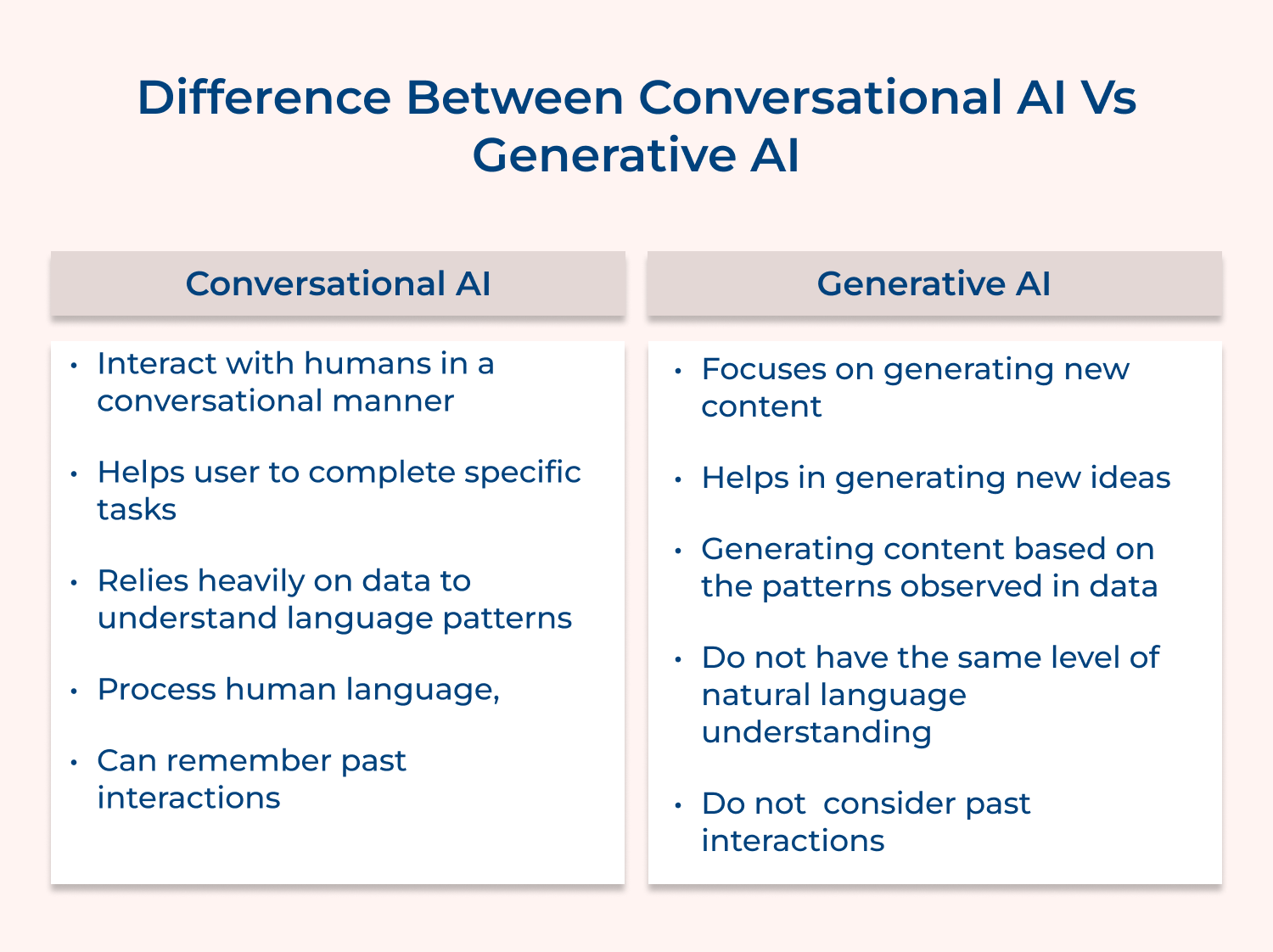
Conversational AI is designed to interact with humans in a natural, conversational manner. Think of chatbots or virtual assistants like Siri or Alexa. They are programmed to understand and respond to human language, making it easier for users to communicate with them.
Generative AI focuses on generating new content, such as text, images, or music without the need for direct human interaction.
Conversational AI is typically task-oriented, meaning it is designed to help users complete specific tasks or answer questions. For example, a chatbot for a customer service department may be programmed to assist customers with troubleshooting or placing orders.
Generative AI, on the other hand, is not task-oriented and is more focused on creating content or generating new ideas.
Conversational AI relies heavily on data to understand language patterns and provide accurate responses to users. It learns from past interactions and continuously improves its responses based on new data inputs.
Generative AI also uses data, but it is more focused on generating new content based on the patterns and styles it has learned from the data.
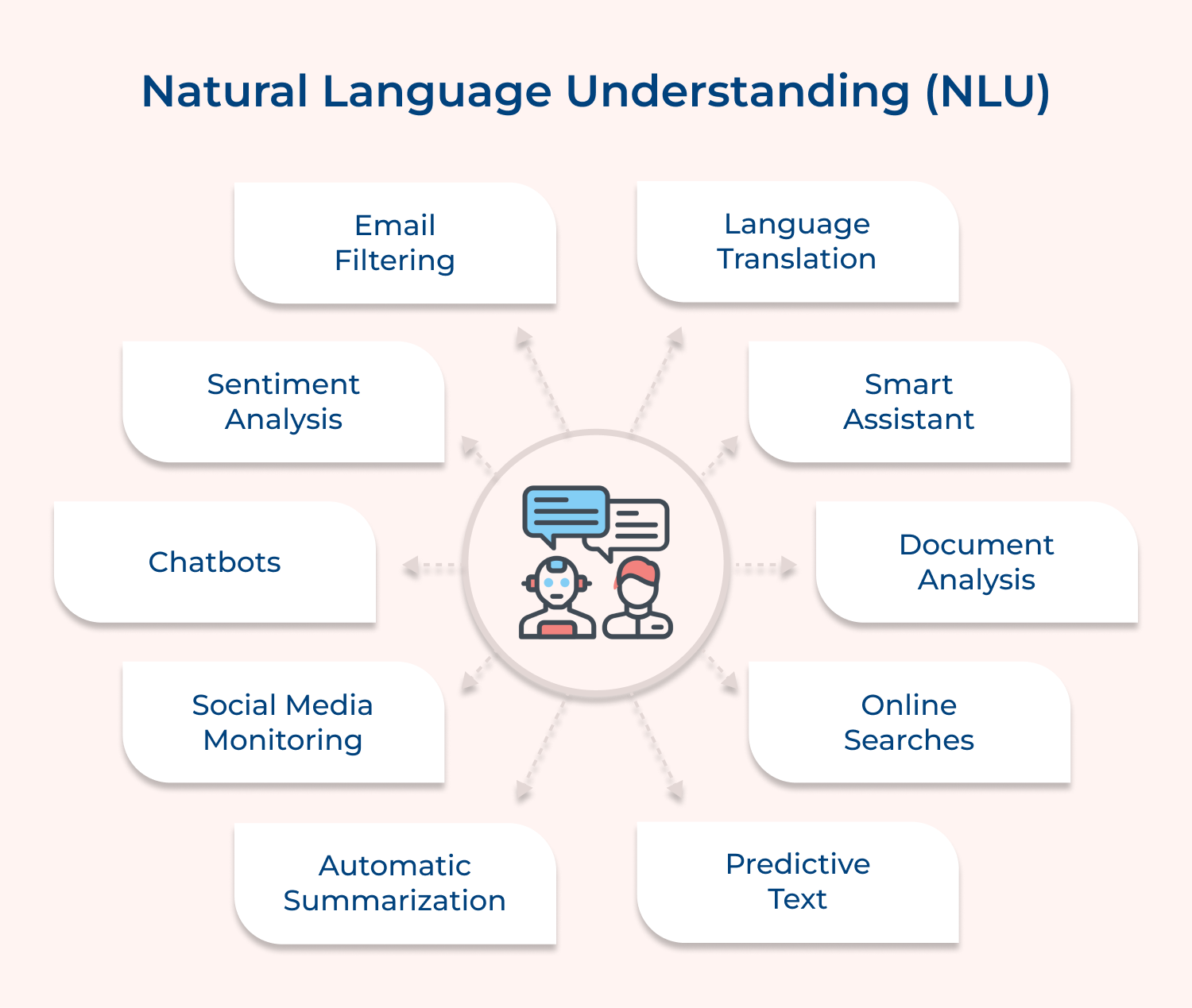
Conversational AI is designed to understand and process human language, including slang, colloquialisms, and variations in speech. It uses natural language processing (NLP) techniques to interpret and respond to user queries.
Generative AI may not have the same level of natural language understanding and may focus more on generating content based on patterns in the data it has been trained on.
Conversational AI is equipped with context awareness, meaning it can remember past interactions and use that information to provide more personalized responses to users. For example, a virtual assistant can remember a user’s preferences and tailor its responses accordingly. Generative AI may not have the same level of context awareness and may generate content without considering past interactions.
Conversational AI is commonly used in customer service, healthcare, and marketing, where human interaction is important for delivering personalized services. Generative AI is often used in content creation, such as generating news articles, creative writing, or even generating art.
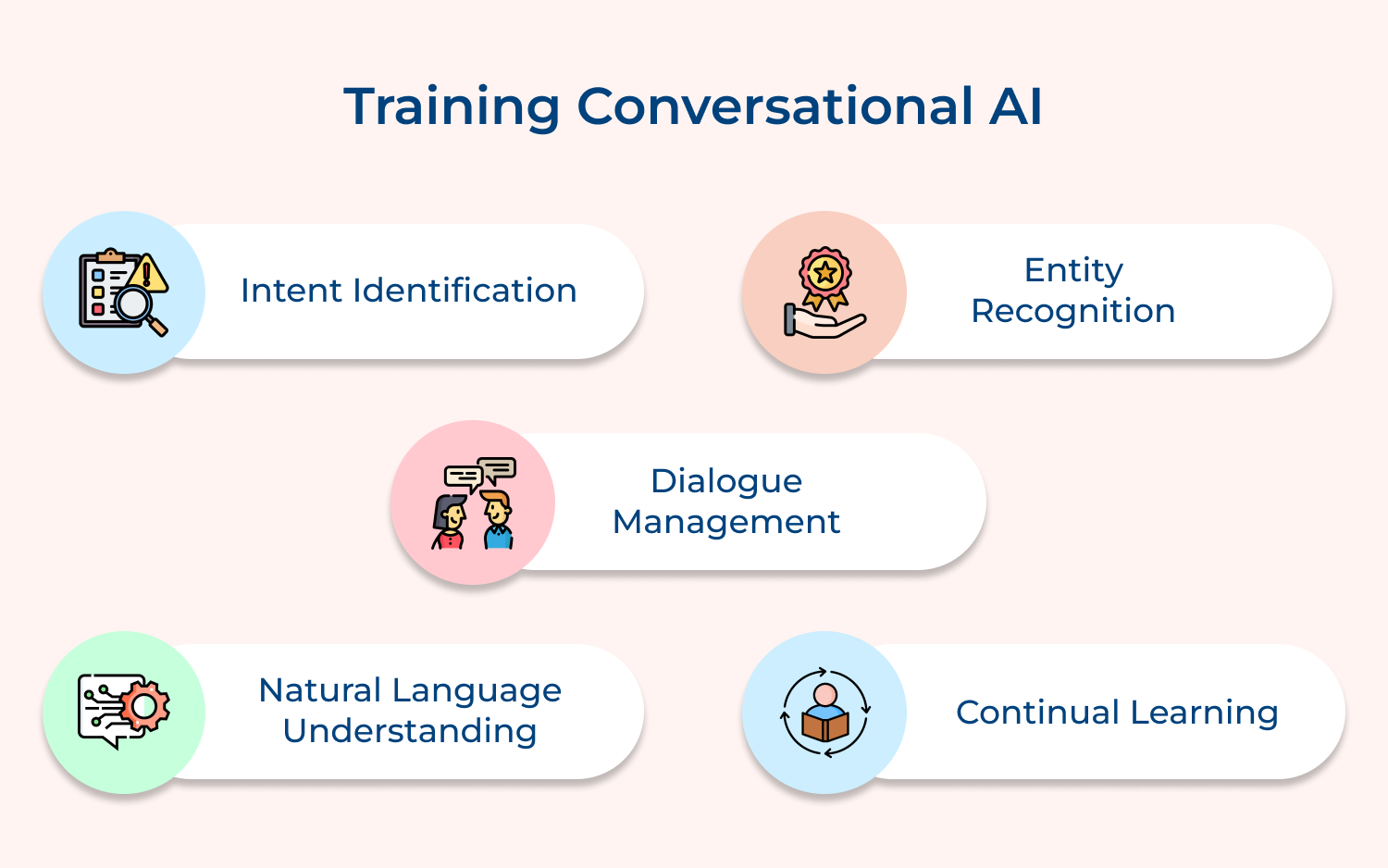
Training generative AI and conversational AI involves several steps that are crucial for developing these advanced artificial intelligence models. It involves several steps to ensure that it produces relevant output.
Conversational AI, is a type of AI that enables computers to engage in natural language conversations with users. Training a conversational AI system involves a different set of steps compared to generative AI.
Conversational AI is a technology that enables machines to interact with human language in a natural way. Businesses look for ways to improve their customer service and streamline their operations.
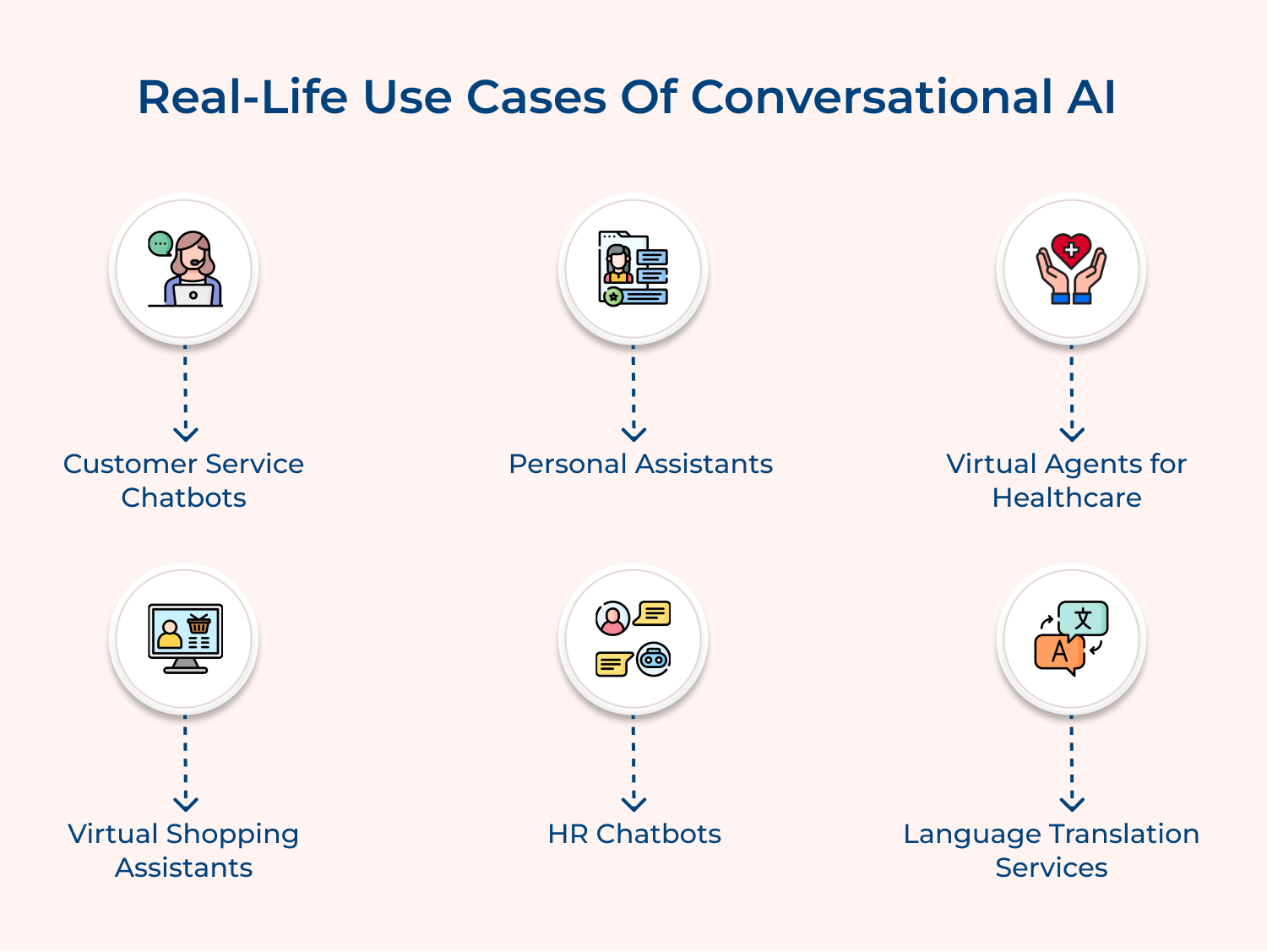
One of the most common uses of conversational AI is in customer service chatbots. These virtual assistants are able to answer customer queries, provide product information, and even assist with purchases. By using natural language processing, chatbots can understand and respond to customer inquiries in a prompt and efficient manner.
Personal assistants like Siri, Alexa, and Google Assistant are powered by conversational AI technology. These virtual assistants can help users with a variety of tasks, such as setting reminders, answering questions, and controlling smart home devices. As the technology continues to advance, personal assistants are becoming more sophisticated and capable of handling more complex tasks.
In the healthcare industry, virtual agents powered by conversational AI can be used to provide information, answer questions, and even offer medical advice. These virtual agents can help patients schedule appointments, refill prescriptions, and access medical records. By leveraging conversational AI, healthcare providers can improve patient engagement and deliver more personalized care.
Retailers are using conversational AI to enhance the shopping experience for customers. Virtual shopping assistants can help users find products, make recommendations, and process orders. These virtual assistants can also provide personalized shopping recommendations based on a user’s preferences and past purchase history.
HR departments are utilizing conversational AI to improve internal processes and streamline employee interactions. HR chatbots can handle common HR-related inquiries, such as benefits information, vacation requests, and onboarding procedures. By automating these repetitive tasks, HR chatbots free up human resources professionals to focus on more strategic initiatives.
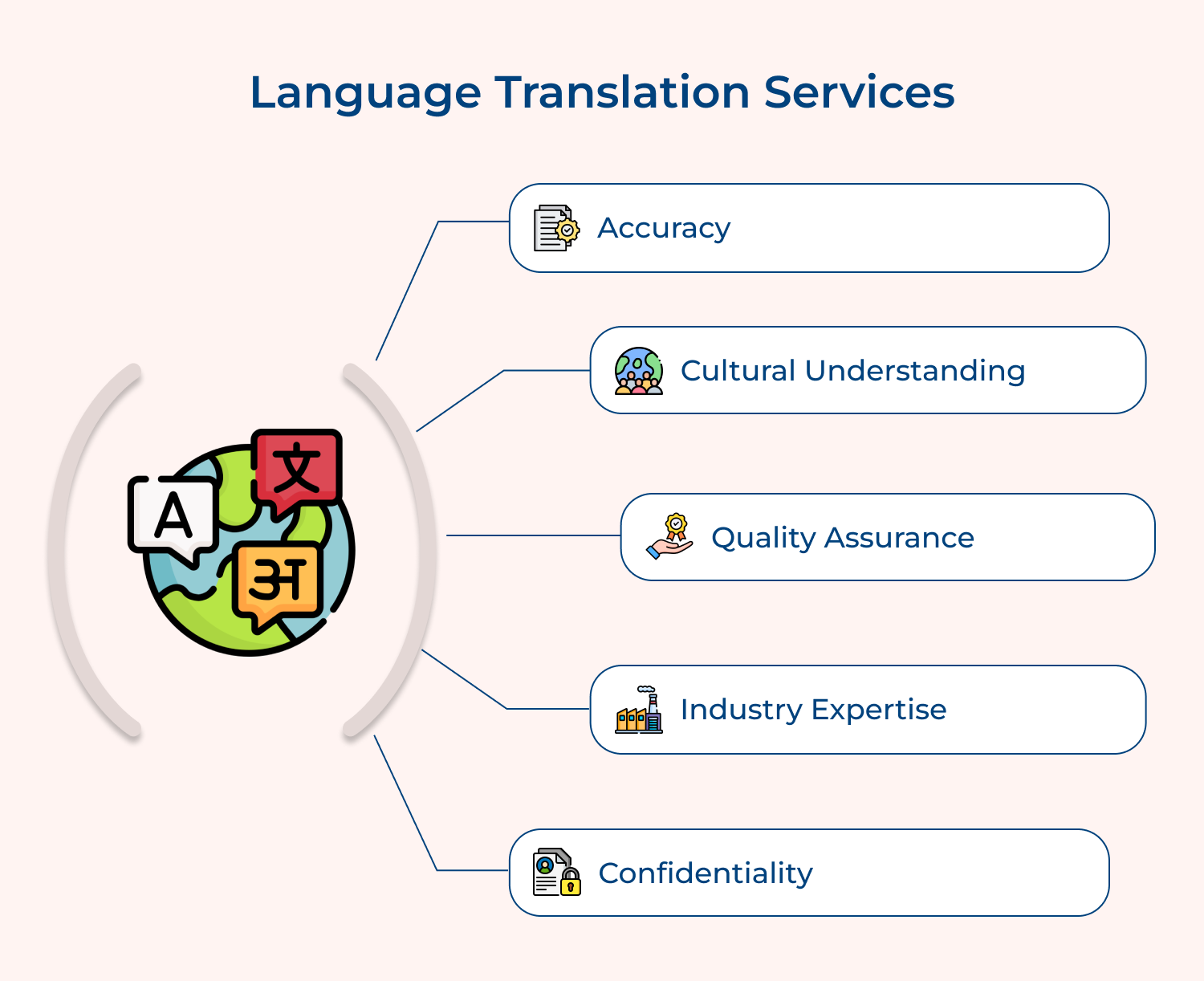
Conversational AI technology can also be used for language translation services. Virtual assistants equipped with language translation capabilities can help users to communicate with people who speak different languages. It can be particularly useful for businesses operating in global markets or for travelers navigating foreign countries.
Generative artificial intelligence (AI) technology creates new content, such as images, music, or text, that is not based on existing data. It has the ability to think creatively and generate original works, leading to a wide range of real-life applications.
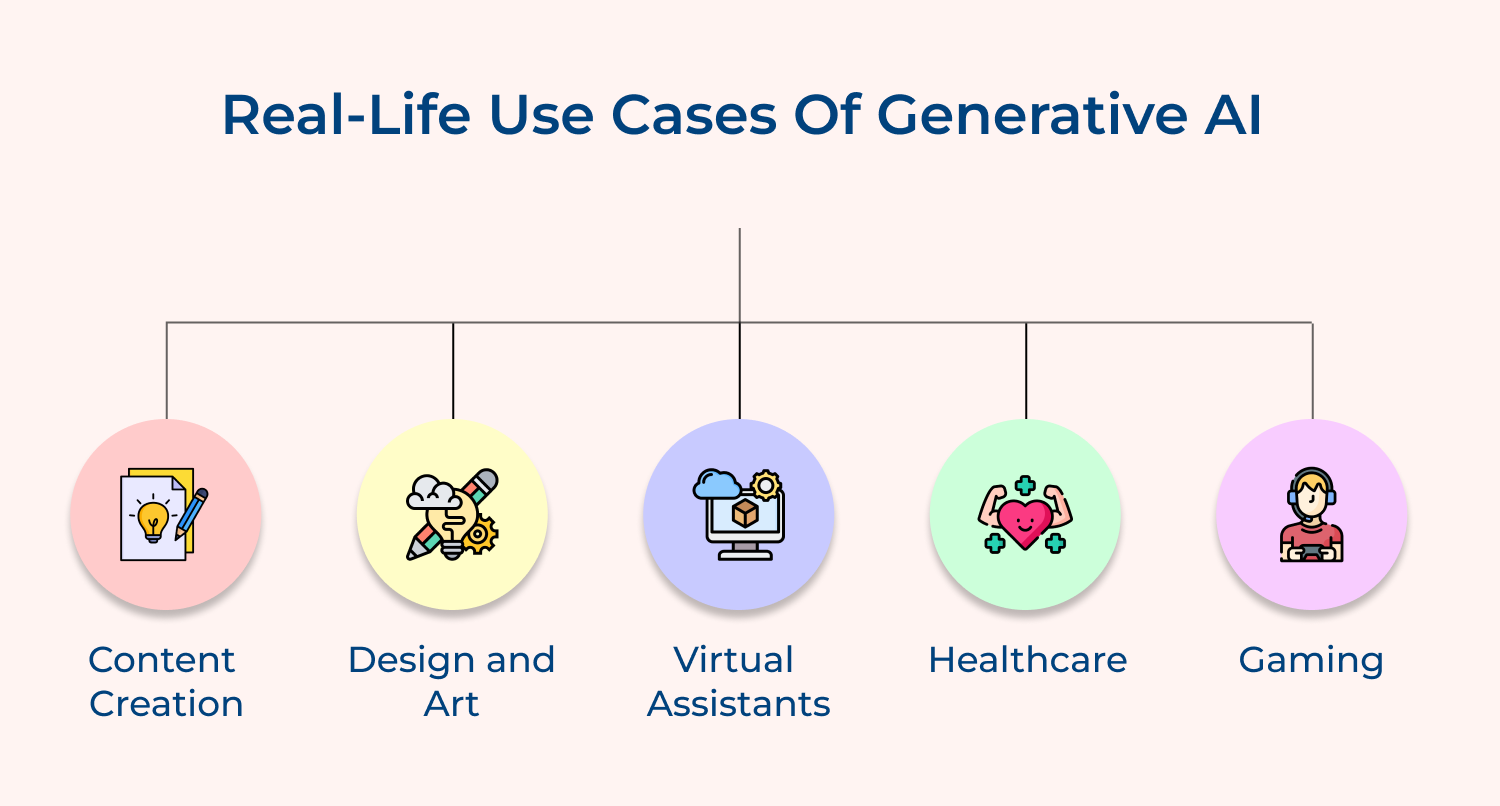
Generative AI can be used to create unique content for marketing campaigns, social media posts, and websites. For example, a company can use generative AI to generate personalized product descriptions, social media posts, or even entire articles. It can save time and resources, while also making the content more engaging and tailored to the audience.
Generative AI is being used in the fields of design and art to create new and innovative pieces. Artists and designers can use generative AI to generate new ideas, patterns, and designs, enabling them to explore new creative possibilities. Additionally, generative AI can help automate the design process, creating unique visuals for websites, logos, and advertisements.
Generative AI can be integrated into virtual assistants to improve their conversational abilities and enhance user experience.
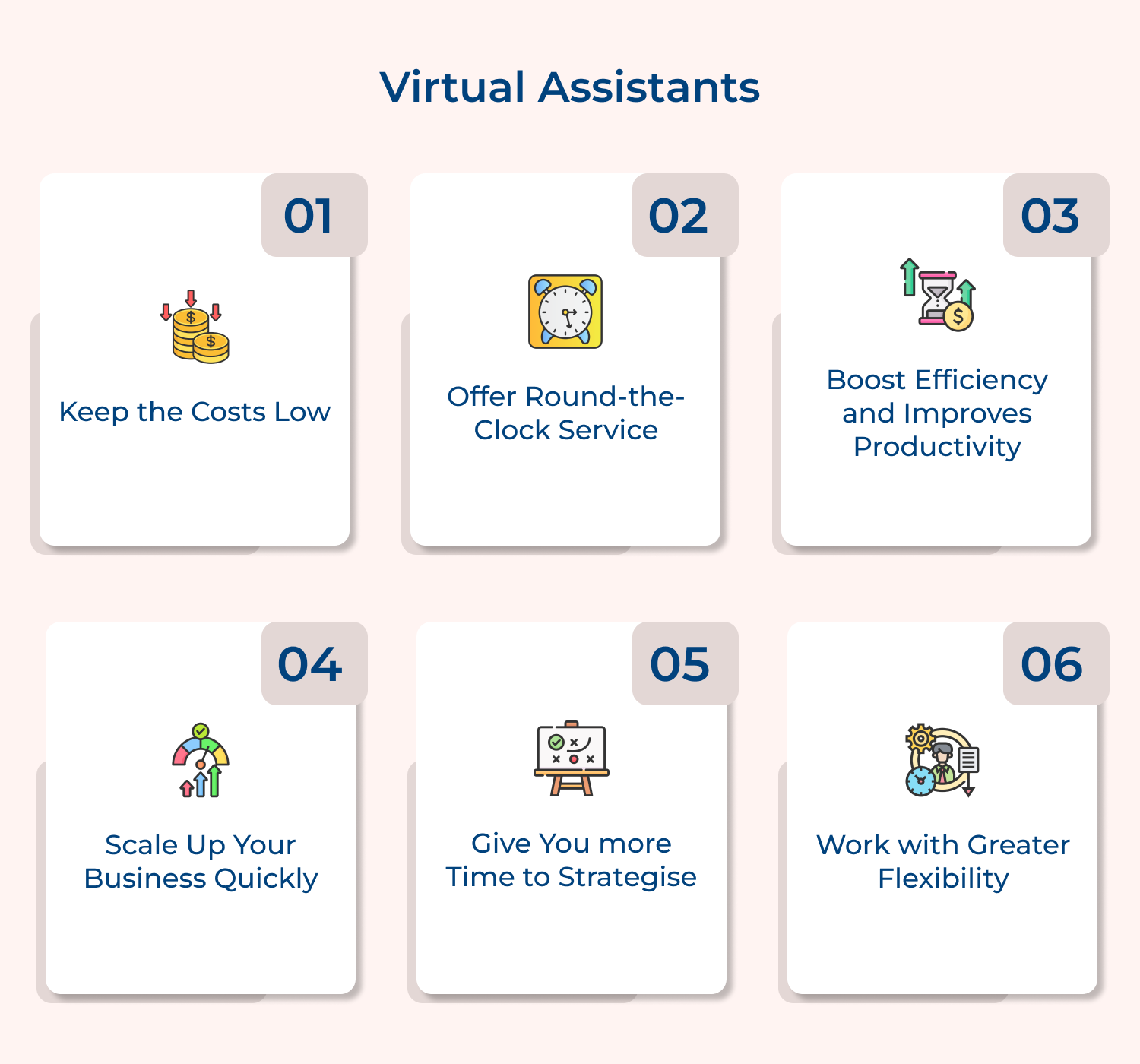
By using generative AI, virtual assistants can generate more human-like responses, leading to more natural and engaging interactions. This technology is being used in various applications, such as customer service chatbots, voice assistants and virtual receptionists.
Generative AI is also being applied in the healthcare industry to improve diagnostics, research, and patient care. For example, generative AI can analyze medical imaging data to identify patterns and anomalies, aiding in the early detection of diseases. It can also be used to generate personalized treatment plans based on patient data, leading to more effective and efficient healthcare delivery.
Generative AI is revolutionizing the gaming industry by creating more immersive and interactive gaming experiences. Game developers are using generative AI to generate realistic graphics, dynamic environments and engaging narratives. This technology can also be used to create non-player characters (NPCs) with more advanced behaviors and personalities, enhancing the overall gaming experience.
Leveraging the power of generative and conversational AI can significantly improve business operations by streamlining processes, increasing efficiency as well as enhancing customer interactions. By implementing these advanced technologies, businesses can stay ahead of the curve, adapt to changing market demands and provide a personalized experience for their customers.
Embracing AI in your operations can lead to improved productivity, cost savings, and a competitive edge in a rapidly evolving digital landscape. Don’t miss out on the opportunity to revolutionize your business with generative and conversational AI.

How does conversational Al work?
Conversational AI is a technology that allows machines to engage in natural and fluid conversations with humans. It uses speech recognition, natural language processing and machine learning algorithms to understand and respond to human language. Conversational AI powers popular applications like chatbots, virtual assistants and voice-activated devices.
How does generative Al work?
Generative AI is an AI model that is trained to generate new content, such as images, text, or music, based on patterns and examples from existing data. It uses deep learning techniques, such as neural networks, to create original content that is indistinguishable from human-created content. Generative AI has been used in creative fields like art, literature and music composition.
What is the primary difference between Conversational Al and Generative Al?
The primary difference between conversational AI and generative AI lies in their functions. Conversational AI is focused on facilitating communication between humans and machines through conversations, while generative AI is focused on creating original content based on existing data. In simpler terms, conversational AI talks to humans, while generative AI creates content.
How do Generative Al and Conversational Al complement each other?
Generative AI and conversational AI can complement each other in various ways. For example, generative AI can be used to create content for conversational AI applications, such as chatbots or virtual assistants. Generative AI can also enhance conversational AI by providing more diverse responses and personalized content based on the user’s preferences.
 https://omni24.io/wp-content/uploads/2026/08/AI-Customer-Service-Agents.png
1256
2400
Webvision Solution
https://omni24.io/wp-content/uploads/2023/04/Omni-Logo-1.svg
Webvision Solution2026-09-21 04:48:512026-09-21 04:48:51How to Build an AI Customer Service Agents: 8 Key Steps
https://omni24.io/wp-content/uploads/2026/08/AI-Customer-Service-Agents.png
1256
2400
Webvision Solution
https://omni24.io/wp-content/uploads/2023/04/Omni-Logo-1.svg
Webvision Solution2026-09-21 04:48:512026-09-21 04:48:51How to Build an AI Customer Service Agents: 8 Key Steps https://omni24.io/wp-content/uploads/2026/08/Omnichannel-Conversational-AI.png
1256
2400
Tushar Joshi
https://omni24.io/wp-content/uploads/2023/04/Omni-Logo-1.svg
Tushar Joshi2026-09-16 03:51:072026-09-16 03:51:07How to Build Omnichannel Conversational AI Strategy
https://omni24.io/wp-content/uploads/2026/08/Omnichannel-Conversational-AI.png
1256
2400
Tushar Joshi
https://omni24.io/wp-content/uploads/2023/04/Omni-Logo-1.svg
Tushar Joshi2026-09-16 03:51:072026-09-16 03:51:07How to Build Omnichannel Conversational AI Strategy https://omni24.io/wp-content/uploads/2026/08/Customer-Service-Teams.png
1256
2400
Tushar Joshi
https://omni24.io/wp-content/uploads/2023/04/Omni-Logo-1.svg
Tushar Joshi2026-09-15 04:01:522026-09-15 04:02:16How to Build Customer Service Teams: 6 Key Steps
https://omni24.io/wp-content/uploads/2026/08/Customer-Service-Teams.png
1256
2400
Tushar Joshi
https://omni24.io/wp-content/uploads/2023/04/Omni-Logo-1.svg
Tushar Joshi2026-09-15 04:01:522026-09-15 04:02:16How to Build Customer Service Teams: 6 Key Steps
Whether it’s about acquire, engage or support – Omni24 covers all your customer engagement needs in one complete platform.

Copyright ©2026 Veemo All rights reserved.
CA, Los Angeles, Hall Ave, 19011