What is a Customer Service Manager? Roles & Responsibilities
Customer service managers oversee support teams, craft strategies, resolve escalations and build relationships to boost satisfaction and brand loyalty.

Customer service managers oversee support teams, craft strategies, resolve escalations and build relationships to boost satisfaction and brand loyalty.
Customer service is a crucial aspect of any business, as it directly impacts customer loyalty and retention. A customer service manager plays a vital role in ensuring that customers are well taken care of and their needs are met.
About 86% of customer service agents report that customer expectations are higher than they were previously, emphasizing the need for managers to adapt their strategies to meet these rising demands.
Having a dedicated customer service manager can help streamline processes, improve communication, and enhance overall customer experience. Let us explore the importance of having a customer service manager and the benefits they can bring to your business.
A customer service manager plays a crucial role in any business. Their primary responsibility is to ensure that the needs and expectations of customers are met, and that any issues or concerns are addressed in a timely and efficient manner.
Customer service managers are the frontline representatives of a company and are responsible for maintaining positive relationships with customers to drive satisfaction and loyalty.
Key goals of a customer service manager:
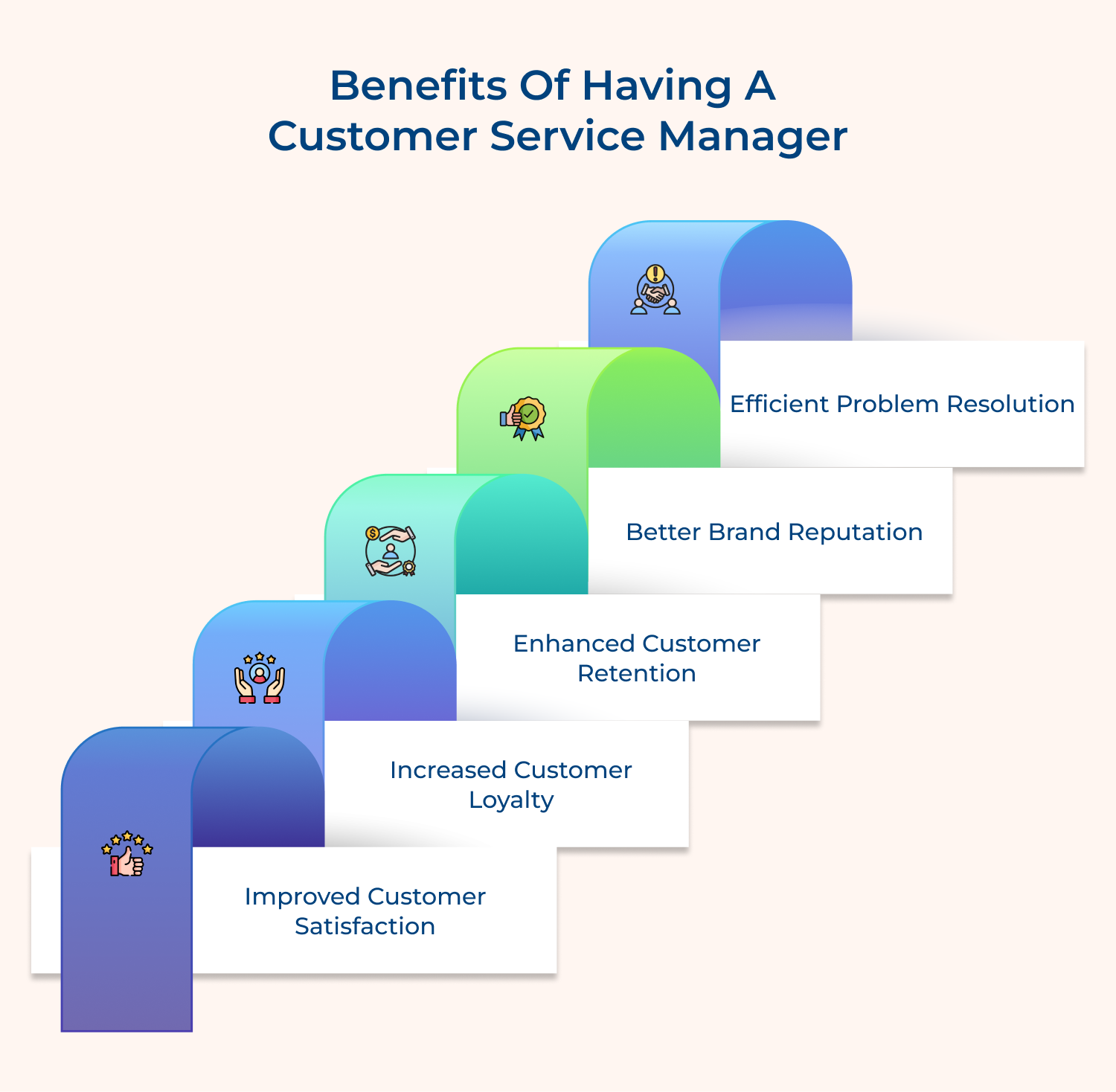
Having a dedicated customer service manager can provide numerous business benefits. They ensure that customers are satisfied, their concerns are addressed, and their feedback is heard.
Customer service managers play a crucial role in ensuring that clients have a positive experience. To excel in this position, there are several key skills that are essential for success.
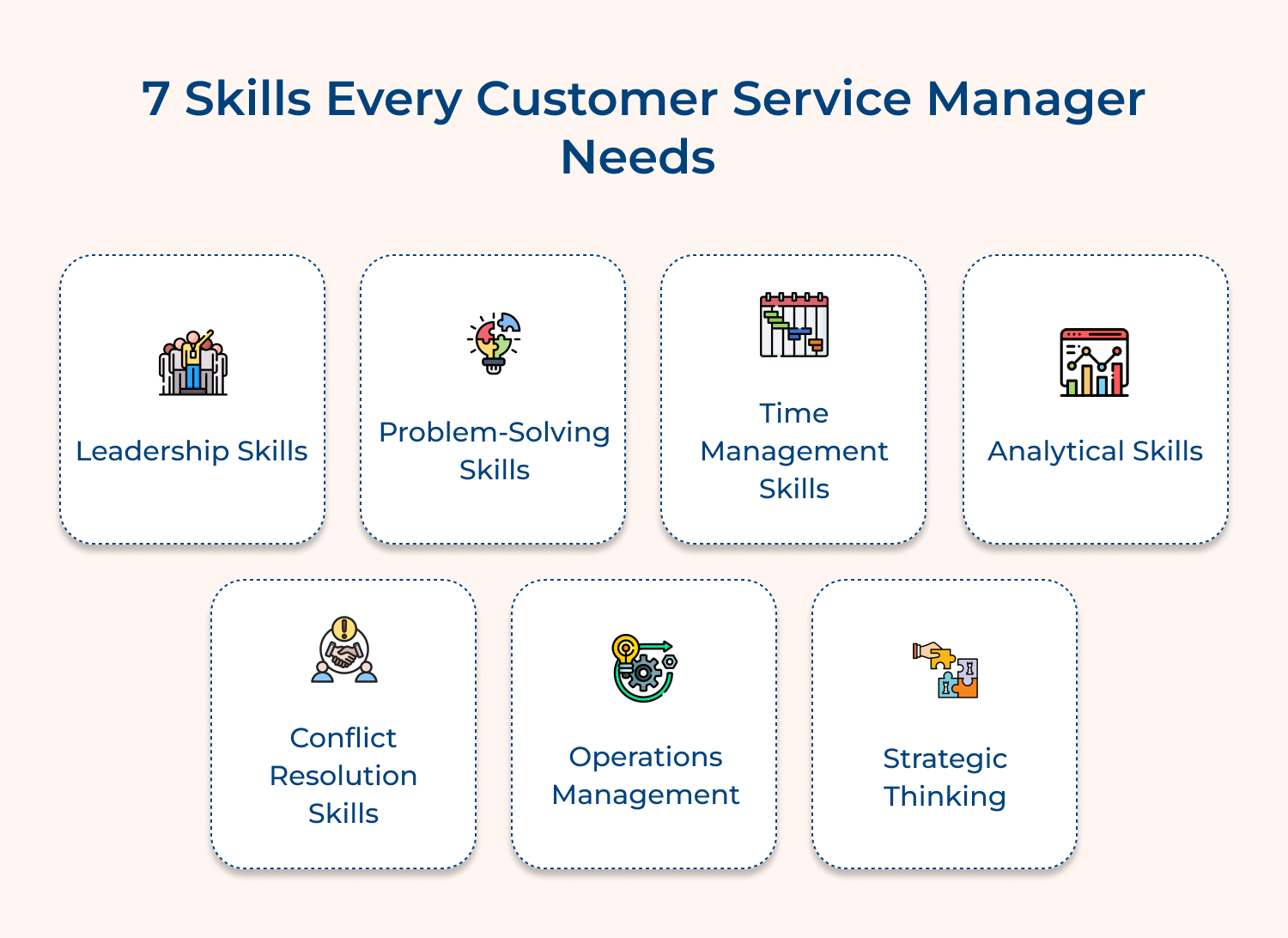
One of the most important skills for a customer service manager is strong leadership abilities. A good manager should be able to inspire and motivate their team to provide excellent customer service. It includes setting clear expectations, providing feedback, and coaching team members to improve their performance.
Effective communication and the ability to lead by example are also essential traits for a successful customer service manager.
Pro tips:
Customer service managers must be able to think quickly on their feet and find solutions to customer issues. It requires strong problem-solving skills and the ability to stay calm under pressure.
Managers should be able to analyze situations, identify the root cause of problems and come up with creative solutions to resolve issues in a timely manner.
Pro tips:
Managing a customer service team can be a fast-paced and demanding job. Customer service managers must be able to prioritize tasks, delegate responsibilities and effectively manage their time to ensure that customer needs are met efficiently.
Good time management skills are essential for balancing daily tasks, handling unexpected issues and meeting deadlines.
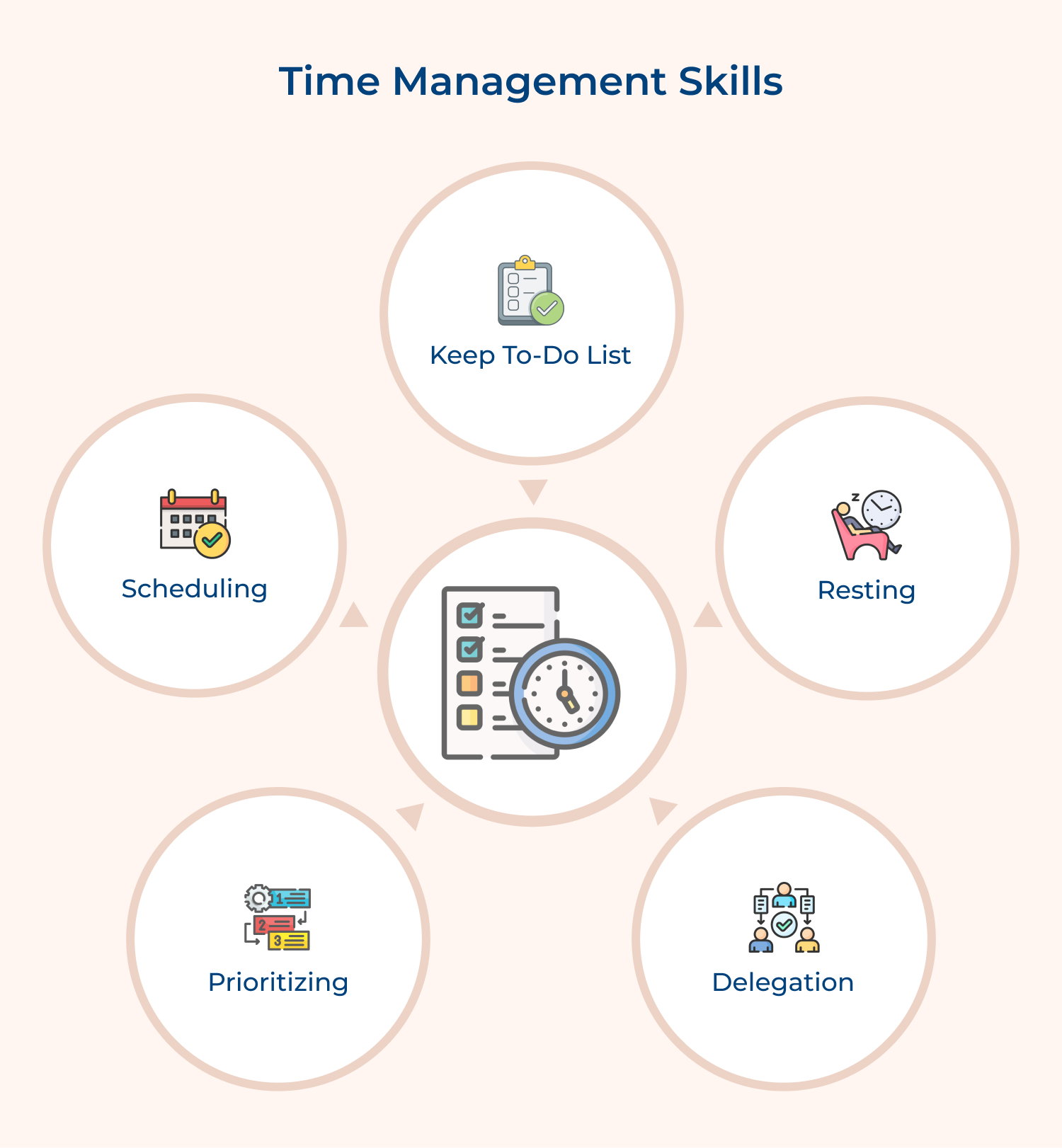
Pro tips:
Customer service managers must be able to analyze data & metrics to evaluate the performance of their team and identify areas for improvement. Analytical skills are essential for interpreting customer feedback, tracking key performance indicators and making data-driven decisions.
Managers should be able to identify trends, evaluate results and implement strategies to optimize customer satisfaction.
Pro tips:
Dealing with challenging customers and resolving conflicts is a common part of a customer service manager’s job. Managers must be able to remain calm & composed in difficult situations, listen to customer concerns, and find mutually beneficial solutions.
Conflict resolution skills are essential for maintaining positive relationships with customers and de-escalating tense interactions to ensure customer satisfaction.
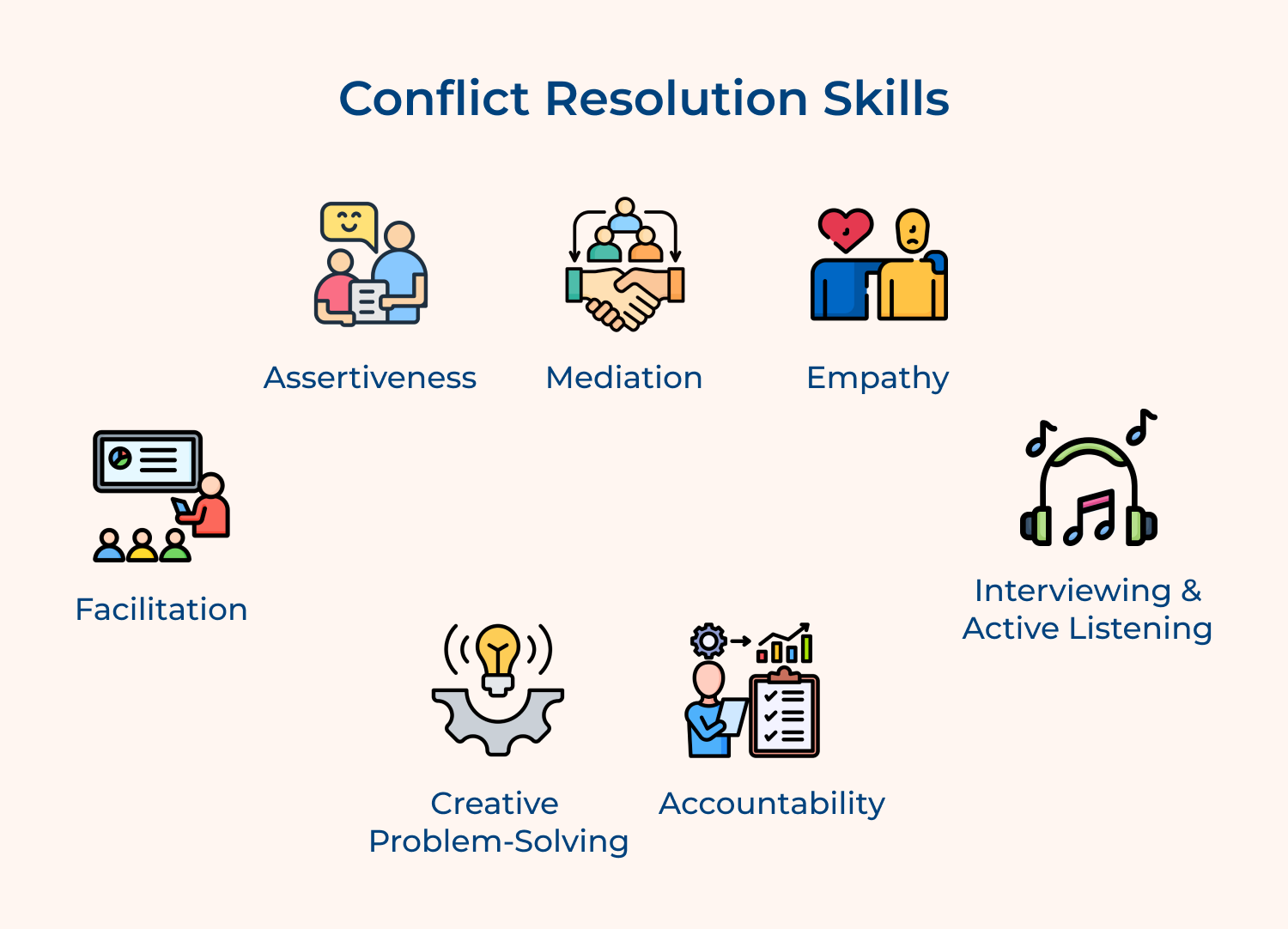
Pro tips:
Customer service managers are responsible for overseeing the day-to-day operations of a customer service team. It includes managing workflow, allocating resources, and ensuring that team members are meeting performance targets.
Operations management skills are essential for streamlining processes, optimizing efficiencies, and maintaining quality standards to deliver exceptional customer service.
Pro tips:
Successful customer service managers must be able to think strategically and plan for the long-term success of their team. It includes setting goals, developing strategies and implementing initiatives to improve customer service performance.
Strategic thinking skills are essential for anticipating future trends, identifying opportunities for growth and aligning customer service objectives with the overall business goals of the organization.
Pro tips:
Being a good customer service manager is essential for the success of any business. As the liaison between customers and the company, it’s important to possess a variety of skills in order to effectively manage customer relationships.
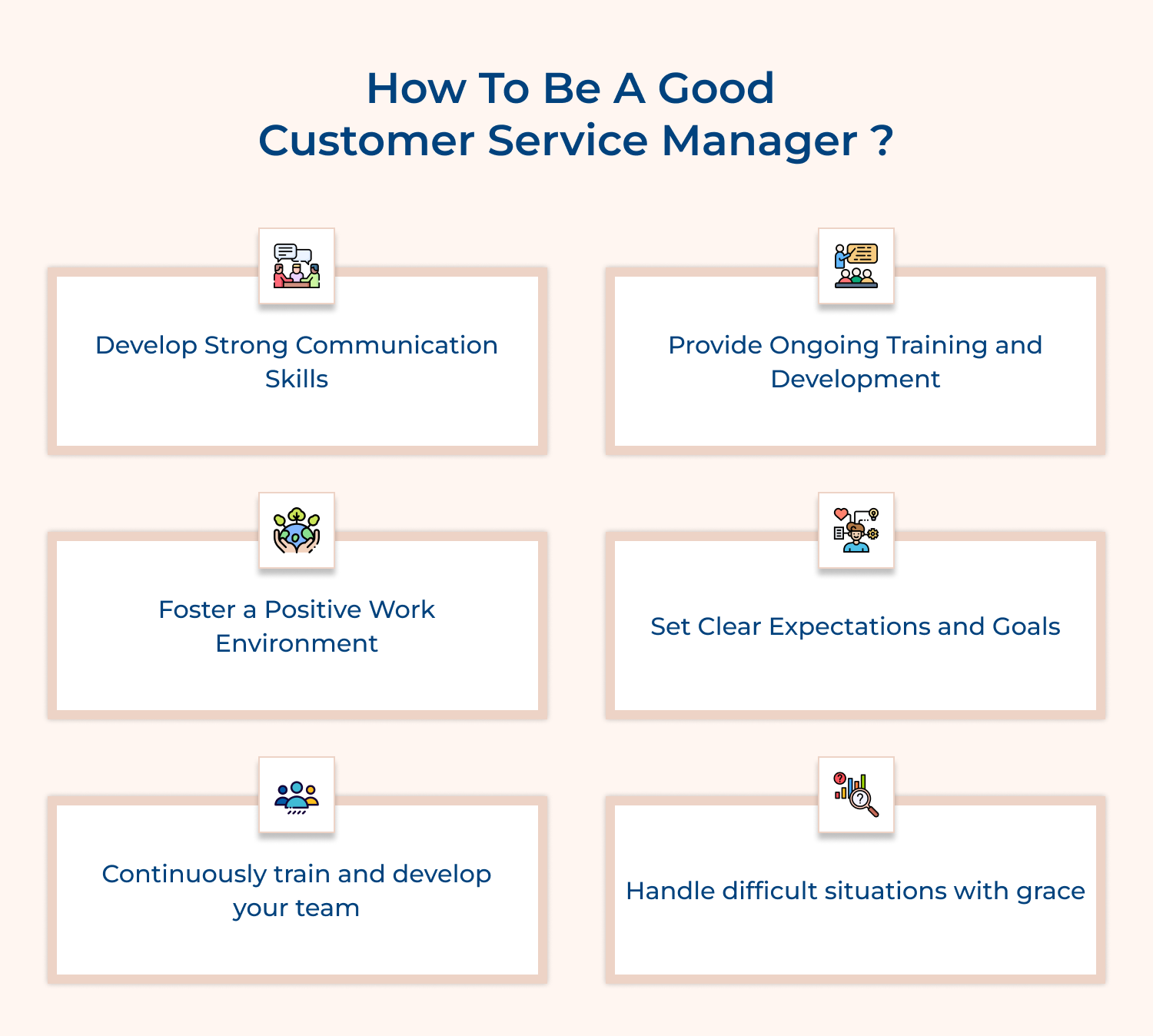
Communication is key in any customer service role. As a manager, it’s important to be able to effectively communicate with your team, as well as with customers. It includes being able to listen actively, empathize with customers and convey information clearly.
Customer service is a dynamic field hence it is important to keep your team updated on the latest trends, technologies, and best practices. Providing ongoing training or development opportunities for your team can help them improve their skills.
A positive work environment can have a big impact on the performance and morale of your team. As a manager, it’s important to create a supportive and inclusive workplace where employees feel valued. It can help foster loyalty and camaraderie among your team members.
Setting clear expectations and goals for your team is important for ensuring that everyone is on the same page. It can help clarify roles and responsibilities, as well as provide a roadmap for success. Regularly review and adjust these goals as needed to keep your team motivated.
Customer service is constantly evolving, so it’s important to continuously train and develop your team. Provide opportunities for your team to learn new skills and stay up-to-date on industry trends.
Not every interaction with a customer will go smoothly. As a customer service manager, it is important to handle difficult situations with grace and professionalism. Stay calm, listen to the customer’s concerns and work towards finding a resolution.
Customer service managers ensure customer satisfaction and retention for a company. However, they face a number of challenges on a daily basis that can make their job stressful and difficult.
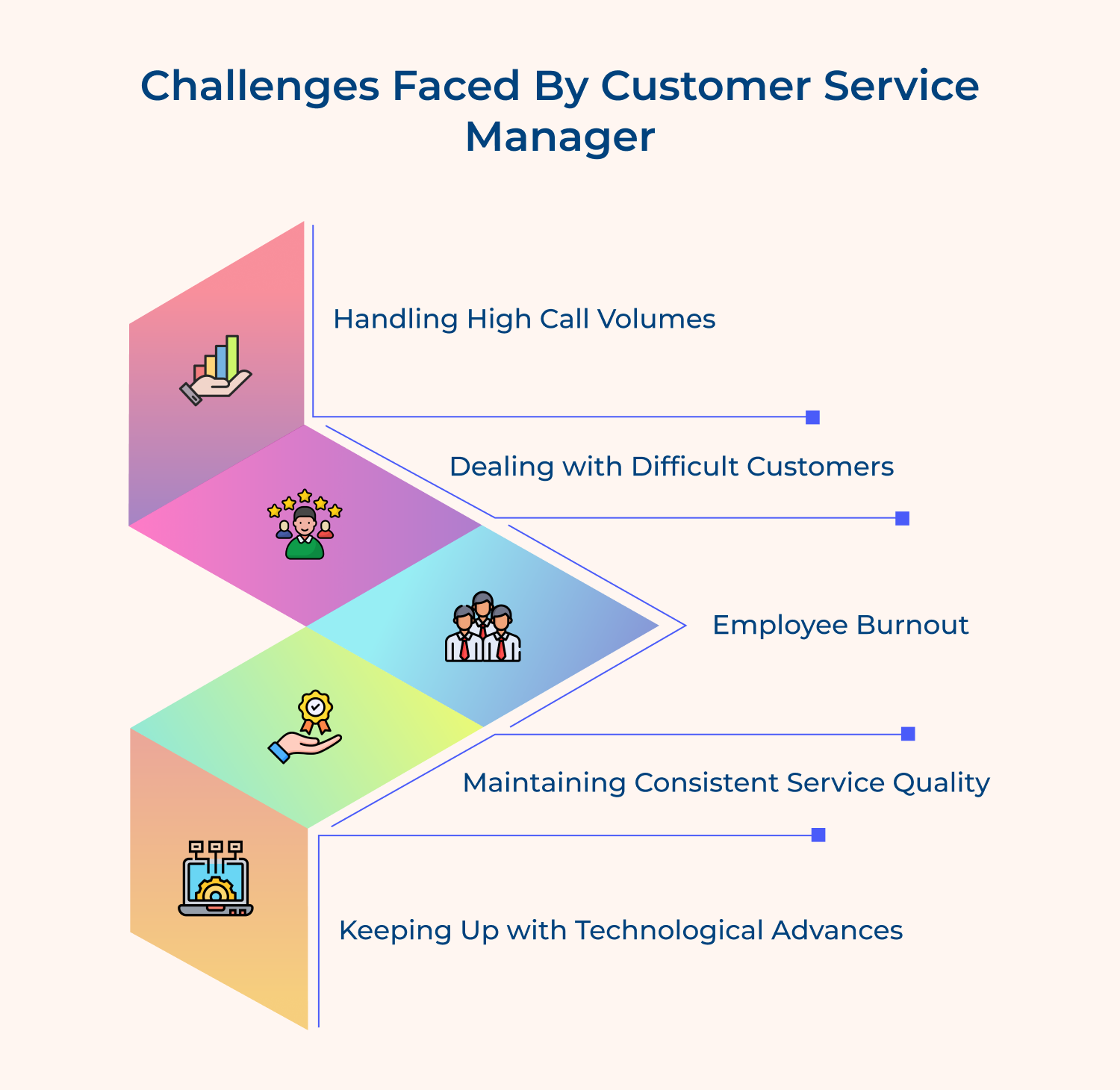
One of the biggest challenges for customer service managers is handling high call volumes, especially during peak hours. It can lead to long wait times for customers and increased stress for employees.
Solution: Implementing a call queuing system can help streamline the call handling process and ensure that customers are served in a timely manner. Hiring temporary staff during peak periods can help alleviate the workload on existing employees.
Customer service managers often have to deal with difficult customers who may be unhappy with the company’s products or services. It can be emotionally draining and challenging to handle.
Solution: Providing ongoing training for customer service representatives on how to de-escalate tense situations and resolve customer complaints can help in handling difficult customers effectively. It is important to teach employees how to remain calm and empathetic, even in challenging situations.
Ensuring consistent service quality across all customer interactions can be a challenge for customer service managers, especially as the team grows and new employees are onboarded.
Solution: Implementing standardized processes and procedures for handling customer inquiries can help maintain consistent service quality. Regular training sessions and performance evaluations can also help ensure that employees adhere to the company’s service standards.
In the digital era, customer service managers need to stay updated on the latest technological advances in order to provide efficient and effective customer service.
Solution: Investing in customer service software can help streamline processes and improve efficiency. Providing training for employees on how to use these tools effectively can help in adapting to technological changes.
Customer service can be a high-stress job and customer service managers need to ensure that their team members are not experiencing burnout, which can lead to decreased productivity or employee turnover.
Solution: Implementing strategies to promote work-life balance, such as flexible work schedules and regular breaks, can help prevent employee burnout. Rewarding employees for their hard work or providing opportunities for professional development can also boost morale and job satisfaction.
Investing in a skilled customer service manager is crucial for long-term success in any business. A skilled manager can effectively train and lead a team to provide exceptional customer service, which leads to increased customer satisfaction. Prioritizing customer service helps businesses build strong relationships with their customers, resulting in repeat business and positive word-of-mouth referrals.
A skilled customer service manager can also help identify issues or complaints promptly, preventing them from escalating and potentially damaging the business’s reputation. In conclusion, investing in skilled customer service management is a wise decision that will pay off in the long run.

What makes a good customer service manager?
A good customer service manager is someone who is empathetic, patient and able to effectively communicate with customers. They should be able to handle difficult situations calmly and with professionalism, while also being able to lead their team.
What does a customer service manager do?
A customer service manager is responsible for overseeing a team of customer service representatives, handling customer complaints, implementing customer service policies & procedures, training staff, and measuring customer satisfaction levels.
What are the qualifications and skills needed to be a customer service manager?
To be a successful customer service manager, you typically need a bachelor’s degree in business administration or a related field, as well as several years of experience in customer service or a related role. You should also possess excellent communication, leadership and problem-solving skills.
How to become a customer service manager?
To become a customer service manager, you can start by gaining experience in customer service roles and working your way up to a management position. You may also consider obtaining relevant certifications or taking courses in customer service management to enhance your skills and qualifications.
Who does a Customer Service Manager work with?
A customer service manager works closely with their team of customer service representatives, as well as other departments within the organization such as sales, marketing and operations. They also interact regularly with customers to address their needs and concerns.
How to write a customer service manager job description?
When writing a job description for a customer service manager, be sure to include details about the responsibilities of the role, such as managing a team of customer service representatives, handling customer complaints and implementing customer service policies. Also, highlight the qualifications required, such as a bachelor’s degree, experience in customer service, and strong communication or leadership abilities. Be sure to specify any specific certification or training requirements as well.
 https://omni24.io/wp-content/uploads/2026/08/AI-Customer-Service-Agents.png
1256
2400
Webvision Solution
https://omni24.io/wp-content/uploads/2023/04/Omni-Logo-1.svg
Webvision Solution2026-09-21 04:48:512026-09-21 04:48:51How to Build an AI Customer Service Agents: 8 Key Steps
https://omni24.io/wp-content/uploads/2026/08/AI-Customer-Service-Agents.png
1256
2400
Webvision Solution
https://omni24.io/wp-content/uploads/2023/04/Omni-Logo-1.svg
Webvision Solution2026-09-21 04:48:512026-09-21 04:48:51How to Build an AI Customer Service Agents: 8 Key Steps https://omni24.io/wp-content/uploads/2026/08/Omnichannel-Conversational-AI.png
1256
2400
Tushar Joshi
https://omni24.io/wp-content/uploads/2023/04/Omni-Logo-1.svg
Tushar Joshi2026-09-16 03:51:072026-09-16 03:51:07How to Build Omnichannel Conversational AI Strategy
https://omni24.io/wp-content/uploads/2026/08/Omnichannel-Conversational-AI.png
1256
2400
Tushar Joshi
https://omni24.io/wp-content/uploads/2023/04/Omni-Logo-1.svg
Tushar Joshi2026-09-16 03:51:072026-09-16 03:51:07How to Build Omnichannel Conversational AI Strategy https://omni24.io/wp-content/uploads/2026/08/Customer-Service-Teams.png
1256
2400
Tushar Joshi
https://omni24.io/wp-content/uploads/2023/04/Omni-Logo-1.svg
Tushar Joshi2026-09-15 04:01:522026-09-15 04:02:16How to Build Customer Service Teams: 6 Key Steps
https://omni24.io/wp-content/uploads/2026/08/Customer-Service-Teams.png
1256
2400
Tushar Joshi
https://omni24.io/wp-content/uploads/2023/04/Omni-Logo-1.svg
Tushar Joshi2026-09-15 04:01:522026-09-15 04:02:16How to Build Customer Service Teams: 6 Key Steps
Whether it’s about acquire, engage or support – Omni24 covers all your customer engagement needs in one complete platform.

Copyright ©2026 Veemo All rights reserved.
CA, Los Angeles, Hall Ave, 19011