What is Connected Customer Experience (CX) & Why Does It Matter?
Connected customer experience delivers seamless, personalized interactions across channels, boosting satisfaction, loyalty and relationships.

Connected customer experience delivers seamless, personalized interactions across channels, boosting satisfaction, loyalty and relationships.
As technology continues to advance, companies must adapt and evolve to meet the changing demands of their customers.
A connected customer experience (CX) strategy allows businesses to better understand and engage with their audience across multiple touchpoints.
80% of customers say that a seamless digital experience is as important as the product or service itself, emphasizing the need for integrated customer interactions across channels.
Incorporating CCX into your business strategy drives increased revenue by providing a more personalized customer experience. By connecting various channels, you can create a seamless journey that leads to higher sales.
Connected customer experience refers to the seamless experience that consumers have when interacting with a brand in an omnichannel approach across all touchpoints. Customers should receive a personalized omnichannel experience that reflects their preferences and past interactions with the brand.
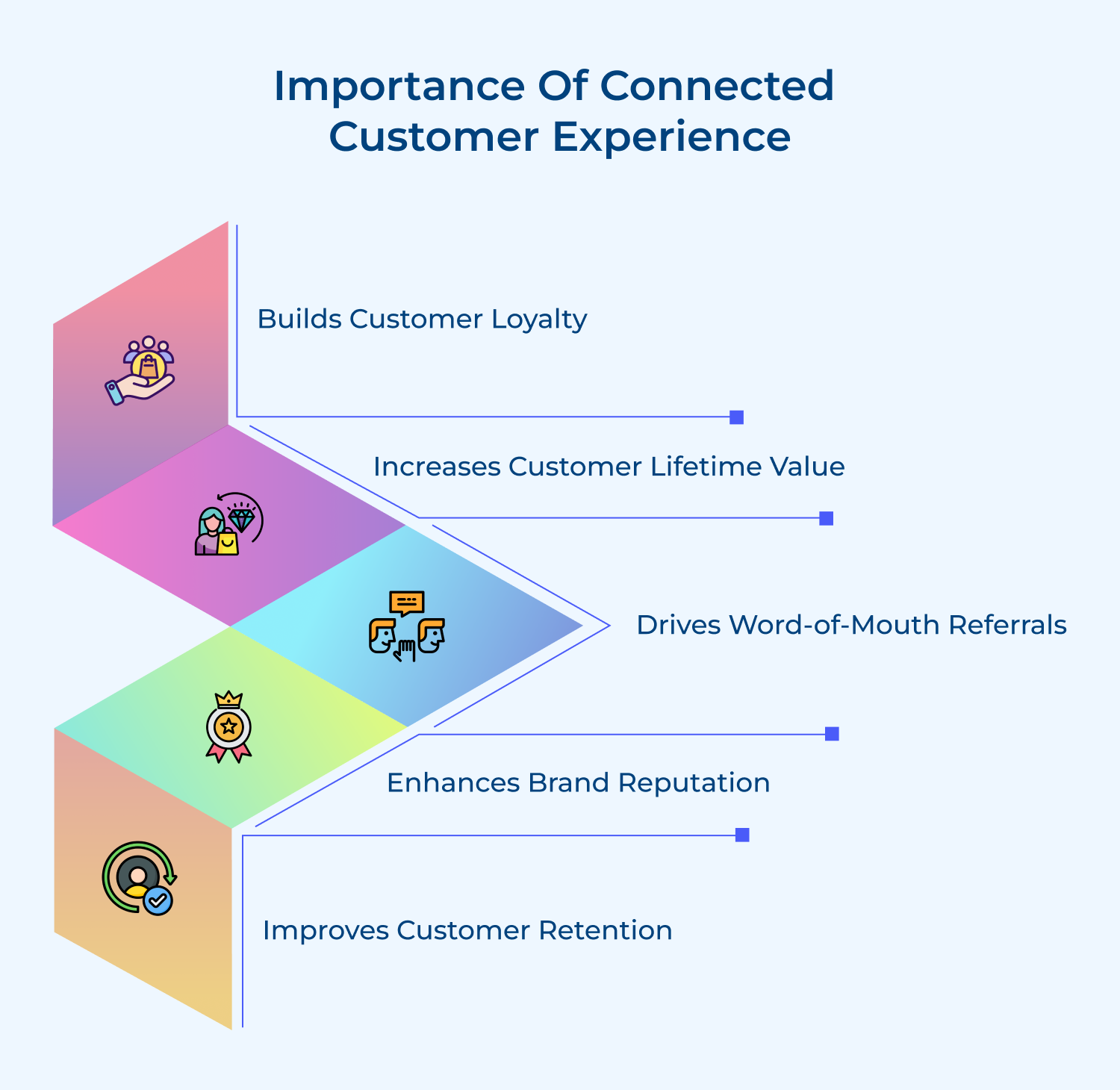
Businesses need to think about connected customer experience seriously because it can lead to increased customer loyalty, improved brand perception and ultimately, higher revenue. Failing to deliver on this expectation can result in lost customers and negative word-of-mouth.
Key use cases of connected customer experience include:
As consumers have multiple options at their fingertips, brands need to ensure that they are offering a seamless, personalized and integrated experience across all touchpoints.
Customers expect personalized interactions across all touchpoints. To meet their expectations, businesses must focus on the key elements of delivering an connected customer experience:
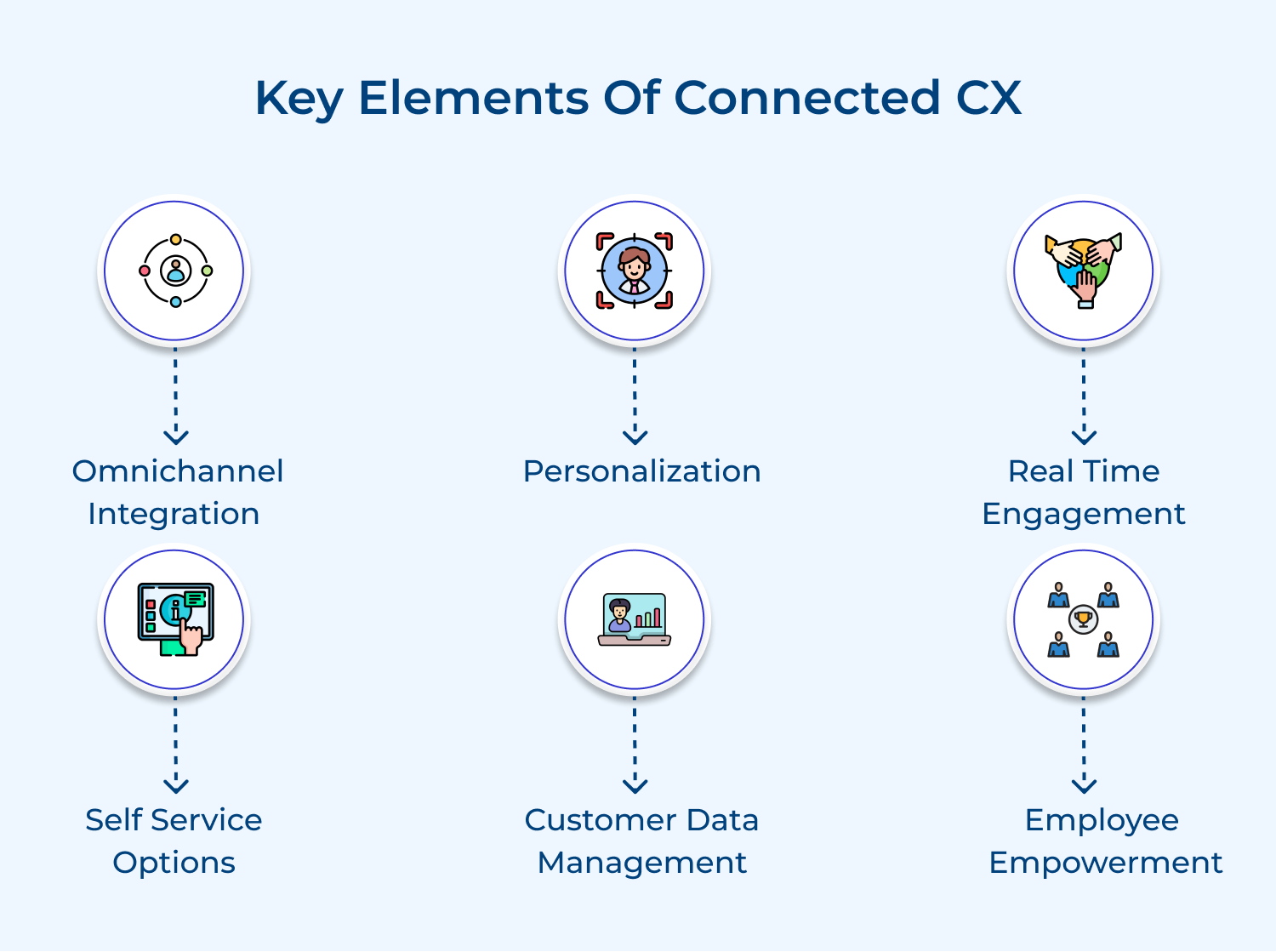
Customers expect seamless experiences across all touchpoints, whether online, in-store, or on mobile apps. Omnichannel integration ensures consistency in branding, messaging and customer data across multiple channels. It allows customers to switch between channels without losing context or having to repeat information.
Personalized experiences make customers feel valued and understood. By leveraging customer data and insights, businesses can tailor their offerings to meet individual needs. Personalization can range from customized product recommendations to personalized marketing messages and tailored customer service.
Real-time customer engagement enables businesses to interact with customers in real-time, whether through live chat, co-browsing, or instant messaging. This level of responsiveness fosters trust and enhances the overall customer experience.
Empowering customers with self-service options, such as knowledge bases, FAQ sections and intuitive user interfaces, can significantly improve the customer experience. Self-service options provide customers with the flexibility to find answers at their convenience, reducing frustration and increasing satisfaction.
Effective customer data management is crucial for delivering connected experiences. By consolidating customer data from various sources, businesses can gain a comprehensive view of each customer’s preferences, behaviors and interactions. This data can then be leveraged to personalize experiences and anticipate customer needs.
Employees are the face of the brand and play a pivotal role in delivering excellent customer experiences. Empowering employees with the right tools, training and autonomy to resolve issues proactively address customer needs can significantly enhance the overall customer experience.
Businesses focusing on creating a connected customer experience can increase customer satisfaction, loyalty and drive more revenue.
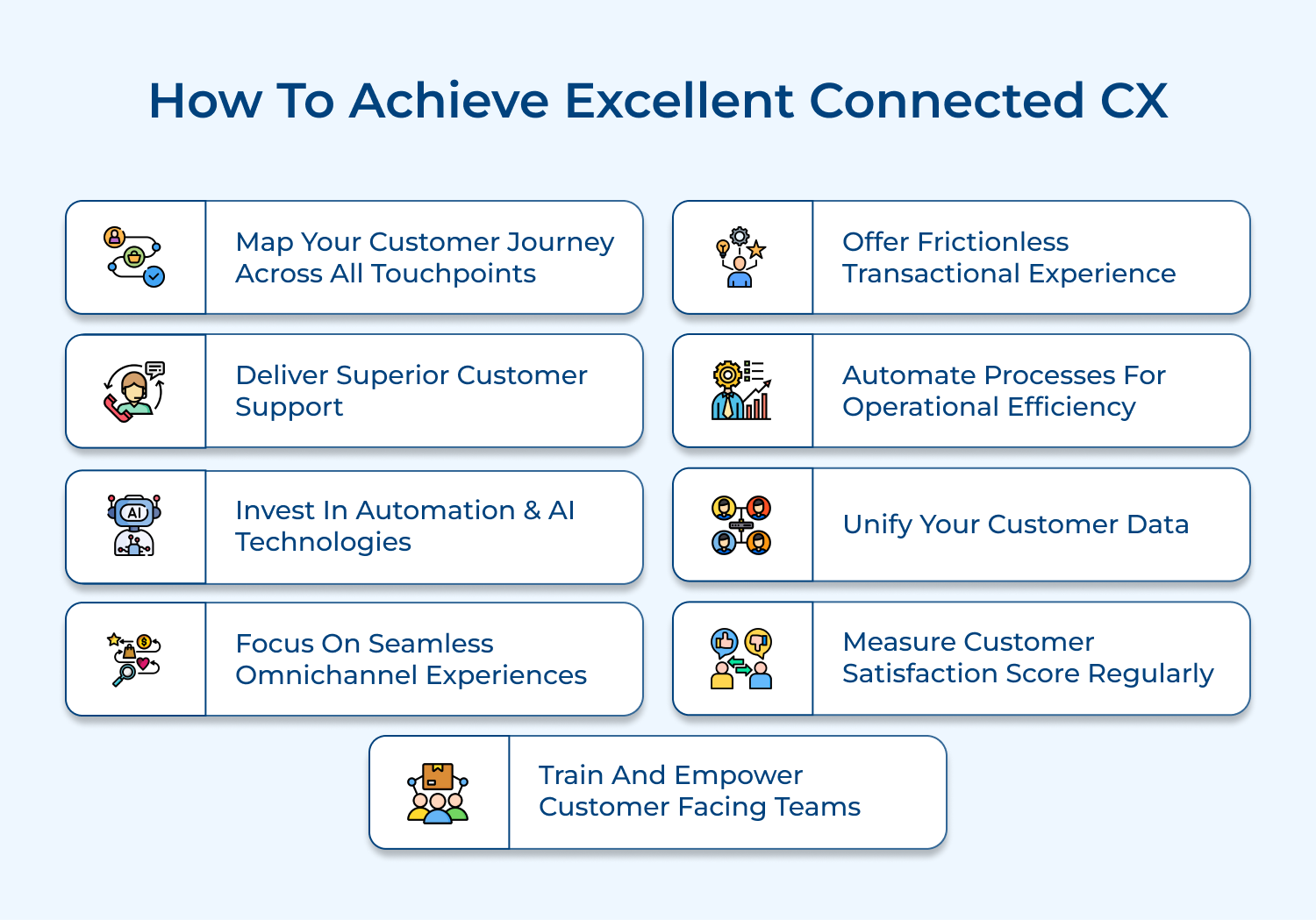
Brands can visualize the entire customer journey, from initial awareness to repeat purchase, so that they can pinpoint where customers may encounter obstacles or frustrations and take proactive steps to address these issues.
Another reason why mapping the customer journey is vital is that it helps businesses deliver a more personalized and seamless experience to customers. By tracking customer interactions across all touchpoints, businesses can better understand their behavior, enabling them to provide targeted and relevant communication.
How to implement it?
Great customer support not only builds trust &loyalty with customers, but it also helps in creating a positive brand image and increasing customer satisfaction. When customers feel taken care of and supported, they are more likely to engage with your brand, make repeat purchases, parallelly recommend you to others.
One important use case for delivering superior customer support is in resolving customer issues promptly. Another use case is in collecting feedback and listening to customer suggestions.
How to implement it?
Investing in automation and AI technologies is crucial for achieving an excellent connected customer experience in today’s digital age. These technologies streamline processes, personalize interactions and provide efficient and customer service.
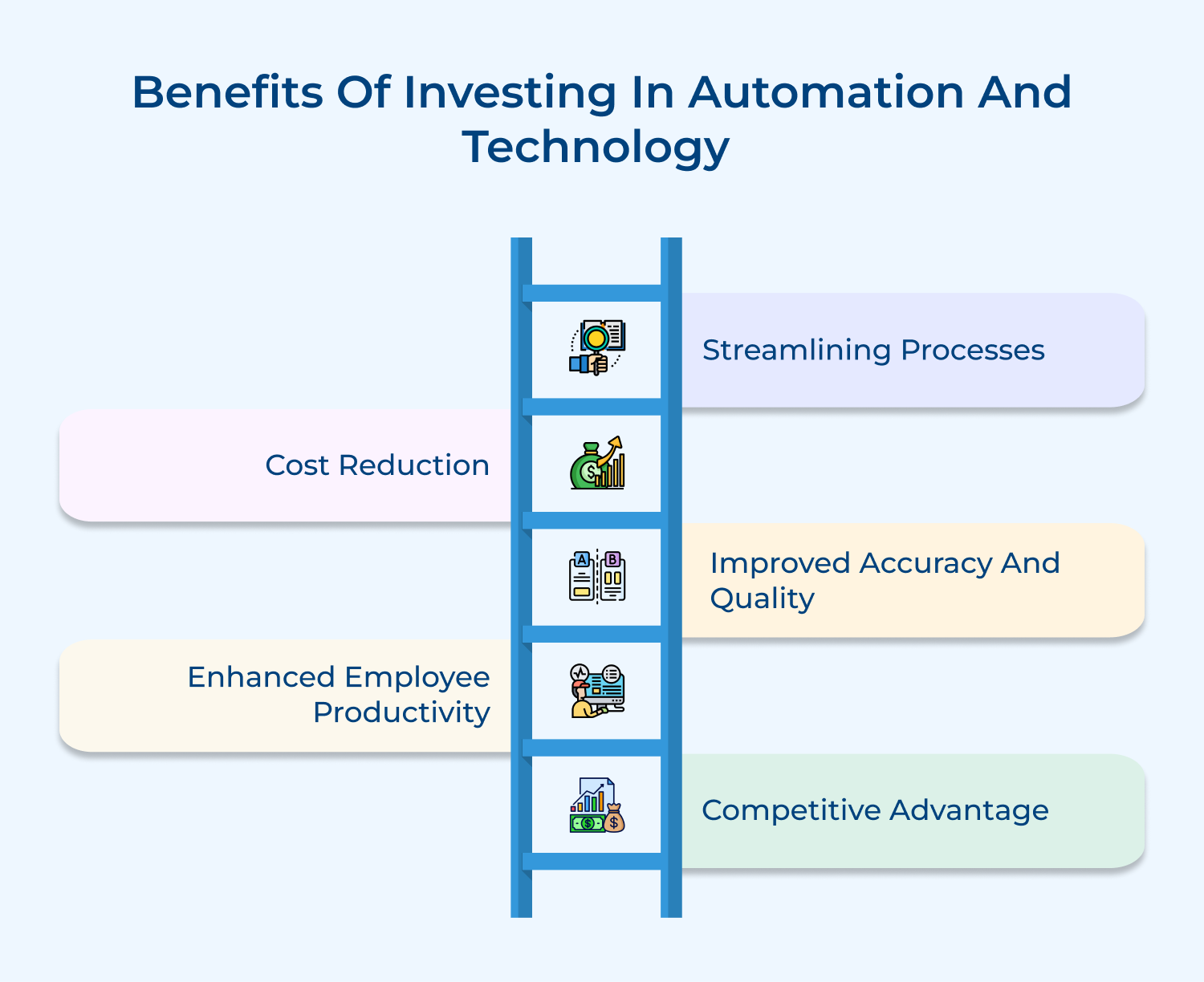
One key importance of automation and AI technologies in achieving a connected customer experience is the ability to analyze vast amounts of customer data in real-time. Another use case for automation & AI technologies is in the implementation of chatbots and virtual assistants.
How to implement it?
Customers expect a consistent and personalized experience across all channels, whether it be online, in-store, or through social media. By providing a cohesive omnichannel approach, businesses can build trust among their customers.
One important use case of focusing on seamless omnichannel experiences is to provide customers with multiple touchpoints to engage with your brand. For example, a customer might browse products on your website, compare prices on their mobile app and make a purchase in-store.
How to implement it?
Offering a frictionless transactional experience is essential in achieving an excellent connected customer experience. The seamless process ensures that customers have a smooth interaction with a business, leading to increased satisfaction.
A frictionless transactional experience eliminates any barriers that may deter customers from completing a purchase or engaging with a brand. It creates a positive experience that builds a strong connection with their audience.
Use Case: An e-commerce website that offers one-click purchasing options, secure payment gateways and personalized recommendations based on previous purchases can provide a frictionless transactional experience for customers. The streamlined process encourages repeat purchases and enhances the overall customer journey.
How to implement it?
Automating processes for operational efficiency is crucial for businesses to achieve an excellent connected customer experience. By streamlining repetitive tasks, businesses can provide a seamless experience for their customers.
One important use case for automating processes is in the realm of customer service. By implementing automated chatbots or email responses, businesses can provide 24/7 support to their customers, resolving issues and answering inquiries in real-time.
How to implement it?
Managing all customer data in one centralized place allows organizations to better understand their customers’ needs and deliver targeted marketing campaigns.
One use case can be in the ecommerce or retail industry, where brands can track customers’ purchase history, browsing feedback to tailor promotions and product recommendations.
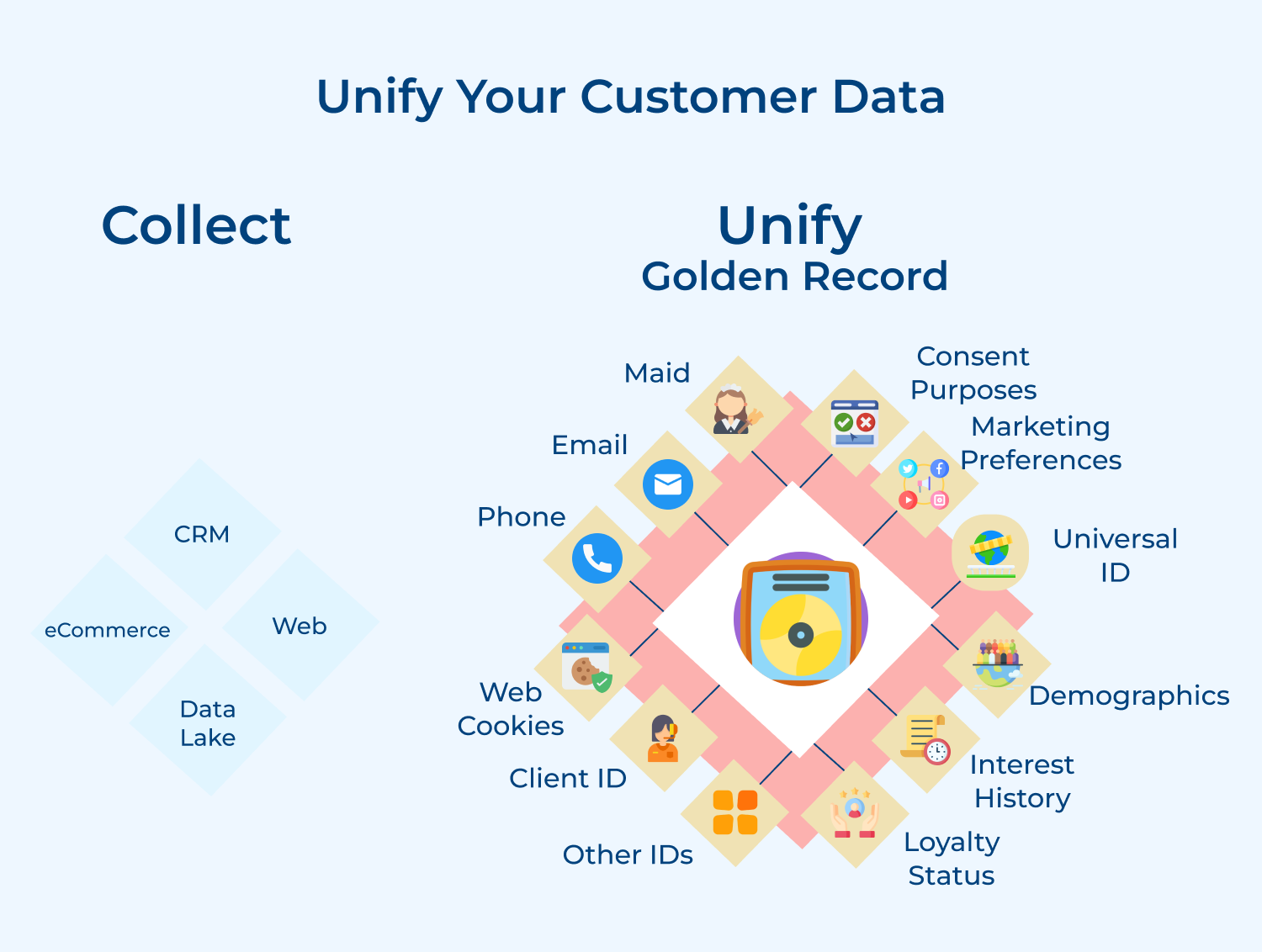
How to implement it?
Measuring customer satisfaction score regularly is crucial for achieving an excellent connected customer experience. By regularly analyzing CSAT scores, businesses can gain valuable insights into their customers’ overall satisfaction with their products or services.
One important use case for measuring customer satisfaction score regularly is to identify trends and patterns in customer feedback over time. By CSAT scores on a consistent basis, businesses can detect any changes in customer sentiment, allowing them to proactively address issues and make necessary adjustments to improve customer satisfaction.
How to implement it?
Training and empowering customer facing teams is crucial in achieving an excellent connected customer experience. These teams are the face of the company and directly interact with customers, making them instrumental in shaping the overall customer experience.
Properly trained teams ensure that customers receive accurate information across all touchpoints, reinforcing brand loyalty. They can effectively address customer issues and provide solutions in a timely manner, leading to increased satisfaction.
Use Case: A well-trained customer service team can quickly address customer inquiries, provide personalized recommendations, and resolve complaints effectively. It not only enhances the customer experience but also builds brand reputation and loyalty.
How to implement it?
Organizations must take connected customer experience (CCX) seriously to stay ahead of the curve. CCX is no longer a luxury but a necessity for driving business growth and long-term success. By delivering seamless, personalized omnichannel experiences, businesses can foster customer loyalty, increase customer retention and boost revenue streams.
When implemented effectively, CCX can have a profound impact on both the topline and bottom line. Satisfied customers are more likely to make repeat purchases, recommend the brand to others and remain loyal, directly contributing to increased sales revenue. On top of that, a connected customer experience can lead to operational efficiencies, reduced customer churn, and lower acquisition costs, positively impacting the bottom line.
Organizations that prioritize CCX and invest in the necessary technologies/processes to differentiate themselves from competitors at the same time achieve sustainable growth.

How Do Connected Customer Journeys Look Like?
Connected customer journeys involve a smooth transition from one touchpoint to another, whether it’s online, on mobile, or in-person. It ensures that customers have a consistent and personalized experience at every stage of their interaction with the business.
How Understanding Customers Drive Connected Experiences?
Understanding customer behavior, preferences, businesses can tailor their products/services to create a more personalized and connected experience. It helps in building long-lasting relationships with customers and enhancing brand loyalty.
How does a connected customer experience differ from a traditional customer experience?
A connected customer experience is more seamless, personalized and omnichannel compared to a traditional customer experience. It goes beyond just providing good customer service and focuses on creating a holistic journey for customers across various touchpoints.
Why is a connected customer experience important for businesses?
A connected customer experience is essential for businesses to stay competitive in the market and meet the evolving needs of customers. It helps in building brand loyalty, increasing customer satisfaction, and driving business growth through repeat purchases.
What are the key components of a connected customer experience?
The key components of a connected customer experience include omni-channel presence, personalized communication, seamless transitions between touchpoints, data-driven insights, and continuous improvement based on customer feedback.
How can businesses leverage technology to enhance the connected customer experience?
Businesses can leverage technology such as CRM systems, marketing automation tools, AI, and analytics to collect and analyze customer data, personalize interactions, automate marketing campaigns, and track customer journeys across touchpoints. It helps in creating a more seamless and connected experience for customers.
 https://omni24.io/wp-content/uploads/2026/09/Social-commerce-scaled.png
1340
2560
Webvision Solution
https://omni24.io/wp-content/uploads/2023/04/Omni-Logo-1.svg
Webvision Solution2026-10-23 12:18:272026-10-23 12:18:27What is Social Commerce and Why Does It Matter?
 https://omni24.io/wp-content/uploads/2026/08/AI-Customer-Service-Agents.png
1256
2400
Webvision Solution
https://omni24.io/wp-content/uploads/2023/04/Omni-Logo-1.svg
Webvision Solution2026-09-21 04:48:512026-09-21 04:48:51How to Build an AI Customer Service Agents: 8 Key Steps
 https://omni24.io/wp-content/uploads/2026/08/Omnichannel-Conversational-AI.png
1256
2400
Tushar Joshi
https://omni24.io/wp-content/uploads/2023/04/Omni-Logo-1.svg
Tushar Joshi2026-09-16 03:51:072026-09-16 03:51:07How to Build Omnichannel Conversational AI Strategy

Whether it’s about acquire, engage or support – Omni24 covers all your customer engagement needs in one complete platform.

Copyright ©2026 Veemo All rights reserved.
CA, Los Angeles, Hall Ave, 19011