How to Measure & Improve Customer Service ROI
Discover exceptional customer service’s financial impact, from better decisions to optimized resources and learn how to measure and improve customer service ROI effectively.

Discover exceptional customer service’s financial impact, from better decisions to optimized resources and learn how to measure and improve customer service ROI effectively.
Do you ever wonder if investing in customer service is really worth it? Many businesses hesitate to allocate resources to improving their customer support, fearing that the return on investment may not be significant.
Delivering exceptional customer service can actually have a profound impact on business bottom line. A study found that increasing customer retention rates by just 5% can boost profits by 25% (and sometimes even up to 95%).
The concept of Customer Service ROI focuses on understanding the financial impact of investing in customer service. Let’s explore the key factors that contribute to a positive customer service ROI.
Return on Investment (ROI) is a crucial financial metric that helps businesses determine the profitability and success of their investments. It measures the return or gain generated from an investment relative to its cost. ROI is an essential tool for decision-making and evaluating the efficiency of different projects or strategies.

Here’s how you calculate your ROI: The formula is relatively simple: ROI = (Net Profit / Cost of Investment) x 100. The result is expressed as a percentage. The higher the ROI percentage, the more profitable the investment is considered to be.
Key objective
Customer Service ROI is a measurement that quantifies the financial value generated from customer service activities. It helps businesses understand the impact of their customer service efforts on the bottom line and enables them to make data-driven decisions to improve customer service.
Companies that track and improve their customer service ROI often see enhanced customer retention, increased brand loyalty, and sustained business growth. It provides concrete data to support decisions about investing in new technologies, hiring additional staff, or implementing training programs.
Key objectives:
Measuring customer service ROI helps businesses to identify the value and recognize areas where improvement may be needed.
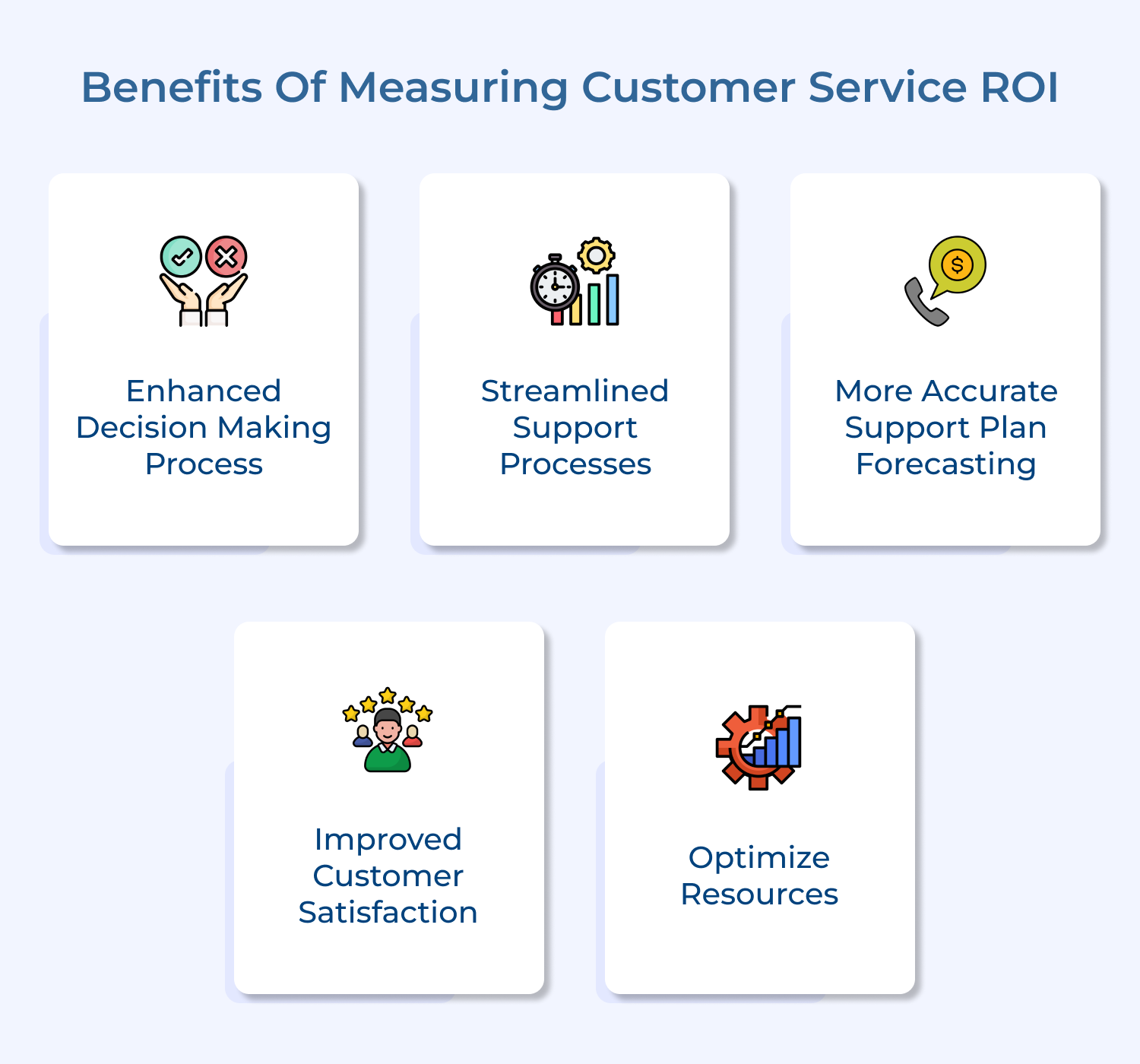
Through measuring customer service ROI, businesses can gain valuable insights into the effectiveness of their customer service strategies. The data can help in making informed decisions regarding resource allocation, process improvements and overall customer service management. With a clear understanding of the ROI, businesses can identify areas that need improvement and make necessary changes to enhance customer satisfaction.
Example: If a particular customer service strategy consistently receives positive feedback and leads to increased customer satisfaction, the organization can choose to invest more resources in that area.
Measuring customer service ROI allows businesses to identify bottlenecks and inefficiencies in their support processes. They can streamline their customer service operations, optimize resource utilization, and improve response times. By eliminating unnecessary steps and improving workflow, businesses can enhance the overall efficiency of their support processes, leading to enhanced customer satisfaction.
Example: A company that implements a CRM system and experiences a 20% reduction in average response time may witness an increase in customer satisfaction along with a decrease in customer churn. By quantifying these improvements, businesses can calculate the tangible ROI of their investment in streamlined support processes.
Analyzing data collected from measuring the R0I of support services is a great way for companies to predict performance. Both cost management/compliance targets can be achieved through such initiatives as budget forecasting models, capacity planning initiatives, along with agent development or training investments tailored towards increasing effectiveness.
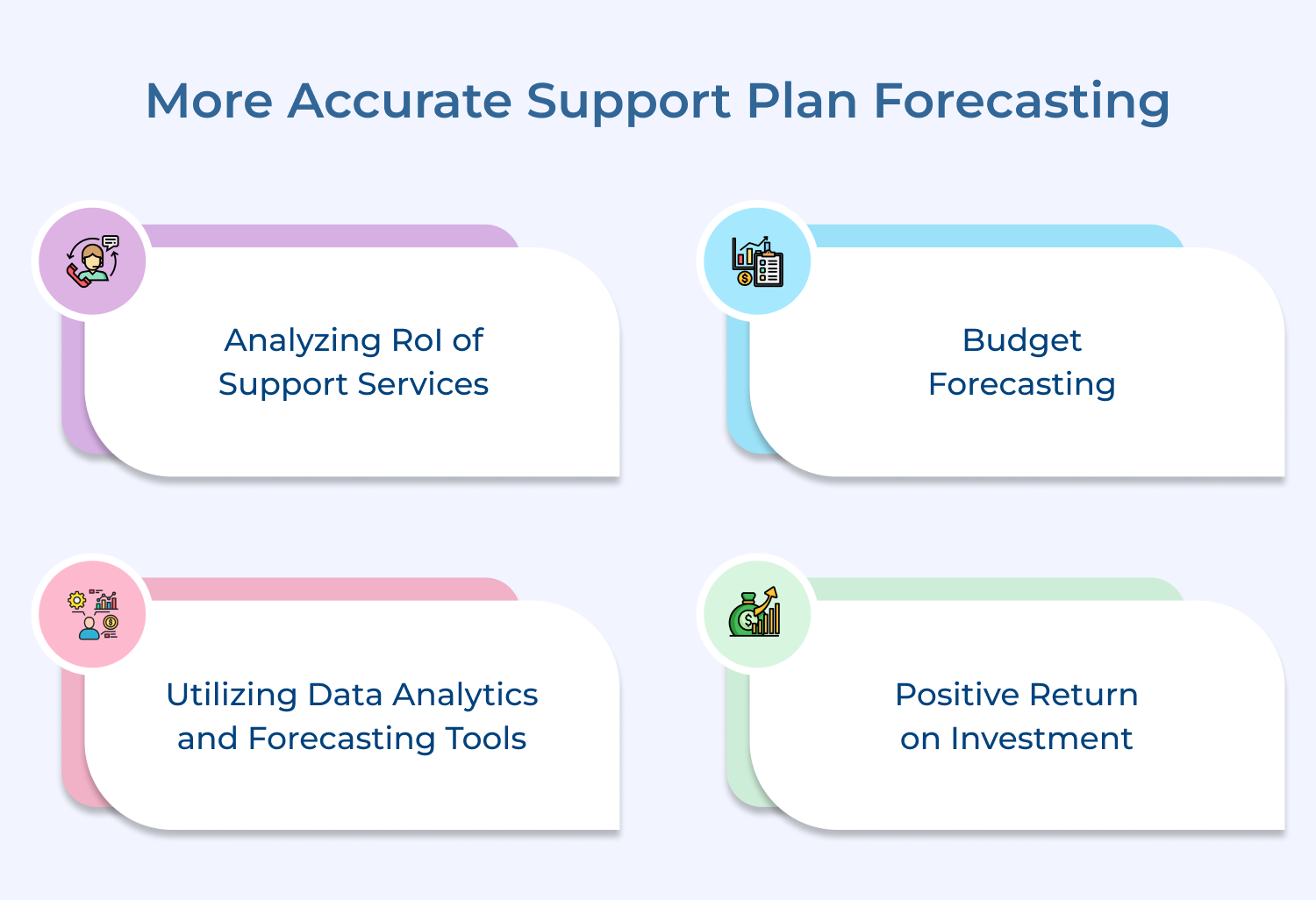
Example: Using data analytics and forecasting tools helps a company to improve its resource utilization by 15%, while reducing the cost per ticket by 10%. The improvements directly contribute to cost savings, increased customer satisfaction and therefore, a positive ROI on the investment made in accurate support plan forecasting.
Measuring customer service ROI, businesses can identify areas where customer satisfaction may be lacking. It could be in the form of long response times, unresolved queries, or inadequate support channels. Businesses can implement corrective measures and improve customer satisfaction levels.
Example: A company that focuses on enhancing customer satisfaction through personalized support experiences and proactive issue resolution may witness a 15% increase in customer retention as well as a 20% increase in NPS. These positive results directly contribute to increased revenue and a measurable ROI on the investment made in improving customer satisfaction.
Having measured customer service ROI, businesses can identify areas of improvement and optimize their resources accordingly. It helps in identifying areas where resources are being underutilized or overutilized, allowing for efficient resource allocation. It can lead to cost savings and improved productivity. By investing resources in the right areas, businesses can ensure that they are delivering optimal levels of customer service while keeping costs in check.
Example: If self-service options are proving to be highly effective in resolving customer issues, organizations can invest in developing robust self-service portals or knowledge bases. It reduces the dependency on expensive support channels, such as call centers and frees up resources to focus on more complex customer inquiries.
Understanding how to measure your customer service ROI and what metrics will give you the clearest picture of your investment is key if you want to maximize the effectiveness of your program.
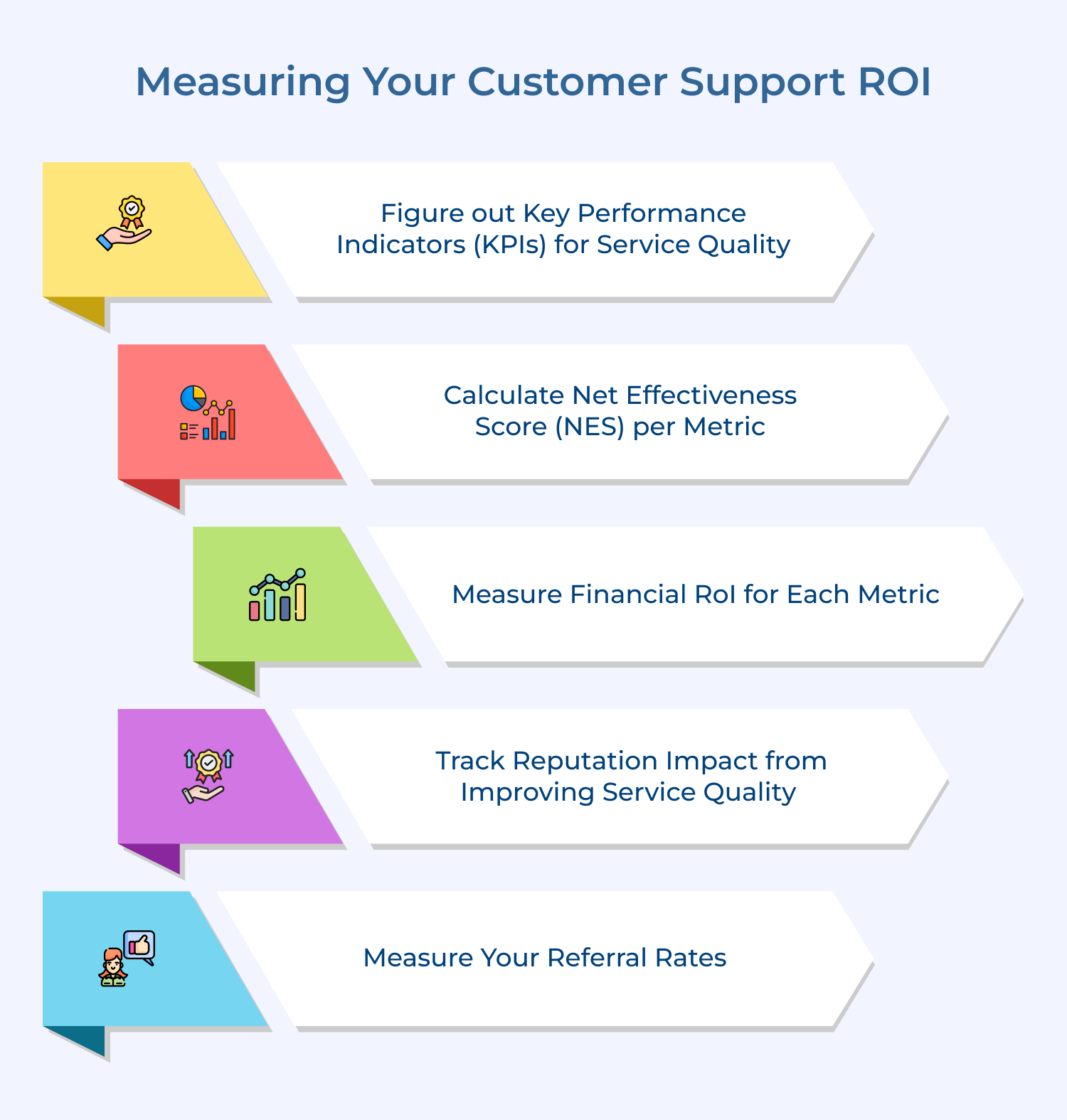
The first step towards understanding and measuring your customer service ROI is figuring out which KPIs are the most important for determining the quality of your customer service. Common KPIs include mean time to resolution, customer satisfaction scores, response times, number of repeat calls, average handling time, issue resolution percentage and overall customer lifetime value.
How to measure?
Once you have identified the metrics that best represent the performance and effectiveness of your customer/service team, it’s time to calculate their NES scores – sometimes also called weighted index scores. The score reflects how well each individual metric is performing by assigning a numerical value between 1-10 that corresponds with each metric’s performance level.
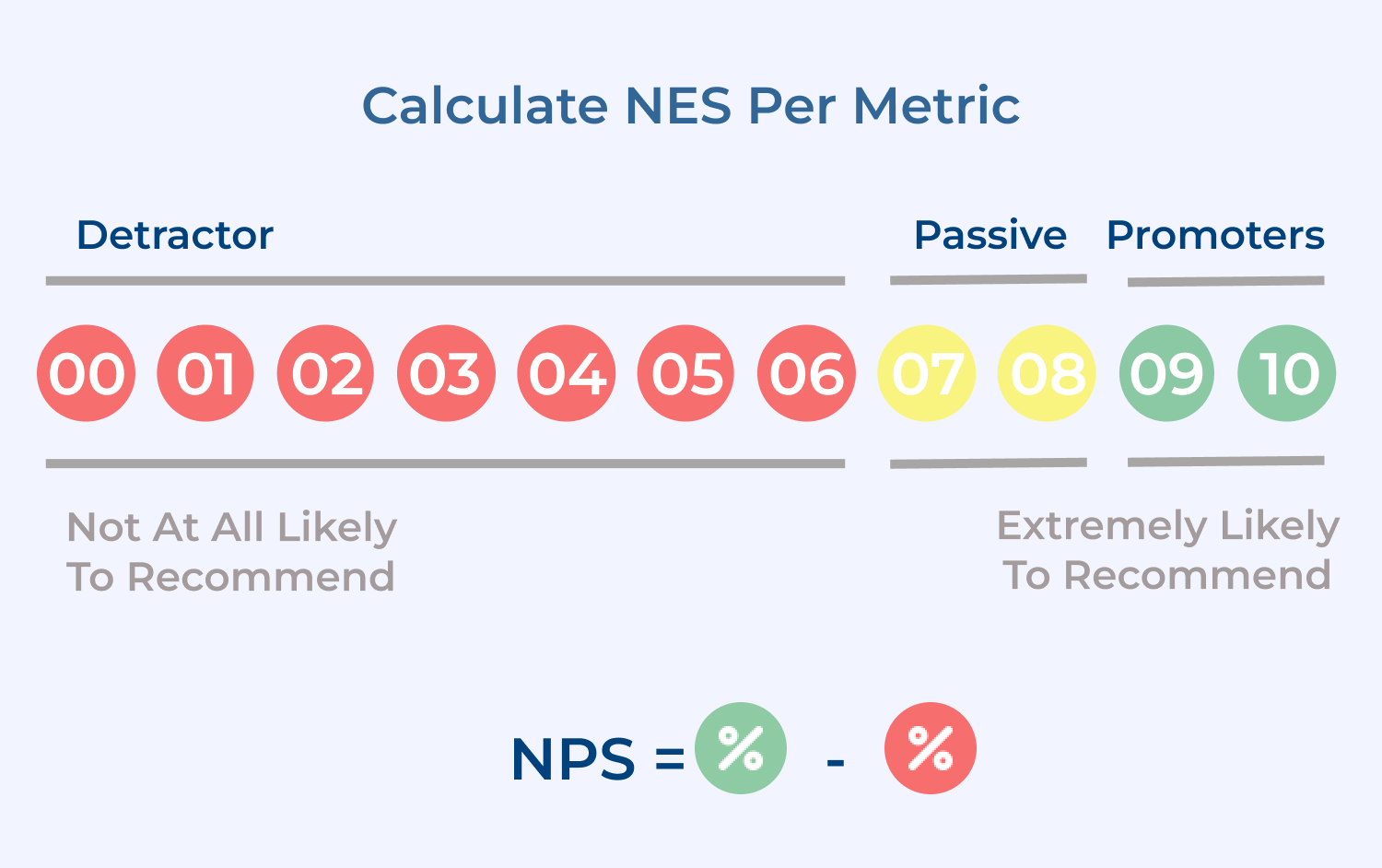
Ways to measure:
Financial ROI measures how much money a given activity brought in compared with how much it cost you in terms of labor costs or other resources needed in order to complete it. When evaluating financial ROI for customer service activities specifically, consider factors such as sales generated directly from customers serviced by agents versus those not serviced from them; and cost savings resulting from streamlining processes or automating aspects of operations like data entry or contact routing.
Approaches to measure:
There are many ways businesses can track the information – through traditional online marketing surveys or various online review platforms or using automated sentiment analysis from consumer interactions such as email inquiries or reviews across multiple domains – to keep track of consumer sentiment regarding their brands over time.
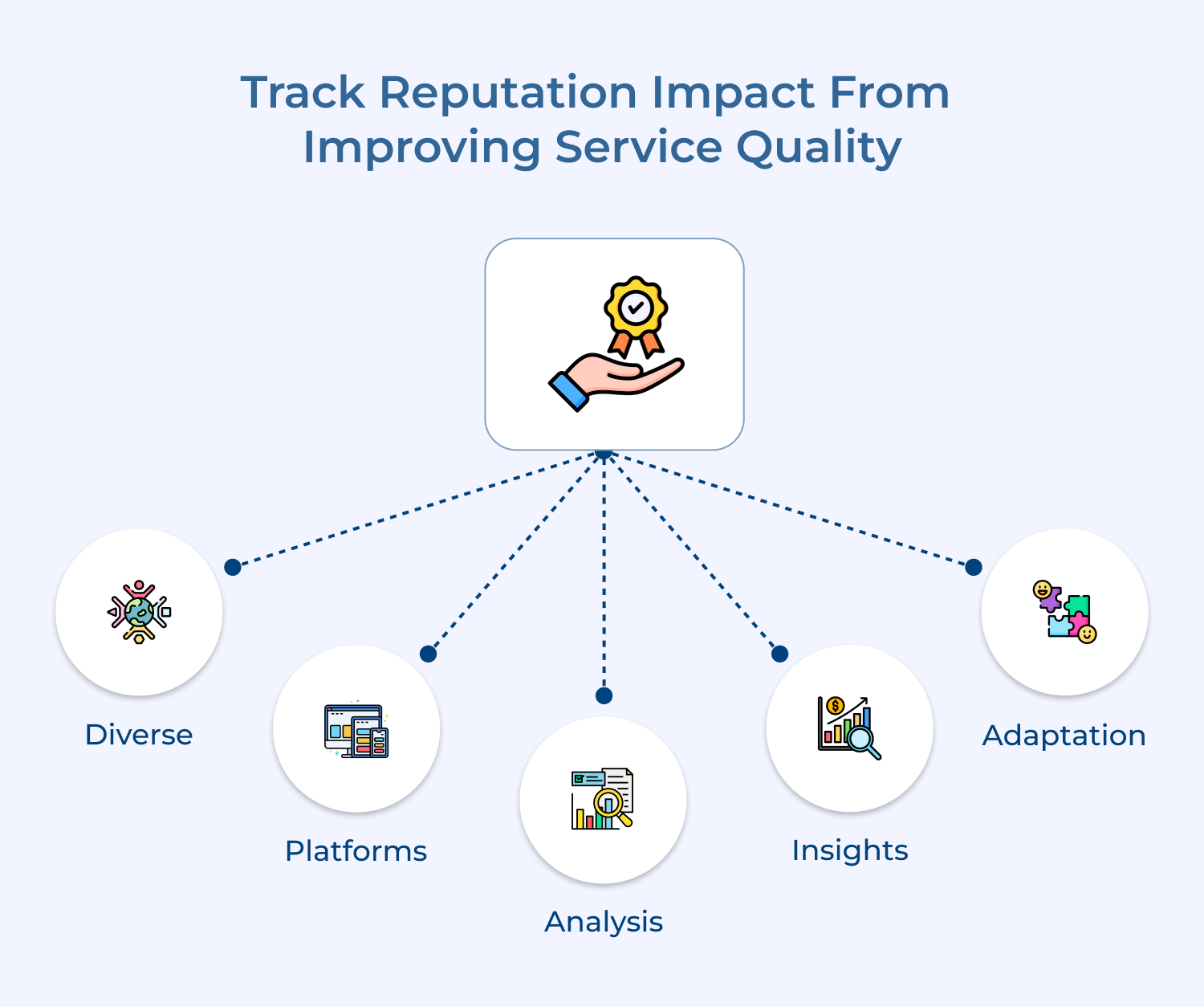
Tips to measure:
Referrals are perhaps one of the best indicators of high quality customer service since they show that customers feel comfortable enough with your products and services that they’re willing to spread word about it without any direct benefit except goodwill toward them and those who refer them products/services online or offline.
Analyzing referral rates gives you direct insight into what works best when it comes to engaging current customers—helping you build relationships beyond just traditional sales efforts while increasing web traffic and boosting sales numbers at the same time.
Measure it by:
Strong ROI in customer service support contributes to the long-term success of a business. Here are some examples of effective customer service support ROI that businesses can look at:
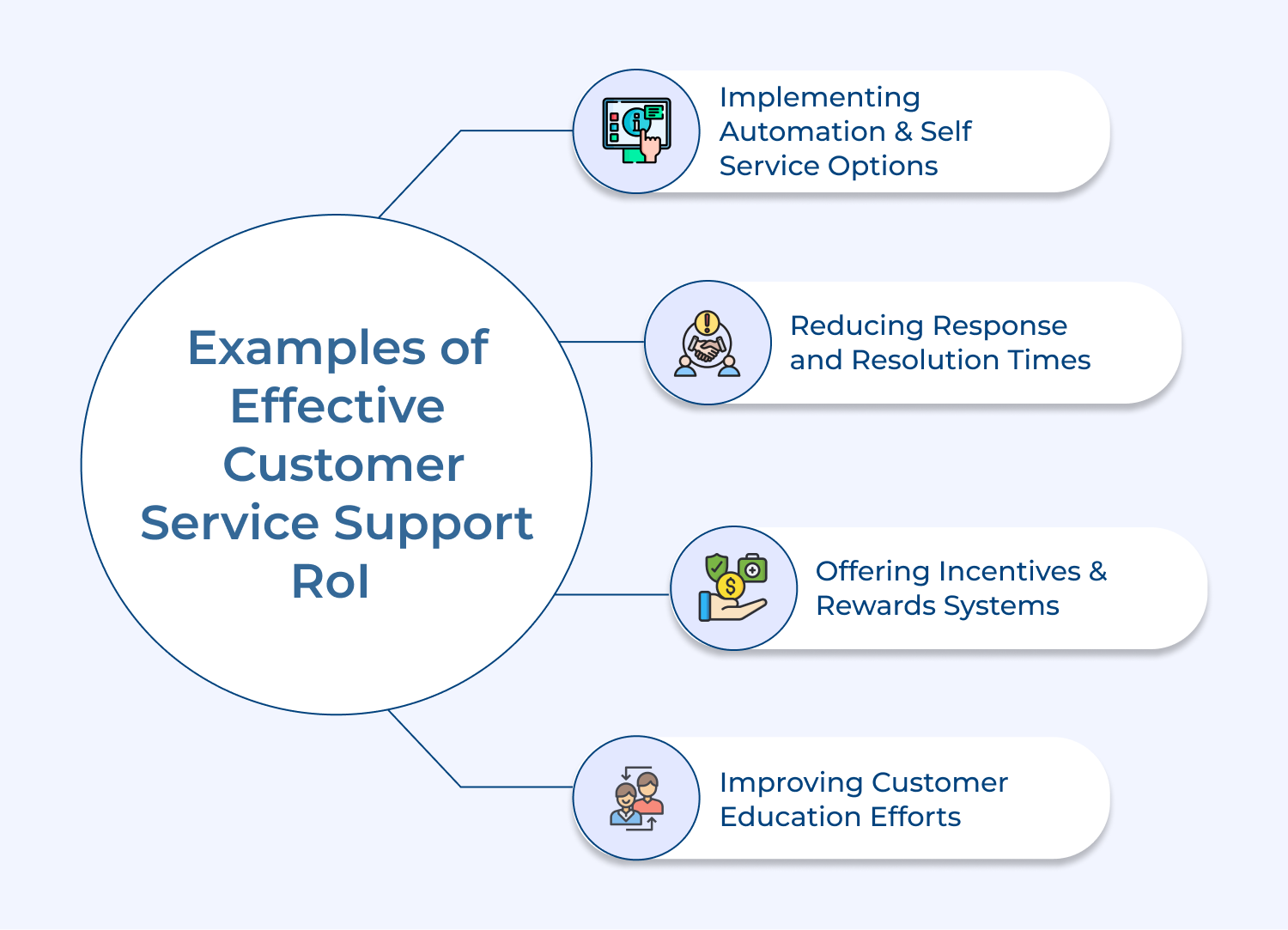
Many companies have leveraged automation and self-service options to streamline their customer service processes. Chatbots can provide instant responses to frequently asked questions and guide customers through basic troubleshooting steps. It reduces the need for human intervention, allowing agents to focus on more complex issues.
Example: Amazon’s Alexa, a voice-controlled virtual assistant, has transformed the customer service experience. Customers can inquire about order status, track packages and even place orders using voice commands. It saves time for customers and frees up customer service agents to handle more complicated requests.
One of the key factors that influence customer satisfaction is the speed of response and issue resolution. Customers expect timely and efficient support. By reducing response and resolution times, companies can enhance the overall customer experience as well as build loyalty.
Example: Zappos, an online shoe and clothing retailer, is renowned for its exceptional customer service. They prioritize fast response times, aiming for a maximum of five minutes for phone calls and 10 minutes for email responses. The company empowers customer service agents to resolve issues on the spot without having to escalate them to higher levels. The commitment to prompt service has resulted in a high customer retention rate and positive word-of-mouth referrals.
Incentives and rewards systems can be powerful tools to motivate customers to engage as well as interact with a company’s customer service channels. By offering incentives such as discounts, exclusive offers, or loyalty points for using customer service support, companies can cultivate a sense of appreciation and encourage repeat business.
Example: Southwest Airlines is known for its excellent customer service. They implemented a unique program called Southwest Airlines Rapid Rewards. The loyalty program allows customers to earn points for every flight and redeem them for future travel. By offering a tangible benefit, Southwest Airlines not only attracts and retains customers but also promotes engagement with their customer service.
Empowered customers are more satisfied customers. By enhancing customer education efforts, companies can proactively address common pain points, reduce support interactions and enhance overall customer satisfaction. Providing resources such as online tutorials, FAQs and knowledge bases can empower customers to find solutions to their problems independently.
Example: Apple’s support website is a goldmine of self-help resources. From troubleshooting guides to video tutorials, customers can easily find answers to their queries or resolve common issues without having to contact customer support. The investment in customer education has resulted in a significant reduction in support inquiries while empowering Apple’s customers to utilize their products to their fullest potential.
The way your customers interact with your business is key to improving the customer service ROI and can be the difference between a loyal customer base or one that’s constantly frustrated.
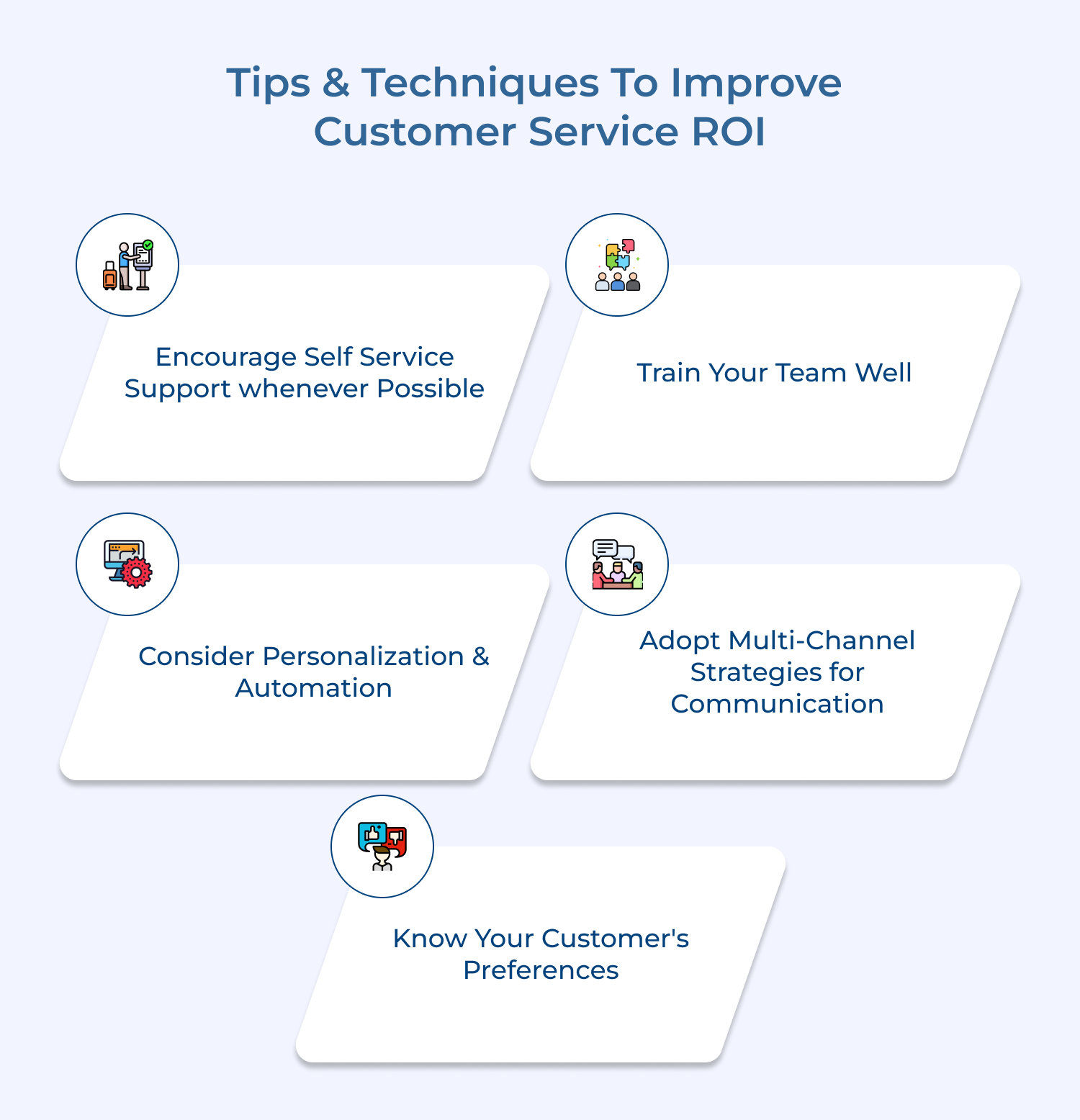
1. Encourage Self-service Support Whenever Possible
One field that often gets overlooked when it comes to improving customer service ROI is self-service support using platforms such as online help centers or FAQ pages. These opportunities enable users to find resolution without needing any human interaction at all, freeing time up for agents dealing with more complex problems. The approach plus strong training results in better efficiency across all departments compared to traditional approaches.
2. Train Your Team Well
Making sure everyone on your team knows and understands what customer service excellence looks like is essential. Training should be ongoing and involve both academics as well as hands-on experience working with customers. Excellent training allows your staff to gain essential skills such as active listening and problem solving.
Teaching them how to communicate effectively, resolve issues efficiently, and provide personalized service. Regular training sessions and workshops can also help to keep your team up-to-date with the latest industry trends as well as best practices.
3. Consider Personalization & Automation
Personalized experiences have become far more popular in recent years and can lead to greater satisfaction among customers. It is due to improved recognition as well as better service alignment with personal needs.
At the same time, automation reduces operational costs and improves scalability for faster issue resolutions, so striking a balance between the two should be top priority if you want to take advantage of their combined benefits correctly.
4. Adopt Multi-Channel Strategies for Communication
Businesses find ways to engage with customers across multiple channels such as social media, webinars, email campaigns etc. It ensures that customers can reach out to you through their preferred channels, increasing their satisfaction and reducing the chances of lost opportunities.
Integrate these channels effectively and provide consistent experiences across all platforms. It ultimately leads to improved customer satisfaction and improved ROI .
5. Know Your Customer’s Preferences
Customer preferences vary from person to person, so it’s important to understand which type of contact method they prefer when interacting with your business. Take the time to collect and analyze data about your customers, including their demographics, purchase history and communication preferences.
Making sure each of our contact methods is tailored for each individual will potentially earn greater trust from them in the process. Personalization is key, as customers are more likely to feel valued and satisfied when they receive personalized experiences.
Providing excellent customer service requires an investment of time, effort and resources. Here are ten best practices to maximize the ROI of your customer service efforts:
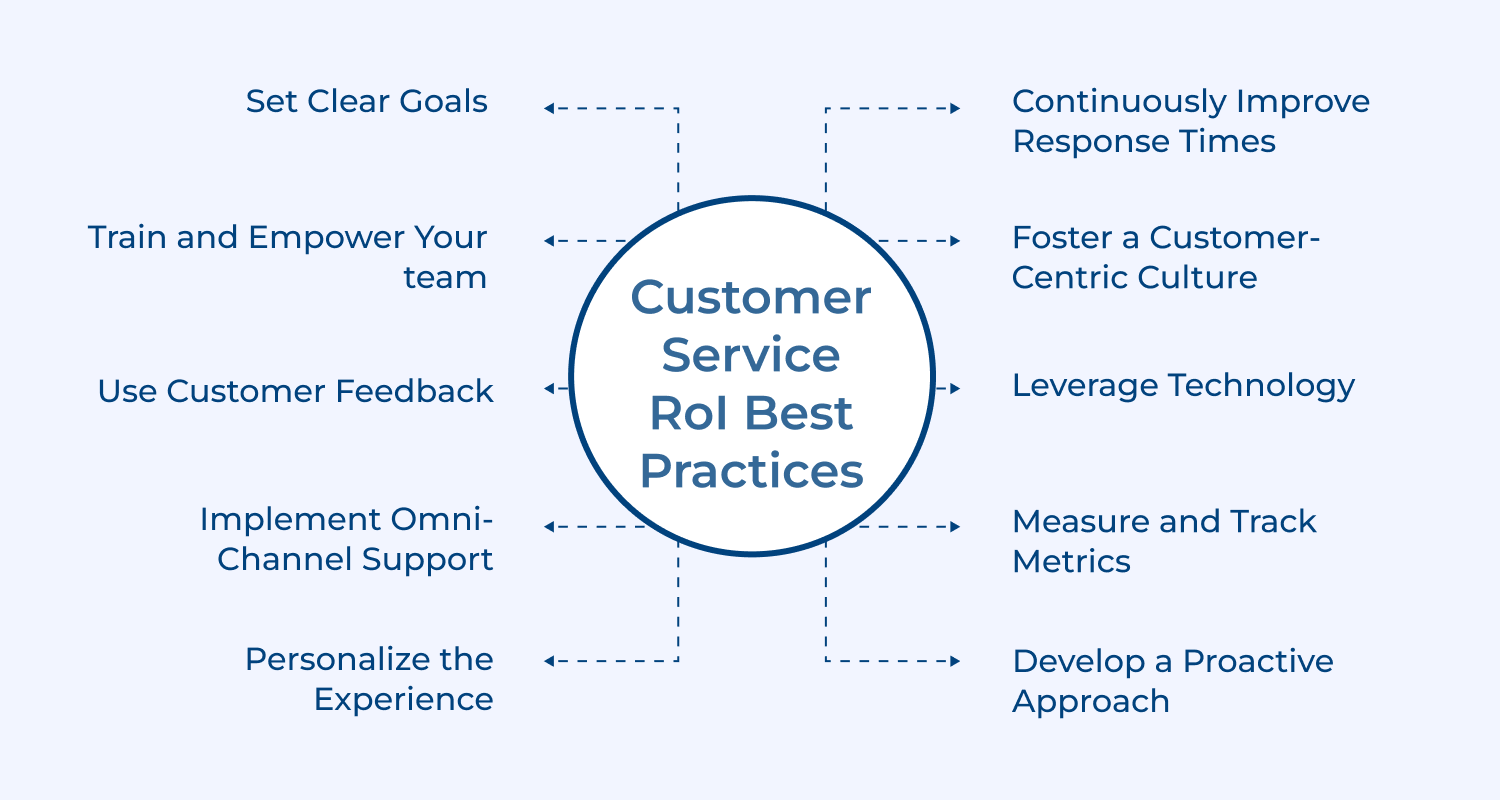
Providing excellent customer service has become more important than ever. A strong customer service Return on Investment (RoI ) plan is essential for scaling your brand’s Customer Experience (CX) and ensuring customer satisfaction.
Setting clear goals, investing in training and technology, measuring performance, as well as leveraging customer feedback, you can enhance customer satisfaction while driving business growth. Remember to continuously optimize your plan to stay ahead in a dynamic market.
Investing in excellent customer service is an investment in your company’s long-term success.

Why is customer service ROI important for the business?
Customer service ROI measures the profitability and value generated from the investments made in delivering exceptional customer experiences. It helps businesses understand the effectiveness of their customer service efforts and the impact on their bottom line. A positive ROI indicates that customer service initiatives are adding value to the business, while a negative ROI suggests the need for improvement or optimization.
What are some key factors that can impact the ROI of customer service?
Several factors influence the ROI of customer service, including customer satisfaction levels, response times, resolution rates, customer retention rates, and the cost of delivering customer service. The quality of customer service training, the efficiency of the support channels used, and the implementation of customer feedback also impact the overall ROI .
Why should businesses invest in improving their customer service ROI?
Improving customer service RoI offers numerous benefits for businesses. It leads to increased customer satisfaction, loyalty, and advocacy, resulting in higher customer retention rates. Improving customer service ROI helps attract new customers through positive word-of-mouth and referrals. A strong customer service RoI contributes to brand reputation and differentiation, ultimately leading to increased revenue as well as profitability.
What are some best practices for optimizing customer service RoI?
To optimize customer service RoI, businesses should focus on continuous improvement and implement several best practices. It includes investing in advanced customer service technologies, providing comprehensive training to customer service representatives, personalizing interactions, etc. It also talks about implementing omni-channel support, analyzing customer data and feedback to identify areas of improvement, while streamlining processes to enhance efficiency.
How can you create a customer-centric culture within your organization to enhance customer service RoI?
Creating a customer-centric culture involves aligning the entire organization around the goal of delivering exceptional customer experiences. Businesses should prioritize customer needs and preferences, empower employees to exceed customer expectations, while constructing a culture of continuous improvement. Regularly collecting and acting upon customer feedback, rewarding outstanding customer service, and promoting collaboration across departments are also effective strategies to enhance customer service ROI.
 https://omni24.io/wp-content/uploads/2026/08/Omnichannel-Chatbots.png
1256
2400
Tushar Joshi
https://omni24.io/wp-content/uploads/2023/04/Omni-Logo-1.svg
Tushar Joshi2026-08-13 04:43:302026-08-24 09:02:01How Omnichannel Chatbots Improve Your Customer Experience
https://omni24.io/wp-content/uploads/2026/08/Omnichannel-Chatbots.png
1256
2400
Tushar Joshi
https://omni24.io/wp-content/uploads/2023/04/Omni-Logo-1.svg
Tushar Joshi2026-08-13 04:43:302026-08-24 09:02:01How Omnichannel Chatbots Improve Your Customer Experience https://omni24.io/wp-content/uploads/2026/08/Ecommerce-Chatbots-1.png
1256
2400
Tushar Joshi
https://omni24.io/wp-content/uploads/2023/04/Omni-Logo-1.svg
Tushar Joshi2026-08-12 03:57:552026-08-24 09:03:22Ecommerce Chatbots: What are They and Their Use Cases
https://omni24.io/wp-content/uploads/2026/08/Ecommerce-Chatbots-1.png
1256
2400
Tushar Joshi
https://omni24.io/wp-content/uploads/2023/04/Omni-Logo-1.svg
Tushar Joshi2026-08-12 03:57:552026-08-24 09:03:22Ecommerce Chatbots: What are They and Their Use Cases https://omni24.io/wp-content/uploads/2026/08/Omnichannel-Ecommerce.png
1256
2400
Tushar Joshi
https://omni24.io/wp-content/uploads/2023/04/Omni-Logo-1.svg
Tushar Joshi2026-08-11 04:50:362026-08-24 09:00:45How to Create an Omnichannel Ecommerce Strategy: 7 Best Ways
https://omni24.io/wp-content/uploads/2026/08/Omnichannel-Ecommerce.png
1256
2400
Tushar Joshi
https://omni24.io/wp-content/uploads/2023/04/Omni-Logo-1.svg
Tushar Joshi2026-08-11 04:50:362026-08-24 09:00:45How to Create an Omnichannel Ecommerce Strategy: 7 Best Ways
Whether it’s about acquire, engage or support – Omni24 covers all your customer engagement needs in one complete platform.

Copyright ©2026 Veemo All rights reserved.
CA, Los Angeles, Hall Ave, 19011