Customer Experience vs Customer Satisfaction: What’s The Best?
Explore customer experience vs customer satisfaction distinctions to build loyalty, positive word-of-mouth, and sustainable growth in competitive markets.

Explore customer experience vs customer satisfaction distinctions to build loyalty, positive word-of-mouth, and sustainable growth in competitive markets.
Customer satisfaction is often seen as the ultimate goal. But, ensuring customer satisfaction is not always enough to stand out from the competition.
Businesses that only prioritize satisfied customers may be missing out on the bigger picture. Customer experience goes beyond just meeting their expectations – it is about creating an emotional connection that keeps them coming back for more.
Keeping customers happy is essential. As businesses strive to stay ahead in a crowded marketplace, understanding the difference between customer experience vs customer satisfaction is crucial. In this article, we will explore the nuances of each concept.
Customer Experience (CX) is a term that has gained significant traction in the business world over the past decade. It refers to the overall perception and feelings that customers have towards a brand based on their interactions and experiences with it. In simpler terms, it is the sum total of every touchpoint both online and offline, that a customer has with a company. The companies investing in efficient customer experience software see an 80% increase in revenue.
Objectives of CX:
Customer Experience encompasses various elements, including website usability, product quality, delivery process, after-sales service and more.
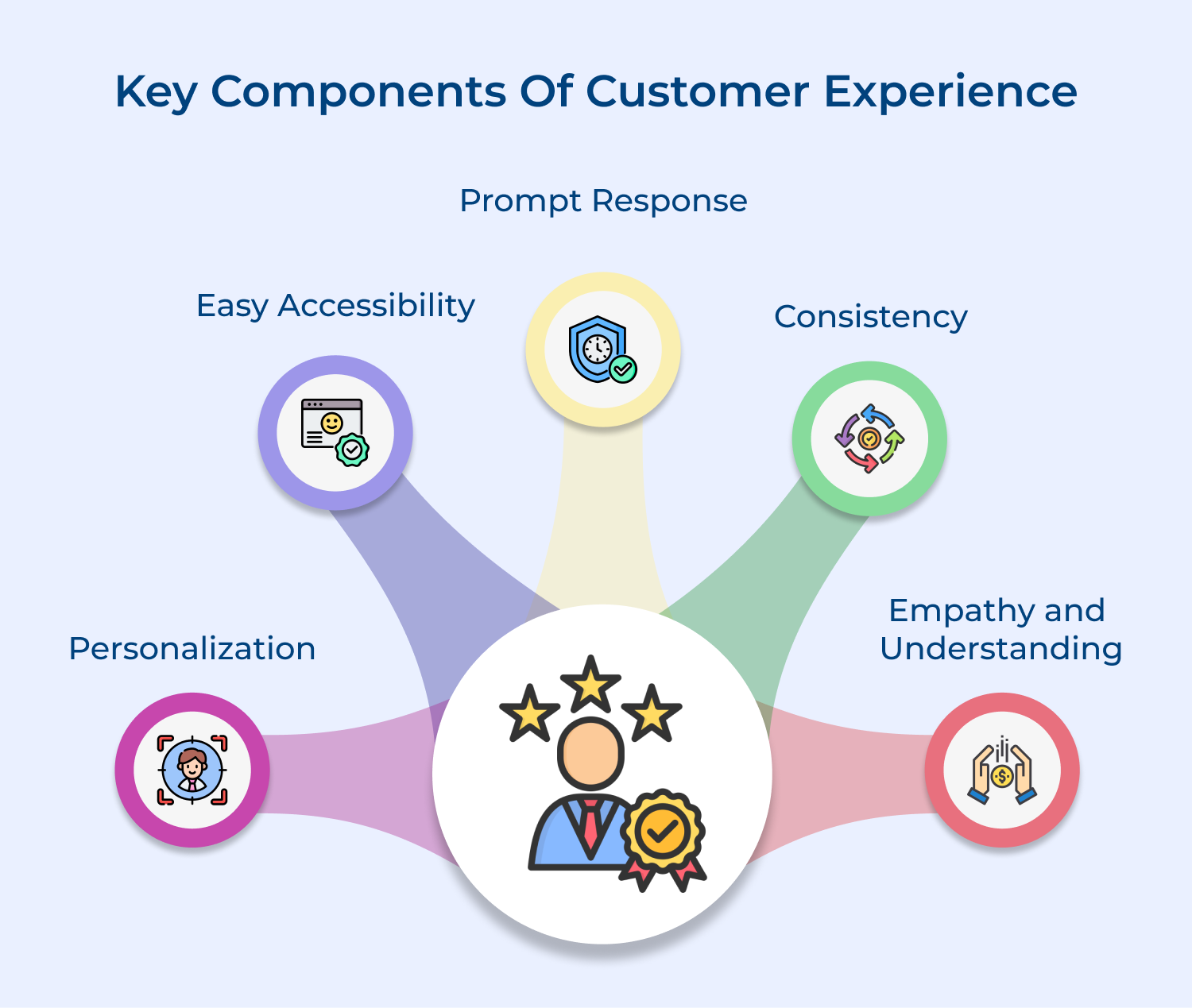
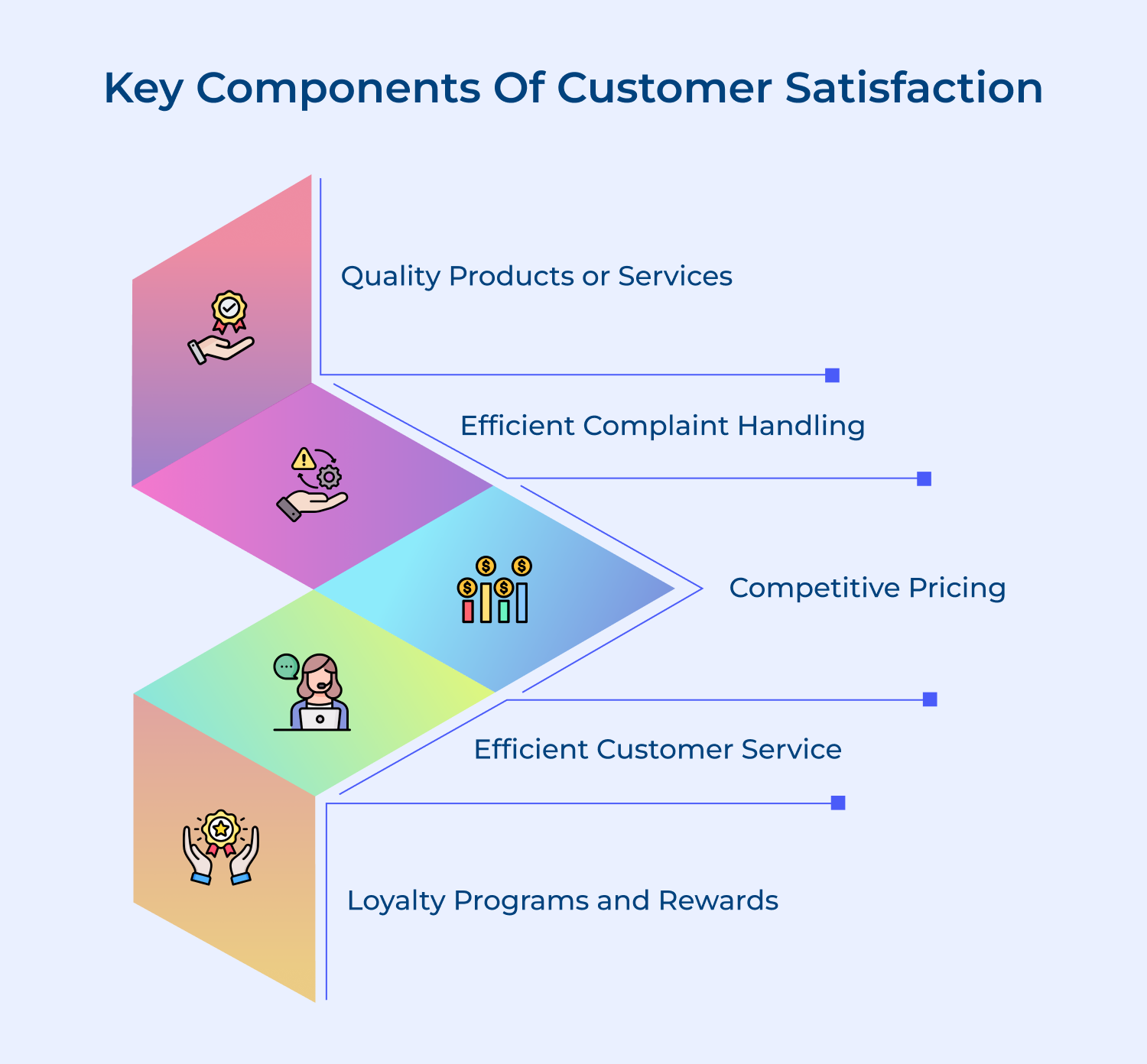
Customer satisfaction plays a vital role in determining the success and growth of any organization. When customers are satisfied, they are more likely to become repeat customers, refer others to the business and provide positive feedback. For every 1% increase in customer satisfaction, businesses observe 5% increase in customer retention.
Key objectives:
Satisfied customers are more likely to stay loyal and provide valuable feedback for improvement. Let’s understand the key components that contribute to a positive customer experience.
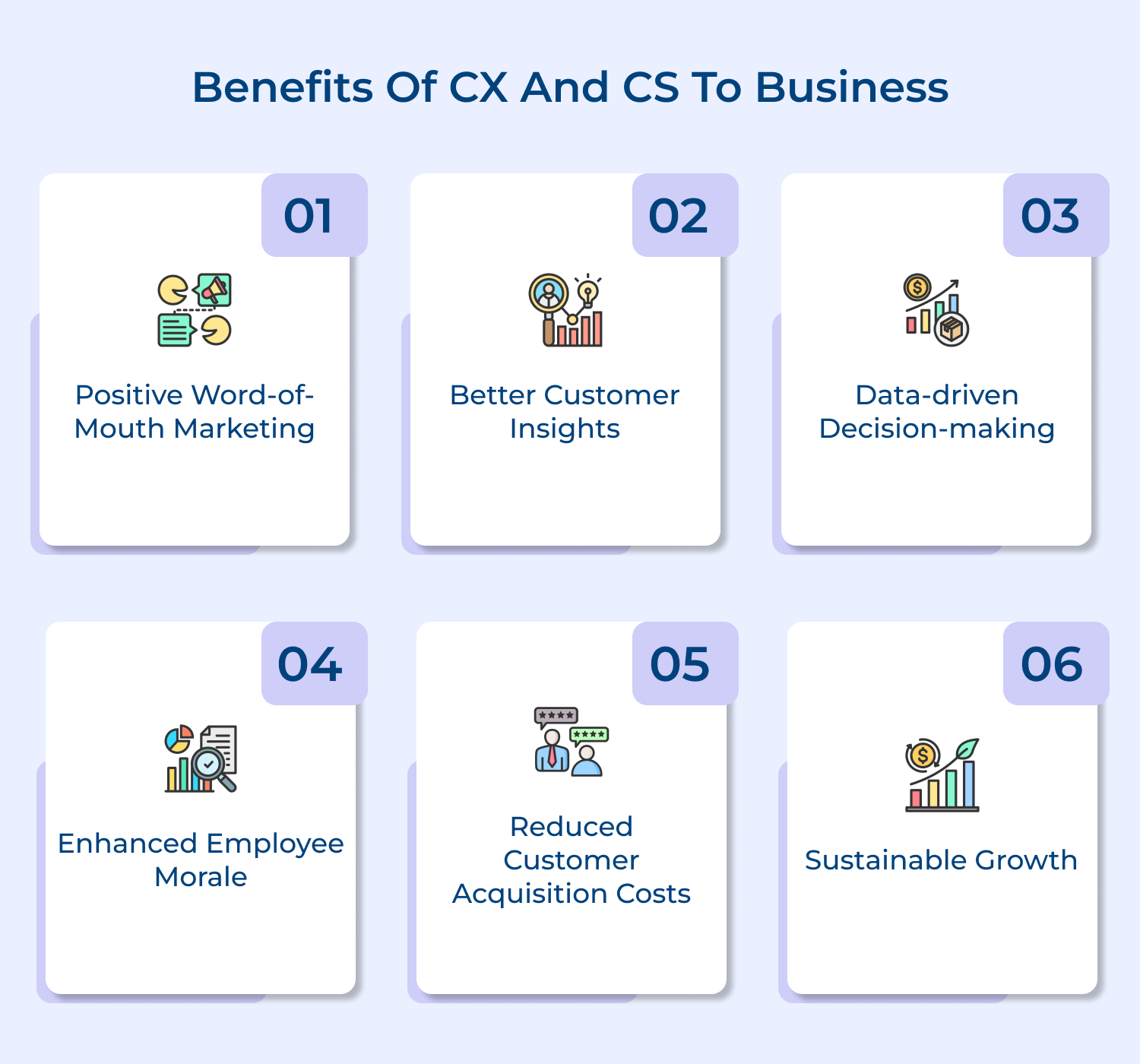
CX (Customer Experience) and CS (Customer Satisfaction) are two crucial aspects of any business. They play a significant role in determining the success and growth of a company.
Customer experience and customer satisfaction are both important factors in the success of a business, but they are not the same thing. Explore how they’re unique in their own ways.
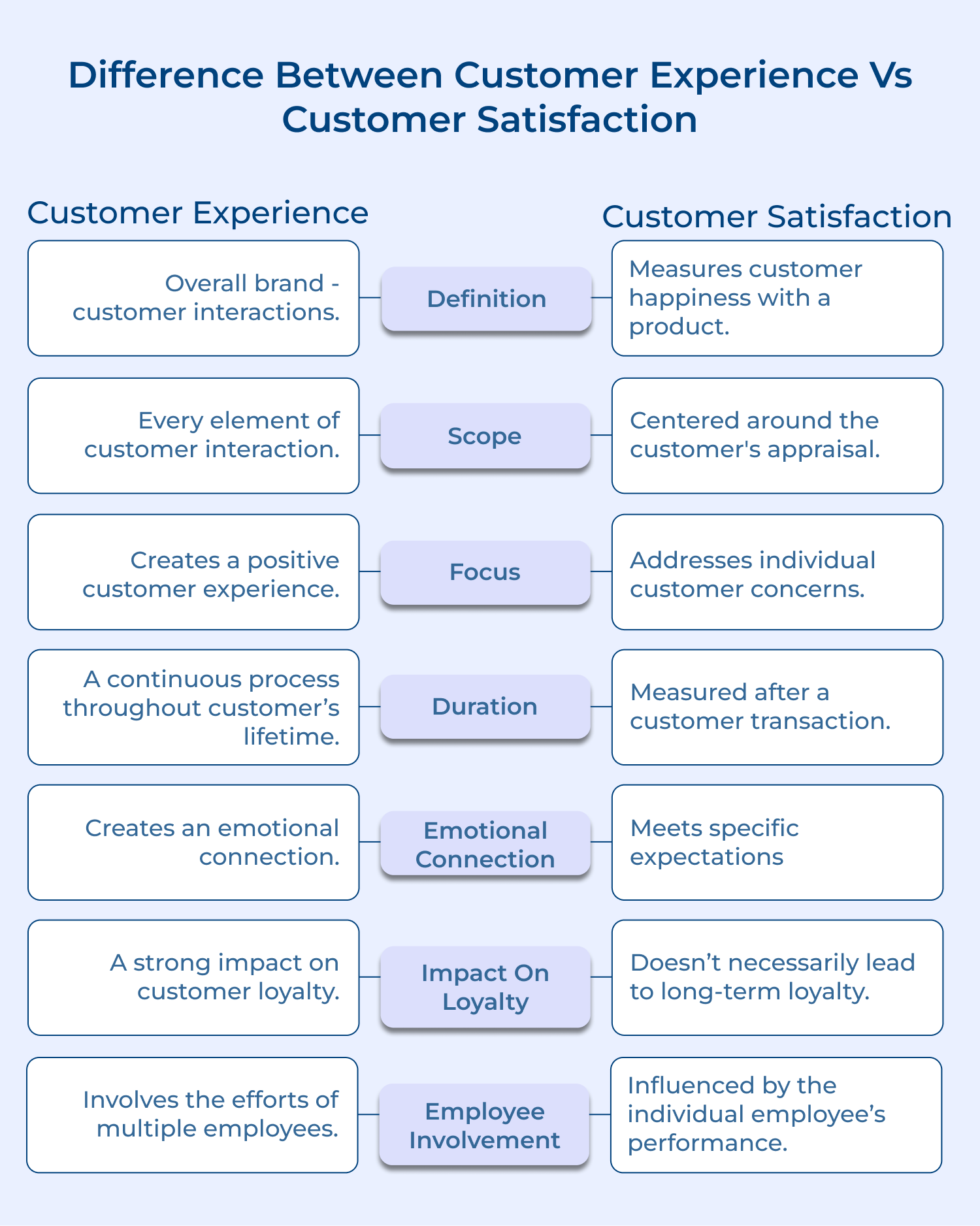
Customer experience refers to the overall interactions and perceptions a customer has with a brand throughout their journey. It encompasses every touchpoint, from the moment they first hear about a company to the post-purchase support they receive. However, customer satisfaction is a more specific measure of how happy a customer is with a particular product or service.
Customer experience is a broader concept that considers various elements of a customer’s interaction with a company such as branding, advertising, customer service and product quality. Customer satisfaction is more specific and centered around the customer’s appraisal of a specific transaction or interaction.
Customer experience requires a company-wide commitment to creating a positive experience for customers. It involves collaboration across departments and a focus on understanding as well as meeting customer needs. Customer satisfaction often falls within the realm of customer service and focuses primarily on addressing individual customer concerns or issues.
Customer experience is a continuous process that occurs throughout the entire customer journey. It involves every interaction, from the initial awareness stage to the post-purchase support. Customer satisfaction is momentary and is generally measured after a customer has completed a specific transaction.
Customer experience often involves creating an emotional connection with customers. By providing personalized experiences tailored to their needs, businesses can evoke positive emotions and establish stronger relationships. Customer satisfaction is more about meeting specific expectations and ensuring that customers are content with their purchase.
Measuring customer experience requires a combination of qualitative and quantitative methods. Surveys, feedback forms and customer journey mapping are commonly used to gauge the overall experience. On the flip side, customer satisfaction can be measured through simple surveys or post-purchase feedback.
Positive customer experiences have a strong impact on customer loyalty. When customers have a positive overall perception of a brand, they are more likely to become repeat customers and recommend the brand to others. Customer satisfaction, although important, may not necessarily lead to long-term loyalty.
Creating a positive customer experience often involves the efforts of multiple employees and departments within a company. It requires cross-functional collaboration and a customer-centric approach throughout the organization. Customer satisfaction on the other hand can be influenced by the performance of individual employees or specific departments.
Customer experience can be a key differentiator for businesses. By providing a superior experience, companies stand out from the competition and attract more customers. Customer satisfaction, although important may not be enough to differentiate a brand from its competitors.
Customer experience aims to exceed customer expectations by creating a memorable and seamless journey. It involves delighting customers and forming emotional connections. Customer satisfaction focuses on meeting or ideally, surpassing a customer’s basic expectations regarding a specific product or service.
Combining CX and CS help businesses to create a seamless as well as exceptional customer service experience. But, how do they help you elevate customer service? Let’s dive into it.
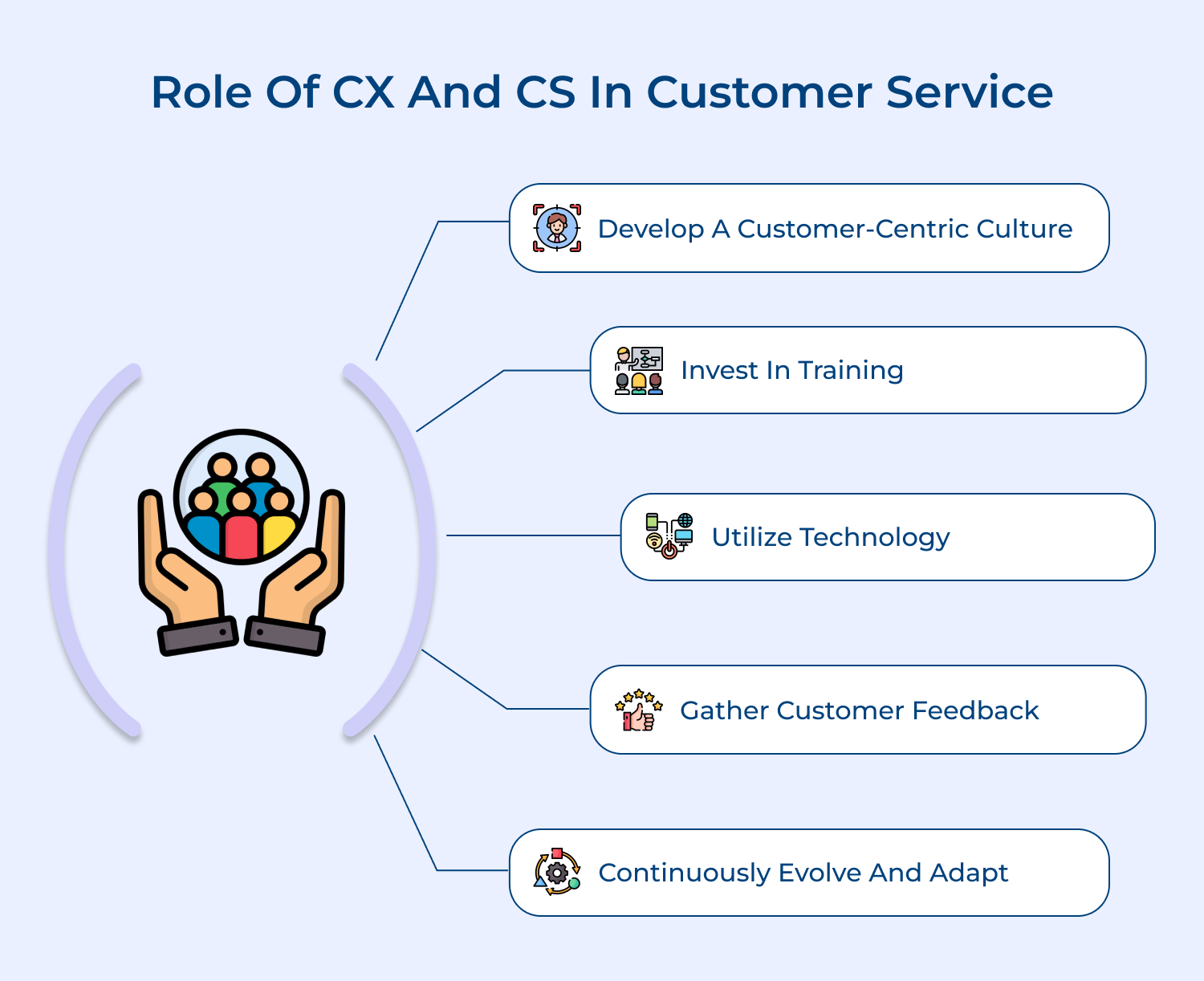
Customer experience and customer satisfaction are the foundation for business growth in a highly competitive world. Prioritizing these aspects not only leads to increased customer retention but also provides a significant competitive advantage.
Delighting customers at every touchpoint and consistently meeting their needs help brands to build loyal customer bases. Investing in customer-centric strategies and continuously refining the customer experience will pave the way for long-term success in a dynamic business environment.

What is a customer satisfaction experience?
Customer satisfaction experience refers to the overall level of satisfaction a customer feels after interacting with a company or using its products or services. It is often measured through surveys or feedback mechanisms and it plays a crucial role in customer retention. CS focuses on meeting or exceeding customer expectations and ensuring their needs are met.
What are the 3 main components of customer experience?
The three main components of customer experience are interaction, outcomes and customer service. Interactions focuses on the direct interactions between the customer and the company like customer service interactions, in-store experiences, website usability, etc. The outcomes component is all about the end result like the product or service quality, the value for money and the overall benefits or solutions provided. Customer service involves how well a business interacts with its customers, addresses their needs and resolves any issues or concerns they may have.
What is customer experience, and how does it differ from customer satisfaction?
Customer experience is the holistic perception a customer forms based on all interactions with a company, while customer satisfaction is a measurement of how well a company’s products or services meet customer expectations. Customer experience is a broader concept that influences satisfaction, whereas satisfaction is a specific metric within the overall experience.
What factors influence customer experience compared to customer satisfaction?
Customer experience is influenced by a wide range of factors, including product quality, service reliability, brand image, and emotional connections. In contrast, customer satisfaction primarily focuses on whether a product or service meets the customer’s expectations. Customer experience takes into account the entire customer journey, while satisfaction is often measured at specific touchpoints or transactions.
 https://omni24.io/wp-content/uploads/2026/08/AI-Customer-Service-Agents.png
1256
2400
Webvision Solution
https://omni24.io/wp-content/uploads/2023/04/Omni-Logo-1.svg
Webvision Solution2026-09-21 04:48:512026-09-21 04:48:51How to Build an AI Customer Service Agents: 8 Key Steps
https://omni24.io/wp-content/uploads/2026/08/AI-Customer-Service-Agents.png
1256
2400
Webvision Solution
https://omni24.io/wp-content/uploads/2023/04/Omni-Logo-1.svg
Webvision Solution2026-09-21 04:48:512026-09-21 04:48:51How to Build an AI Customer Service Agents: 8 Key Steps https://omni24.io/wp-content/uploads/2026/08/Omnichannel-Conversational-AI.png
1256
2400
Tushar Joshi
https://omni24.io/wp-content/uploads/2023/04/Omni-Logo-1.svg
Tushar Joshi2026-09-16 03:51:072026-09-16 03:51:07How to Build Omnichannel Conversational AI Strategy
https://omni24.io/wp-content/uploads/2026/08/Omnichannel-Conversational-AI.png
1256
2400
Tushar Joshi
https://omni24.io/wp-content/uploads/2023/04/Omni-Logo-1.svg
Tushar Joshi2026-09-16 03:51:072026-09-16 03:51:07How to Build Omnichannel Conversational AI Strategy https://omni24.io/wp-content/uploads/2026/08/Customer-Service-Teams.png
1256
2400
Tushar Joshi
https://omni24.io/wp-content/uploads/2023/04/Omni-Logo-1.svg
Tushar Joshi2026-09-15 04:01:522026-09-15 04:02:16How to Build Customer Service Teams: 6 Key Steps
https://omni24.io/wp-content/uploads/2026/08/Customer-Service-Teams.png
1256
2400
Tushar Joshi
https://omni24.io/wp-content/uploads/2023/04/Omni-Logo-1.svg
Tushar Joshi2026-09-15 04:01:522026-09-15 04:02:16How to Build Customer Service Teams: 6 Key Steps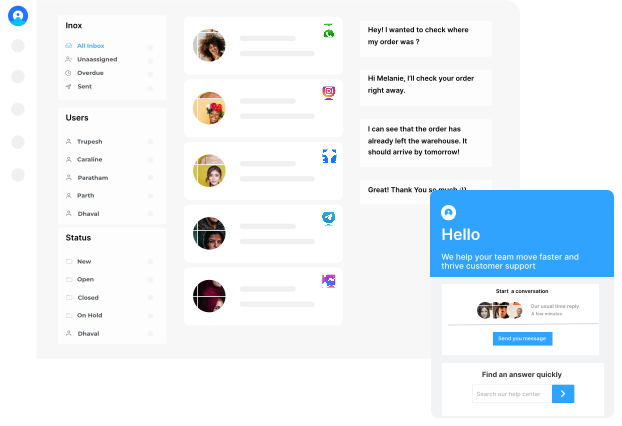
Whether it’s about acquire, engage or support – Omni24 covers all your customer engagement needs in one complete platform.

Copyright ©2026 Veemo All rights reserved.
CA, Los Angeles, Hall Ave, 19011