How to Deliver a Great Post Purchase Experience in Ecommerce
Enhance customer loyalty through superior post purchase experiences. Discover strategies, metrics and real examples to retain satisfied repeat customers.

Enhance customer loyalty through superior post purchase experiences. Discover strategies, metrics and real examples to retain satisfied repeat customers.
Have you ever bought a product online or in-store, only to feel disappointed with the overall experience after making the purchase? The post purchase experience plays a crucial role in determining how satisfied customers feel with their decision to buy a product.
It’s no news that every company constantly looks for different ways to differentiate themselves from the crowd, but one of the efficient ways to make a lasting impact on the customers is the post-purchase experience.
Understanding the importance of the post-purchase experience is essential for businesses looking to build customer loyalty and drive repeat purchases. We’ll explore the key elements that make up a positive post-purchase experience and offer tips on how businesses can improve their processes to create happy, satisfied customers.
Post-purchase experience is all about the interactions and engagements between the customer as well as the company. This phase is crucial in determining whether the customer will become a loyal advocate for the brand or if they will be a one-time buyer. The post-purchase experience plays a significant role in building customer loyalty and generating word-of-mouth marketing.
The impact of post-purchase experience extends far beyond the immediate transaction, fundamentally shaping a company’s long-term success and market position. A well-crafted post-purchase journey transforms satisfied customers into brand ambassadors who drive organic growth through recommendations and social proof.
Key objectives:
As per Statista, 25% of the people wouldn’t mind doing business with the ones that remembers them and personalizes their experience. Let’s learn other great advantages of it.
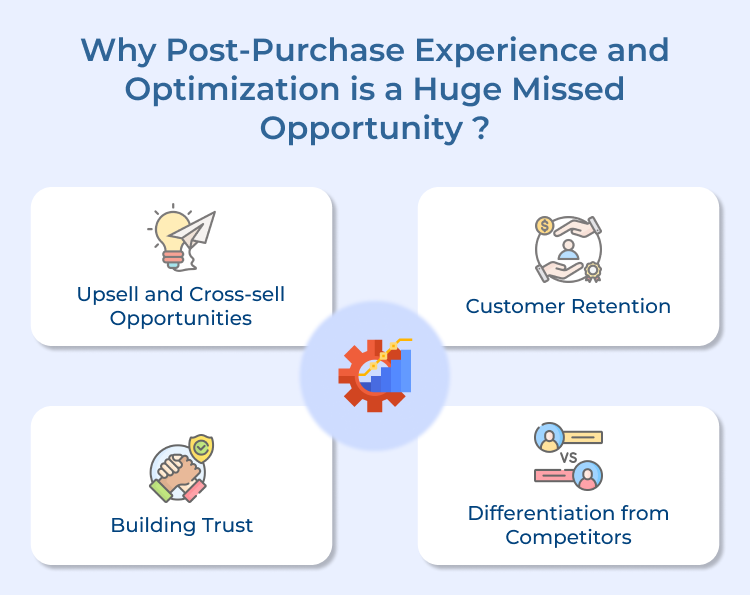
Creating a stellar post-purchase experience is about building a strong customer relationship. In fact, 56% of the customers become loyal to the brand that ‘gets them’.
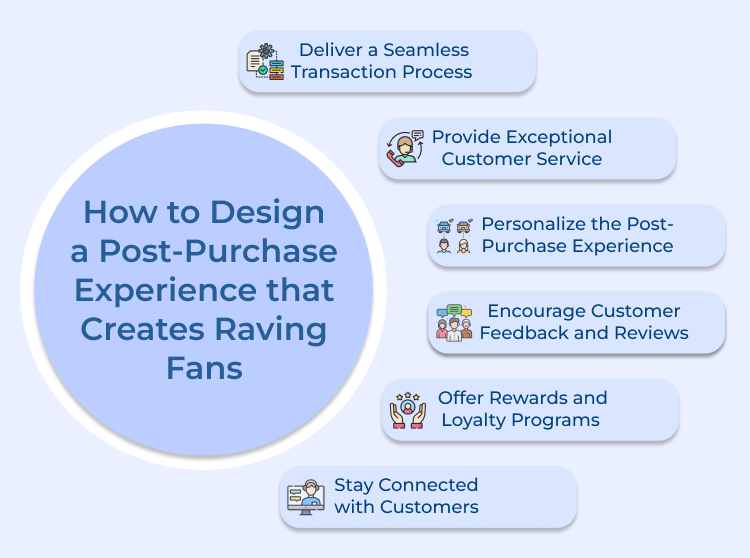
The first step in creating a post-purchase experience that wows your customers is to ensure that the transaction process is seamless. It means making sure that the checkout process is easy to navigate, payment options are clear, secure and delivery is prompt. Customers will become raving fans if their purchasing experience is hassle-free.
Your job doesn’t just end when the customer makes a purchase. Providing exceptional customer service after the sale is key to creating raving fans. Be responsive to customer inquiries while also going above and beyond to resolve any issues that may arise. Customers who feel valued and supported become loyal fans of your brand.
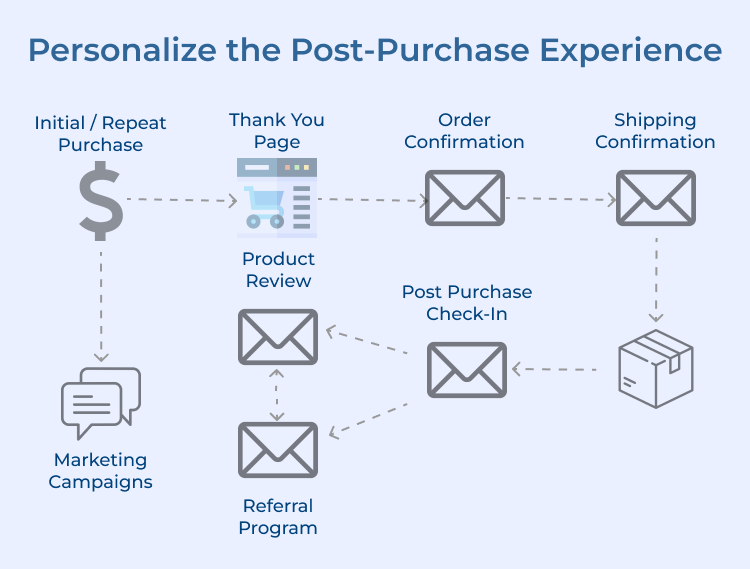
One way to stand out from the competition and create raving fans is to personalize the post-purchase stage. It could mean sending a thank you note in post-purchase emails, offering personalized product recommendations based on their purchase history or providing exclusive discounts and offers. Showing your customers that you care about their individual needs builds a strong emotional connection that keeps them coming back for more.
Another important aspect of designing a post-purchase experience is to encourage customer feedback and reviews. Positive testimonials not only help build trust with potential customers but also show existing customers that their opinions are valued. Make it easy for customers to leave reviews, whether through email surveys, social media platforms, or your website.
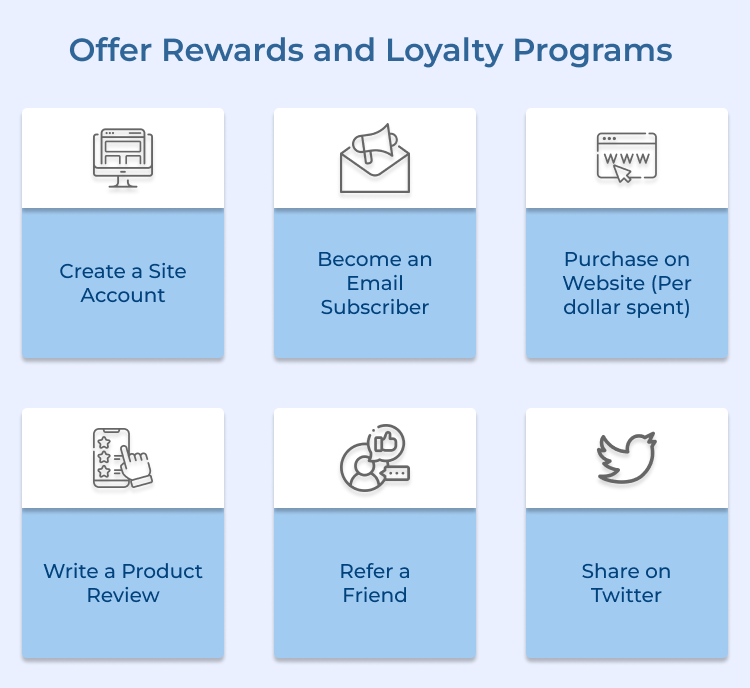
To incentivize repeat purchases and create raving fans, consider implementing rewards along with loyalty programs. These programs offer customers exclusive discounts, early access to new products, or other perks in exchange for their continued loyalty. By rewarding customers for their ongoing support, you build a community of raving fans who are eager to spread the word about your brand.
Building a lasting relationship with your customers requires ongoing communication and engagement. Stay connected with your customers through email marketing, social media, or other channels to keep them informed about new products, promotions and company updates. By staying top of mind, you ensure that your customers remain loyal fans who are eager to support your brand.
If you know the Pareto principle then you’ll understand that 80% of the business comes from only 20% of the loyal customers. Here’s how you create an exclusive customer experience:
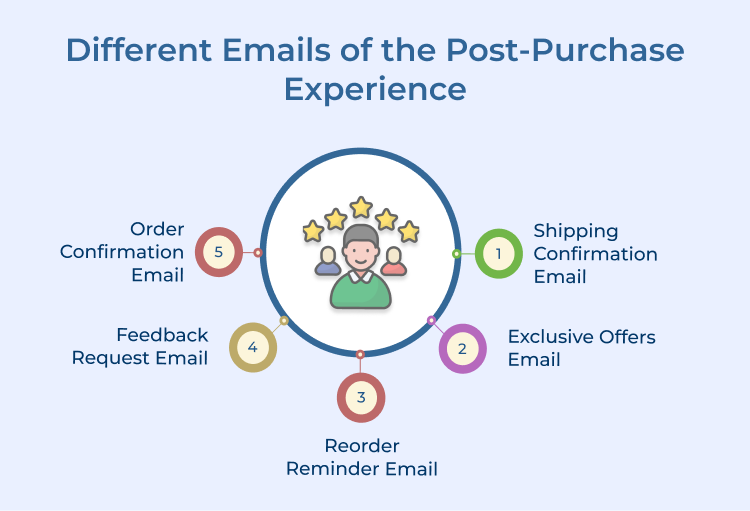
We create extensive strategies for pre-purchase stages. However, building a post-purchase customer experience builds a strong base of customer loyalty. Here’s how to build one.
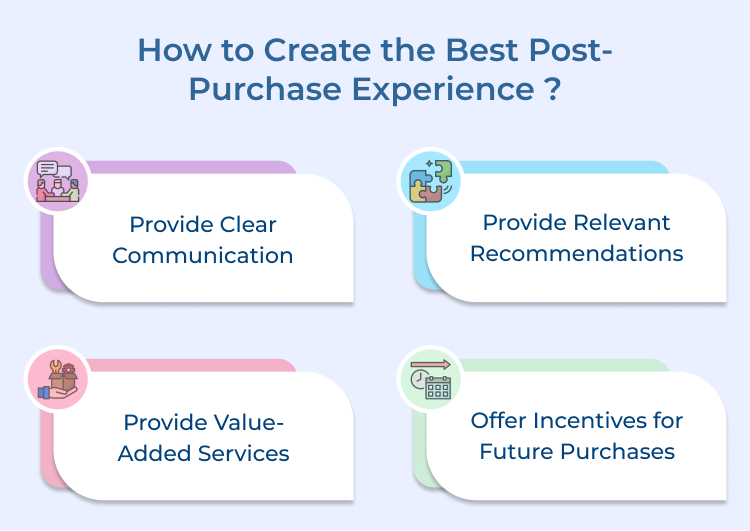
1. Provide Clear Communication
Make sure to provide clear and transparent communication throughout the post-purchase process. It includes sending order confirmation emails, shipping notifications and delivery updates. Keeping the customer informed every step of the way builds trust and reduces anxiety about their purchase.
2. Provide Relevant Recommendations
Customers expect specialized treatment for being good customers. Leverage this to your advantage by using data analysis to provide customers with relevant product recommendations based on their previous purchases. It helps increase customer satisfaction and encourage repeat purchases.
3. Provide Value-Added Services
Consider offering value-added services to enhance the post-purchase experience. It could include things like extended warranties, free returns or loyalty programs. Providing extra benefits shows customers that you care about their satisfaction and are willing to go the extra mile to ensure their happiness.
4. Offer incentives for future purchases
Show your appreciation for your customers by offering them discounts, coupons, or special promotions for their next purchase. It not only encourages repeat business but also makes customers feel valued and appreciated.
Tracking improvements in the post-purchase experience, you identify areas of strength, weakness and make necessary adjustments to improve customer satisfaction.
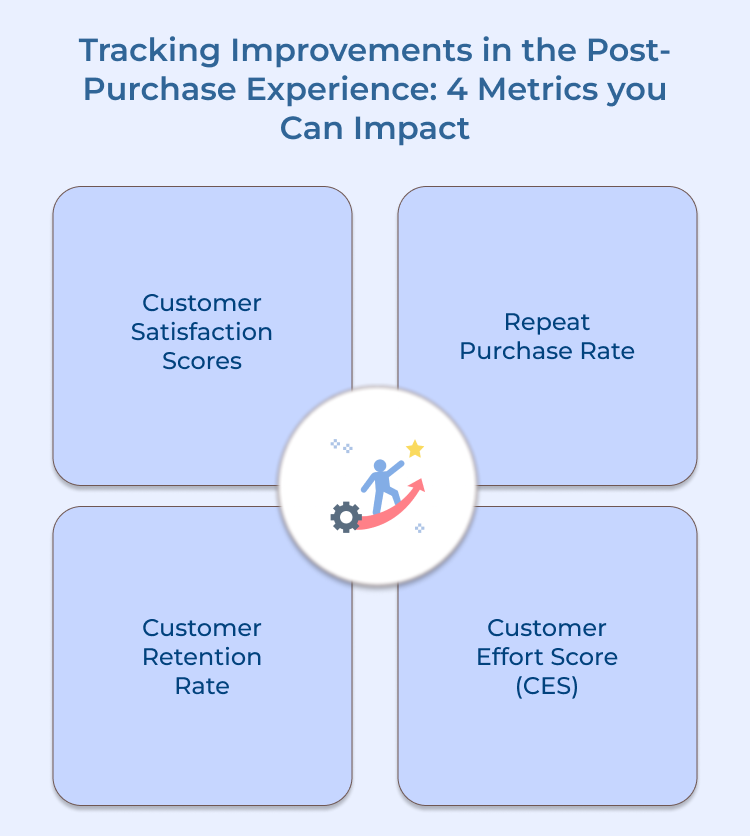
One of the most common ways to measure customer satisfaction is through customer satisfaction scores (CSAT). By sending out surveys or utilizing tools like Net Promoter Score (NPS), you gather feedback from customers about their experience with your business. Analyzing these scores help you identify patterns and trends in customer satisfaction as well as make improvements to enhance the overall post-purchase experience.
The repeat purchase rate measures the percentage of customers who make a second purchase from your business. Through this metric you determine if customers are satisfied with their initial purchase and are likely to return for future purchases. Increasing the repeat purchase rate can be achieved through strategies such as personalized customer communication, loyalty programs and providing exceptional customer service.
Customer retention rate measures the percentage of customers who continue to do business with your company over a period of time. Focusing on retaining existing customers lets you build long-term relationships and increase customer lifetime value. Improve the customer retention rate through strategies such as offering exclusive discounts to loyal customers, providing personalized recommendations and implementing a customer loyalty program.
The Customer Effort Score measures the level of effort customers have to exert to complete a purchase or resolve an issue. Ensure that the customers have access to easy-to-navigate websites, quick response times to inquiries, and efficient order fulfillment. This way, you reduce customer effort and improve their experience. Monitoring your CES helps you identify pain points in the customer journey and make improvements to streamline the process.
Many companies have implemented post-purchase strategies that go above and beyond to ensure customer satisfaction.
The outdoor clothing company is committed to sustainability along with social responsibility and they extend this ethos to their post-purchase experience. Patagonia offers a repair service for their products, encouraging customers to repair items rather than replace them. They also have a “worn wear” program where customers can sell or trade in their used Patagonia gear, promoting a circular economy and reducing waste.
Lush is known for their handmade, cruelty-free beauty products. One of the reasons customers keep coming back to Lush is their generous return policy. They allow customers to bring back empty containers and receive a free face mask in return. It not only encourages customers to recycle their packaging but also incentivizes them to return to the store.
Apple is known for its seamless post-purchase support and customer service. They offer a one-year warranty on their products, as well as the option to purchase AppleCare for extended coverage. Apple also provides free workshops and technical support at their retail stores, ensuring customers feel supported long after their initial purchase.
In conclusion, making every customer feel valued with a post-purchase experience is essential for building customer loyalty and driving repeat business. By offering personalized thank you messages, follow-up emails and special offers, you show your customers that their satisfaction is your top priority.
Listening to feedback and addressing any issues promptly will also help to create a positive customer experience. Remember, happy customers recommend your brand to others and become long-term advocates for your business. So, invest time and effort into creating a memorable post-purchase experience to keep customers coming back for more.

Why should you understand and elevate your post-purchase experience?
The post-purchase experience is essential because it is the final interaction a customer has with your brand after making a purchase. The experience shapes their perception of your company and influences whether they choose to make future purchases or recommend your products or services to others. By understanding and elevating this experience, you turn one-time buyers into loyal customers.
How to innovate the post-purchase experience?
There are several ways to innovate the post-purchase experience, such as providing personalized follow-up emails or surveys to gather feedback, offering exclusive discounts or promotions for repeat customers, creating a seamless and user-friendly returns process, while also providing exceptional customer service to address any issues or concerns promptly.
What happens after post-purchase?
After the post-purchase experience, it is crucial to continue engaging with customers to build brand loyalty and encourage repeat purchases. It includes sending thank-you notes or follow-up emails, providing ongoing customer support, sending personalized recommendations based on their previous purchases, and creating a loyalty program to reward repeat business.
Why is the post-purchase experience important?
The post-purchase experience is important because it has a direct impact on customer satisfaction, loyalty, and retention. A positive post-purchase experience leads to customer advocacy, increased customer lifetime value and a higher likelihood of repeat business. On the other hand, a negative post-purchase experience results in customer churn and negative word-of-mouth, which harm your brand reputation.
How to optimize the post-purchase experience?
To optimize the post-purchase experience, businesses should focus on providing exceptional customer service, delivering on promises made during the sales process, offering hassle-free returns and exchanges, personalizing follow-up communication, while seeking feedback to continuously improve the customer experience. It is also essential to monitor customer satisfaction metrics and track key performance indicators to identify areas for improvement.
Why does the post-purchase customer journey matter?
The post-purchase customer journey matters because it is an opportunity to build trust, loyalty and long-term relationships with customers. By focusing on the post-purchase experience, businesses can differentiate themselves from competitors, increase customer satisfaction as well as retention rates and ultimately drive business growth. Investing in the post-purchase customer journey is an investment in the future success of your business.
 https://omni24.io/wp-content/uploads/2026/07/Web-Self-Service.png
1257
2400
Webvision Solution
https://omni24.io/wp-content/uploads/2023/04/Omni-Logo-1.svg
Webvision Solution2026-07-23 05:39:582026-07-23 05:39:58Web Self Service: What it is, Features and its Benefits
https://omni24.io/wp-content/uploads/2026/07/Web-Self-Service.png
1257
2400
Webvision Solution
https://omni24.io/wp-content/uploads/2023/04/Omni-Logo-1.svg
Webvision Solution2026-07-23 05:39:582026-07-23 05:39:58Web Self Service: What it is, Features and its Benefits https://omni24.io/wp-content/uploads/2026/07/Knowledge-Base-SEO-1.png
1396
2400
Webvision Solution
https://omni24.io/wp-content/uploads/2023/04/Omni-Logo-1.svg
Webvision Solution2026-07-22 09:44:572026-07-23 06:16:41What is Knowledge Base SEO & How to Create it?
https://omni24.io/wp-content/uploads/2026/07/Knowledge-Base-SEO-1.png
1396
2400
Webvision Solution
https://omni24.io/wp-content/uploads/2023/04/Omni-Logo-1.svg
Webvision Solution2026-07-22 09:44:572026-07-23 06:16:41What is Knowledge Base SEO & How to Create it? https://omni24.io/wp-content/uploads/2026/07/customer-experience-benefits.png
1257
2400
Tushar Joshi
https://omni24.io/wp-content/uploads/2023/04/Omni-Logo-1.svg
Tushar Joshi2026-07-20 06:28:322026-07-20 06:28:32What are the Benefits of Customer Experience for Business?
https://omni24.io/wp-content/uploads/2026/07/customer-experience-benefits.png
1257
2400
Tushar Joshi
https://omni24.io/wp-content/uploads/2023/04/Omni-Logo-1.svg
Tushar Joshi2026-07-20 06:28:322026-07-20 06:28:32What are the Benefits of Customer Experience for Business?
Whether it’s about acquire, engage or support – Omni24 covers all your customer engagement needs in one complete platform.

Copyright ©2026 Veemo All rights reserved.
CA, Los Angeles, Hall Ave, 19011