How to Create Customer Centric Ecommerce Business: 10 Key Steps
A guide to building a successful eCommerce business by prioritizing customer needs and implementing effective, customer-focused strategies.
A guide to building a successful eCommerce business by prioritizing customer needs and implementing effective, customer-focused strategies.
Online shopping gives customers tons of choices – comparing prices, reading reviews and buying from home has made expectations sky-high. In this crowded field, brands that obsess over customer experience win.
For example, 80% of customers say the experience a company provides is just as important as its products or services. And 86% of buyers are willing to pay more for a better experience.
A truly customer centric eCommerce strategy means knowing what your customers want, smoothing out their journey and solving problems fast. Do that and you’ll not only meet expectations – you’ll exceed them!
Customer-centric e-commerce is a business approach that prioritizes the needs and preferences of the customer above all else. This means focusing on creating a seamless and personalized shopping experience that caters to the individual needs of each customer.
In a customer-centric e-commerce model, companies strive to understand their customers on a deeper level by collecting data on their behaviors, preferences and purchase history. This information is then used to tailor the shopping experience to each individual. Hence, providing them with relevant product recommendations, personalized marketing messages and customized offers.
Customer orientation is a business strategy that focuses on delivering value and satisfaction to customers. It is a mindset that places the customer at the center of all business decisions and activities. The goal of customer orientation is to build long-term relationships with customers by understanding their needs and preferences, while consistently meeting their expectations.
A customer-oriented business is one that listens to its customers, responds to their feedback and delivers products or services that address their specific needs. This approach requires businesses to be proactive, rather than reactive and product-centric.
Companies that prioritize the preferences of their customers are more likely to thrive and build a loyal customer base. Here’s why customer orientation matters:
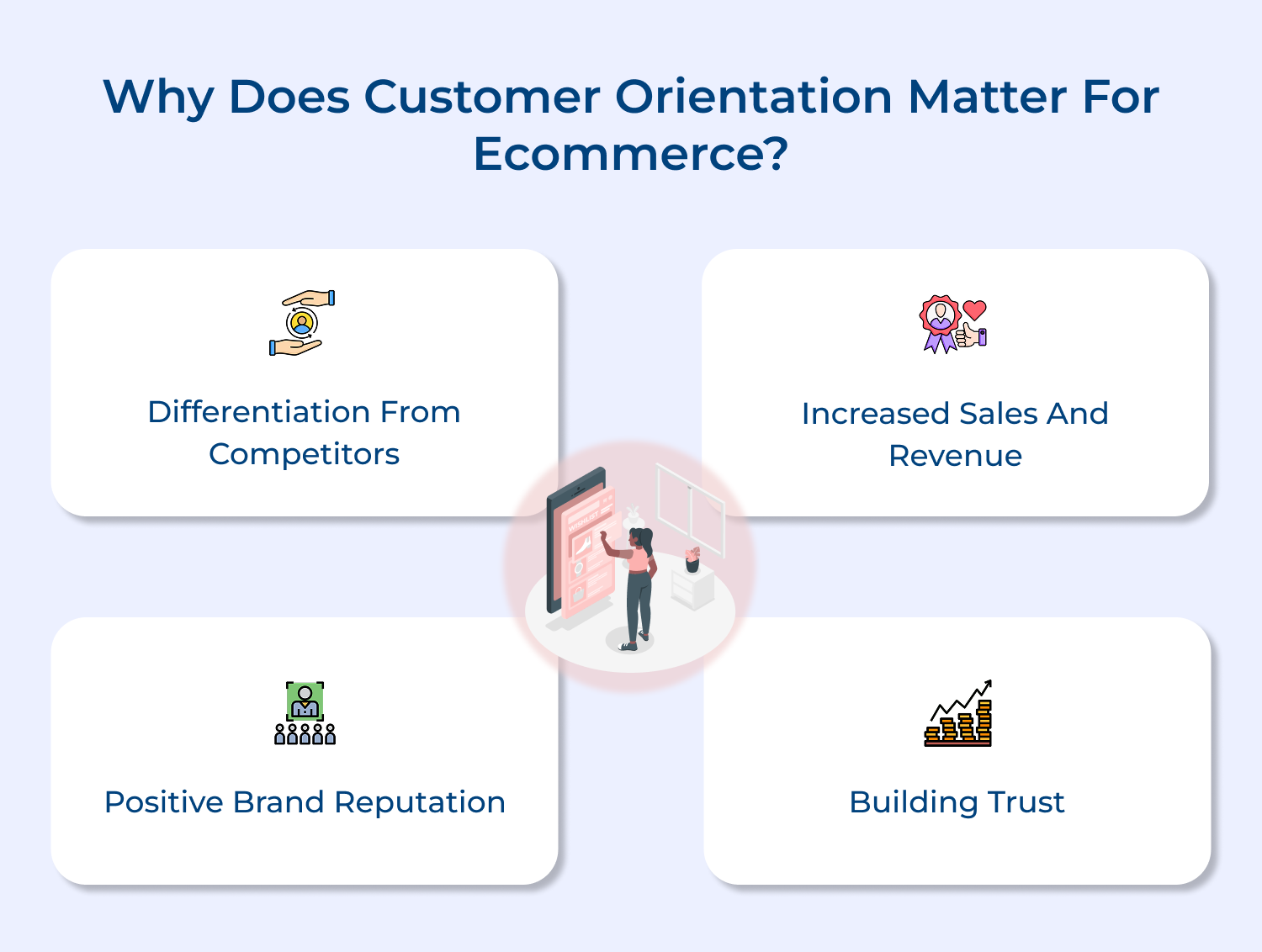
Creating a customer-oriented eCommerce business involves implementing strategies that prioritize the customer experience. Here are the steps to create one:
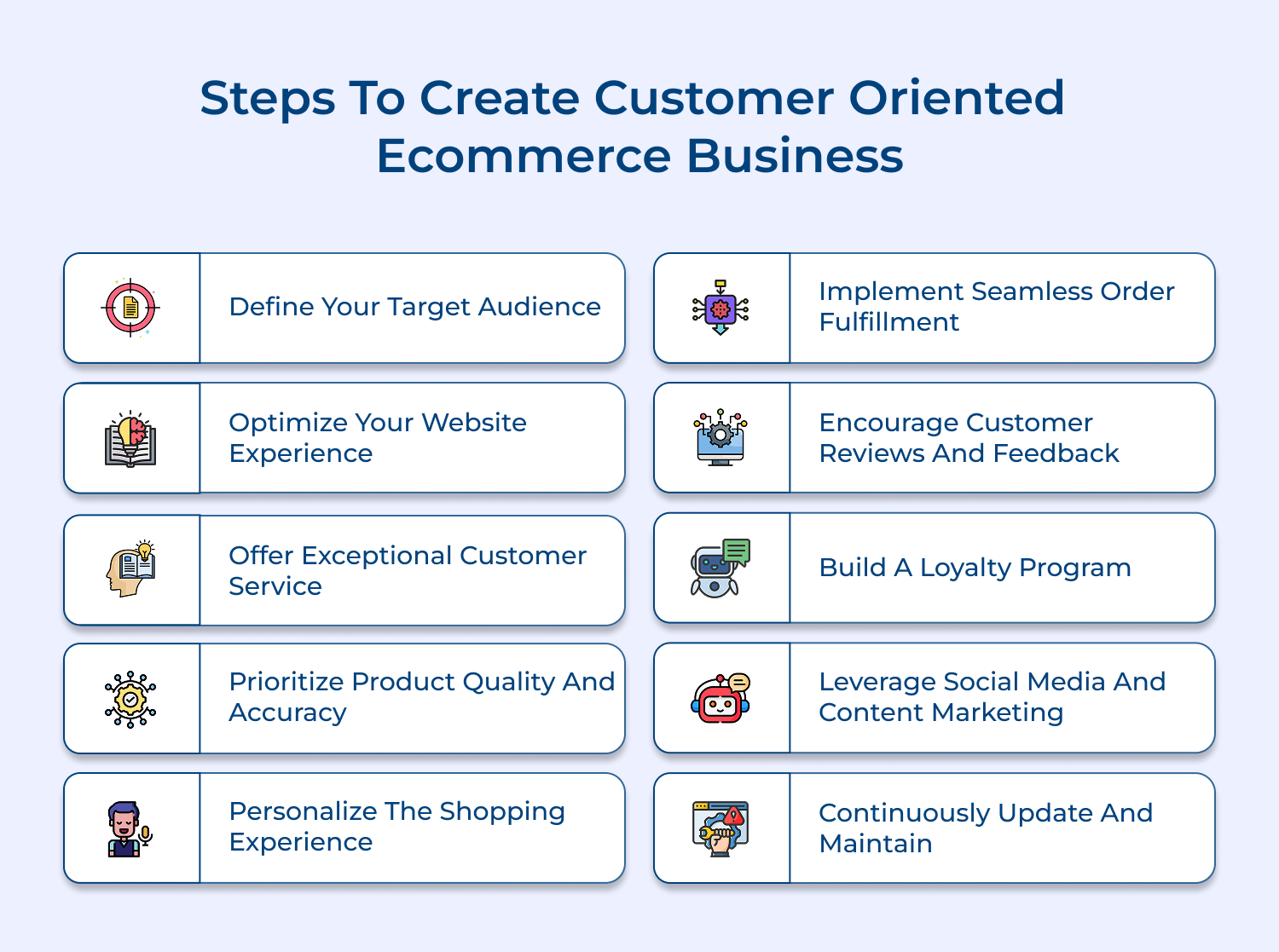
Clearly identify your target customers by understanding their demographics, preferences, behaviors and pain points. This understanding will help you tailor your products, services and overall experience to meet their specific needs.
Consider following ways to implement it:
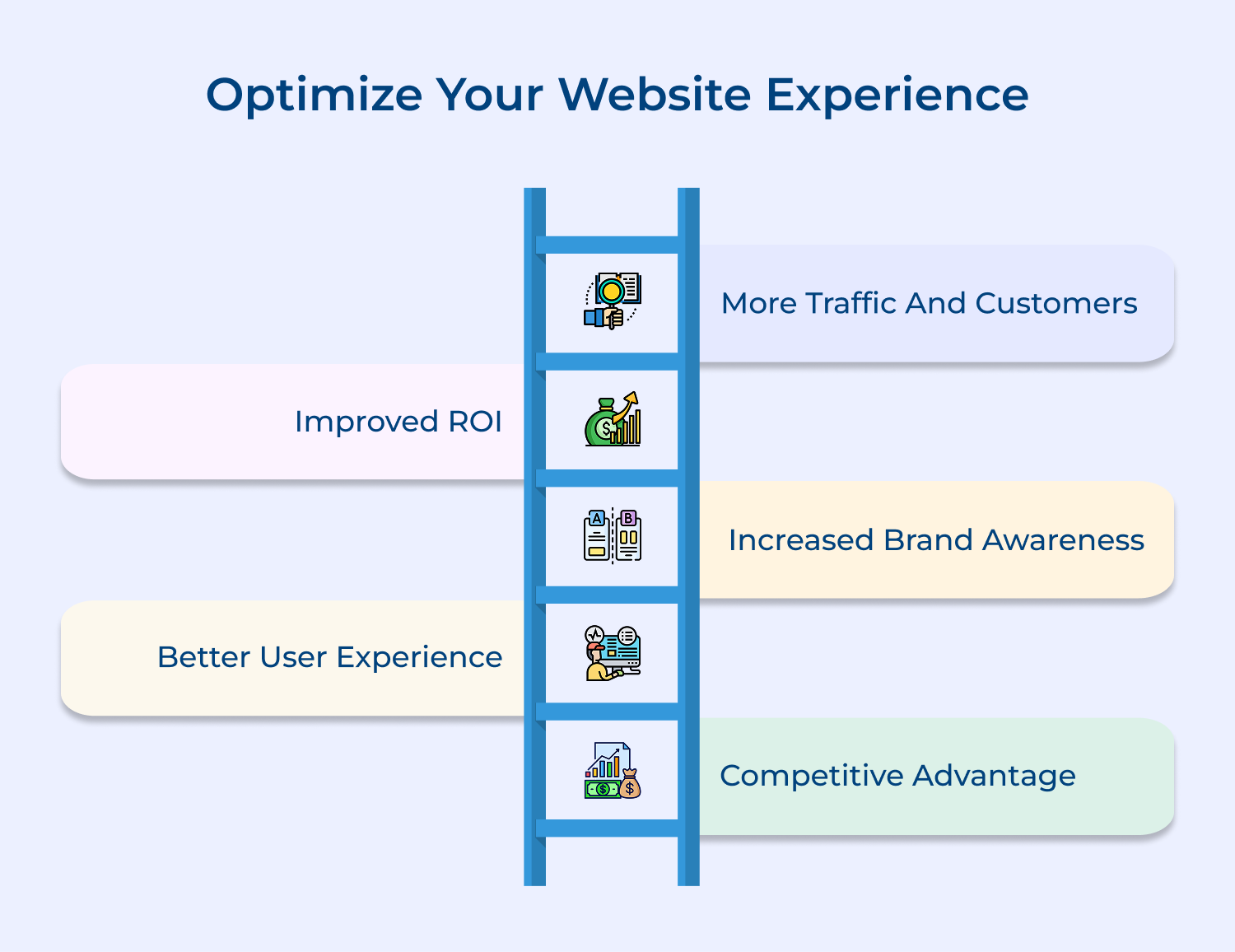
Ensure your eCommerce website is user-friendly, visually appealing and optimized for various devices (desktop, mobile, tablet, etc). Focus on providing a seamless browsing and checkout experience with features like easy navigation, detailed product descriptions, high-quality images as well as secure payment options.
Here are few tips to follow:
Implement multiple channels for customer support, such as live chat, email, phone and social media. Respond promptly to inquiries and provide knowledge along with friendly assistance. Consider offering self-service options like FAQs and knowledge bases for faster resolutions.
Pro tips to consider:
Ensure your product descriptions, images and specifications are accurate. Provide detailed information to help customers make informed decisions and set realistic expectations. Offer high-quality products while standing behind them with robust return and exchange policies.
Conduct rigorous quality control checks on all products before they are listed on your website. Provide detailed product descriptions and high-quality images to accurately represent your products. Offer easy returns and exchanges for customers who are not satisfied with their purchase.
Leverage customer data and analytics to personalize the shopping experience. Offer personalized product recommendations, tailored promotions and targeted content based on customers’ browsing as well as purchase history.
Implement personalized product recommendations based on customer browsing history and purchase behavior. Send targeted email marketing campaigns with personalized product suggestions.
Streamline your order fulfillment process to ensure timely and accurate delivery of products. Provide clear order tracking information and communication throughout the process. Consider offering various shipping options, including expedited shipping for added convenience.
Tips to follow:
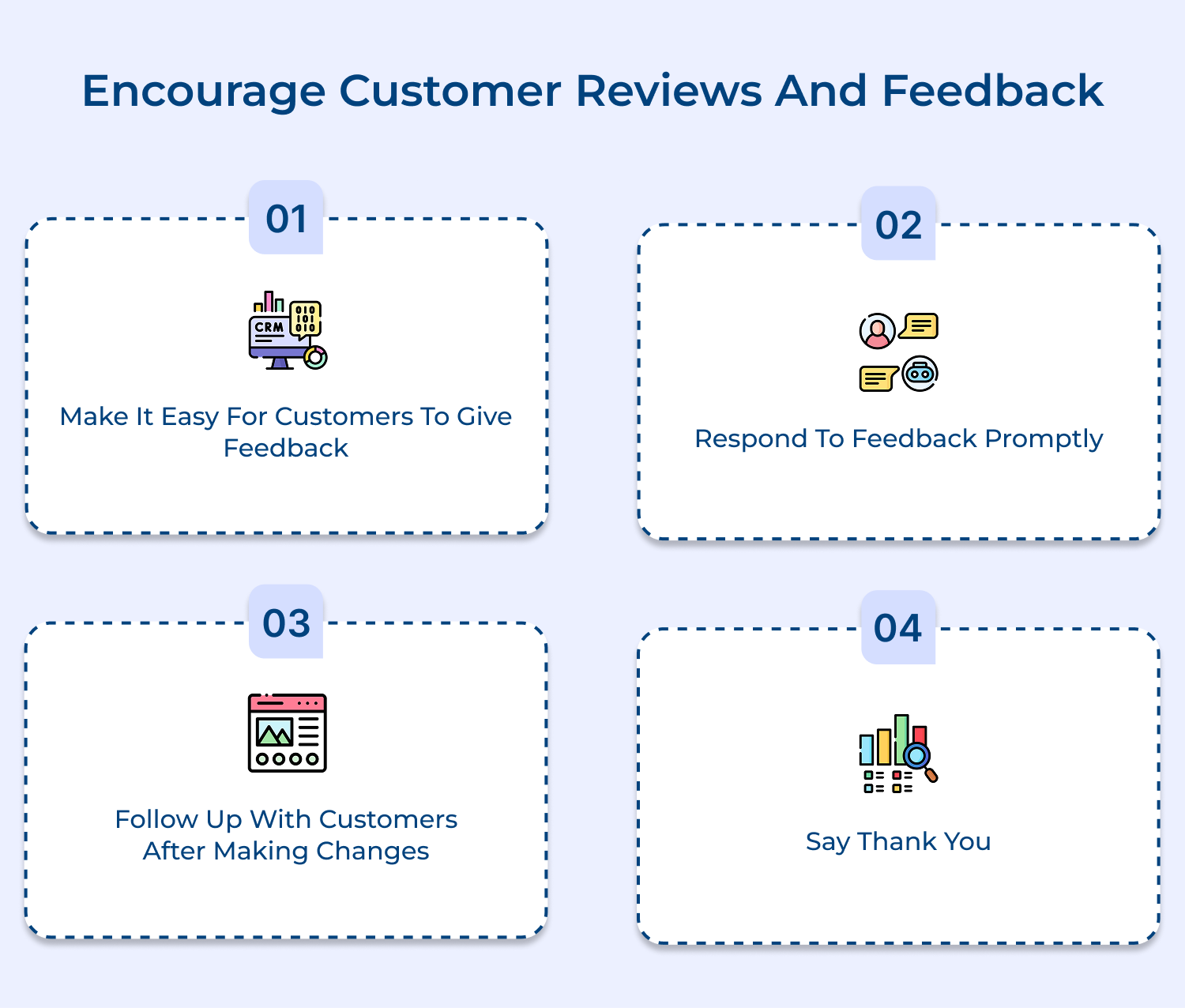
Implement a system for customers to leave reviews and feedback on products as well as services. Respond to both positive and negative reviews professionally. Use the feedback to continuously improve your offerings along with customer experience.
Send follow-up emails requesting reviews after customers have made a purchase. Display customer reviews prominently on product pages to build trust and credibility. Use customer feedback to make improvements to products and services.
Develop a loyalty program or rewards system to incentivize repeat purchases and build customer loyalty. Offer exclusive discounts, early access to new products or other perks to reward your most valuable customers.
Offer rewards or discounts to repeat customers to encourage loyalty. Create a tiered loyalty program that offers escalating benefits based on the customer’s purchase history. Promote your loyalty program through email marketing and social media to attract new customers.
Engage with your customers through social media platforms and content marketing efforts. Share valuable content, interact with customers and respond to their inquiries as well as concerns promptly. This helps build trust and establishes your brand as a customer-centric business.
Create engaging content that showcases your products and brand values. Use social media to interact with customers, announce promotions and share user-generated content. Collaborate with influencers or brand ambassadors to reach new audiences while increasing brand awareness.
Regularly analyze customer data, feedback and metrics to identify areas for improvement. Continuously refine your strategies based on customer insights to maintain a customer-oriented approach while staying ahead of evolving customer expectations.
Use analytics tools to track key metrics such as website traffic, conversion rates and customer satisfaction. A/B test different strategies to identify what resonates best with your target audience. Regularly solicit feedback from customers and employees to identify areas for improvement.
Focusing on providing exceptional customer experiences, you can increase customer loyalty, drive repeat business and ultimately grow your online store.
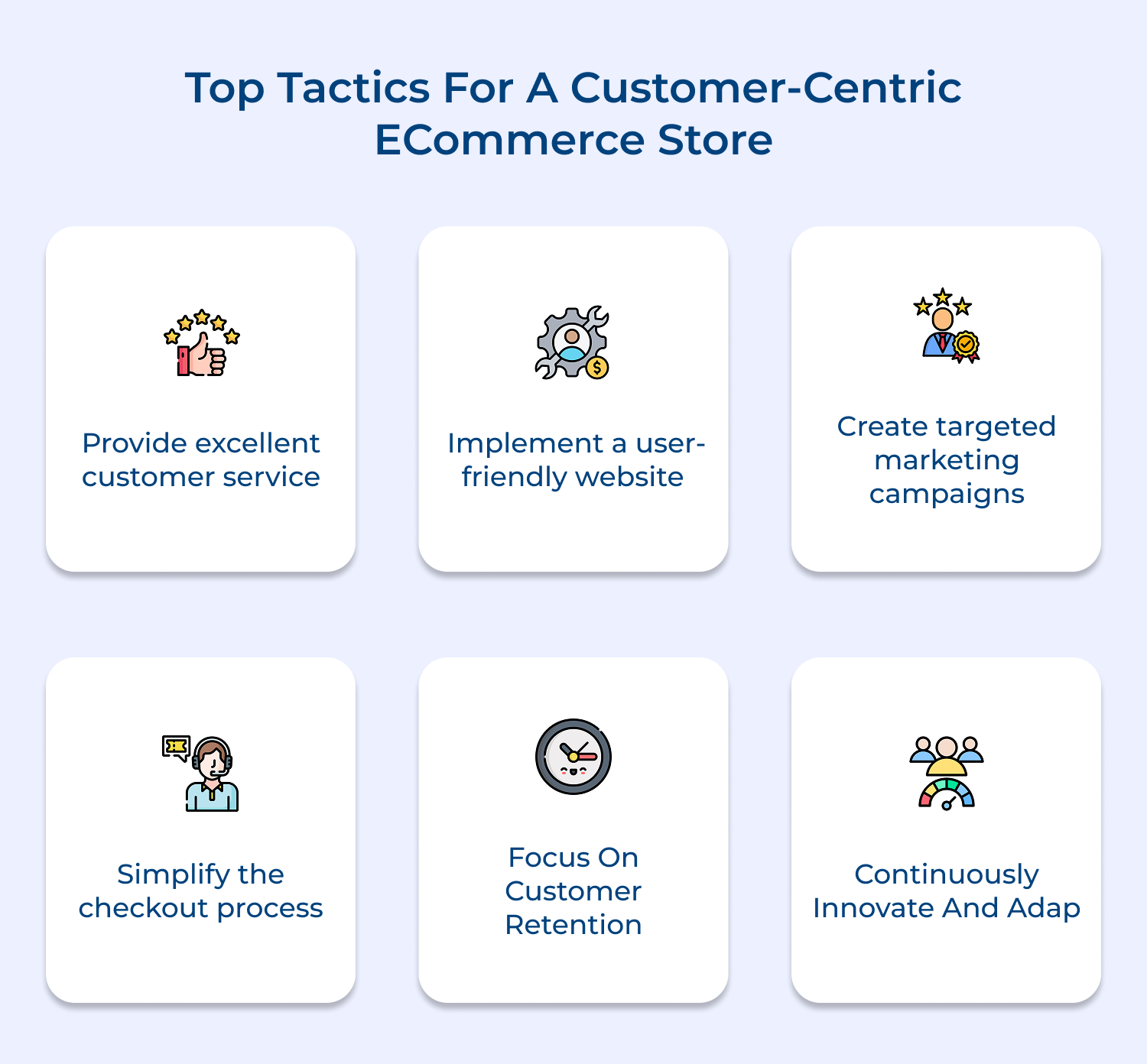
Implementing a customer-centric eCommerce business can be a challenging task, as it requires a shift in mindset. Let’s list them out and figure how to overcome these hurdles efficiently.
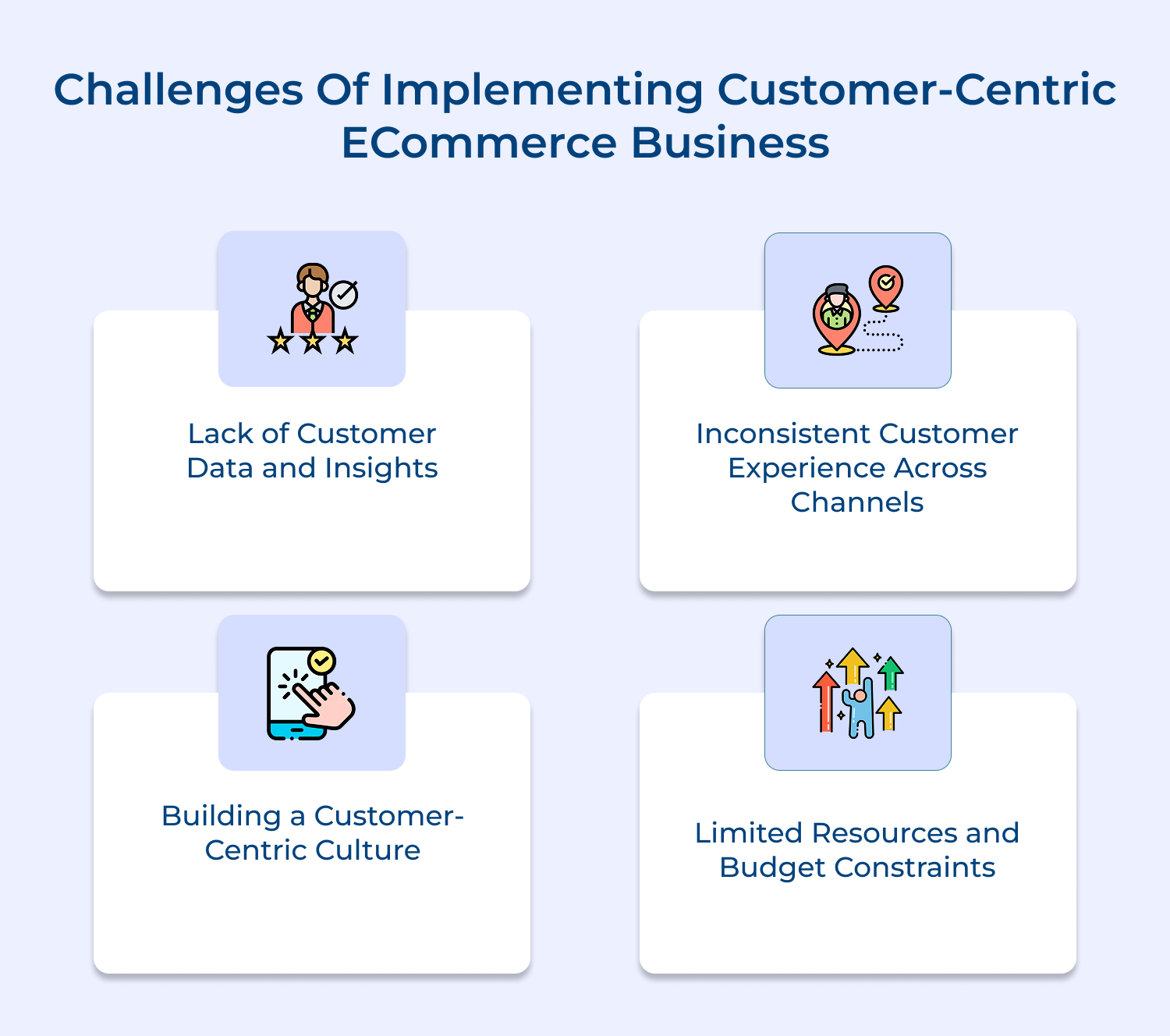
A major challenge in building a customer-centric eCommerce business is not having enough customer data. Without insights into customer preferences and needs, it’s hard to shape strategies that truly work.
Solution: Use data analytics tools and CRM systems to gather as well as study customer data. Create clear customer personas, track buying patterns and use these insights to personalize your marketing.
Customers interact with your brand on many platforms – your website, social media, or support team. If their experience feels inconsistent, it creates confusion and frustration.
Solution: Build a customer journey map to track every touchpoint. Keep your messaging, branding and service consistent across all channels. Use omnichannel marketing to give customers a seamless, connected experience.
Shifting from a sales-driven mindset to a customer-focused one is tough. It takes effort from leaders and employees at every level.
Solution: Share why customer-centricity matters and back it up with training as well as incentives. Leaders should set the tone and empower teams to own the customer experience. This builds a culture of improvement and innovation.
Small businesses often face tight budgets when trying to go customer-centric. Investments in tools, training and marketing can feel overwhelming.
Solution: Prioritize initiatives that boost satisfaction and loyalty the most. Build strong customer bonds with personalized communication, excellent service and useful content. Rely on affordable marketing tools and automation to save time as well as improve efficiency.
Customer-centric e-commerce is all about putting the customer at the center of the shopping experience. Here are a few examples of companies that have successfully implemented them:
While not a traditional e-commerce company, Uber has disrupted the transportation industry by focusing on the customer experience. Users can easily request a ride with the tap of a button, track their driver’s location in real-time and pay seamlessly through the app. Uber’s customer-centric approach has made it a preferred choice for many consumers looking for convenient and reliable transportation.
Warby Parker disrupted the eyewear industry with their customer-centric approach to e-commerce. They offer a home try-on program that allows customers to choose five frames to try on at home for free before making a purchase. Warby Parker also provides virtual try-on tools and a quiz to help customers find the perfect pair of glasses for their face shape as well as style preferences.
While not traditionally considered an e-commerce company, Spotify is a great example of putting the customer at the center of their business model. They offer a personalized music streaming experience based on individual listening habits and preferences. Customers can create playlists, discover new music and receive personalized recommendations, making their music listening experience unique to them.
Achieving sustainable growth with an effective customer-centric eCommerce strategy is essential for businesses looking to thrive in a digital landscape. Focusing on the needs and preferences of customers will help businesses build long-lasting relationships, increase customer loyalty as well as drive revenue growth.
Personalized marketing, exceptional service and continuous improvements shape a customer-centric eCommerce platform. Prioritizing customer experience helps businesses stand out, build stronger relationships and achieve sustainable growth in the current highly competitive online marketplace.

How to build a customer-centric ecommerce?
To build a customer-centric ecommerce business, you need to start by understanding your target audience. Conduct market research to identify their needs, preferences and buying habits. Use this information to create a user-friendly website, personalized marketing campaigns and exceptional customer service. Continuously collect feedback from customers to improve their shopping experience.
What are the benefits of a customer-centric approach for e-commerce?
A customer-centric approach in ecommerce can lead to higher customer satisfaction, increased repeat purchases and positive word-of-mouth referrals. Putting the customer first will build stronger relationships and create a loyal customer base that drives long-term success for your business.
What does customer orientation mean for eCommerce?
Customer orientation in ecommerce means focusing on meeting the needs and expectations of customers. This involves understanding customer preferences, anticipating their needs and delivering personalized experiences that exceed their expectations. A customer-oriented approach is essential for building trust and loyalty with online shoppers.
How to become a customer oriented eCommerce business?
To become a customer-oriented ecommerce business, you need to prioritize the customer experience at every touchpoint. This includes providing easy navigation on your website, offering personalized product recommendations and delivering exceptional customer service. Utilize data analytics to track customer behavior and preferences, as well as use this information to tailor your marketing strategies accordingly.
What are the four types of consumer oriented applications of e-commerce?
The four types of consumer-oriented applications of e-commerce include business-to-consumer (B2C) websites, mobile commerce (m-commerce) apps, social commerce platforms and personalized marketing campaigns. These applications enable businesses to connect with customers, sell products or services and build relationships through digital channels.
 https://omni24.io/wp-content/uploads/2026/08/Omnichannel-Chatbots.png
1256
2400
Tushar Joshi
https://omni24.io/wp-content/uploads/2023/04/Omni-Logo-1.svg
Tushar Joshi2026-08-13 04:43:302026-08-13 04:43:30How Omnichannel Chatbots Improve Your Customer Experience
https://omni24.io/wp-content/uploads/2026/08/Omnichannel-Chatbots.png
1256
2400
Tushar Joshi
https://omni24.io/wp-content/uploads/2023/04/Omni-Logo-1.svg
Tushar Joshi2026-08-13 04:43:302026-08-13 04:43:30How Omnichannel Chatbots Improve Your Customer Experience https://omni24.io/wp-content/uploads/2026/08/Ecommerce-Chatbots-1.png
1256
2400
Tushar Joshi
https://omni24.io/wp-content/uploads/2023/04/Omni-Logo-1.svg
Tushar Joshi2026-08-12 03:57:552026-08-13 04:37:30Ecommerce Chatbots: What are They and Their Use Cases
https://omni24.io/wp-content/uploads/2026/08/Ecommerce-Chatbots-1.png
1256
2400
Tushar Joshi
https://omni24.io/wp-content/uploads/2023/04/Omni-Logo-1.svg
Tushar Joshi2026-08-12 03:57:552026-08-13 04:37:30Ecommerce Chatbots: What are They and Their Use Cases https://omni24.io/wp-content/uploads/2026/08/Omnichannel-Ecommerce.png
1256
2400
Tushar Joshi
https://omni24.io/wp-content/uploads/2023/04/Omni-Logo-1.svg
Tushar Joshi2026-08-11 04:50:362026-08-11 04:50:36How to Create an Omnichannel Ecommerce Strategy: 7 Best Ways
https://omni24.io/wp-content/uploads/2026/08/Omnichannel-Ecommerce.png
1256
2400
Tushar Joshi
https://omni24.io/wp-content/uploads/2023/04/Omni-Logo-1.svg
Tushar Joshi2026-08-11 04:50:362026-08-11 04:50:36How to Create an Omnichannel Ecommerce Strategy: 7 Best Ways
Whether it’s about acquire, engage or support – Omni24 covers all your customer engagement needs in one complete platform.

Copyright ©2026 Veemo All rights reserved.
CA, Los Angeles, Hall Ave, 19011