How to Choose Right Customer Service Channels for Businesses
This guide details customer service channels' pros/cons, offering businesses a step-by-step method to select, implement, and optimize them for better experiences.

This guide details customer service channels' pros/cons, offering businesses a step-by-step method to select, implement, and optimize them for better experiences.
There are more customer service channels available than ever before. But are businesses effectively utilizing them to meet customer needs?
Choosing the right customer service channels can make or break a customer’s experience. It’s important for businesses to understand the pros and cons of each channel as well as how they can best leverage them to provide exceptional customer service.
We will explore the different customer service channels available while also discussing their benefits and potential pitfalls. Businesses can make informed decisions to better serve their customers by understanding the various options.
Customer service channels refer to the different platforms through which businesses as well as customers interact to resolve queries, provide support and address concerns. These channels can vary from traditional options like phone calls and in-person interactions to digital channels such as email, live chat, social media, self-service options like FAQ sections on websites, etc.
Customer service channels serve as vital communication bridges between companies and their customers, each with unique advantages depending on the context and customer preferences. Effective businesses typically employ a multi-channel strategy to meet diverse customer needs while maintaining consistency in service quality and brand voice across all touchpoints.
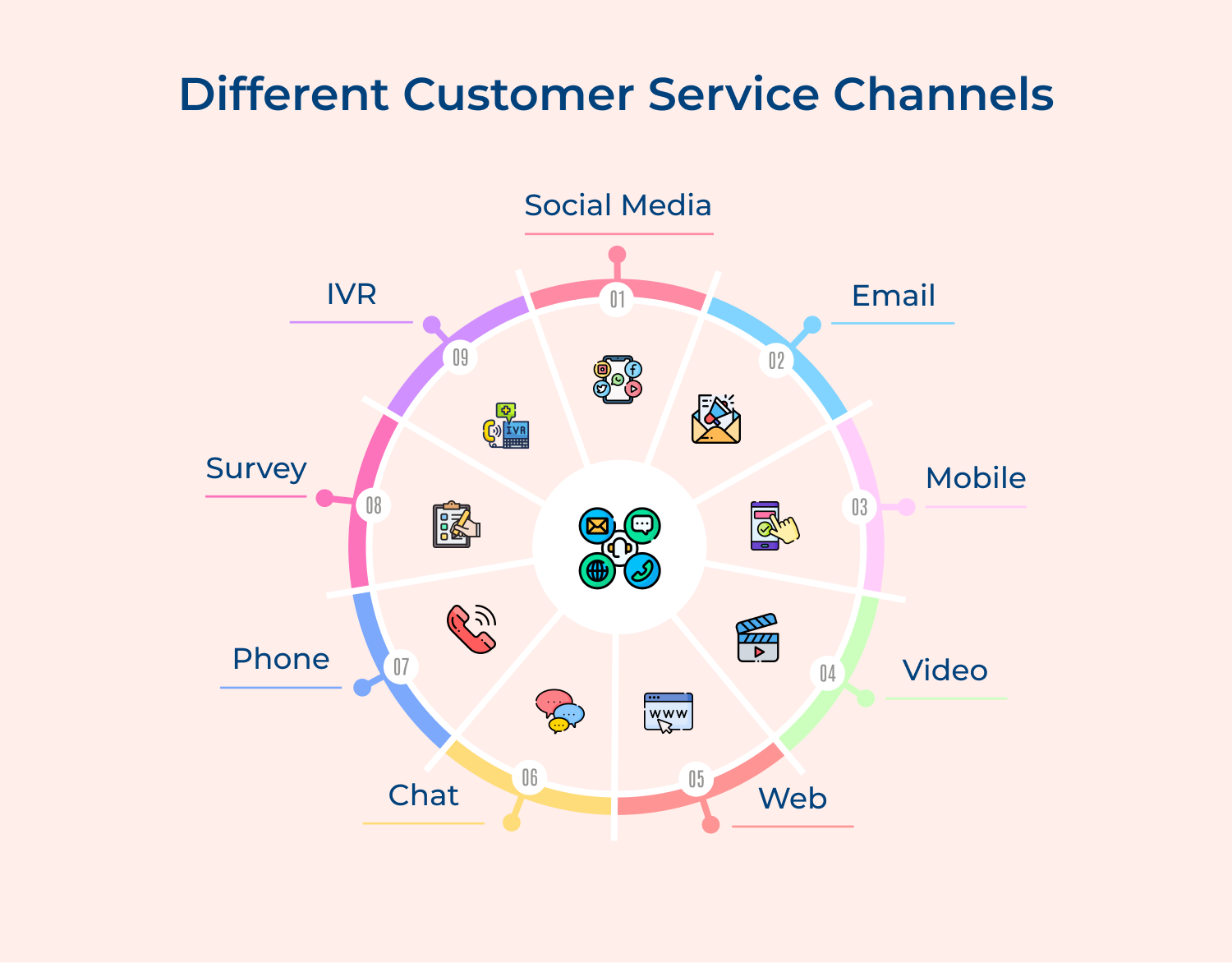
The key objectives of customer service channels include:
Customer service helps build strong relationships with customers and ensures their satisfaction. We will explore different types of customer service channels.
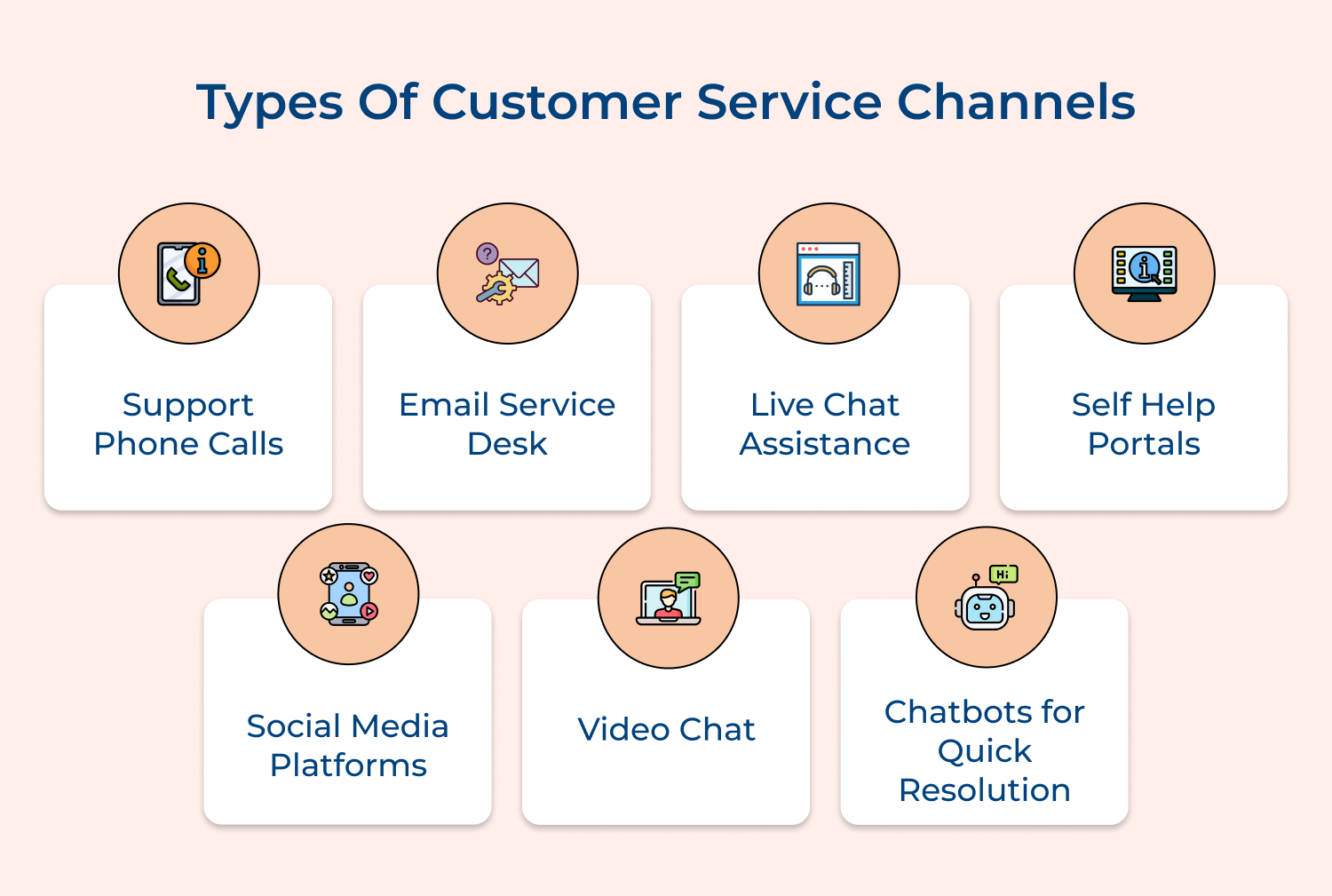
One of the most traditional and widely used customer service channels is support over the phone. Customers can call a helpline and speak directly to a customer service representative who can assist them with their queries or concerns. The channel provides personalized and interactive support.
Advantages
Disadvantages
Email remains a popular choice for customer service. Customers can send their inquiries or complaints to a dedicated email address and the customer service team can respond accordingly. It offers a convenient and asynchronous mode of communication.
Advantages
Disadvantages
Live chat is gaining popularity due to its real-time nature. Millennials prefer live chat over any other means of communication with customer service. Customers can engage in a text-based conversation with a customer service representative directly on the company’s website. It allows for quick responses and efficient problem-solving.
Advantages
Disadvantages
Many companies provide self-help portals or knowledge bases on their websites. These portals contain comprehensive information, frequently asked questions (FAQs) and step-by-step guides to aid customers in finding solutions independently. Customers also prefer knowledge base over all other self-service channels. The channel empowers customers to troubleshoot issues on their own.
Advantages
Disadvantages
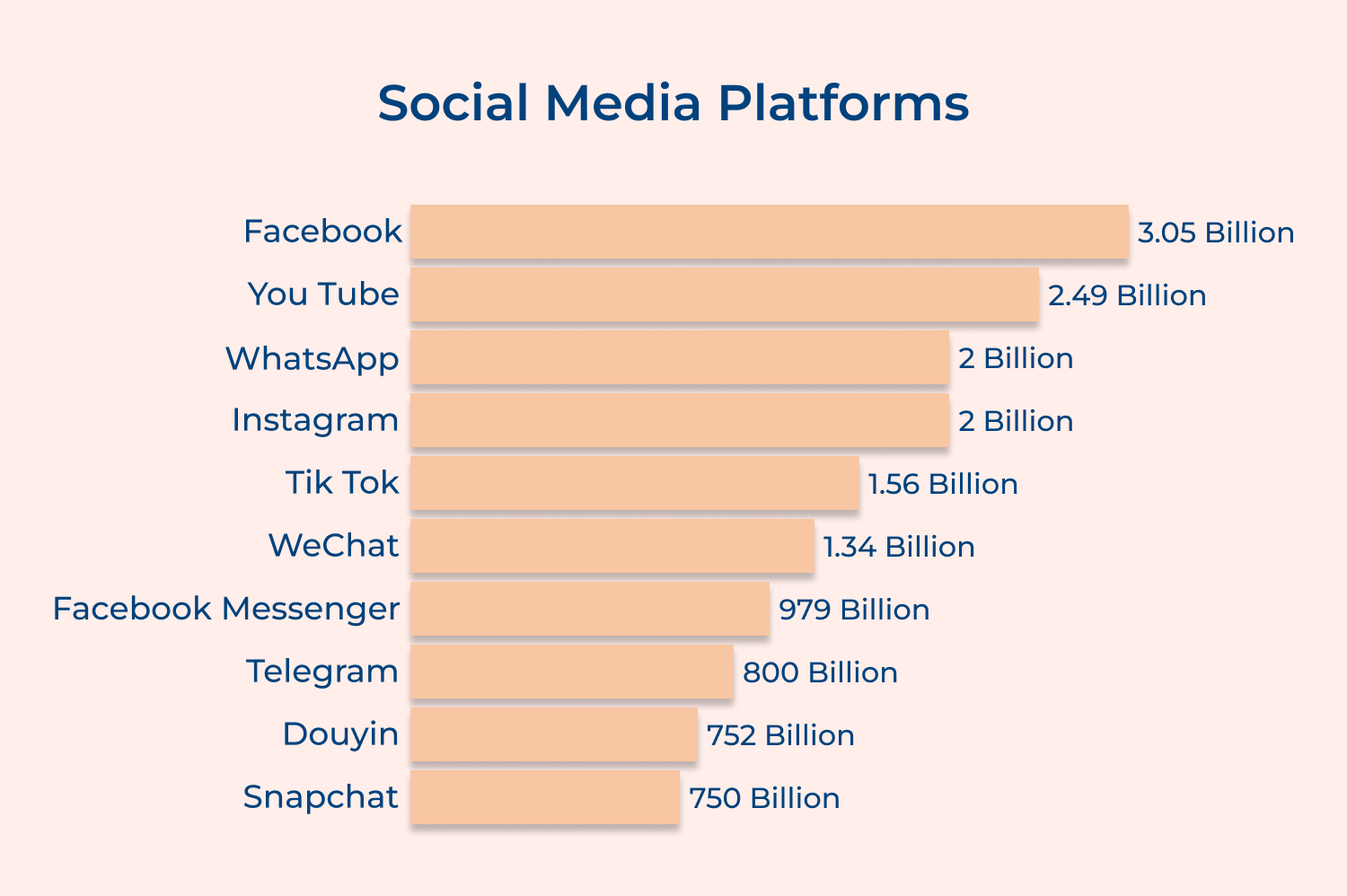
Social media has become an essential part of customer service channels. In fact, adults aged between 18-34 follow brands through social media channels. Customers can reach out to companies through platforms such as Twitter, Facebook or Instagram to voice their concerns or seek assistance. It provides a public forum for communication, allowing companies to showcase their responsiveness.
Advantages
Disadvantages
Video chat is a more intimate and personal customer service channel. The video conferencing tools help customers have face-to-face interactions with customer service representatives. The channel is especially useful for complex troubleshooting or demonstrations.
Advantages
Disadvantages
Chatbots are automated programs that can provide immediate responses to common customer queries. They use artificial intelligence (AI) algorithms to understand and interact with customers. Chatbots offer quick resolutions and can be available 24/7.
Advantages
Disadvantages
There are numerous channels available, each with its own advantages and disadvantages. To help you make the right choices, here are some steps to consider when selecting one:
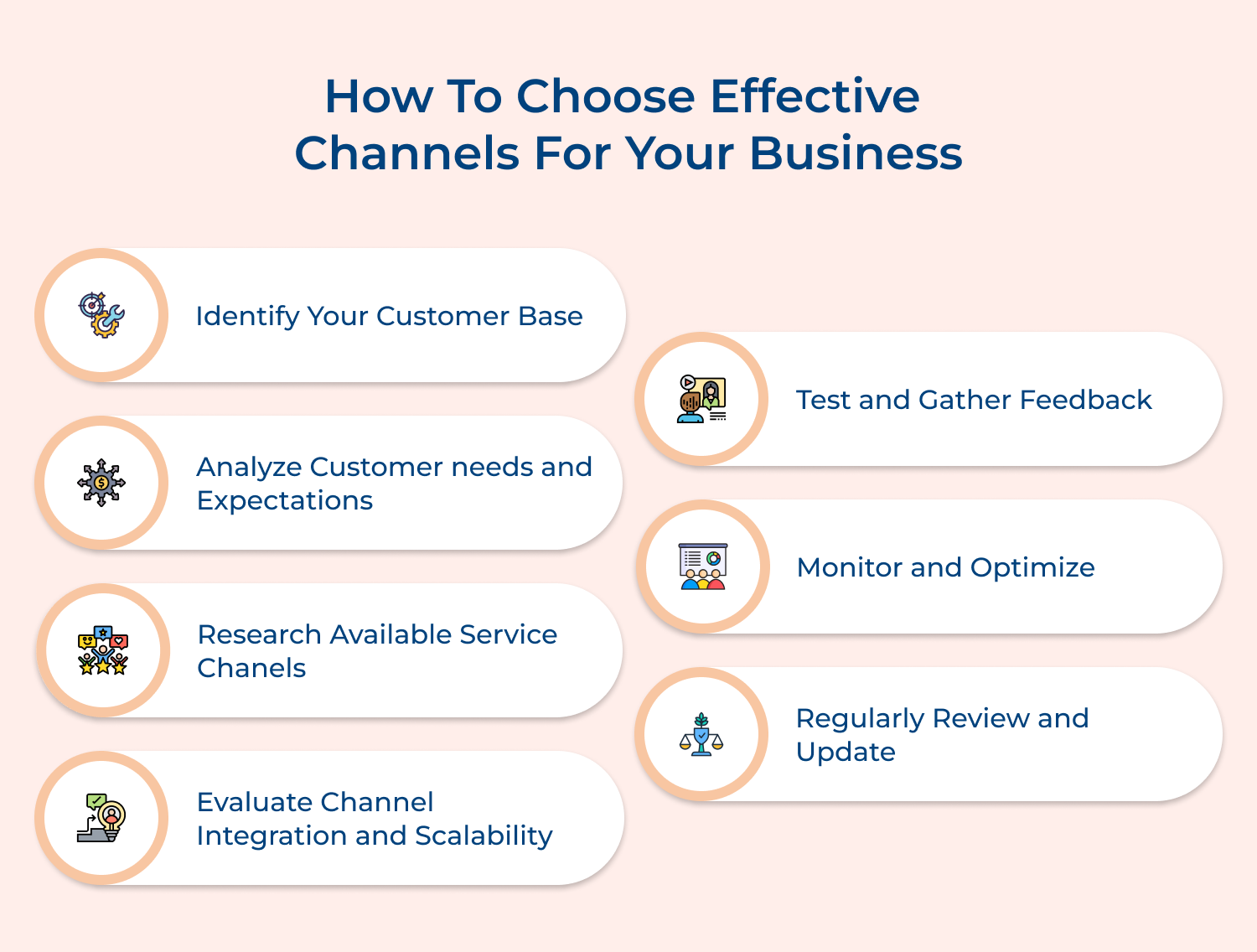
The first step in choosing effective service channels is to understand your customer base. Identify the demographics, preferences and behaviors of your target audience. Are they tech-savvy individuals who prefer digital communication or do they prefer more traditional methods? This insight will guide your decision-making process.
Pro Tips
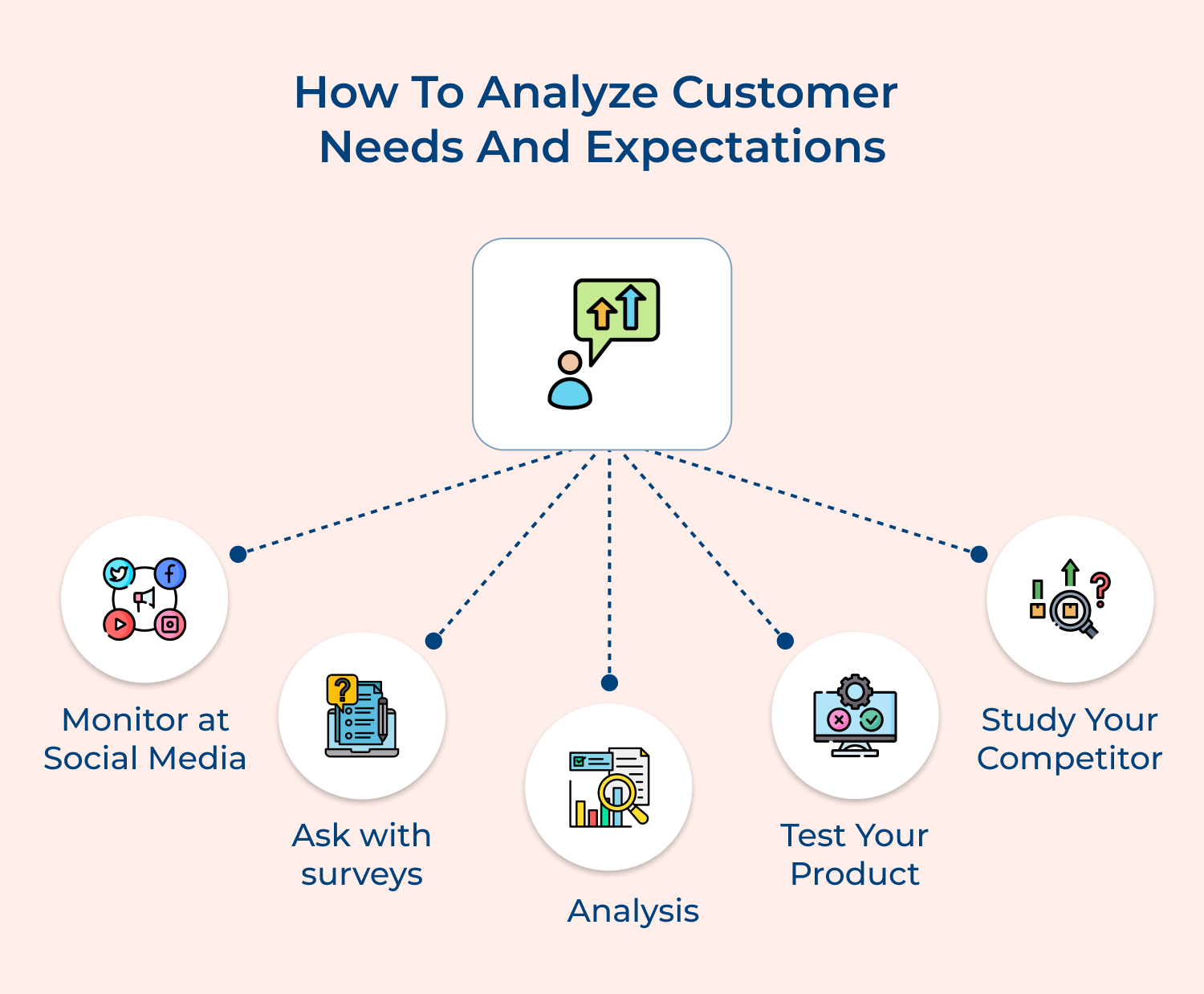
Analyze the needs and expectations of your customers. Consider the nature of your business and the type of support your customers require. Do they need quick responses or more detailed assistance? Also, assess the level of convenience your customers expect. Some may prefer self-service options, while others may value direct human interaction.
Pro Tips
Once you have a clear understanding of your customers, research the available service channels. Some common options include phone, email, live chat, social media, self-service portals and mobile apps. Look into each channel and determine its features, advantages as well as limitations. Consider factors such as accessibility, ease of use and cost.
Pro Tips
When choosing service channels, it is essential to consider their integration capabilities with your current systems and infrastructure. Seamless integration ensures a smooth customer experience as well as efficient handling of their queries. Consider the scalability of the channels – can they accommodate future growth and increased customer demands?
Pro Tips
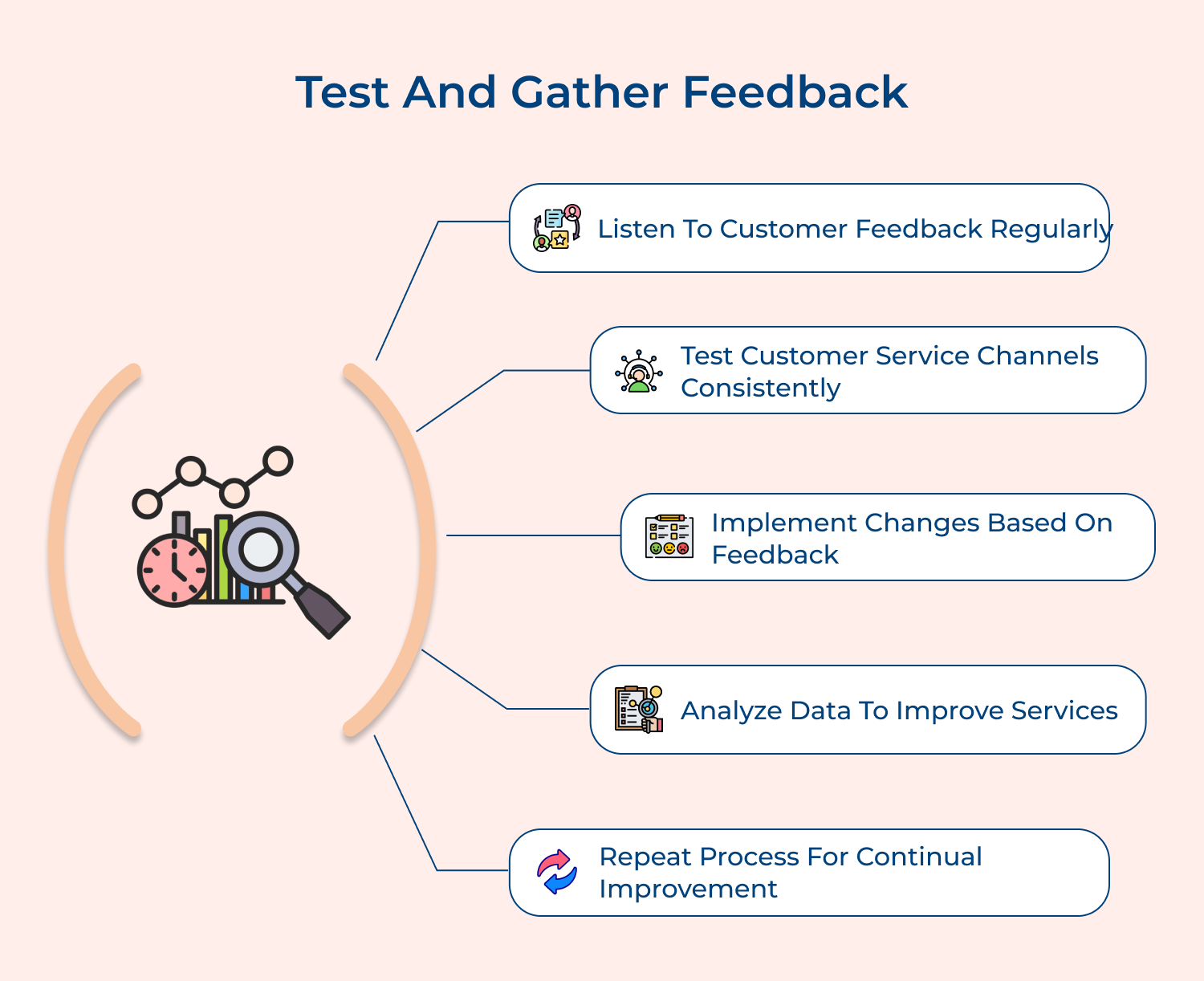
Before implementing any service channels, conduct pilot tests to gauge their effectiveness. Test each channel with a subset of customers and collect feedback. Evaluate how well each channel meets the needs and expectations of your customers. Make necessary adjustments based on the feedback received.
Pro Tips
Once your service channels are up and running, monitor their performance. Track response times, customer satisfaction levels and any potential bottlenecks. Continuously analyze data while making improvements based on customer feedback and emerging trends. Adapt your channels as needed to ensure they remain effective as well as aligned with customer expectations.
Pro Tips
Regularly review your customer service channel strategy to ensure they are still meeting the needs of your customers. As technology advances and customer preferences change, new channels may emerge or become more popular. Stay updated with industry trends and be willing to adopt new service channels. Ensure to do so only if they align with your customers’ expectations as well as business goals.
Pro Tips
Customer service channels have expanded, providing businesses with more opportunities to assist their customers. Here are ten best practices to improve your customer service channels.

1. Offer a Multi-Channel Approach
Provide customers with various channels to contact your business, such as phone, email, live chat, social media and self-service options. It allows customers to choose the most convenient method for them.
2. Respond in a Timely Manner
Promptly addressing customer inquiries or issues demonstrates your commitment to excellent customer service. Aim to respond within the same business day or even sooner, especially for urgent matters.
3. Train and Empower Customer Service Representatives
Ensure your customer service team is well-trained in handling customer inquiries and complaints effectively. Give them the authority to resolve common issues on the spot, without the need for unnecessary escalations.
4. Implement Self-Service Options
Provide customers with self-service options, such as an FAQ section or a knowledge base, where they can find answers to common questions. It empowers customers to find solutions on their own, reducing the need for direct contact with your team.
5. Implement a Customer Feedback Loop
Regularly seek feedback from your customers through surveys, feedback forms, or online reviews. Use the feedback to identify areas for improvement and make necessary changes to enhance the customer experience.
6. Continuously Improve Response Time
Measure and analyze your response times for different channels. Set benchmarks and work towards consistently improving response times to ensure customers receive timely assistance.
7. Stay updated with Technology and Trends
Regularly assess emerging technologies and customer service trends. By staying updated, you can leverage new tools or platforms to enhance your customer service channels and meet evolving customer preferences.
Businesses have a plethora of customer service channels to choose from. Each channel has its own advantages and caters to different customer preferences. It is essential for businesses to choose the right customer service channels based on their target audience, industry and resources.
Brands can deliver exceptional customer service and maintain a competitive edge in customer-centric markets by utilizing these channels effectively. Utilizing a combination of the channels helps businesses to deliver efficient and effective customer service, ultimately enhancing customer satisfaction as well as loyalty.

What are the different customer service channels?
Customer service channels are various platforms or methods through which customers can reach out to your business for support or inquiries. Some common customer service channels include phone calls, emails, live chat on websites, social media platforms (such as Facebook or Twitter) and self-service options like FAQs on your website.
How can I determine which customer service channels to use for my business?
Determining the right customer service channels for your business depends on various factors, including your target audience, the size of your business and the resources available to you. It’s important to understand your customers’ preferences and choose channels that align with their communication habits. Conducting surveys or analyzing feedback from previous interactions can help you gauge which channels are most effective for your customer base.
What are the advantages of using multiple customer service channels?
Using multiple customer service channels can provide several benefits for your business. It allows customers to contact you through their preferred method, increasing customer satisfaction. It also enhances your brand’s accessibility and availability, making it easier for customers to reach out to you. Using different channels provides opportunities for customers to interact with your business at different touchpoints, resulting in improved customer engagement and loyalty.
How do I integrate my customer service channels to provide a seamless experience for my customers?
Integrating customer service channels ensures a consistent and seamless experience for your customers. Start by establishing a central system or platform that consolidates customer inquiries from all channels. It allows your support team to have a unified view of customer interactions and respond efficiently. Establish clear communication protocols and guidelines to ensure consistency in the tone as well as style of responses across different channels.
What are the best practices for managing customer service inquiries across multiple channels?
Training customer service representatives to handle inquiries across all channels can ensure consistency and quality of service. Implementing automation tools, such as chatbots or automated email responses, can also assist in managing high volumes of inquiries efficiently. Regularly monitoring while also analyzing customer feedback and channel performance can help identify areas for improvement.
How can I measure the effectiveness of my customer service channels?
Measuring the effectiveness of your customer service channels is essential to identify areas for improvement and make data-driven decisions. Track metrics such as response time, resolution time, customer satisfaction ratings and channel-specific feedback. Analyze these metrics regularly to understand the strengths and weaknesses of each channel while making necessary adjustments to enhance the overall customer service experience.
 https://omni24.io/wp-content/uploads/2026/08/AI-Customer-Service-Agents.png
1256
2400
Webvision Solution
https://omni24.io/wp-content/uploads/2023/04/Omni-Logo-1.svg
Webvision Solution2026-09-21 04:48:512026-09-21 04:48:51How to Build an AI Customer Service Agents: 8 Key Steps
https://omni24.io/wp-content/uploads/2026/08/AI-Customer-Service-Agents.png
1256
2400
Webvision Solution
https://omni24.io/wp-content/uploads/2023/04/Omni-Logo-1.svg
Webvision Solution2026-09-21 04:48:512026-09-21 04:48:51How to Build an AI Customer Service Agents: 8 Key Steps https://omni24.io/wp-content/uploads/2026/08/Omnichannel-Conversational-AI.png
1256
2400
Tushar Joshi
https://omni24.io/wp-content/uploads/2023/04/Omni-Logo-1.svg
Tushar Joshi2026-09-16 03:51:072026-09-16 03:51:07How to Build Omnichannel Conversational AI Strategy
https://omni24.io/wp-content/uploads/2026/08/Omnichannel-Conversational-AI.png
1256
2400
Tushar Joshi
https://omni24.io/wp-content/uploads/2023/04/Omni-Logo-1.svg
Tushar Joshi2026-09-16 03:51:072026-09-16 03:51:07How to Build Omnichannel Conversational AI Strategy https://omni24.io/wp-content/uploads/2026/08/Customer-Service-Teams.png
1256
2400
Tushar Joshi
https://omni24.io/wp-content/uploads/2023/04/Omni-Logo-1.svg
Tushar Joshi2026-09-15 04:01:522026-09-15 04:02:16How to Build Customer Service Teams: 6 Key Steps
https://omni24.io/wp-content/uploads/2026/08/Customer-Service-Teams.png
1256
2400
Tushar Joshi
https://omni24.io/wp-content/uploads/2023/04/Omni-Logo-1.svg
Tushar Joshi2026-09-15 04:01:522026-09-15 04:02:16How to Build Customer Service Teams: 6 Key Steps
Whether it’s about acquire, engage or support – Omni24 covers all your customer engagement needs in one complete platform.

Copyright ©2026 Veemo All rights reserved.
CA, Los Angeles, Hall Ave, 19011