Build Lasting Connections with Customer Service Soft Skills
Discover the key soft skills for customer service success. From effective communication to resilience, cultivate these traits for exceptional service and customer loyalty.

Discover the key soft skills for customer service success. From effective communication to resilience, cultivate these traits for exceptional service and customer loyalty.
Customer service is the frontline of interaction between a company and its customers that determine the success or failure of a business. While technical skills are essential in providing accurate information, soft skills are equally important in creating a positive customer experience.
Customer service soft skills play a crucial role in building customer relationships. 80% of the organizations are said to compete with each other on the basis of customer experience.
So, whether you are a customer service representative or simply interested in improving your interpersonal skills, keep reading to discover the key components of exceptional customer service.
Customer service soft skills refer to the interpersonal and communication skills that enable a customer service representative to effectively interact with customers. Unlike technical skills that can be learned and honed through training, soft skills are often inherent qualities that one possesses or develops over time. These skills are essential in creating a positive and pleasant customer experience, leading to customer loyalty as well as retention.
Every customer likes being treated with respect, empathy, and understanding. Soft skills such as active listening, clear communication, and patience all contribute to achieving this objective. Customers want to feel heard while also being valued, and it is through these soft skills that customer service professionals can deliver exceptional service.
Key objectives:
Customer service soft skills can make all the difference in ensuring customer satisfaction and building strong relationships with clients. Let’s explore how else it benefits your business.

1. Better Conflict Resolution
Customer service requires handling difficult situations and conflicts. Strong soft skills enable representatives to defuse tense situations and find common ground, leading to more positive outcomes. 3 out of 4 customers are said to spend more on the businesses that offer good customer service.
2. Career Advancement
Possessing strong customer service soft skills can open up numerous career opportunities. Employers value professionals who can effectively communicate, understand customer needs, and resolve conflicts. These skills can be leveraged in various industries, providing individuals with growth and advancement opportunities.
3. Reduces Stress and Burnout
Soft skills contribute to effective stress management. Customer service professionals who possess these skills can handle challenging situations with ease, reducing stress levels and preventing burnout.
4. Upgraded Customer Retention
Providing exceptional customer service and utilizing soft skills help businesses minimize customer churn. Satisfied customers are more likely to continue their relationship with a company, reducing the need for expensive customer acquisition efforts. A 5% increase in customer retention leads to more than 25% of profits for the company.
5. Competitive Advantage
In a competitive marketplace, customer service soft skills can be a key differentiator. When businesses prioritize and invest in developing these skills, they stand out from their competitors as well as attract customers who value exceptional service.
While technical skills are important, customer service agents having the right soft skills can make a difference in providing excellent customer service. Delve into some of the must-haves.
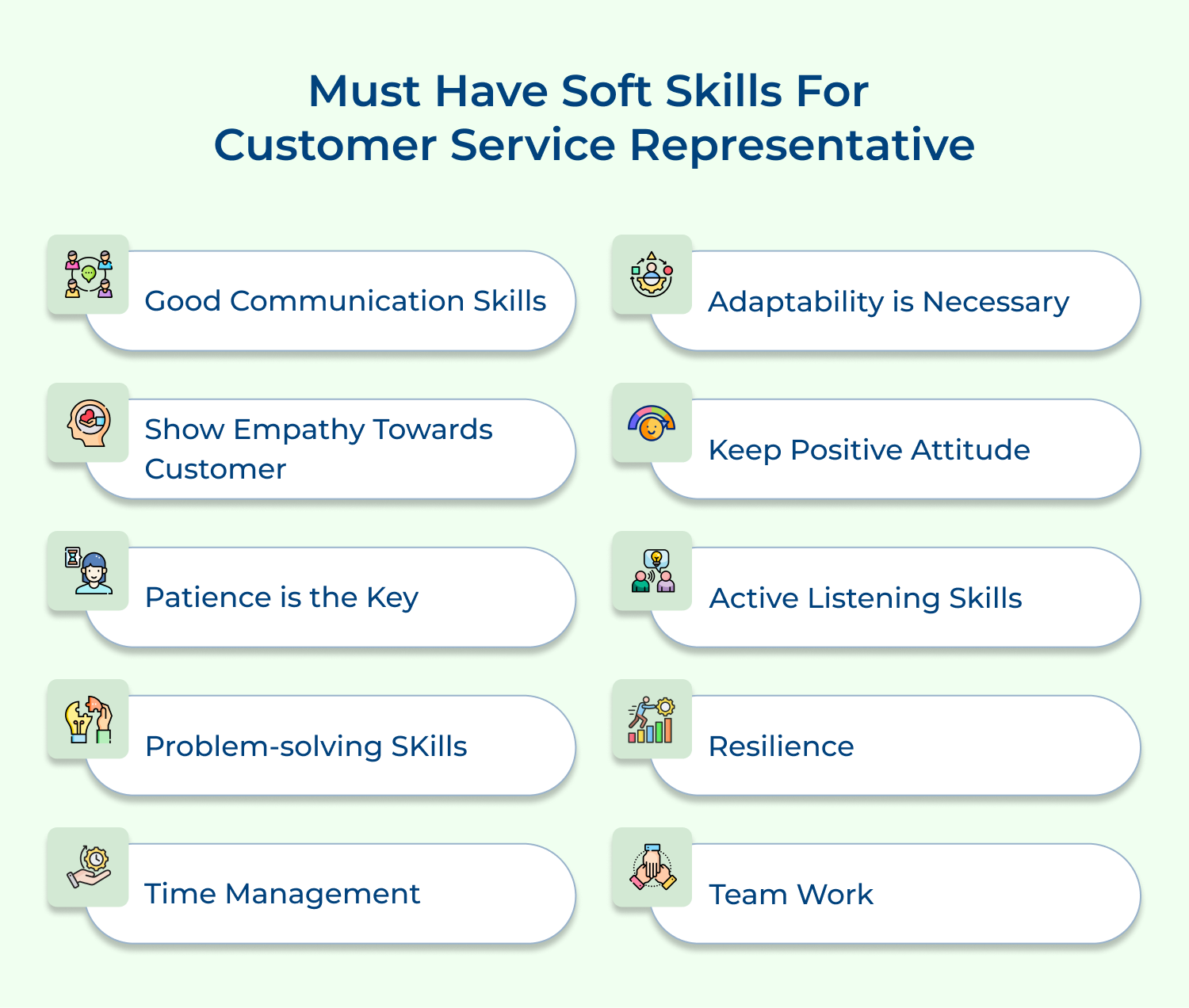
Effective communication is at the heart of good customer service. Customer service representatives must be able to communicate clearly and professionally both verbally as well as in writing. Professionals in customer service roles should listen actively to understand the issues while conveying information in a concise and understandable manner.
Pro tips:
Empathy involves understanding and sharing the feelings of others. The ability to empathize is a part of customer service skills that allows representatives to connect with customers on an emotional level. Representatives put themselves in the customer’s shoes to better understand their needs, concerns, and frustrations, leading to more effective resolutions.
Pro tips:
Dealing with frustrated or unhappy customers requires patience. Customer service representatives should remain calm and composed even in challenging situations. Demonstrating patience helps massively in diffusing tense situations and work towards finding a solution that satisfies the customer.
Pro tips:
Customers often contact customer service because they have encountered an issue or need assistance. It is the responsibility of the customer service representative to find solutions and resolve problems efficiently. Being able to think critically, analyze situations, and come up with creative solutions is essential in providing excellent customer service.
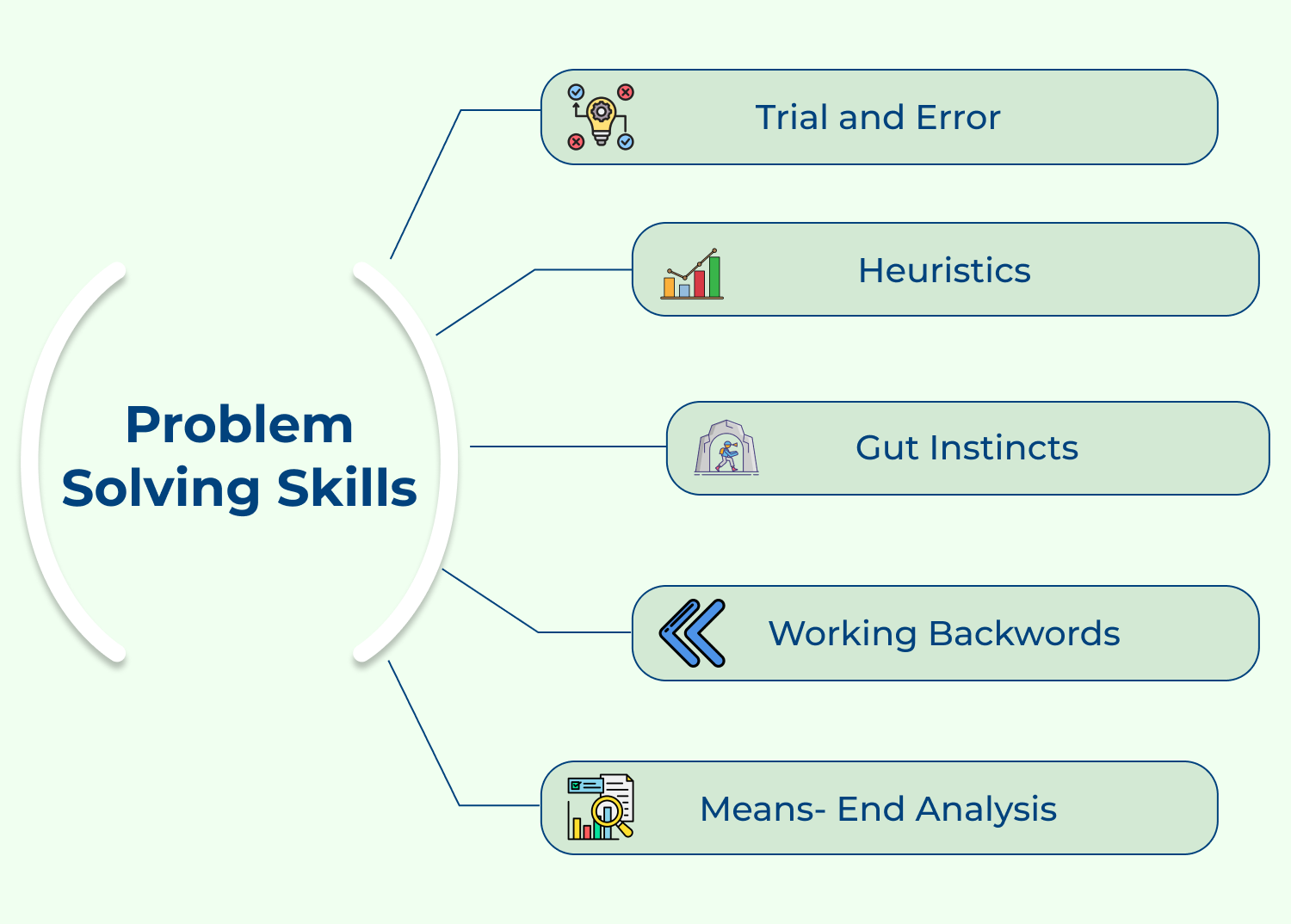
Pro tips:
Customer service representatives often have to juggle multiple tasks and handle numerous customer inquiries simultaneously. Effective time management ensures that all inquiries are addressed in a timely manner, minimizing customer wait times and maximizing productivity. Representatives should be capable of prioritizing tasks based on urgency and importance.
Pro tips:
Customer service is an ever-changing field, and representatives must be adaptable to new technologies, processes, customer expectations, etc. They should be open to learning and improving their skills continuously. Adaptability also means being able to handle unexpected situations and customer demands with a positive attitude.
Pro tips:
90% of the customers will switch to a different company if the customer experience here is bad. Customers appreciate dealing with representatives who exude positivity and enthusiasm. A positive attitude helps to create a pleasant and memorable customer experience. It also helps in defusing potentially tense or negative situations, turning them around to find a satisfactory resolution.
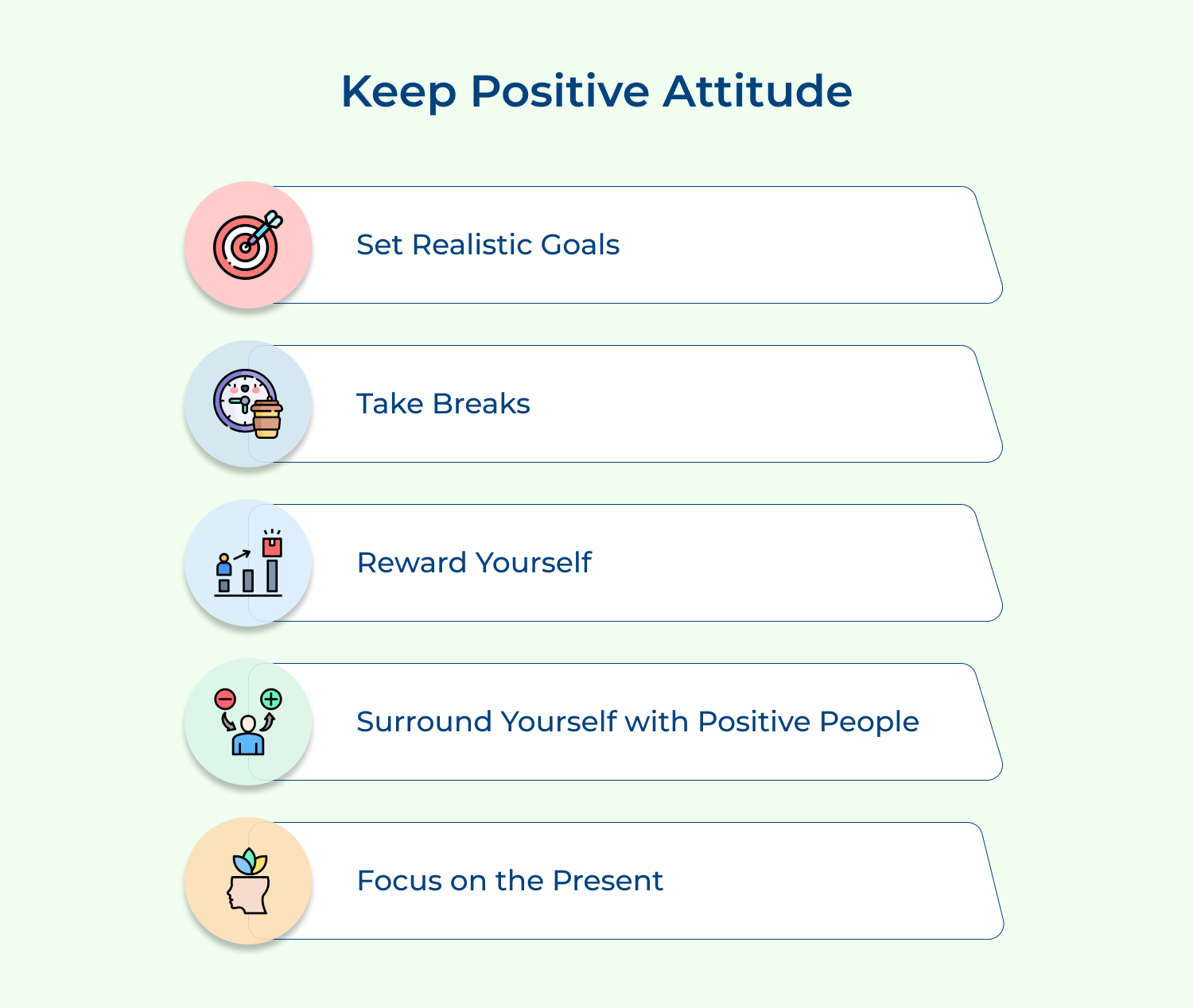
Pro tips:
Active listening involves fully concentrating on and understanding what the customer is saying. Attentively listening to customers to gather important information, identify underlying issues, and respond appropriately. Active listening shows respect as well as builds trust with the customer.
Pro tips:
Customer service representatives may face difficult or demanding customers, and it’s important to remain resilient. Resilience allows representatives to bounce back from setbacks, maintain motivation, and provide consistent support to customers. It involves staying focused, positive, and solution-oriented.
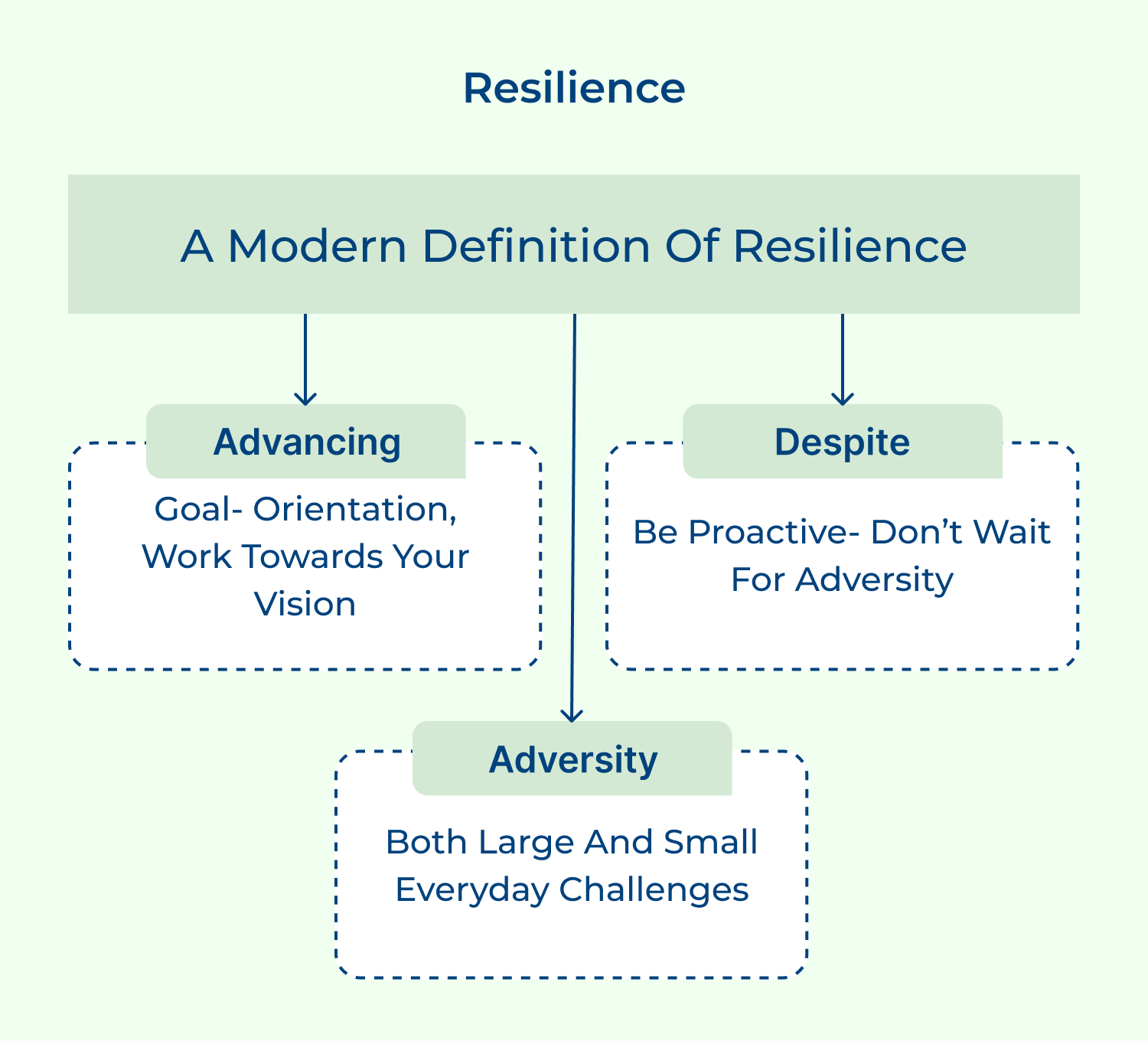
Pro tips:
Customer service representatives often collaborate with other team members and departments to provide comprehensive customer support. Strong teamwork skills like cooperation, communication, and willingness to help others, are essential for a productive life along with a harmonious work environment.
Pro tips:
When it comes to customer service, there are two main types of skills that are essential for success: soft skills and hard skills. Let us learn how they both are different from each other.
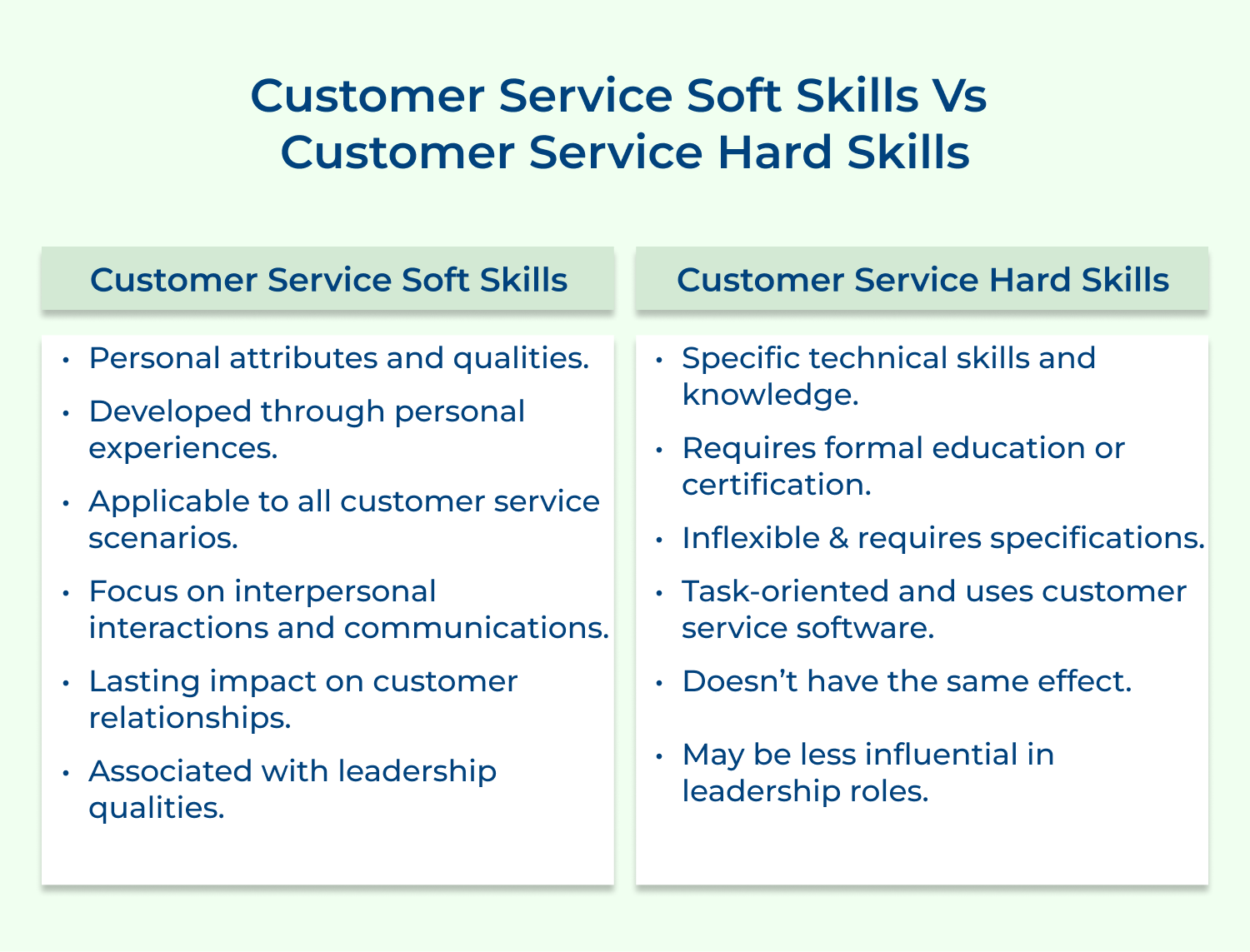
Customer service soft skills refer to personal attributes and qualities that enable a person to interact effectively as well as harmoniously with others. Hard skills are specific technical skills and knowledge that are learned through training along with education.
Often developed through personal experiences, self-reflection and observation soft skills can be honed through practice and continuous learning. Hard skills , when observed carefully, often require formal education, certification or technical training.
Soft skills are transferable and can be applied in various customer service scenarios. They can be utilized across different industries as well as situations. Hard skills tend to be more specific and often require training or education in a particular field.
Focusing on interpersonal interactions and communication soft skills involves qualities like empathy, active listening, problem-solving and emotional intelligence. Hard skills are more task-oriented and involve actions such as using software, process knowledge, data analysis, technical expertise, etc.
Customer support soft skills have a long-lasting impact on customer relationships and loyalty. Customers value the empathy, attentiveness and problem-solving abilities of customer service representatives. Hard skills, although important, may not have the same long-term effect on customer satisfaction.
Usually associated with leadership qualities, customer support soft skills enable customer service representatives to inspire and motivate their team members. Hard skills, while important, may be less influential in leadership roles.
Soft skills play a significant role in customer satisfaction, as they determine how well a customer feels understood, valued and supported. Hard skills, while being crucial, may have less direct impact on customer satisfaction.
Customers expect personalized and efficient interactions that leave a lasting positive impression. While technical skills and product knowledge are significant, it is the soft skills that truly differentiate a business as well as create a loyal customer base.
Developing and enhancing your soft skills is crucial in boosting your customer service. Having effective communication, empathy, patience and working well in a team, you’ll be able to provide outstanding customer support that leaves a lasting impression. Remember, it’s not just about the product or service you offer, but also the experience you provide to your customers that sets you apart from the competition.

What soft skills should your customer agent have?
There are several key soft skills that a customer agent should possess. Some of the essential ones include effective communication, active listening, empathy, problem-solving, patience and adaptability. These skills enable customer agents to understand as well as address customer concerns effectively.
Why is active listening considered a crucial soft skill in customer service?
Active listening is imperative in customer service because it allows customer agents to fully understand customer issues. Pay close attention to customers’ concerns, needs and emotions to provide effective solutions. Active listening also helps build rapport and trust with customers, leading to more positive customer experiences.
Why is problem-solving a vital soft skill in resolving customer issues?
Problem-solving is crucial in customer service as it allows agents to analyze complex situations and come up with practical solutions. Effective problem-solving skills enable agents to think critically and creatively to find resolutions that satisfy customers. The skill is particularly important when dealing with escalated or challenging customer issues.
What role does empathy play in enhancing customer service experiences?
Empathy is the ability to understand and share the feelings of others. In customer service, empathy allows agents to connect with customers on a deeper level. By demonstrating empathy, agents can show genuine care and concern for customers’ issues, leading to increased customer loyalty. Empathy also helps de-escalate tense situations and rebuild customer trust.
How can organizations train their customer service teams to improve their soft skills?
Training is crucial for developing and strengthening customer service soft skills. Organizations can begin by providing comprehensive training programs that focus on effective communication, active listening, empathetic engagement and problem-solving techniques. These programs can include role-playing exercises, workshops, continuous feedback and coaching. Organizations should create a supportive work environment that encourages the development and application of soft skills.
 https://omni24.io/wp-content/uploads/2026/08/AI-Customer-Service-Agents.png
1256
2400
Webvision Solution
https://omni24.io/wp-content/uploads/2023/04/Omni-Logo-1.svg
Webvision Solution2026-09-21 04:48:512026-09-21 04:48:51How to Build an AI Customer Service Agents: 8 Key Steps
https://omni24.io/wp-content/uploads/2026/08/AI-Customer-Service-Agents.png
1256
2400
Webvision Solution
https://omni24.io/wp-content/uploads/2023/04/Omni-Logo-1.svg
Webvision Solution2026-09-21 04:48:512026-09-21 04:48:51How to Build an AI Customer Service Agents: 8 Key Steps https://omni24.io/wp-content/uploads/2026/08/Omnichannel-Conversational-AI.png
1256
2400
Tushar Joshi
https://omni24.io/wp-content/uploads/2023/04/Omni-Logo-1.svg
Tushar Joshi2026-09-16 03:51:072026-09-16 03:51:07How to Build Omnichannel Conversational AI Strategy
https://omni24.io/wp-content/uploads/2026/08/Omnichannel-Conversational-AI.png
1256
2400
Tushar Joshi
https://omni24.io/wp-content/uploads/2023/04/Omni-Logo-1.svg
Tushar Joshi2026-09-16 03:51:072026-09-16 03:51:07How to Build Omnichannel Conversational AI Strategy https://omni24.io/wp-content/uploads/2026/08/Customer-Service-Teams.png
1256
2400
Tushar Joshi
https://omni24.io/wp-content/uploads/2023/04/Omni-Logo-1.svg
Tushar Joshi2026-09-15 04:01:522026-09-15 04:02:16How to Build Customer Service Teams: 6 Key Steps
https://omni24.io/wp-content/uploads/2026/08/Customer-Service-Teams.png
1256
2400
Tushar Joshi
https://omni24.io/wp-content/uploads/2023/04/Omni-Logo-1.svg
Tushar Joshi2026-09-15 04:01:522026-09-15 04:02:16How to Build Customer Service Teams: 6 Key Steps
Whether it’s about acquire, engage or support – Omni24 covers all your customer engagement needs in one complete platform.

Copyright ©2026 Veemo All rights reserved.
CA, Los Angeles, Hall Ave, 19011