What is Digital Customer Experience (DCX)? A Comprehensive Guide
Positive digital customer experience ensures higher brand equity, a loyal fanbase, higher customer retention and more popularity.

Positive digital customer experience ensures higher brand equity, a loyal fanbase, higher customer retention and more popularity.
Online businesses are now putting much more emphasis on customer experience (CX) than ever before, as customers reward companies who deliver excellent service.
80% of customers claim that the experience that a company provides is as important as its products and services.
Yet, how can you continually provide your customers with the best possible CX while they shop online?
Developing an exceptional digital customer experience is a complex challenge that requires attention to detail. You need to be aware of all the elements that play into a great digital customer journey so you can leverage them correctly to create an unforgettable experience. We have covered actionable digital customer experience (DCX) strategies to take your CX game up a notch.
Digital customer experience (DCX) is an approach to providing customers with a seamless journey through their purchasing and engagement process on various digital platforms. These platforms might include your website, mobile applications, social media, live chat, and email.
Digital CX comprises all areas of the user journey, including marketing, sales, onboarding, and support services delivered digitally. By leveraging technology such as Artificial Intelligence (AI) & analytics, these services can be optimized for greater efficiency and a better overall customer experience.
DCX is all about crafting a seamless, personalized journey for every customer that transcends digital and physical touchpoints. Managing DCX is a comprehensive, organization-wide focus on optimizing every digital interaction point between your brand and its customers. The objective is to consistently enhance customer encounters across these touchpoints, fostering positive perceptions.
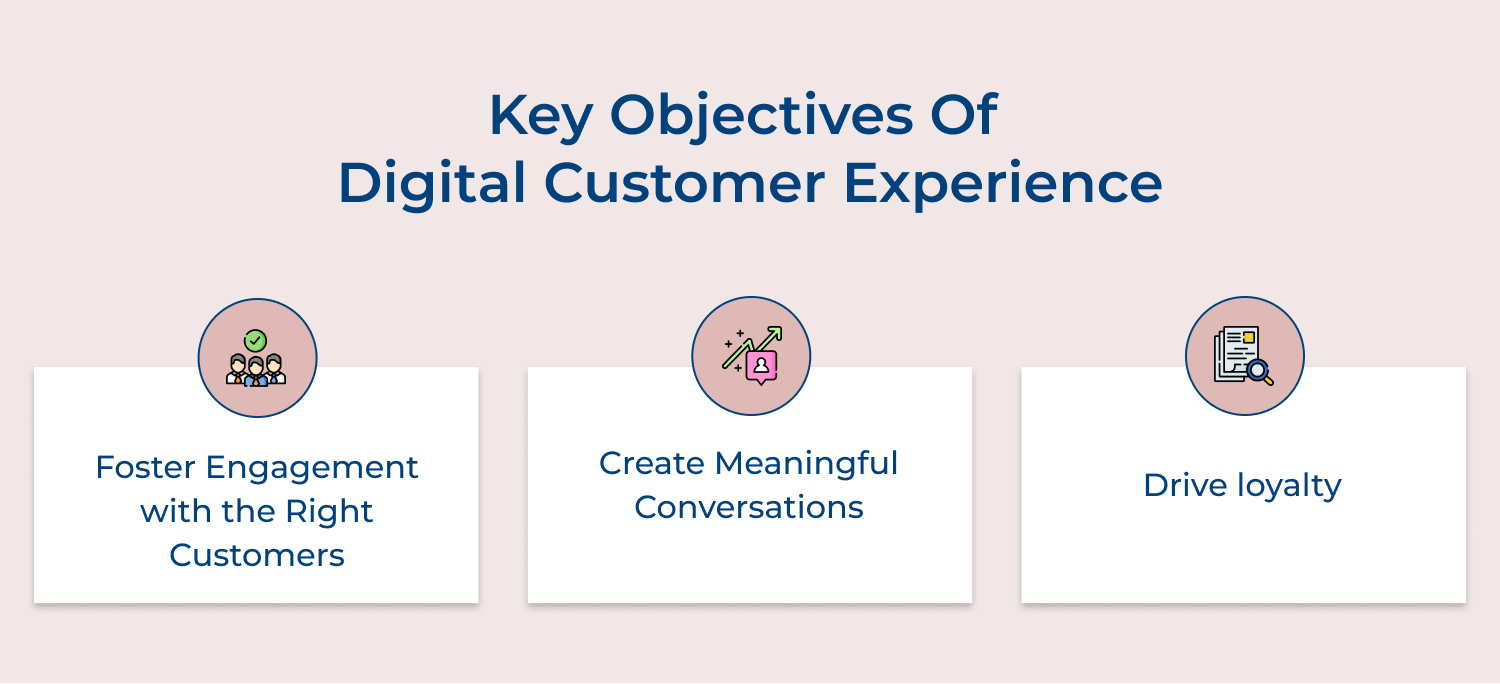
Customers these days access your brand through several different channels — and they expect great experiences no matter where they are. Failure to prioritize the digital customer experience (DCX) will likely result in businesses being left behind.
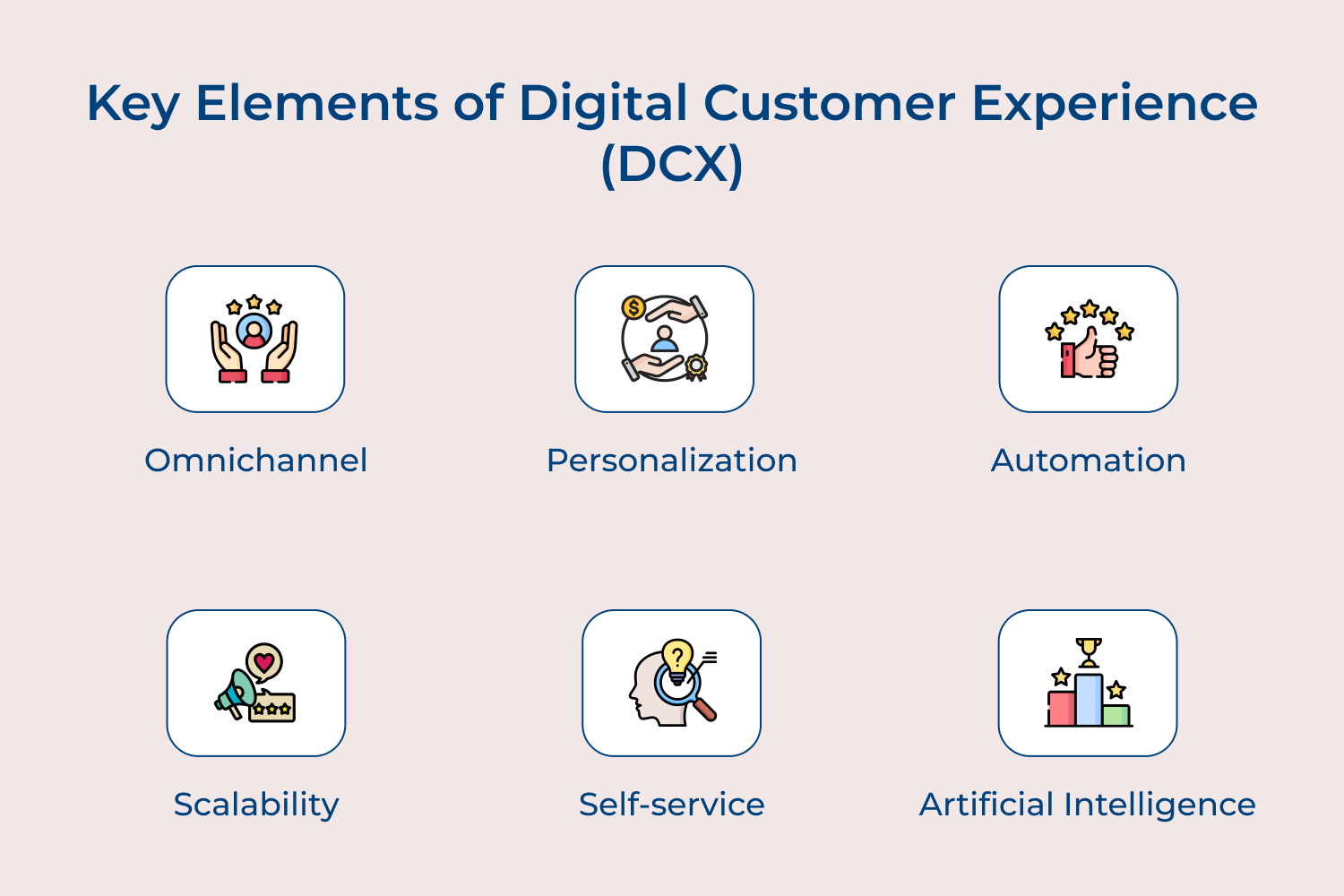
Hence, businesses need to focus on key elements of DCX and how they contribute to a positive customer experience.
Customers interact with businesses through various channels. So businesses must provide a consistent experience across all touchpoints. Implementing an omnichannel strategy allows customers to switch between channels seamlessly without communication gaps. It ensures businesses provide personalized, real-time support and information across channels.
Personalization is the cornerstone of a great DCX. Customers expect businesses to understand their preferences. By analyzing customer data and behavior, businesses can tailor their offerings to create a personalized experience. By using customer segmentation/ targeting strategies, businesses can offer customized product recommendations and strengthen bonds with clients.
Automating repetitive tasks, businesses can streamline their processes and free up resources to focus on more important customer interactions. Deploying AI chatbots can handle customer queries, and personalized email marketing campaigns triggered by specific customer actions and deliver an efficient DCX.
Growing businesses increase customer demands, hence it is essential to have systems that can handle a high volume of interactions maintaining the service quality. Scalability allows companies to efficiently manage customer interactions at any scale, ensuring that each customer receives support.
Customers usually prefer to find information, troubleshoot issues and make purchases on their terms. Self-service portals and knowledge bases empower customers to find answers and complete tasks independently, without having to rely on customer support. Self-help options improve the customer experience and allow the team to focus on complex issues.
Artificial Intelligence has a great impact on digital customer experience. AI-powered chatbots and virtual assistants can provide immediate responses to customer queries, enhancing the overall experience. AI algorithms can analyze customer data, behavior, and preferences to deliver personalized recommendations.
PWC highlights that over 86% of customers are willing to pay more for a splendid customer experience.
An outstanding digital customer experience is no longer a nice-to-have. It’s a mission-critical differentiator for every business. Brands that combine the three essential elements of great products, powerful digital CX, as well as memorable human connections have customers who are more engaged, satisfied, and loyal.
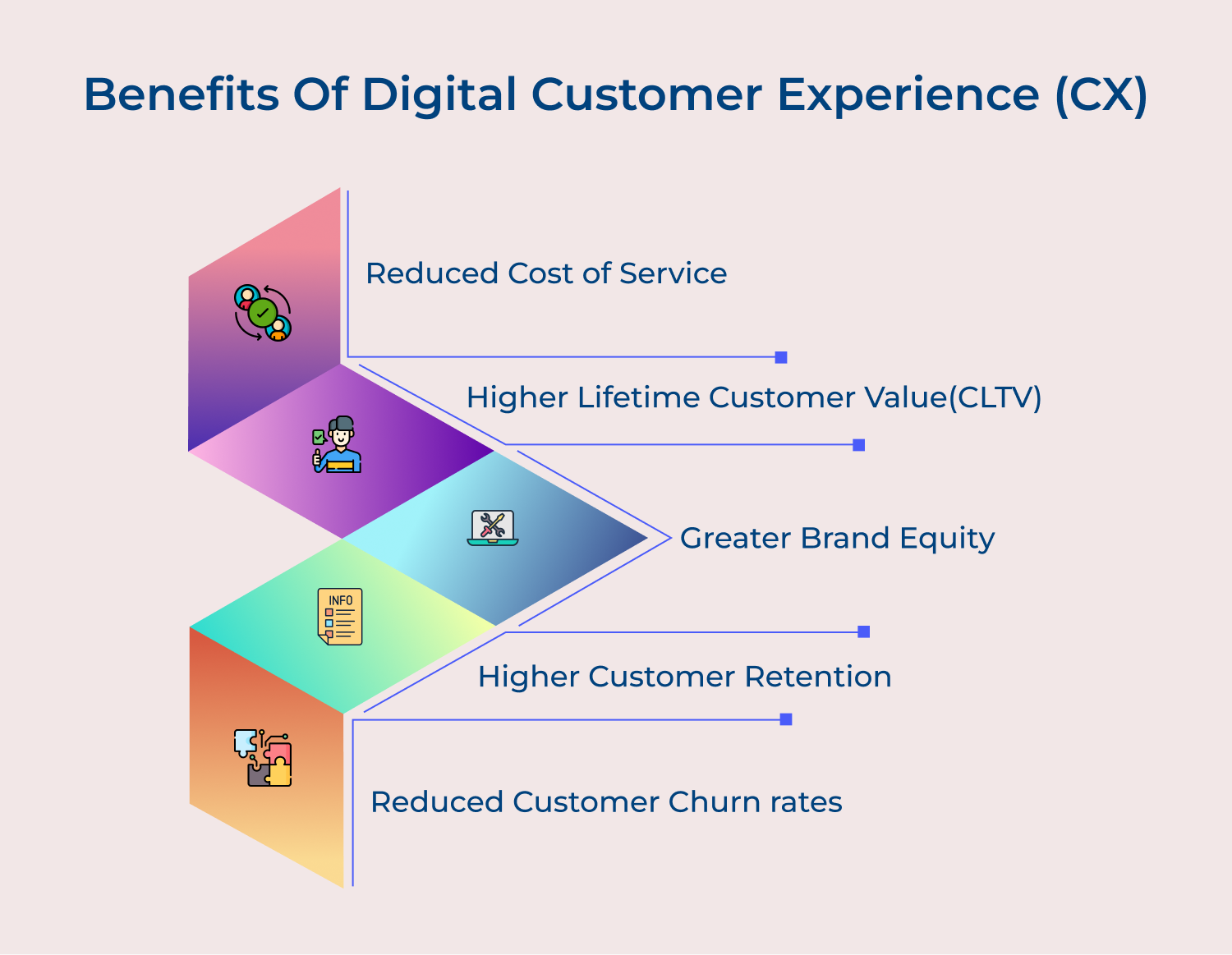
Here are some additional metrics you can track and improve:
DCX provides personalized interactions across various digital touchpoints, so businesses can create a more convenient experience for their customers. It fosters loyalty and increases the likelihood of repeat purchases and referrals. It also enables businesses to gather valuable insights into customer behavior to address their concerns promptly lowering churn rates.
Digital customer experience contributes to higher customer retention rates by fostering convenience, personalization, and engagement. Through intuitive digital interfaces and omnichannel support, businesses can offer seamless support to the client. It creates lasting impressions and strengthens relationships, leading to increased customer retention rates.
Businesses can create memorable experiences that resonate with customers through seamless digital touchpoints. By consistently delivering value, brands can establish a strong brand identity that differentiates them from competitors. Digital channels also offer clear communication, allowing brands to showcase their values which leads to greater brand equity.
Providing personalized interactions across digital channels helps businesses to enhance the overall customer experience. Through targeted marketing campaigns, brands can uplift additional purchases and upsell opportunities, maximizing the CLTV. When customers have an emotional connection with a brand, they have a 306% higher lifetime value and are more likely to recommend it to others (71% vs. 45%).
Digital CX reduces service costs by streamlining processes and promoting self-service options. Through digital channels like websites, mobile apps, and chatbots, businesses can automate routine tasks, reducing the need for human support. Digital platforms enable customers to access information and resolve issues independently, which minimizes service costs.
Digital customer experience (DCX) is inseparable from the all-encompassing customer experience (CX), which includes in-store and other interactions. If CX is about showing empathy, building trust and human connection, DCX is the online expression of these efforts.
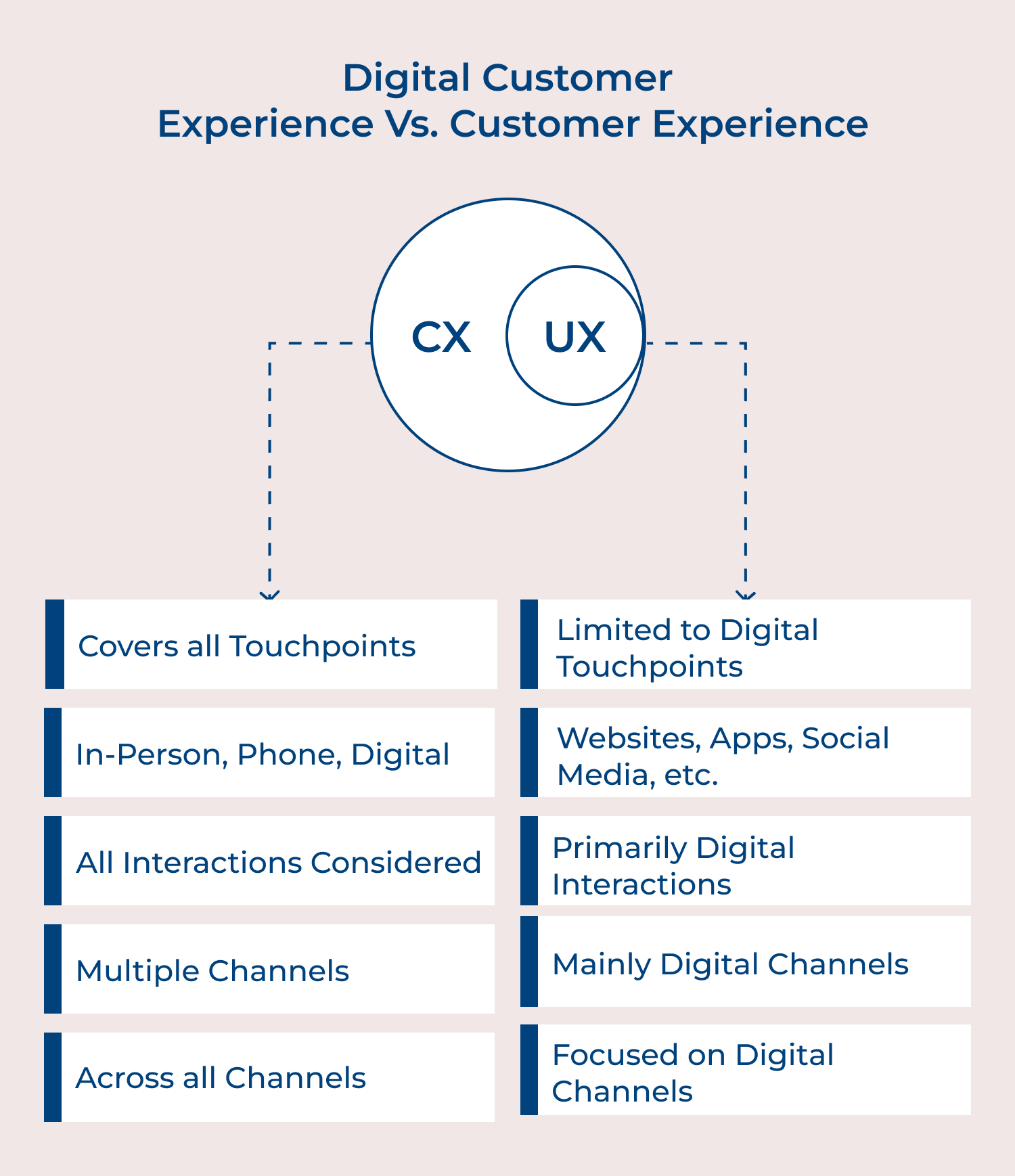
While there are similarities between them, there are also significant differences. Here is a detailed comparison:
Now, let’s explore the key differences:
67% of customers will pay more for a great experience. Hence, businesses of all sizes must create effective digital customer experiences to build lifelong client relationships and ensure loyalty.
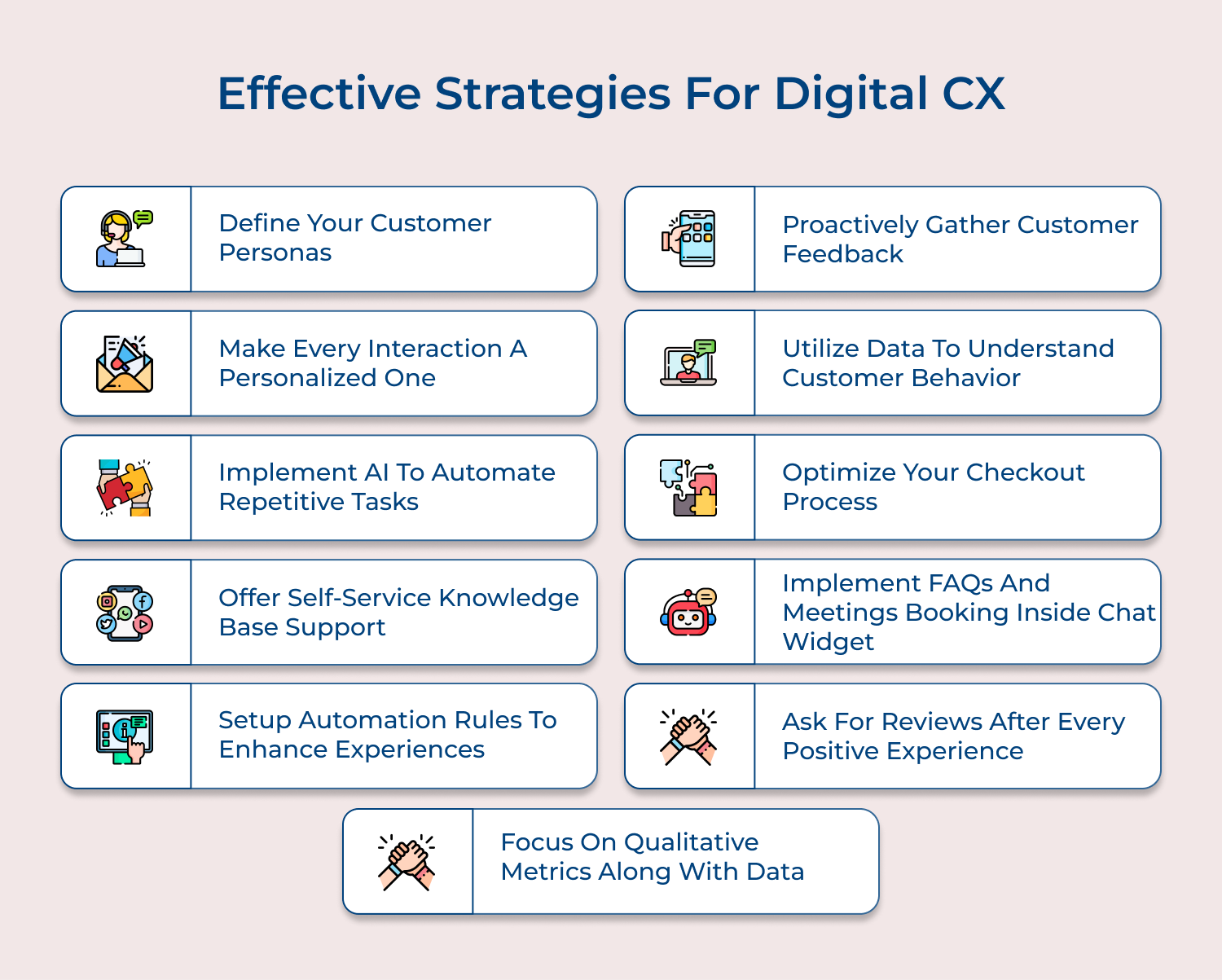
We have summarized proven strategies for an effective digital customer experience:
Customer personas should be the foundation of your digital CX strategy. Understanding who you are trying to reach with your message is key to making sure it resonates with the right people.
Your personas should include information like age, gender, interests and buying motives as well as what they’re looking for from an online experience in terms of ease-of-use and availability of helpful content.
The more detailed your personas, the better – this will help you tailor your content for each audience so that it resonates personally with each individual visitor.
Customers expect a personalized digital experience when they go to engage with a brand or business online – anything less likely won’t receive positive attention and could lead to them turning away from your website altogether.
Hence businesses must use targeted messaging on their website by customizing their offers and content according to customer’s past behavior or preferences. Also, offer personalized support through live chat or other forms of instant communication channels like WhatsApp or Messenger.
Companies should also personalize communications post-transaction by taking advantage of marketing automation platforms that allow you to send follow-up communications based on trigger events.
Amalgamation Artificial Intelligence (AI) in Customer Experience (CX) is in vogue.
AI technology can be used to automate repetitive tasks, freeing up time so that resources can use that time in other business priorities. By leveraging AI-driven automation tools, brands can reduce service costs while improving response times and accuracy.
Deployment of AI can result in providing excellent digital customer experience as users do not have to wait – they will receive instant and accurate personalized responses 24×7.
Regardless of whether there is a team available 24/7 or not, offering access to a knowledge base allows customers to find answers quickly on their schedule.
A well-structured knowledge base should include frequently asked questions, tutorials, articles, help guides or instructional videos so customers can troubleshoot problems without resorting to contacting your team for assistance.
Customers/Visitors should also be able to submit feedback on the quality of the content provided in your knowledge center – as it offers valuable insights into how helpful it is from a user point-of-view. Investing in quality digital CX is key if you want loyal customers who have a positive perception of your brand.
Automating processes, such as customer service requests and onboarding procedures, can provide customers with streamlined experiences when interacting with your brand.
For example, setting up automated rules can manage all customer inquiries quickly & efficiently so that no customer query is left unresolved.
Automation rules can enhance the digital consumer experience in the following ways:
The key to optimizing DCX is actively asking for customer feedback.
Gathering direct feedback from the prospects who interact with your brand can provide valuable insight into how your digital experiences could be improved over time – whether it’s through product updates or adjusting your messaging strategy.
Encouraging honest feedback from customers allows you to adapt to their needs but also measures levels of satisfaction and understanding of every CX touchpoint offered by your business.
Understanding customers on a deeper level is crucial for creating better online experiences. Digging deep into customer data can be the best way to understand consumer behavior and enhance digital experiences.
Businesses should analyze the data they have access to through sources such as web analytics platforms, customer feedback surveys and social media interactions to gain insights into how customers are behaving online.
Having relevant and accurate information in hand, brands can then tailor their DCX efforts towards specific user segments or demographics.
Customers often abandon their carts during the checkout process if they feel any sort of confusion with the purchase flow. To prevent such scenarios to happen, companies must ensure that their checkout process is seamless.
Businesses can test various elements of their checkout page such as:
All these should be taken into consideration while collaborating with UX/UI professionals who know optimization goals like increased conversions rate and improved checkout workflow speed.
When it comes to digital customer experience (CX), one of the most important strategies is streamlining user interactions with your business. There are several solutions available today that can help you do this, including chatbots.
Chatbots allow customers to ask questions or book appointments right inside a chat window without ever having to leave your site or speak directly with a representative. It makes it easier for customers to find answers quickly and easily, which does wonders for their overall satisfaction rates.
The power of social proof cannot be understated when it comes to digital consumer experience. Positive customer reviews can increase customer spending by 31%
Asking customers for reviews after they have had a positive experience with your business is a great way of getting social proof on any platform you use (e.g website/ Facebook page).
Positive reviews help other potential customers gain trust in your product or service as well as make them more likely to engage in transactions with your company in the future, thus boosting revenue growth over time!
For the companies to understand their customer base and deliver an effective DCX strategy they must look beyond just quantitative data like click-through rates or conversion numbers.
Businesses must also track qualitative metrics such as sentiment analysis and natural language processing. These metrics provide valuable insights into how customers feel about certain aspects of their experiences and can help inform decision making when it comes to creating strategies tailored specifically towards individual user needs.
Digital consumer experience is quickly becoming a necessity for businesses that want to stay ahead. Brands that invest in the best DCX tools will be able to provide their customers with an enhanced, personalized, and seamless digital approach.
Let us discuss the best DCX tools that can fit into your business perfectly.
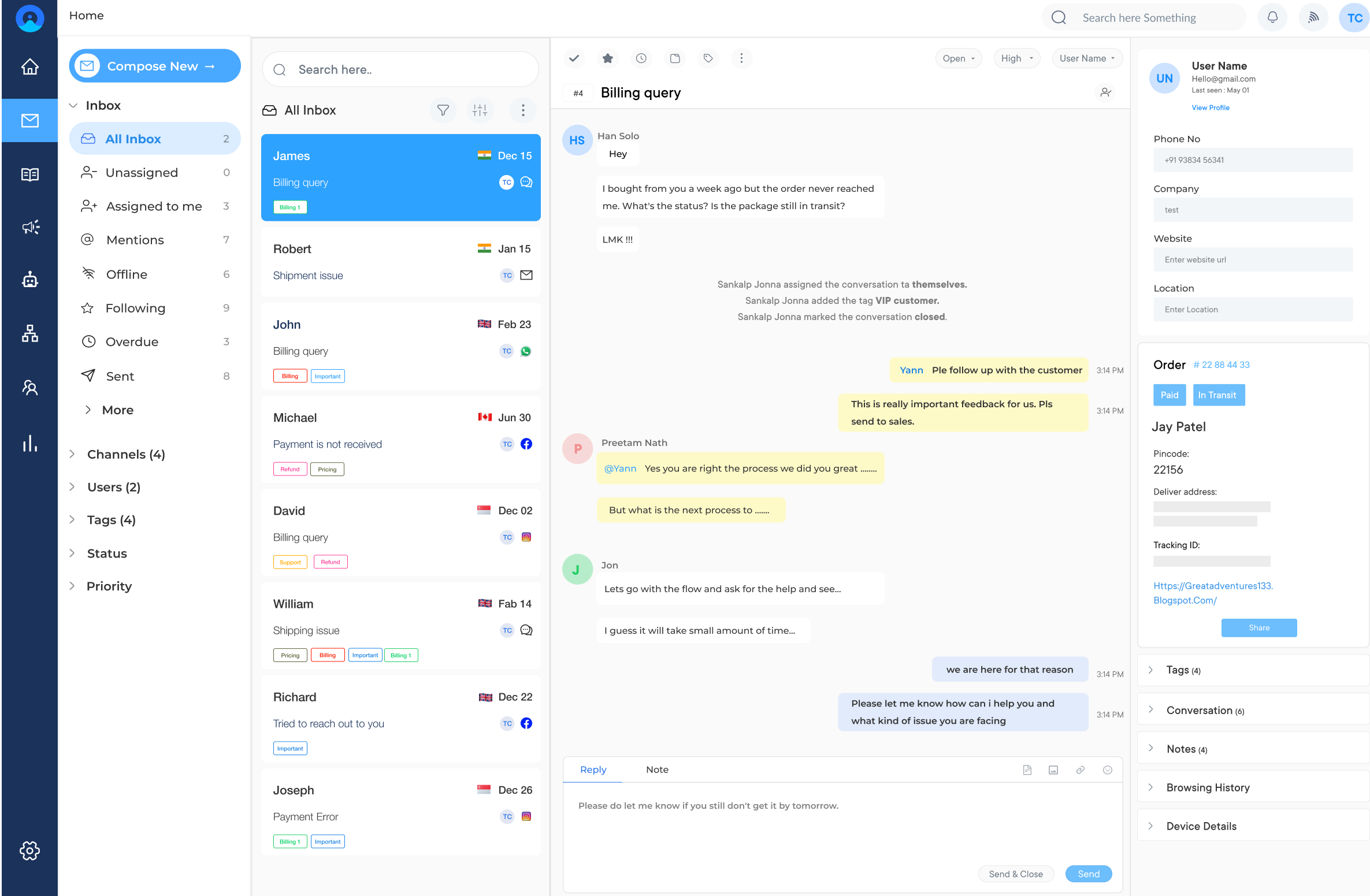
Omni24 is one of the leading digital customer experience platforms available. It offers customers an entire suite of features that allow them to create high-quality customer engagements and maximize customer satisfaction.
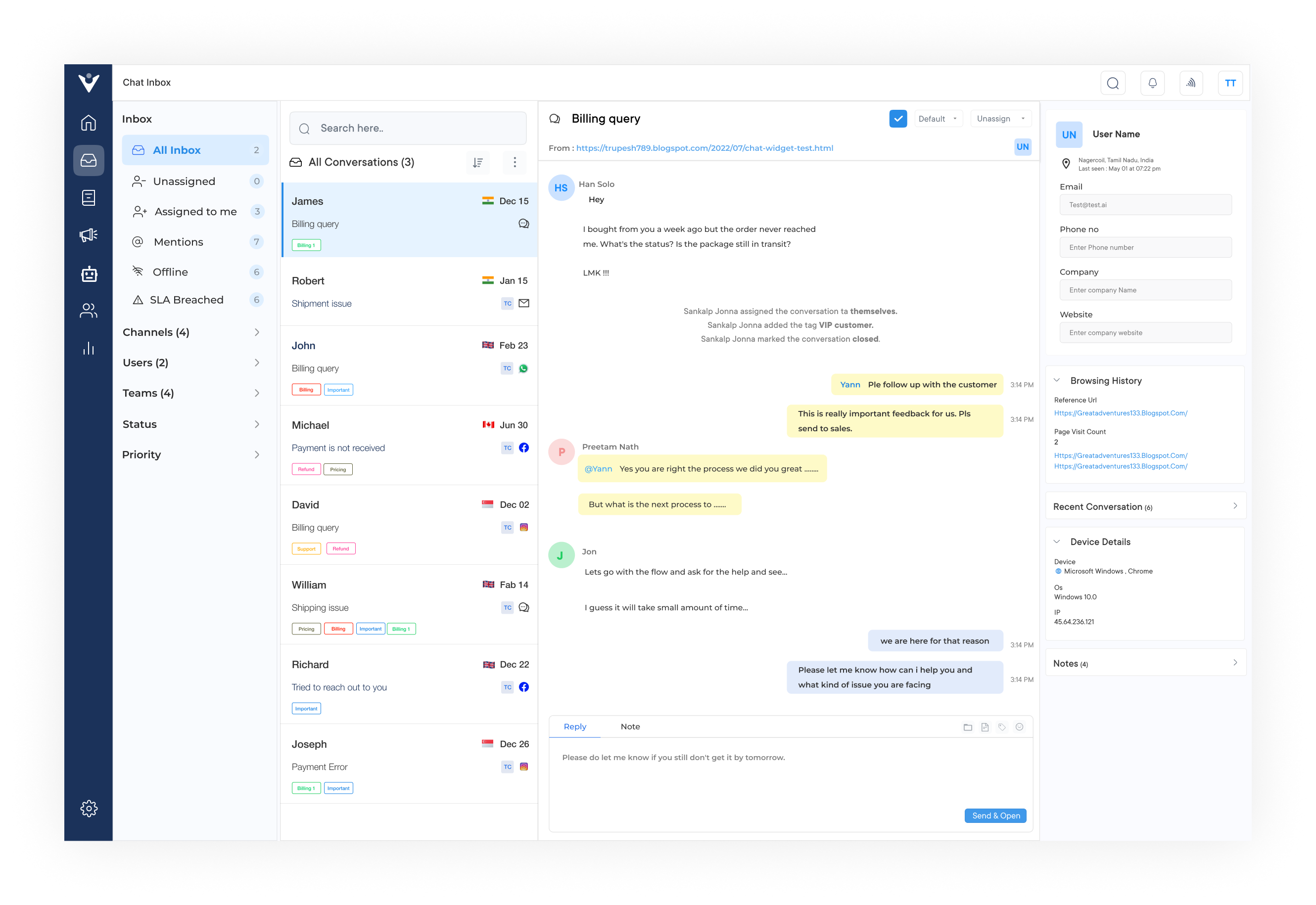
Veemo is another Digital customer experience (DCX) platform intended to provide businesses with a better understanding of their customers. Its platform collects data from emails, social media accounts, websites, and mobile applications into one consolidated view.
The information can then be used to assess customer feedback more accurately and identify any area where improvements need to be made. Another useful feature is its AI-powered chatbot technology which can automate conversations between customers and businesses while collecting valuable insights.
Qualtrics is one of the leading enterprise survey providers on the market today as well as it has long been used by some of the world’s most successful brands including Nike and Microsoft to capture customer data quickly and efficiently.
The Qualtrics XM Platform, organizations can develop tailored surveys for their target markets to gain better insights into their preferences which can lead to improved marketing campaigns or product designs.
Zendesk is a cloud-based digital experience platform that allows businesses to manage customer interactions across multiple channels, including email, chat, social media, and phone.
While Zendesk is primarily known for its helpdesk and customer support software, it has evolved into a full-fledged digital experience platform that can help businesses manage customer interactions across multiple channels. The platform offers detailed analytics & reporting, giving businesses insight into customer behavior, support metrics, and agent performance.
Brands that can combine excellent technology with well-structured digital customer experience strategy are business giants today. Here are some of the most innovative digital customer experience examples that you should think of leveraging:
AI-enabled omnichannel messaging is a type of digital customer experience that provides customers with personalized support on different channels like web, text, and social media. The use of AI also enables businesses to provide faster and more effective communication in multiple channels.
Gamification means adding gaming elements such as points, rewards, badges, and levels to Customer Experience. It helps to increase customer engagement and create meaningful connections with brands by motivating customers.
Voice analytics is a tool that helps companies automate processes related to customer interactions such as understanding customer sentiment, detecting emotion, and recognizing specific phrases and keywords for further analysis. This gives organizations an insight into how customers perceive their services or products based on the tonality of voice.
Delivering an exceptional digital customer experience is more than just a strategy – it’s the new business imperative in the modern business landscape. Businesses can meet and exceed customer expectations by creating personalized interactions across all digital touchpoints. It can foster brand loyalty and drive business growth.
Let’s delve deeper into seven best practices for achieving digital customer experience excellence:
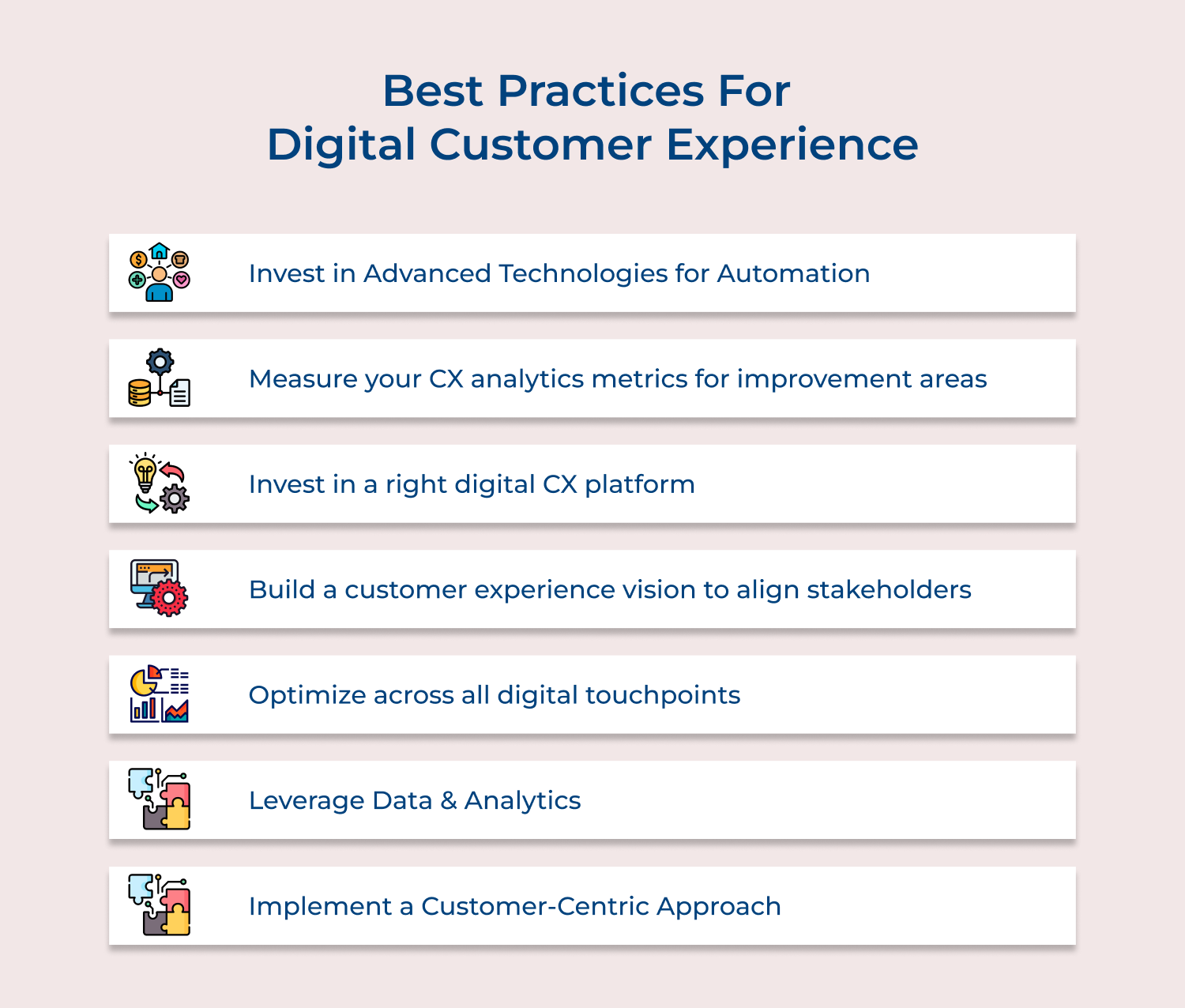
Businesses need to adopt a customer-centric approach and dive deeper into understanding customer needs. It involves analyzing customer data, actively seeking customer feedback, and using these insights to drive strategic decisions.
It also means placing the customer at the center of every business process, from product development and marketing to sales & support. It leads to improved customer satisfaction and fosters long-term customer loyalty.
The philosophy employed by the e-commerce giant, Amazon, prioritizes customer satisfaction over everything else. Their ‘customer obsession’ has focused on features like personalized recommendations, user-friendly interfaces, and stellar customer service, setting the bar high for digital customer experiences.
Data is the key to understanding customer behavior. By effectively leveraging data and analytics, businesses can tailor individual experiences, leading to higher customer satisfaction.
Businesses can now deliver personalized experiences at scale by leveraging advanced analytics tools and AI technologies. Effective data utilization requires careful analysis to extract meaningful insights. These insights can tailor customer interactions, offer personalized recommendations, and predict future behaviors.
Customers interact with businesses across multiple digital touchpoints. Ensuring consistency across these platforms enhances the customer’s perception of the brand.
Businesses must maintain consistent messaging across different platforms, harmonizing the look & feel of different digital interfaces and ensuring a seamless transition for customers as they navigate between touchpoints.
Building a customer experience vision involves defining what kind of experience you want your customers to have when interacting with your brand.
The vision provides a clear direction for all stakeholders, helping them understand their role in delivering the desired customer experience. It should be communicated at all levels of the organization, from top leadership to frontline employees.
The right digital CX platform can be a game-changer for businesses. It should enable seamless integration of data from multiple touchpoints, providing a holistic view of the customer journey.
Deploying the right digital CX platform should also have capabilities for advanced analytics, allowing businesses to derive meaningful insights from their data. It should enable the automation of routine tasks, increasing efficiency and allowing teams to focus on strategic tasks.
Continuously measuring key CX metrics can help identify areas needing improvement. Tracking the key performance indicators such as Net Promoter Score (NPS), Customer Effort Score (CES) and Customer Satisfaction Score (CSAT) provides actionable insights into the performance gaps.
Businesses can analyze the areas of improvement and outline/modify strategies to enhance the digital customer experience.
Investing in advanced technologies like AI and chatbots can significantly improve the digital customer experience. These technologies can automate routine tasks, deliver instant customer support, and personalize interactions.
Businesses should know that it is very important to strike the right balance between automation and human interaction. While automation can enhance efficiency, complex issues, and sensitive situations may require a more human touch.
As technology progresses, digital customer experience (DCX) trends have started shaping businesses’ digital strategies. They leverage tech innovations to enhance user experience, increasing brand loyalty and customer retention.
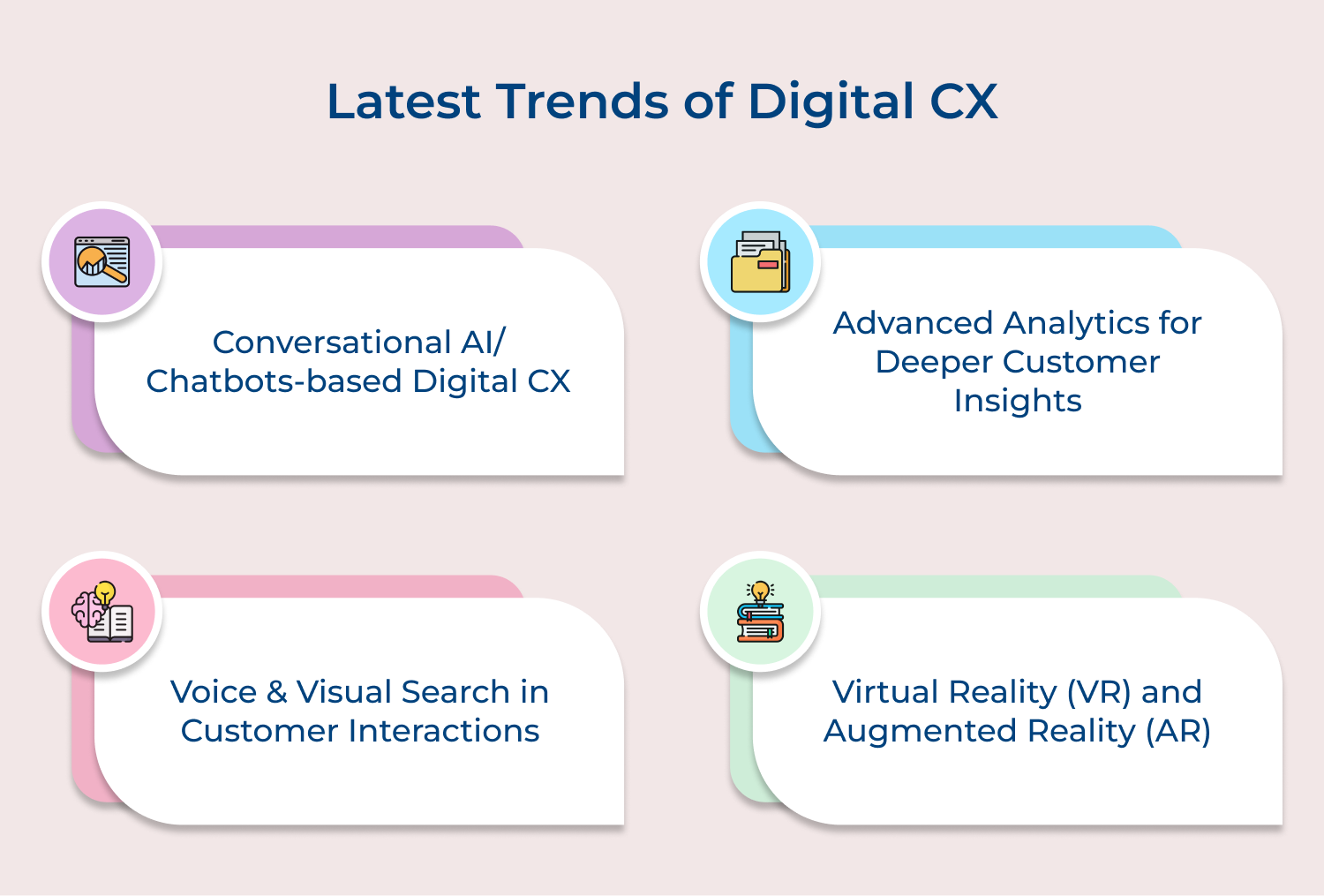
Conversational AI chatbots have become a key driver in offering instant responses to customer queries, available 24/7. Chatbots are projected to help businesses save over $8 billion annually. 64% of users say 24-hour service is the best chatbot feature. Bots also collect valuable data, providing insights into customer preferences. Deploying bots can help improve response times, reduce human errors, and increase customer satisfaction.
The global big data and business analytics market was valued at $294.3 billion. Analyzing this data can provide critical insights into customer expectations. Advanced analytics allows businesses to create detailed customer profiles and segmentation, which can guide personalized marketing strategies. Predictive analytics can help anticipate the latest trends, enabling proactive responses to market changes for brands to create more engaging DCX.
Voice search accounted for 50% of all searches. The trend is driven by the convenience of voice interactions and the adoption of virtual assistants like Google Assistant, Amazon Alexa, and Apple’s Siri. Visual search technology allows customers to find and purchase products simply by uploading photos. Pinterest, for example, offers a “Visual Search” tool that lets users find similar items or ideas using images. These innovations are making customer interactions faster and businesses need to adapt them to stay competitive.
The AR and VR markets reached a staggering $209.2 billion, highlighting these technologies’ rapid adoption and potential. While VR provides a completely immersive, computer-generated environment for users, AR enhances real-world objects with computer-generated perceptual information.
Successfully implementing a unified omnichannel approach, businesses must focus on building out comprehensive data models that will allow them to access valuable insights into their customers’ behavior. The data can be used to create targeted content strategies that tailor each customer’s journey across multiple channels.
Following the steps rightly, businesses can promote better communication between customers and sales teams while delivering a seamless omni-channel experience across all platforms. It ultimately results in higher customer satisfaction levels, making the whole team stronger for the future.

1. Why is digital customer experience important for businesses?
Digital customer experience refers to the overall satisfaction customers have when interacting with a business online. It comprises various touchpoints, including websites, social media platforms, mobile apps, and more. Providing an excellent digital customer experience is vital because it can significantly impact customer loyalty, brand perception, and revenue.
2. How does personalization impact digital customer experience?
Personalization plays a crucial role in enhancing the digital client experience. By tailoring content and offers based on individual preferences, businesses can create a more engaging customer journey. Personalization helps businesses build stronger relationships with their customers by showing that they understand their unique needs and interests. It can lead to greater customer satisfaction, improved conversion rates, and increased customer loyalty.
3. What role does website design play in digital customer experience?
Website design is a critical aspect of digital customer experience. A well-designed website should be visually appealing, intuitive to navigate, and optimized for different devices. A poorly designed website can frustrate visitors, leading to high bounce rates and decreased engagement. User experience (UX) design principles, such as clear navigation, fast load times, and responsive layouts, are essential for creating a positive digital customer experience. Investing in professional web design is crucial to ensure that customers have a seamless and enjoyable interaction with your brand online.
4. What are some common challenges businesses face in creating a positive digital customer experience?
Creating a positive digital customer experience can be challenging for businesses, especially those that are new to the digital space. Some common challenges include:
5. What is the difference b/w Digital customer experience strategies?
Digital customer experience strategies can vary depending on the business objectives, target audience, and industry. However, some common strategies include:
 https://omni24.io/wp-content/uploads/2026/08/AI-Customer-Service-Agents.png
1256
2400
Webvision Solution
https://omni24.io/wp-content/uploads/2023/04/Omni-Logo-1.svg
Webvision Solution2026-09-21 04:48:512026-09-21 04:48:51How to Build an AI Customer Service Agents: 8 Key Steps
https://omni24.io/wp-content/uploads/2026/08/AI-Customer-Service-Agents.png
1256
2400
Webvision Solution
https://omni24.io/wp-content/uploads/2023/04/Omni-Logo-1.svg
Webvision Solution2026-09-21 04:48:512026-09-21 04:48:51How to Build an AI Customer Service Agents: 8 Key Steps https://omni24.io/wp-content/uploads/2026/08/Omnichannel-Conversational-AI.png
1256
2400
Tushar Joshi
https://omni24.io/wp-content/uploads/2023/04/Omni-Logo-1.svg
Tushar Joshi2026-09-16 03:51:072026-09-16 03:51:07How to Build Omnichannel Conversational AI Strategy
https://omni24.io/wp-content/uploads/2026/08/Omnichannel-Conversational-AI.png
1256
2400
Tushar Joshi
https://omni24.io/wp-content/uploads/2023/04/Omni-Logo-1.svg
Tushar Joshi2026-09-16 03:51:072026-09-16 03:51:07How to Build Omnichannel Conversational AI Strategy https://omni24.io/wp-content/uploads/2026/08/Customer-Service-Teams.png
1256
2400
Tushar Joshi
https://omni24.io/wp-content/uploads/2023/04/Omni-Logo-1.svg
Tushar Joshi2026-09-15 04:01:522026-09-15 04:02:16How to Build Customer Service Teams: 6 Key Steps
https://omni24.io/wp-content/uploads/2026/08/Customer-Service-Teams.png
1256
2400
Tushar Joshi
https://omni24.io/wp-content/uploads/2023/04/Omni-Logo-1.svg
Tushar Joshi2026-09-15 04:01:522026-09-15 04:02:16How to Build Customer Service Teams: 6 Key Steps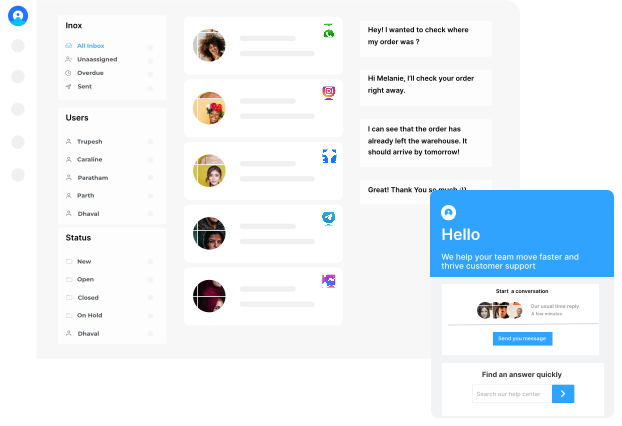
Whether it’s about acquire, engage or support – Omni24 covers all your customer engagement needs in one complete platform.

Copyright ©2026 Veemo All rights reserved.
CA, Los Angeles, Hall Ave, 19011