Top 10 Customer Service Initiatives for Business Growth
Customer service initiatives deliver consistent, evolving support that boosts satisfaction and keeps businesses competitive.

Customer service initiatives deliver consistent, evolving support that boosts satisfaction and keeps businesses competitive.
Businesses that prioritize customer service initiatives not only enhance customer satisfaction but also encourage loyalty and drive growth. These initiatives can take various forms, from personalized communication to real-time support.
As per the Zendesk report, 56% of business leaders expect customer service volumes to rise by 20%.
Implementing effective strategies helps organizations better understand customer needs, streamline operations and create memorable experiences.
Explore innovative customer service initiatives that empower businesses to elevate their service standards and succeed in a dynamic environment.
Customer service initiatives are strategic programs or actions designed to enhance the quality of service provided to customers. These initiatives aim to improve customer satisfaction, loyalty and overall experience when interacting with a company.
Customer service initiatives help companies differentiate themselves, build strong relationships with customers and foster brand loyalty. Effective initiatives can lead to increased customer retention, positive word-of-mouth marketing and improved profitability.
Customer service initiatives often blend technology, employee training and customer feedback systems to deliver consistent service excellence. By regularly evaluating performance and customer insights, businesses can identify gaps, implement new strategies or maintain a customer-focused culture that drives long-term success.
Key objectives:
Customer service initiatives are vital for building loyalty, improving customer satisfaction and differentiating your business in a competitive market. Here are the key reasons why they matter.
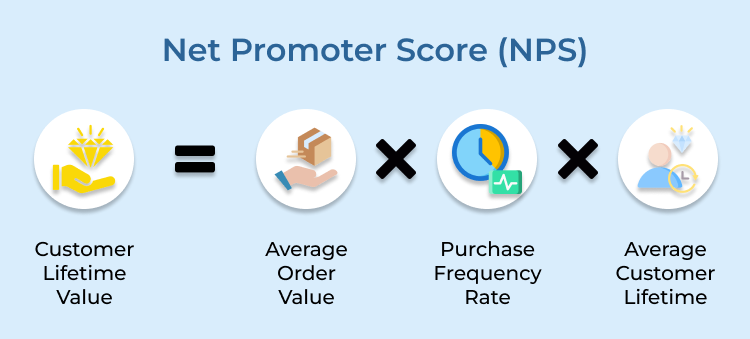
Customer Retention
Customer service initiatives play a vital role in retaining clients. When customers feel valued and supported, they are more likely to return, reducing churn rates. Consistently meeting and exceeding expectations helps build loyalty, turning one-time buyers into lifelong customers.
Positive Brand Reputation
Exceptional customer service significantly boosts brand reputation. Satisfied customers are more inclined to share positive experiences through word-of-mouth and online reviews. This organic promotion enhances credibility and attracts new customers.
Higher Revenue
Investing in customer service initiatives often leads to increased revenue. Satisfied customers tend to spend more and make repeat purchases. They are likely to recommend the brand to friends & family, amplifying sales opportunities and driving business growth.
Improved Employee Morale
A focus on customer service positively affects employee morale. When team members receive training & support to deliver exceptional service, feelings of empowerment and engagement increase. The boost in job satisfaction reduces turnover and creates a more motivated workforce.
Building Trust
Consistent customer service builds trust between a brand and its customers. Addressing concerns and fulfilling promises allows customers to feel secure in their purchasing decisions. This trust is crucial for long-term relationships and significantly influences customer loyalty.
Long-Term Relationships
Investing in customer service initiatives fosters long-term relationships with clients. Continually engaging and supporting customers can turn them into advocates. These advocates not only contribute to sustained revenue but also enhance brand visibility through referrals and positive word-of-mouth.
Explore ten innovative initiatives that can transform your customer service approach, ensuring better engagement and satisfaction for your clients. Here are the top ideas to consider.
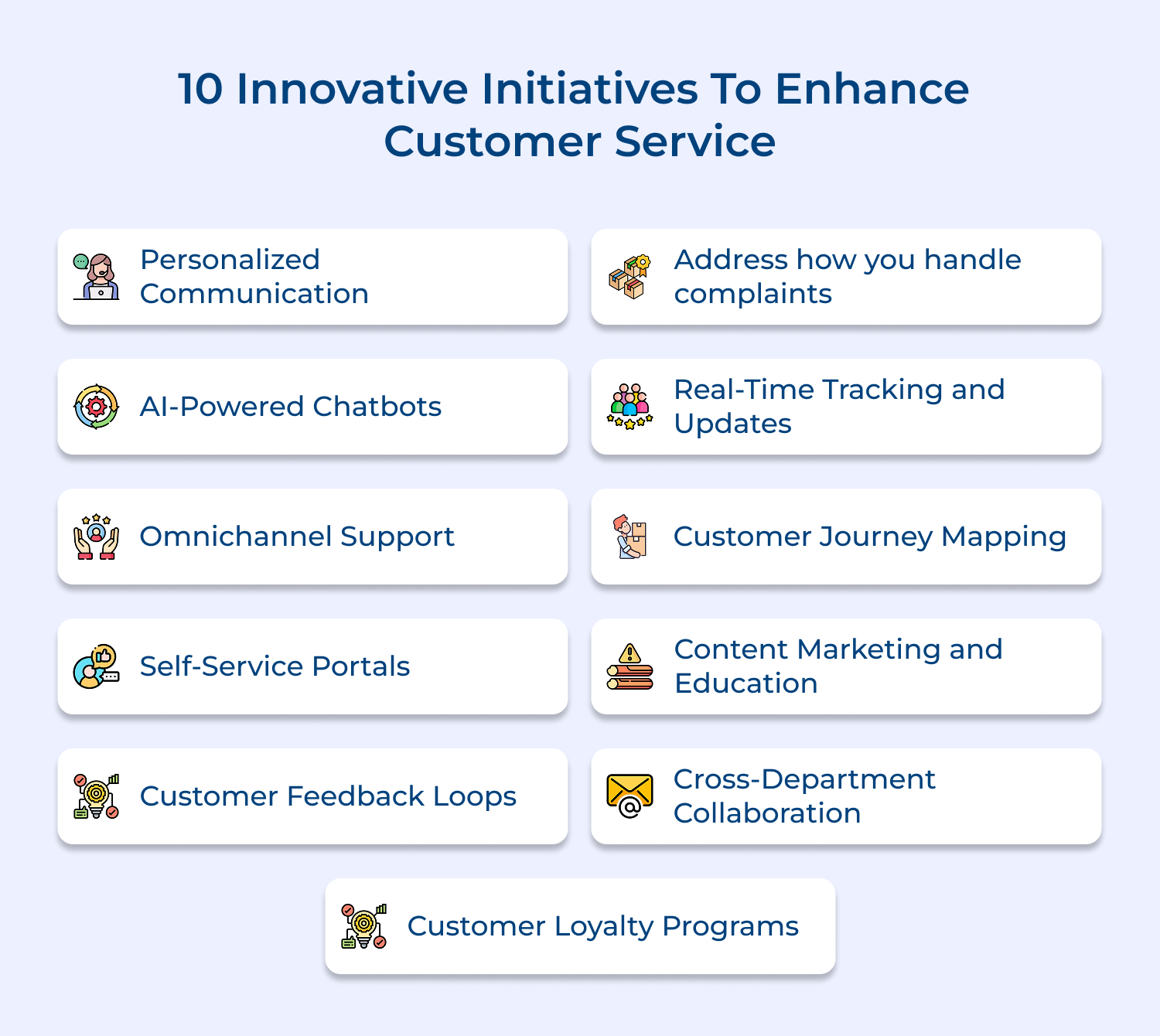
Personalized communication enhances customer experience by making interactions more relevant and engaging. Customers appreciate it when businesses recognize their individual needs and preferences, which encourages deeper relationships.
Utilize customer data from various sources, such as purchase history, browsing behavior and demographic information, to create tailored messages, recommendations and support interactions. For example, send personalized emails highlighting products based on previous purchases or engage customers through targeted ads that reflect their interests.
Pro Tips:

AI-powered chatbots provide instant responses to customer inquiries, significantly improving response times and availability. They enhance efficiency by handling a large volume of queries simultaneously, allowing human agents to focus on more complex issues.
Implement chatbots on websites, messaging apps or social media platforms to handle frequently asked questions, guide users through processes and provide basic support. Ensure the chatbot is designed to escalate issues to human agents when necessary, maintaining a seamless experience.
Pro Tips:
Omnichannel support ensures a seamless customer experience across various platforms, enhancing convenience and satisfaction. Customers today expect the ability to engage with brands through multiple channels without losing context.
Integrate various communication channels—such as email, chat, phone and social media—into a cohesive system that tracks customer interactions. It enables representatives to access complete customer histories, ensuring consistent messaging and service regardless of the platform used.
Pro Tips:
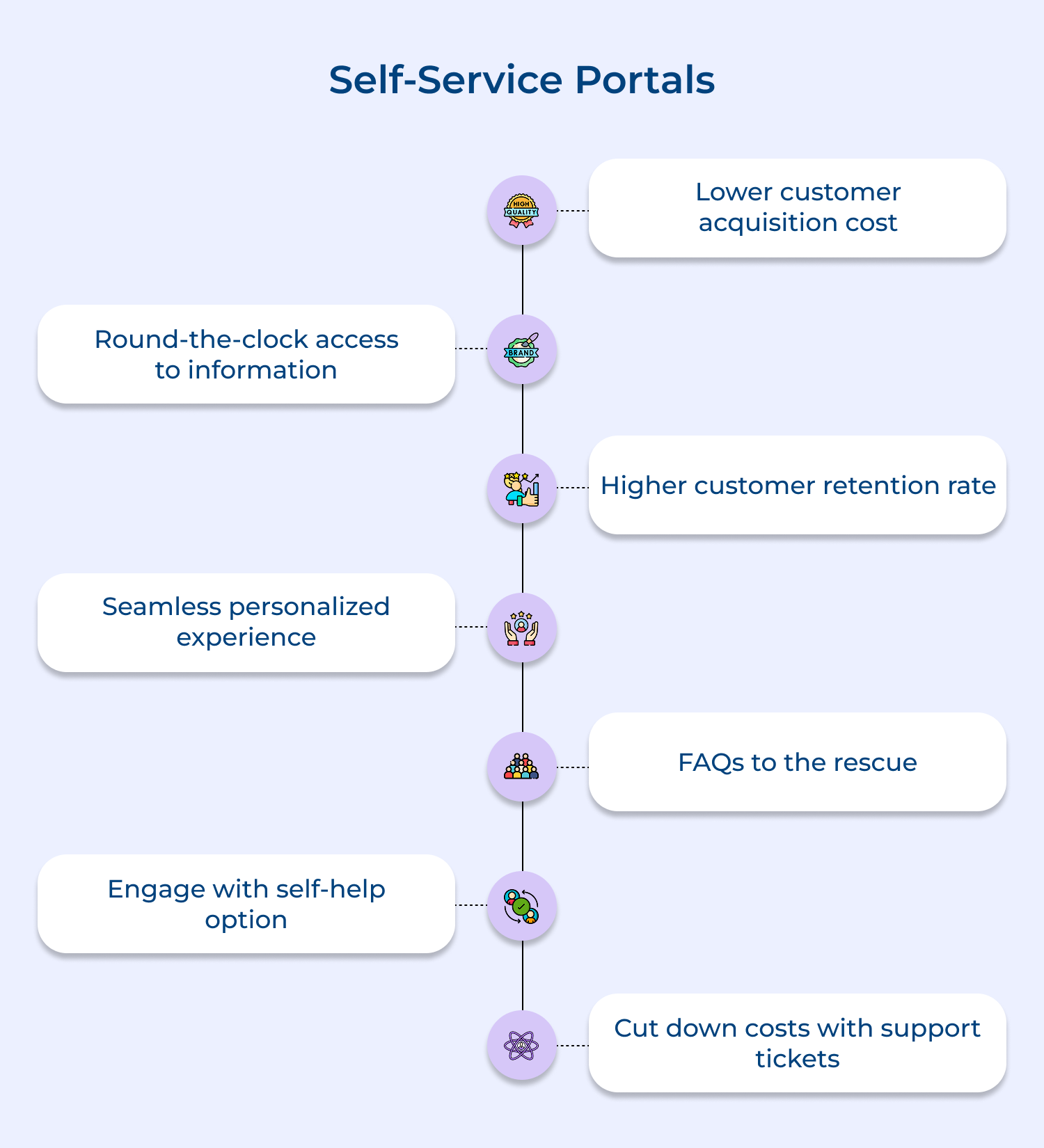
Self-service portals empower customers to find solutions independently, reducing wait times and support costs. This not only enhances user satisfaction by providing quick access to information but also allows support teams to focus on more complex inquiries.
Create a user-friendly online portal that features FAQs, tutorials, troubleshooting guides and community forums. Ensure that the content is easily searchable and that users can find the information they need without excessive navigation.
Pro Tips:
Customer feedback loops provide valuable insights into customer preferences and pain points enabling businesses to make informed improvements. Actively seeking feedback shows customers that their opinions matter, which can enhance loyalty and trust.
Use surveys, polls and follow-up communications to gather feedback after interactions. Encourage customers to share their experiences, suggestions and ensure that feedback is collected systematically across different touchpoints.
Pro Tips:
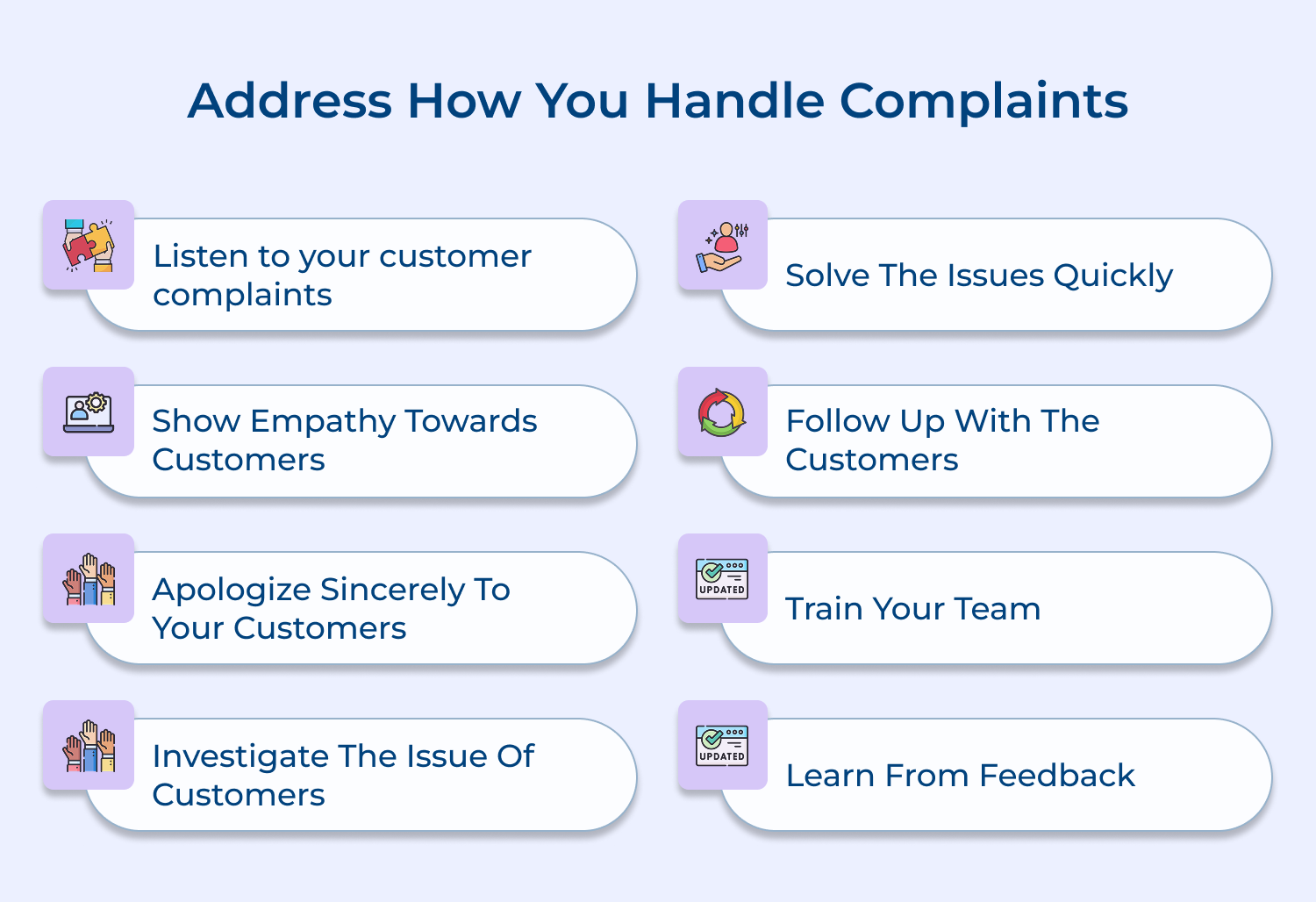
Effective complaint handling can turn negative experiences into positive ones, fostering customer loyalty. Addressing issues promptly and effectively shows a commitment to customer satisfaction, which is crucial for maintaining a strong brand reputation.
Develop a clear, empathetic complaint resolution process that prioritizes swift responses and effective solutions. Train your team to approach complaints as opportunities for improvement rather than just problems to be fixed.
Pro Tips:
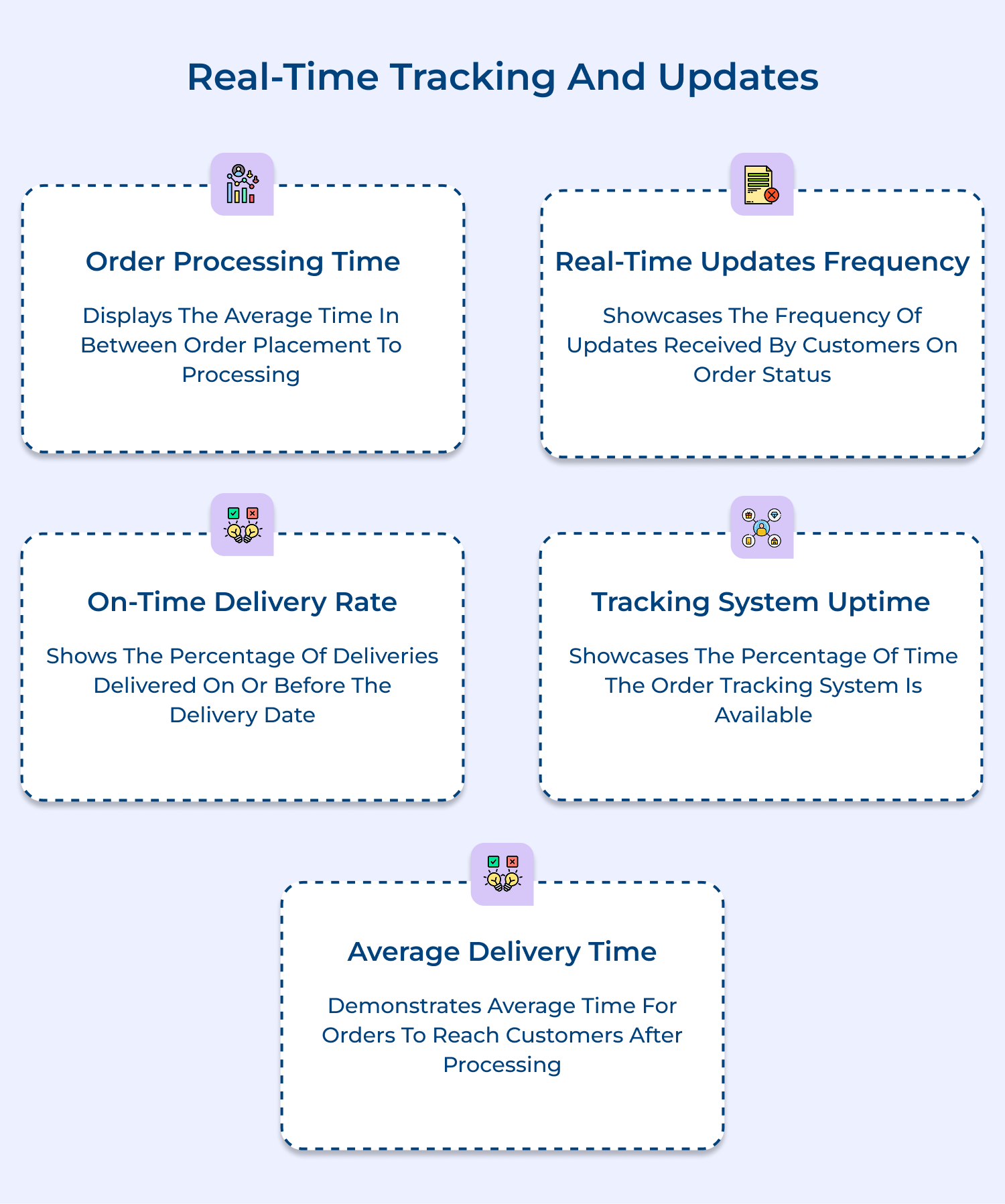
Providing real-time updates on orders or service status reduces customer anxiety and enhances trust. Customers appreciate transparency in their interactions, which can significantly improve their overall experience and satisfaction with the brand.
Implement tracking systems that allow customers to monitor their orders or service requests through automated notifications or a dedicated portal. Keep customers informed of any changes or delays throughout the process.
Pro Tips:
Mapping the customer journey helps identify touchpoints and pain points, enabling businesses to optimize interactions for a better overall experience. Understanding the journey allows for tailored improvements at critical stages, enhancing customer satisfaction.
Analyze the customer journey from initial contact through post-purchase to understand and improve each stage of the interaction. Use data analytics & customer feedback to map out typical paths and identify areas for enhancement.
Pro Tips:
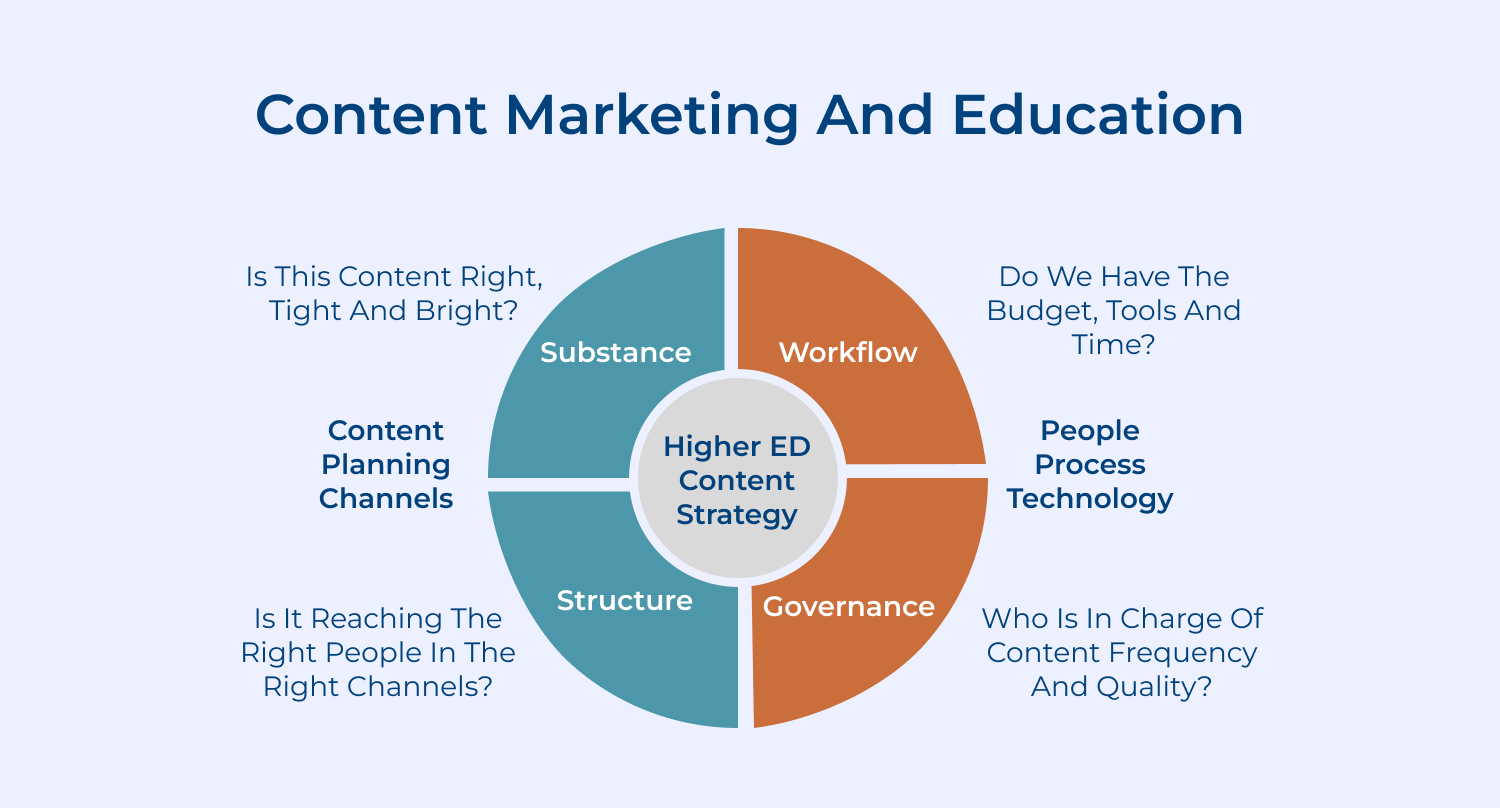
Educating customers through content marketing positions your brand as a valuable resource. Providing helpful information enhances customers’ understanding and encourages informed decision-making, ultimately increasing trust.
Create informative content such as blogs, videos, webinars, or tutorials that address customer pain points and demonstrate product value. Distribute this content through various channels to maximize reach and engagement.
Pro Tips:
Collaboration between departments ensures a unified approach to customer service, improving overall efficiency and the customer experience. When teams work together, they can share insights and develop strategies that address customer needs more effectively.
Encourage communication between customer service, marketing, sales and product teams to align goals and share insights. Establish regular meetings to discuss customer feedback and collective strategies for improvement.
Pro Tips:
Follow these six essential steps to effectively implement a customer service initiative that delivers lasting improvements and enhances customer experiences.
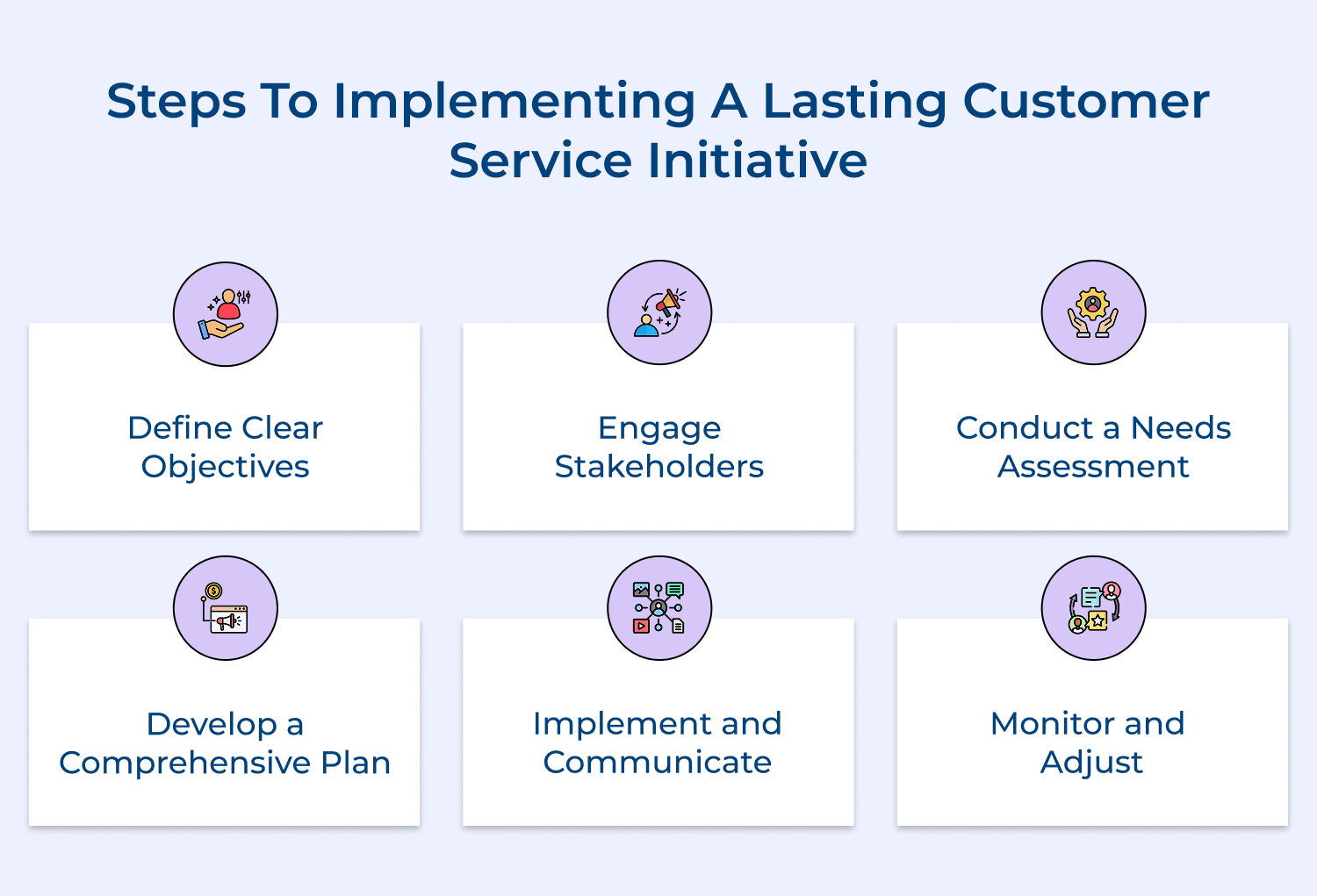
1. Define Clear Objectives
Establishing specific, measurable objectives is crucial for guiding your customer service initiative. Clearly defined goals, such as improving customer satisfaction scores or reducing response times, ensure everyone understands the desired outcomes.
Use the SMART criteria—Specific, Measurable, Achievable, Relevant, and Time-bound, to create objectives that align with overall business goals, facilitating effective accountability.
2. Engage Stakeholders
Involving key stakeholders from various departments fosters collaboration and buy-in for the initiative. Identify stakeholders from customer service, sales, or management and organize meetings to gather input and establish a shared vision.
Engaging diverse perspectives enhances the initiative’s effectiveness, as stakeholders can provide valuable insights and support throughout the implementation process.
3. Conduct a Needs Assessment
A thorough needs assessment helps identify gaps and opportunities for improvement in current customer service practices. Gather data through customer surveys, feedback forms and employee interviews to analyze existing interactions.
Understanding customer pain points allows you to develop targeted solutions, ensuring the initiative addresses the most pressing needs of your audience.
4. Develop a Comprehensive Plan
Creating a detailed plan provides a roadmap for implementation, outlining specific actions, timelines and required resources. This ensures that all team members know their roles and responsibilities. Include milestones to track progress and make adjustments as necessary.
A well-structured plan helps maintain focus and facilitates effective communication among team members throughout the initiative.
5. Implement and Communicate
Effective communication is essential during the rollout of your customer service initiative. Launch the initiative in phases, beginning with comprehensive training sessions to familiarize team members to the new processes and tools.
Regularly share expectations to minimize confusion and enhance engagement, ensuring everyone is aligned with the initiative’s objectives and knows their role in achieving them.
6. Monitor and Adjust
Ongoing monitoring of the initiative’s progress is crucial for long-term success. Use KPIs established during the goal-setting phase to assess effectiveness. Gather feedback from customers and team members to identify areas for improvement.
Be prepared to make adjustments based on insights gained, ensuring the initiative evolves to meet changing customer needs and organizational goals.
Understanding the common challenges of customer service initiatives is crucial for developing effective strategies that ensure successful implementation and sustainability.
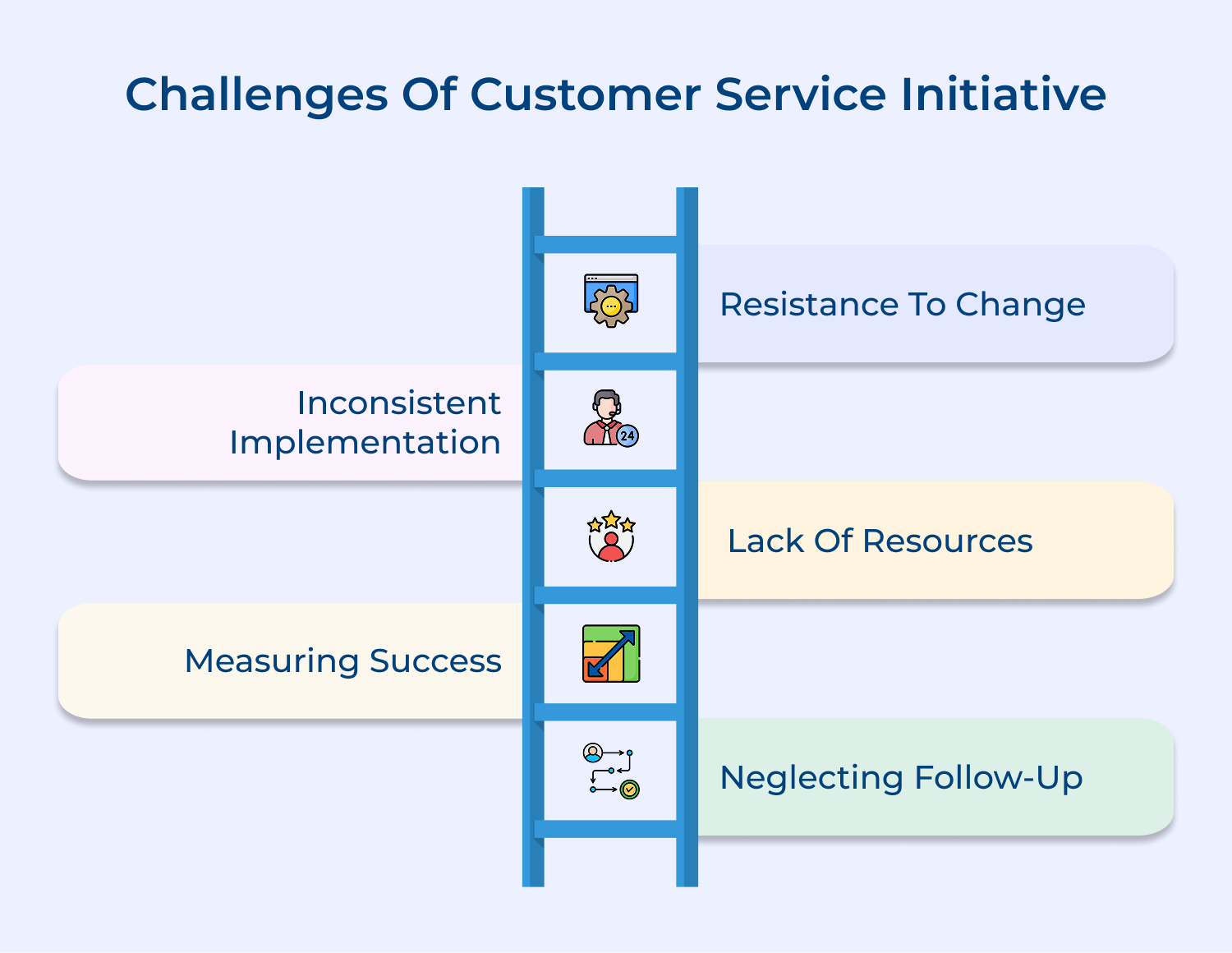
Resistance to Change
Challenge: Employees may resist new processes or technologies, fearing disruption to their routine or doubting the benefits.
Solution: Involve employees early in the planning process, providing training and clear communication about the benefits of the initiative. Address concerns and gather feedback to foster a sense of ownership.
Inconsistent Implementation
Challenge: Different teams or departments may interpret or apply the initiative inconsistently, leading to varied customer experiences.
Solution: Develop standardized procedures and guidelines for implementation. Regularly monitor compliance and provide support to teams struggling with consistency.
Lack of Resources
Challenge: Insufficient time, budget or staffing can hinder the successful implementation of customer service initiatives.
Solution: Conduct a thorough resource assessment before launching the initiative. Secure necessary funding and allocate dedicated time for training & implementation to ensure success.
Measuring Success
Challenge: Defining and tracking success metrics can be difficult, making it hard to evaluate the initiative’s impact.
Solution: Establish clear, measurable goals from the outset. Use customer feedback, satisfaction scores and performance metrics to assess effectiveness to make data-driven adjustments.
Neglecting Follow-Up
Challenge: After the initial launch, initiatives may lose momentum, leading to a decline in engagement and effectiveness.
Solution: Create a follow-up plan that includes regular check-ins, ongoing training sessions and updates based on feedback. Reinforce the initiative’s importance through continuous communication and recognition of successes.
Effective customer service initiatives empower businesses to enhance operations and drive growth. Streamlining processes and fostering a customer-centric culture enables teams to respond swiftly to customer needs, improving overall efficiency.
Empowered employees equipped with the right tools and training can deliver exceptional service, leading to higher customer satisfaction. Prioritizing feedback and continuous improvement helps organizations adapt to changing market demands.

What are some innovative customer service initiatives that businesses can implement?
Innovative customer service initiatives include AI-powered chatbots for 24/7 support, personalized video messaging for complex issues, augmented reality for remote troubleshooting, proactive support using predictive analytics and community-driven support forums. Other initiatives involve implementing omnichannel support strategies, creating self-service portals with interactive guides and using sentiment analysis for real-time service adjustments.
How can customer feedback be used to shape new customer service initiatives?
Customer feedback is invaluable in shaping service initiatives. Analyze feedback to identify pain points and areas for improvement. Use surveys and focus groups to gather specific insights. Implement a closed-loop feedback system to track resolution of issues. Use text analytics on open-ended feedback to uncover trends. Let customer preferences guide the development of new service channels or features.
What role does technology play in modern customer service initiatives?
Technology is crucial in modern customer service initiatives. It enables automation of routine tasks, provides data-driven insights through analytics and facilitates personalized experiences. AI and machine learning power chatbots and predictive support. Cloud-based systems ensure seamless omnichannel experiences. CRM tools provide a 360-degree customer view. Self-service portals and mobile apps offer convenient support options.
Can you give examples of successful customer service initiatives from leading companies?
Amazon’s “Frustration-Free Packaging” initiative reduced packaging waste and improved customer experience. Apple’s Genius Bar provides in-person tech support. Zappos offers a 365-day return policy and surprises customers with free upgrades. Netflix’s personalized recommendation system enhances user experience. Ritz-Carlton empowers employees with a budget to resolve guest issues without approval, ensuring swift problem resolution.
How do customer service initiatives impact overall customer satisfaction and loyalty?
Effective customer service initiatives significantly boost satisfaction and loyalty. They create positive experiences, fostering emotional connections with the brand. Quick issue resolution and proactive support prevent customer frustration. Personalized service makes customers feel valued. Consistent, high-quality interactions across all touchpoints build trust. These factors combined lead to increased customer retention, positive word-of-mouth and higher lifetime value.
 https://omni24.io/wp-content/uploads/2026/09/Social-commerce-scaled.png
1340
2560
Webvision Solution
https://omni24.io/wp-content/uploads/2023/04/Omni-Logo-1.svg
Webvision Solution2026-10-23 12:18:272026-10-23 12:18:27What is Social Commerce and Why Does It Matter?
https://omni24.io/wp-content/uploads/2026/09/Social-commerce-scaled.png
1340
2560
Webvision Solution
https://omni24.io/wp-content/uploads/2023/04/Omni-Logo-1.svg
Webvision Solution2026-10-23 12:18:272026-10-23 12:18:27What is Social Commerce and Why Does It Matter? https://omni24.io/wp-content/uploads/2026/08/AI-Customer-Service-Agents.png
1256
2400
Webvision Solution
https://omni24.io/wp-content/uploads/2023/04/Omni-Logo-1.svg
Webvision Solution2026-09-21 04:48:512026-09-21 04:48:51How to Build an AI Customer Service Agents: 8 Key Steps
https://omni24.io/wp-content/uploads/2026/08/AI-Customer-Service-Agents.png
1256
2400
Webvision Solution
https://omni24.io/wp-content/uploads/2023/04/Omni-Logo-1.svg
Webvision Solution2026-09-21 04:48:512026-09-21 04:48:51How to Build an AI Customer Service Agents: 8 Key Steps https://omni24.io/wp-content/uploads/2026/08/Omnichannel-Conversational-AI.png
1256
2400
Tushar Joshi
https://omni24.io/wp-content/uploads/2023/04/Omni-Logo-1.svg
Tushar Joshi2026-09-16 03:51:072026-09-16 03:51:07How to Build Omnichannel Conversational AI Strategy
https://omni24.io/wp-content/uploads/2026/08/Omnichannel-Conversational-AI.png
1256
2400
Tushar Joshi
https://omni24.io/wp-content/uploads/2023/04/Omni-Logo-1.svg
Tushar Joshi2026-09-16 03:51:072026-09-16 03:51:07How to Build Omnichannel Conversational AI Strategy
Whether it’s about acquire, engage or support – Omni24 covers all your customer engagement needs in one complete platform.

Copyright ©2026 Veemo All rights reserved.
CA, Los Angeles, Hall Ave, 19011