Customer Experience(CX) Transformation : The Ultimate Guide
Getting essential customer experience transformation right at every touchpoint can lead to more meaningfulness during the customer journey.

Getting essential customer experience transformation right at every touchpoint can lead to more meaningfulness during the customer journey.
Customer experience (CX) is one of the most critical factors in determining business success.
73% of consumers expect companies to understand their needs and expectations, while 88% of consumers say that the experience a company provides is just as important as its product or services.
Customer expectations are higher than ever before, and companies need to continually reshape their CXM strategies. Customer experience transformation is all about making significant changes to a company’s CX initiatives, leading to improved satisfaction and retention.
Let us explore what CX transformation is, why it matters, and how you can achieve it in your business. From understanding your customers’ needs to implementing new technology, we’ll provide you with practical strategies to help transform your CX and take your business to the next level.
Customer experience transformation is defined as a process of continuous improvement to enhance customer satisfaction by reimagining the customer journey and delivering exceptional experiences at every touchpoint. Essentially, it is about creating a customer-centric culture that places the customers at the center of all business decisions.
The goal of CX transformation is to create a positive and seamless customer experience management system that meets or exceeds customers’ expectations. It’s not just about creating happy customers – it’s also about improving customer loyalty, reducing churn rates, securing repeat business, and driving revenue growth.
Key objectives:
Customer experience transformation is essential for businesses to stay competitive and meet the evolving expectations of today’s consumers.
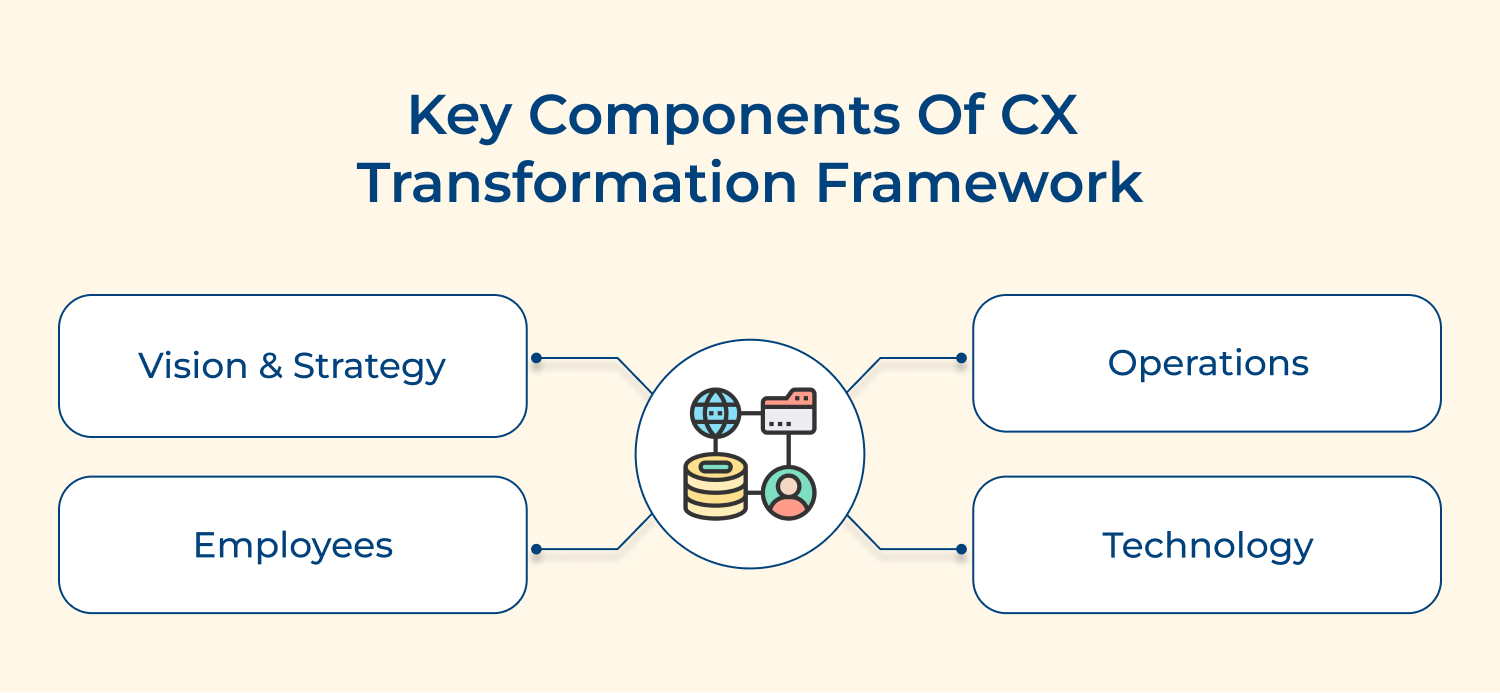
Develop a clear vision and strategy for improving the customer experience. It includes understanding your customer’s needs and a roadmap for the steps needed to achieve your goals.
The involvement and commitment of employees are essential in delivering an exceptional customer experience. Companies should invest in training, development and retention programs to ensure that they have the right people in place.
Operational changes are needed to support the customer experience transformation. It includes implementing customer-centric processes, redesigning workflows to improve customer interactions, and measuring performance through customer feedback.
Businesses must leverage technology to enhance the customer experience across all touchpoints. This includes implementing omnichannel solutions, personalization to streamline processes and improve communication with customers.
Since the emergence of customer-centricity, companies now know how influential customer experience (CX) is on their business. The impact of CX transformation on your business can be game-changing.
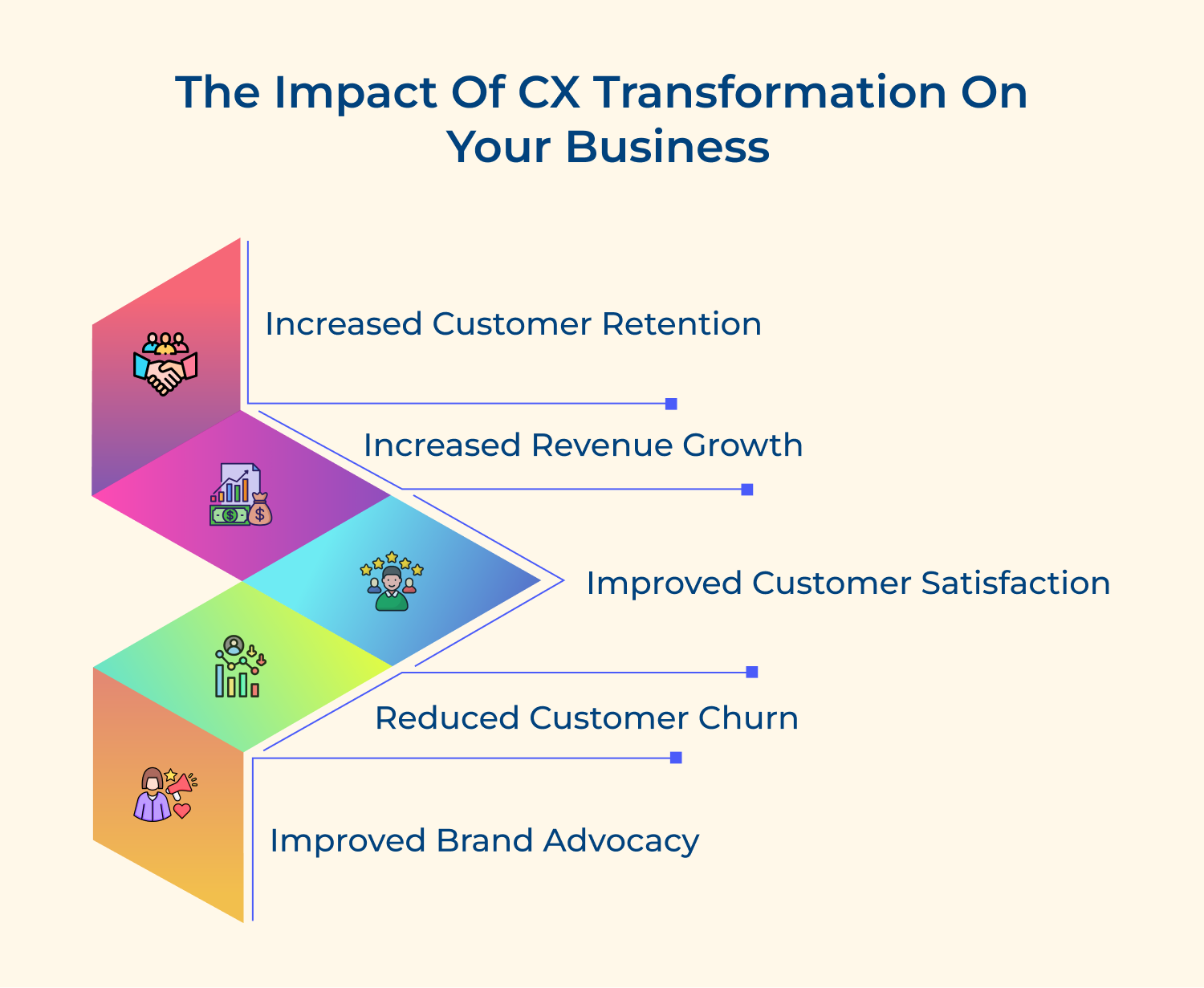
CX transformation can improve customer retention rates for businesses. When customers have a good experience, they are more likely to return, and returning customers are the lifeblood of any business. Satisfied customers who have had a positive experience are also more likely to refer their family and friends to your business.
Digital CX transformation can boost revenue growth for businesses. Customers who have had an excellent experience with your business are more likely to repurchase or refer you to others, driving revenue growth. Customer satisfaction is also essential in the current competitive market because it leads to loyal customers and creates a competitive edge.
CX transformation can increase customer satisfaction, and this can have significant implications for your business. When your customers are satisfied, they are more likely to develop a relationship with your company, making you their preferred choice compared to your competitors.
CX transformation can also bring about a reduction in customer churn. Included in this is everything that a company does to lose customers, including bad customer service, long wait times, or slow response times. CX transformation can tackle such problems, helping to keep a business from losing its customers.
CX transformation can help to create brand advocates for your business. Positive brand advocacy is the result of satisfied customers’ willingness to share their good experiences with others, and it can be a powerful driver of growth for any business. A satisfied customer can become a loyal customer who not only buys from your business but also advocates for your brand.
A fundamental change of mindset focusing on the customer, along with operational and IT improvements, can generate a 20 to 30% uplift in customer satisfaction. Meaningful experiences should be designed to have a deep impact on customers. They are keen to engage in experiences that offer emotional and often social value.
Before beginning any CX initiative, it’s important to have a deep understanding of your target customers. That includes knowing their demographic information, pain points, values, motivations and segmenting them accordingly.
The information for the same can be gathered through customer satisfaction survey questions, focus groups and social media monitoring. By knowing your target customer, you can tailor your customer experience transformation strategy to meet their specific needs and expectations.
Here are some of the customer experience transformation best practices.
One of the best ways to put your customer first is by implementing a customer feedback loop as 86% of consumers will actually pay more for a better customer experience.
Implementing customer feedback is not only necessary for collecting the voice of customer data, but you can use this data to actually develop products, processes and strategies that enhance the overall functionality of your business.
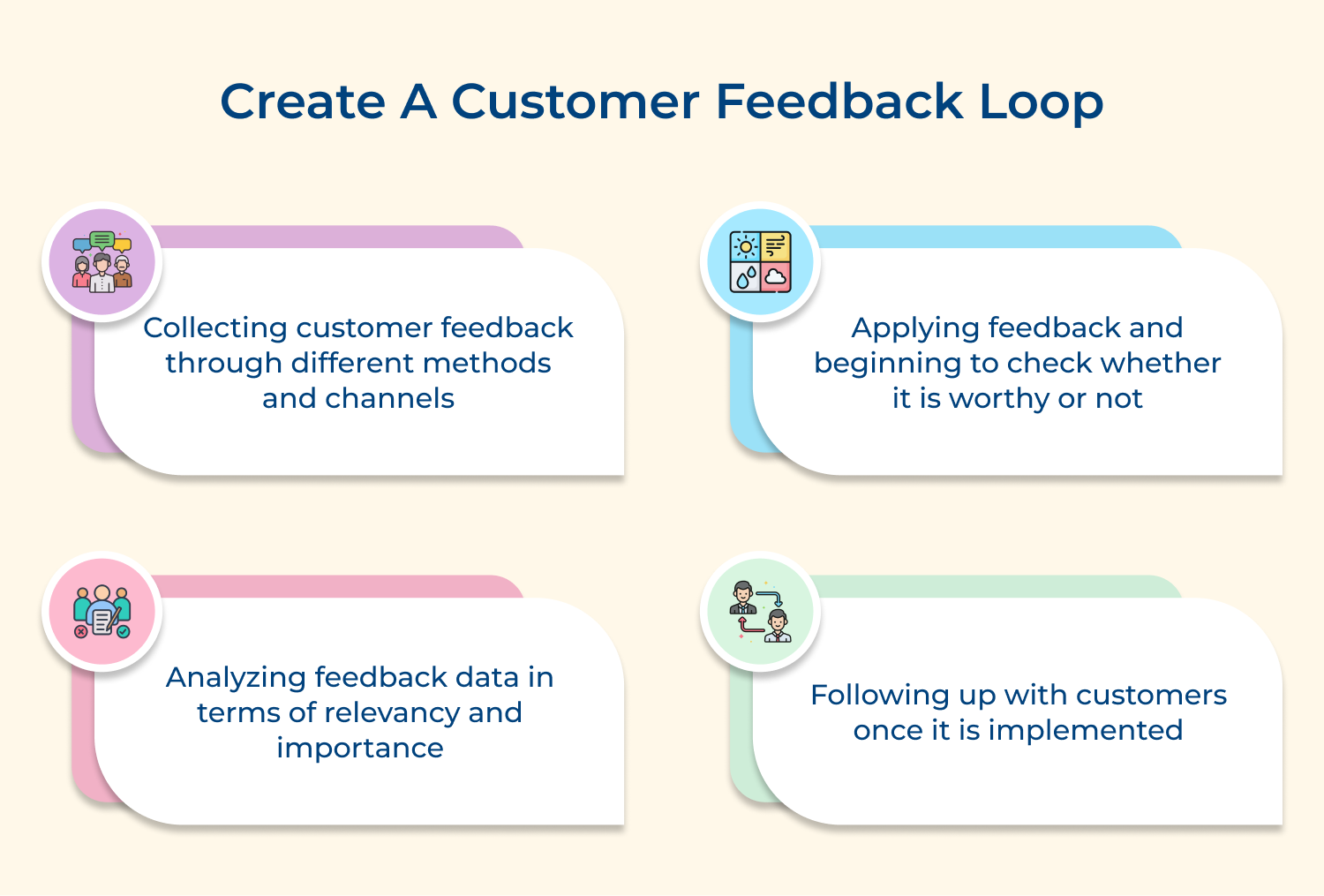
Creating a reliable feedback loop can help you track customer satisfaction and uncover where improvement is needed in the CX journey. Offering a way for customers to provide their feedback (such as through email surveys or social media listening tools) can give you more insights to fine-tune your CX strategy.
The four stages of the customer feedback loop are as follows:
Your vision for your customer experience transformation strategy needs to be specific so that everyone within the organization can easily understand the common goal.
The creation of a CX vision statement and plan is crucial to ensure that everyone in the organization is aligned on what the ultimate goal of the CX initiatives is. The steps needed to achieve it. The plan should include specific, measurable goals and key performance indicators (KPIs) to track progress.
Key criteria for a customer experience vision statement
Customer service and experience are not just the responsibility of one department. Creating a culture of CX that is embedded across the organization involves involving every employee in the process.
You can empower your employees to go the extra mile and make your customers happy with a budget that matches the end result that you expect. You can adequately train your staff to deliver an exceptional CX and give them authority to the support team to make autonomous decisions that benefit the customer in real-time.
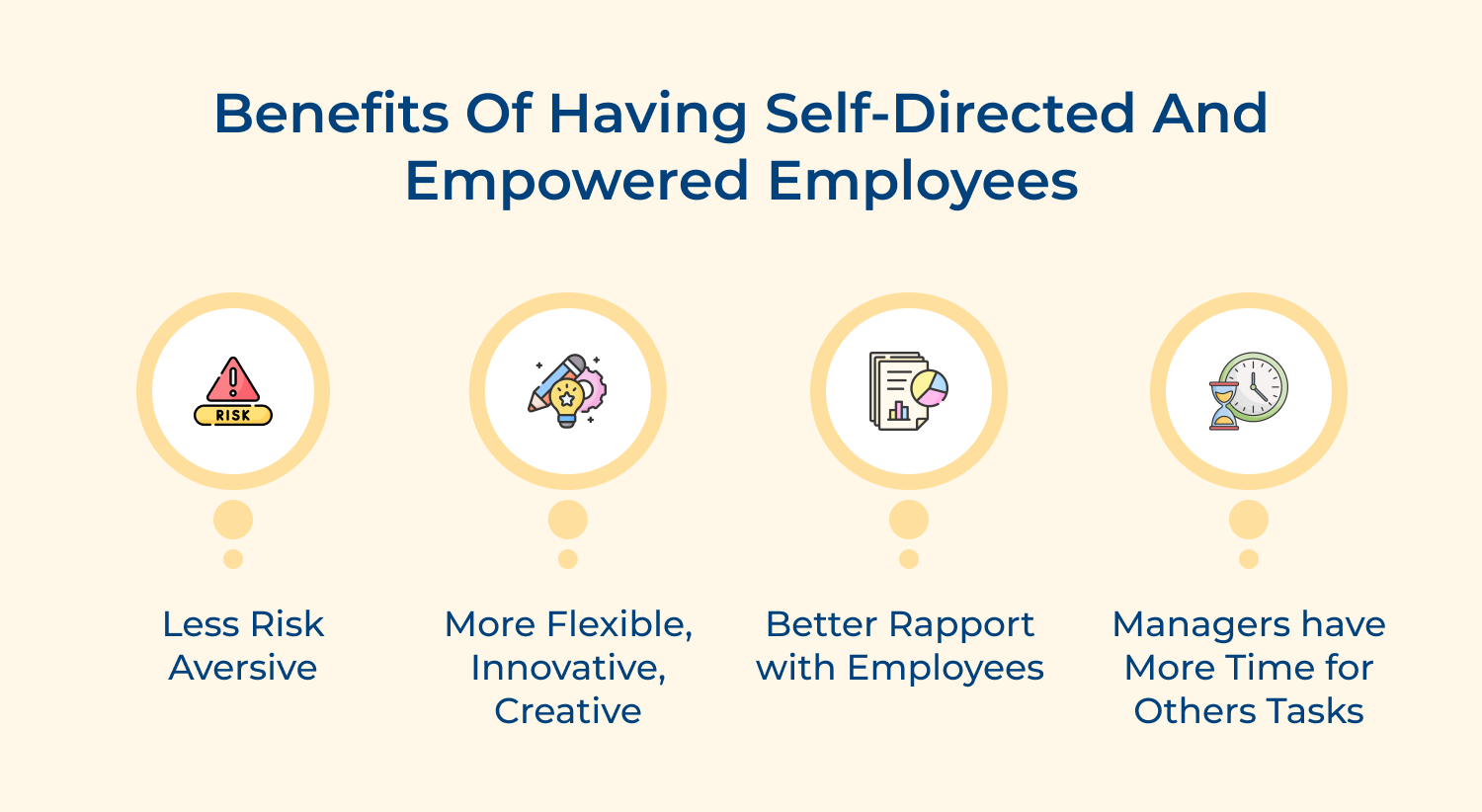
Ritz Carlton Hotels has created the best customer experience transformation example by empowering its support team. Ritz-Carlton’s commitment to excellent customer service is so focused that all the employees have the authority to spend up to $2,000 per day to make their guests happy with their service.
Here are some of the customer experience transformation best practices.
Investing in technology that enhances the CX is crucial in today’s digital world.
Equipping your support team with digital customer engagement tools can benefit you in customer experience transformation.
For example, using chatbots or self-service portals can improve customer satisfaction by providing quick solutions to common issues. But be careful not to rely solely on technology; always offer customers the option to speak to a human to ensure a more personalized experience.
Here are some of the customer experience transformation best practices.
Digital customer experience transformation is a vital process for all organizations looking to succeed in today’s customer-focused market. The process involves making changes in an organization to improve customer interactions, leading to increased customer satisfaction, loyalty, and revenue.
Improving CX is a continuous process and requires commitment from the entire organization. By focusing on your target customers, continuously gathering feedback, creating a plan, empowering employees, and leveraging technology, you can transform your organization’s CX that eventually improves business success.

Why is customer experience transformation important?
CX transformation is critical as it involves becoming a heavily customer-centric organization and delivering the experiences that your customers deserve. It is all about meeting and exceeding customer expectations. Customer experience transformation is about breaking down silos and creating seamless experiences for your customers.
What are the major components of customer experience transformation?
The four components of CX transformation are (i) brand (ii) product (iii) price (iv) service. Basically, CX transformation refers to all the efforts an organization does to deliver superior experiences, value, and growth for customers.
How can customer experience transformation benefit my company?
CX transformation can bring significant benefits to your company such as improved performance – streamlining processes, improving the customer experience, and the employee experience. It promotes a positive service culture and will make it a better, more productive environment for all.
Why should I invest in customer experience transformation initiatives?
CX transformation helps businesses optimize their operations and processes. By streamlining customer interactions, your business can reduce wait times, eliminate redundancies, improving efficiency and productivity. Eventually, this can ultimately lead to cost savings and increased profitability.
How can customer experience transformation help improve customer satisfaction?
Digital transformation helps businesses streamline their processes, making customer engagement easier. By automating manual processes, businesses can provide faster and more efficient service. It reduces wait times and improves customer satisfaction.
What role does technology play in customer experience transformation?
The rise of digital technology has dramatically changed the way companies create value for their customers and drive revenue growth. Many are using technology to create new ways to deliver customer outcomes. One of the main reasons why digital transformation is becoming more important is precisely the fact that digital experiences are consolidating as a requirement for increasingly connected, informed, and empowered consumers.
How can businesses effectively measure the impact of customer experience transformation?
A powerful way to measure your CX is to proactively seek customer feedback with well-designed surveys, questionnaires, and polls. Such feedback will give you insight into their pain points and challenges, using which you can remove bottlenecks in customer interactions across touchpoints.
 https://omni24.io/wp-content/uploads/2026/09/Social-commerce-scaled.png
1340
2560
Webvision Solution
https://omni24.io/wp-content/uploads/2023/04/Omni-Logo-1.svg
Webvision Solution2026-10-23 12:18:272026-10-23 12:18:27What is Social Commerce and Why Does It Matter?
https://omni24.io/wp-content/uploads/2026/09/Social-commerce-scaled.png
1340
2560
Webvision Solution
https://omni24.io/wp-content/uploads/2023/04/Omni-Logo-1.svg
Webvision Solution2026-10-23 12:18:272026-10-23 12:18:27What is Social Commerce and Why Does It Matter? https://omni24.io/wp-content/uploads/2026/08/AI-Customer-Service-Agents.png
1256
2400
Webvision Solution
https://omni24.io/wp-content/uploads/2023/04/Omni-Logo-1.svg
Webvision Solution2026-09-21 04:48:512026-09-21 04:48:51How to Build an AI Customer Service Agents: 8 Key Steps
https://omni24.io/wp-content/uploads/2026/08/AI-Customer-Service-Agents.png
1256
2400
Webvision Solution
https://omni24.io/wp-content/uploads/2023/04/Omni-Logo-1.svg
Webvision Solution2026-09-21 04:48:512026-09-21 04:48:51How to Build an AI Customer Service Agents: 8 Key Steps https://omni24.io/wp-content/uploads/2026/08/Omnichannel-Conversational-AI.png
1256
2400
Tushar Joshi
https://omni24.io/wp-content/uploads/2023/04/Omni-Logo-1.svg
Tushar Joshi2026-09-16 03:51:072026-09-16 03:51:07How to Build Omnichannel Conversational AI Strategy
https://omni24.io/wp-content/uploads/2026/08/Omnichannel-Conversational-AI.png
1256
2400
Tushar Joshi
https://omni24.io/wp-content/uploads/2023/04/Omni-Logo-1.svg
Tushar Joshi2026-09-16 03:51:072026-09-16 03:51:07How to Build Omnichannel Conversational AI Strategy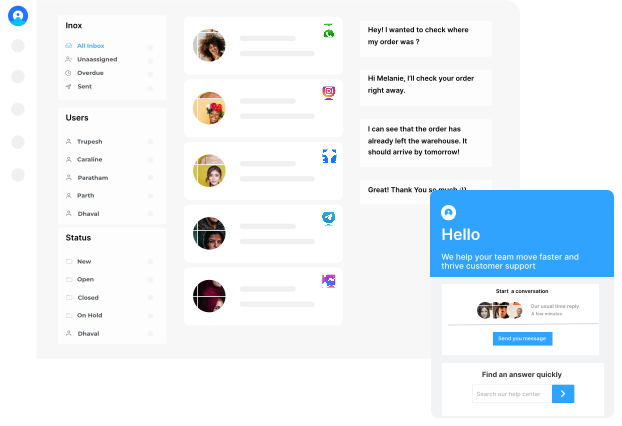
Whether it’s about acquire, engage or support – Omni24 covers all your customer engagement needs in one complete platform.

Copyright ©2026 Veemo All rights reserved.
CA, Los Angeles, Hall Ave, 19011