How to Improve Ecommerce Marketing: 10 Key Strategies
Explore top tools like Omni24 to enhance customer experience, automate workflows and grow your ecommerce sales efficiently.
Explore top tools like Omni24 to enhance customer experience, automate workflows and grow your ecommerce sales efficiently.
Many ecommerce businesses struggle to stand out amidst the noise. With so many options available, customers often overlook even the best products if not marketed effectively.
The key to success lies in understanding and leveraging powerful ecommerce marketing strategies. From SEO to social media campaigns, the right tactics can help your business reach a wider audience, drive traffic and ultimately increase sales.
In this blog, we’ll explore essential strategies that can transform your ecommerce marketing efforts.
E-commerce marketing is the practice of driving sales by raising awareness about an online store’s brand and product offerings. It encompasses a wide range of strategies and techniques used to attract potential customers, engage them as well as persuade them to make a purchase.
Ecommerce has become an integral part of the global retail landscape. With the increasing number of online shoppers, businesses must adapt their marketing strategies to remain competitive and reach their target audience effectively. Ecommerce marketing plays a crucial role in helping online stores stand out in a crowded market, build brand loyalty as well as drive sales.
Effective ecommerce marketing helps businesses:
Ecommerce marketing helps businesses attract, engage and convert online shoppers. Let’s explore each of it’s benefits:
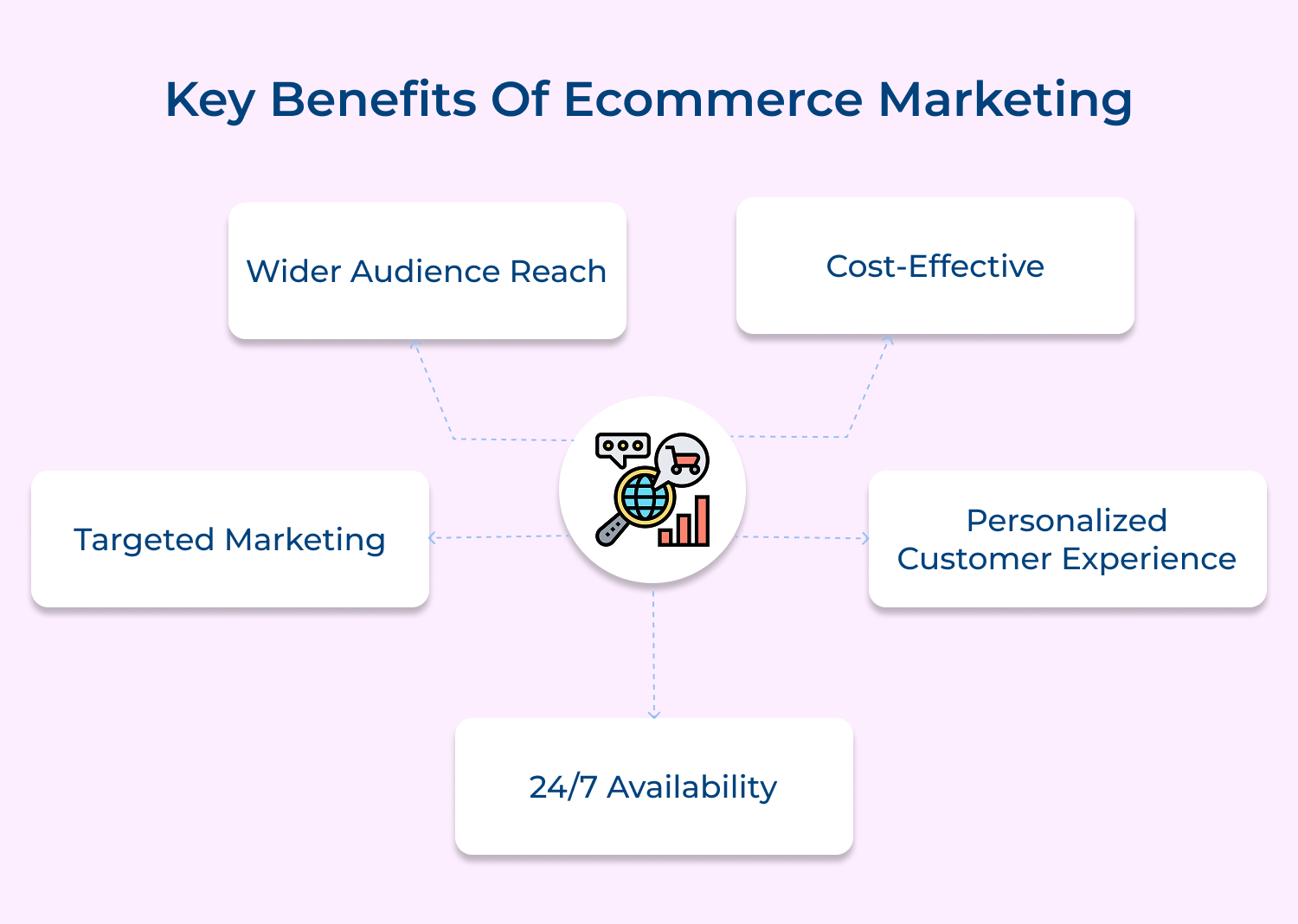
Wider Audience Reach
Ecommerce marketing enables businesses to reach a global audience, breaking geographical barriers. Through digital channels, companies can engage with potential customers from various countries, expanding their market reach significantly without physical limitations.
Cost-Effective
Compared to traditional retail marketing, ecommerce marketing is more affordable. With strategies like social media marketing, email campaigns and SEO, businesses can effectively promote their products at a lower cost. Hence, driving higher returns on investment.
Targeted Marketing
Ecommerce platforms provide advanced tools to target specific customer segments based on demographics, behavior and preferences. It ensures that marketing efforts are directed towards the most likely buyers, improving conversion rates.
Personalized Customer Experience
Ecommerce marketing allows businesses to tailor their offerings and content to individual customers. Personalized recommendations, promotions, and messages create a more engaging shopping experience, fostering customer loyalty and increasing sales.
24/7 Availability
Ecommerce marketing operates around the clock, giving businesses the ability to promote their products and engage with customers at any time of the day. This continuous presence increases visibility and sales potential, even outside regular business hours.
Boosting your ecommerce marketing requires a mix of smart tactics and consistent effort. Here are 10 proven strategies to increase traffic, conversions as well as sales.
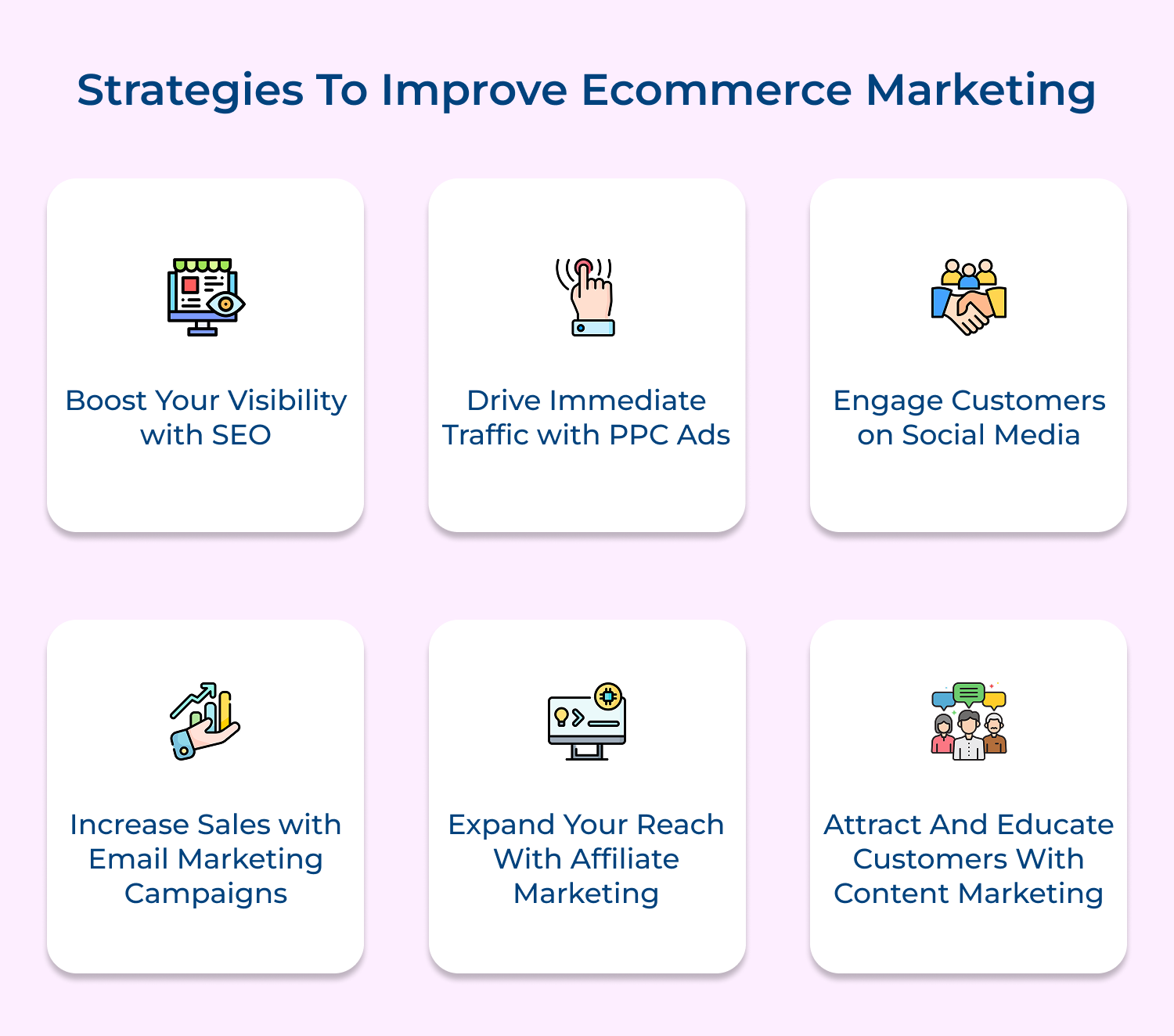
SEO helps your ecommerce site show up higher on Google, bringing in more free, targeted traffic. It’s all about using the right keywords, optimizing product pages and making your site mobile-friendly.
To get started, research keywords your customers are searching for, update titles and descriptions as well as build backlinks to boost authority.
Quick Tips:
PPC (Pay-Per-Click) advertising lets you pay for quick visibility. Your ads show up instantly on platforms like Google or Facebook when people search or scroll.
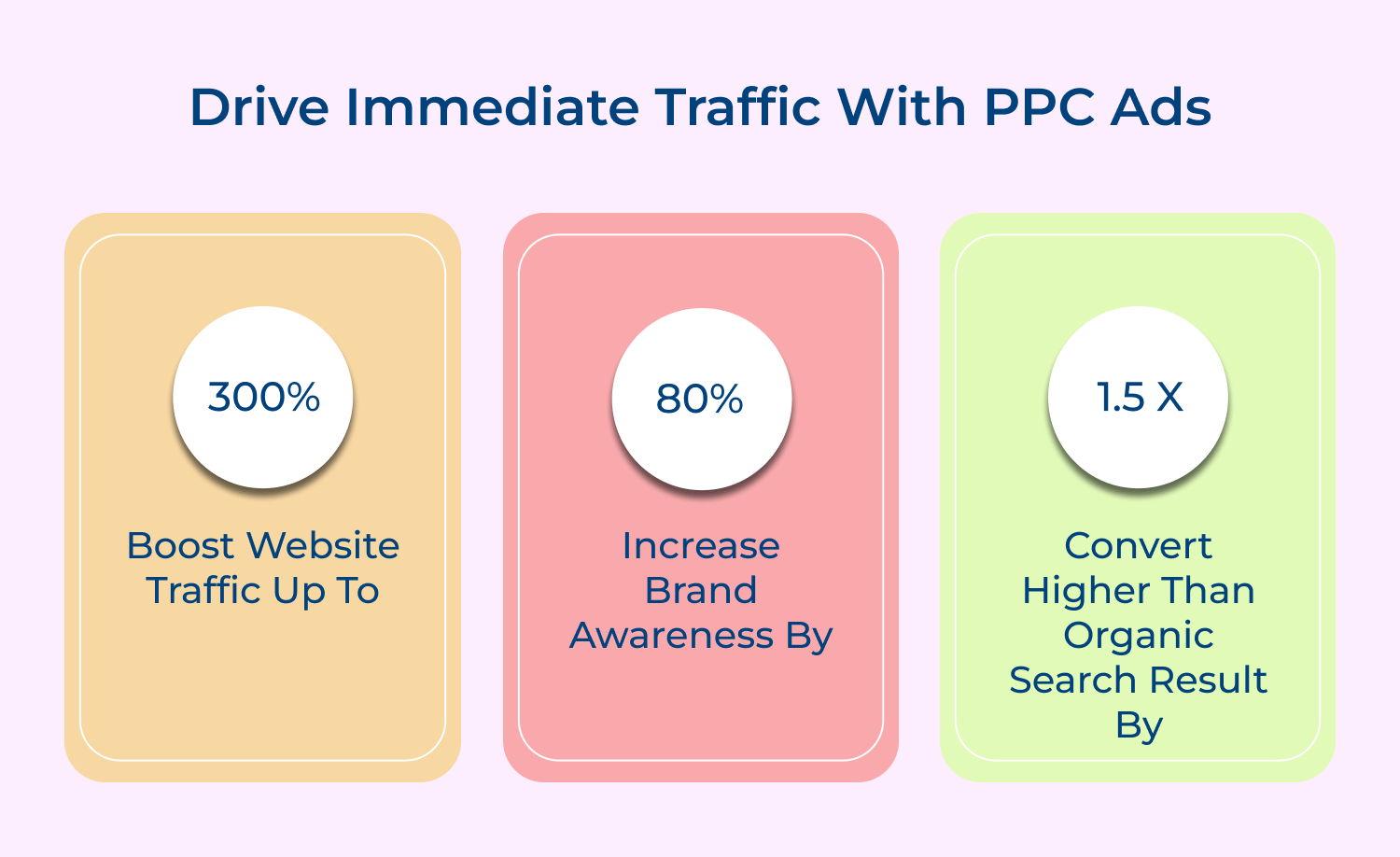
It’s perfect for driving targeted traffic during promos or product launches. Use specific keywords, track results and tweak your strategy for better ROI.
Quick Tips:
Social media marketing uses platforms like Instagram, Facebook and TikTok to showcase products, connect with customers as well as boost brand visibility.
It builds trust as well as loyalty while driving sales through engaging posts, ads and influencer partnerships.
Quick Tips:
Email marketing lets you connect directly with your customers through personalized messages like offers, updates and product recommendations.
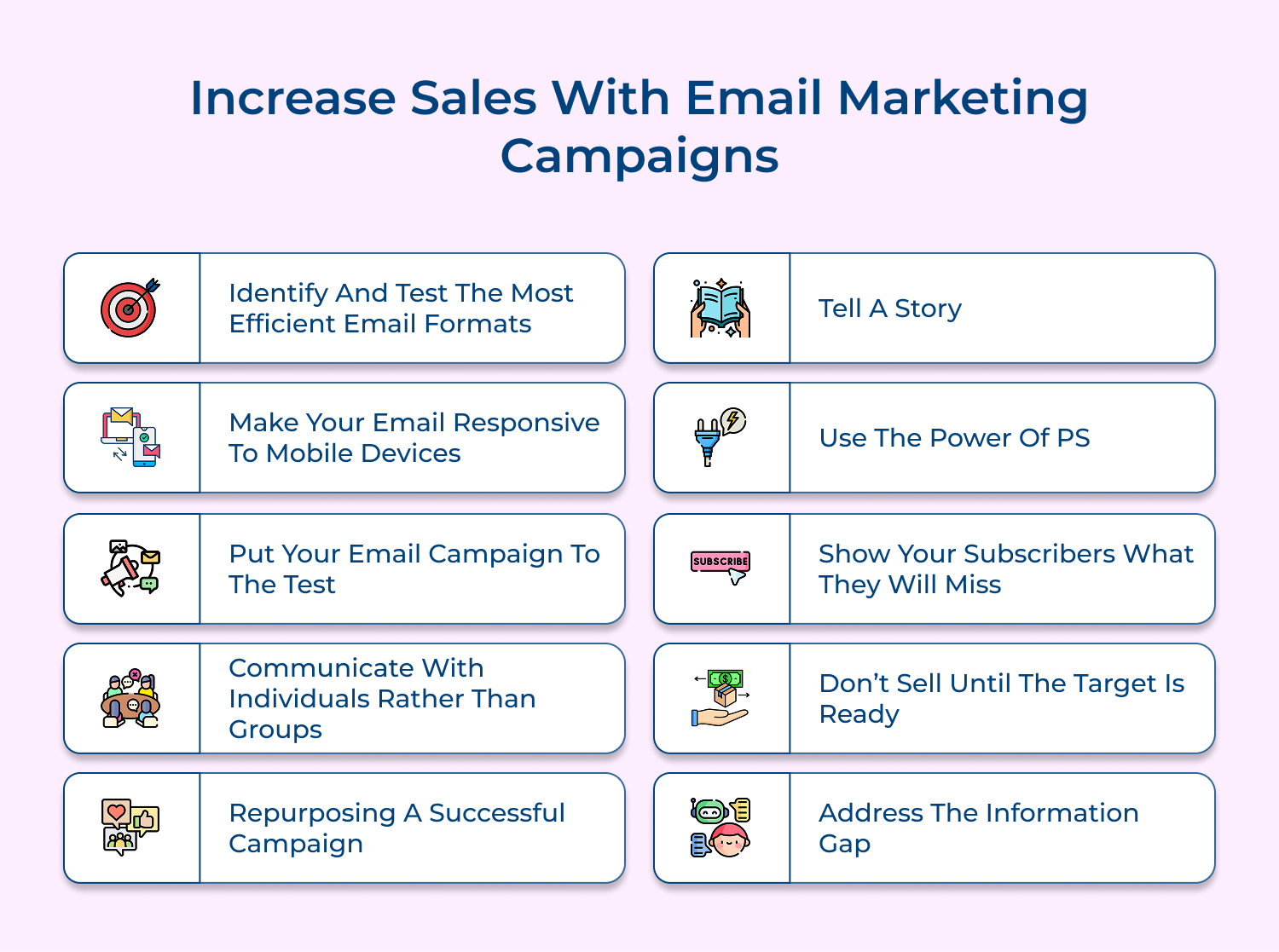
This is not only cost-effective and great for boosting repeat sales, but helps in recovering abandoned carts as well as building loyalty.
Quick Tips:
Affiliate marketing lets partners like influencers or bloggers promote your products and earn a commission on sales they drive.
This strategy is a low-risk, pay-per-result marketing that helps you reach new audiences without big upfront costs.
Quick Tips:
Content marketing uses blogs, videos and guides to educate as well as engage potential customers while building brand trust along with boosting SEO.
It helps drive organic traffic and positions your brand as a go-to resource in your niche.
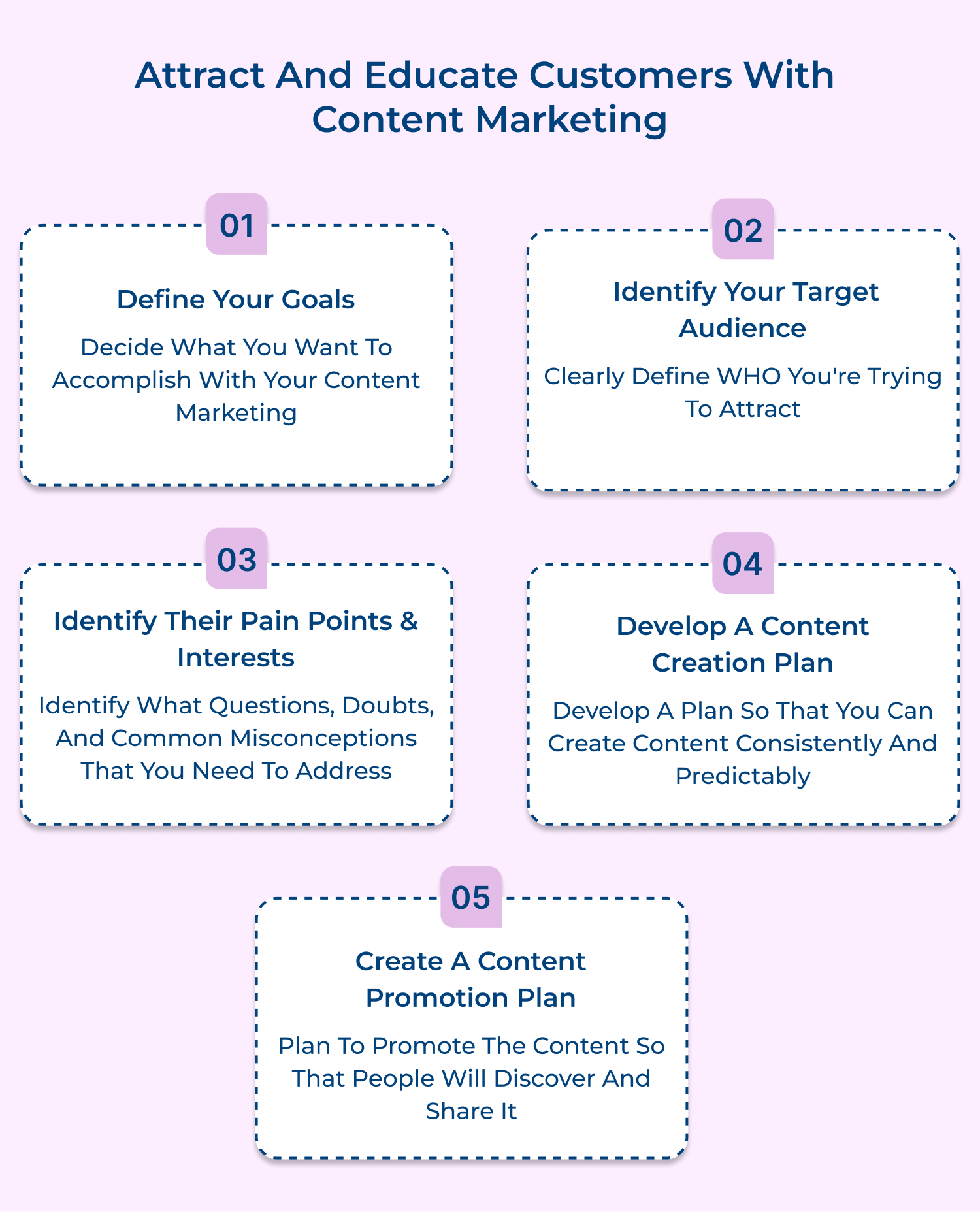
Actionable Tips
Influencer marketing taps into creators on platforms like Instagram or TikTok to showcase your products to their followers, building trust and reach.
The strategy becomes a powerful way to boost brand awareness as well as drive sales through authentic recommendations.
Quick Tips:
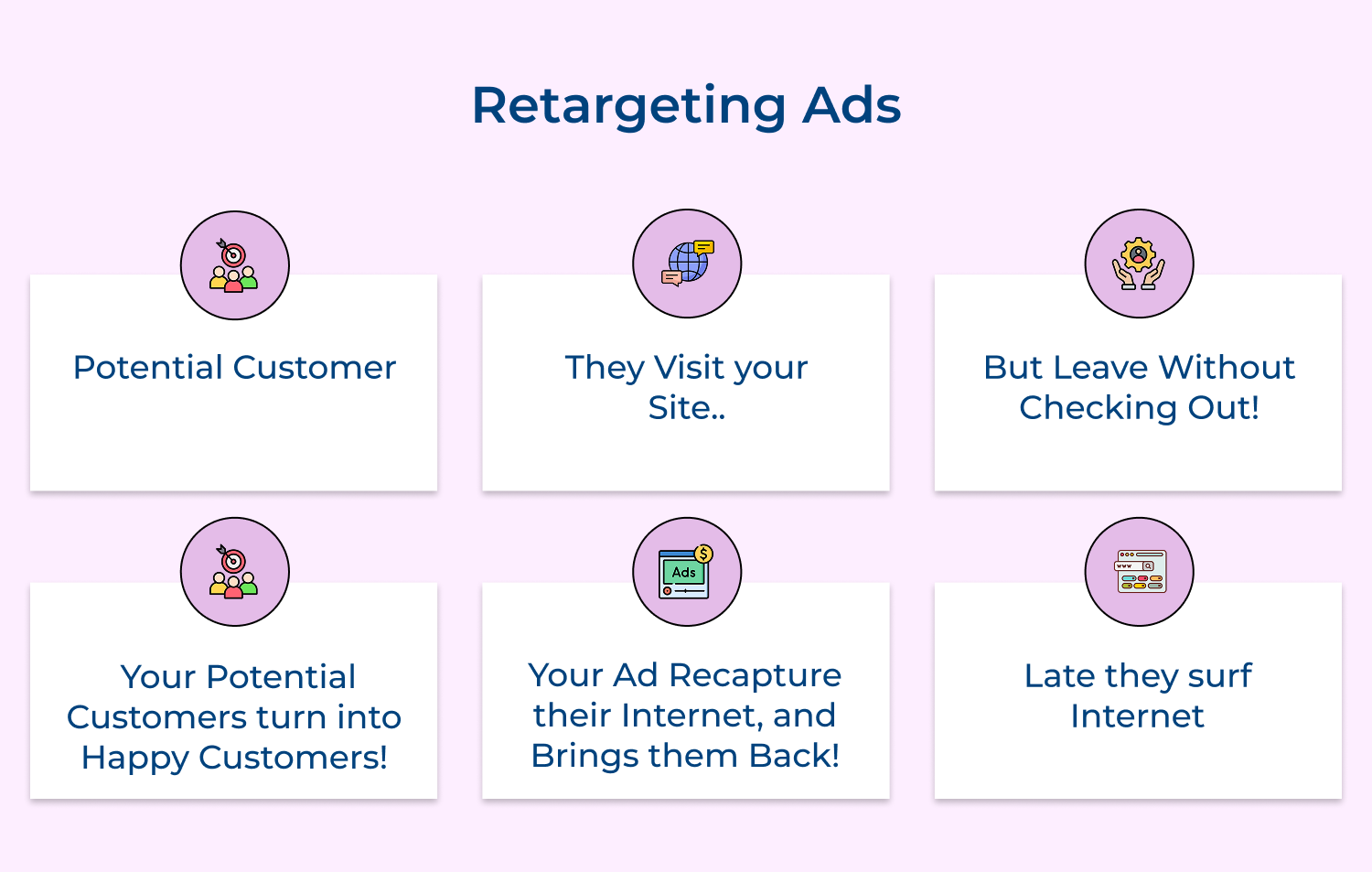
Retargeting shows ads to people who visited your site but didn’t buy, reminding them of what they viewed and encouraging them to come back as well as complete the purchase.
It’s a smart way to recover lost sales and boost conversions with well-timed, relevant ads.
Quick Tips:
Referral programs encourage happy customers to spread the word by offering rewards when they refer friends or family to your store.
These programs are low-cost, high-trust ways to gain quality leads and grow your customer base organically.
Actionable Tips:
Customer reviews and testimonials build trust by showing real experiences from past buyers, making new shoppers more confident in their purchase decisions.
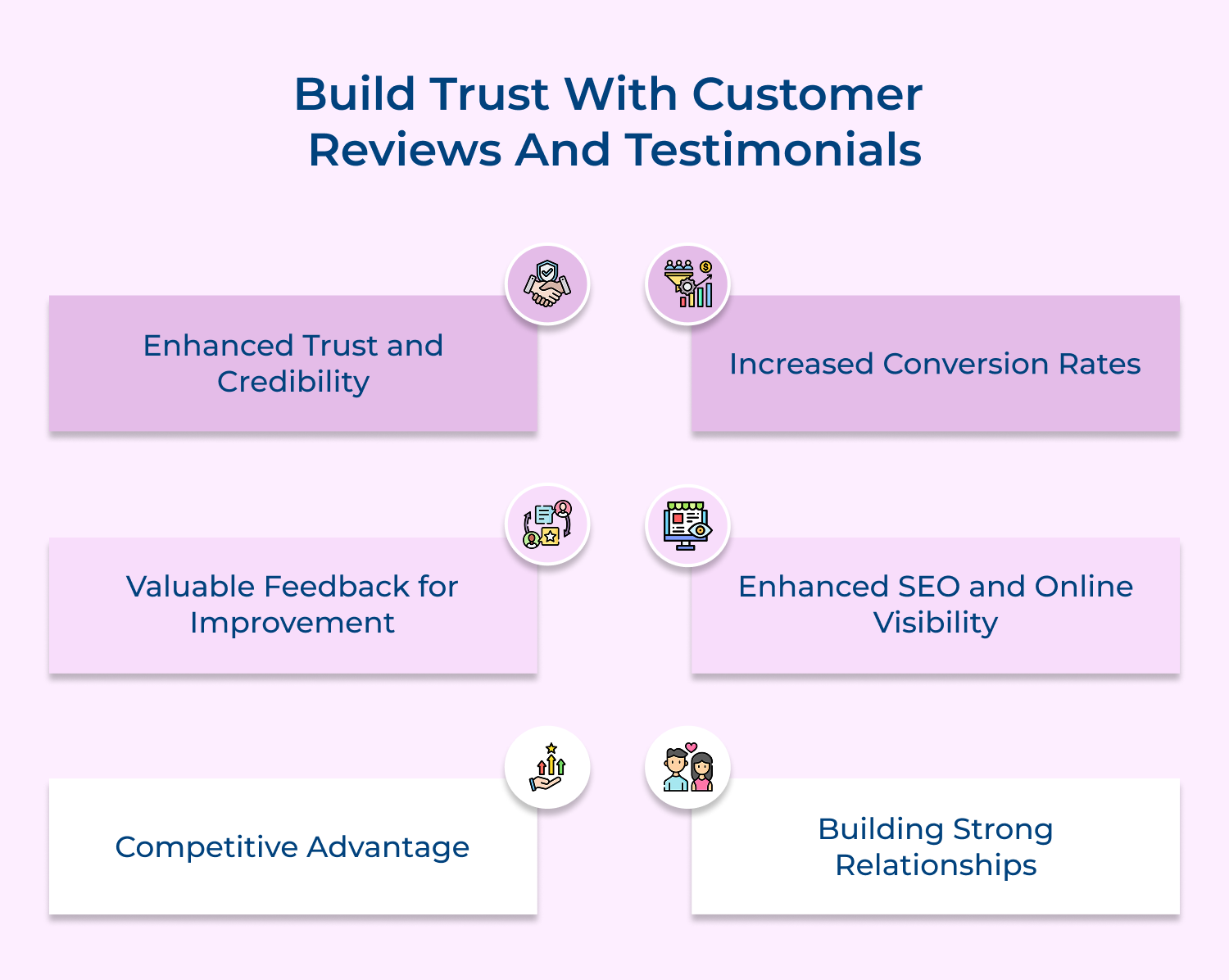
They serve as powerful social proof that can boost conversions and strengthen your brand’s credibility.
Quick Tips:
Choosing the right tools can simplify your ecommerce marketing and boost your results. Here are 5 top tools to help you attract, engage and convert customers effectively.
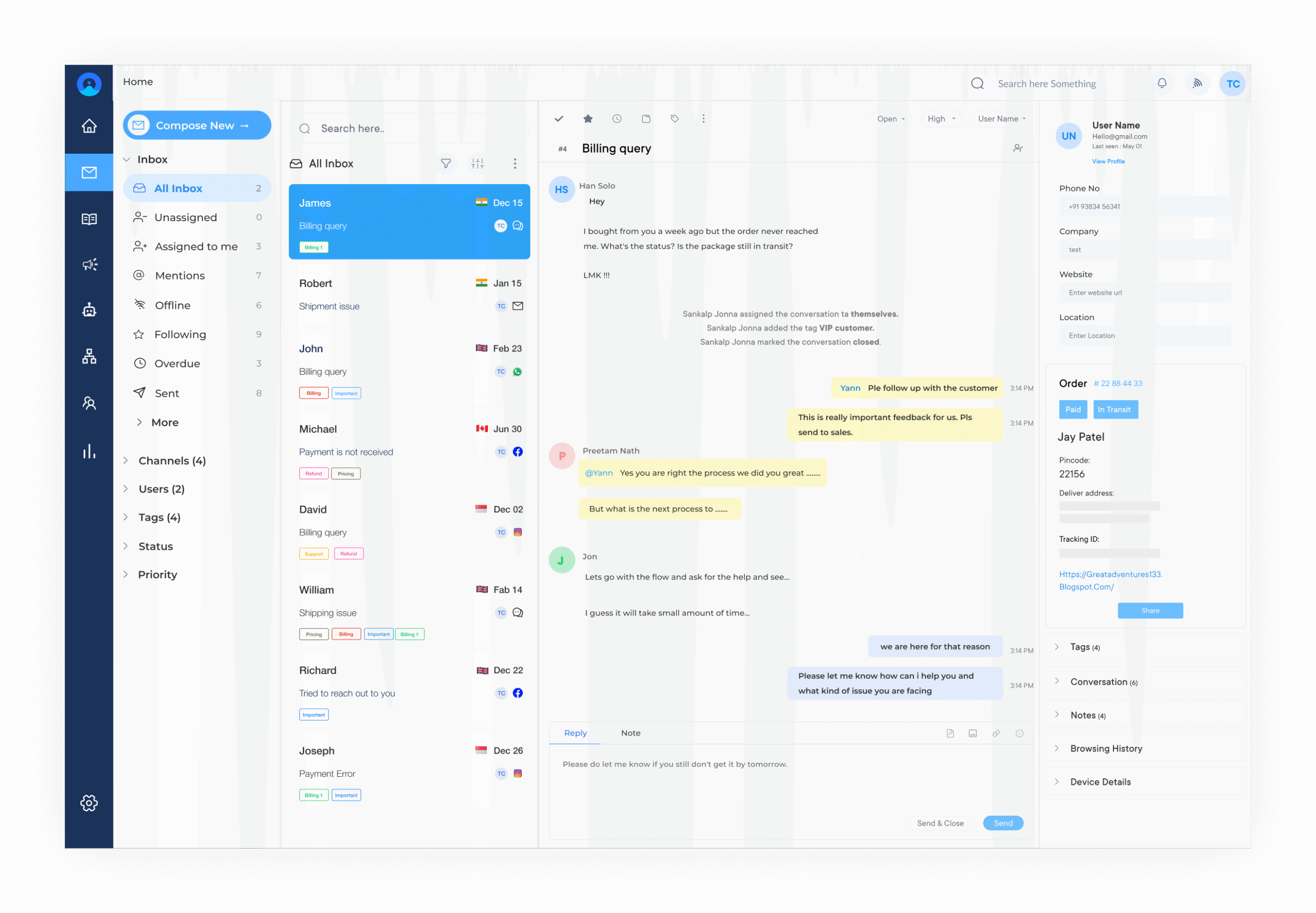
Omni24 is an AI-powered omnichannel customer communication platform that streamlines customer interactions across various channels. It offers a centralized inbox, chatbot automation, and analytics to enhance customer experience as well as support efficiency. Omni24 integrates with popular ecommerce live chat platforms, making it valuable for online businesses managing customer communications.
Key Features:
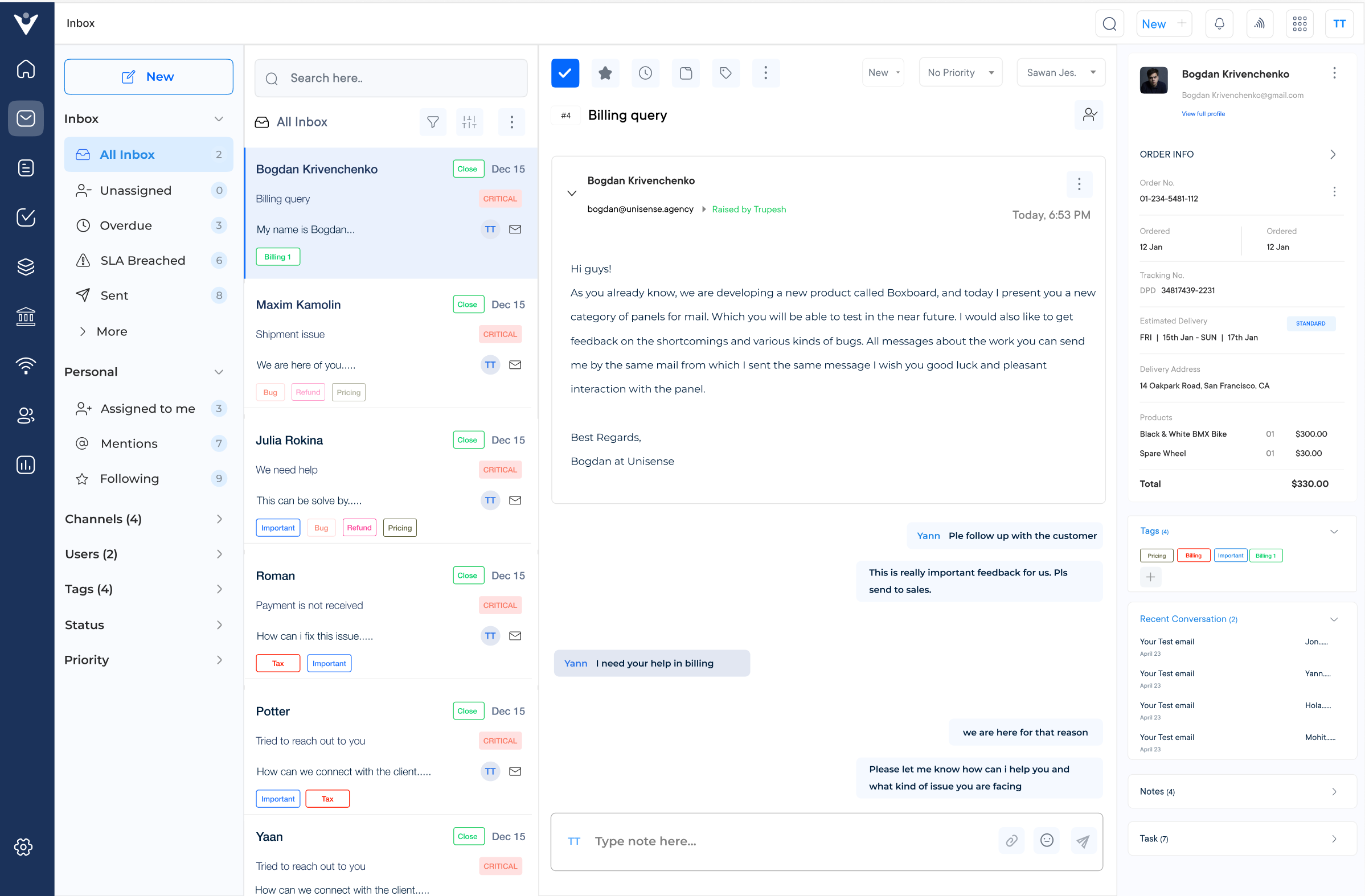
Veemo is an AI-powered customer engagement platform that offers a suite of products for support, sale and chat. The software provides a customizable ticketing system, AI-driven Answer Bot and multi-channel integration. Its advanced reporting and analytics tools, along with multi-language support, streamline customer service as well as help businesses deliver tailored, effective support.
Key features:
Hootsuite is a social media management platform that allows ecommerce businesses to schedule posts, engage with followers and track social media performance across multiple networks.
Key features:
Google Analytics is a web analytics service that provides insights into website traffic, user behavior and ecommerce performance. It helps businesses make data-driven decisions to optimize their marketing efforts.
Key features:
Yotpo is a customer review and user-generated content (UGC) platform that helps ecommerce businesses collect as well as showcase customer reviews, photos, videos, etc., to build trust while driving sales.
Key features:
Klaviyo is an email and SMS marketing platform designed specifically for ecommerce businesses. It offers advanced segmentation, personalization and automation features to create targeted campaigns as well as drive sales.
Key features:
Seeing marketing strategies in action brings them to life. Here are real-world examples of ecommerce brands using smart tactics to drive traffic and boost sales.
Amazon’s Personalized Recommendations
Amazon uses customer data to personalize shopping experiences. By analyzing browsing history and previous purchases, it suggests products tailored to individual preferences. This personalized approach boosts sales by making relevant product suggestions, increasing the likelihood of additional purchases.
Sephora’s Loyalty Program and Email Marketing
Sephora’s Beauty Insider customer loyalty programs rewards customers with points for every purchase, which can be redeemed for discounts or exclusive items. They also use email marketing to keep customers updated on sales, new product launches and personalized beauty tips, driving engagement as well as repeat purchases.
Nike’s Social Media Campaigns and Influencer Marketing
Nike effectively uses Instagram, TikTok and YouTube to create a strong brand presence. They collaborate with influencers and athletes to promote products, showcasing them in real-life situations. Their content highlights product performance and resonates with their target audience, driving traffic while boosting brand loyalty.
Warby Parker’s Try-On at Home Program
Warby Parker’s virtual try-on feature allows customers to see how glasses would look on their faces using augmented reality. The brand also offers a “Home Try-On” program, where customers can order five frames to try on before buying. This innovative e-commerce strategy reduces purchase hesitation and increases conversions.
Glossier’s User-Generated Content on Social Media
Glossier encourages customers to share their experiences on social media, using hashtags like #GlossierPink. This user-generated content helps build community trust and social proof, which in turn encourages potential buyers to engage with the brand, furthering its reach through organic recommendations.
Successful ecommerce marketing is crucial for standing out in a crowded digital marketplace. Leveraging strategies such as SEO, social media, email campaigns and personalized customer engagement helps drive traffic, boost conversions as well as build long-term customer loyalty.
Adapting to new trends and continuously optimizing your approach ensures ongoing competitiveness. The right tools and tactics will empower your ecommerce store to turn visitors into loyal customers, building growth as well as success for years to come.

What is the difference between eCommerce and digital marketing?
Ecommerce focuses on online transactions and sales, while digital marketing encompasses all online promotional strategies. Digital marketing drives traffic and engagement for ecommerce stores through tactics like SEO, PPC, email, social media, as well as content marketing. Ecommerce is a subset of digital marketing.
What are the 5 C’s of e-commerce marketing?
The 5 C’s are: Commerce for providing seamless transactions. Content for offering valuable information. Community to build customer engagement. Context for delivering personalized experiences. Connection to build customer relationships They guide ecommerce strategies to attract, convert and retain customers online.
Why is e-commerce marketing important for online businesses?
Ecommerce marketing is crucial for driving online sales, brand awareness and customer loyalty. It helps businesses reach target audiences, showcase products, build trust and provide seamless shopping experiences. Effective ecommerce marketing strategies enable online stores to stand out in competitive markets and achieve sustainable growth.
How does e-commerce marketing differ from traditional marketing?
Ecommerce marketing leverages digital channels and data-driven strategies, while traditional marketing uses offline media like print, TV, radio, etc. Ecommerce marketing offers targeted reach, real-time analytics and personalization. It focuses on driving online sales and engagement, whereas traditional marketing builds brand awareness as well as directs customers to physical stores.
How can social media be utilized in e-commerce marketing?
Social media helps ecommerce businesses to showcase products, engage customers, provide support and run targeted ads. It also helps to gather insights Strategies include influencer partnerships, user-generated content, shoppable posts and social listening. Social media builds brand awareness, trust and loyalty while driving website traffic as well as sales.
What role does search engine optimization (SEO) play in e-commerce marketing?
SEO improves an ecommerce website’s visibility in search results for relevant keywords. It involves optimizing product pages, creating quality content, building backlinks and enhancing user experience. Effective SEO drives organic traffic, attracts qualified leads and boosts online sales without relying on paid advertising.
 https://omni24.io/wp-content/uploads/2026/09/Social-commerce-scaled.png
1340
2560
Webvision Solution
https://omni24.io/wp-content/uploads/2023/04/Omni-Logo-1.svg
Webvision Solution2026-10-23 12:18:272026-10-23 12:18:27What is Social Commerce and Why Does It Matter?
https://omni24.io/wp-content/uploads/2026/09/Social-commerce-scaled.png
1340
2560
Webvision Solution
https://omni24.io/wp-content/uploads/2023/04/Omni-Logo-1.svg
Webvision Solution2026-10-23 12:18:272026-10-23 12:18:27What is Social Commerce and Why Does It Matter? https://omni24.io/wp-content/uploads/2026/08/AI-Customer-Service-Agents.png
1256
2400
Webvision Solution
https://omni24.io/wp-content/uploads/2023/04/Omni-Logo-1.svg
Webvision Solution2026-09-21 04:48:512026-09-21 04:48:51How to Build an AI Customer Service Agents: 8 Key Steps
https://omni24.io/wp-content/uploads/2026/08/AI-Customer-Service-Agents.png
1256
2400
Webvision Solution
https://omni24.io/wp-content/uploads/2023/04/Omni-Logo-1.svg
Webvision Solution2026-09-21 04:48:512026-09-21 04:48:51How to Build an AI Customer Service Agents: 8 Key Steps https://omni24.io/wp-content/uploads/2026/08/Omnichannel-Conversational-AI.png
1256
2400
Tushar Joshi
https://omni24.io/wp-content/uploads/2023/04/Omni-Logo-1.svg
Tushar Joshi2026-09-16 03:51:072026-09-16 03:51:07How to Build Omnichannel Conversational AI Strategy
https://omni24.io/wp-content/uploads/2026/08/Omnichannel-Conversational-AI.png
1256
2400
Tushar Joshi
https://omni24.io/wp-content/uploads/2023/04/Omni-Logo-1.svg
Tushar Joshi2026-09-16 03:51:072026-09-16 03:51:07How to Build Omnichannel Conversational AI Strategy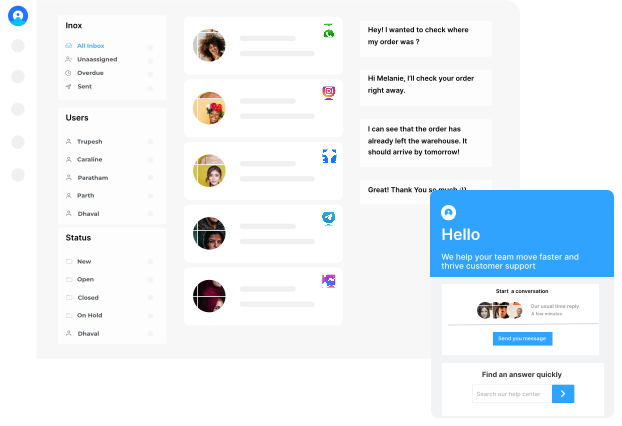
Whether it’s about acquire, engage or support – Omni24 covers all your customer engagement needs in one complete platform.

Copyright ©2026 Veemo All rights reserved.
CA, Los Angeles, Hall Ave, 19011