10 Key Pillars of Customer Service for Stronger Relationships
The pillars of customer service are core principles that build trust, enhance experiences and drive lasting business growth.

The pillars of customer service are core principles that build trust, enhance experiences and drive lasting business growth.
Exceptional customer service is often neglected. It leads to frustrated clients and lost business opportunities. Slow responses can create negative experiences. Failure to resolve concerns weakens customer trust and damages brand reputation.
73% of consumers will switch to a competitor after multiple bad experiences and 57% will leave after just one bad interaction.
Let us explore how overcoming these challenges relies on the foundational pillars of customer service. Clear communication, empathy, problem-solving and reliability are essential.
Customer service pillars are fundamental principles and practices that form the backbone of service delivery. They include communication, response time, product knowledge, personalization, problem-solving, quality consistency and feedback systems that guide exceptional customer experiences.
Organizations rely on pillars as guiding standards to create and improve their service delivery systems. Service pillars encompass everything from communication protocols and response times to employee training and problem-solving methodologies.
Key objectives:
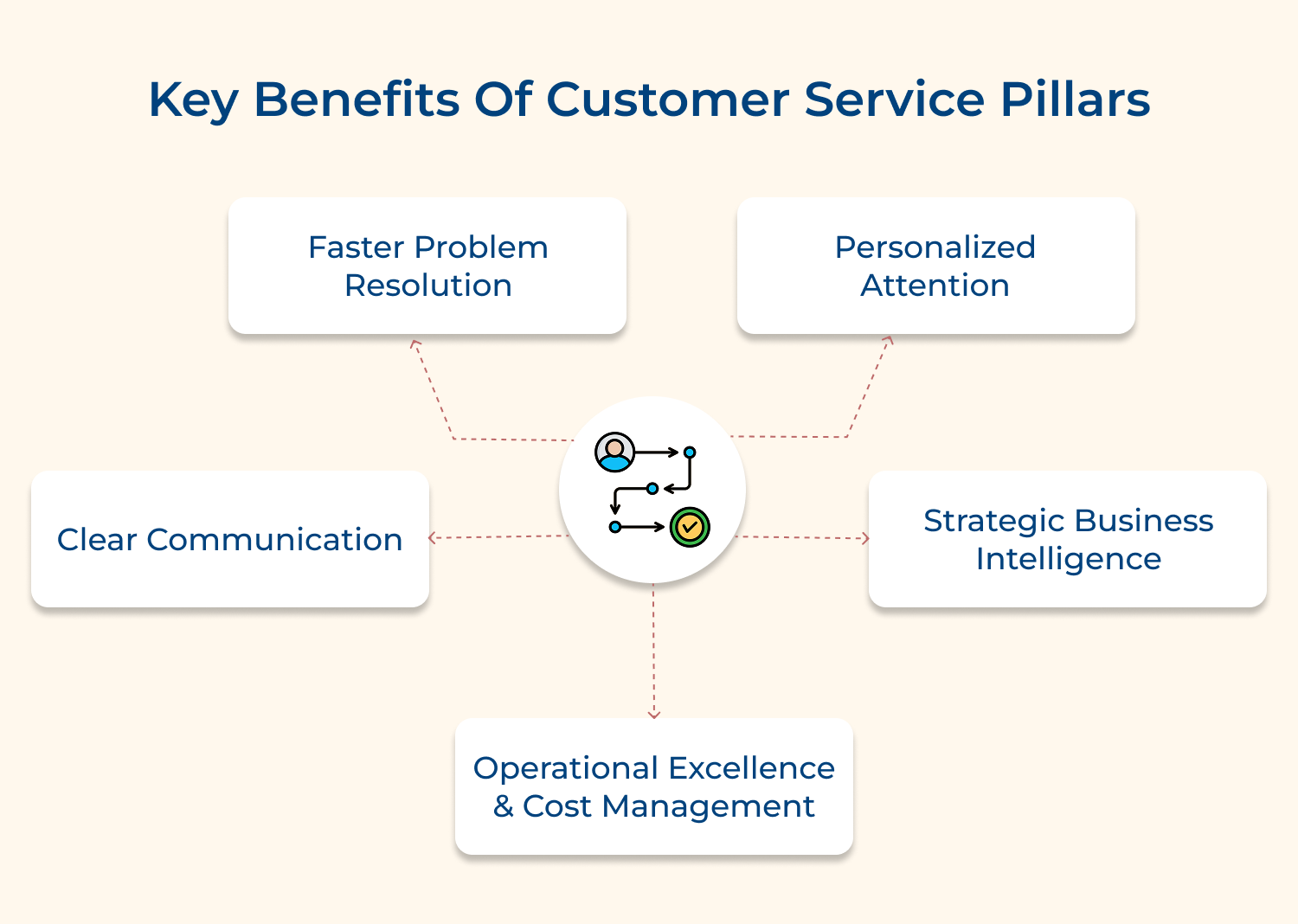
Strong customer service pillars are the foundation of successful businesses, driving satisfaction and growth. Here are the key benefits of implementing these principles effectively:
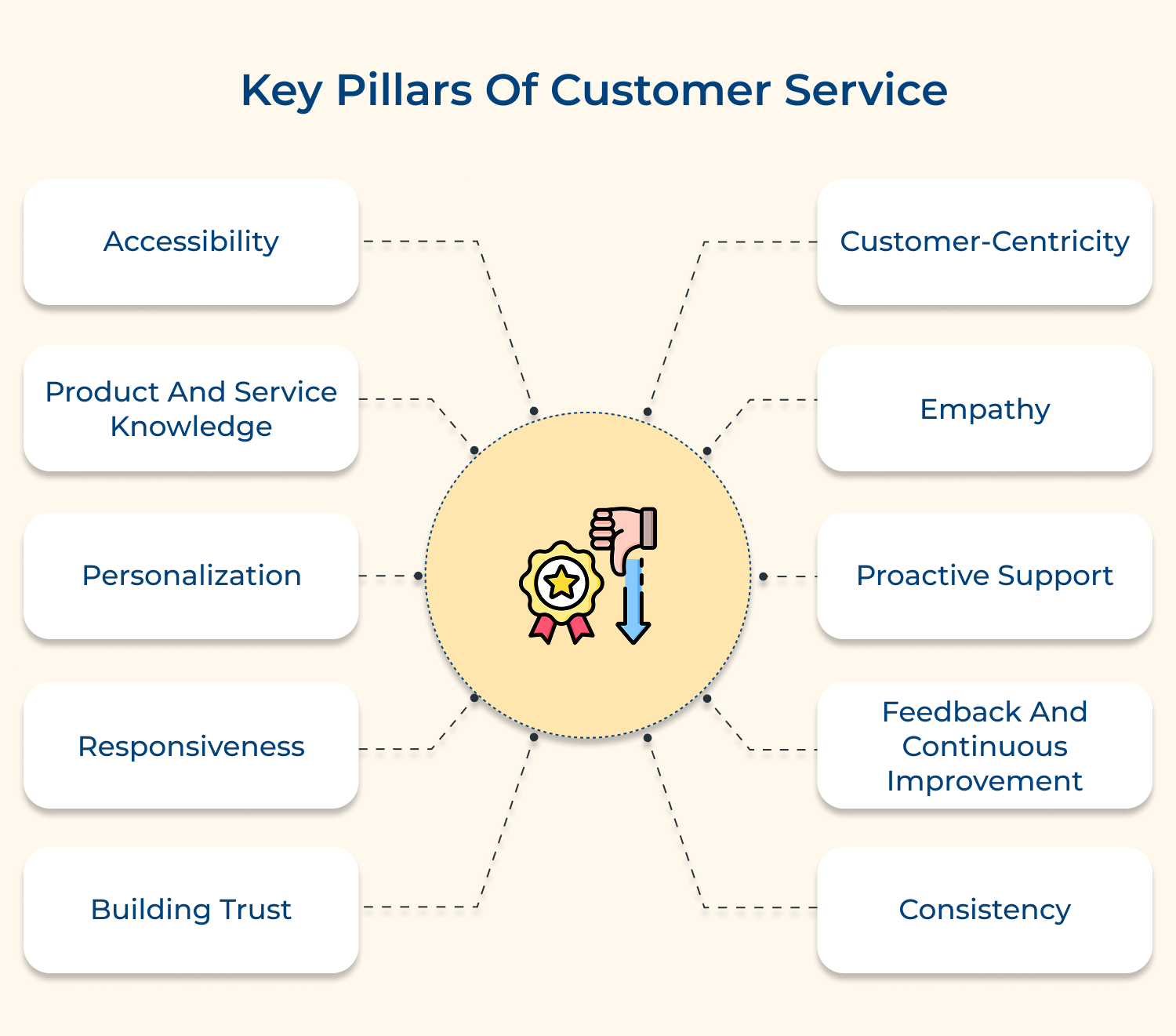
Fundamental service principles create outstanding experiences that keep customers returning for more. Here are the ten key pillars that ensure exceptional service:
Modern customers demand support through their preferred channels at convenient times. Limited accessibility often results in customer churn as they switch to competitors offering better availability and support options.
Organizations can implement omnichannel support strategies incorporating phone and social media options. A robust self-service resource system ensures support availability across different time zones.
Best Practices:
Comprehensive product understanding enables rapid, accurate problem resolution and strengthens customer confidence. Knowledgeable agents deliver better solutions and minimize escalation needs.
Organizations should develop thorough training programs and maintain current documentation. Regular knowledge-sharing sessions combined with practical exercises help agents master product features and updates.
Tips:
Personalized interactions make each customer feel unique and remembered. Market demands push companies to deliver custom-tailored experiences at every touchpoint. Individual attention fosters deep connections leading to lifelong brand relationships.
Service teams record detailed profiles capturing preferences and past interactions for each customer. Staff members customize each conversation and solution using collected insights to match individual customer needs and preferences.
Best practices:
Quick responses demonstrate respect for customers’ time in fast-paced environments. Rapid service prevents customer frustration while building brand trust. Customer satisfaction rises significantly with prompt attention to concerns.
Automated initial response systems establish clear timeline expectations for customers. Priority frameworks help teams manage urgent matters while maintaining communication throughout resolution.
Pro tips:
Lasting customer relationships grow from strong foundations of trust and reliability. Customer loyalty emerges naturally when service promises match delivery. Repeat business and referrals flow from established trust relationships.
Service teams maintain transparent issue communication throughout resolution processes. Regular progress updates demonstrate reliability, while documenting all customer commitments ensures follow-through.
Actionable tips:
Service excellence demands focus on actual customer needs rather than internal processes. Success rates increase when solutions align with customer perspectives. Long-term satisfaction depends on a customer-focused approach.
Customer feedback shapes service design and empowers agent decision-making. Pain points reveal improvement opportunities through regular journey analysis and customer insights.
Tips:
Emotional intelligence transforms challenging interactions into positive experiences. Strong connections form when customers feel understood during difficult situations. Service success relies on genuine human understanding.
Active listening skills help teams recognize underlying customer concerns. Response frameworks guide appropriate emotional acknowledgment while moving toward solutions.
Best practices:
Prevention strategies reduce future support needs and operational costs. Customer satisfaction increases through anticipatory problem-solving. Loyalty strengthens when service teams prevent issues proactively.
Monitoring systems identify potential problems before customer impact occurs. Automated alerts trigger interventions at key customer lifecycle moments.
Best practices:
Service quality advances through regular customer input collection. Improvement opportunities surface through data-driven analysis. Organization growth depends on constant service enhancement.
Multiple feedback channels capture comprehensive service insights. Analysis processes drive training adjustments and service enhancements based on findings.
Pro tips:
Customer confidence grows through reliable service delivery across channels. Predictable experiences build long-term trust relationships. Service excellence requires uniform quality standards.
Standard procedures ensure service quality remains high across touchpoints. Quality monitoring maintains excellence while regular training reinforces standards.
Tips:
Measuring the effectiveness of customer service pillars is crucial to ensure that they are contributing to customer satisfaction and overall business success.
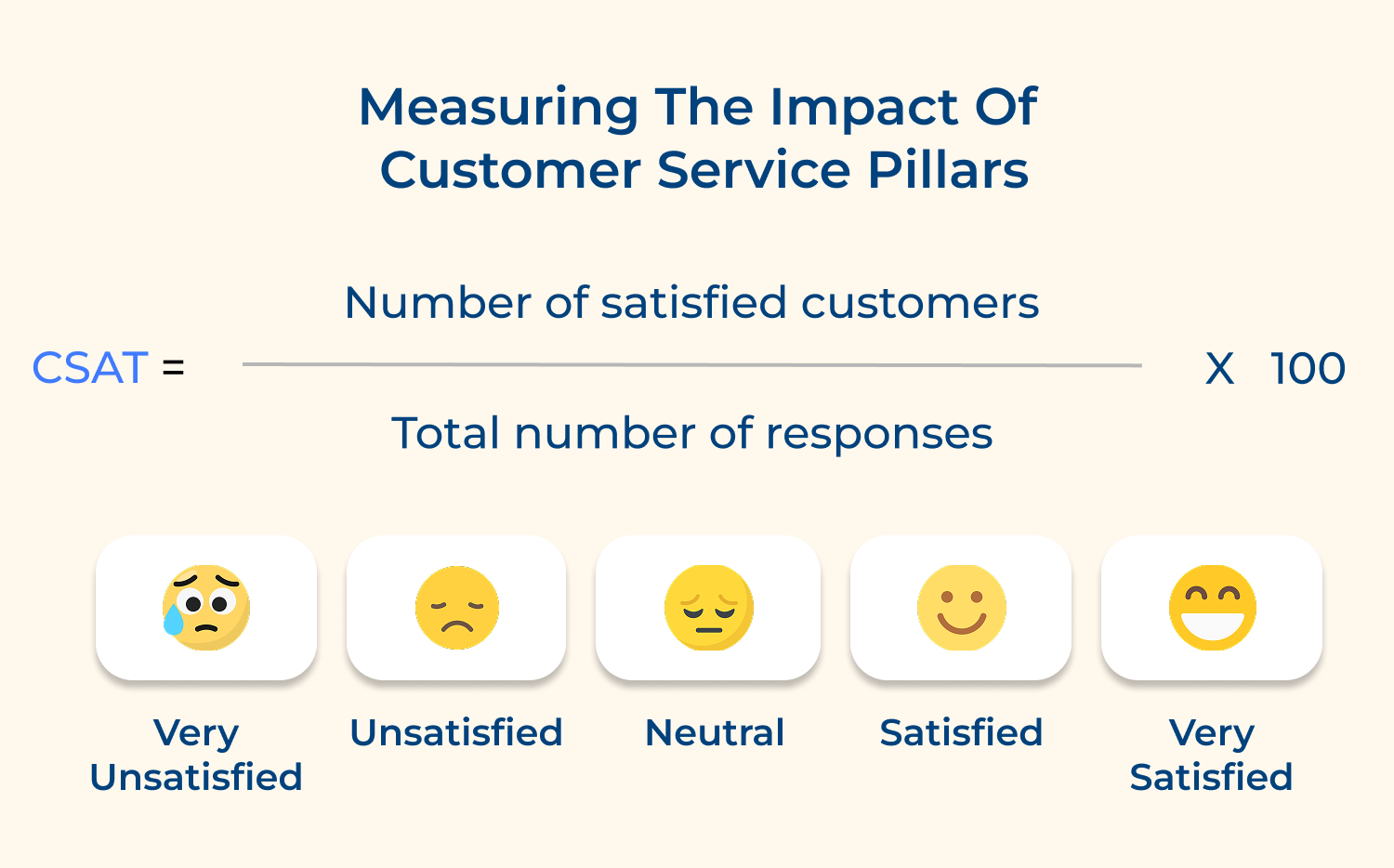
CSAT measures how satisfied customers are after an interaction and provides immediate insights into service quality. Strengths and areas for improvement are highlighted allowing businesses to tailor customer service strategies. Regular monitoring ensures that customer expectations are met and exceeded.
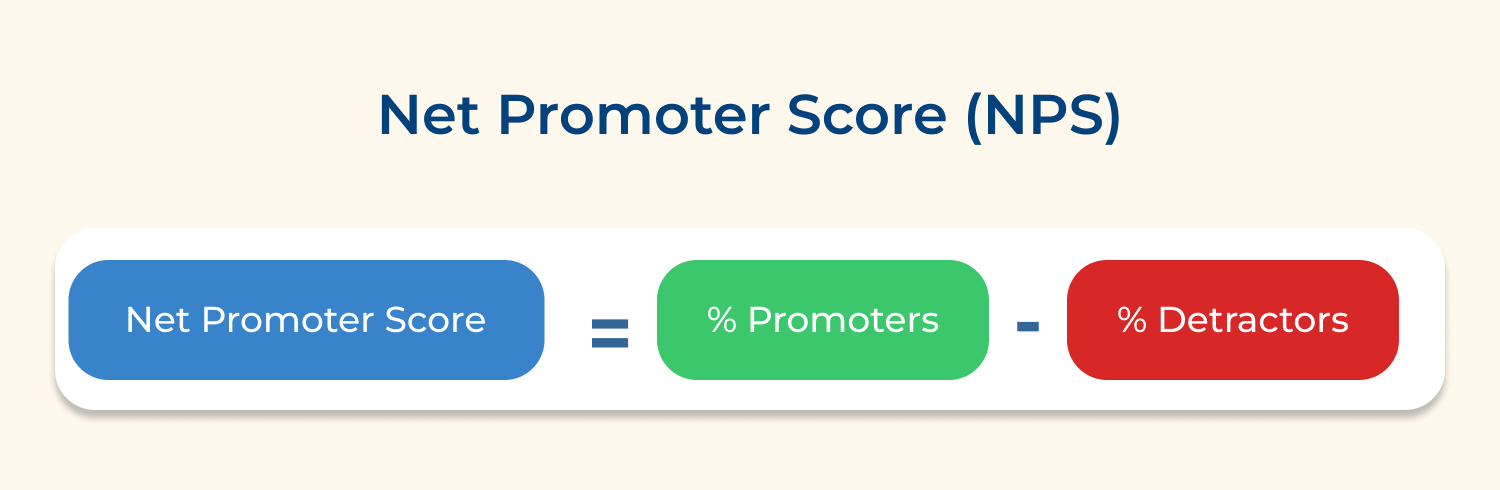
NPS gauges customer loyalty by asking how likely customers are to recommend your business. A high NPS shows strong customer satisfaction and brand advocacy, while a low score reveals areas for service enhancement. NPS helps businesses evaluate the long-term impact of service pillars.
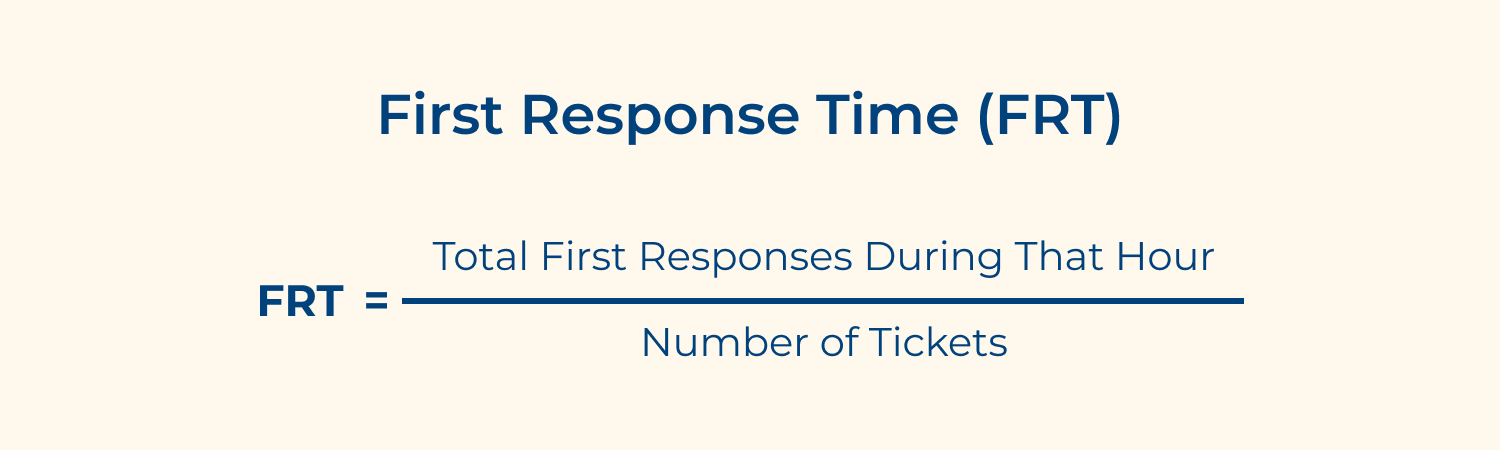
First Response Time measures how quickly a company acknowledges customer inquiries. Fast responses demonstrate efficiency and respect for customer time, improving satisfaction.
Monitoring FRT helps businesses identify bottlenecks and improve responsiveness, ensuring faster resolutions and higher customer trust.
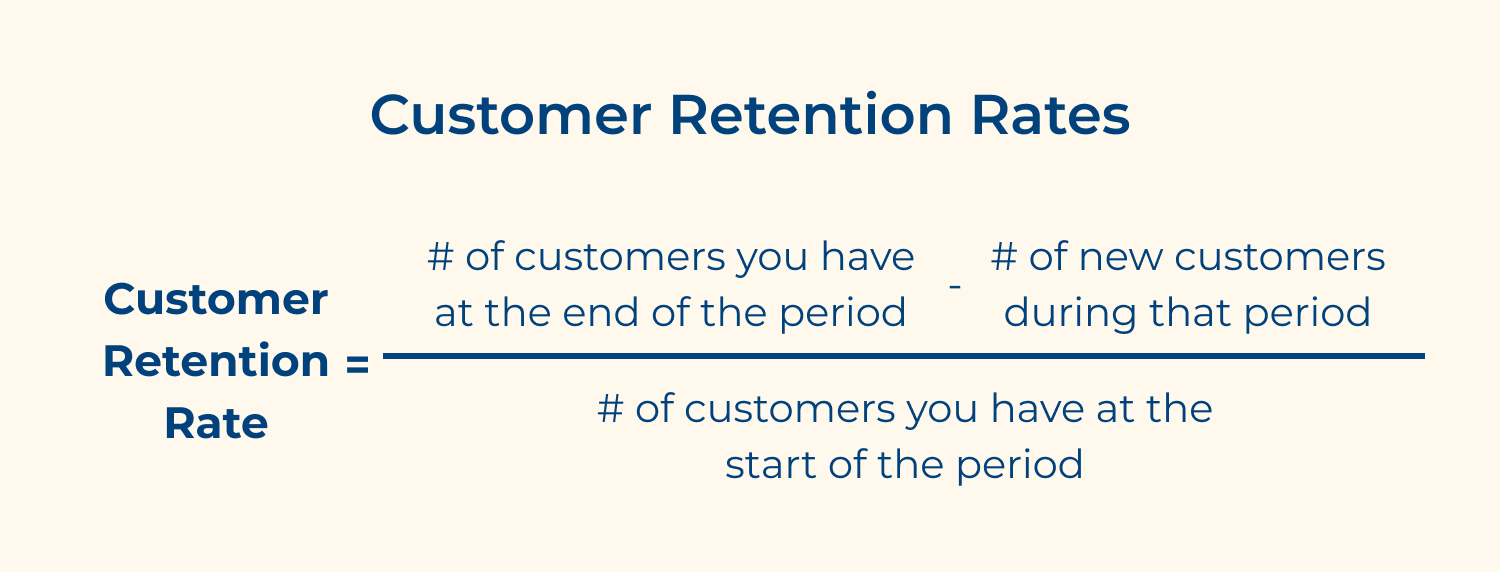
Customer retention rates reflect the ability to maintain customers over time and signal the effectiveness of service pillars like consistency and personalization. High retention rates indicate strong customer relationships. Tracking retention allows businesses to refine strategies for long-term loyalty.
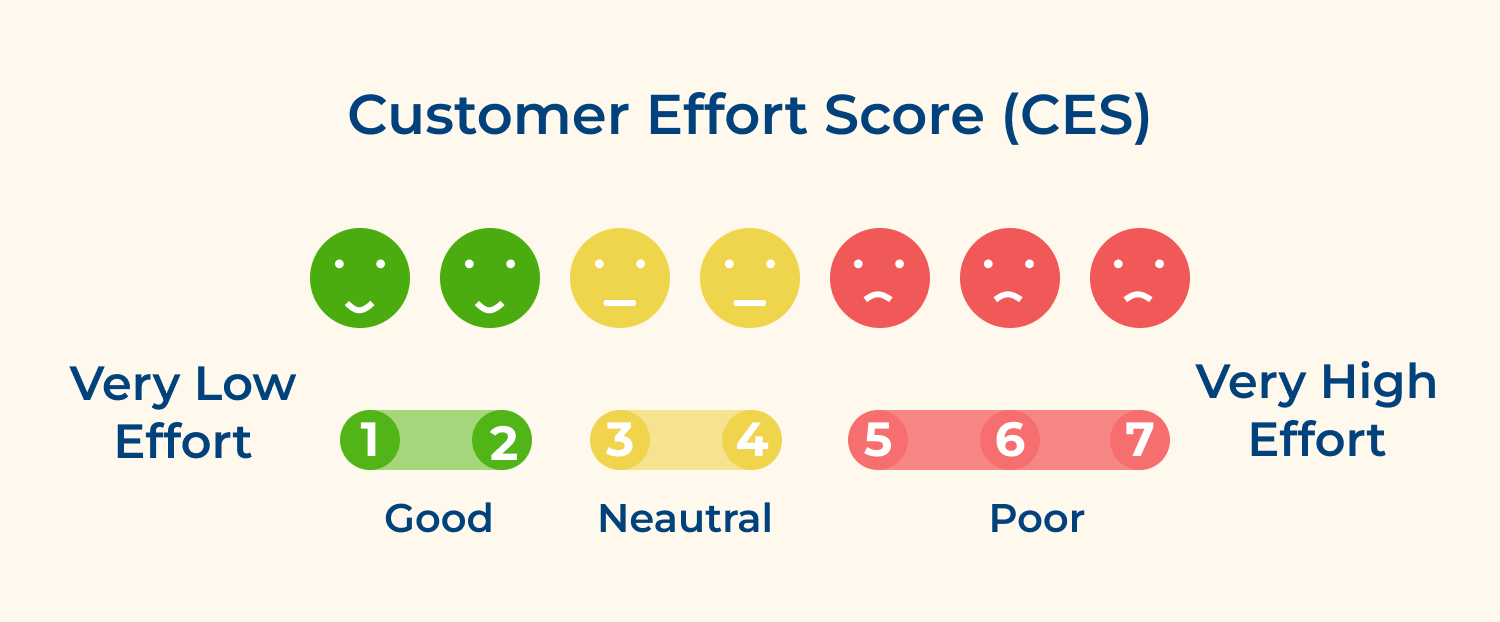
CES measures how easy it is for customers to resolve their issues. A lower score means a smoother and more efficient experience, while a higher score indicates friction points. CES helps businesses identify service gaps and streamline processes, reducing customer frustration.
Complaint Resolution Time tracks how quickly and effectively customer issues are resolved. Faster resolution leads to higher satisfaction and retention. Monitoring this metric highlights areas for improvement in problem-solving strategies and ensures customer concerns are addressed promptly and effectively.
Customer feedback and reviews offer direct insight into the customer experience highlighting strengths and areas for improvement. Positive feedback validates service pillars while negative reviews highlight weaknesses. Analyzing feedback allows businesses to fine-tune approaches and improve service quality.
Sales and upsell metrics reflect how customer service impacts revenue growth. Exceptional service often leads to repeat business and additional purchases. Tracking these metrics helps businesses assess how well service pillars like personalization and proactive support contribute to overall sales success.
Delivering excellent customer service is vital for business success. Explore key practices that ensure consistent exceptional customer experiences.
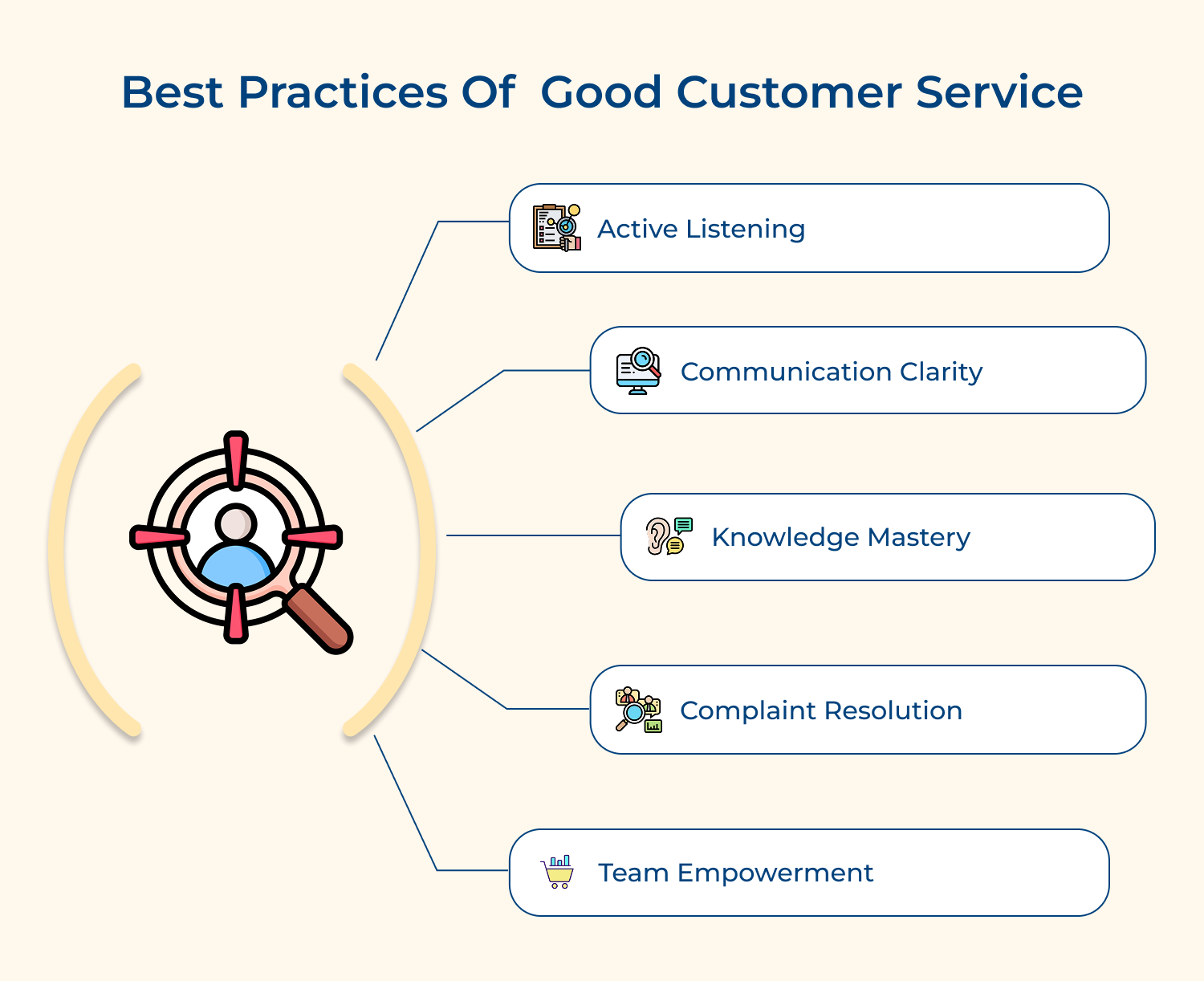
1. Active Listening
Active listening emerges as a foundational pillar of great customer service, transforming interactions from mere transactions to meaningful connections. Among the critical pillars of customer support and cultivates a supportive environment where customers feel genuinely understood and positive brand perception.
2. Communication Clarity
Communication stands as a strategic pillar within the pillars of great customer service. Transparent and precise communication acts as a vital bridge connecting customer expectations with service delivery. Effective communication ensures customers feel fully informed and profoundly respected.
3. Knowledge Mastery
Expertise represents a cornerstone pillar among the pillars of customer support. Representatives armed with comprehensive product knowledge and intricate process understanding can deliver accurate confident solutions. Such profound expertise enables rapid problem resolution and demonstrates the organization’s unwavering commitment.
4. Complaint Resolution
Complaint management emerges as a sophisticated pillar within the pillars of great customer service. Artfully transforming negative experiences into positive outcomes requires a nuanced approach. Addressing complaints with extraordinary patience and a solution-oriented mindset enables organizations to strategically convert potential detractors into passionate, loyal advocates.
5. Team Empowerment
Investing in continuous learning and comprehensive employee empowerment creates a dynamic, highly responsive customer service environment. Providing robust training and granting representatives meaningful decision-making authority enables organizations to cultivate a motivated workforce capable of delivering exceptional, deeply personalized customer experiences.
Exceptional customer service is the foundation of a lasting relationship between businesses and their customers. Below are five examples of companies delivering outstanding service:
1. Zappos
Zappos has built a strong reputation around its customer-first approach. A remarkable instance of excellent service occurred when a customer needed to return shoes one year after purchasing them. Although the company’s return policy typically allows for only 30 days and provides a full refund. Such an action highlighted the company’s dedication to customer satisfaction and established a lasting positive relationship with the customer.
2. Amazon
Amazon’s customer service is efficient and convenient. If customers report receiving damaged products, the company often offers a replacement or a refund without requiring the item’s return. Customers appreciate this quick resolution, which strengthens trust in the brand.
3. Apple
Apple ensures consistent customer service through various channels such as Apple Stores and online chat. Customers experience the same quality of care regardless of the method they choose. The unified approach builds trust and instills confidence that reliable assistance is always accessible.
4. Starbucks
Starbucks connects with its customers through its app, loyalty points updates and tailored promotions. Customers value proactive communication about new deals, staying informed and motivated to make repeat visits. The strategy strengthens loyalty and builds a sense of community.
5. Nordstrom
Nordstrom goes beyond customer expectations, offering impressive flexibility. One customer returned a set of tires they hadn’t purchased at the store. Despite the unusual return, the company honored the request and issued a full refund, showcasing its dedication to customer satisfaction.
The pillars of customer service lay essential foundations for sustainable business growth in competitive markets. Each service pillar creates powerful opportunities for building customer loyalty and brand advocacy through meaningful interactions.
Mastering essential service pillars demands systematic training plus continuous evaluation of standards. Organizations excel when teams focus on core service pillars: personalization responsiveness, trust-building customer-centricity empathy, proactive support feedback systems and consistency across all channels.

1. What resources are needed to implement service pillars effectively?
Successful implementation requires investment in staff training, technology infrastructure and quality monitoring systems. Organizations must allocate resources for ongoing coaching, customer feedback collection tools and regular performance assessments to maintain service excellence across all channels.
2. How can service pillars adapt to changing business scales?
Service pillars must remain flexible while maintaining core principles. Scalable processes and modular training programs allow organizations to maintain service quality during growth. Regular review and adjustment of service standards ensure pillars evolve with business expansion.
3. How do service pillars integrate with existing operational processes?
Service pillars should align with and enhance current operational workflows rather than disrupt them. Integration involves mapping service standards to existing processes and creating bridges between customer service functions and other departments for seamless operation and communication.
4. What metrics best indicate the ROI of customer service investments?
Measuring customer lifetime value and net promoter scores provides essential ROI indicators for service investments. The combined analysis of performance metrics offers a comprehensive view of service returns, enabling data-driven decisions for resource allocation and continuous service improvements across the organization.
5. How can we balance automation with the human touch in customer service?
Balancing automated solutions with human touchpoints creates an optimal service model for both efficiency and customer experience. Implementing automation for routine tasks while preserving human interaction for complex issues reduces operational costs by 25-30%. The combined approach maintains high satisfaction levels through personalized support when customers need direct human assistance.
 https://omni24.io/wp-content/uploads/2026/07/Customer-Data-Platform.png
1256
2400
Tushar Joshi
https://omni24.io/wp-content/uploads/2023/04/Omni-Logo-1.svg
Tushar Joshi2026-07-08 03:58:592026-07-08 03:58:59How a Customer Data Platform Unlocks Unified Customer Insights
https://omni24.io/wp-content/uploads/2026/07/Customer-Data-Platform.png
1256
2400
Tushar Joshi
https://omni24.io/wp-content/uploads/2023/04/Omni-Logo-1.svg
Tushar Joshi2026-07-08 03:58:592026-07-08 03:58:59How a Customer Data Platform Unlocks Unified Customer Insights https://omni24.io/wp-content/uploads/2026/07/Unified-Customer-View.png
1256
2400
Tushar Joshi
https://omni24.io/wp-content/uploads/2023/04/Omni-Logo-1.svg
Tushar Joshi2026-07-07 03:37:342026-07-07 03:37:34How a Unified Customer View Transforms Customer Experience
https://omni24.io/wp-content/uploads/2026/07/Unified-Customer-View.png
1256
2400
Tushar Joshi
https://omni24.io/wp-content/uploads/2023/04/Omni-Logo-1.svg
Tushar Joshi2026-07-07 03:37:342026-07-07 03:37:34How a Unified Customer View Transforms Customer Experience https://omni24.io/wp-content/uploads/2026/06/Omnichannel-CRM.png
1256
2400
Tushar Joshi
https://omni24.io/wp-content/uploads/2023/04/Omni-Logo-1.svg
Tushar Joshi2026-07-06 03:49:012026-07-06 04:00:22How to Implement Omnichannel CRM Strategy: 7 Key Steps
https://omni24.io/wp-content/uploads/2026/06/Omnichannel-CRM.png
1256
2400
Tushar Joshi
https://omni24.io/wp-content/uploads/2023/04/Omni-Logo-1.svg
Tushar Joshi2026-07-06 03:49:012026-07-06 04:00:22How to Implement Omnichannel CRM Strategy: 7 Key Steps
Whether it’s about acquire, engage or support – Omni24 covers all your customer engagement needs in one complete platform.

Copyright ©2026 Veemo All rights reserved.
CA, Los Angeles, Hall Ave, 19011