Top 8 Customer Engagement Trends for 2026
Explore key customer engagement trends, from AI-driven personalization to omnichannel journeys, shaping stronger connections and long-term loyalty.

Explore key customer engagement trends, from AI-driven personalization to omnichannel journeys, shaping stronger connections and long-term loyalty.
Is your customer-engagement strategy starting to feel stale and plain ineffective? Despite all the tools and tactics you’ve invested in, many businesses still can’t build real connections. That’s because customer expectations evolve fast and what worked just a year ago may already be obsolete.
Stats show the risk clearly: about 43% of customers will ditch a brand after a single bad experience. And yet, 89% of companies now say customer experience is a key differentiator.
But there’s hope! Businesses that leverage customer engagement trends win. When done right, engagement stops being just transactional and becomes a meaningful, emotional brand connection.
Customer engagement in CX (customer experience) refers to the ongoing interactions between a business and its customers across all touchpoints. It’s about creating meaningful connections that make customers feel valued and understood. These relationships go beyond transactions to foster loyalty through personalized experiences tailored to customer preferences.
These connections thrive when businesses actively listen to feedback and respond thoughtfully. By focusing on emotional connections alongside functional needs, companies create memorable experiences that keep customers coming back and talking positively about the brand.
Key objectives:
Understanding these levels helps businesses develop strategies that move customers toward deeper, more meaningful relationships.
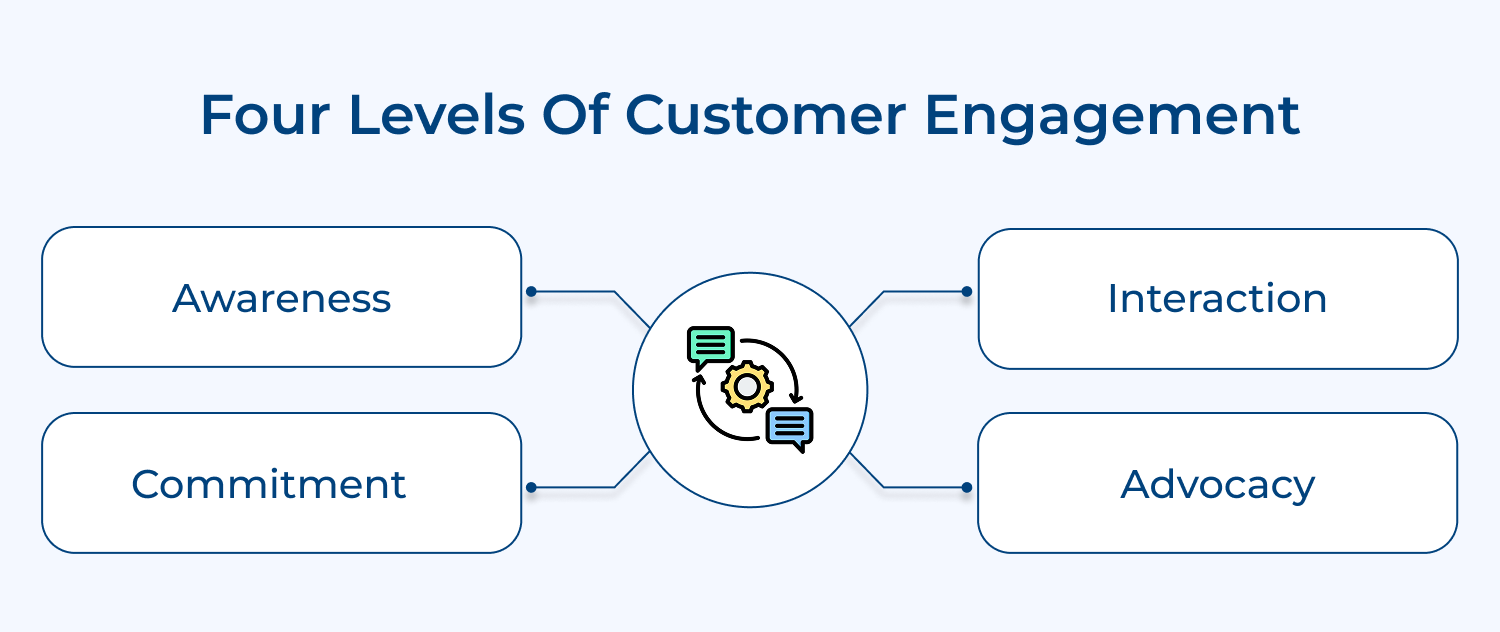
Level 1: Awareness
Customers know your brand exists but haven’t formed a strong opinion yet. They might have seen your ads or heard about you from friends. At this stage, people are gathering initial impressions and deciding if your company deserves more of their attention.
Turning awareness into something more requires creating moments that stand out. Your communication should clearly show what makes your brand different from competitors and why customers should care enough to take the next step toward engagement.
Level 2: Interaction
Customers begin actively engaging with your content, products, or services. They might visit your website, follow your social media, or make an initial purchase. These early touchpoints create the foundation for how they perceive your brand’s value.
Each interaction is an opportunity to exceed expectations. When customers receive more value than anticipated (whether through helpful content, surprising features or exceptional service) they become more willing to deepen their relationship with your brand.
Level 3: Commitment
Customers now regularly choose your brand over competitors. They’ve developed preferences for your products and may join loyalty programs or subscribe to services. This stage shows they trust your brand to consistently meet their needs.
Commitment grows when customers feel their loyalty is recognized as well as rewarded. By acknowledging their history with personalized experiences and genuine appreciation, you strengthen the emotional connection that keeps them coming back despite other options.
Level 4: Advocacy
Your most engaged customers actively promote your brand to others. They leave positive reviews, share your content and recommend you to friends without being asked. These customers see themselves as part of your brand’s community.
Advocates invest emotionally in your success because they feel ownership of the relationship. By involving them in your brand’s journey you nurture this powerful connection that drives growth through authentic word-of-mouth.
Customer experience has become the key differentiator in today’s market. These eight trends are redefining how companies create meaningful connections with customers in 2026.
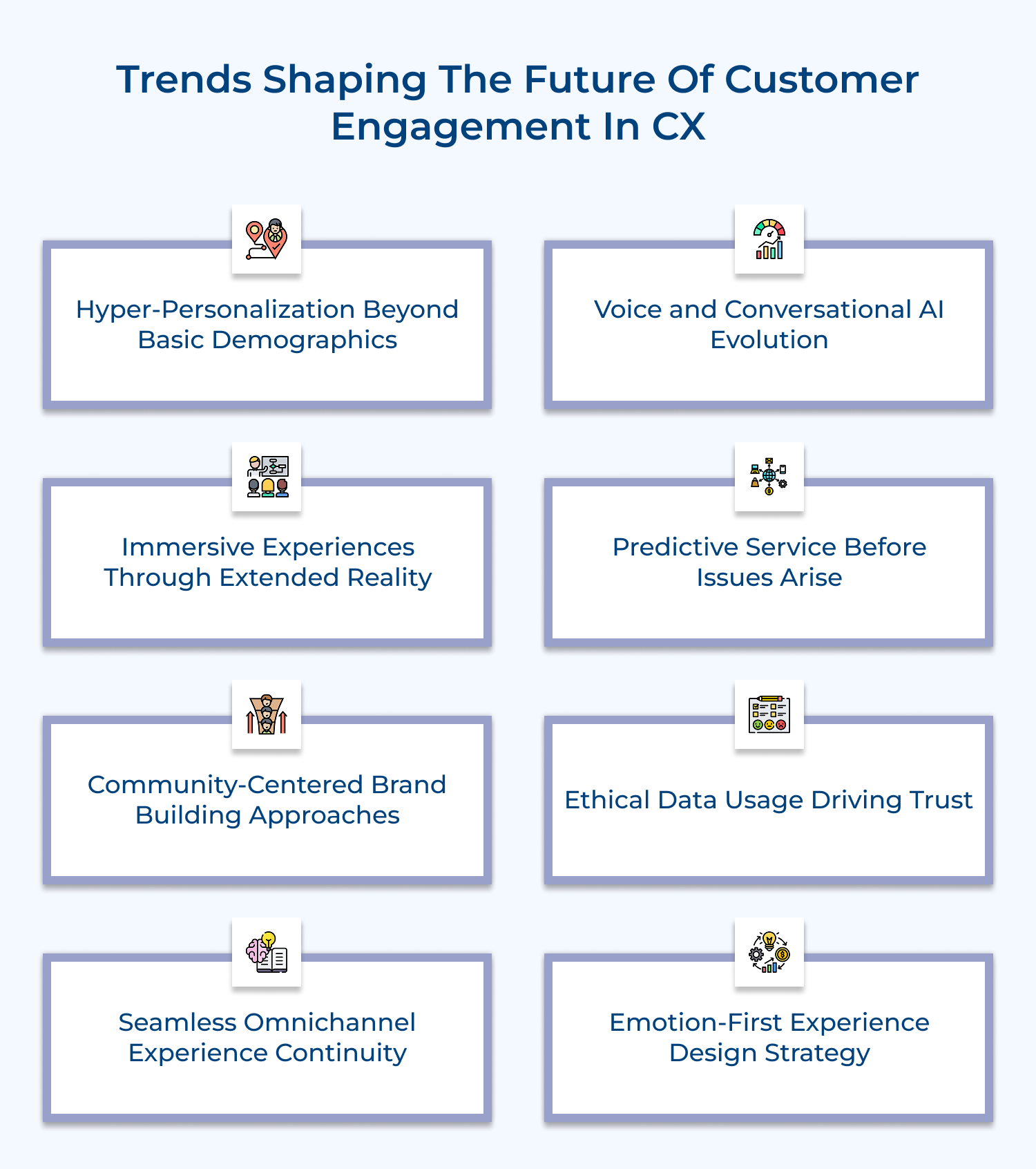
Hyper-personalization moves customer engagement from broad segments to individual experiences. Advanced AI analyzes behavioral patterns and preferences to create interactions that feel custom-designed for each customer, replacing traditional demographic targeting with something far more precise and effective.
Is your organization ready for hyper-personalization? Answer these questions to assess your readiness:
The real strength of hyper-personalization is making customers feel genuinely understood. When a recommendation perfectly matches your taste or a service anticipates your needs, it creates a connection that basic segmentation can’t achieve. Studies show customers are significantly more likely to engage with brands offering relevant recommendations.
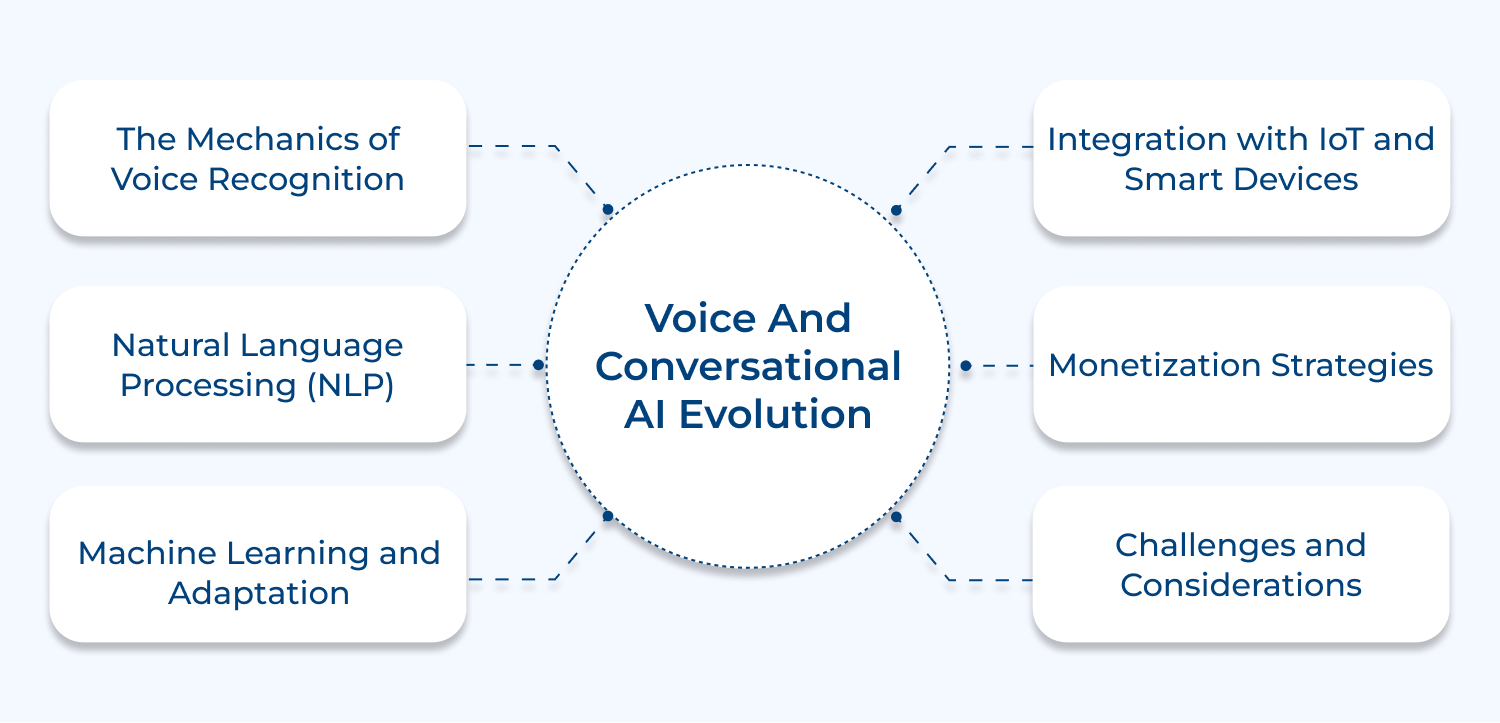
Voice technology has become a powerful, everyday engagement channel. With smarter natural language processing, AI assistants now understand context, sentiment and even cultural nuances—making conversations feel more natural as well as human. Three advanced capabilities are reshaping voice engagement:
Used thoughtfully, voice offers a uniquely intimate touchpoint where tone and personality can strengthen brand connection.
Extended reality transforms engagement by creating immersive experiences that bridge physical and digital worlds. These technologies help customers visualize products in their environments as well as experience services before purchasing, addressing fundamental pain points around visualization and purchase confidence.
Evaluate your extended reality strategy with this assessment checklist:
The psychological impact of immersion creates deeper emotional connections than traditional channels. Research shows immersive experiences form stronger memories and emotional responses, helping brands become more memorable in crowded markets.
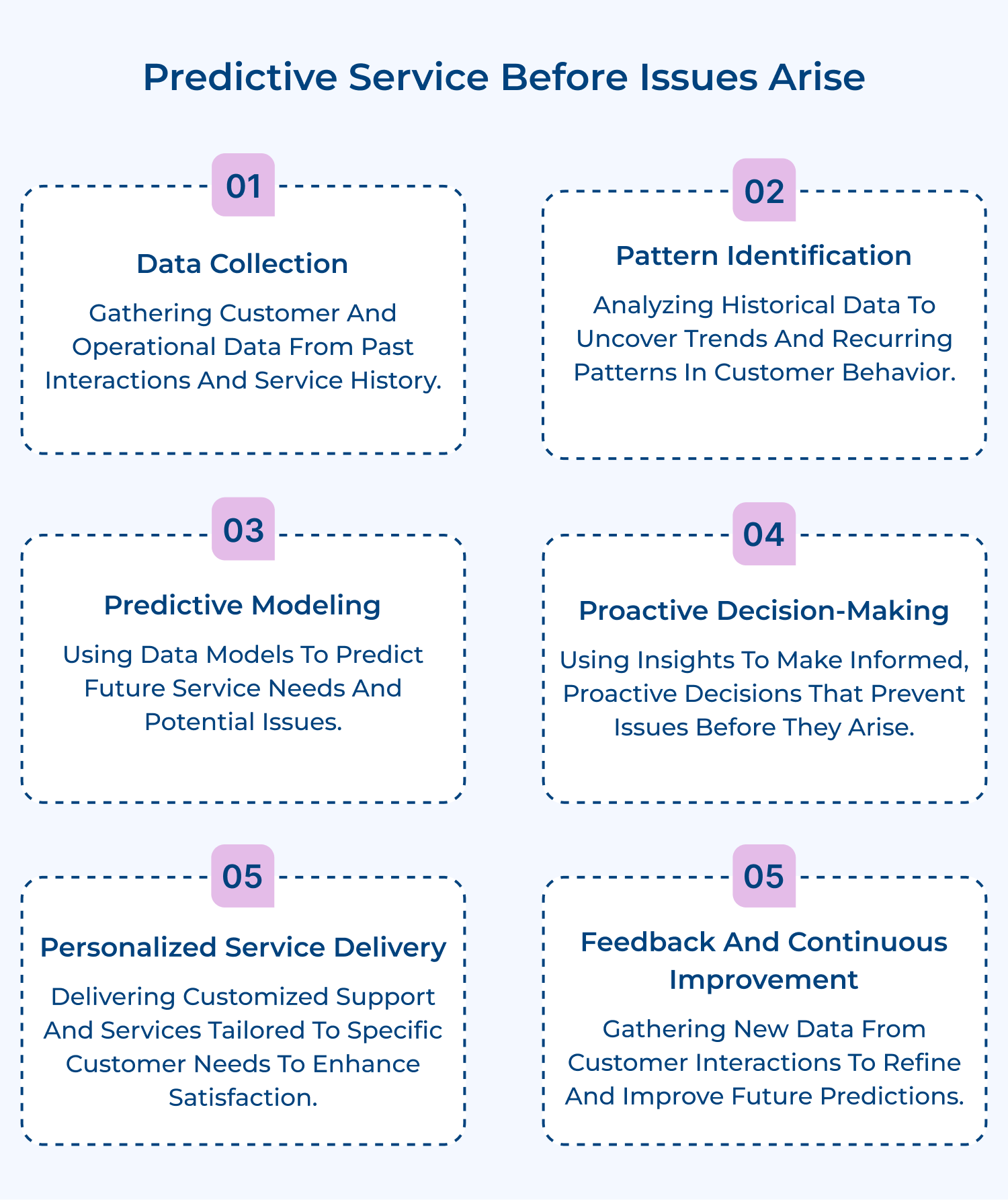
Predictive service shifts support from reactive fixes to proactive care. Instead of waiting for complaints, companies use analytics and machine learning to spot issues before customers ever feel them. Hence, creating smoother customer touchpoints and more positive customer interactions. Three advanced capabilities define predictive service leaders:
This proactive model boosts satisfaction, cuts support costs, improves retention and builds an organization focused on anticipating customer needs.
Community-centered brand building facilitates connections among customers with shared interests rather than controlling top-down messaging. Modern consumers seek belonging through their brand choices, creating opportunities for companies that foster authentic communities around their products and services. Community-building readiness assessment:
Communities generate value beyond direct revenue. Community members typically spend more, stay longer and provide invaluable feedback. Successful community-centered brands understand that authentic communities require genuine empowerment.
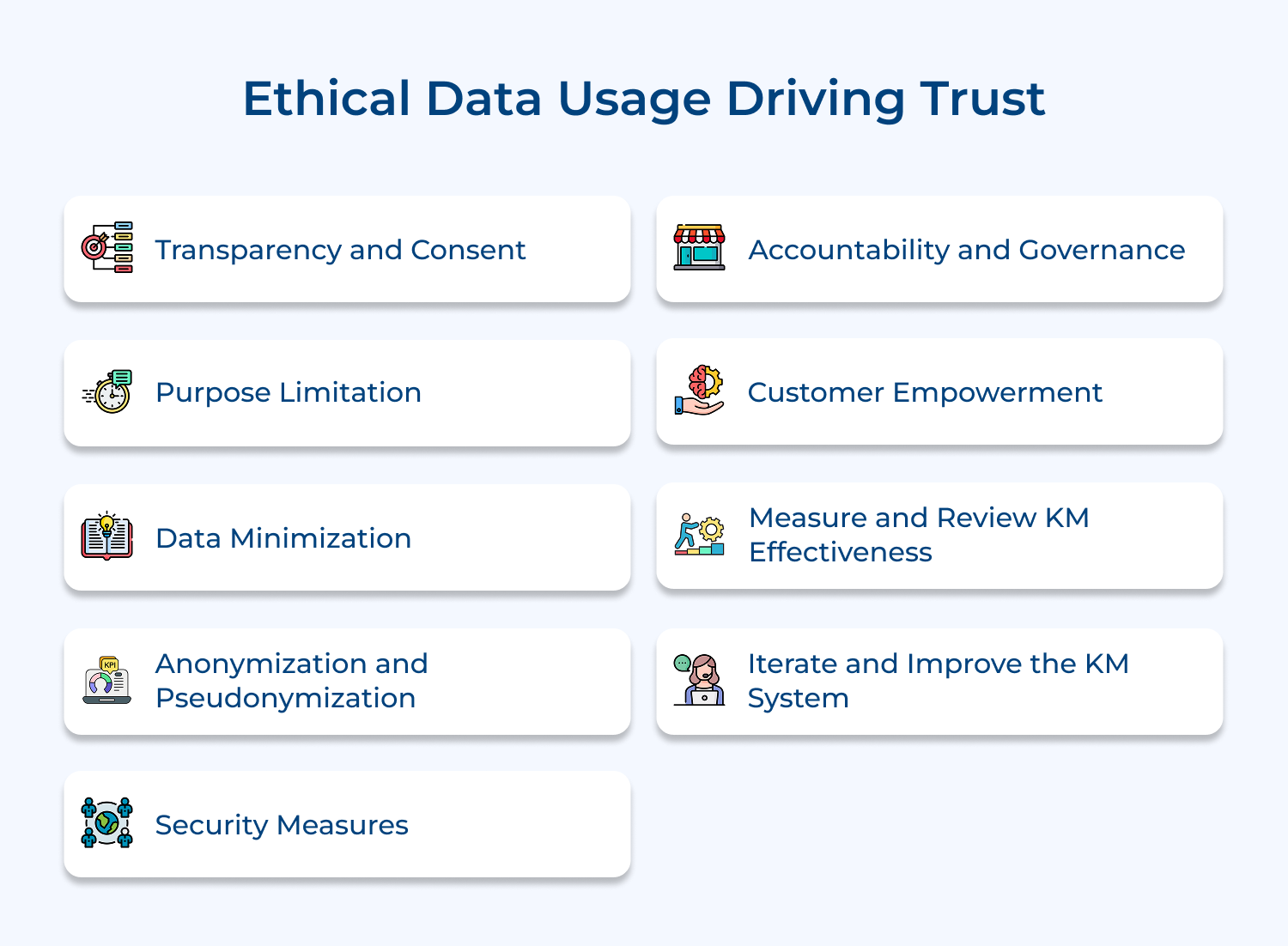
Ethical data use has shifted from a compliance requirement to a real competitive advantage. Customers now reward brands that handle data with transparency, meaningful consent and a clear value exchange.
With consumer expectations rising, trust now depends on consistent, organization-wide actions, not just policy statements.
Seamless omnichannel experiences remove the gaps between channels, giving customers a smooth, consistent journey wherever they go. As people switch between physical and digital spaces, they expect conversations to continue naturally without repeating information or losing context. Three core capabilities make this possible:
The payoff is significant—companies with strong omnichannel strategies retain nearly three times more customers than those without.
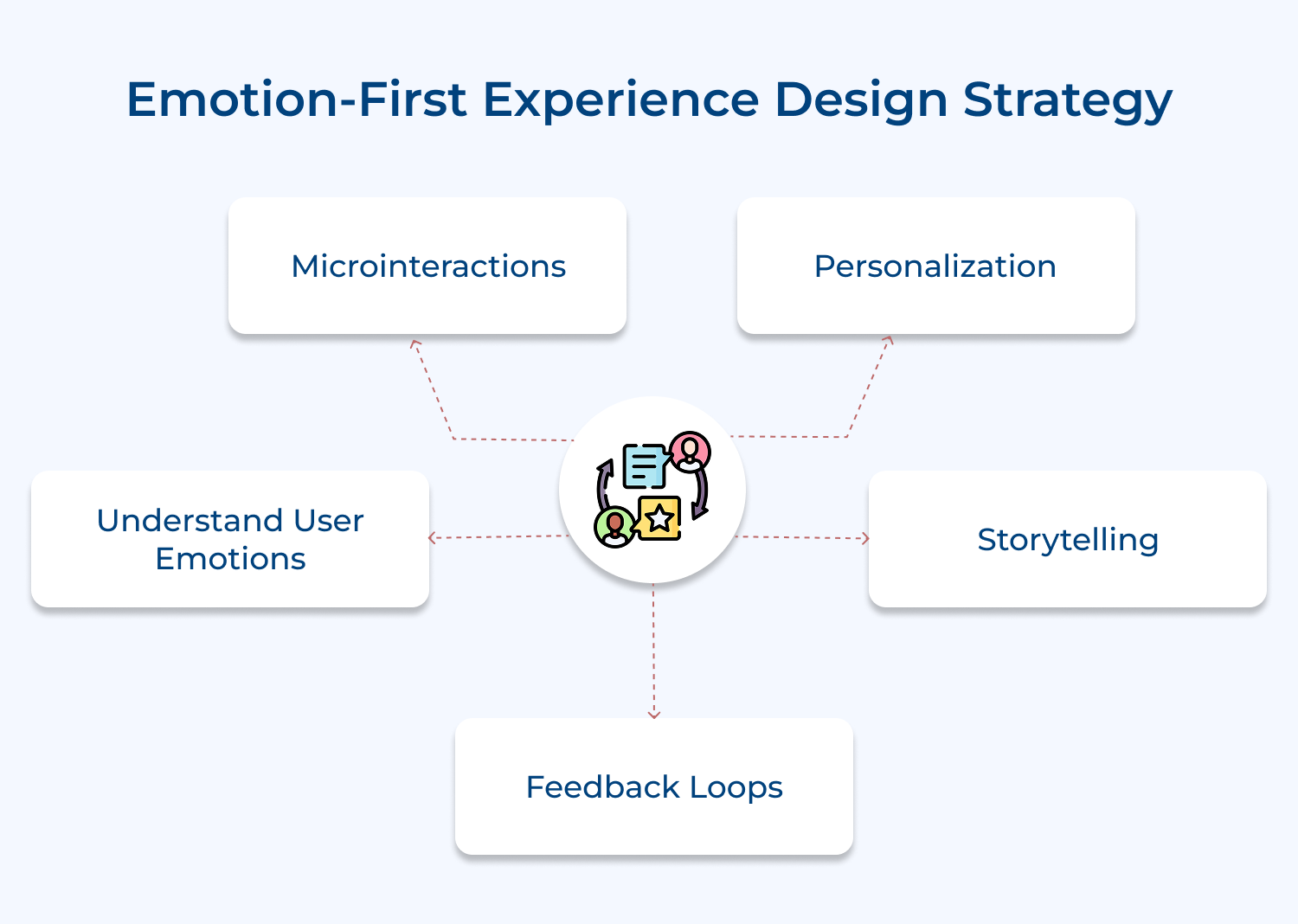
Emotion-first design starts with a simple truth: customers make decisions emotionally, not just logically. Instead of focusing only on efficiency, this approach puts desired emotional outcomes at the center of every engagement. Today, leading brands measure emotional impact the same way they measure satisfaction or speed.
Key practices shape emotion-centered design:
Customers who feel emotionally connected stay longer, spend more and recommend more often. Successful companies embed emotional intelligence across leadership, teams and daily interactions.
Leading brands across industries are implementing innovative engagement strategies that align with key customer experience trends. These real-world applications demonstrate how theoretical concepts translate into practical business impact.
Nike: Hyper-Personalization Beyond Demographics
Nike’s app tracks individual workout patterns and purchase history to create completely personalized product recommendations as well as training content. Their Nike By You platform empowers customers to design custom products that reflect personal style preferences and performance needs.
This personalization approach has significantly increased customer retention and average order value. By creating experiences that feel uniquely relevant, Nike has transformed casual buyers into brand loyalists who engage more frequently across multiple touchpoints.
Disney: Emotion-First Experience Design
Disney uses MagicBand technology to create perfectly timed emotional moments—from personalized greetings to surprise character interactions. Every element of the park is crafted to evoke specific emotions at key points in the guest journey.
Emotional peaks inspire strong repeat visitation and allow the brand to command premium prices. Families remember these high points for years, making the experience feel far more valuable than a simple transactional visit.
Apple: Ethical Data Usage Driving Trust
Apple positions privacy as a core product benefit by giving users clear, granular control over how apps use their data. With App Tracking Transparency, customers decide what information they want to share across the ecosystem.
This trust-led positioning has become a major competitive differentiator, strengthening loyalty and encouraging deeper engagement within the Apple product family.
IKEA: Immersive Experiences Through Extended Reality
IKEA’s AR app lets customers place virtual furniture in their homes, solving the visualization gap that often complicates furniture shopping. Interactive design studios go even further by allowing shoppers to walk through fully designed room setups.
The immersive approach reduces returns, increases basket value and makes purchasing decisions feel easier as well as more enjoyable.
Bank of America: Voice and Conversational AI Evolution
Bank of America’s virtual assistant, Erica, handles complex financial questions with natural conversational flow. It remembers context across interactions and understands intent beyond the exact wording, offering relevant financial guidance.
These capabilities have boosted digital banking adoption and reduced call-center volume by making financial tasks clearer as well as accessible for everyday users.
The future of customer engagement lies in creating connected, meaningful experiences that transcend transactions. By implementing these trends strategically, brands can build relationships that withstand competitive pressures and market fluctuations while delivering measurable business growth through increased customer lifetime value.
Success requires more than technology implementation—it demands organizational transformation around customer-centricity. Companies that align their culture, metrics and operations to support these engagement trends will create sustainable competitive advantages that are difficult for competitors to replicate through products or pricing alone.

What are the 6 key elements of customer engagement?
The key elements of successful customer engagement include personalization that creates individualized experiences, omnichannel continuity across all touchpoints and emotional connection that builds deeper relationships. It also helps with community building that creates customer-to-customer interactions, proactive service that anticipates needs and data ethics that build trust through responsible information usage.
What’s influencing digital customer engagement trends in 2026?
Digital engagement in 2024 is shaped by AI advancements enabling deeper personalization, privacy regulations changing data practices, rising consumer expectations for seamless experiences, the growing importance of authenticity in brand communications, increased demand for community connections and the shift from purely transactional to relationship-focused interactions across digital channels.
How do we measure customer engagement effectiveness?
Effective measurement goes beyond traditional metrics like click rates to include emotional indicators such as sentiment analysis, relationship depth metrics like repeat engagement frequency, advocacy measurements including referral rates, community participation levels, journey completion rates across channels and customer lifetime value growth correlated with engagement initiatives.
How is AI transforming customer engagement strategies?
AI is transforming customer engagement in powerful ways. It predicts what customers need before they ask. It enables conversations that understand context, intent and emotion. AI adapts journeys in real time. It analyzes sentiment to reveal deeper feelings. It recognizes patterns to uncover new opportunities. It also allocates resources wisely, allowing humans to focus on high-value interactions.
What mistakes do companies make with customer engagement?
Common mistakes include over-automation that removes necessary human connection, inconsistency across channels creating fragmented experiences, excessive focus on acquisition rather than nurturing existing relationships, shallow personalization based only on demographics, treating engagement as a marketing function rather than an organization-wide responsibility and collecting customer data without delivering clear value in return.
How can small businesses implement these engagement trends?
Small businesses can implement these trends by starting with quick wins like personalized follow-ups based on purchase history, using affordable community-building platforms to connect customers, implementing simple but consistent omnichannel messaging, focusing on authentic storytelling that creates emotional connections, being transparent about data usage, and leveraging their agility to deliver more responsive service than larger competitors.
 https://omni24.io/wp-content/uploads/2026/09/Social-commerce-scaled.png
1340
2560
Webvision Solution
https://omni24.io/wp-content/uploads/2023/04/Omni-Logo-1.svg
Webvision Solution2026-10-23 12:18:272026-10-23 12:18:27What is Social Commerce and Why Does It Matter?
https://omni24.io/wp-content/uploads/2026/09/Social-commerce-scaled.png
1340
2560
Webvision Solution
https://omni24.io/wp-content/uploads/2023/04/Omni-Logo-1.svg
Webvision Solution2026-10-23 12:18:272026-10-23 12:18:27What is Social Commerce and Why Does It Matter? https://omni24.io/wp-content/uploads/2026/08/AI-Customer-Service-Agents.png
1256
2400
Webvision Solution
https://omni24.io/wp-content/uploads/2023/04/Omni-Logo-1.svg
Webvision Solution2026-09-21 04:48:512026-09-21 04:48:51How to Build an AI Customer Service Agents: 8 Key Steps
https://omni24.io/wp-content/uploads/2026/08/AI-Customer-Service-Agents.png
1256
2400
Webvision Solution
https://omni24.io/wp-content/uploads/2023/04/Omni-Logo-1.svg
Webvision Solution2026-09-21 04:48:512026-09-21 04:48:51How to Build an AI Customer Service Agents: 8 Key Steps https://omni24.io/wp-content/uploads/2026/08/Omnichannel-Conversational-AI.png
1256
2400
Tushar Joshi
https://omni24.io/wp-content/uploads/2023/04/Omni-Logo-1.svg
Tushar Joshi2026-09-16 03:51:072026-09-16 03:51:07How to Build Omnichannel Conversational AI Strategy
https://omni24.io/wp-content/uploads/2026/08/Omnichannel-Conversational-AI.png
1256
2400
Tushar Joshi
https://omni24.io/wp-content/uploads/2023/04/Omni-Logo-1.svg
Tushar Joshi2026-09-16 03:51:072026-09-16 03:51:07How to Build Omnichannel Conversational AI Strategy
Whether it’s about acquire, engage or support – Omni24 covers all your customer engagement needs in one complete platform.

Copyright ©2026 Veemo All rights reserved.
CA, Los Angeles, Hall Ave, 19011