How to Respond to Negative Feedback: 7 Best Practices
Learn how to respond to negative feedback quickly, empathetically and effectively to turn complaints into trust-building opportunities.

Learn how to respond to negative feedback quickly, empathetically and effectively to turn complaints into trust-building opportunities.
Negative customer feedback often feels like a personal hit and that’s not just in your head. In fact, 94% of consumers say a bad review has convinced them to avoid a business, and one negative review can cost you up to 30 potential customers.
Ignoring complaints makes frustrated customers louder, while a defensive reply can hurt your credibility even more. But when you respond quickly and professionally — showing empathy as well as offering solutions — you not only calm the unhappy customer but also signal to every onlooker that you care about customer satisfaction.
Negative customer feedback represents the critical or unfavorable responses customers share about their experiences with a product or service. It surfaces when expectations fall short of reality. This input highlights specific pain points that require attention and improvement.
Customers express dissatisfaction through various channels like reviews, surveys, social media comments, or direct complaints to support teams. The feedback travels through your organization where teams analyze patterns and identify recurring issues. Smart companies treat this information as free consulting that reveals blind spots in their operations.
Key objectives:
When customers voice complaints they’re actually giving you a roadmap to improvement. Your response to their concerns can transform a negative situation into an opportunity for growth.
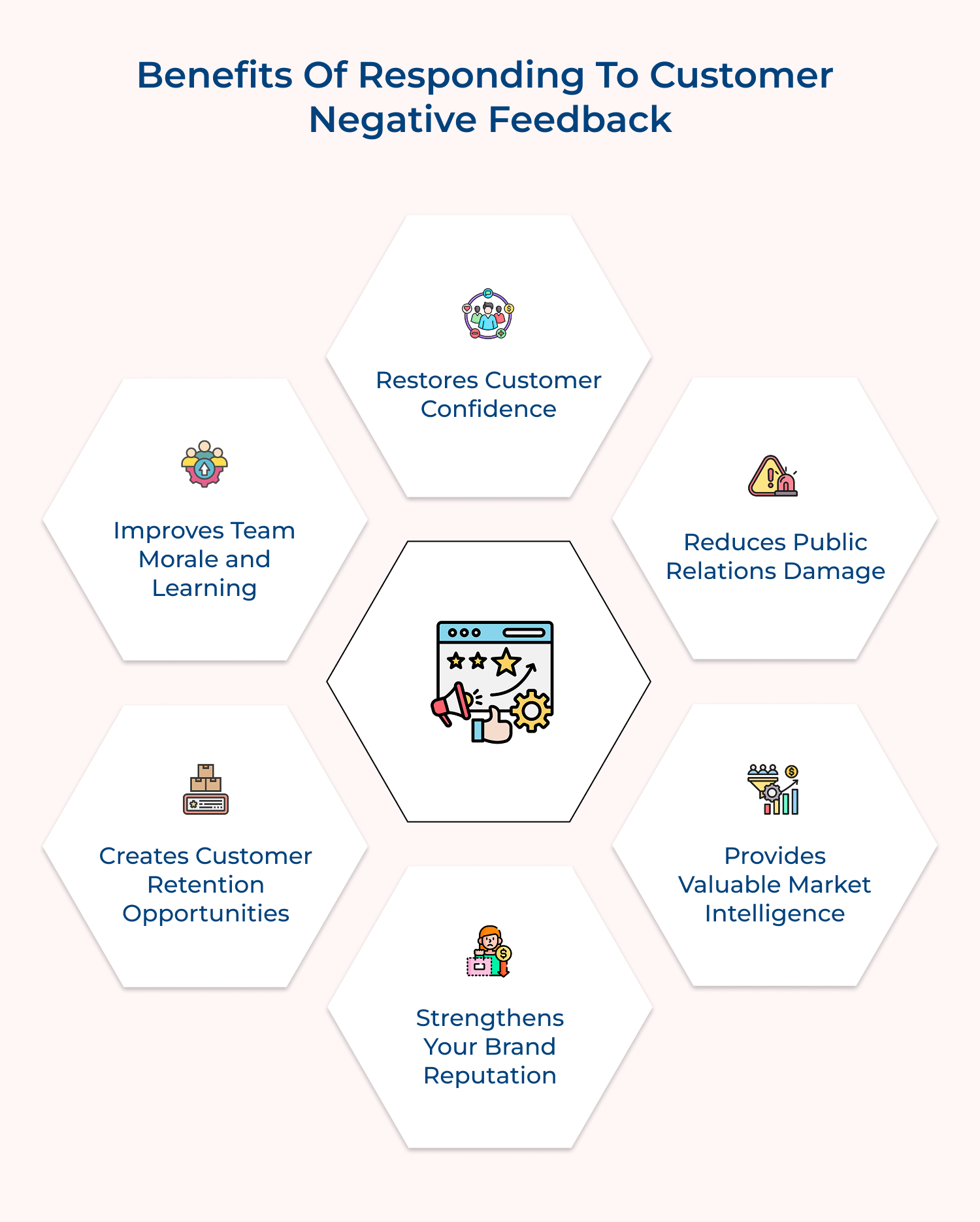
Restores Customer Confidence
Acknowledging someone’s frustration shows you’re listening and care about making things right. A thoughtful response can turn an angry customer into a loyal advocate who appreciates your willingness to fix problems and take ownership of mistakes.
Reduces Public Relations Damage
Unanswered complaints on public platforms create the impression that you ignore customer concerns entirely. Quick and genuine responses demonstrate accountability to both the complainant as well as anyone else reading those reviews or comments online.
Provides Valuable Market Intelligence
Negative feedback reveals gaps between what you think you’re delivering and what customers actually experience. These insights help you understand real-world usage patterns while prioritizing improvements that address genuine pain points rather than assumed ones.
Strengthens Your Brand Reputation
Companies that engage with criticism professionally earn respect for their transparency and commitment to excellence. Potential customers researching your business see that you handle problems maturely and stand behind your products when issues arise.
Creates Customer Retention Opportunities
Research shows that customers whose complaints are resolved satisfactorily often become more loyal than those who never had problems. Effective responses give you a chance to exceed expectations during recovery and demonstrate your true commitment to customer success.
Improves Team Morale and Learning
When customer service teams see that feedback leads to meaningful changes they feel empowered rather than helpless. Sharing negative feedback across departments creates learning moments that help everyone understand customer perspectives and improve their work.
53% of consumers want a fast response to negative reviews. Let’s explore seven best practices to effectively and professionally handle negative feedback, turning pitfalls into positive outcomes.
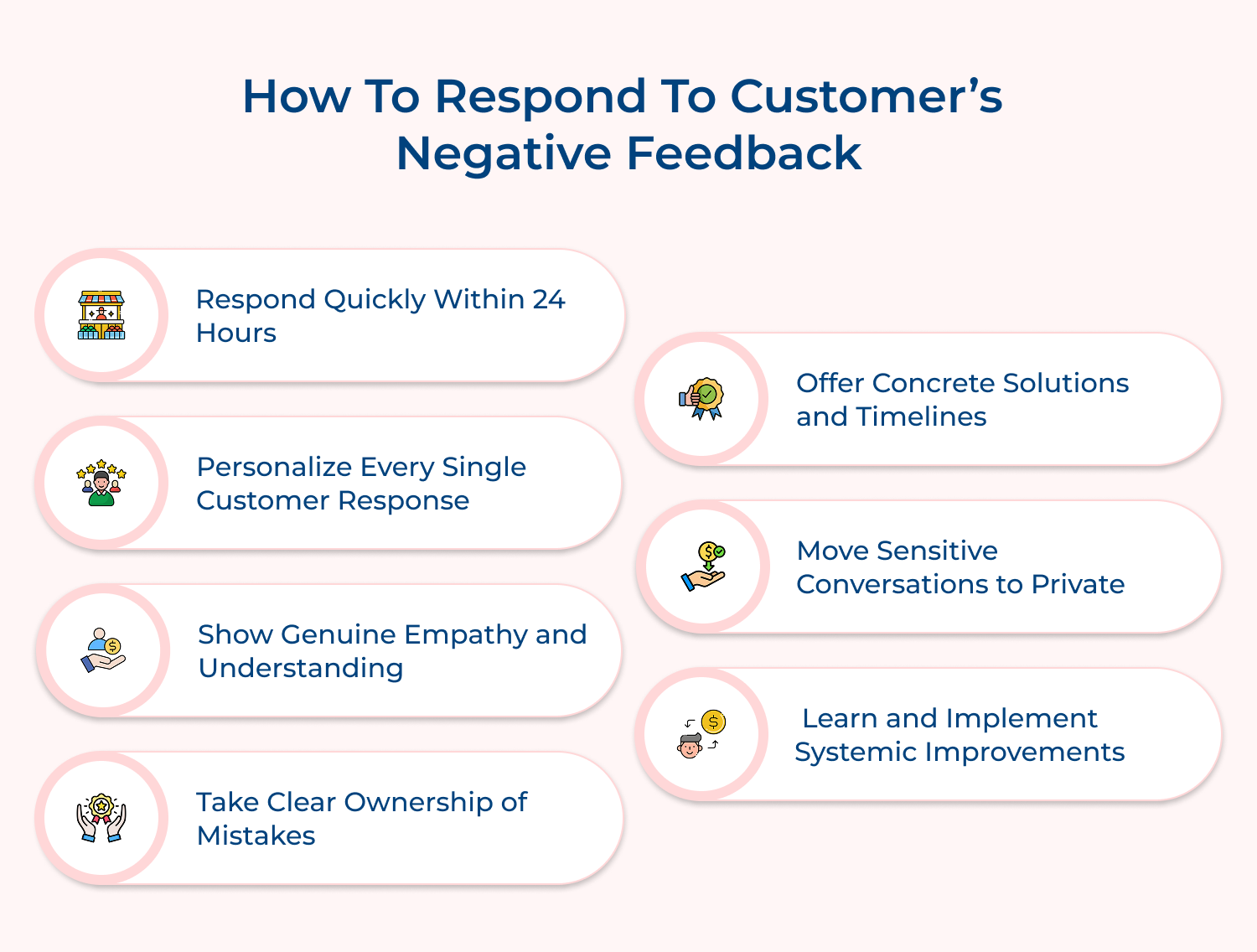
Quick responses show respect for the customer’s time and demonstrate that their dissatisfaction genuinely matters to your business. When people feel heard immediately they’re more likely to remain patient while you work toward a solution. Fast acknowledgment also prevents small issues from escalating into public relations disasters.
Here are key considerations for maintaining quick response times effectively:
Imagine a customer tweets about receiving a damaged product on a Friday afternoon. Your social media manager sees the alert within an hour and responds with an apology as well as next steps. The customer feels valued rather than ignored over the weekend.
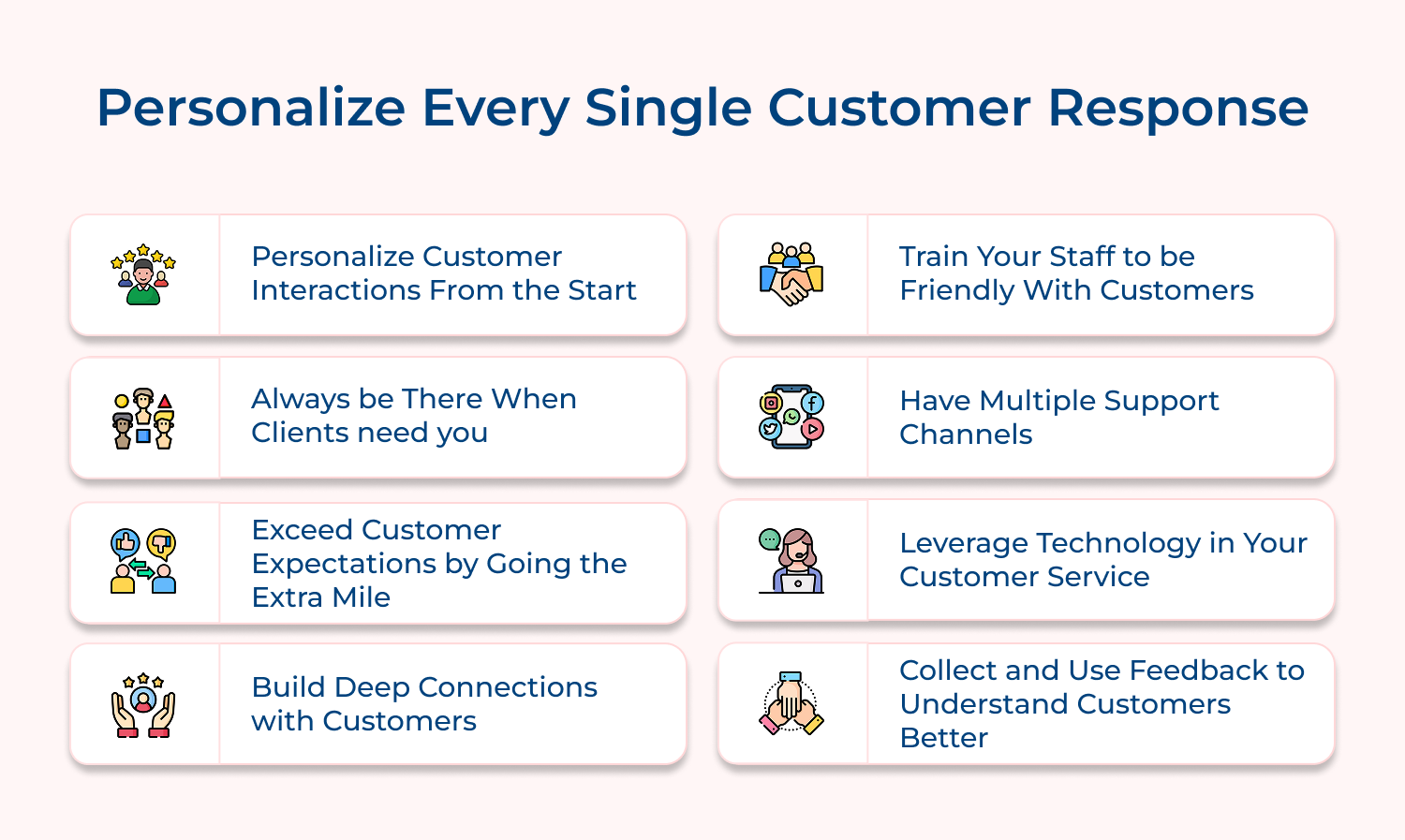
Personalization transforms a corporate interaction into a human conversation that acknowledges the individual behind the complaint. Customers can instantly tell when they’re receiving a template response versus genuine attention. Taking time to personalize shows you actually read their concern and care about their specific situation.
When you address someone by name and reference their particular problem you create connection instead of distance. This approach works because people want to feel seen and understood rather than processed through a system.
Focus on these key areas to personalize your responses effectively:
How do you personalize at scale when handling dozens of complaints daily? Create flexible response frameworks instead of rigid templates. Train your team to fill in specific details while maintaining your brand voice. The key is treating each complaint as unique even when solutions follow similar patterns.
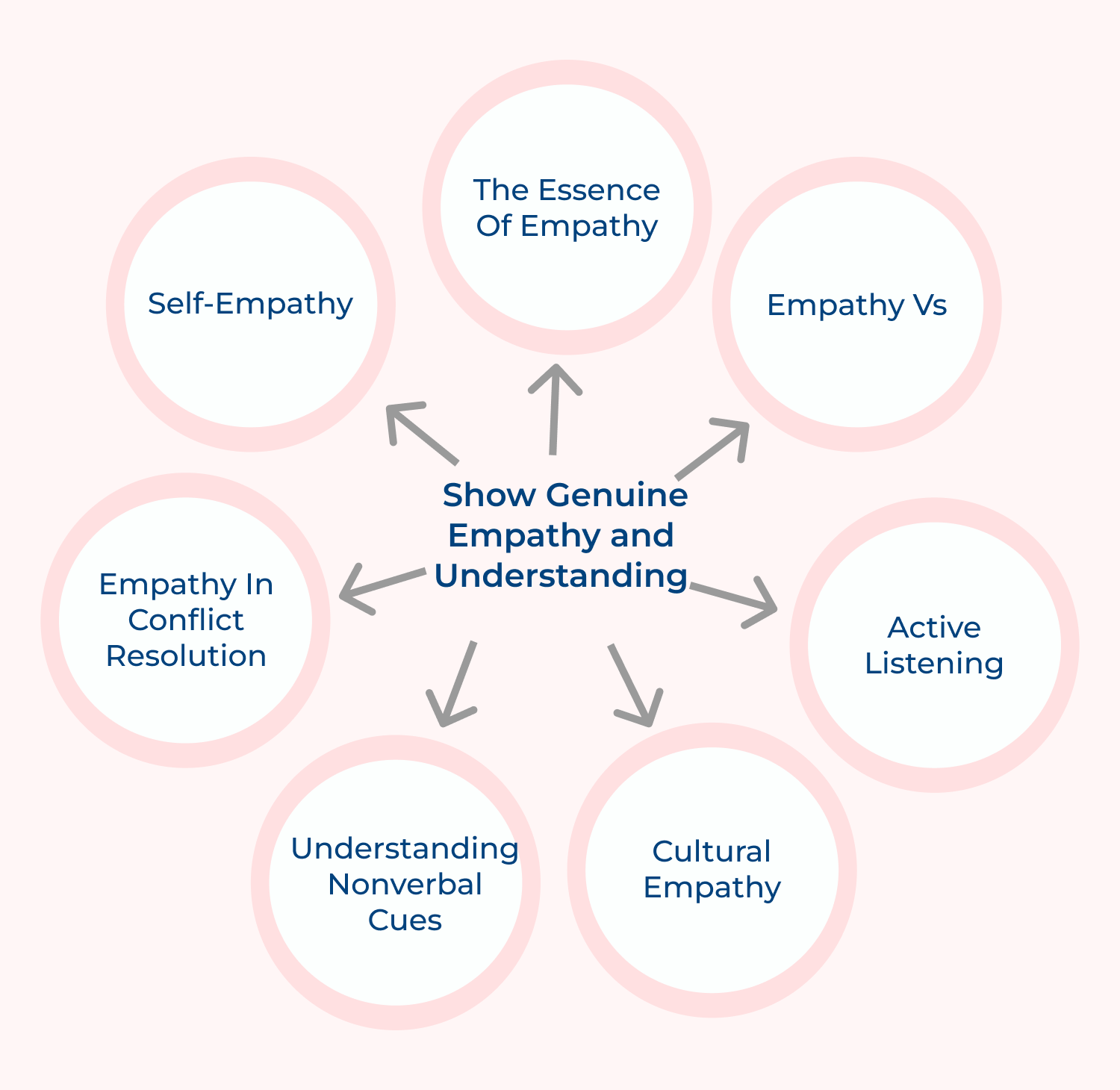
Authentic empathy validates the customer’s emotional experience and creates psychological safety for honest dialogue. When you acknowledge how someone feels you demonstrate emotional intelligence as well as build trust. People remember how you made them feel more than the specific words you used.
Start by putting yourself in their shoes and imagining how you’d feel facing the same problem or disappointment. Use phrases that show understanding like “I can see how frustrating this must be” rather than minimizing their concerns. Let them know their negative comments helps improve the feedback process.
Pro tips:
When companies avoid accountability customers lose trust and often share their negative experiences more widely with others. Defensive responses make situations worse because they signal you care more about protecting your reputation than solving problems. People respect businesses that admit fault and demonstrate commitment to doing better.
Apologize Directly Without Shifting Blame
A genuine apology acknowledges the impact of your mistake on the customer’s experience without qualifiers or conditions. Say “We made a mistake” rather than “Mistakes happen” or “We’re sorry if you were inconvenienced” which sound insincere. Direct apologies rebuild trust faster than explanations.
Explain What Went Wrong Transparently
Customers deserve to understand why their experience fell short so they can decide whether to give you another chance. Share the specific breakdown in your process without overwhelming them with internal details. Transparency shows respect and helps customers feel informed.
Avoid Making Defensive or Dismissive Statements
Defensive language like “That’s not our policy” or “We’ve never had this complaint before” invalidates the customer’s experience completely. These statements prioritize protecting your business over acknowledging their legitimate concern. Focus entirely on their situation instead of defending your track record.
Concrete solutions demonstrate accountability and give customers confidence that their problem will actually be fixed. Vague promises like “we’ll look into it” create frustration because they offer no clear path forward. Specific timelines manage expectations and show you’re taking ownership.
Here’s how to provide clear solutions when handling negative feedback:
A customer complains their software keeps crashing during important presentations. You respond by identifying the bug, promising a patch within 48 hours and offering a free month of service.
How do you handle situations where you can’t provide immediate solutions? Be honest about the timeline and explain what you’re doing meanwhile. Tell them “We need three days to investigate this thoroughly” rather than staying silent.
Handling detailed discussions privately prevents exposing sensitive information like account details or personal circumstances to public view. It also allows more candid conversation where customers feel comfortable sharing additional context. This approach demonstrates care for their dignity and confidentiality.
Consider asking yourself these questions before moving conversations to private channels:
Start with a brief public acknowledgment that shows you’re engaged, then invite them to continue via direct message or email. This two-step approach satisfies both transparency and privacy needs effectively.
Pro tips:
Learning from complaints transforms reactive customer service into proactive business improvement that benefits everyone. When you track recurring issues you can address root causes instead of applying temporary fixes. Sharing insights across teams ensures the entire organization learns from customer pain points.
Track Recurring Complaint Patterns Over Time
Document similar complaints to identify systemic problems rather than treating each issue as an isolated incident. Pattern recognition helps you prioritize which improvements will have the greatest impact on customer satisfaction.
Share Feedback Insights Across Relevant Teams
Distribute customer insights to product development, operations and leadership so everyone understands real-world user experiences. Cross-functional awareness ensures problems get addressed at their source rather than just at the customer service level.
Communicate Changes Made Based on Customer Input
Let customers know when their feedback directly influenced improvements to show their voices genuinely matter. Public acknowledgment of changes reinforces that you’re listening and encourages more constructive feedback in the future.
Learning from examples helps you craft responses that feel authentic and address customer concerns effectively. Here are a few negative feedback situations and how to handle them:
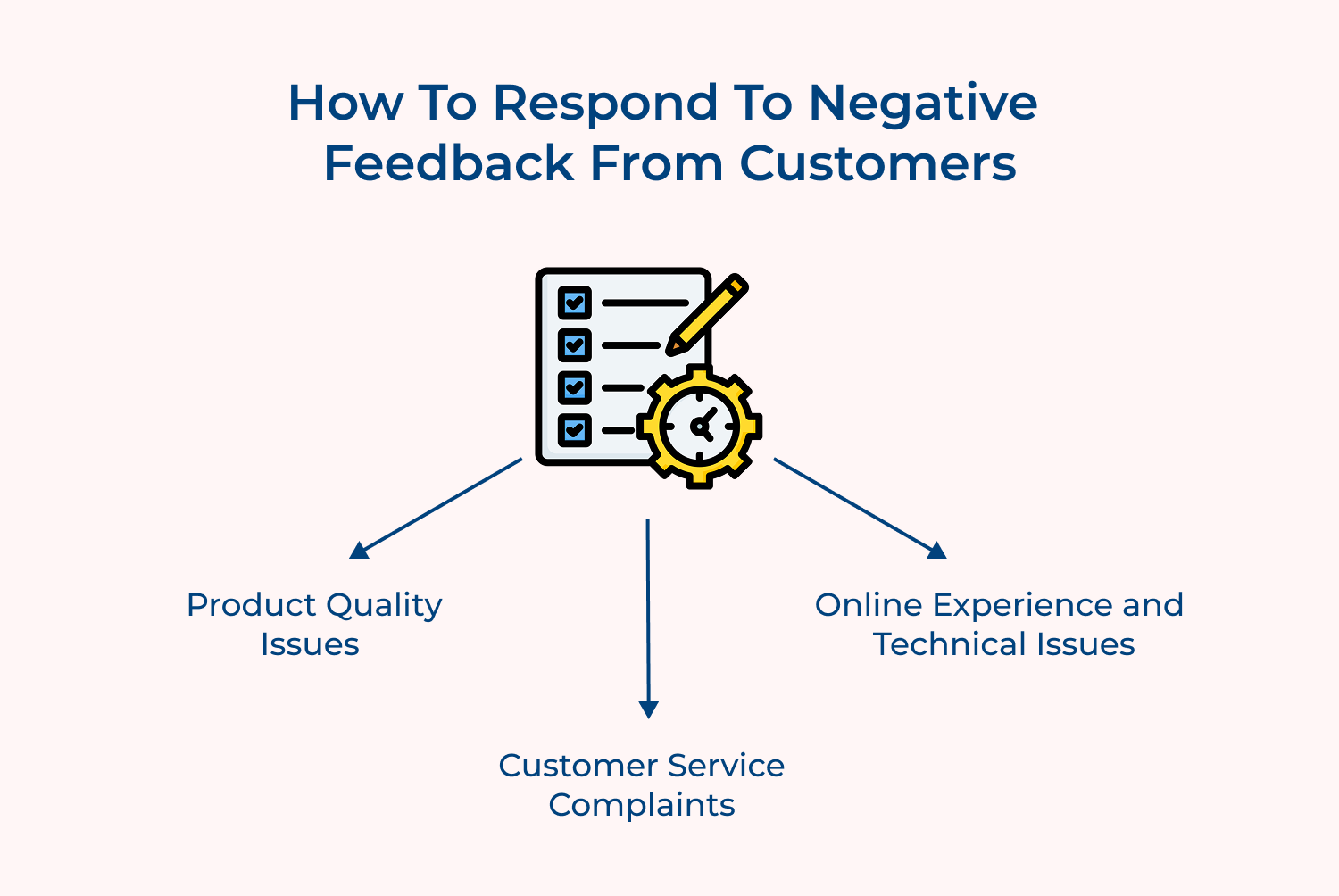
Customers express frustration when products don’t meet expectations or arrive damaged or defective. These complaints require acknowledgment of the problem and immediate resolution offers.
1: “The shoes I ordered fell apart after wearing them just twice.”
A quality issue this severe requires immediate apology and replacement without making the customer jump through hoops. Show empathy for the inconvenience as well as take swift action to restore their trust.
Response: “I’m sorry your shoes didn’t hold up as they should have. I’m sending you a replacement pair today along with a prepaid return label for the defective ones.”
2: “This laptop overheats constantly and crashes during basic tasks.”
Performance problems with expensive items demand urgent technical support and potentially a full refund or exchange option. Acknowledge the severity while prioritizing getting them a working solution quickly.
Response: “That’s completely unacceptable for a new laptop. Let me arrange a replacement immediately or a full refund if you prefer while we investigate what went wrong.”
3: “The furniture looks nothing like the pictures on your website.”
Misrepresentation creates trust issues that require honest acknowledgment and flexible return options without penalties. Address both the immediate problem and the disconnect between marketing as well as reality.
Response: “I understand your disappointment with the color difference. We’ll arrange free pickup and a full refund and I’m flagging this with our team to update the product photos.”
These complaints focus on how staff treated customers or failed to provide adequate support during interactions. Poor service experiences damage relationships and require sincere apologies plus corrective action.
1: “I’ve been on hold for 45 minutes and still haven’t spoken to anyone.”
Excessive wait times show disrespect for customer time and suggest inadequate staffing or poor systems. Acknowledge the frustration while prioritizing their issue immediately.
Response: “I’m very sorry you’ve been waiting so long. Let me help you right now and I’ll also share this feedback with our team to improve our response times.”
2: “Your support agent was rude and hung up on me.”
Unprofessional behavior from staff requires serious acknowledgment and assurance that it will be addressed with the employee. Show that you take workplace conduct seriously.
Response: “That treatment is completely unacceptable and I sincerely apologize. I’m escalating this to management immediately and I’d like to personally help resolve your original issue.”
3: “I’ve emailed three times and nobody has responded to me.”
Ignored communication signals organizational dysfunction and makes customers feel invisible as well as unimportant. Respond immediately and ensure their original concern gets addressed now.
Response: “I’m sorry we missed your emails. That’s not the service you deserve and I’m addressing your concern right now while investigating why our team didn’t respond.”
Customers encounter frustration with website functionality, app crashes, or technical glitches that prevent smooth transactions. These problems require quick technical fixes and assurance that the issue will be resolved.
1: “My order was supposed to arrive five days ago and there’s no tracking update.”
Response: “I apologize for the delay and lack of updates. I’m sending a replacement with expedited shipping today and issuing a full refund for the original order.”
2: “The delivery driver left my expensive package outside in the rain.”
Careless handling shows disregard for customer property and requires acknowledgment plus compensation for any damage. Address both the immediate damage and future delivery preferences.
Response: “I’m sorry your package was left exposed to weather. If there’s any damage please send photos and we’ll replace it immediately and I’ve noted that you require signatures for your future deliveries.”
Negative feedback isn’t your enemy but rather your greatest opportunity to build lasting customer relationships and improve your business operations. Responding thoughtfully shows you value customers and transforms dissatisfied people into loyal advocates.
The key lies in acting quickly with genuine empathy and taking clear ownership of mistakes without making excuses. When you implement solutions and learn from patterns you create a cycle of continuous improvement that benefits everyone who interacts with your brand. Therefore, ensuring the said customer has positive feedback to offer for their next interaction.

What’s the best approach for handling criticism on social platforms?
Respond publicly first to show transparency, then move detailed discussions to private messages to protect customer privacy. Always acknowledge their concern within a few hours and avoid getting defensive or argumentative in public threads.
What should I say when customers leave bad reviews online?
Thank them for their feedback and apologize for their negative experience without making excuses or shifting blame. Address their specific complaint with a concrete solution and invite them to contact you directly to resolve the issue properly.
Can you rebuild customer trust after a negative experience happens?
Absolutely! Take full ownership of the mistake and explain transparently what went wrong without deflecting responsibility to others. Follow through on your promises and check back with them to ensure the solution worked as intended.
What makes a response both fast and genuinely helpful to customers?
Set up monitoring systems that alert you immediately when negative feedback appears across all your communication channels. Respond within 24 hours with personalized acknowledgment and specific action steps rather than generic apologies that feel automated.
How do I stop unhappy customers from canceling their accounts?
Address their concerns proactively by offering concrete solutions and realistic timelines for fixing the problem they experienced. Show genuine empathy and consider offering compensation that matches the severity of their frustration to demonstrate your commitment.
 https://omni24.io/wp-content/uploads/2026/09/Social-commerce-scaled.png
1340
2560
Webvision Solution
https://omni24.io/wp-content/uploads/2023/04/Omni-Logo-1.svg
Webvision Solution2026-10-23 12:18:272026-10-23 12:18:27What is Social Commerce and Why Does It Matter?
https://omni24.io/wp-content/uploads/2026/09/Social-commerce-scaled.png
1340
2560
Webvision Solution
https://omni24.io/wp-content/uploads/2023/04/Omni-Logo-1.svg
Webvision Solution2026-10-23 12:18:272026-10-23 12:18:27What is Social Commerce and Why Does It Matter? https://omni24.io/wp-content/uploads/2026/08/AI-Customer-Service-Agents.png
1256
2400
Webvision Solution
https://omni24.io/wp-content/uploads/2023/04/Omni-Logo-1.svg
Webvision Solution2026-09-21 04:48:512026-09-21 04:48:51How to Build an AI Customer Service Agents: 8 Key Steps
https://omni24.io/wp-content/uploads/2026/08/AI-Customer-Service-Agents.png
1256
2400
Webvision Solution
https://omni24.io/wp-content/uploads/2023/04/Omni-Logo-1.svg
Webvision Solution2026-09-21 04:48:512026-09-21 04:48:51How to Build an AI Customer Service Agents: 8 Key Steps https://omni24.io/wp-content/uploads/2026/08/Omnichannel-Conversational-AI.png
1256
2400
Tushar Joshi
https://omni24.io/wp-content/uploads/2023/04/Omni-Logo-1.svg
Tushar Joshi2026-09-16 03:51:072026-09-16 03:51:07How to Build Omnichannel Conversational AI Strategy
https://omni24.io/wp-content/uploads/2026/08/Omnichannel-Conversational-AI.png
1256
2400
Tushar Joshi
https://omni24.io/wp-content/uploads/2023/04/Omni-Logo-1.svg
Tushar Joshi2026-09-16 03:51:072026-09-16 03:51:07How to Build Omnichannel Conversational AI Strategy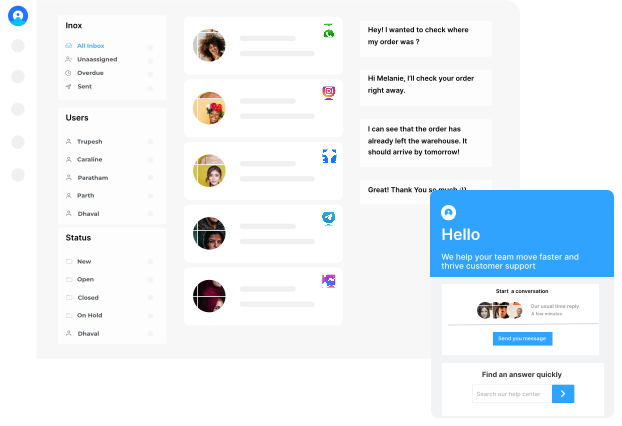
Whether it’s about acquire, engage or support – Omni24 covers all your customer engagement needs in one complete platform.

Copyright ©2026 Veemo All rights reserved.
CA, Los Angeles, Hall Ave, 19011