How to Improve Online Customer Service Effectively in 2026
Actionable strategies for online customer service enhance digital support, improve response times, personalize interactions and build lasting customer relationships effectively.

Actionable strategies for online customer service enhance digital support, improve response times, personalize interactions and build lasting customer relationships effectively.
Customers today expect quick and personalized support – if they don’t get it, they’re likely to move on. In fact, 82% of customers expect a response within 10 minutes and 60% would switch brands depending on the service they expect to receive.
Additionally, a single bad experience can lead to a significant loss in future business, as people share negative interactions widely on social media.
The best part is that you don’t need a massive budget to improve your support. With these eight practical strategies, you can transform frustrated customers into loyal advocates without breaking the bank.
Online customer service is support delivered through digital channels like email, chat, social media and messaging apps. It lets customers get help anytime without phone calls or in-person visits. Businesses use these platforms to answer questions, solve problems and build relationships with their audience in real time or asynchronously.
Traditional support relies on face-to-face interactions or phone calls during specific business hours. Customers wait in queues and speak directly with representatives who handle one person at a time. This approach works well for complex issues but limits accessibility and convenience for people with busy schedules.
Online customer service breaks free from time zones and office hours. Customers reach out when it suits them and often get faster responses through automated systems or live agents handling multiple chats. The digital trail also means conversations are documented, making it easier to track history and follow up on unresolved issues.
Key objectives:
Online customer service transforms how businesses connect with their audience. It creates smoother interactions that keep customers.

1. 24/7 Availability
Customers can reach out for help anytime, without being stuck waiting for business hours. This round-the-clock support ensures quick resolutions, which cuts down on frustration and builds trust in your brand.
2. Faster Response Times
Digital channels like chatbots and live agents handling multiple chats at once. Thus, responses come faster. Customers don’t have to wait long, so they get the help they need quicker, making their experience smoother.
3. Personalized Interactions
Online systems can track customer history and preferences, allowing support reps to offer more personalized help. They can refer to past conversations or purchases, so each interaction feels more relevant and tailored to the individual.
4. Self-Service Resources
Knowledge bases and FAQs give customers the ability to solve simple issues on their own. With instant access to information, they can quickly get answers and feel in control of their support experience.
5. Consistent Service Quality
Digital platforms ensure that every customer gets the same high-quality care, no matter when they reach out or which agent they speak to. Consistency across all interactions keeps things reliable and dependable.
Delivering exceptional online customer service requires strategy and thoughtful execution. These six approaches will help create meaningful connections that better customer interaction.
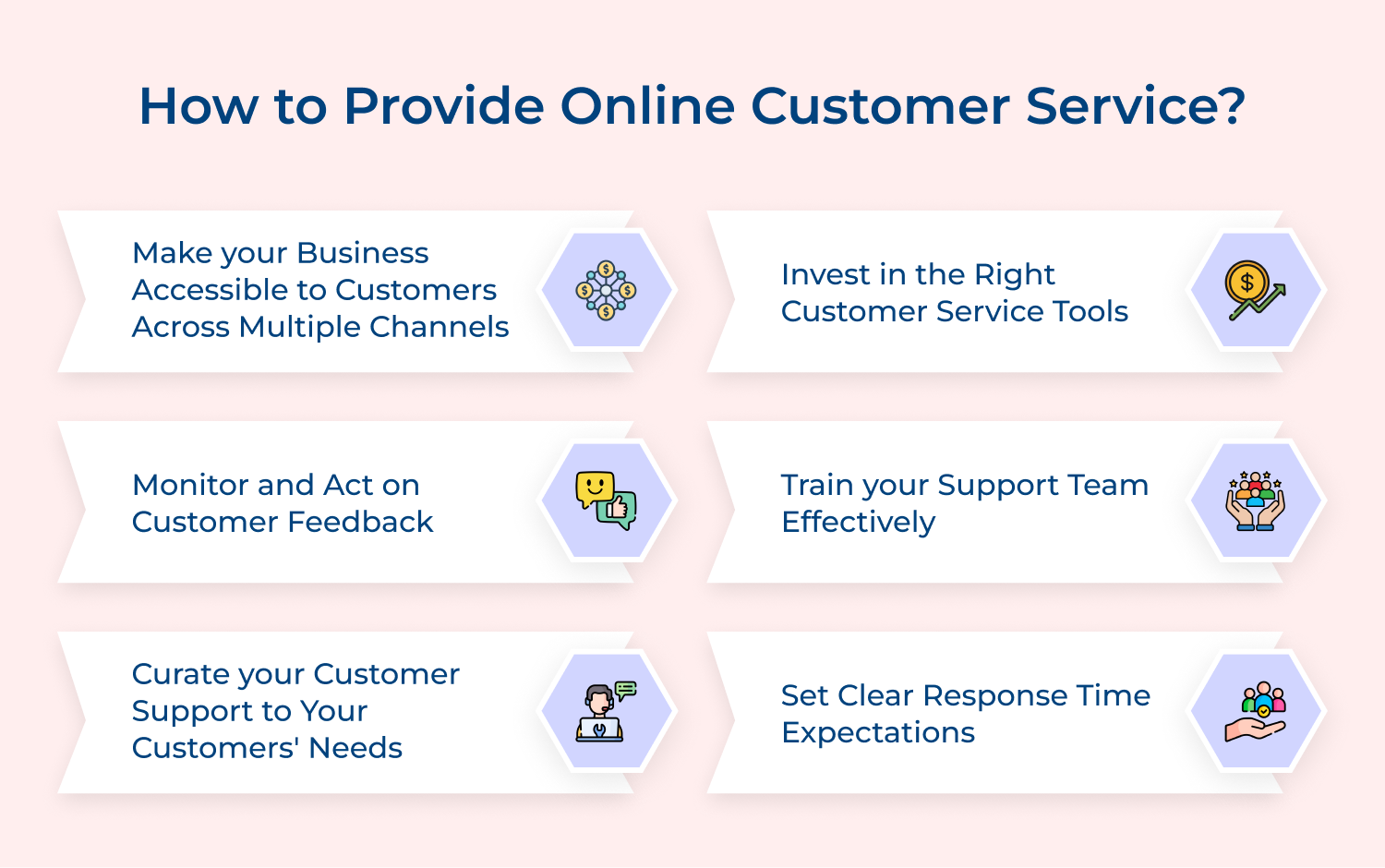
Meet customers where they already spend their time by offering support on various platforms. Email, live chat, social media and messaging apps give people choices that match their communication preferences as well as urgency levels.
When choosing which channels to support, consider these factors:
Integrate these channels into a unified system so customers receive consistent service everywhere. Representatives should access complete conversation history regardless of which platform the customer uses, eliminating the need for people to repeat themselves.
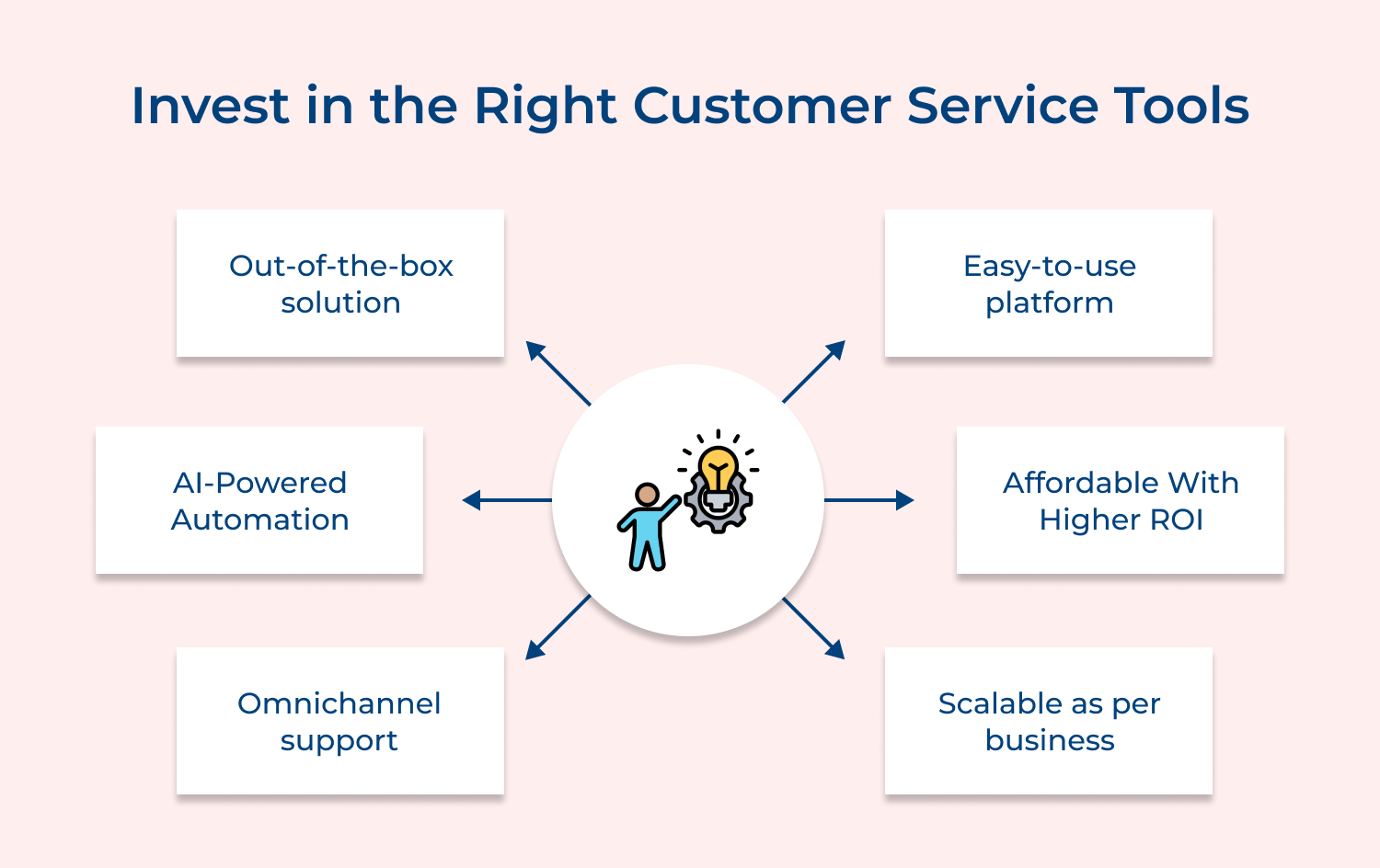
Quality tools streamline your support process and help teams work more efficiently. CRM systems, helpdesk software and chatbots automate repetitive tasks while keeping human agents available for complex issues that require personal attention.
Before selecting your customer service platform, ask yourself:
The right technology empowers your team to respond faster and more accurately. Automated routing sends inquiries to the most qualified agents while knowledge bases reduce workload by helping customers solve simple problems independently.
Listening to customer opinions reveals what’s working and what needs improvement in your service. Surveys, reviews and direct comments provide insights that help you refine processes while addressing pain points before they become bigger problems.
Create multiple feedback collection points throughout the customer journey:
Transform feedback into action by analyzing patterns and implementing changes based on what you learn. Share insights with your team so everyone understands customer expectations, then track whether your improvements actually enhance the experience over time.
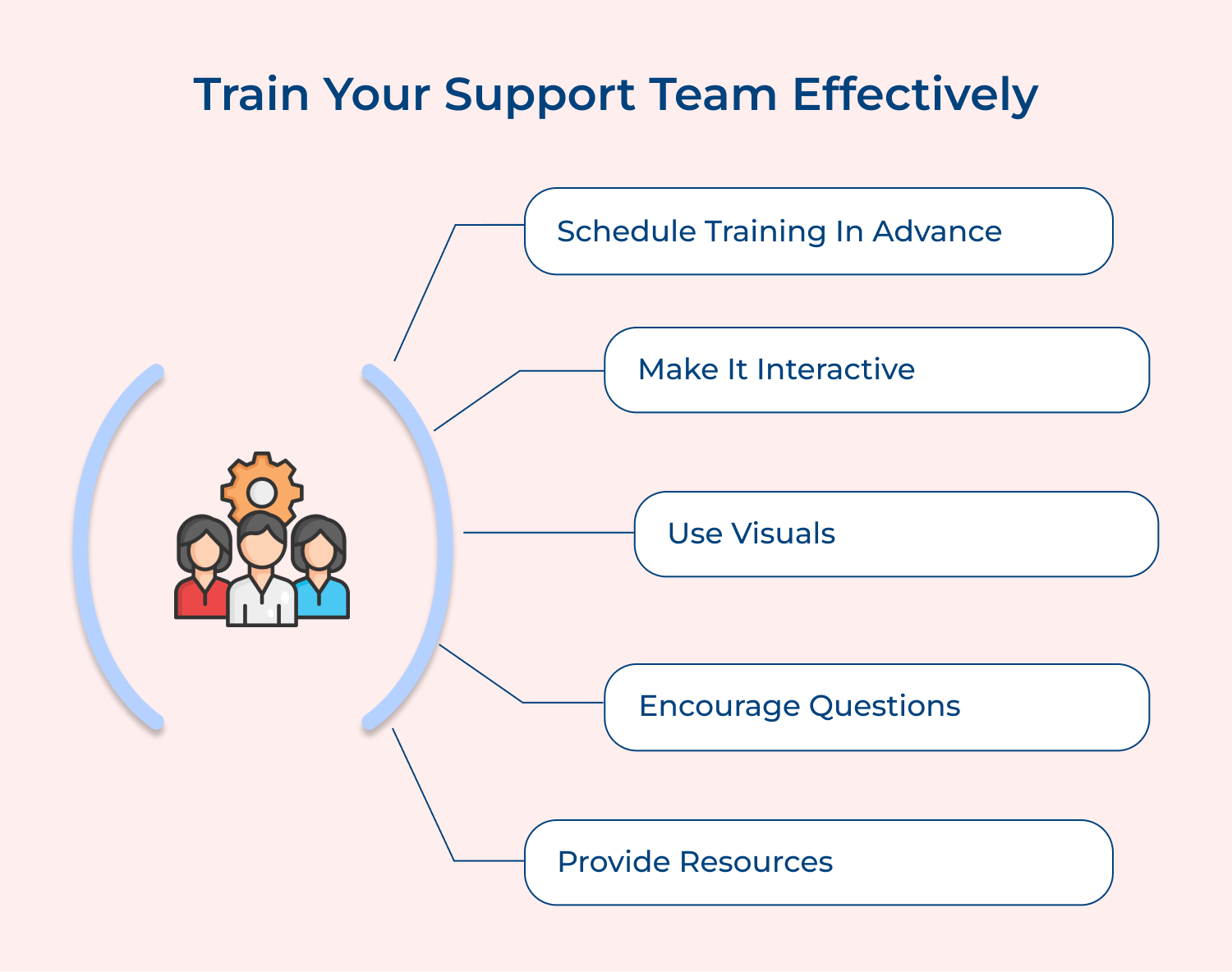
Well-trained agents provide top-notch service because they know the products, policies and the best ways to handle different situations. Continuous training ensures that teams stay sharp and ready to tackle any customer need with confidence as well as professionalism.
Give your team easy access to resources they can refer to during live chats for fast, accurate answers. Role-playing and shadowing more experienced agents also help new team members ramp up quicker, while building the empathy they need to deliver exceptional service.
Personalization makes customers feel valued rather than treated like ticket numbers in a queue. Use data and insights to understand individual preferences, then tailor your approach to match what each person actually needs from your support team.
Key elements of personalized support include:
Segment your customer base to identify common patterns and create targeted support strategies for different groups. New customers might need more guidance while long-time users prefer quick expert-level solutions, so adapt your approach accordingly.

Being transparent about when customers can expect a response helps reduce anxiety and builds trust. By setting clear, realistic timelines from the start, customers know what to expect – and when you consistently meet or exceed those expectations, it strengthens your reliability.
Automation is a great tool to immediately acknowledge inquiries and provide status updates for longer resolutions. And if there are delays, it’s important to proactively reach out to customers, keeping them in the loop instead of leaving them hanging. This shows that you respect their time, even if issues take a bit longer to resolve.
Let’s explore eight effective strategies that can help you boost your online customer service and create a seamless experience for your customers.

Let’s start with something simple but powerful: giving customers the ability to help themselves.
Most customers don’t actually want to talk to support. They just want a quick answer. If they can reset a password, fix a small issue or find setup instructions on their own, that’s a win for everyone.
For example, if 40% of your tickets are about password resets or basic setup, that’s your starting point. One software company did exactly this. They created simple video tutorials and a searchable knowledge base. Result? Support tickets dropped by 50% and satisfaction scores actually went up.
Here’s how to implement self-service effectively:
1. Build a clear, searchable knowledge base
Create step-by-step guides for common issues. Organize them by category. Add search functionality so customers don’t have to dig through irrelevant content.
2. Create interactive FAQs
Use expandable answers. Suggest related articles. Make it easy to navigate. The goal is speed and clarity.
3. Develop short video tutorials
Screen recordings work especially well for technical tasks. Sometimes seeing the process is much easier than reading about it.
One important tip:
Before building anything, understand your customers’ technical comfort level. Keep things simple. Expand only after you see what people are actually searching for. Self-service isn’t about avoiding customers. It’s about respecting their time.
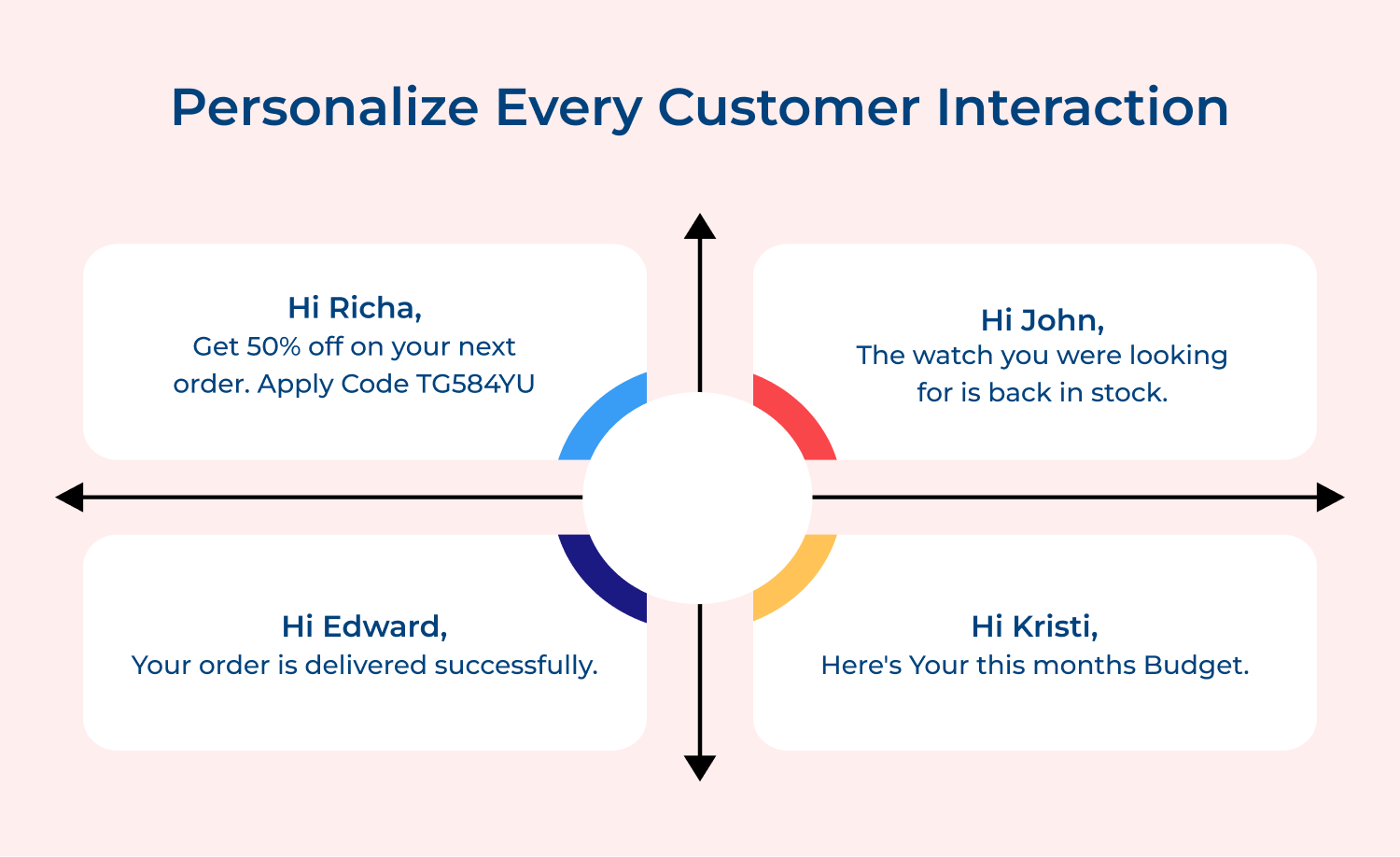
Personalization is what turns support from “just another ticket” into a real conversation. Customers don’t want to feel processed. They want to feel remembered. When agents have access to history, preferences and past conversations, they can skip repetitive questions while moving straight to solving the issue. That alone improves the experience.
Here’s how to personalize effectively:
The biggest challenge? Using data without being intrusive. Be transparent about what you collect and use it only to improve service, not push aggressive sales.
When personalization feels helpful rather than forced, it builds trust. And trust is what keeps customers loyal.
Customers move between channels all the time. They might start with live chat, switch to email and later send a social media message. They expect you to keep up.
That’s where omnichannel support matters. It connects every platform into one unified system so customers don’t have to repeat their issue again and again.
Here’s how to make it work:
When systems aren’t connected, customers get frustrated. When everything flows smoothly, support feels effortless.
Omnichannel support isn’t just about being present everywhere. It’s about creating one consistent, connected experience across every touchpoint.
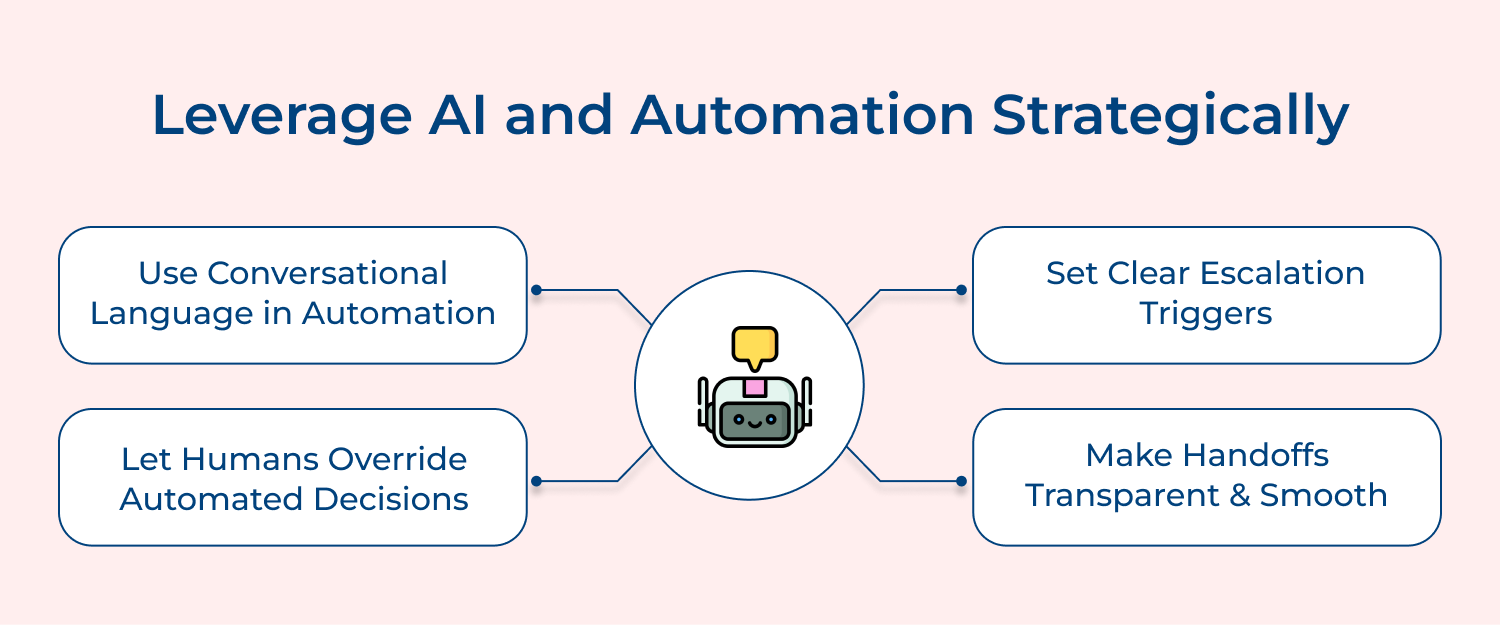
AI and automation can dramatically improve speed. but only if used thoughtfully.
The goal isn’t to replace humans. It’s to handle repetitive tasks instantly so agents can focus on complex, emotional, or high-value conversations.
Used well, automation improves response time, consistency and scalability without hurting customer experience (CX).
Here’s how to strike the right balance:
Automation feels cold only when it blocks access to real help. When it speeds things up and supports agents, it feels efficient as well as thoughtful.
Exceptional service happens when agents don’t feel restricted by layers of approval. If every small request needs manager sign-off, resolution slows down and customers feel the delay.
When you give agents the authority to make reasonable decisions, they solve problems faster and with more confidence. That flexibility often turns a negative experience into a memorable one.
Empowerment also builds ownership. When agents understand company values and clear boundaries, they use judgment instead of scripts. They focus on solving the customer’s problem, not just closing a ticket.
Pro tips:
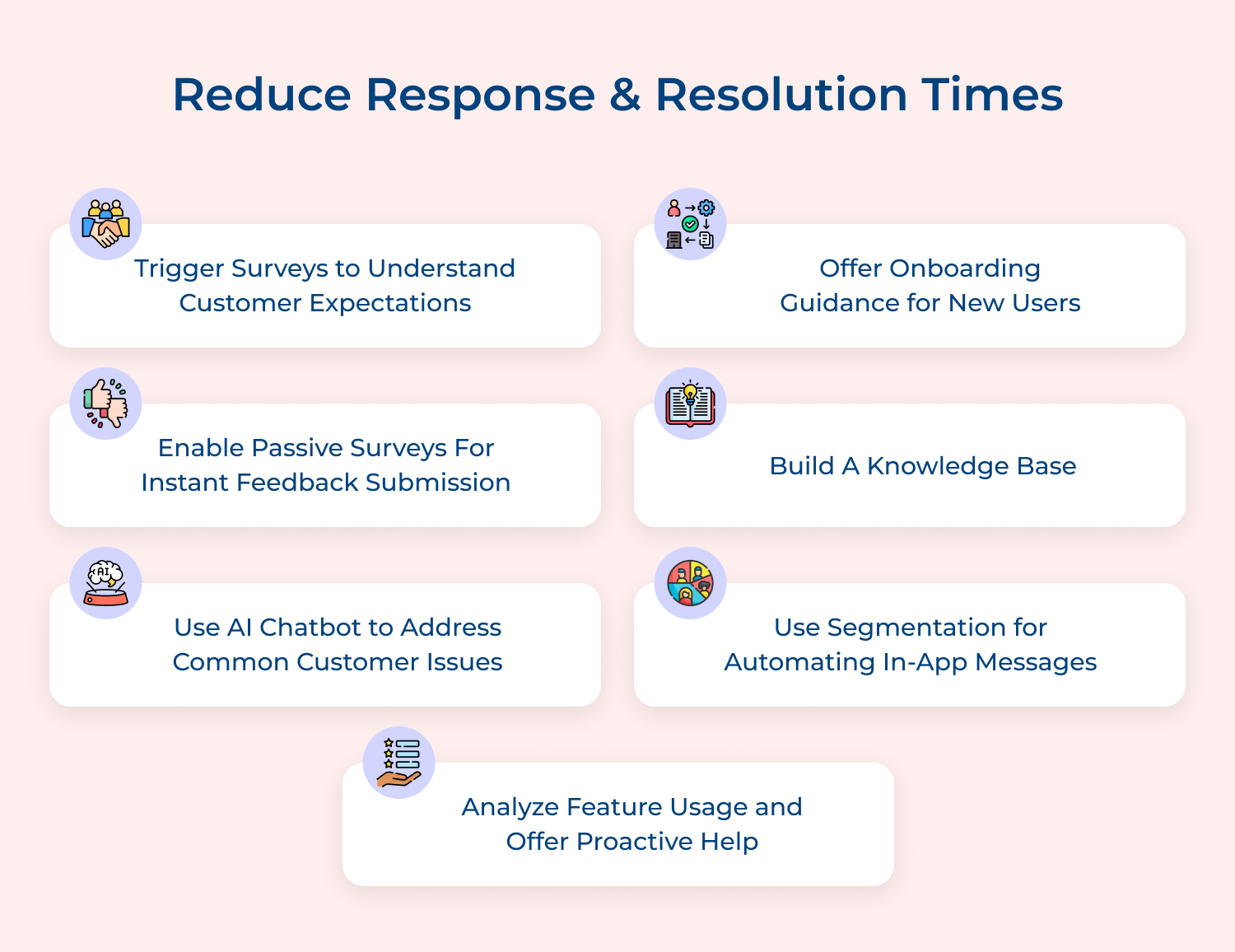
Fast responses show customers you value their time and take their concerns seriously. Quick resolution prevents small issues from escalating while keeping satisfaction high and reducing frustration that comes from waiting.
Setting clear response time benchmarks establishes expectations for both your team and customers about how quickly they’ll hear back. These standards create accountability and help measure whether your support operations meet the speed customers expect.
Here’s how to establish effective benchmarks for your team:
Using canned responses for efficiency helps agents meet those targets consistently. Pre-written templates for common questions let teams reply instantly without typing the same answers repeatedly.
As a final recommendation, monitor and optimize agent workflows to identify where time gets wasted. Review how tickets move through your system and eliminate unnecessary steps slowing resolution.
Even the best tools won’t help if your team isn’t confident using them. Ongoing training keeps agents sharp, informed and ready to handle evolving customer expectations. It’s not just about product knowledge – it’s about communication, empathy and problem-solving.
Support teams perform better when learning is continuous, not limited to onboarding. Products change. Policies update. Customer behavior shifts. Regular training ensures your team stays aligned and capable of delivering consistent quality.
Focus on training in these areas:
Also, create an environment where agents feel supported, not judged. Encourage questions. Use real interactions as learning examples.
When your team feels prepared and backed by the organization, their confidence shows in every customer interaction.
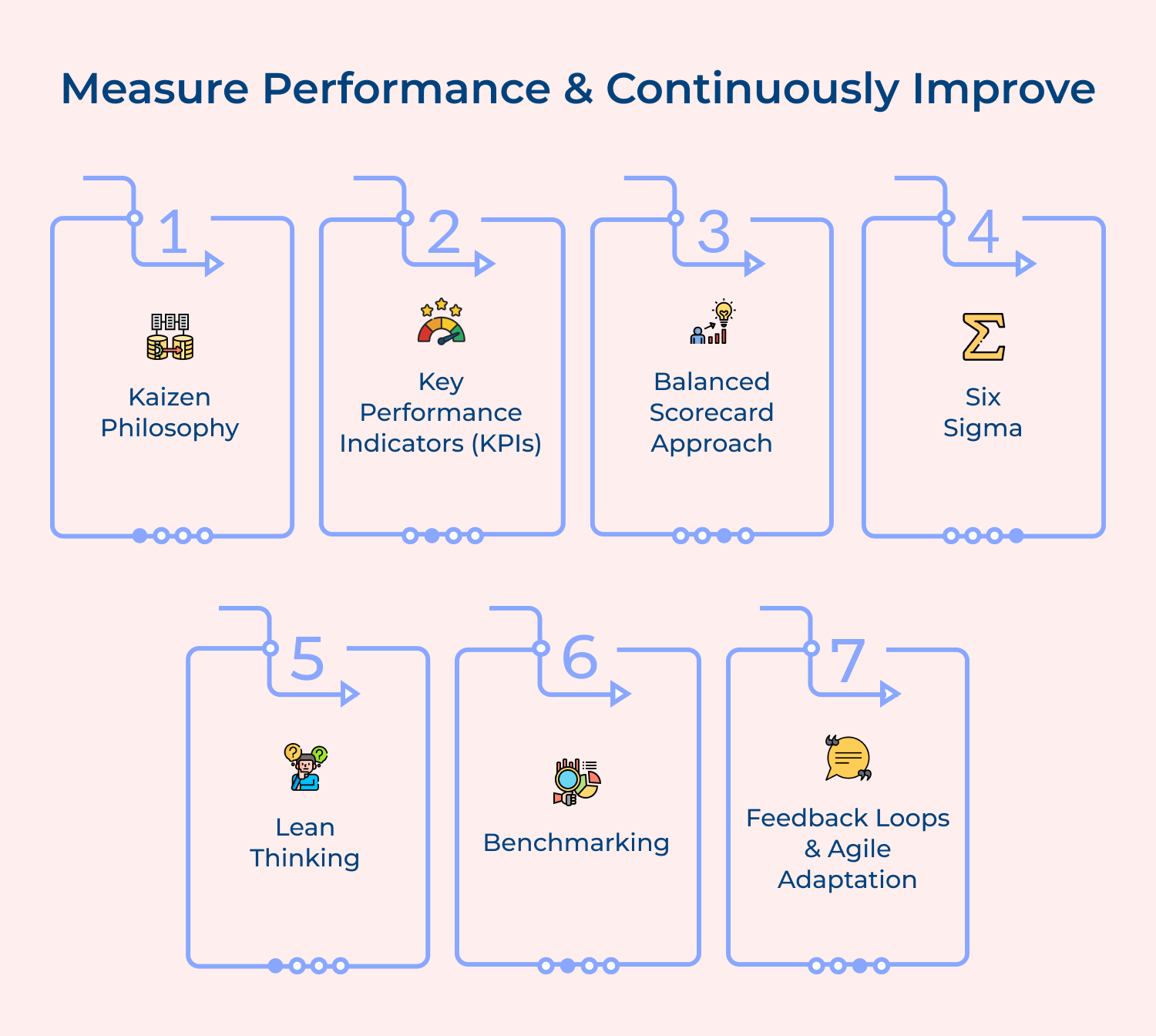
You can’t improve what you don’t measure. Tracking performance helps you understand what’s working, where customers struggle and what needs attention. Instead of guessing, you make decisions backed by data.
Start with the metrics that truly reflect customer experience. Numbers alone don’t tell the full story, but they reveal patterns and trends you shouldn’t ignore.
Focus on these areas:
For example, one e-commerce company noticed repeated complaints about unclear return policies. After simplifying the language and adding visual guides, complaints dropped significantly while satisfaction improved.
Customer expectations keep rising. Continuous improvement isn’t a one-time fix, it’s an ongoing habit.
Beyond core strategies, these practical habits elevate your support quality and strengthen customer relationships. Small consistent actions make significant differences.
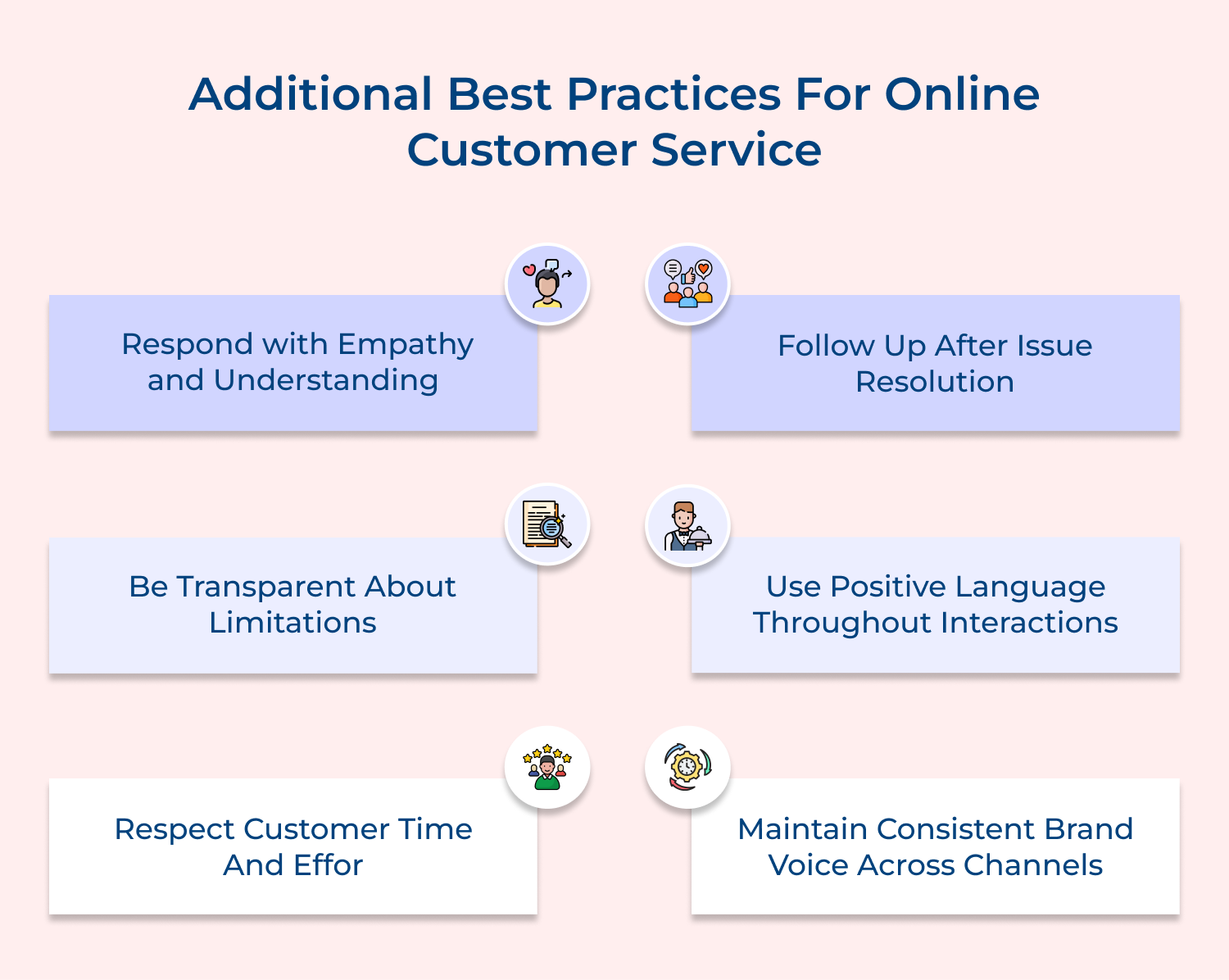
1. Respond with Empathy and Understanding
Acknowledge customer frustrations genuinely before jumping into solutions. Show you understand their situation emotionally, which calms tension and builds rapport quickly.
2. Follow Up After Issue Resolution
Check back with customers days after solving problems to ensure everything still works properly. This extra touch shows care beyond closing tickets.
3. Be Transparent About Limitations
Admit honestly when you can’t solve something immediately or lack certain capabilities. Customers appreciate honesty more than vague promises that disappoint later.
4. Use Positive Language Throughout Interactions
Frame responses around what you can do rather than what you cannot offer. Positive phrasing keeps conversations constructive and solutions-focused always.
5. Respect Customer Time and Effort
Minimize steps required to reach solutions and avoid transferring people unnecessarily between departments. Make the path to resolution as frictionless as possible.
6. Maintain Consistent Brand Voice Across Channels
Ensure your tone and personality remain recognizable whether customers contact you via email or social media. Consistency builds familiarity and trust over time.
The right tools transform how your team delivers support and manages customer interactions. These five categories cover essential technology that modern support operations need to succeed.
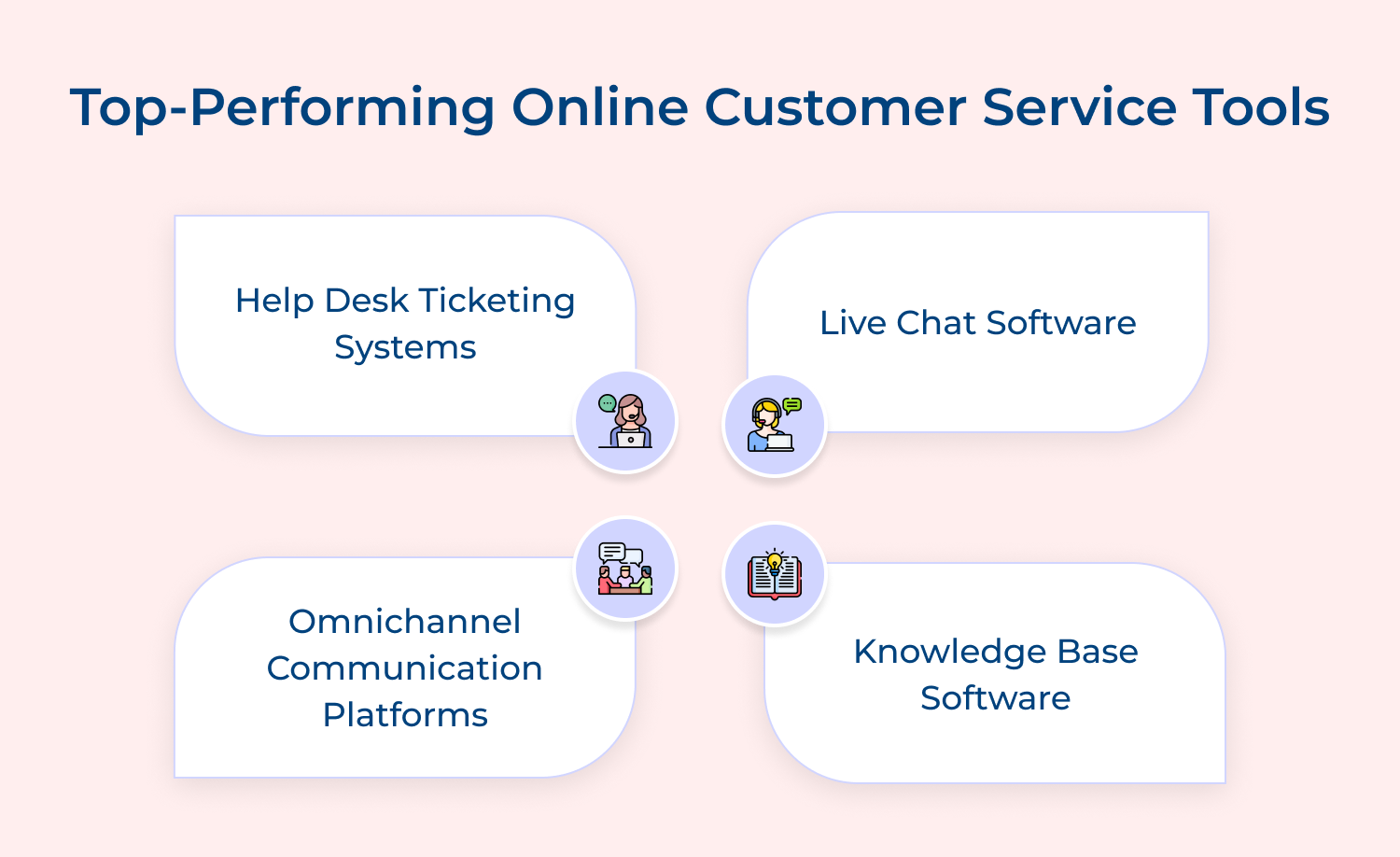
A ticketing system keeps everything structured. Every customer request becomes a trackable ticket, moving from submission to resolution without getting lost. Managers can see workloads, assign issues to the right agents and monitor progress in real time. It brings clarity and accountability to your entire support queue.
Live chat allows you to meet customers exactly where they are, on your website. It enables real-time conversations that answer questions instantly, often preventing cart abandonment. Plus, chat transcripts are saved, giving agents helpful context for future interactions.
These platforms unify all your support channels into one system so agents see complete customer history regardless of contact method. Email, chat, social media and phone conversations sync together, eliminating silos all while preventing customers from repeating themselves across channels.
Knowledge base tools help you build searchable libraries of articles, guides and FAQs customers access independently. Self-service resources reduce ticket volume while empowering people to find answers instantly without waiting for agent availability or business hours.
Leading brands set the standard for exceptional support through innovative approaches. These examples show how great service becomes a competitive advantage that drives loyalty.
Amazon
Amazon offers 24/7 support across multiple channels including chat, phone and email with quick response times. Their one-click return process and proactive order tracking updates keep customers informed without requiring them to reach out for status checks.
Amazon’s customer-first approach has built unmatched trust that keeps people returning despite countless competitors. This loyalty translates into higher lifetime value as satisfied customers choose Amazon first as well as recommend the platform to friends and family.
Nike
Nike provides personalized support through their app where customers get product recommendations based on activity and preferences. Their experts offer sizing advice, workout tips and troubleshooting help while social media teams respond quickly to questions as well as concerns.
Nike’s tailored approach strengthens emotional connections between customers and the brand beyond just selling products. People feel supported in their fitness journeys, which increases repeat purchases and transforms casual buyers into devoted brand advocates.
Apple
Apple combines in-store Genius Bar appointments with online chat and phone support for seamless technical assistance. Their representatives troubleshoot issues patiently, offer free workshops and replace defective products quickly to maintain the premium experience customers expect.
Apple’s comprehensive support reinforces the premium positioning that justifies higher prices than competitors charge. Customers feel confident investing in expensive products knowing expert help is readily available whenever they encounter problems.
Chewy
Chewy remembers pet names and details from previous orders to personalize every interaction with genuine care. Their team sends handwritten sympathy cards when pets pass away and proactively resolves shipping issues before customers even notice problems.
Chewy’s emotional connection towards pet owners creates fierce loyalty in a crowded market filled with alternatives. Customers stick with Chewy despite comparable prices elsewhere because the relationship feels personal rather than transactional.
Delivering exceptional online customer service requires the right blend of technology, strategy and genuine human connection. These approaches transform interactions from transactional exchanges into meaningful relationships that keep customers loyal.
Start implementing these strategies today to see immediate improvements in satisfaction and efficiency. Your customers deserve support that respects their time, understands their needs and consistently exceeds their expectations at every touchpoint.

What role does technology play in modern online customer service?
Technology enables instant responses, organizes customer data and automates repetitive tasks so agents focus on complex issues. Tools like chatbots, CRM systems and helpdesk software streamline workflows while improving speed as well as consistency across all interactions.
How does quality online customer service impact overall customer satisfaction?
Quality service directly determines whether customers feel valued and heard when they need help with problems. Quick resolutions, personalized attention and easy access to support create positive experiences that increase satisfaction scores while encouraging continued business.
How does online customer service impact brand loyalty?
Exceptional support builds emotional connections that keep customers returning even when competitors offer similar products or lower prices. People stay loyal to brands that consistently solve problems efficiently and make them feel appreciated beyond just transactions.
What are the most effective channels for online customer service?
Live chat, email and social media work best because they meet customers where they already spend time online. The most effective approach combines multiple channels into one seamless experience rather than relying on any single platform.
What role does AI play in improving online customer service?
AI handles routine questions instantly through chatbots while analyzing sentiment to route complex issues to human agents appropriately. Machine learning also identifies patterns in customer behavior, helping teams anticipate needs and personalize support more effectively.
 https://omni24.io/wp-content/uploads/2026/07/Web-Self-Service.png
1257
2400
Webvision Solution
https://omni24.io/wp-content/uploads/2023/04/Omni-Logo-1.svg
Webvision Solution2026-07-23 05:39:582026-07-23 05:39:58Web Self Service: What it is, Features and its Benefits
https://omni24.io/wp-content/uploads/2026/07/Web-Self-Service.png
1257
2400
Webvision Solution
https://omni24.io/wp-content/uploads/2023/04/Omni-Logo-1.svg
Webvision Solution2026-07-23 05:39:582026-07-23 05:39:58Web Self Service: What it is, Features and its Benefits https://omni24.io/wp-content/uploads/2026/07/Knowledge-Base-SEO-1.png
1396
2400
Webvision Solution
https://omni24.io/wp-content/uploads/2023/04/Omni-Logo-1.svg
Webvision Solution2026-07-22 09:44:572026-07-23 06:16:41What is Knowledge Base SEO & How to Create it?
https://omni24.io/wp-content/uploads/2026/07/Knowledge-Base-SEO-1.png
1396
2400
Webvision Solution
https://omni24.io/wp-content/uploads/2023/04/Omni-Logo-1.svg
Webvision Solution2026-07-22 09:44:572026-07-23 06:16:41What is Knowledge Base SEO & How to Create it? https://omni24.io/wp-content/uploads/2026/07/customer-experience-benefits.png
1257
2400
Tushar Joshi
https://omni24.io/wp-content/uploads/2023/04/Omni-Logo-1.svg
Tushar Joshi2026-07-20 06:28:322026-07-20 06:28:32What are the Benefits of Customer Experience for Business?
https://omni24.io/wp-content/uploads/2026/07/customer-experience-benefits.png
1257
2400
Tushar Joshi
https://omni24.io/wp-content/uploads/2023/04/Omni-Logo-1.svg
Tushar Joshi2026-07-20 06:28:322026-07-20 06:28:32What are the Benefits of Customer Experience for Business?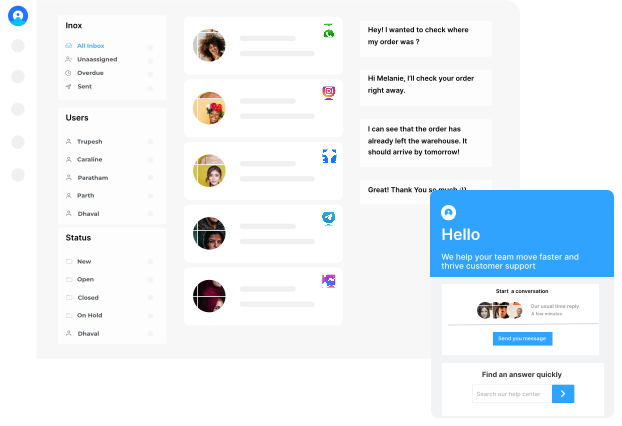
Whether it’s about acquire, engage or support – Omni24 covers all your customer engagement needs in one complete platform.

Copyright ©2026 Veemo All rights reserved.
CA, Los Angeles, Hall Ave, 19011