Using AI in Ecommerce: How It’s Transforming Online Shopping
AI in Ecommerce drives growth by personalizing experiences, optimizing operations and enabling smarter business decisions for online retailers.

AI in Ecommerce drives growth by personalizing experiences, optimizing operations and enabling smarter business decisions for online retailers.
Online retailers often find it hard to keep up with big players like Amazon. They deal with too much customer data, clunky operations and shopping experiences that don’t excite today’s buyers. Businesses using AI personalization see average revenue increases of 10-30% compared to traditional approaches.
Without AI, they risk losing customers to competitors who offer smarter suggestions, faster support and smoother checkouts. AI can be a game-changer. It helps online stores automate tasks, personalize each shopper’s journey and make better business decisions.
From product recommendations to customer service, AI makes everything faster and more efficient. This results in happier customers, higher sales and a stronger business that’s ready to grow in a competitive market.
AI in e-commerce refers to artificial intelligence technologies that analyze customer data and automate business processes to create personalized shopping experiences. These systems learn from user behavior patterns and purchasing history to predict what customers want before they even know it themselves.
AI systems collect massive amounts of customer data including browsing patterns and purchase history. Machine learning algorithms then process this information to identify trends and make predictions. The system automatically adjusts product recommendations and pricing strategies based on these insights.
The beauty of AI in e-commerce lies in its ability to make shopping feel effortless while helping businesses operate more efficiently. Instead of customers searching through thousands of products, AI brings the right items directly to them. This creates a win-win situation where shoppers save time and businesses increase sales through better customer satisfaction.
Key Principles:
Companies report 25-40% decrease in customer service costs after implementing AI chatbots and automation. Let’s explore the concrete advantages that make this technology essential:
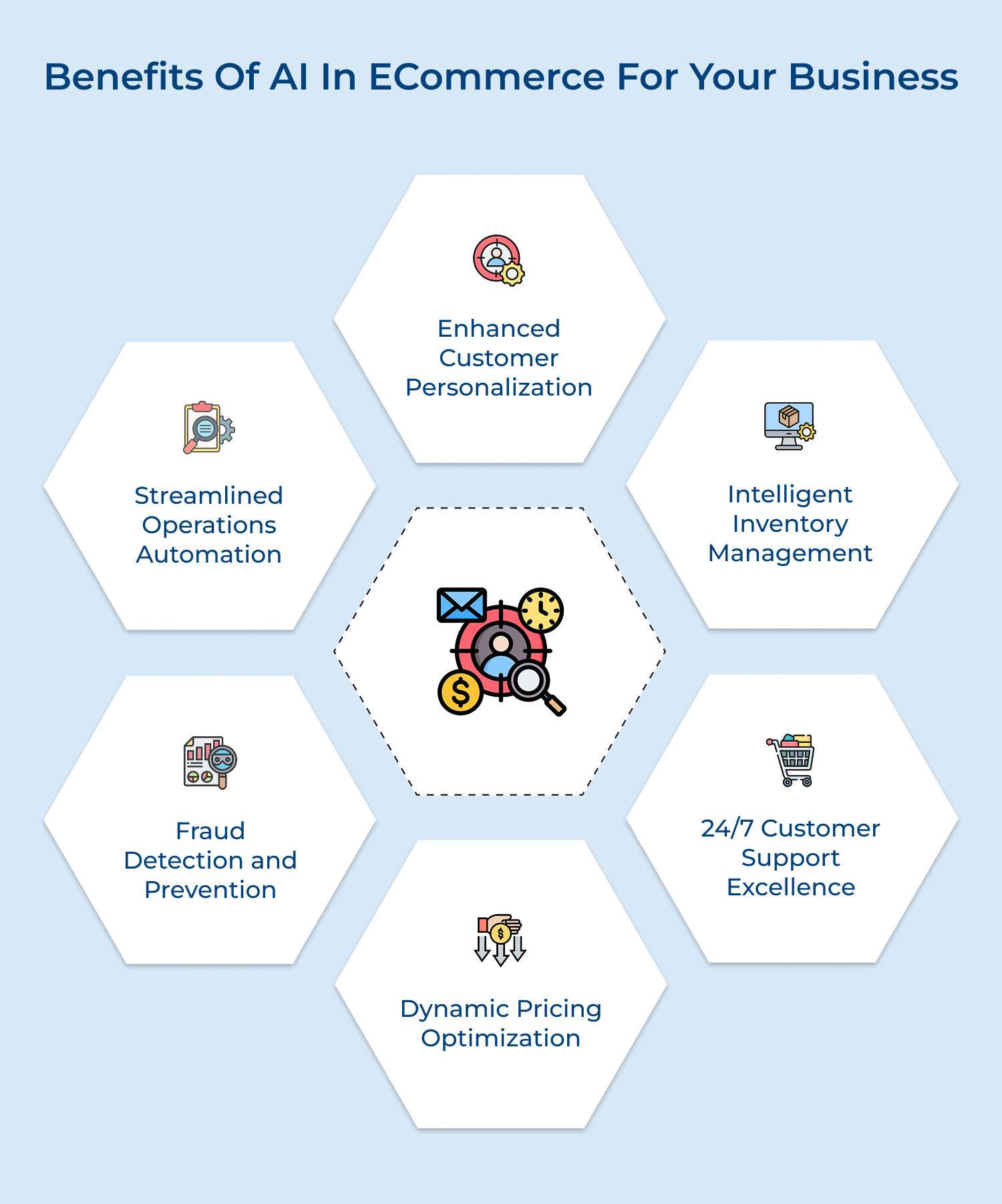
Enhanced Customer Personalization
AI analyzes individual shopping patterns to create unique product recommendations for each visitor. This targeted approach makes customers feel understood and significantly increases their likelihood of making purchases.
Intelligent Inventory Management
Machine learning algorithms predict demand fluctuations and optimize stock levels automatically. Your business avoids costly overstock situations while ensuring popular items remain available when customers want them.
24/7 Customer Support Excellence
AI chatbots handle routine inquiries instantly while escalating complex issues to human agents. Customers receive immediate assistance regardless of time zones, improving satisfaction while reducing your support team’s workload.
Dynamic Pricing Optimization
AI systems monitor competitor prices and market conditions to adjust your pricing in real-time. This strategy maximizes profit margins while keeping your products competitively positioned in the marketplace.
Fraud Detection and Prevention
Advanced algorithms identify suspicious transaction patterns and potential security threats before they impact your business. The proactive protection saves money as well as maintains customer trust in your platform.
Streamlined Operations Automation
AI handles repetitive tasks like order processing and email marketing campaigns without human intervention. Your team focuses on strategic growth activities while routine operations run smoothly in the background.
AI demand forecasting reduces excess inventory by 20-50% while preventing stock outs more effectively. Explore these eight compelling use cases of AI to transform the shopping experience.
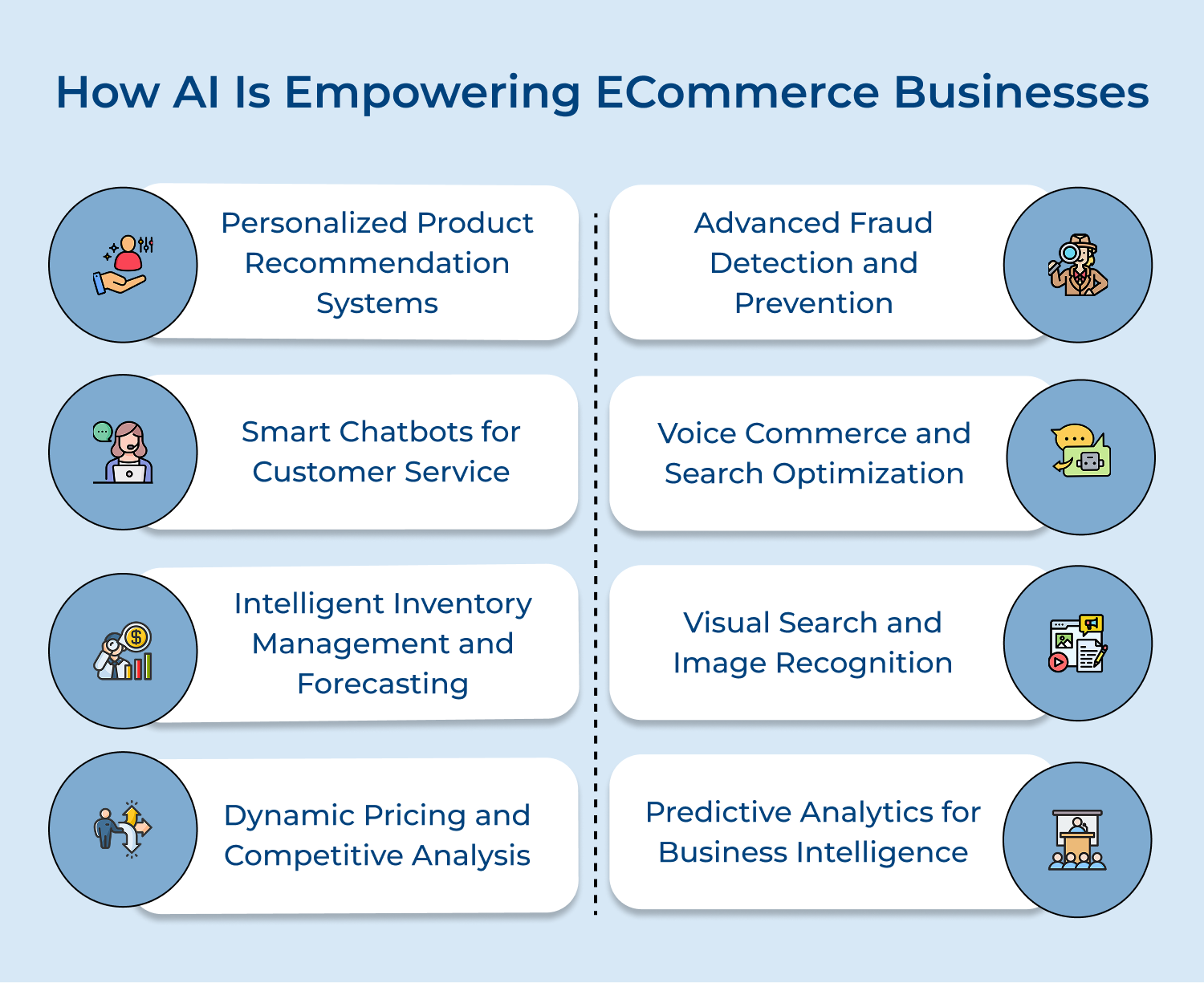
Consider AI recommendations like a smart sales assistant that remembers what each customer likes. It uses browsing habits and past purchases to suggest products people are more likely to buy. Showing random items to everyone doesn’t work anymore, that’s why recommendation engines matter.
Here’s how it works:
Implementation Tips:
Two Main Methods:
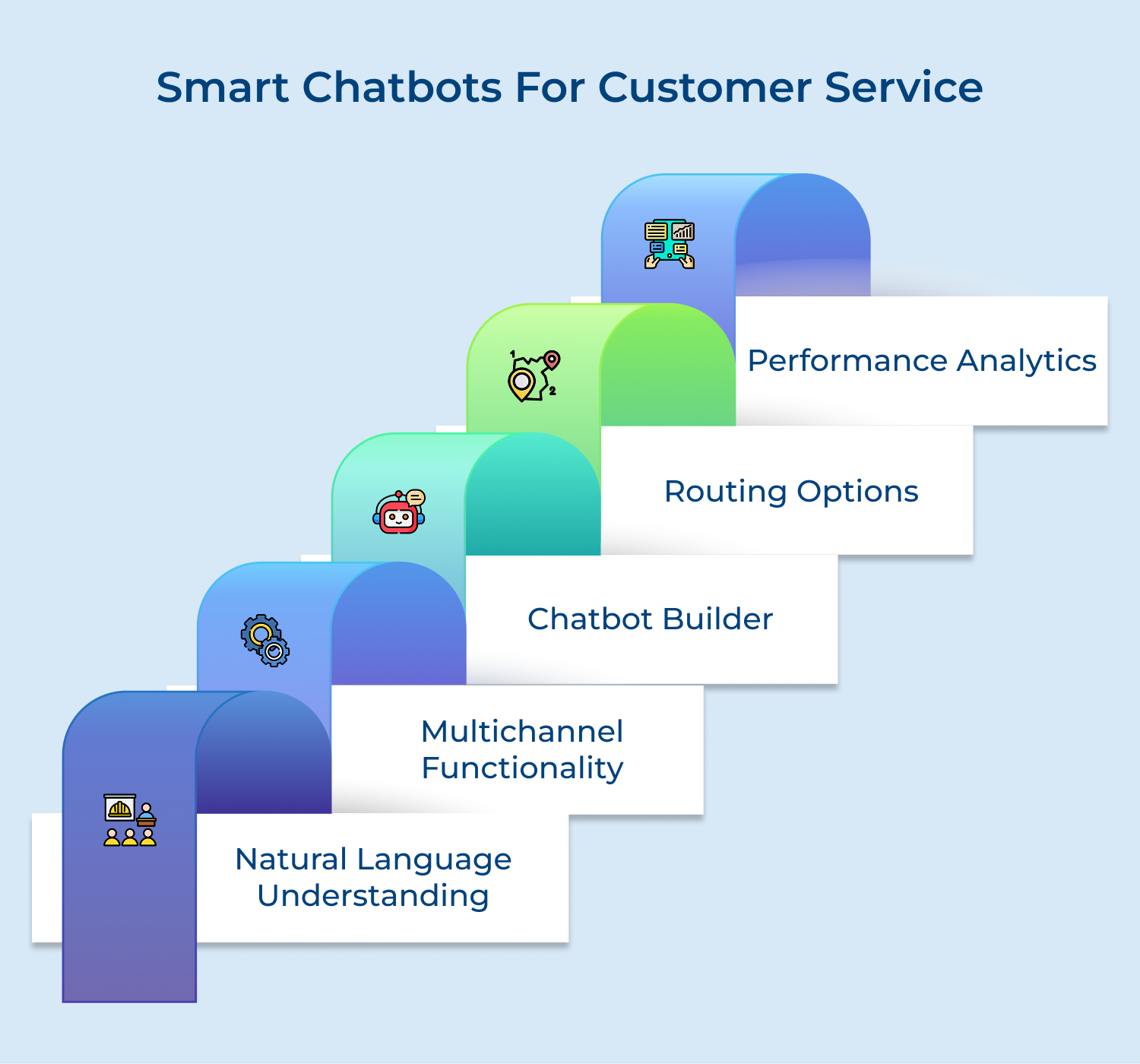
AI chatbots respond to customer questions instantly, no need for human agents around the clock. These smart tools understand natural language, so customers can speak to them like they would with a real person. For businesses, it’s a cost-effective way to offer fast support without hiring large teams.
Before Getting Started, Ask Yourself:
Modern chatbots can detect frustration and adjust their tone to be more helpful. They also connect to systems for checking orders or handling returns. Sephora’s chatbot, for example, handles over 70% of inquiries, keeping conversations smooth and efficient.
AI inventory systems help businesses stock just the right amount of products by predicting what will sell and when. Unlike manual methods, AI can analyze huge amounts of data that humans can’t handle like customer trends, browsing behavior and market shifts.
Here are three key technologies behind smart AI inventory systems:
AI pricing systems help businesses stay competitive by adjusting product prices in real time. These tools track thousands of competitor prices daily and react within minutes, something manual pricing simply can’t do in fast-moving online markets.
Before You Start, Ask:
AI analyzes how price shifts affect sales, then finds the ideal balance between profit and volume to boost total revenue.
A real-world example? Uber’s surge pricing raises ride costs when demand spikes. E-commerce businesses do the same during peak times or low stock—using AI to match supply, demand and customer expectations.
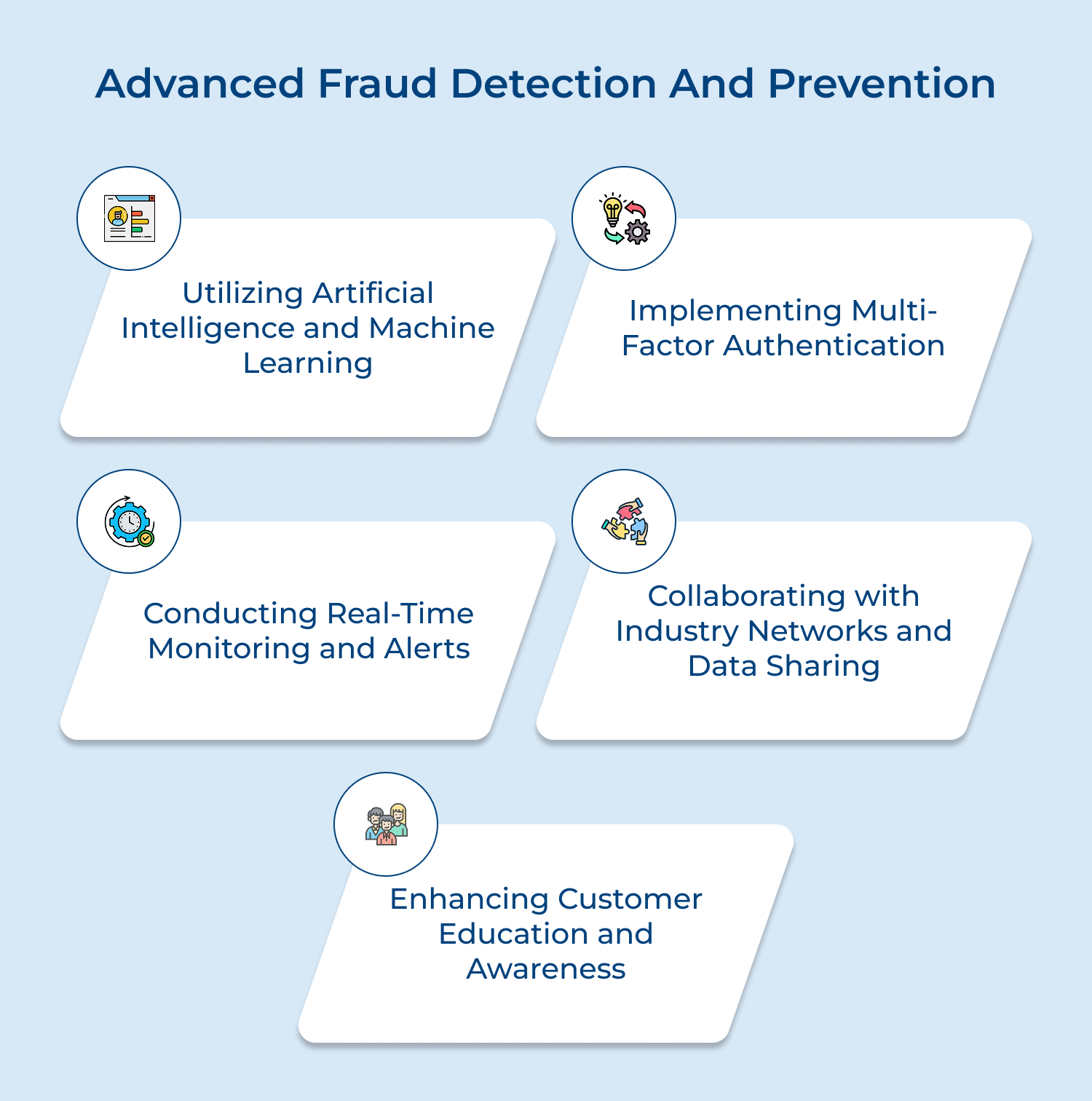
AI-powered fraud detection systems protect businesses by spotting suspicious activity before any money is lost. These systems learn each customer’s normal behavior and flag anything that looks unusual like strange login patterns or odd purchases.
Three Key AI Techniques in Fraud Prevention:
AI fraud detection gets smarter over time. It adapts to new threats and automatically updates its rules, keeping businesses one step ahead of criminals.
AI voice systems let customers shop just by speaking to smart devices like Alexa or their phones. These systems understand natural speech, so shoppers don’t need to use exact keywords, making the experience faster and more natural.
Voice Commerce Readiness Checklist:
AI turns spoken requests into search queries, then uses natural language processing to figure out what customers really want like “find me a warm jacket.”
Domino’s is a great example: customers can reorder pizza just by speaking to Alexa, with the system remembering past orders and completing the transaction via voice alone.
AI visual search lets customers find products by uploading a photo instead of typing a description. The system uses computer vision to recognize colors, shapes and styles, then shows similar or matching items.
Core Technologies Behind Visual Search:
Visual search makes shopping more intuitive. For example, if someone sees a jacket they love, they can upload the photo and instantly find similar styles online.
AI analytics tools help e-commerce businesses make better decisions by forecasting trends and uncovering insights hidden in massive data sets. These systems spot patterns that humans often miss, guiding strategy across marketing, inventory and pricing.
Key Use Cases:
Analytics Implementation Tips:
Just like Netflix uses AI to pick shows based on viewer trends, e-commerce brands use it to optimize what they sell, how they price it and who they market to.
73% of consumers prefer shopping experiences that use AI to predict their needs and preferences. Leverage the proven practices help businesses maximize AI benefits:
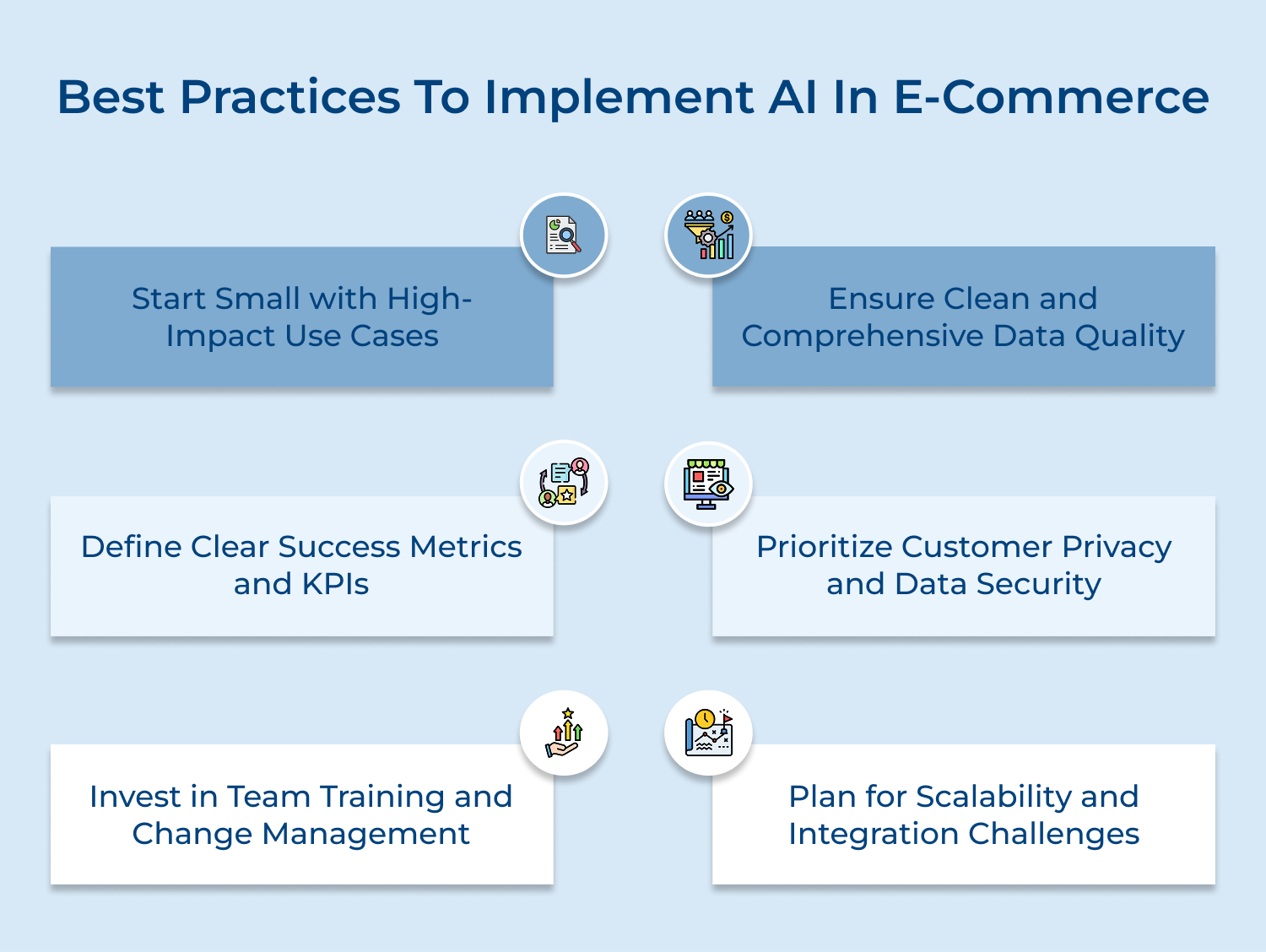
Beginning your AI journey with focused, manageable projects builds confidence and demonstrates value before scaling to complex implementations. Choose use cases where success can be measured easily and results appear quickly to gain organizational support.
Strategic Selection Framework:
Consider starting with chatbots for customer service or basic product recommendations since these areas offer clear metrics and immediate customer benefits. Small wins create momentum and help your team learn AI implementation fundamentals without overwhelming existing systems or processes.
AI systems perform only as well as the data they receive, making data quality the foundation of successful implementation. Poor data leads to inaccurate predictions and frustrated customers who receive irrelevant recommendations or experience system errors.
Establish data cleaning processes that remove duplicates, standardize formats and fill missing information gaps before feeding data into AI systems. Regular data audits help maintain quality standards and identify new data sources that could improve AI performance over time.
Measuring AI impact requires specific, measurable goals that align with business objectives rather than vague hopes for improvement. Without clear metrics, you cannot determine whether AI investments generate positive returns or need adjustments.
Measurement Strategy Questions:
Establish baseline measurements before AI implementation and track improvements in conversion rates, customer satisfaction scores, or operational efficiency metrics. Regular performance reviews help identify which AI features work well and which need refinement or replacement with different approaches.
AI systems process vast amounts of personal customer information, making privacy protection essential for maintaining trust and compliance with regulations. Data breaches or privacy violations can destroy customer relationships and result in significant legal penalties.
Implement encryption for data storage and transmission while establishing clear policies about data collection, usage and retention periods. Regular security audits and compliance reviews ensure your AI systems meet evolving privacy standards as well as protect customer information effectively.
AI implementation requires new skills and workflows that differ significantly from traditional business processes, making employee education crucial for success. Teams need training on AI capabilities, limitations and best practices to use these tools effectively.
Provide hands-on training sessions that teach employees how to interpret AI insights and integrate recommendations into their daily work. Change management support helps address concerns about job displacement while demonstrating how AI enhances rather than replaces human capabilities.
AI systems must integrate seamlessly with existing business infrastructure while supporting future growth and changing requirements. Poor planning leads to isolated AI tools that create data silos and limit overall effectiveness.
Design AI architecture with APIs and standardized data formats that facilitate integration to current systems and future technology additions. Scalability planning ensures AI performance remains consistent as data volumes and user numbers increase over time.
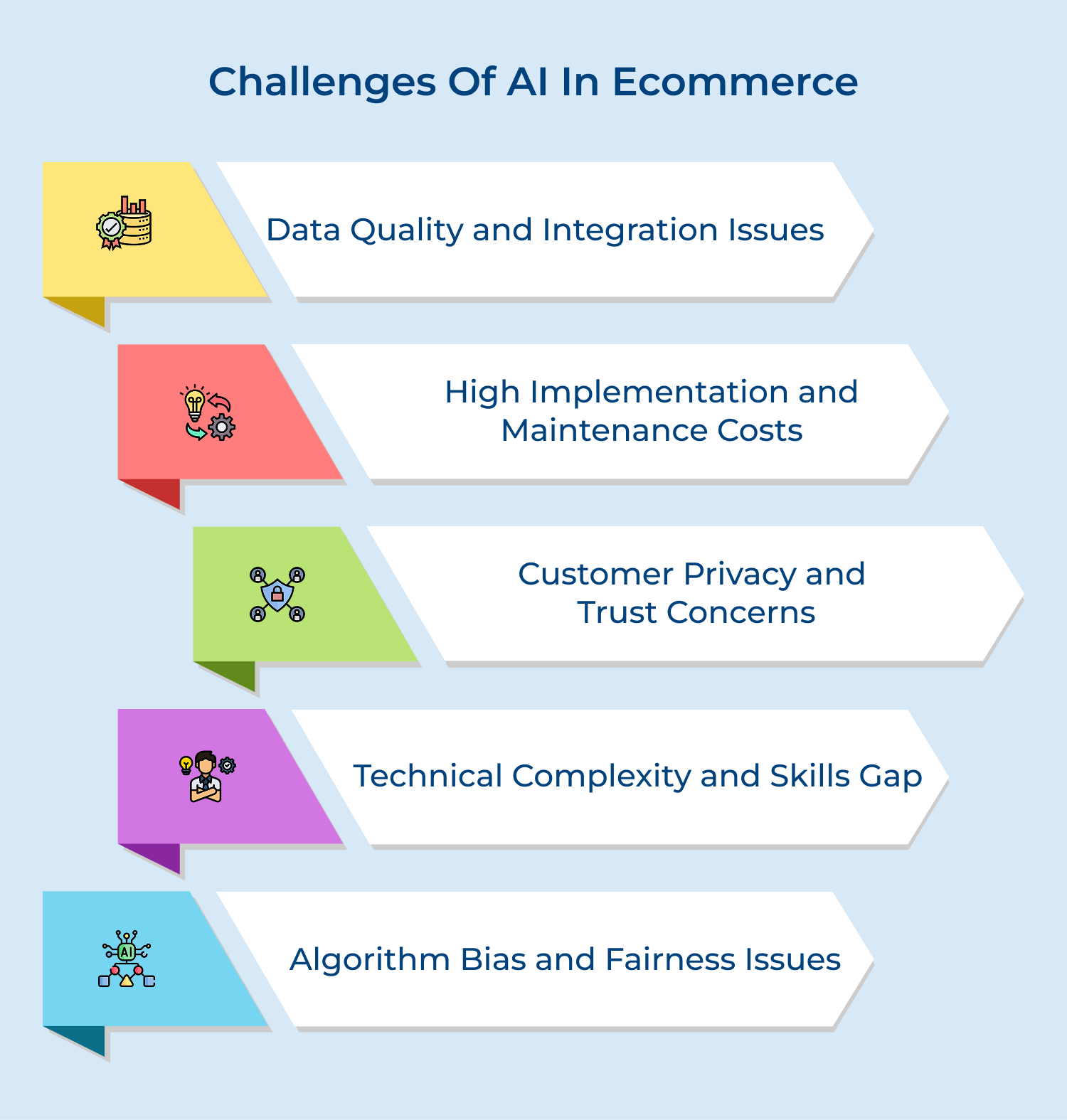
Implementing AI in e-commerce presents significant obstacles that can derail even well-funded projects if not addressed properly. Understanding these challenges helps businesses prepare realistic implementation strategies and avoid costly mistakes.
Data Quality and Integration Issues
Poor data quality represents the most fundamental challenge because AI systems learn patterns from historical information to make predictions. When product catalogs contain inconsistent descriptions or customer records have missing information, AI algorithms develop flawed understanding that leads to inappropriate recommendations.
High Implementation and Maintenance Costs
AI technology requires substantial upfront investment in software licenses, cloud computing infrastructure and specialized talent that many businesses struggle to justify. Beyond initial costs, ongoing expenses for system updates, data storage and algorithm refinement can quickly exceed budgets when expected returns materialize slowly.
Customer Privacy and Trust Concerns
Modern consumers increasingly worry about how businesses collect, store and use their personal information for AI-powered features like personalized recommendations. Privacy regulations like GDPR create complex compliance requirements, while data breaches can instantly destroy customer relationships and result in significant legal penalties.
Technical Complexity and Skills Gap
AI implementation demands expertise in machine learning, data science and system integration that most e-commerce teams lack internally. Finding qualified professionals becomes expensive and time-consuming, while training existing staff requires months of education before they can contribute effectively to AI projects.
Algorithm Bias and Fairness Issues
AI systems can inadvertently discriminate against certain customer groups when training data reflects historical biases or lacks diverse representation. Biased algorithms might show different product recommendations based on demographic characteristics, potentially alienating customers and creating legal liability while undermining service goals.
Addressing these challenges requires systematic approaches that combine technical solutions with organizational changes. The following strategies help businesses navigate common obstacles while building sustainable AI capabilities that deliver long-term value.
These real-world examples demonstrate how artificial intelligence creates measurable business value across different e-commerce sectors.
Target’s Inventory Prediction and Supply Chain
Target uses AI to predict demand for thousands of products by analyzing data like seasons, local trends, weather and social media. The system adjusts inventory and shipping to keep popular items in stock as well as reduce waste. It helps Target meet customer demand, cut storage costs, and increase profits with fewer markdowns.
H&M’s Trend Forecasting and Design Intelligence
H&M uses AI to track fashion trends by scanning social media, runway shows and sales data. The system spots new styles, colors and patterns early, so the brand can design faster while avoiding overproducing unpopular items. It leads to better-selling collections, faster time to market and a stronger connection with fashion-savvy customers.
Walmart’s Voice Commerce Integration
Walmart lets customers shop by speaking to smart devices like Google Assistant. The AI remembers their favorite products and adds them to the cart with simple voice commands. This makes shopping easy, especially for groceries. It saves time, encourages repeat orders and helps Walmart win more loyal customers.
IKEA’s Augmented Reality Room Planning
IKEA’s AR app lets customers see how furniture will look in their homes using their phone cameras. The AI shows the right size, color and style in real-time. It ensures customers buy with confidence, especially big items and reduces returns while making online shopping feel more reliable.
AI has fundamentally transformed e-commerce by creating intelligent systems that understand customer needs, predict preferences and automate complex processes that once required extensive human intervention. These technologies enable businesses to deliver personalized experiences at scale while optimizing operations for efficiency and growth.
The future of e-commerce lies in seamlessly integrating AI capabilities that enhance rather than replace human decision-making, creating shopping experiences that feel natural and intuitive. Success depends on thoughtful implementation that prioritizes customer value, data quality, and continuous learning from real-world performance feedback.

How businesses are using AI in ecommerce?
Businesses deploy AI across multiple touchpoints to enhance customer experiences and streamline operations. Product recommendation engines analyze browsing patterns to suggest relevant items, while chatbots handle customer inquiries instantly. Inventory management systems predict demand fluctuations and dynamic pricing algorithms adjust costs based on market conditions, competitor actions as well as customer behavior patterns.
What are the risks of AI in ecommerce?
AI implementation carries significant risks including data privacy violations, algorithmic bias that discriminates against certain customer groups and over-reliance on automated systems that may fail during critical moments. Poor data quality can lead to inaccurate recommendations, while high implementation costs along with technical complexity often exceed initial budgets and timelines, potentially disrupting existing business operations.
How is AI being used in ecommerce marketing?
AI transforms marketing through predictive customer segmentation that identifies high-value prospects and personalized email campaigns based on individual preferences as well as purchase history. Dynamic content optimization adjusts website elements in real-time, while programmatic advertising automatically purchases optimal ad placements. Sentiment analysis monitors social media to gauge brand perception and identify emerging trends for targeted campaigns.
How is AI changing the eCommerce industry?
AI fundamentally reshapes e-commerce by enabling mass personalization at scale, where millions of customers receive unique shopping experiences simultaneously. Voice commerce and visual search create new interaction methods, while predictive analytics help businesses anticipate market trends as well as customer needs. Autonomous systems handle routine operations, allowing human teams to focus on strategic initiatives and creative problem-solving.
 https://omni24.io/wp-content/uploads/2026/08/AI-Customer-Service-Agents.png
1256
2400
Webvision Solution
https://omni24.io/wp-content/uploads/2023/04/Omni-Logo-1.svg
Webvision Solution2026-09-21 04:48:512026-09-21 04:48:51How to Build an AI Customer Service Agents: 8 Key Steps
https://omni24.io/wp-content/uploads/2026/08/AI-Customer-Service-Agents.png
1256
2400
Webvision Solution
https://omni24.io/wp-content/uploads/2023/04/Omni-Logo-1.svg
Webvision Solution2026-09-21 04:48:512026-09-21 04:48:51How to Build an AI Customer Service Agents: 8 Key Steps https://omni24.io/wp-content/uploads/2026/08/Omnichannel-Conversational-AI.png
1256
2400
Tushar Joshi
https://omni24.io/wp-content/uploads/2023/04/Omni-Logo-1.svg
Tushar Joshi2026-09-16 03:51:072026-09-16 03:51:07How to Build Omnichannel Conversational AI Strategy
https://omni24.io/wp-content/uploads/2026/08/Omnichannel-Conversational-AI.png
1256
2400
Tushar Joshi
https://omni24.io/wp-content/uploads/2023/04/Omni-Logo-1.svg
Tushar Joshi2026-09-16 03:51:072026-09-16 03:51:07How to Build Omnichannel Conversational AI Strategy https://omni24.io/wp-content/uploads/2026/08/Customer-Service-Teams.png
1256
2400
Tushar Joshi
https://omni24.io/wp-content/uploads/2023/04/Omni-Logo-1.svg
Tushar Joshi2026-09-15 04:01:522026-09-15 04:02:16How to Build Customer Service Teams: 6 Key Steps
https://omni24.io/wp-content/uploads/2026/08/Customer-Service-Teams.png
1256
2400
Tushar Joshi
https://omni24.io/wp-content/uploads/2023/04/Omni-Logo-1.svg
Tushar Joshi2026-09-15 04:01:522026-09-15 04:02:16How to Build Customer Service Teams: 6 Key Steps
Whether it’s about acquire, engage or support – Omni24 covers all your customer engagement needs in one complete platform.

Copyright ©2026 Veemo All rights reserved.
CA, Los Angeles, Hall Ave, 19011