Top 11 Chatbot Best Practices for Businesses(2026)
A guide to designing, building and optimizing effective chatbots using proven best practices for superior user experience.

A guide to designing, building and optimizing effective chatbots using proven best practices for superior user experience.
These days, chatbots are way more than just answering bots, they’re core to real customer satisfaction. In fact, 69% of customers say chatbots resolve issues faster than humans.
Chatbots need clear goals, smart tech like natural-language processing, seamless hand‐offs to human agents when things get tricky and ongoing learning from feedback to truly shine. Do it right and you get fast responses, 24/7 support, lower costs as well as happier customers.
Let’s dive into how to make your chatbot truly effective!
A chatbot is an artificial intelligence (AI) program designed to simulate human conversation through text or voice interactions. Operating on various platforms such as websites, messaging apps and mobile applications, chatbots utilize natural language processing (NLP) to understand user queries as well as provide relevant responses.
The importance of chatbots lies in their ability to enhance customer service and engagement while reducing operational costs. They provide instant support, answering frequently asked questions and assisting users 24/7, which leads to improved customer satisfaction. By automating routine tasks, chatbots free up human agents to focus on more complex issues, thus increasing overall productivity.
Key objectives:
Did you know 82% of customers prefer a chatbot over waiting for a human agent? Let’s explore its best practices to help you elevate your business.
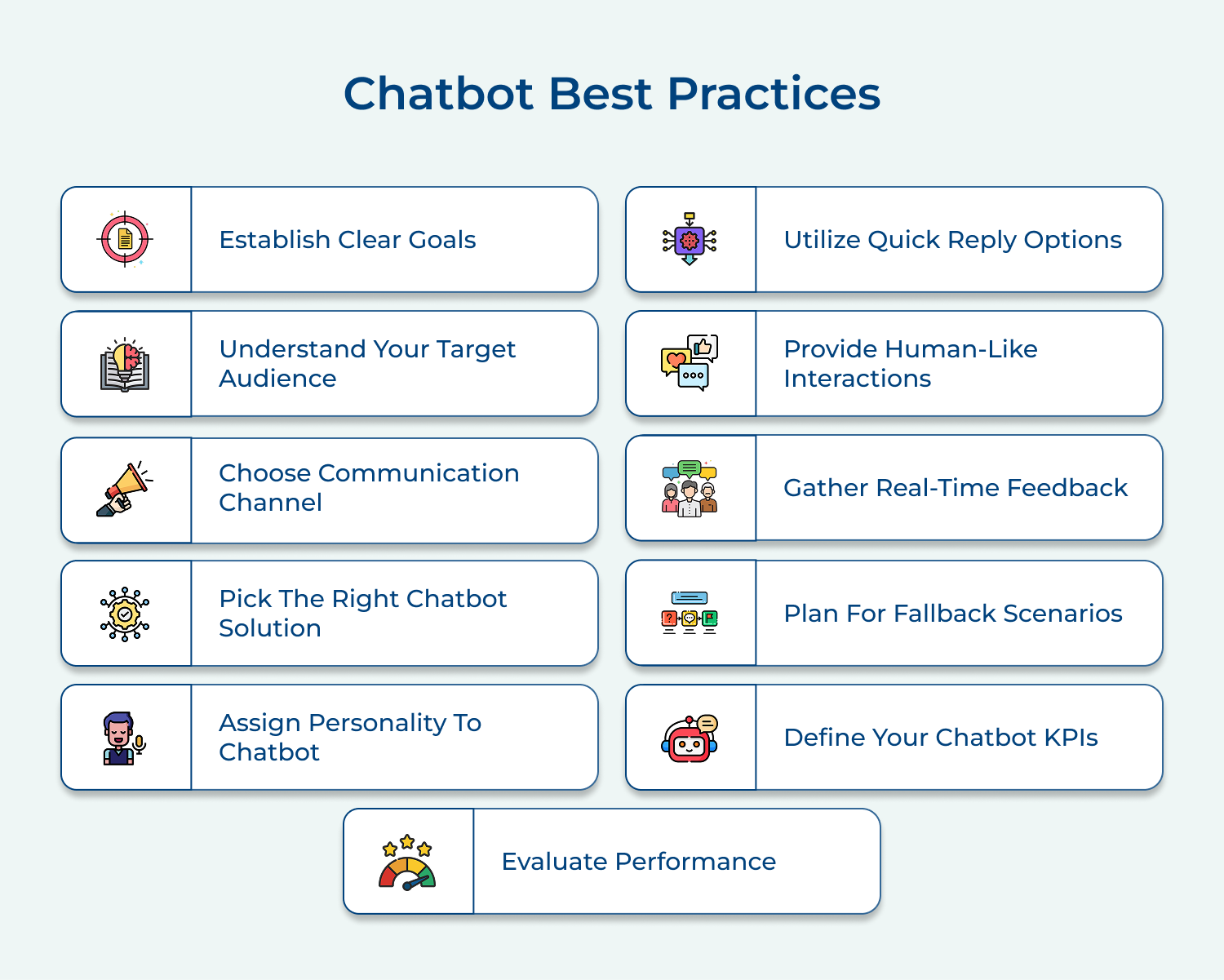
Defining clear objectives helps set the direction for your chatbot. Without specific goals, it can become unfocused, leading to inefficiencies and unmet user expectations. Establishing goals ensures that the chatbot serves its intended purpose as well as delivers measurable outcomes.
Set goals like improving response times, increasing customer satisfaction, or generating leads. These objectives guide the chatbot’s design and functionality, ensuring alignment with overall business aims.
Actionable Tips:
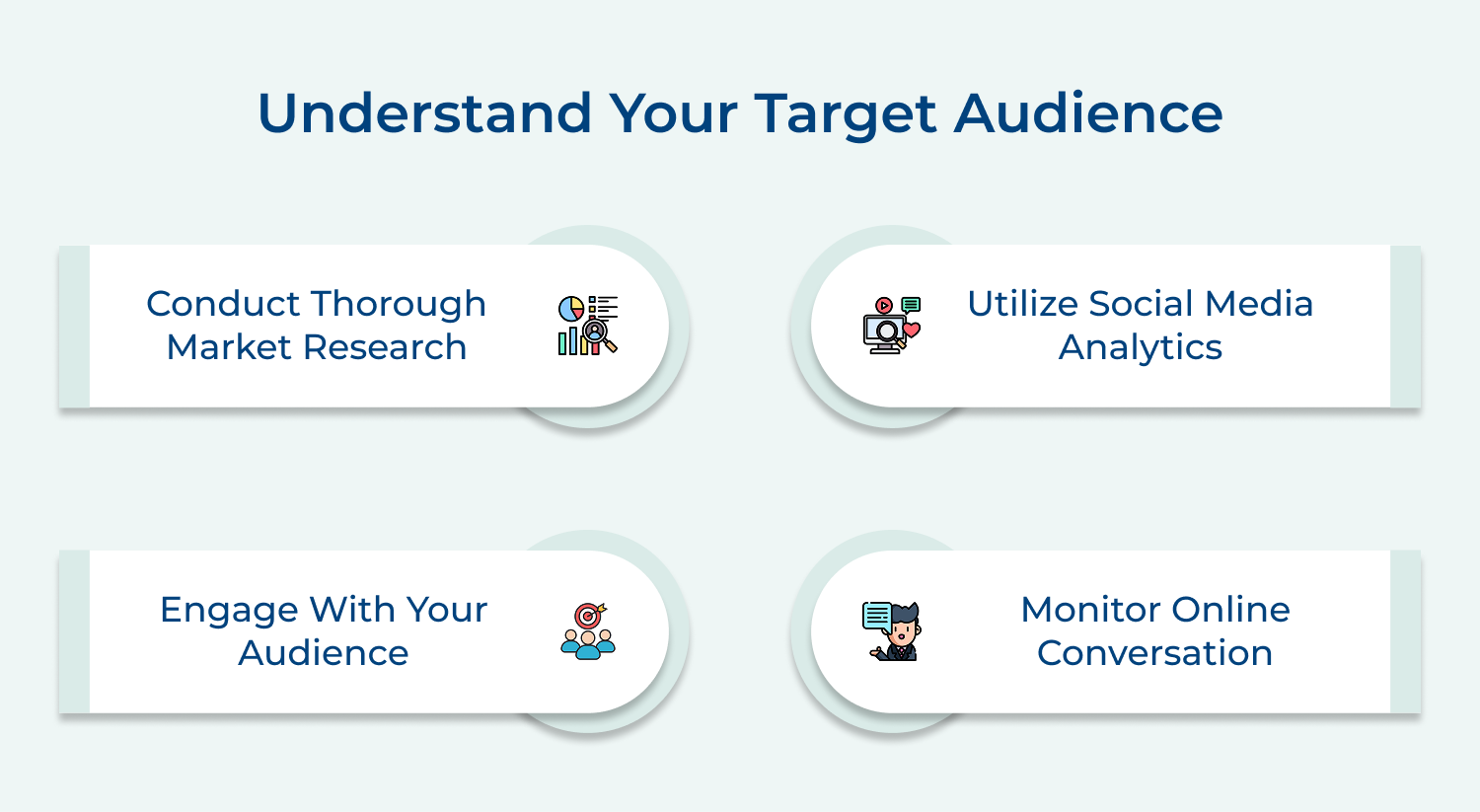
Knowing your target audience allows you to create tailored interactions that resonate with users. The understanding increases engagement and satisfaction, making the chatbot more effective in addressing user needs.
Conduct research to identify user demographics, preferences and pain points. This information helps you design personalized experiences that enhance user satisfaction.
Actionable Tips:
Selecting the right communication channel is vital for reaching your audience effectively. Different platforms cater to different demographics and usage patterns, which can impact engagement.
Determine where your target audience spends their time (whether on your website, social media, or messaging apps) and deploy your chatbot on those platforms for maximum engagement.
Actionable Tips:
Choosing the right chatbot solution impacts its performance and usability. Different platforms offer varying features, making it essential to select one that aligns with your needs.
Evaluate chatbot solutions based on criteria like ease of integration, scalability and AI capabilities to ensure they meet your business objectives.
Actionable Tips:
A well-defined personality makes your chatbot more relatable and engaging, enhancing the overall user experience while reinforcing your brand identity. Define the chatbot’s tone and characteristics based on your brand’s voice as well as your audience’s preferences.
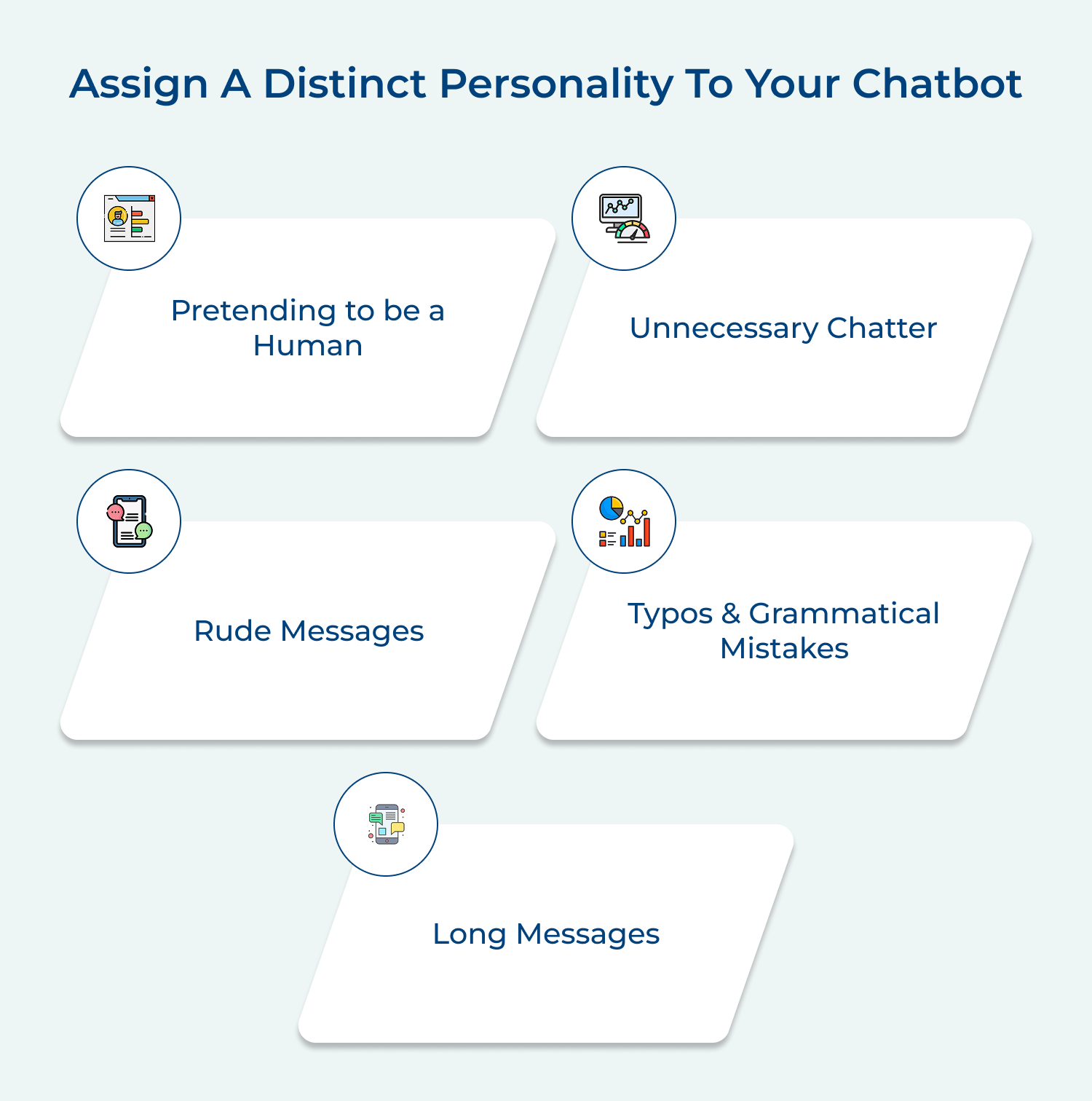
Actionable Tips:
Quick reply options streamline interactions, allowing users to respond faster and reducing the effort required to communicate with the chatbot. Incorporate quick reply buttons for common questions or actions, making it easy for users to navigate conversations.
Actionable Tips:
Human-like interactions make conversations more engaging and relatable, improving user satisfaction while encouraging ongoing engagement with the chatbot. Leverage natural language processing (NLP) to enable the chatbot to understand and respond in a conversational manner, mimicking human interaction.
Actionable Tips:
Collecting real-time feedback allows you to assess the chatbot’s performance and user satisfaction immediately, facilitating timely improvements. Implement feedback mechanisms within the chatbot, enabling users to rate their experiences right after interactions for continuous improvement.
Actionable Tips:
Planning for fallback scenarios ensures that users have a positive experience even when the chatbot cannot answer a question, reducing frustration. Design the chatbot to recognize when it cannot provide a satisfactory answer and offer users options to connect with a human agent or access additional resources.
Actionable Tips:
Establishing key performance indicators (KPIs) is essential for measuring the chatbot’s success and effectiveness. Clear metrics help inform decision-making. Define KPIs that align with your chatbot’s goals, such as user engagement rates, resolution time and customer satisfaction scores.
Actionable Tips:
Regular evaluation of chatbot performance ensures it continues to meet user needs and business goals. Continuous improvement is key to maintaining effectiveness. Utilize performance data, user feedback and industry best practices to identify areas for improvement while implementing changes accordingly.
Actionable Tips:
AI chatbots are powerful tools for enhancing customer interactions and streamlining operations. Consider implementing these ten techniques to boost their efficiency.
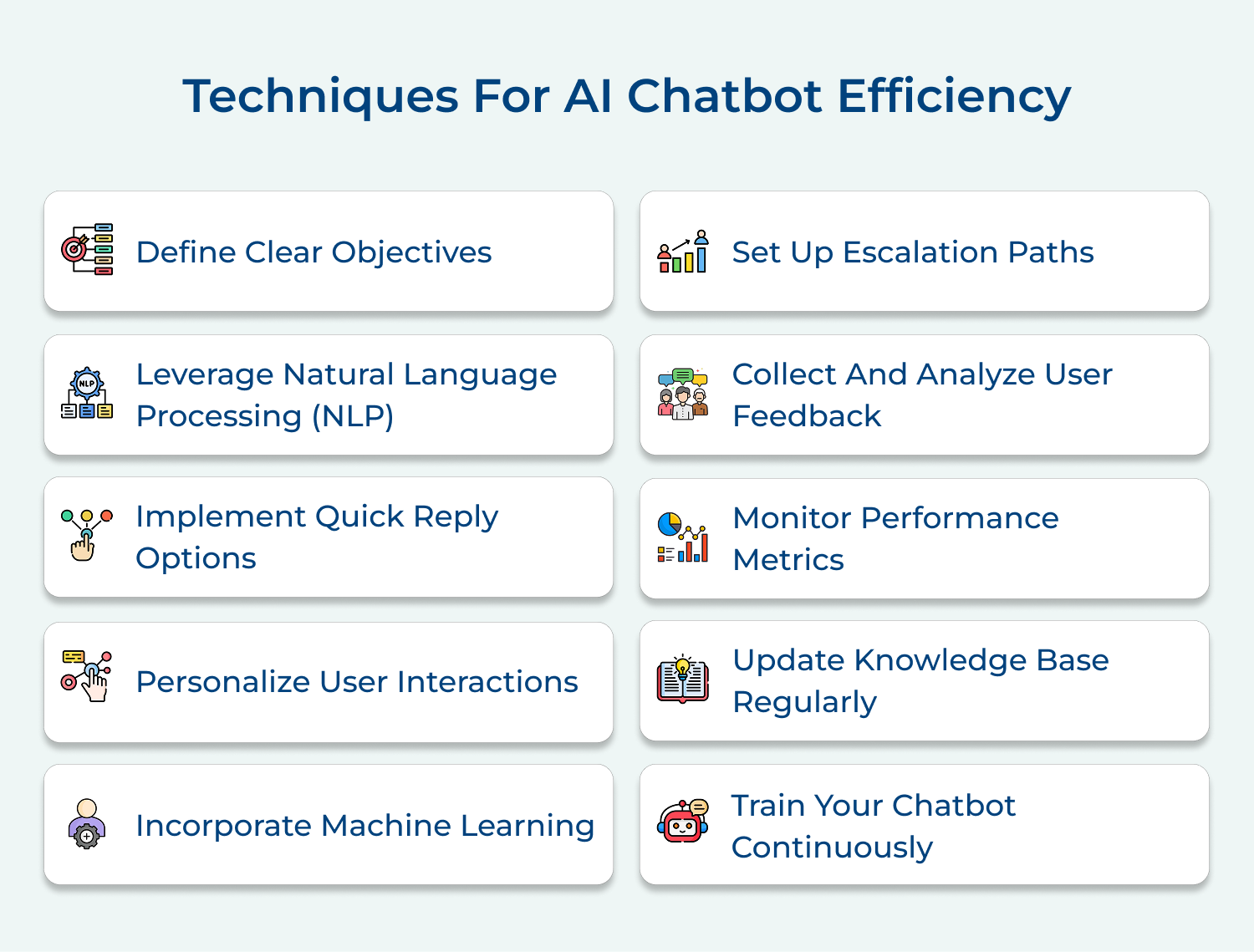
1. Define Clear Objectives
Establishing clear objectives is crucial for any chatbot’s success. Define what you want the chatbot to achieve—be it improving response times, increasing lead generation, or enhancing customer satisfaction. Specific goals help guide the chatbot’s design and functionalities.
2. Leverage Natural Language Processing (NLP)
Utilizing advanced NLP techniques allows chatbots to better understand and interpret user queries. It enhances their ability to provide relevant responses, making interactions feel more human-like. Invest in NLP tools that can handle diverse language patterns, slang and even context for more effective communication.
3. Implement Quick Reply Options
Quick reply buttons streamline interactions by allowing users to select responses instead of typing. It not only speeds up the conversation but also reduces the likelihood of misunderstandings. Analyze common queries and create tailored quick reply options to facilitate smoother exchanges.
4. Personalize User Interactions
Personalization significantly boosts user engagement. Utilize data to tailor interactions based on user preferences and previous interactions. When a chatbot recognizes a returning user or remembers past queries, it creates a more engaging and efficient experience.
5. Incorporate Machine Learning
Integrating machine learning algorithms enables chatbots to learn from interactions and improve over time. It allows the chatbot to refine its responses based on user feedback and behavior, increasing accuracy as well as relevance in future interactions.
6. Set Up Escalation Paths
No chatbot can handle every query perfectly. Implementing escalation paths ensures that users are smoothly transitioned to a human agent when complex issues arise. It not only improves user satisfaction but also optimizes the chatbot’s efficiency by allowing it to focus on simpler tasks.
7. Collect and Analyze User Feedback
Regularly gathering user feedback is essential for continuous improvement. Implement feedback mechanisms within the chatbot, such as post-interaction surveys. Analyzing this data will highlight areas for enhancement and help fine-tune the chatbot’s performance.
8. Monitor Performance Metrics
Establish key performance indicators (KPIs) to measure your chatbot’s effectiveness. Metrics like response time, user engagement rates and satisfaction scores provide valuable insights into how well the chatbot is performing. Regularly reviewing these metrics allows for timely adjustments and improvements.
9. Update Knowledge Base Regularly
A chatbot’s effectiveness largely depends on the accuracy and relevance of its information. Regularly update its knowledge base to include new products, services and frequently asked questions. Keeping the chatbot informed ensures it can provide accurate responses and enhances user trust.
10. Train Your Chatbot Continuously
Continuous training is vital for maintaining a chatbot’s efficiency. Use real conversation logs to identify common failures and areas where the chatbot struggles. Regular training sessions, using new data and improved algorithms, will keep the chatbot sharp to user needs.
Implementing chatbots can greatly enhance customer service and operational efficiency. Businesses often face several challenges during deployment. Explore strategies to overcome.
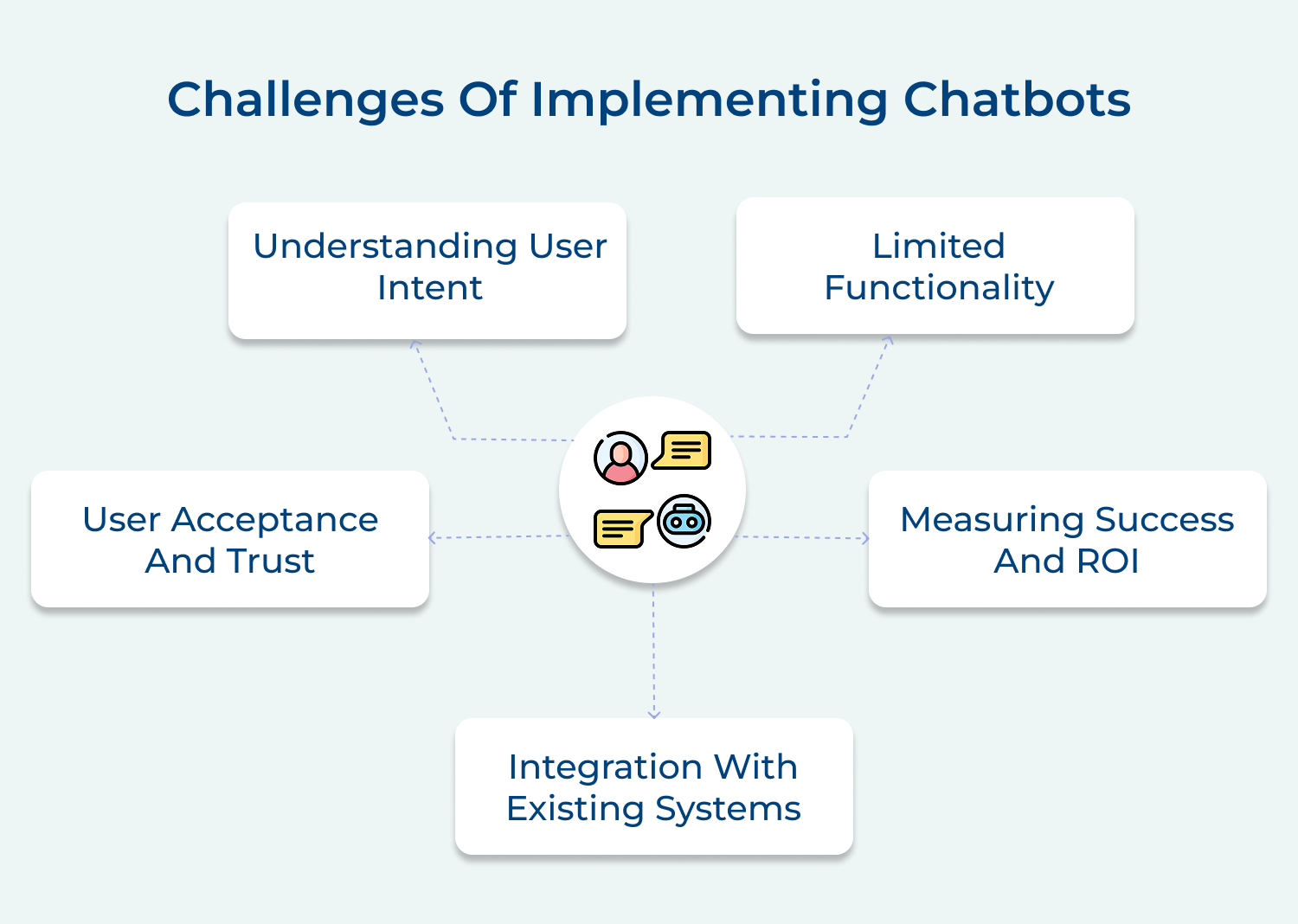
One of the biggest hurdles is accurately understanding user intent. Users may phrase their queries in various ways, leading to misunderstandings and incorrect responses from the chatbot.
Solution:
Invest in advanced Natural Language Processing (NLP) technologies that can interpret user inputs more effectively. Regularly update the chatbot’s training data with common phrases and variations. Implementing fallback options, where users can rephrase or choose from suggested prompts, can also help guide interactions.
Many chatbots struggle with complex queries due to limited functionality. Users often expect chatbots to handle a wide range of questions and tasks. However, when the chatbot falls short, it can lead to frustration.
Solution:
Define clear objectives and scope for your chatbot based on user needs. Start with a well-defined use case, such as FAQs or simple transactions and gradually expand its capabilities based on user interactions as well as feedback. Regularly monitor performance metrics to identify areas needing enhancement and update the bot’s functionalities accordingly.
Some users may be hesitant to interact with chatbots, preferring human interaction instead. Building trust and ensuring users feel comfortable using the chatbot is crucial for successful implementation.
Solution:
To foster user acceptance, ensure that the chatbot introduces itself and explains its capabilities clearly. Use a friendly and approachable tone in interactions. Provide options to escalate to a human agent when needed. Regularly solicit user feedback to make improvements, demonstrating that you value their input and are committed to enhancing their experience.
Determining the success and return on investment (ROI) of a chatbot can be challenging. Businesses often struggle to measure the impact of chatbots on customer service and sales.
Solution:
Establish clear KPIs (Key Performance Indicators) to track the chatbot’s effectiveness. Metrics may include user satisfaction scores, response times, resolution rates and the number of inquiries handled without human intervention. Analyze these metrics regularly to assess performance and demonstrate the chatbot’s value to stakeholders.
Integrating chatbots with existing systems (such as CRM or ERP platforms) can be complex and may require significant resources. Poor integration can lead to data silos and hinder the chatbot’s effectiveness.
Solution:
Prior to implementation, conduct a thorough analysis of existing systems to identify integration requirements. Choose a chatbot platform that offers seamless integration capabilities. Collaborate with IT teams to ensure compatibility and conduct rigorous testing before going live. Document integration processes for future reference and troubleshooting.
In conclusion, implementing effective chatbot best practices is essential for maximizing their potential in enhancing customer experience and operational efficiency. By defining clear objectives, understanding your target audience and leveraging advanced technologies like NLP, businesses can create engaging interactions.
Personalizing user experiences, incorporating quick reply options and ensuring seamless integration with existing systems further enhance chatbot effectiveness. Regularly gathering feedback, updating the knowledge base and training the chatbot are crucial for continuous improvement. Follow these best practices to develop chatbots that not only meet user expectations but also drive lasting customer satisfaction.

Why should you follow chatbot best practices?
Following chatbot best practices ensures that your chatbot is effective, user-friendly and aligned with business goals. These practices enhance user experience, improve interaction quality and reduce frustration. Adhering to best practices also helps in achieving higher user engagement and satisfaction.
How can I understand if my chatbot implementation is successful or not?
To assess your chatbot’s success, establish clear KPIs such as response times, user satisfaction scores and resolution rates. Regularly analyze user feedback and interaction logs to identify trends as well as areas for improvement. A successful chatbot should meet its defined objectives and contribute positively to customer engagement.
How do chatbot best practices help to build the right bot for business?
Chatbot best practices guide the design and implementation process, ensuring that the bot effectively meets user needs along with business objectives. By focusing on user experience, functionality and adaptability, these practices help create a chatbot that enhances customer interactions as well as aligns with overall business strategies.
How are chatbot best practices to be followed for designing bots?
To follow chatbot best practices in design, start by defining clear objectives and understanding your target audience. Incorporate user-friendly interfaces, use natural language processing and ensure seamless integration with existing systems. Regularly gather feedback and iterate on design based on user interactions to enhance performance continually.
Which of these are considered to be best practices in chatbot building?
Best practices in chatbot building include defining clear goals, understanding user intent, offering personalization, utilizing quick replies and implementing fallback options. Ensuring data privacy, regular updates and continuous training based on user feedback are crucial for creating a reliable chatbot.
 https://omni24.io/wp-content/uploads/2026/08/Omnichannel-Chatbots.png
1256
2400
Tushar Joshi
https://omni24.io/wp-content/uploads/2023/04/Omni-Logo-1.svg
Tushar Joshi2026-08-13 04:43:302026-08-24 09:02:01How Omnichannel Chatbots Improve Your Customer Experience
https://omni24.io/wp-content/uploads/2026/08/Omnichannel-Chatbots.png
1256
2400
Tushar Joshi
https://omni24.io/wp-content/uploads/2023/04/Omni-Logo-1.svg
Tushar Joshi2026-08-13 04:43:302026-08-24 09:02:01How Omnichannel Chatbots Improve Your Customer Experience https://omni24.io/wp-content/uploads/2026/08/Ecommerce-Chatbots-1.png
1256
2400
Tushar Joshi
https://omni24.io/wp-content/uploads/2023/04/Omni-Logo-1.svg
Tushar Joshi2026-08-12 03:57:552026-08-24 09:03:22Ecommerce Chatbots: What are They and Their Use Cases
https://omni24.io/wp-content/uploads/2026/08/Ecommerce-Chatbots-1.png
1256
2400
Tushar Joshi
https://omni24.io/wp-content/uploads/2023/04/Omni-Logo-1.svg
Tushar Joshi2026-08-12 03:57:552026-08-24 09:03:22Ecommerce Chatbots: What are They and Their Use Cases https://omni24.io/wp-content/uploads/2026/08/Omnichannel-Ecommerce.png
1256
2400
Tushar Joshi
https://omni24.io/wp-content/uploads/2023/04/Omni-Logo-1.svg
Tushar Joshi2026-08-11 04:50:362026-08-24 09:00:45How to Create an Omnichannel Ecommerce Strategy: 7 Best Ways
https://omni24.io/wp-content/uploads/2026/08/Omnichannel-Ecommerce.png
1256
2400
Tushar Joshi
https://omni24.io/wp-content/uploads/2023/04/Omni-Logo-1.svg
Tushar Joshi2026-08-11 04:50:362026-08-24 09:00:45How to Create an Omnichannel Ecommerce Strategy: 7 Best Ways
Whether it’s about acquire, engage or support – Omni24 covers all your customer engagement needs in one complete platform.

Copyright ©2026 Veemo All rights reserved.
CA, Los Angeles, Hall Ave, 19011