How To Measure Social Media Engagement: 8 Best Practices
Understand how to measure social media engagement using key metrics and tools to improve content performance as well as audience relationships.

Understand how to measure social media engagement using key metrics and tools to improve content performance as well as audience relationships.
In a crowded digital marketplace, brands often struggle to stand out and connect with their audiences. Without meaningful interactions, customers can feel ignored—studies show 70% of consumers expect brands to respond on social media, yet only 40% get timely replies, leading to disengagement and lost loyalty. This lack of connection not only affects brand reputation but also hampers sales, with poor engagement costing businesses revenue potential.
Effective social media engagement offers a powerful solution. Actively interacting with customers, responding to their needs and building a community can create a vibrant online presence—for instance, brands with strong engagement see 23% higher loyalty rates.
In this blog, we’ll explore how to measure social media engagement and share actionable strategies to enhance customer connections while driving lasting loyalty.
Social media engagement refers to the interaction between brands and their audiences on social media platforms. This encompasses actions such as likes, shares, comments, retweets and direct messages. Effective engagement builds a two-way communication channel that allows brands to connect with customers and build relationships.
Engaged customers are more likely to develop a strong connection with a brand, leading to increased trust and long-term relationships. High engagement rates can improve a brand’s reach through algorithms that favor active posts, driving organic growth.
Key objectives:
Tracking social media engagement is vital for brands aiming to enhance their online presence. Here are the key reasons why social media metrics matters:
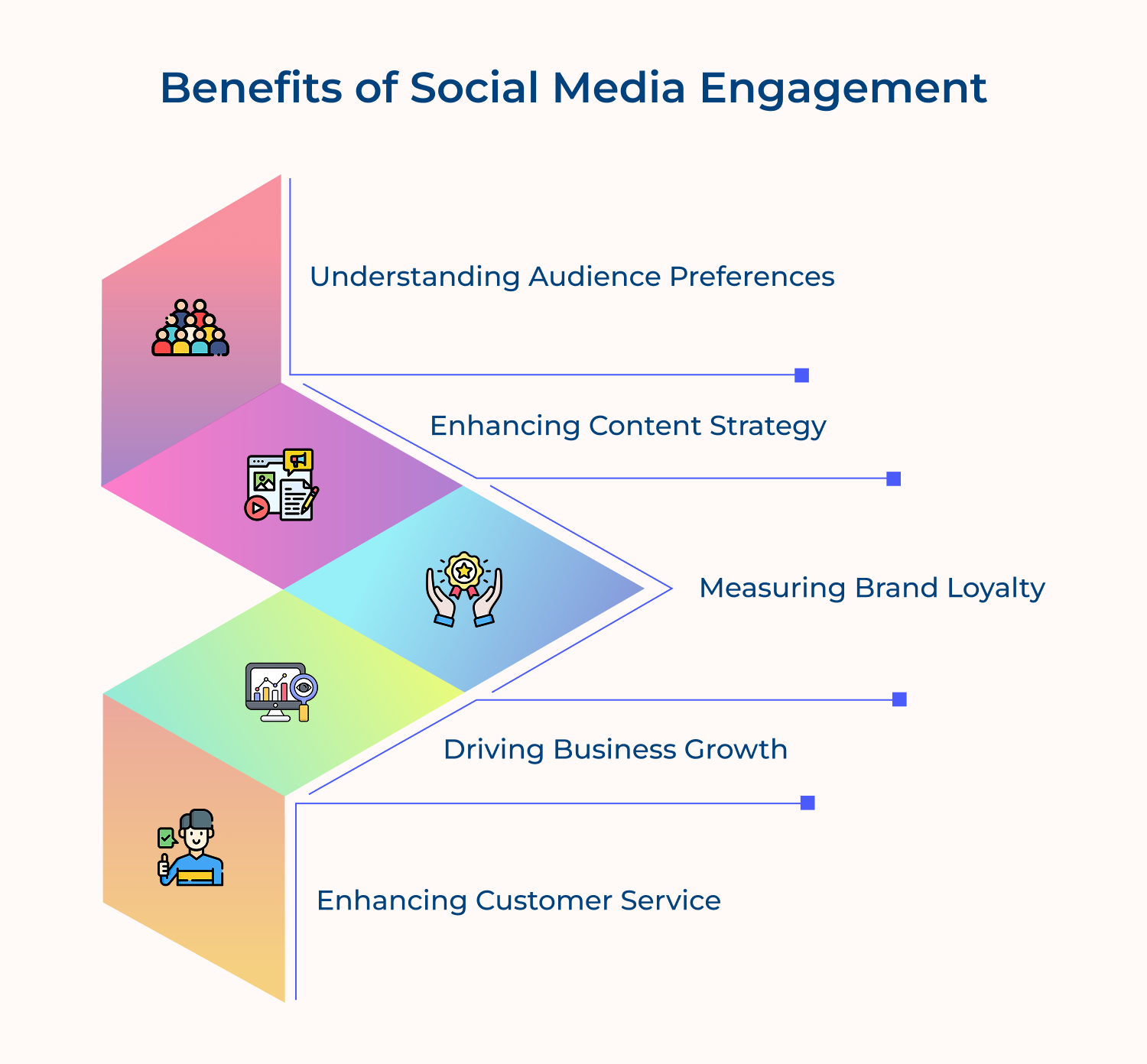
Understanding Audience Preferences
Tracking social media engagement helps brands understand what content resonates with their audience. By analyzing likes, shares and comments, businesses can identify preferences as well as tailor their messaging. Hence, ensuring that future content aligns with customer interests and creates deeper connections.
Enhancing Content Strategy
Monitoring engagement metrics allows brands to refine their content strategy. Insights gained from what performs well can inform decisions on post frequency, format and topics. Ultimately leading to more effective campaigns that capture attention and drive interaction.
Measuring Brand Loyalty
Social media engagement is a key indicator of brand loyalty. Higher levels of interaction signify that customers are invested in the brand, leading to repeat purchases and advocacy. Tracking these metrics helps businesses assess their relationship with customers and develop strategies to strengthen loyalty.
Driving Business Growth
Effective tracking of social media engagement can directly influence business growth. Engaged customers are more likely to convert and make purchases. By understanding engagement patterns, brands can optimize their strategies, increase conversions as well as leverage satisfied customers to attract new ones through word-of-mouth.
Enhancing Customer Service
Monitoring social media interactions aids in identifying customer concerns and questions. Prompt responses to these interactions enhance customer service, improving overall satisfaction and brand perception.
Effectively measuring customer engagement on social media helps refine your strategy. Here are the essential steps to measure social media marketing strategy:
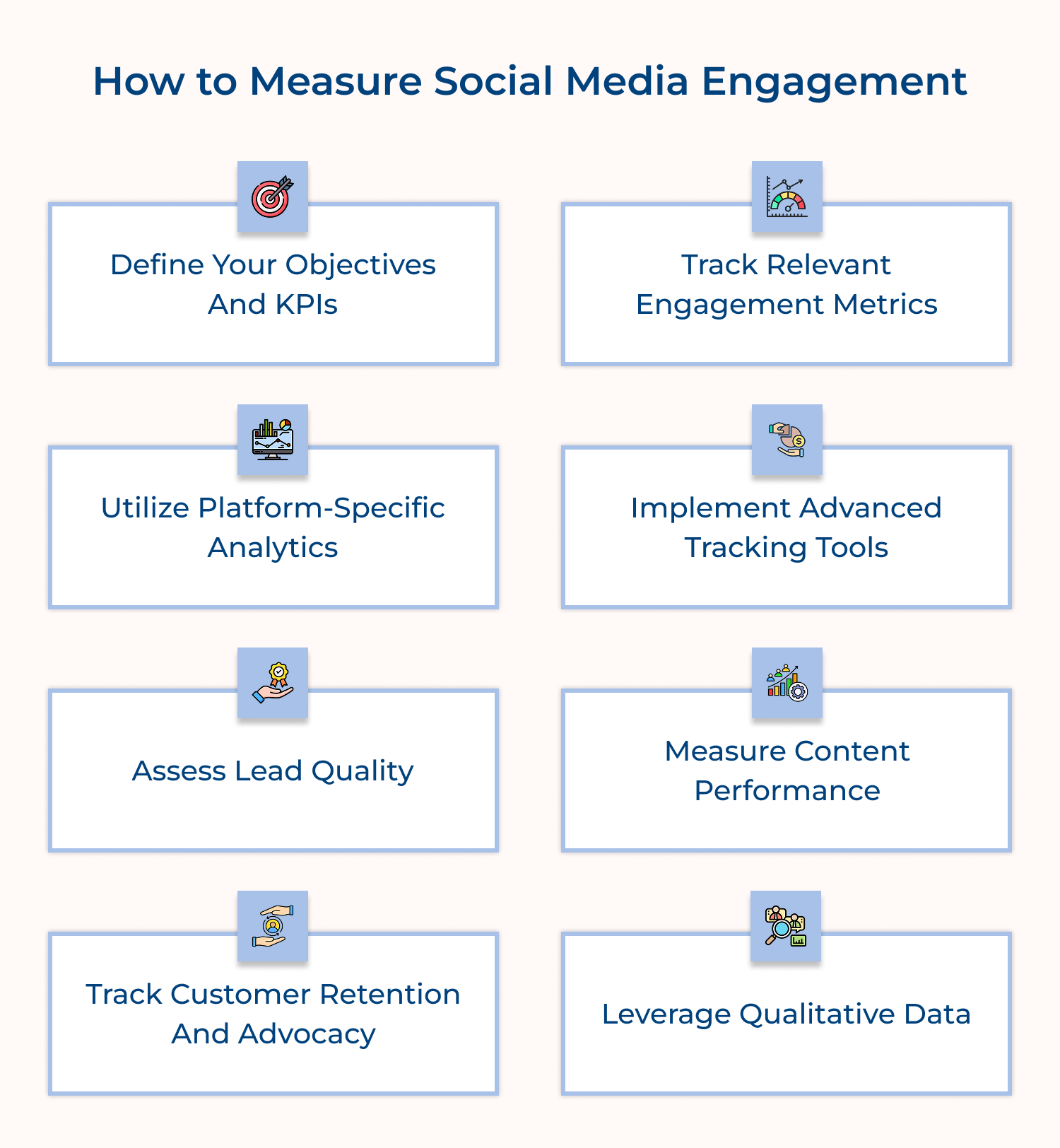
Defining clear objectives and Key Performance Indicators (KPIs) is crucial for businesses to align social media efforts with overall business goals. It provides a framework for measuring success, helps in resource allocation and ensures that social media activities contribute meaningfully to the company’s growth as well as customer relationship strategies.
Use KPIs to guide your social media strategy, content creation and engagement efforts. They serve as benchmarks for performance evaluation and help in reporting to stakeholders. Regular review of these metrics allows for strategy refinement and ensures that your social media activities remain aligned with evolving business needs.
Best practices:
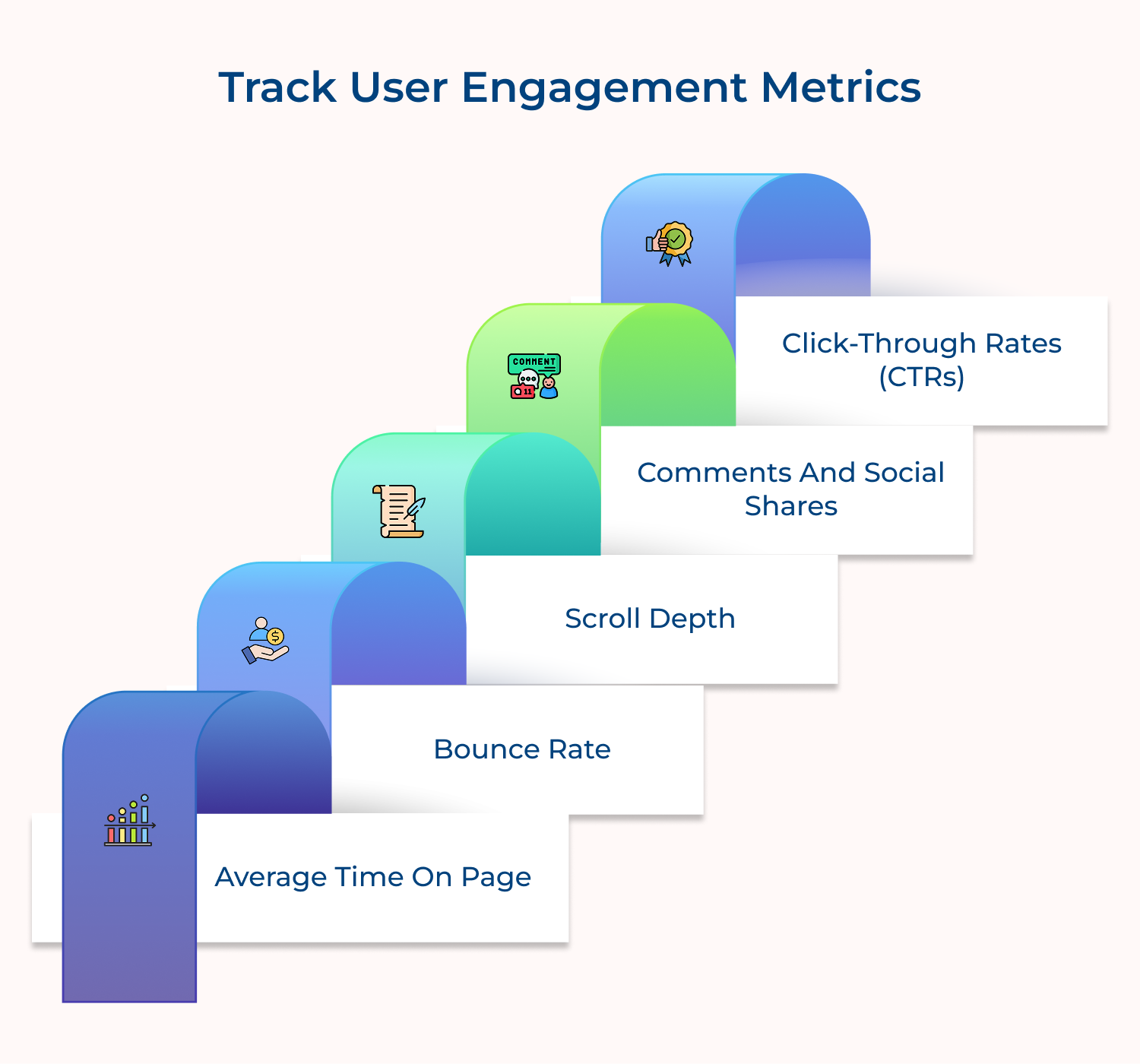
Social media engagement tracking helps you understand how your audience interacts with your content. It’s not just about likes or comments — it’s about seeing what truly connects with your followers. By monitoring engagement, you can spot which posts, topics or formats perform best and fine-tune your strategy to match your audience’s interests.
Regularly review engagement metrics to identify trends and posting times that drive results. These insights help you create more impactful content, strengthen audience relationships and make smarter decisions about where to focus your efforts.
Best practices:
Social Media Sentiment Analysis helps you go beyond basic metrics to truly understand how audiences feel about your brand on each platform. Since every social channel attracts different users and behaviors, analyzing sentiment gives you a clearer picture of what’s working as well as what’s not.
Use platform-specific analytics to uncover audience reactions, engagement trends and content performance. These insights help you tailor your messaging, posting times and tone to each platform. Hence, ensuring your brand connects authentically and drives stronger engagement across all channels.
Best practices:
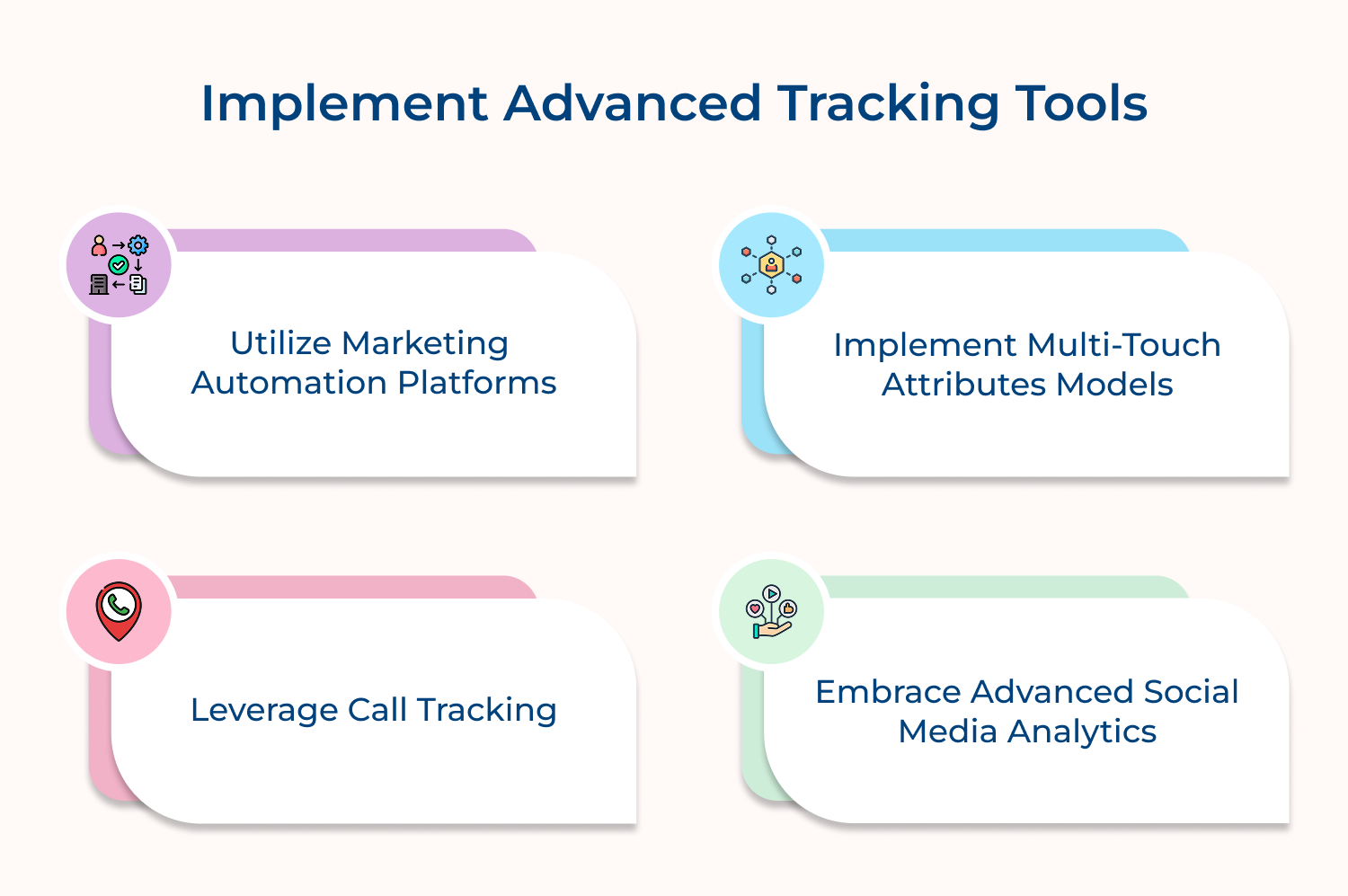
A social media analytics tool gives you a complete picture of how your brand performs across platforms. It goes beyond likes and shares, helping you understand the full customer journey – from the first interaction to conversions. These tools reveal what drives engagement, how campaigns impact sales and where your strongest connections come from.
Use a social media analytics tool to track customer interactions, analyze sentiment and even monitor competitors. With detailed reports and data-driven insights, you can make smarter marketing decisions as well as show the real value of your social efforts.
Best practices:
Assessing lead quality is crucial to understand the true value of social media engagement in generating qualified prospects. It helps in focusing efforts on strategies that attract high-quality leads, ultimately improving the efficiency of your social media marketing and sales processes.
Use lead quality assessment to refine your social media targeting, content strategy and engagement tactics. By understanding which types of engagement and content generate the most valuable leads, you can optimize your social media efforts to attract as well as nurture prospects that are more likely to convert into customers.
Best practices:
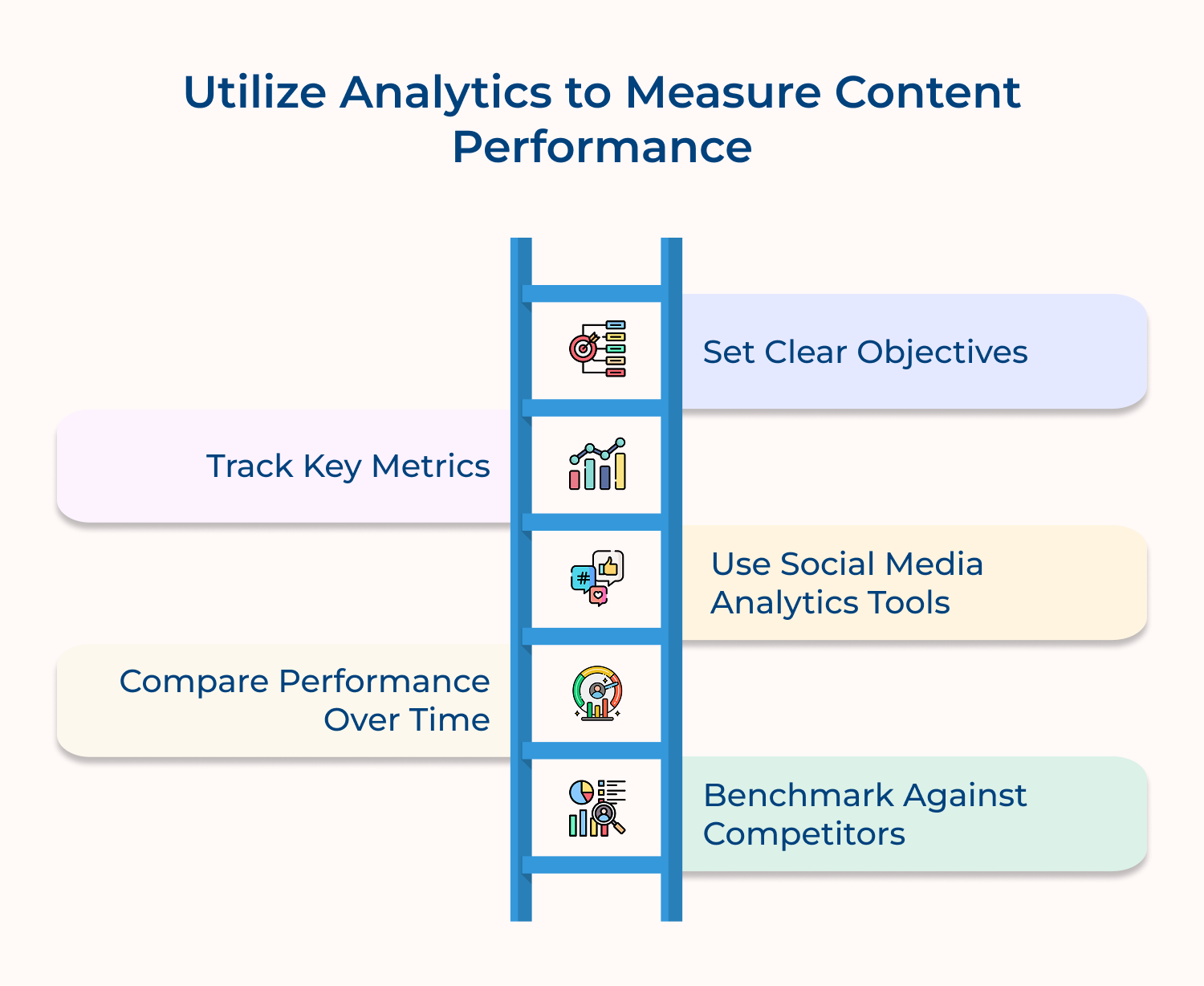
Great social media posts are at the heart of every successful engagement strategy. Tracking how your content performs helps you see what truly clicks with your audience.
Use performance insights to fine-tune your content calendar, double down on high-performing posts and repurpose what works best. A data-driven approach ensures your social media posts stay relevant, aligned with audience interests and consistently deliver stronger engagement as well as results for your brand.
Best practices:
Tracking customer retention and advocacy on social media provides insights into the strength of these relationships. It helps in identifying loyal customers, potential brand advocates and opportunities to deepen engagement with existing clients.
Use retention and advocacy metrics to gauge the effectiveness of your customer relationship management efforts on social media. Identify engagement patterns that link to customer loyalty. Use these insights to build strategies that strengthen relationships and inspire client advocacy.
Best practices:
Numbers tell part of the story, but qualitative data adds the “why” behind customer engagement. Especially for businesses with complex relationships and long decision cycles, it helps uncover subtle emotions, preferences, as well as pain points that metrics alone can’t capture.
Pair qualitative insights with your quantitative data for a fuller picture. Review comments, messages and conversations to understand customer sentiment as well as emerging themes. These insights can guide product improvements, refine customer service and shape a more authentic content strategy.
Best practices:
Understanding social media engagement metrics is essential for optimizing your strategy. Here are the key metrics to monitor:
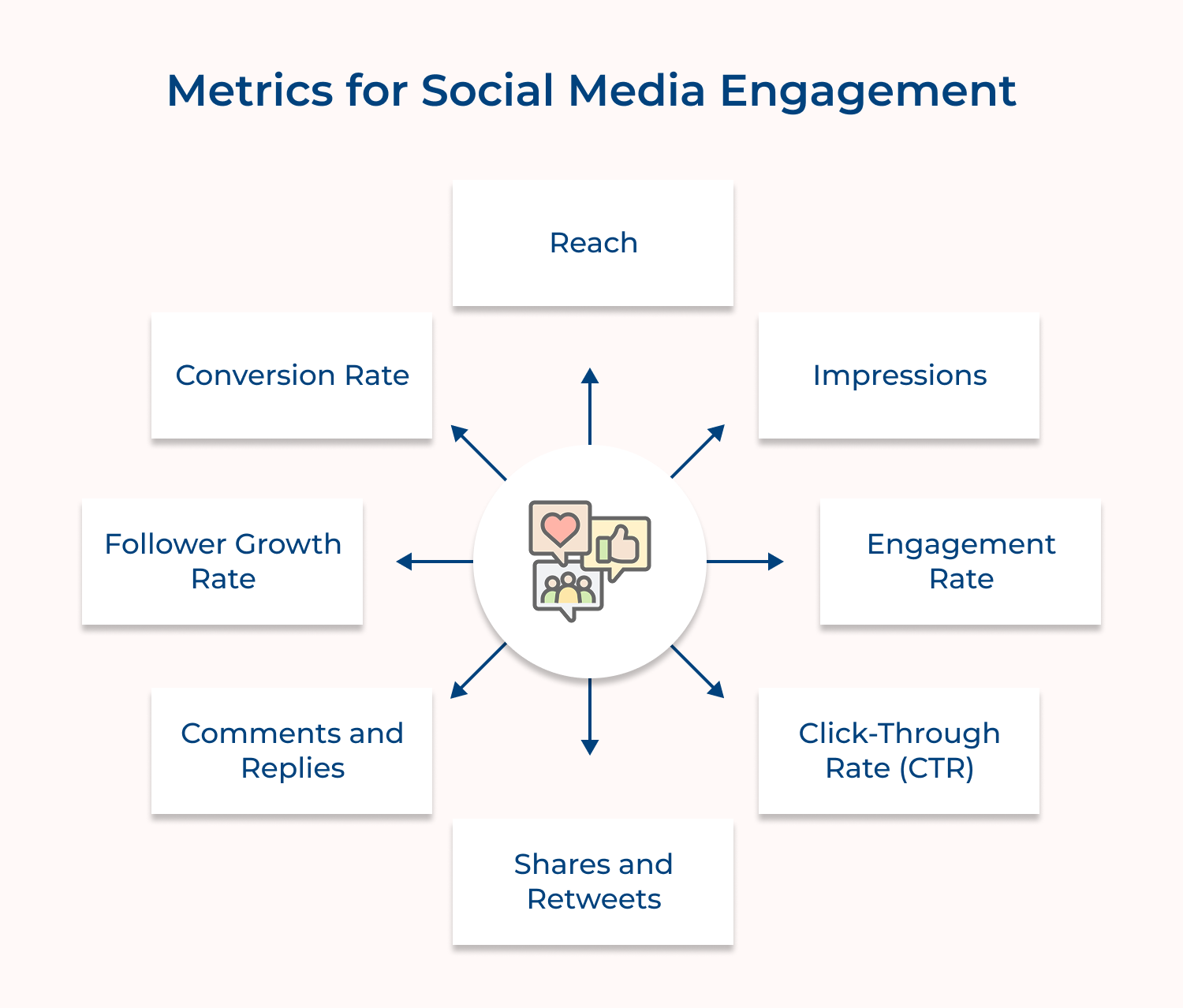
Reach shows how many unique users have seen your content—helping you gauge your brand’s visibility on social media. Tracking reach reveals how well your content is distributed and which posts attract the most attention.
Compare reach across posts to see what resonates with your audience and use these insights to refine both organic/paid strategies for wider exposure as well as stronger engagement.
Impressions track how many times your content is displayed, whether clicked or not. It’s a key metric for understanding how often your brand appears in users’ feeds and building awareness.
Compare impressions with reach to see how frequently the same users view your content. These insights help you fine-tune posting frequency and create content that keeps your audience coming back for more.
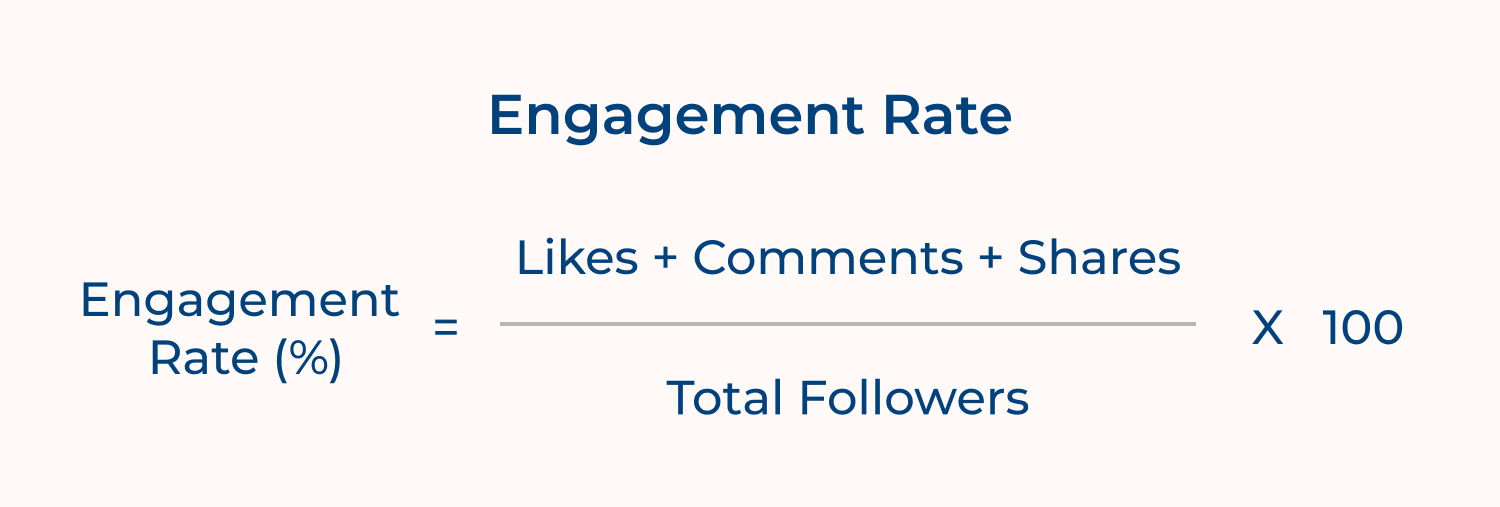
Engagement rate shows how much your audience interacts with your content compared to how many people see it. It’s a clear measure of how well your posts resonate.
Track engagement rates across different content types and campaigns to spot what drives the most interaction. These insights help you refine your content strategy and ensure your social media efforts truly connect with your audience.
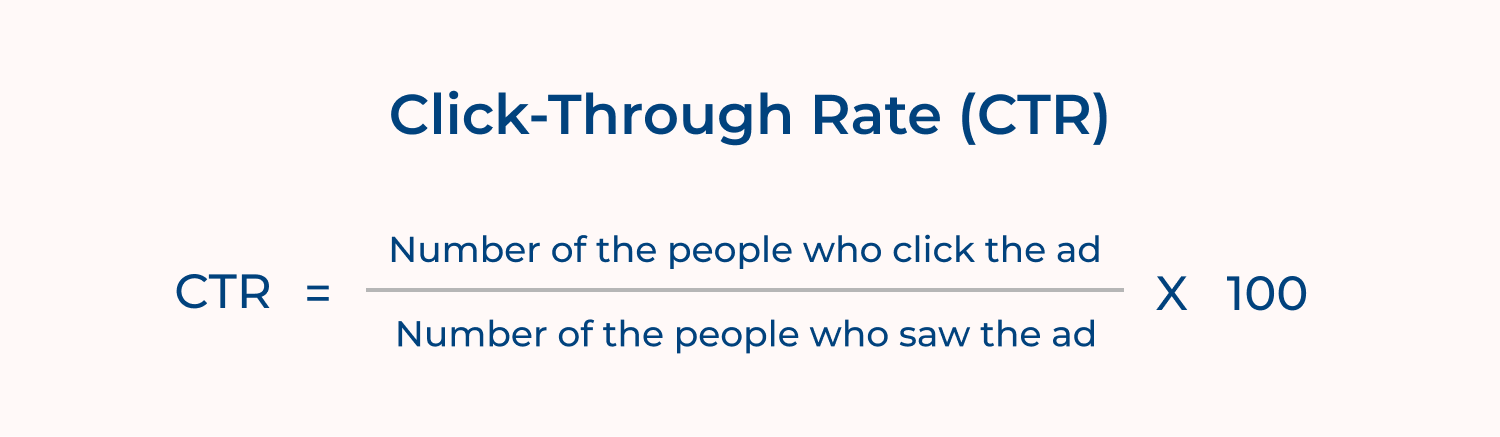
CTR measures how often users click on a link or call-to-action in your post. It shows how effective your content is at driving traffic to your website or landing page.
Track CTR to see which posts, visuals, or headlines inspire the most clicks. These insights help you refine your content and improve lead generation through more persuasive calls-to-action.
Shares and retweets show that your content is valuable enough for users to spread it within their networks.
This metric highlights content quality and its potential for organic reach. Analyze which posts get shared most to shape your content strategy and identify strong advocates who help amplify your brand’s voice.
Comments and replies reflect genuine audience engagement as well as interest. They show that your content resonates enough to start conversations.
Study comment trends and sentiment to understand audience opinions as well as pain points. This feedback helps you create more meaningful content and build stronger community connections.
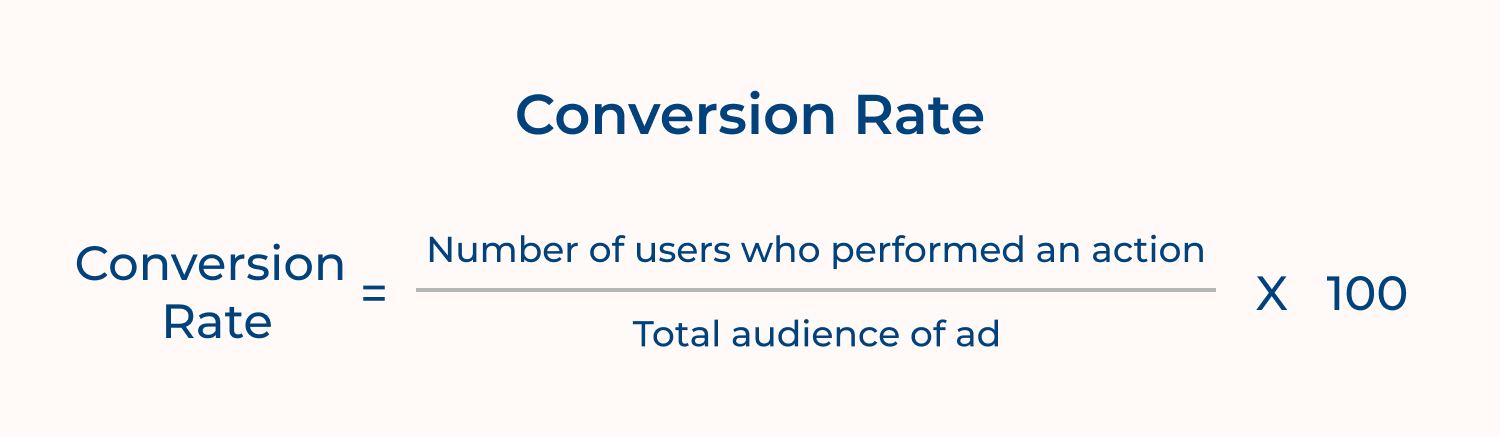
Conversion rate tracks the percentage of users who take a desired action – like signing up, downloading, or purchasing – after engaging with your social media content. It’s a key metric for understanding how well your social efforts drive real business results.
Monitor conversion rates across content types and campaigns to see what performs best. These insights help you refine your social media strategy to move beyond engagement as well as generate meaningful actions that support your business goals.
Measuring social media effectiveness presents several challenges for brands. Here are the common obstacles and strategies to overcome them.
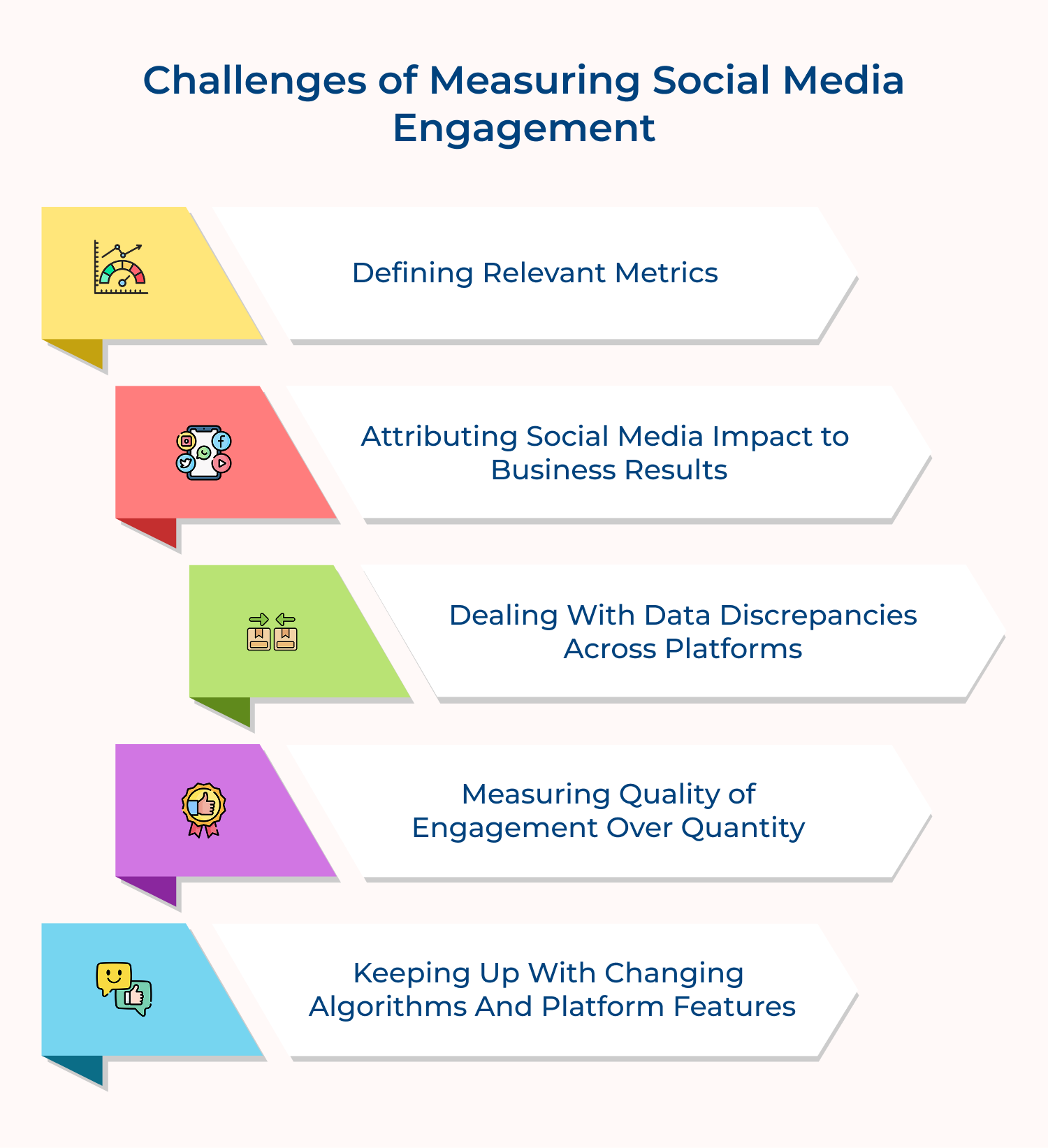
Defining Relevant Metrics
There are numerous metrics available across different platforms, it’s easy to get lost in a sea of data. Many businesses struggle to identify which metrics truly matter for their specific goals.
Start by aligning your social media objectives with your overall business goals. Are you aiming for brand awareness, lead generation or customer retention? Once you’ve clarified your objectives, select metrics that directly reflect these goals.
For instance, if brand awareness is your priority, focus on reach and impressions. For engagement, track likes, comments and shares. For lead generation, monitor click-through rates as well as conversion rates. Remember, it’s not about tracking everything, but tracking what matters most to your business.
Attributing Social Media Impact to Business Results
Connecting social media activities to tangible business outcomes, such as sales or customer acquisition, can be difficult due to the often indirect nature of social media influence.
Implement a robust attribution model and use UTM parameters in your social media links. This allows you to track user journeys from social media to your website and beyond. Utilize tools like Google Analytics to set up conversion tracking and goal completions.
Additionally, consider using unique promo codes or landing pages for specific social media campaigns to directly attribute sales or leads to these efforts. While it’s important to recognize that social media often plays a role in the broader customer journey rather than being the sole touchpoint, these methods can help you better understand its impact on your bottom line.
Dealing with Data Discrepancies Across Platforms
Different social media platforms often have varying definitions for similar metrics, leading to inconsistencies in reporting and analysis.
Create a standardized reporting framework that accounts for these differences. Start by clearly defining each metric you’re tracking and how it’s calculated on each platform. When possible, use third-party analytics tools that can aggregate data from multiple platforms and provide more consistent reporting.
Focus on trend analysis rather than absolute numbers when comparing across platforms. This approach allows you to gauge performance improvements over time, regardless of slight discrepancies in how metrics are calculated.
Measuring Quality of Engagement Over Quantity
It’s easy to get caught up in vanity metrics like follower count or total likes, which don’t necessarily reflect meaningful engagement or business value.
Shift your focus to metrics that indicate deeper engagement and audience quality. Look at metrics such as:
These metrics provide a more nuanced view of how your audience is interacting with your content and brand. Consider implementing social listening tools to track mentions as well as conversations about your brand beyond your owned channels.
Keeping Up with Changing Algorithms and Platform Features
Social media platforms frequently update their algorithms while introducing new features, which can impact how content is displayed and how metrics are calculated.
Solution: Stay informed about platform changes by following official company blogs and reputable social media news sources. Regularly review your social media strategy and be prepared to adapt. When significant changes occur, don’t be afraid to experiment with new content formats or posting strategies to see what works best under the new conditions.
Measuring social media engagement provides businesses with critical insights into audience preferences and behaviors, directly influencing marketing strategies. Tracking key metrics like likes, comments and shares allows brands to identify what resonates most, leading to more targeted as well as effective communication. This emphasis on engagement not only strengthens customer relationships but also drives brand loyalty and retention.
Regular analysis of these metrics enables companies to adapt their strategies, ensuring they remain competitive in a dynamic landscape. Prioritizing social media engagement is essential for building growth and achieving long-term success in today’s digital marketplace.

Why is tracking social media engagement even more critical today?
Tracking social media engagement is crucial today due to increased competition and evolving consumer behaviors. With algorithms favoring engaging content, businesses must understand what resonates to their audience. It helps in refining strategies, allocating resources effectively and staying relevant in a rapidly changing digital landscape. Hence, driving better ROI and customer relationships.
Why is social media engagement important for SEO?
Social media engagement indirectly impacts SEO by increasing brand visibility and driving traffic to your website. While social signals aren’t direct ranking factors, high engagement can lead to more backlinks, longer site visits and improved brand recognition. These factors contribute to better search rankings, making social media an important component of a comprehensive SEO strategy.
Why does measuring social media engagement matter for marketers?
Measuring social media engagement matters for marketers because it provides insights into content performance, audience preferences and campaign effectiveness. It helps in optimizing strategies, justifying marketing spend and demonstrating ROI to stakeholders. Engagement metrics also indicate brand health and customer sentiment, allowing marketers to adjust tactics as well as build stronger connections with their target audience.
What Are the Different Types of Customer Engagement Metrics?
Customer engagement metrics include interaction metrics (likes, comments, shares), reach and awareness metrics (impressions, follower growth), conversion metrics (click-through rates, sign-ups), retention metrics (repeat visits, unfollow rates) as well as sentiment metrics (positive/negative mentions). There are also platform-specific metrics like retweets on Twitter or story views on Instagram. Each type offers unique insights into customer behavior and content performance.
What Are Some Examples of Successful Customer Engagement on Social Media?
Successful customer engagement examples include Wendy’s witty Twitter responses, which boost brand personality and follower interaction. GoPro’s user-generated content campaigns encourage customers to share their experiences. Airbnb’s Instagram strategy showcases unique stays, inspiring travel and bookings. Glossier effectively uses customer feedback and testimonials, creating a community feel. These approaches drive interaction, loyalty and brand advocacy.
 https://omni24.io/wp-content/uploads/2026/07/Web-Self-Service.png
1257
2400
Webvision Solution
https://omni24.io/wp-content/uploads/2023/04/Omni-Logo-1.svg
Webvision Solution2026-07-23 05:39:582026-07-23 05:39:58Web Self Service: What it is, Features and its Benefits
https://omni24.io/wp-content/uploads/2026/07/Web-Self-Service.png
1257
2400
Webvision Solution
https://omni24.io/wp-content/uploads/2023/04/Omni-Logo-1.svg
Webvision Solution2026-07-23 05:39:582026-07-23 05:39:58Web Self Service: What it is, Features and its Benefits https://omni24.io/wp-content/uploads/2026/07/Knowledge-Base-SEO-1.png
1396
2400
Webvision Solution
https://omni24.io/wp-content/uploads/2023/04/Omni-Logo-1.svg
Webvision Solution2026-07-22 09:44:572026-07-23 06:16:41What is Knowledge Base SEO & How to Create it?
https://omni24.io/wp-content/uploads/2026/07/Knowledge-Base-SEO-1.png
1396
2400
Webvision Solution
https://omni24.io/wp-content/uploads/2023/04/Omni-Logo-1.svg
Webvision Solution2026-07-22 09:44:572026-07-23 06:16:41What is Knowledge Base SEO & How to Create it? https://omni24.io/wp-content/uploads/2026/07/customer-experience-benefits.png
1257
2400
Tushar Joshi
https://omni24.io/wp-content/uploads/2023/04/Omni-Logo-1.svg
Tushar Joshi2026-07-20 06:28:322026-07-20 06:28:32What are the Benefits of Customer Experience for Business?
https://omni24.io/wp-content/uploads/2026/07/customer-experience-benefits.png
1257
2400
Tushar Joshi
https://omni24.io/wp-content/uploads/2023/04/Omni-Logo-1.svg
Tushar Joshi2026-07-20 06:28:322026-07-20 06:28:32What are the Benefits of Customer Experience for Business?
Whether it’s about acquire, engage or support – Omni24 covers all your customer engagement needs in one complete platform.

Copyright ©2026 Veemo All rights reserved.
CA, Los Angeles, Hall Ave, 19011