What is Ecommerce Customer Retention & Why it Matters?
Stop spending big on ads that don't get buyers. Focus on ecommerce customer retention to boost repeat purchases and revenue growth.
Stop spending big on ads that don't get buyers. Focus on ecommerce customer retention to boost repeat purchases and revenue growth.
You’re pouring money into ads, driving traffic and celebrating new conversions – only to see customers disappear after one purchase. Research shows acquiring a new customer can cost 5x more than retaining an existing one. Even more compelling, increasing retention by just 5% can boost profits by 25% to 95%, according to Bain & Company.
The real growth lever isn’t always more acquisition, it’s better retention. When you keep customers engaged, they buy again, spend more and refer others. This guide breaks down nine proven strategies to turn one-time buyers into long-term, high-ROI loyalists.
E-commerce customer retention refers to the ability of an online business to keep shoppers coming back for repeat purchases over time. It measures how well you maintain relationships with existing customers rather than constantly chasing new ones. Strong retention means customers trust your brand enough to return and buy again.
A healthy retention rate for online stores typically falls between 20% and 40% annually depending on your industry. Fashion and beauty brands often see higher rates around 30-35%. The key is tracking your numbers consistently as well as improving them quarter over quarter.
Key Objectives:
Customer retention isn’t just a nice-to-have metric. It directly impacts your bottom line and shapes how sustainably your business can grow over time.
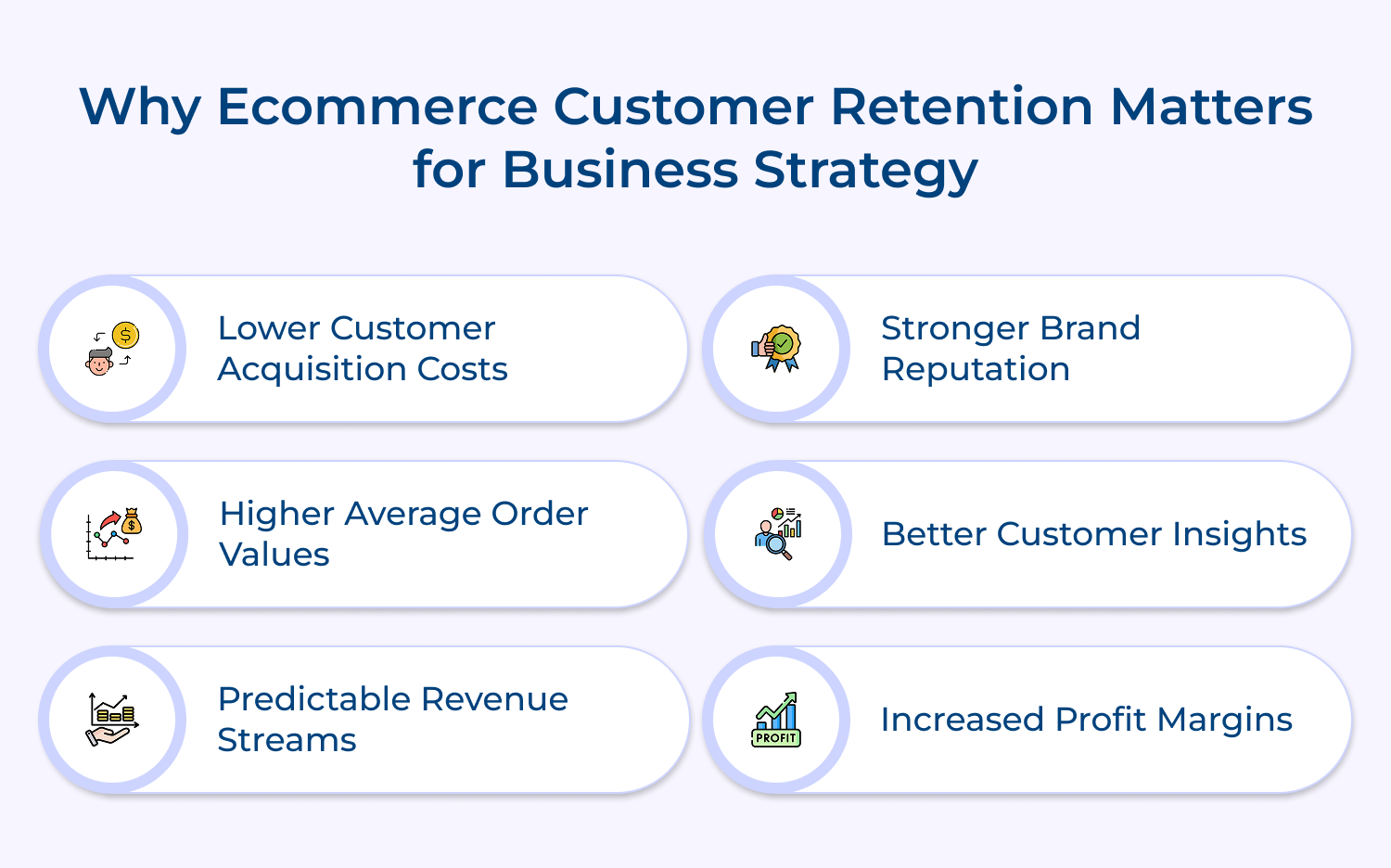
Lower Customer Acquisition Costs
Retaining existing customers costs significantly less than finding new ones. You save money on ads and marketing while building a stable revenue base that doesn’t depend on constant spending.
Higher Average Order Values
Repeat customers tend to spend more per transaction as they grow comfortable with your brand. They know what to expect and trust your quality enough to explore premium products.
Predictable Revenue Streams
Loyal customers create consistent cash flow that helps you forecast accurately and plan investments. This stability lets you make smarter decisions about inventory and growth opportunities without guessing.
Stronger Brand Reputation
Satisfied repeat buyers leave positive reviews and share their experiences with friends. Their authentic testimonials carry more weight than any advertisement you could create and attract quality customers.
Better Customer Insights
Long-term customers provide data about preferences and buying patterns that help you improve. You learn what works and can tailor experiences to meet actual needs rather than assumptions.
Increased Profit Margins
Serving existing customers requires less support and fewer incentives than converting new ones. They already understand your processes and need minimal hand-holding, which means better margins on every sale.
Keeping customers loyal in the digital marketplace comes with real obstacles. Understanding these challenges helps you tackle them head-on before they hurt your retention rates.
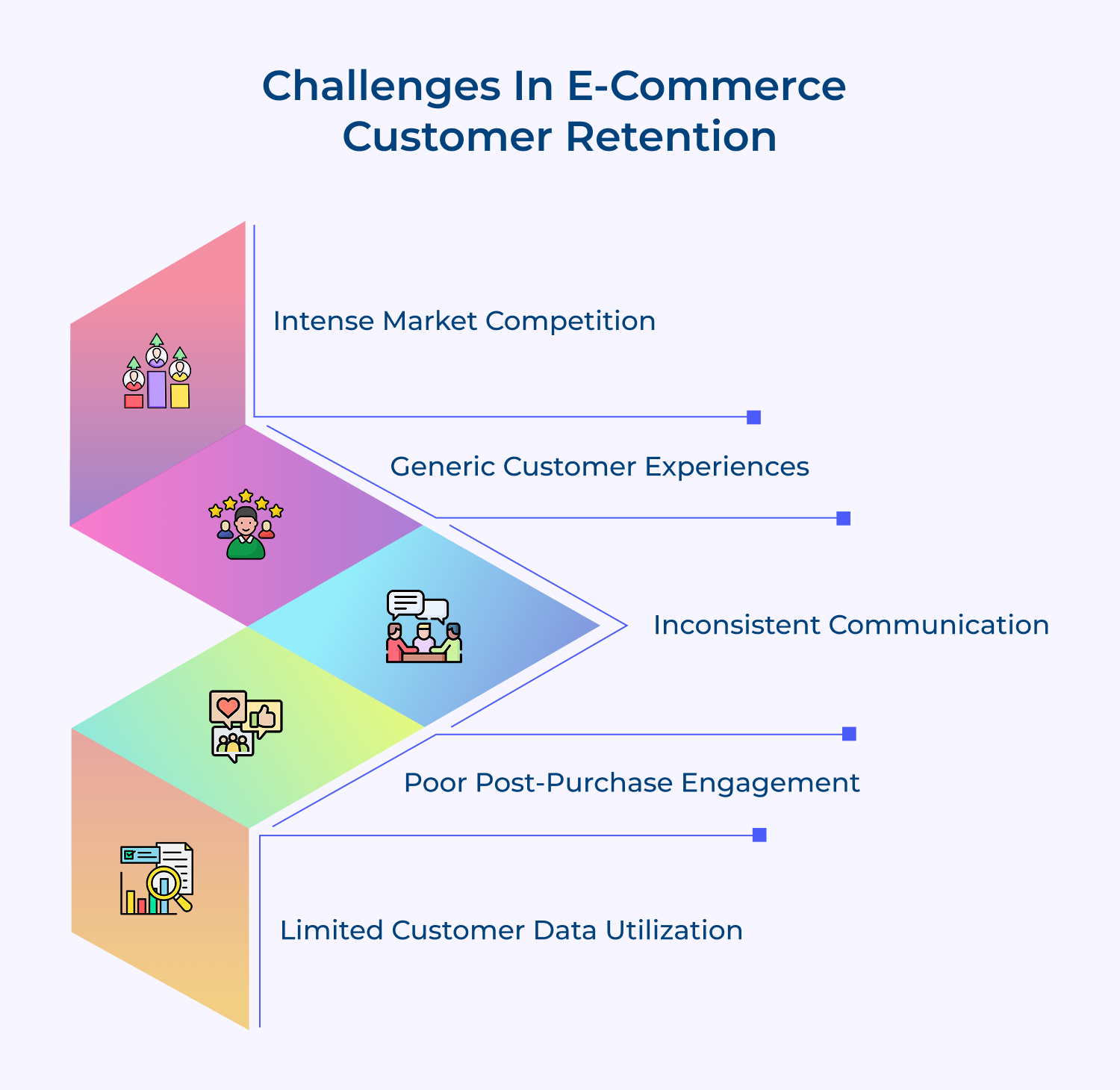
Customers can switch to competitors with a single click and endless options surround them constantly. Differentiation becomes harder when similar products and prices flood every category making loyalty fragile.
Treating all shoppers the same fails to create meaningful connections that inspire repeat purchases. Without personalization customers feel like transaction numbers rather than valued individuals who deserve tailored attention.
Sending too many emails annoys customers while radio silence makes them forget you exist entirely. Finding the right balance of staying present without being pushy proves difficult for most brands.
Many businesses focus heavily on the sale then neglect customers immediately after they buy. This abandonment leaves buyers wondering if you only cared about their money and kills any chance of building relationships.
Collecting information means nothing if you don’t use it to improve experiences and anticipate needs. Most brands sit on mountains of data but lack the systems to turn insights into retention actions.
These obstacles aren’t insurmountable if you approach them strategically. Here are practical solutions that address each challenge and help you build a retention system that actually works.
Here, we present nine essential e-commerce customer retention strategies that will help you nurture relationships and boost your profitability in the long run.
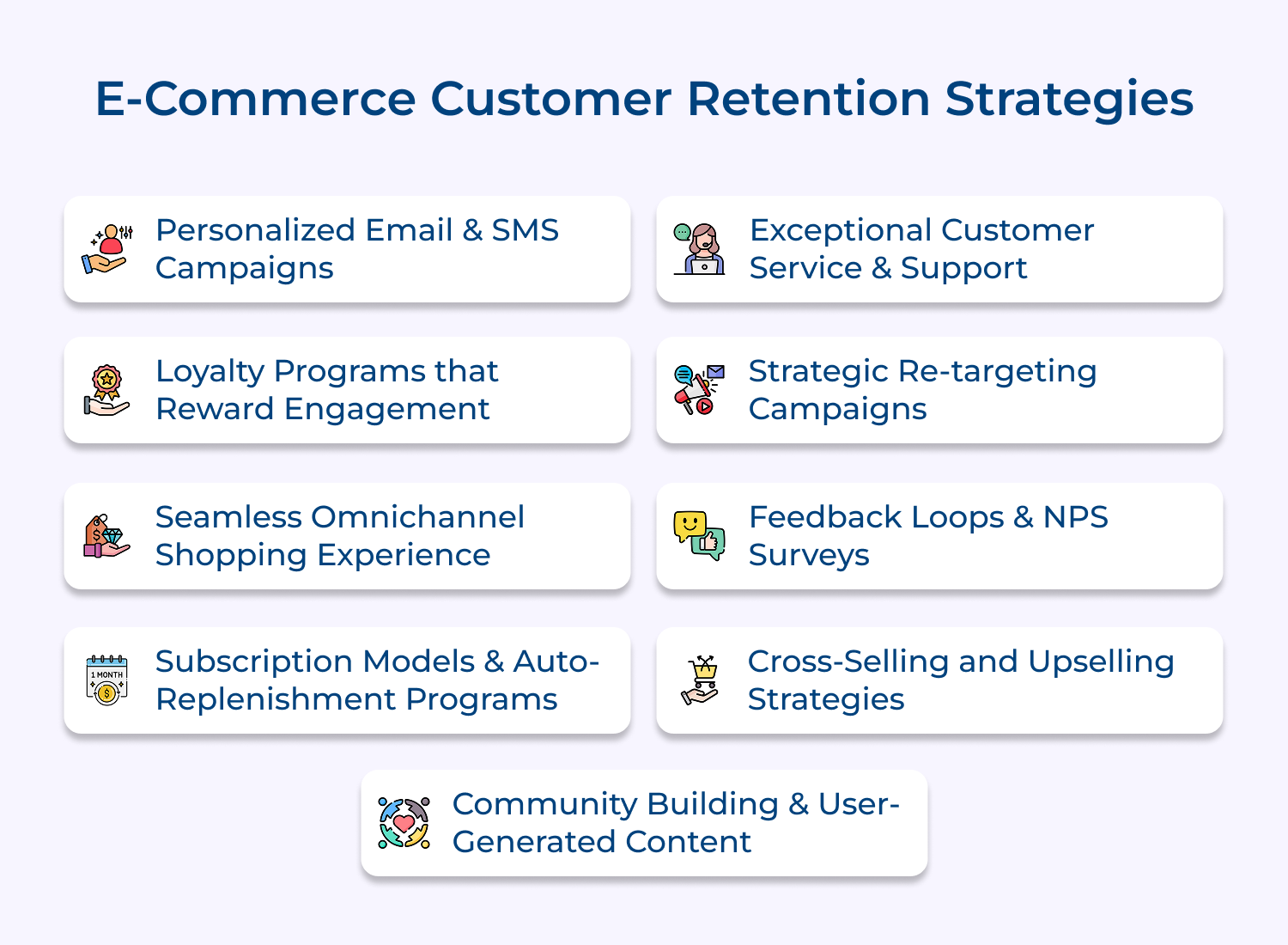
If you want stronger ecommerce customer retention, you can’t rely on generic blasts. Customers expect personalized experiences that reflect what they browsed, bought, or ignored. When messaging feels relevant, it improves customer experience and drives repeat purchases.
Here’s what works:
Worried about data? Most platforms already collect it. The key is using it thoughtfully to boost customer satisfaction, not overwhelm people.
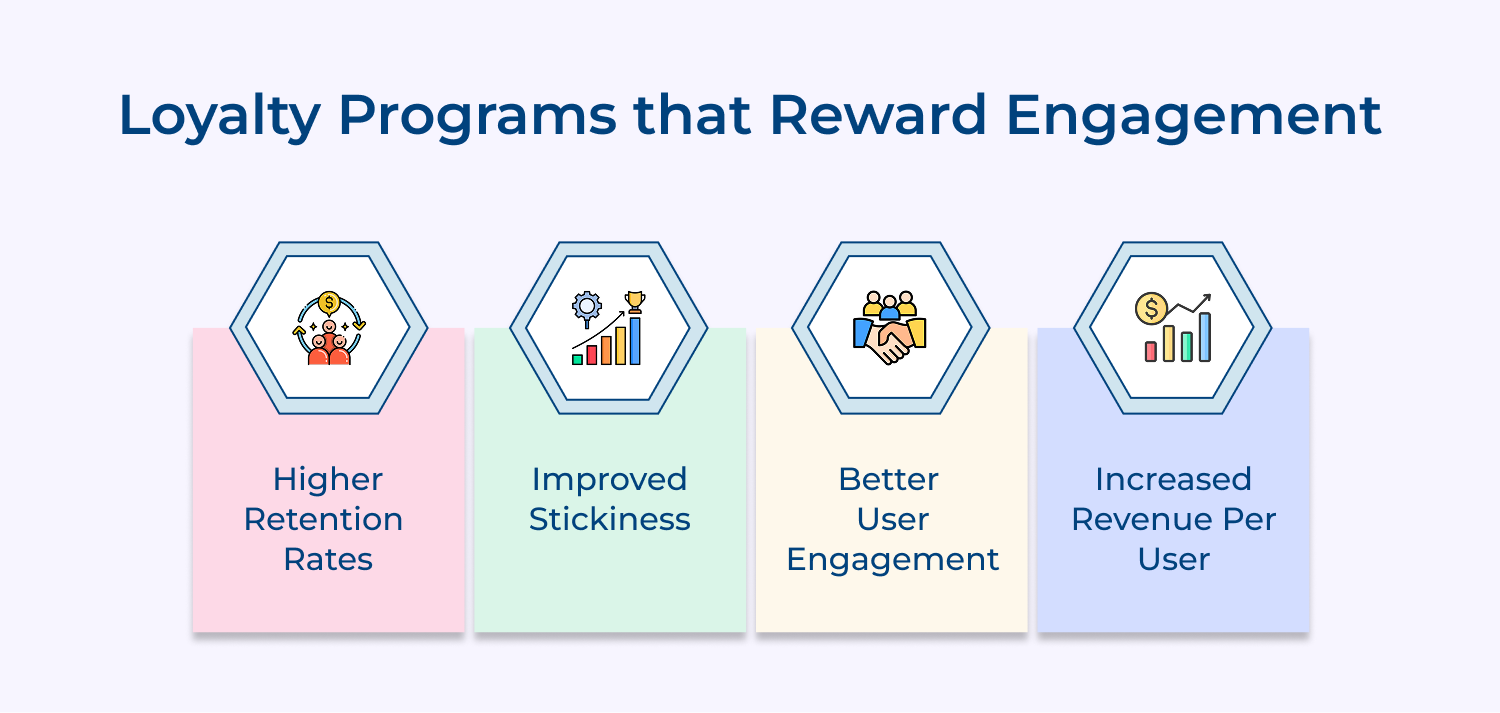
Loyalty programs give customers tangible reasons to choose your store over competitors by rewarding repeat business. They transform occasional shoppers into committed advocates who actively seek opportunities to earn and redeem benefits with your brand.
Successful programs go beyond simple discounts by creating emotional connections through gamification and exclusive experiences. Members feel part of a special group that gets access to perks others don’t receive.
Pro tips:
Today’s shoppers don’t think in channels. They might browse on mobile, compare on desktop and complete the purchase in-store. If that journey feels disconnected, it hurts the overall customer experience and weakens trust instantly.
A seamless omnichannel strategy ensures customers can move between touchpoints without friction.
Here’s what that looks like:
When customers don’t have to repeat themselves or restart their journey, satisfaction rises and so does customer loyalty.
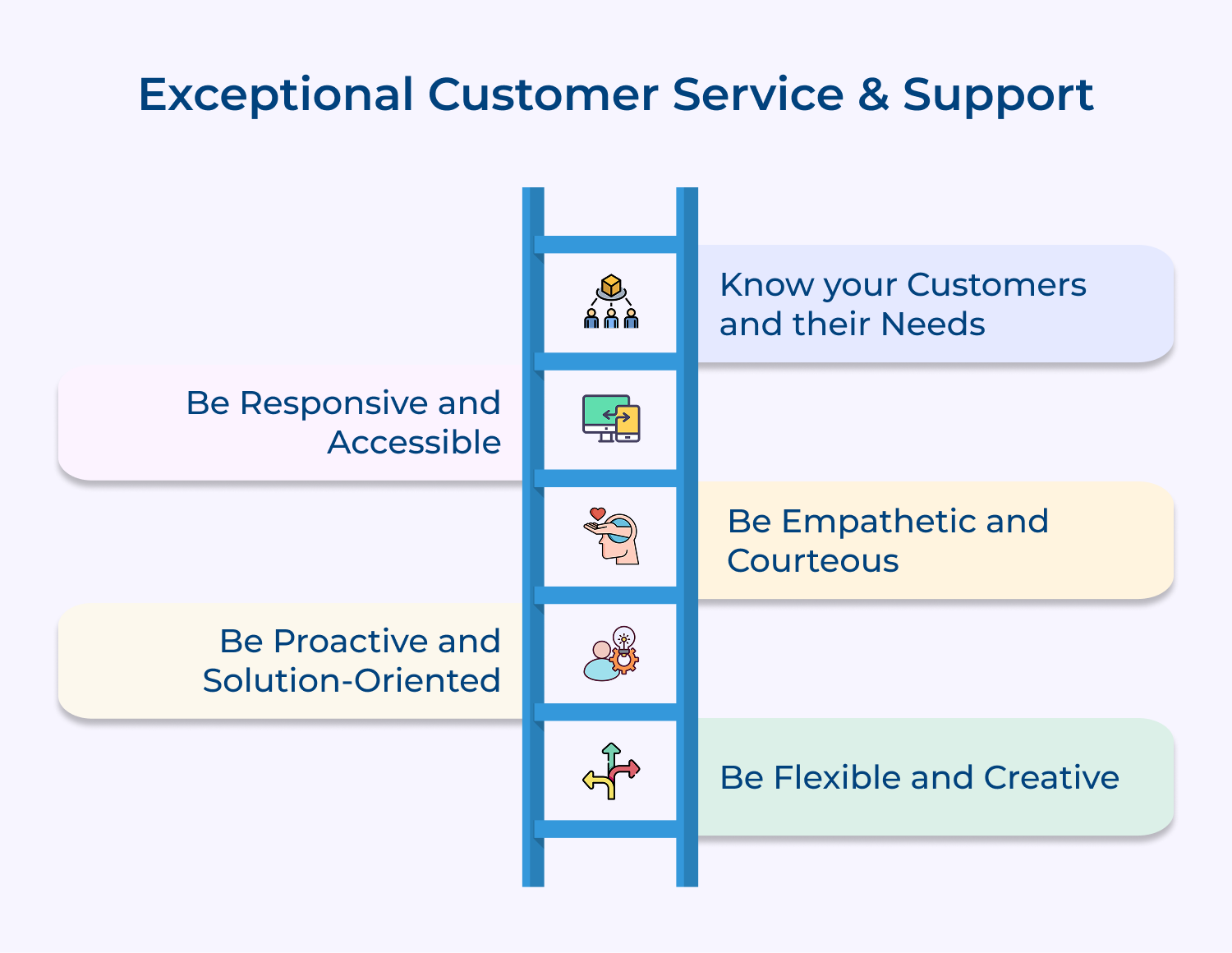
No retention strategy works if your customer service disappoints. One unresolved issue can undo months of marketing effort. On the flip side, a smooth recovery can actually strengthen customer loyalty.
Great support isn’t just about solving problems, it’s about how customers feel during the process.
Focus on these essentials:
Strong customer support builds trust. And trust is what turns a one-time buyer into a repeat customer.
Re-targeting brings back customers who showed interest but didn’t complete their purchase or haven’t returned in a while. These campaigns remind shoppers about your brand at the right moment and often convert hesitant browsers into buyers with minimal additional effort.
Three proven methods to win back interested customers:
Don’t these campaigns feel pushy and annoying to customers? They can be if you overdo frequency or use aggressive language that guilt-trips people. The key is spacing messages appropriately and focusing on helpfulness rather than desperation. Limit cart reminders to three emails maximum and always provide an easy opt-out option to respect customer preferences.
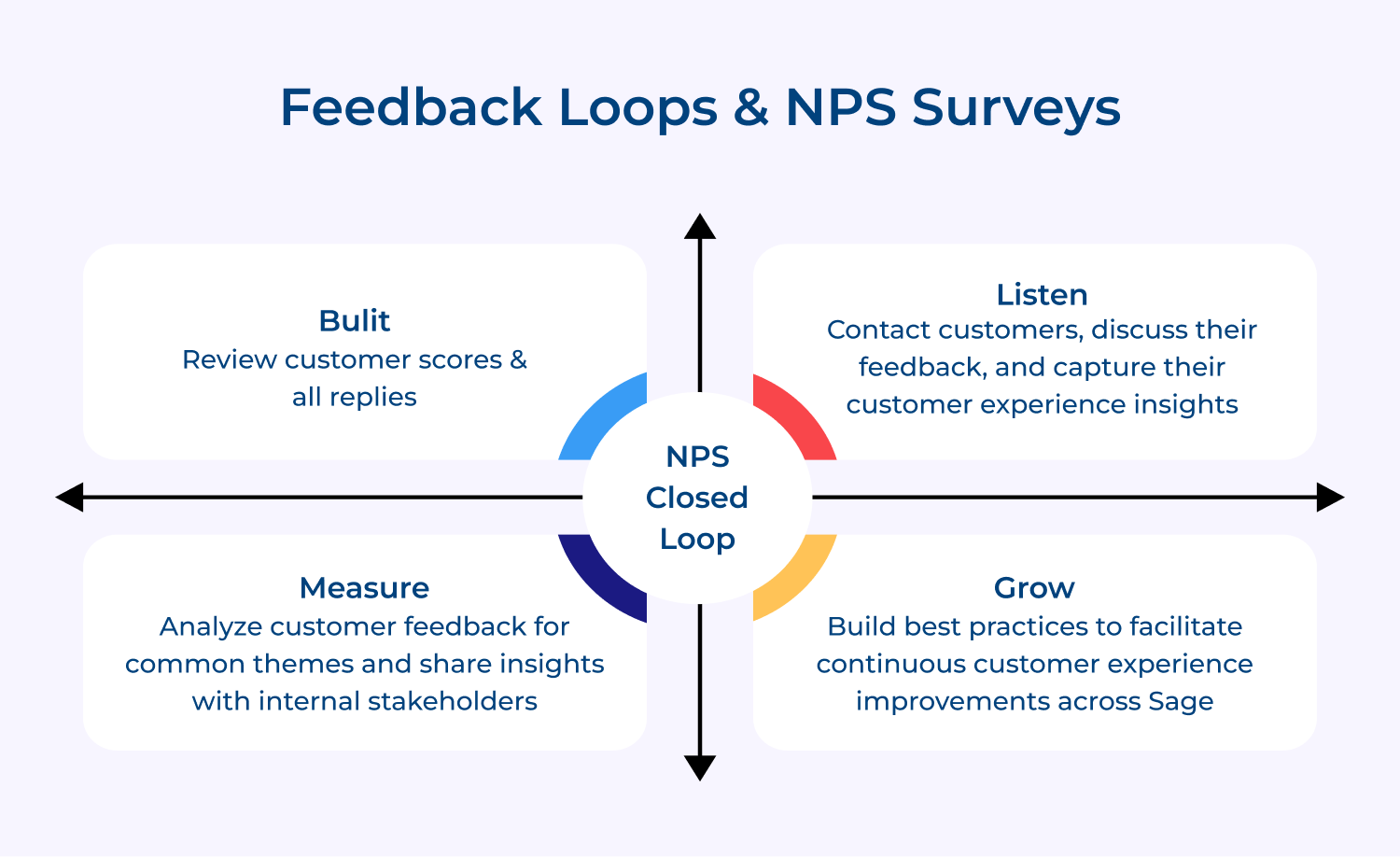
Feedback loops show customers their opinions matter and give you direct insight into what drives satisfaction or frustration. Regular surveys help you catch issues before they become reasons for customers to leave and demonstrate your commitment to continuous improvement.
Implementing feedback systems means asking the right questions at strategic moments throughout the customer journey. Post-purchase surveys capture immediate reactions while periodic check-ins measure long-term satisfaction and uncover evolving needs over time.
Best practice:
Cross-selling and upselling increase the value customers get from each transaction while boosting your average order size naturally. Smart recommendations show customers products they genuinely need or premium versions that better solve their problems rather than random suggestions.
Three methods that increase value without feeling pushy:
For example a customer buys a camera from your electronics store and immediately sees a bundle suggestion for a memory card while carrying the case. During checkout they’re offered an upgrade to the professional model for $50 more. Three days after delivery they receive an email about compatible lenses based on their new camera model.
Won’t customers see through these tactics as manipulation? Only if your recommendations are irrelevant or obviously prioritize your profit over their needs. When done right these strategies help customers discover products they actually want and save them time researching options.
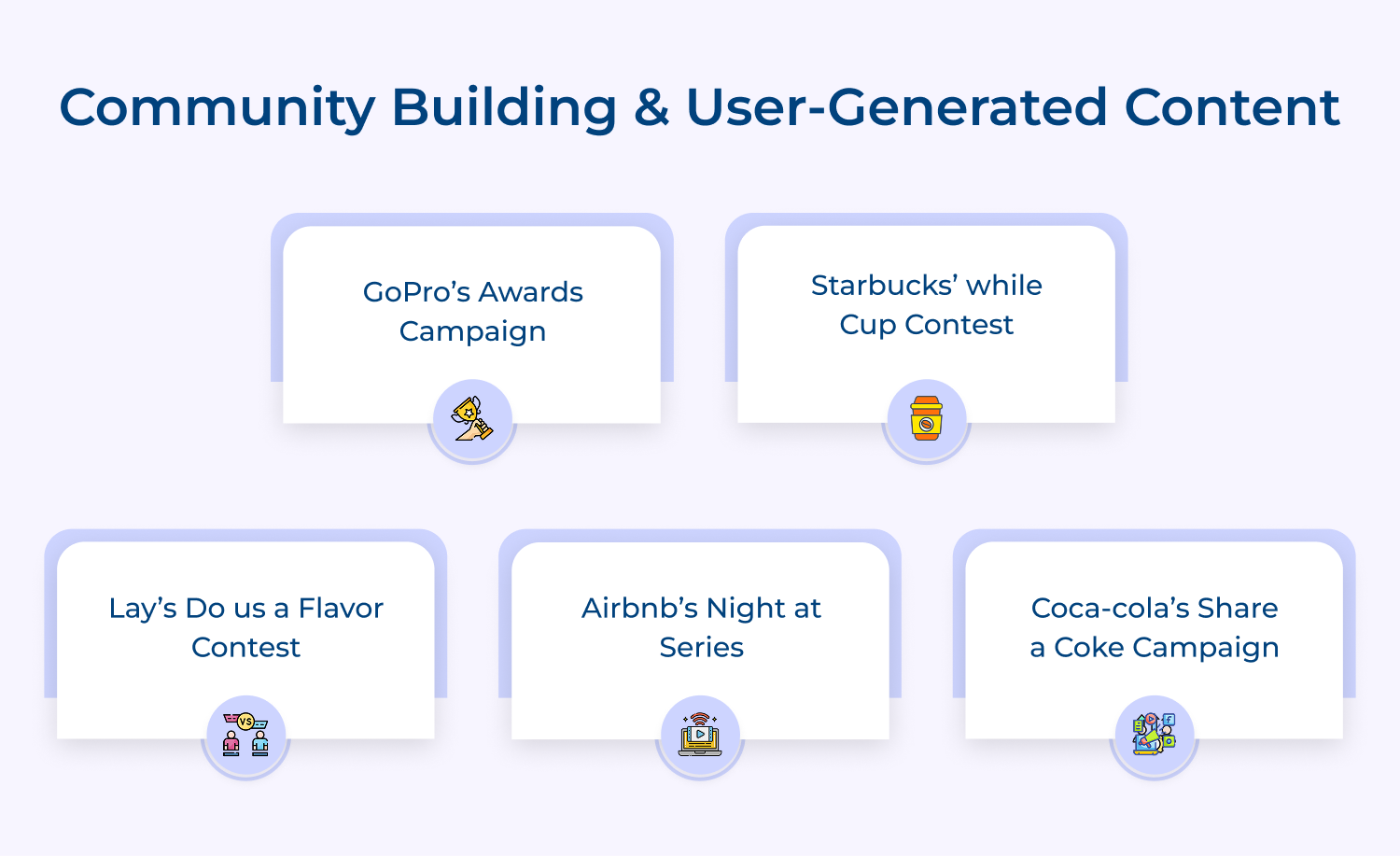
Community building transforms your customer base into a network of brand advocates who engage with each other and your products. It creates belonging beyond transactions and gives customers reasons to stay connected even when they’re not actively shopping or browsing.
User-generated content provides authentic social proof that resonates more powerfully than any marketing copy you could write. Customers trust real experiences from other buyers and seeing themselves represented in your brand story strengthens their emotional connection significantly.
Pro tips:
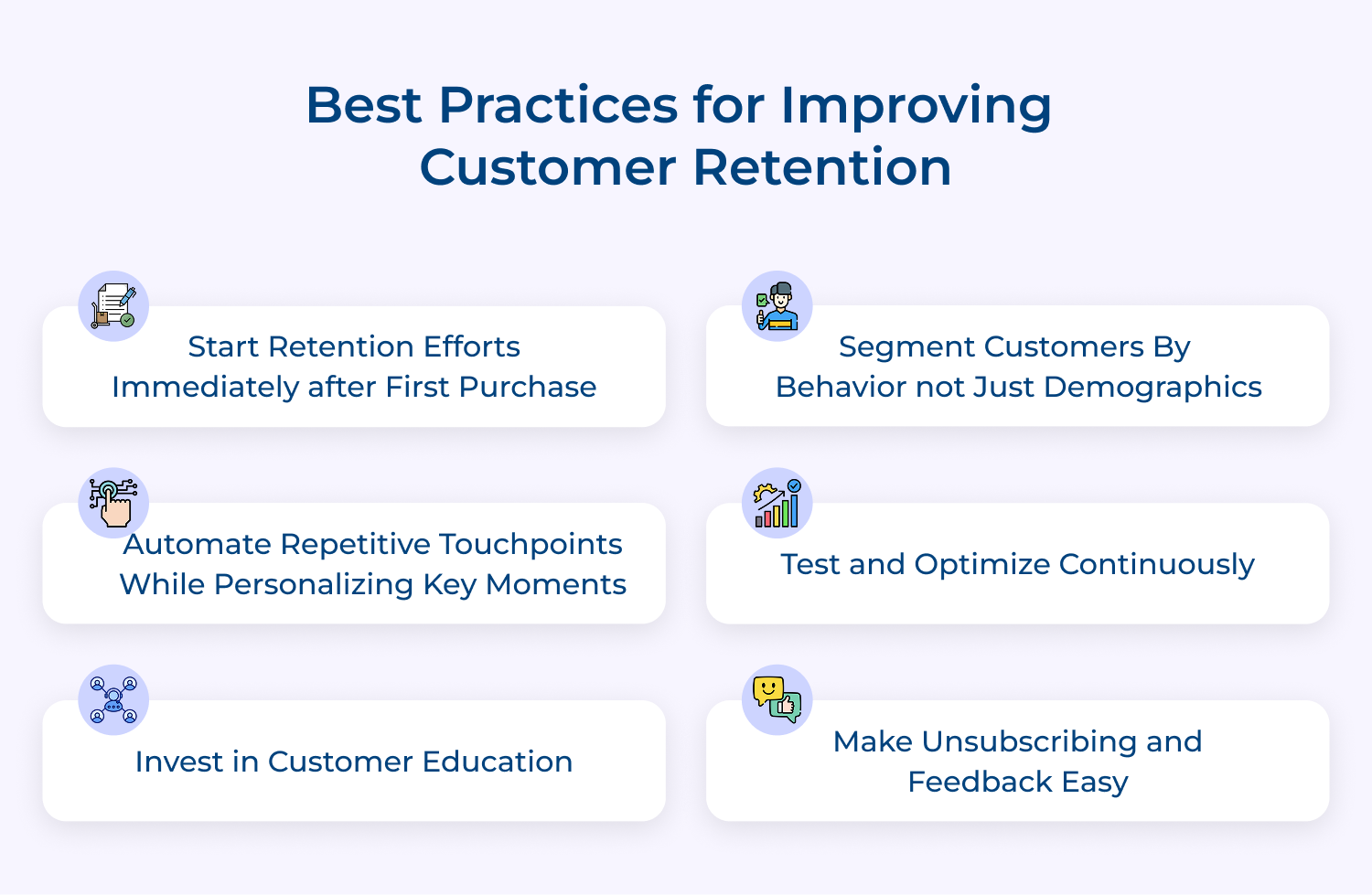
Implementing retention strategies is one thing but doing them right makes all the difference. These best practices ensure your efforts translate into measurable results.
You can’t improve what you don’t measure. Tracking the right retention metrics helps you understand exactly where your strategy succeeds and where it needs work.
Five questions to guide your retention measurement efforts:
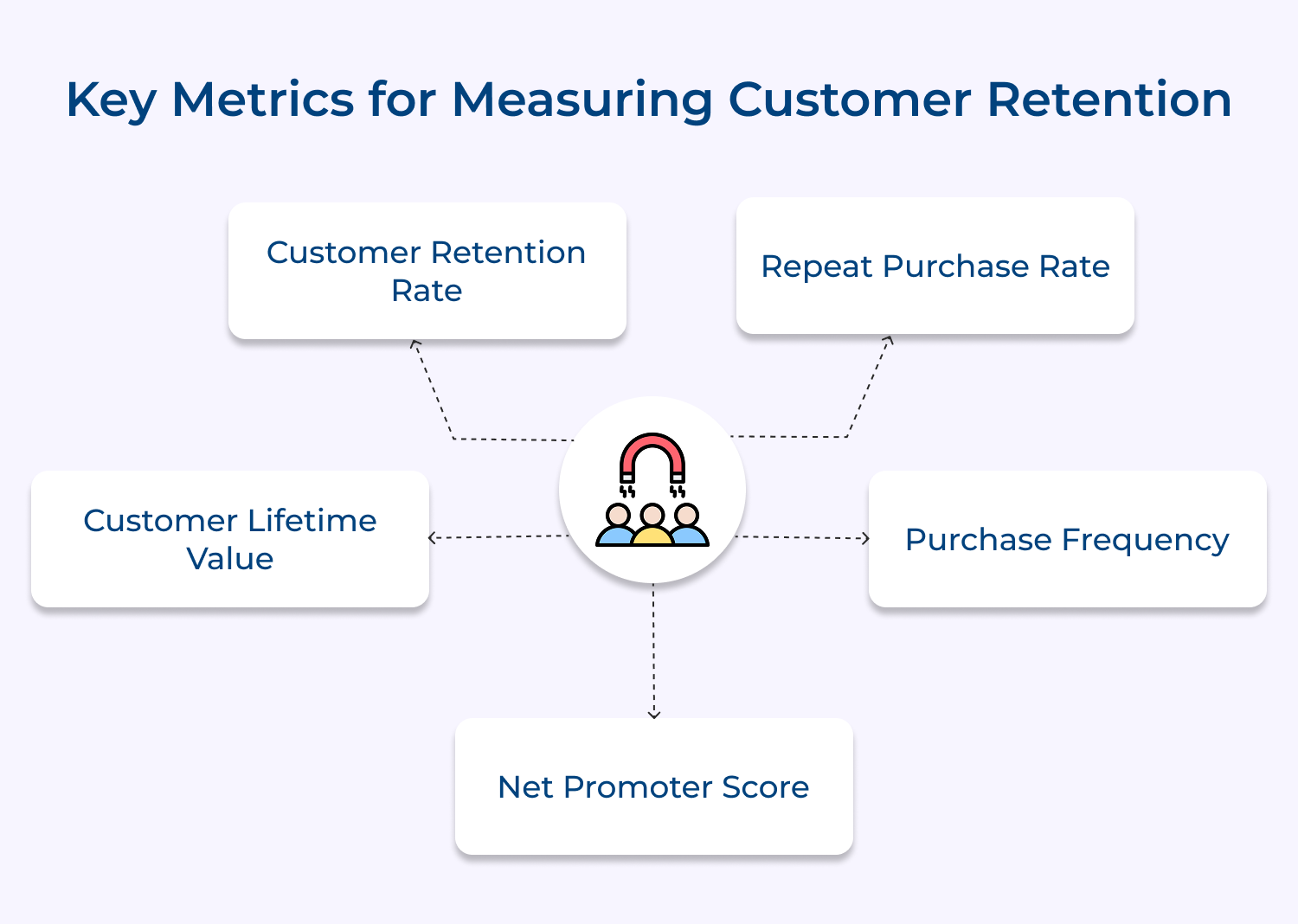
Customer Retention Rate
This measures the percentage of customers who make repeat purchases within a specific timeframe like a quarter or year. Calculate it by dividing returning customers by total customers at period start then multiply by 100 for the percentage.
Repeat Purchase Rate
This measures how frequently customers come back to make another purchase, no matter how much time passes between orders. When this number is strong, it usually means your products meet expectations and your retention efforts are working in real-world conditions, not just on paper or dashboards.
Customer Lifetime Value
CLV estimates the total revenue a single customer is likely to generate during their entire relationship with your business. A higher CLV suggests customers stay longer and spend more, which improves profitability as well as makes your retention investments far more worthwhile over the long term.
Purchase Frequency
Purchase frequency reflects how often the average customer buys from you within a defined timeframe, such as monthly or annually. When purchase frequency increases through smart retention strategies, you grow revenue consistently without needing to constantly invest in acquiring brand-new customers.
Net Promoter Score
NPS gauges how willing customers are to recommend your brand using a scale that ranges from negative ten to positive ten. Customers who score nine or ten are considered promoters and they’re far more likely to repurchase as well as refer others through genuine, enthusiastic recommendations.
Customer retention isn’t about tricks or gimmicks but genuinely caring about the people who choose your brand. When you focus on delivering value at every touchpoint customers naturally want to return and shop again.
Start implementing these strategies today even if you begin with just one or two approaches at first. Small consistent improvements in how you treat existing customers will compound over time into a loyal community that fuels sustainable growth for years ahead.

How can ecommerce customer retention reduce customer churn?
Retention strategies identify at-risk customers before they leave by tracking engagement patterns and purchase frequency drops. Proactive outreach with personalized offers or support addresses issues early and keeps customers from switching to competitors permanently.
How does personalization impact ecommerce customer retention?
Personalization makes customers feel understood and valued as individuals rather than anonymous transaction numbers in your system. Tailored recommendations and communications increase relevance which directly leads to higher satisfaction as well as more frequent repeat purchases over time.
What tools help with ecommerce customer retention?
Email marketing platforms like Klaviyo enable automated personalized campaigns while loyalty software like Smile.io manages reward programs effectively. Customer service tools like Zendesk and analytics platforms like Google Analytics track retention metrics while identifying improvement opportunities consistently.
How can loyalty programs boost ecommerce customer retention?
Loyalty programs create tangible incentives for customers to return by rewarding repeat purchases with points or exclusive perks. They transform routine shopping into engaging experiences where customers actively choose your brand to maximize their accumulated benefits.
How can small ecommerce businesses improve customer retention?
Small businesses can focus on exceptional personal service and direct customer relationships that larger competitors struggle to replicate authentically. Simple tactics like handwritten thank-you notes and prompt email responses create memorable experiences without requiring massive technology investments.
 https://omni24.io/wp-content/uploads/2026/08/AI-Customer-Service-Agents.png
1256
2400
Webvision Solution
https://omni24.io/wp-content/uploads/2023/04/Omni-Logo-1.svg
Webvision Solution2026-09-21 04:48:512026-09-21 04:48:51How to Build an AI Customer Service Agents: 8 Key Steps
https://omni24.io/wp-content/uploads/2026/08/AI-Customer-Service-Agents.png
1256
2400
Webvision Solution
https://omni24.io/wp-content/uploads/2023/04/Omni-Logo-1.svg
Webvision Solution2026-09-21 04:48:512026-09-21 04:48:51How to Build an AI Customer Service Agents: 8 Key Steps https://omni24.io/wp-content/uploads/2026/08/Omnichannel-Conversational-AI.png
1256
2400
Tushar Joshi
https://omni24.io/wp-content/uploads/2023/04/Omni-Logo-1.svg
Tushar Joshi2026-09-16 03:51:072026-09-16 03:51:07How to Build Omnichannel Conversational AI Strategy
https://omni24.io/wp-content/uploads/2026/08/Omnichannel-Conversational-AI.png
1256
2400
Tushar Joshi
https://omni24.io/wp-content/uploads/2023/04/Omni-Logo-1.svg
Tushar Joshi2026-09-16 03:51:072026-09-16 03:51:07How to Build Omnichannel Conversational AI Strategy https://omni24.io/wp-content/uploads/2026/08/Customer-Service-Teams.png
1256
2400
Tushar Joshi
https://omni24.io/wp-content/uploads/2023/04/Omni-Logo-1.svg
Tushar Joshi2026-09-15 04:01:522026-09-15 04:02:16How to Build Customer Service Teams: 6 Key Steps
https://omni24.io/wp-content/uploads/2026/08/Customer-Service-Teams.png
1256
2400
Tushar Joshi
https://omni24.io/wp-content/uploads/2023/04/Omni-Logo-1.svg
Tushar Joshi2026-09-15 04:01:522026-09-15 04:02:16How to Build Customer Service Teams: 6 Key Steps
Whether it’s about acquire, engage or support – Omni24 covers all your customer engagement needs in one complete platform.

Copyright ©2026 Veemo All rights reserved.
CA, Los Angeles, Hall Ave, 19011