How to Implement Conversational AI in Sales: 6 Key Steps
Learn how conversational AI in sales improves engagement, automates lead qualification and helps teams close deals faster with smarter conversations.

Learn how conversational AI in sales improves engagement, automates lead qualification and helps teams close deals faster with smarter conversations.
Your sales team wastes hours answering repeat questions, sorting bad leads and scheduling calls — while buyers expect instant, around-the-clock replies. 90% of customers say immediate answers are essential and 71% expect real-time communication.
Traditional sales approaches can’t keep pace with modern buyer expectations or handle the volume of inquiries flooding in. Your competitors are already using AI to respond instantly and qualify leads automatically as well as close deals faster than ever.
This comprehensive guide shows you exactly how conversational AI transforms sales operations in 2026. You’ll discover practical implementation steps along with proven strategies to boost your team’s productivity and revenue dramatically.
Conversational AI in sales refers to intelligent systems that interact with potential customers through natural dialogue. These AI-powered tools use machine learning and natural language processing to understand customer queries as well as respond appropriately. They can handle initial conversations and qualify leads while mimicking human interaction patterns.
Sales teams can now focus on closing deals instead of answering repetitive questions. Conversational AI handles multiple customer interactions simultaneously without breaks or delays. This technology reduces response times and helps businesses capture leads that might otherwise slip away during off-hours.
Key Components:
Sales teams using AI report 83% increased revenue compared to 66% of non-AI teams. Let’s explore the data-driven impact before diving into the specific benefits.
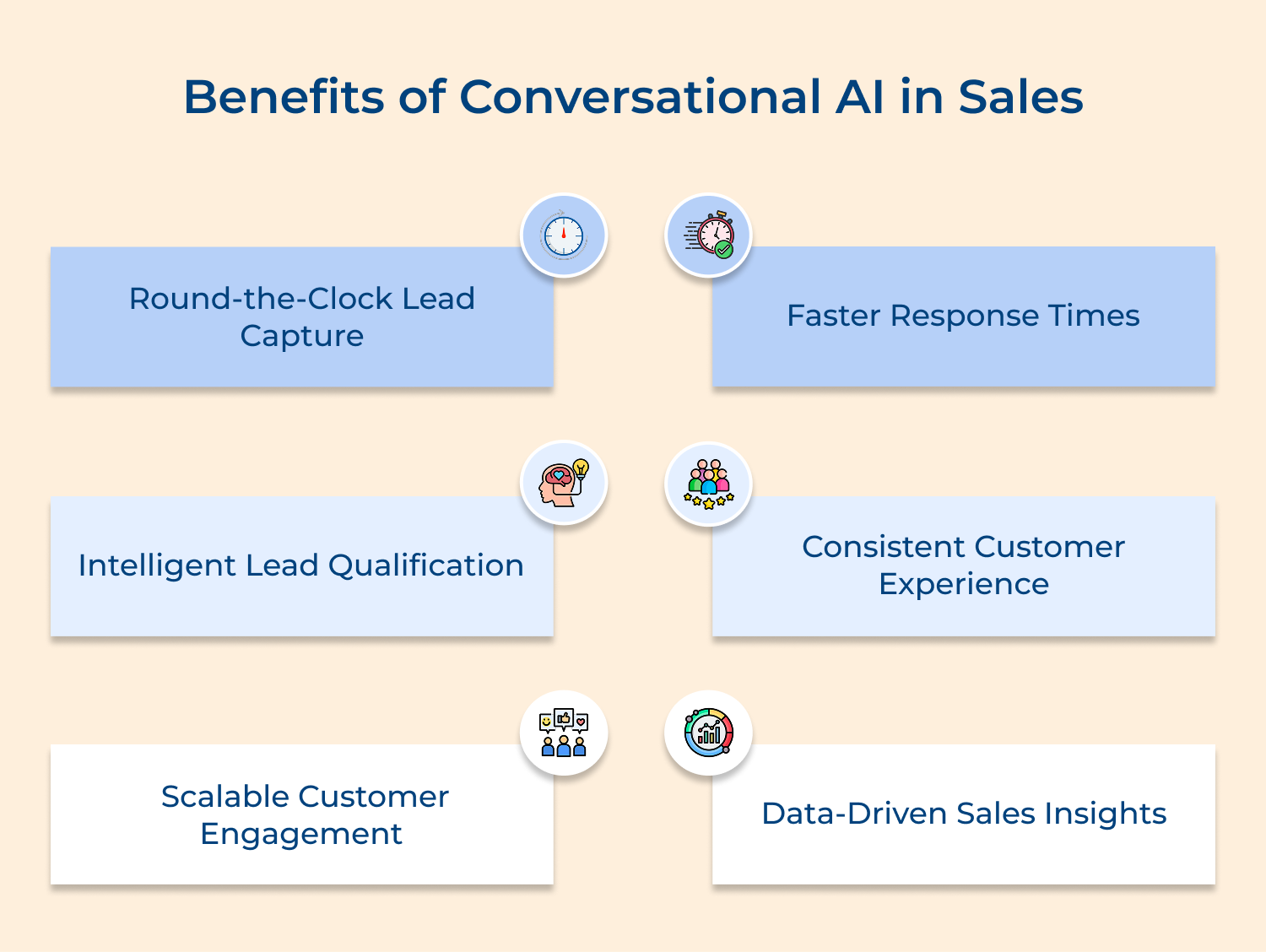
1. Round-the-Clock Lead Capture
Your AI never sleeps or takes breaks. Potential customers get instant responses at 3 AM or during holidays when human teams are unavailable. This constant availability means you capture leads that would otherwise vanish into competitor pipelines.
2. Faster Response Times
Speed matters in sales conversions. AI responds to inquiries within seconds instead of hours or days. Studies show responding to leads within five minutes makes them 100 times more likely to convert than waiting thirty minutes.
3. Intelligent Lead Qualification
AI asks the right questions to separate serious buyers from casual browsers. It collects budget information and timeline details before passing qualified prospects to your sales team. Your reps spend time closing deals rather than chasing dead ends.
4. Consistent Customer Experience
Every prospect receives the same quality interaction regardless of when they reach out. AI eliminates bad days and knowledge gaps that plague human teams. Customers get accurate product information and pricing without waiting for the right person to be available.
5. Scalable Customer Engagement
One AI system handles hundreds of simultaneous conversations without additional hiring costs. During product launches or promotions your system manages the surge without delays. This scalability lets small teams compete with enterprise-level customer service operations.
6. Data-Driven Sales Insights
Every conversation generates valuable intelligence about customer questions and objections. AI tracks patterns in buyer behavior and common pain points. Sales teams use these insights to refine pitches and identify which products resonate with specific customer segments.
Understanding the distinction between inbound and outbound conversational AI helps businesses deploy the right solution for their sales goals.

1. Initiation Point
In the inbound model, customers make the first move. A visitor lands on your website or social page and help appears exactly when they choose to engage. Control stays firmly with the customer.
In the outbound model, the first step comes from your side. Calls or messages reach prospects who may not have shown interest yet. New opportunities emerge instead of waiting for demand to appear.
2. Primary Goal
Existing interest sits at the center of inbound efforts. Questions get answered, doubts disappear and warm prospects move steadily through the buying journey. Higher conversion from current traffic defines success.
Cold audiences shape outbound efforts. New markets open up, awareness grows and conversations turn into qualified meetings. Pipeline expansion becomes the primary win.
3. Typical Channels
Websites, chat widgets and social messaging platforms host inbound conversations. Customers naturally expect support in these spaces.
Phone calls, emails and messaging tools power outbound outreach. Response patterns guide how each channel gets used over time.
4. Customer Mindset
A clear problem or question drives inbound conversations. Fast value matters because attention spans stay short.
Little or no awareness defines outbound interactions. Curiosity and relevance must spark interest before deeper product details land.
Successfully deploying conversational AI requires careful planning and execution. Follow these six steps to ensure your implementation delivers real results for your sales team.
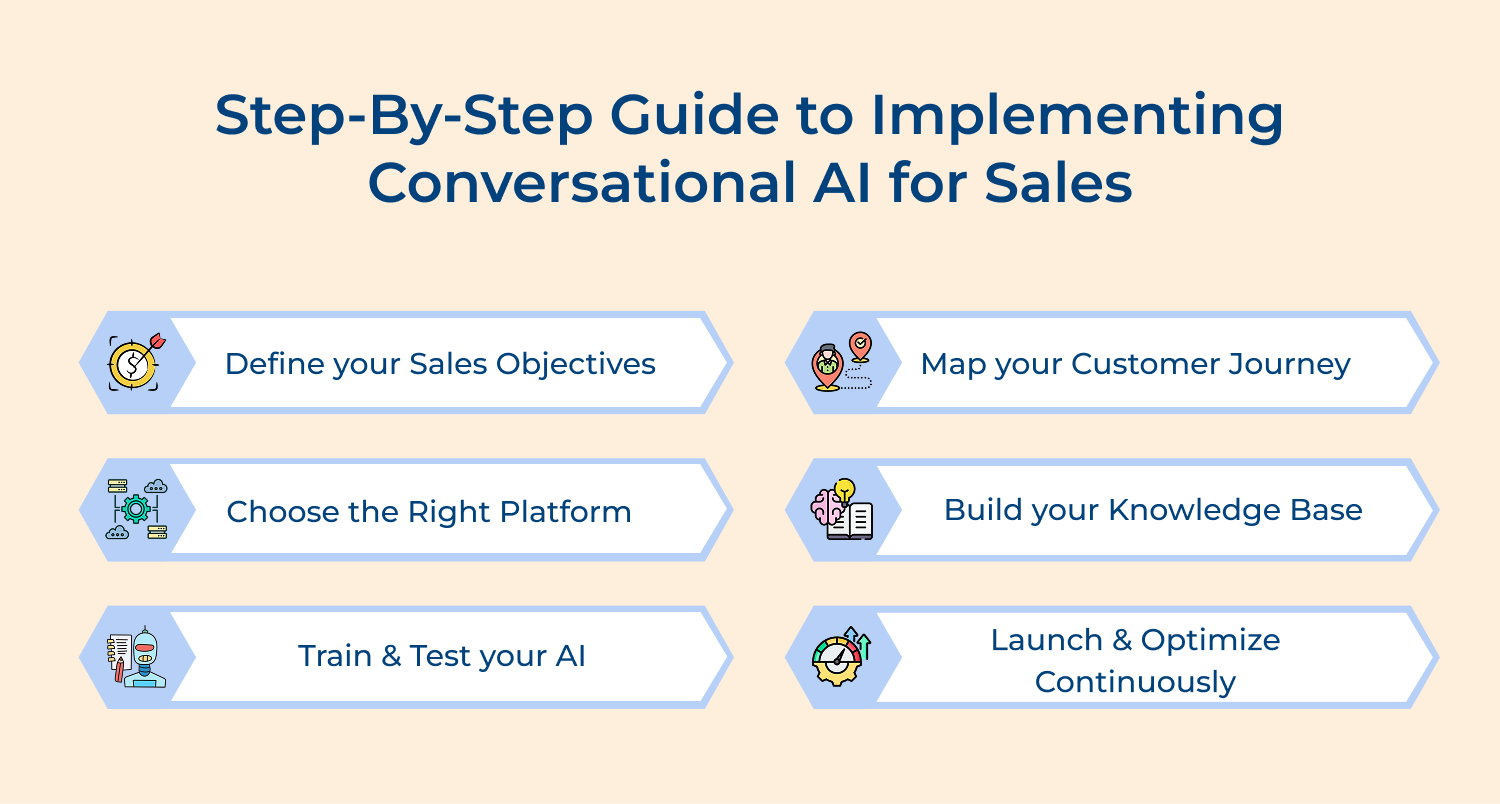
Real clarity starts by pinpointing the sales problems that slow your team down. Lead qualification, meeting scheduling, or product recommendations usually top the list. Specific goals make it easier to measure impact and select features that actually matter.
Every interaction deserves a closer look, from the first inquiry to the final deal. Repeated questions as well as common objections tend to show up again and again. Those moments signal exactly where AI can step in and deliver quick wins.
Alignment with your tech stack and budget should guide the decision. Seamless CRM and communication tool integrations reduce friction. Strong onboarding resources and reliable support also make a big difference long term.
Accurate answers depend on structured information. Product details, pricing, FAQs, objection-handling scripts and competitor context all belong in one place. Better data leads to better conversations.
Realistic testing uncovers gaps fast. Internal teams can simulate different buyer questions and stages. Feedback from these sessions helps fine-tune responses before prospects ever see them.
A gradual launch lowers risk and reveals patterns early. Conversation logs as well as customer feedback highlight what needs adjustment. Continuous updates keep performance sharp as buyer behavior evolves.
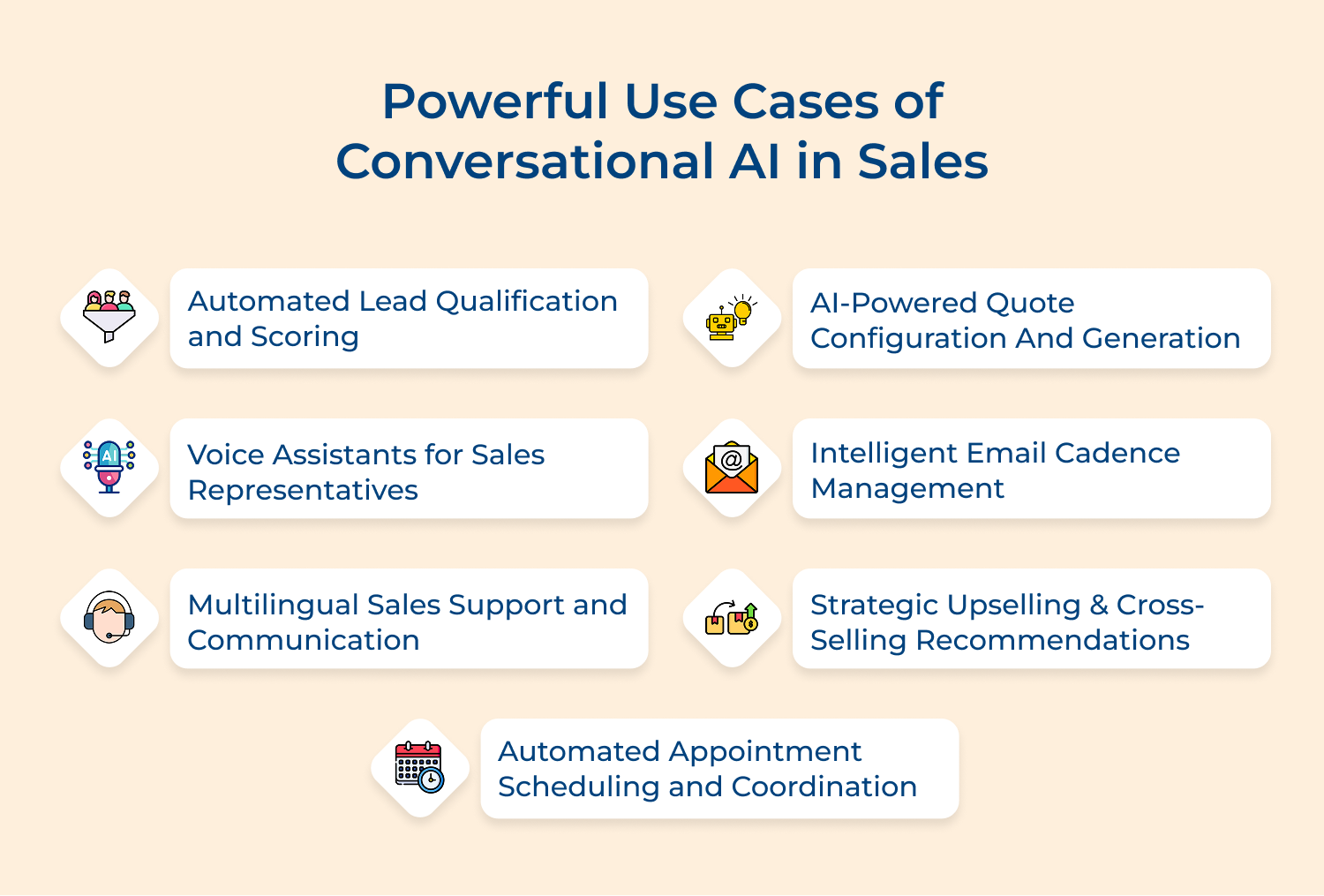
Let’s explore the transformative impact of conversational AI on sales, highlighting practical applications that can revolutionize your approach and boost your bottom line
AI instantly evaluates incoming leads by asking the right questions and assigning priority scores. This automation ensures your sales team focuses energy on prospects most likely to convert rather than wasting time on unqualified inquiries.
How you can leverage Conversational AI for lead qualification:
Consider a software company receiving 500 monthly inquiries through their website. Their AI chatbot asks targeted questions about company size and current tools as well as implementation timeline. Only the 150 leads showing genuine buying signals reach human sales reps.
The remaining conversations get nurtured through automated sequences until they demonstrate higher intent. This filtering lets a small sales team handle enterprise-level lead volume efficiently.
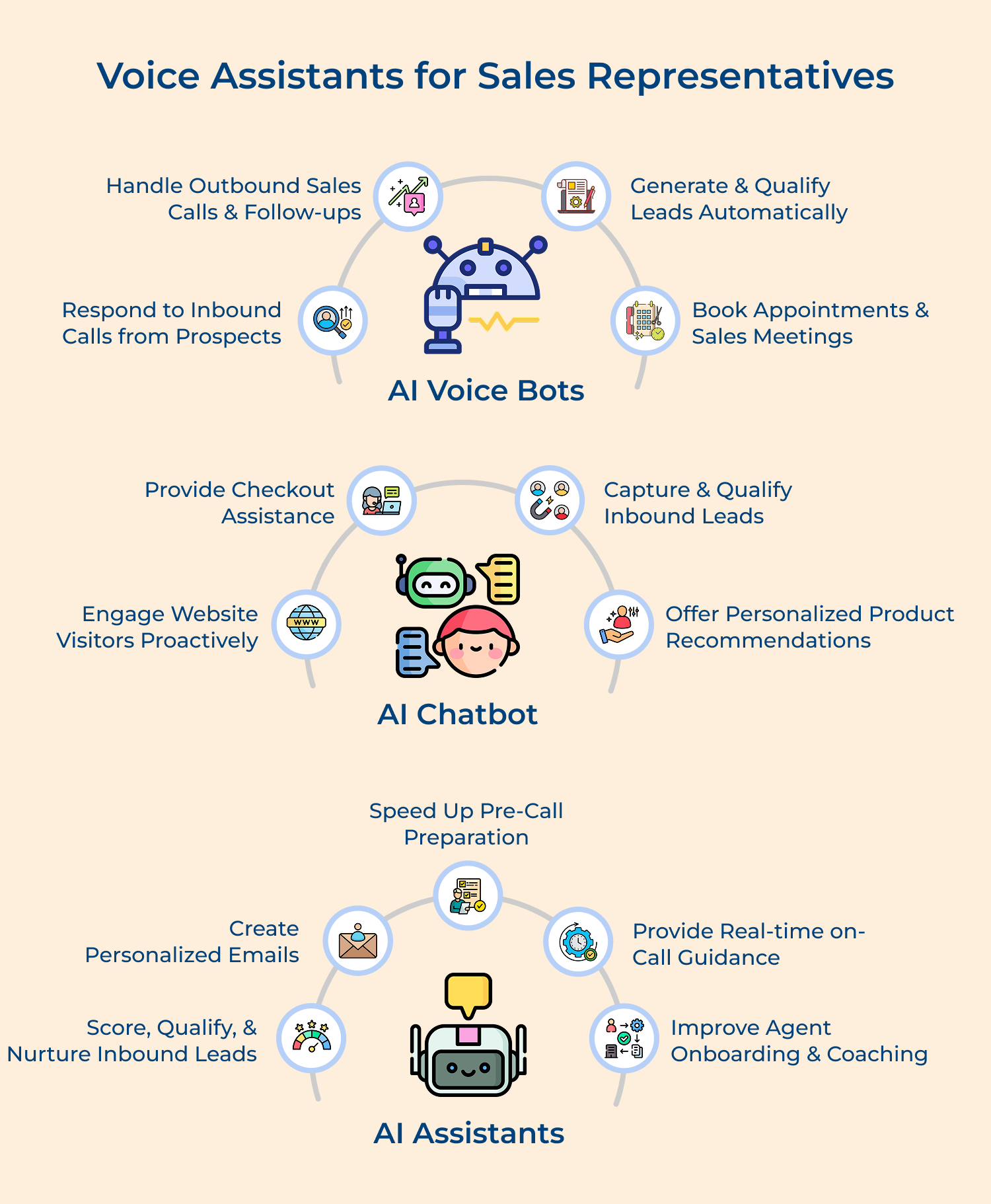
Voice assistants now act like real-time copilots during sales calls. They listen in, offer instant support and help reps stay sharp without juggling notes or tabs. The result is smoother conversations, stronger confidence and more deals closed with less effort.
Real-time Guidance During Live Calls
As conversations unfold, helpful prompts appear based on what the prospect says. A pain point mentioned? Relevant stats, case studies, or talking points surface instantly. Newer reps sound polished and prepared, even in complex discussions.
Automatic Note-taking that Just Works
Important details, objections and next steps get captured automatically. Full attention stays on the prospect instead of on typing. Clean call summaries show up in the CRM minutes after the call ends.
Fast Access to Product Details
Pricing or technical questions no longer slow things down. Quick voice queries pull accurate answers on demand. No awkward pauses—just confident, informed responses when they matter most.
Quote configuration systems use AI to create accurate proposals based on customer requirements and preferences. This automation eliminates errors and speeds up the sales cycle by delivering professional quotes in minutes rather than days or weeks.
The role of conversational AI in quote generation includes:
Implementation starts by connecting your AI to product catalogs and pricing databases and approval workflows. The system learns from past successful quotes to improve recommendations. Training takes weeks but saves hundreds of hours monthly once deployed.
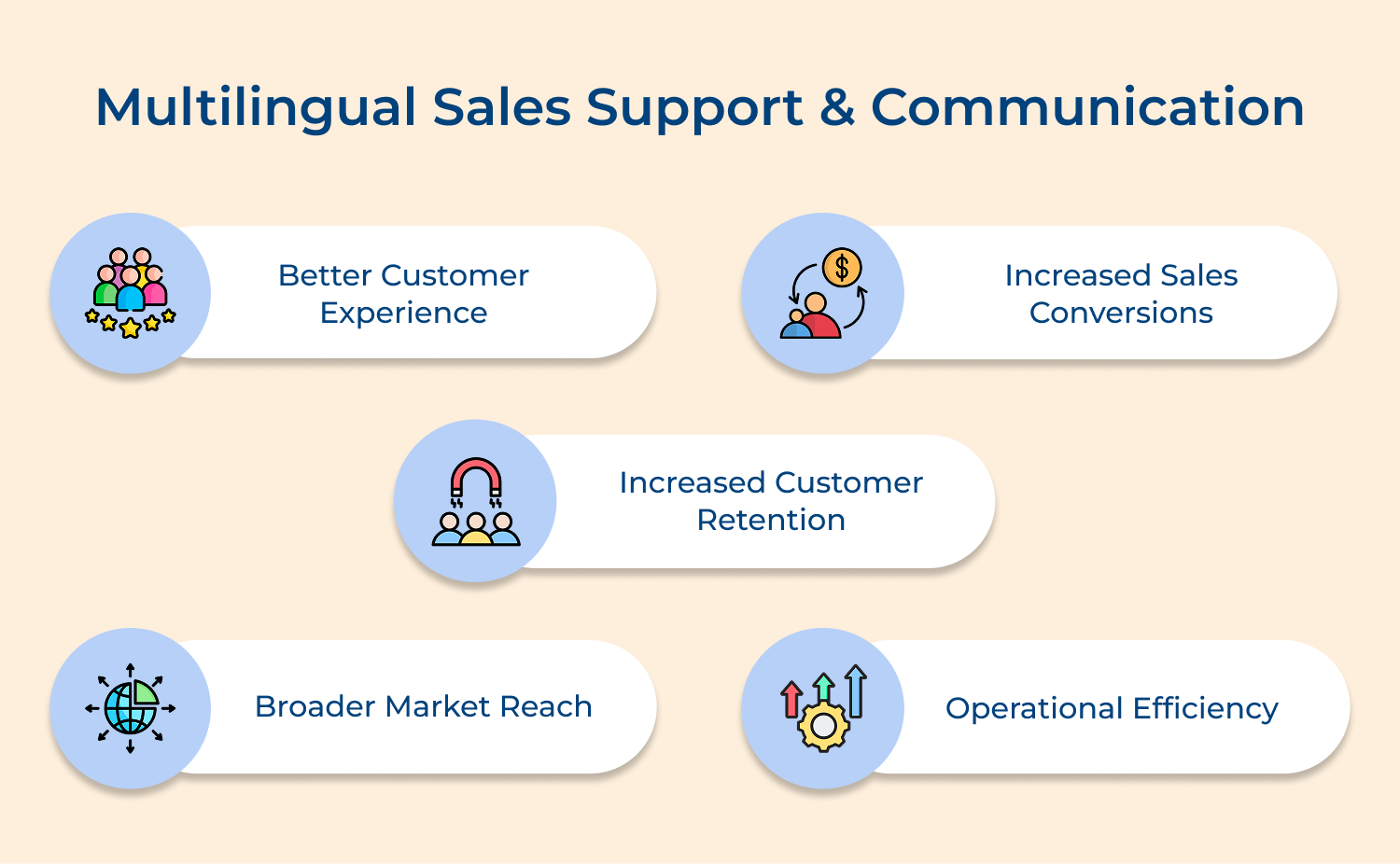
Multilingual AI breaks down language barriers to help businesses sell effectively across different countries and regions. This capability opens new markets without requiring sales reps to learn multiple languages or hiring specialized staff for each territory.
Here’s how you implement multilingual conversational AI for sales:
Translation accuracy has come a long way, though occasional slips still happen with idioms or technical terms. Regular reviews by native speakers help fine-tune language models and keep quality high. For most businesses, small imperfections feel like a fair trade for rapid global reach.
Multilingual AI allows a lean, English-speaking team to support customers across Europe, Asia and Latin America at the same time. Early conversations and lead qualification happen instantly, while human reps step in to close. Response times shrink from days to seconds, without language slowing growth.
AI now manages email follow-ups in a far more personal way. Instead of blasting the same message to everyone, sequences adjust to each prospect’s behavior and interests. Response rates improve, while the manual effort of nurturing long sales cycles drops significantly.
Messages feel tailored because insights from past chats and calls shape every email. Specific pain points get addressed directly along with relevant proof points that appear at the right moment.
Timing improves too. Guesswork and rigid “every three days” schedules disappear. Engagement patterns guide exactly when follow-ups should land, helping more conversations turn into real opportunities.
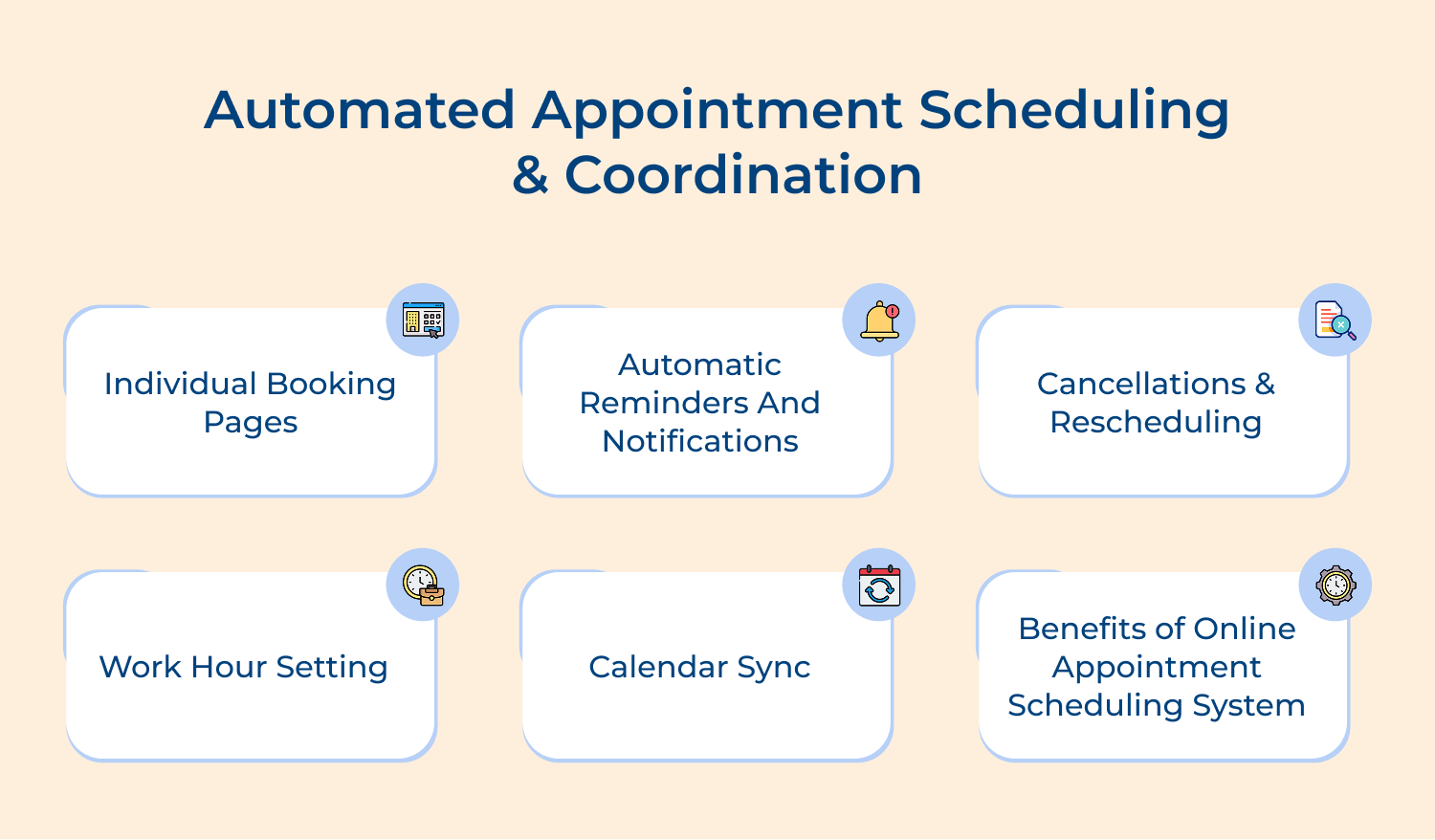
AI eliminates the tedious back-and-forth of finding mutually available meeting times for prospects and sales reps. This automation saves hours weekly while ensuring no potential customer falls through cracks due to scheduling delays or miscommunication.
Before implementing automated scheduling ask yourself these critical questions:
Answering these questions helps you configure the AI to match your actual workflow rather than forcing changes. Understanding meeting types ensures the AI books appropriate durations and includes necessary participants. Calendar integration requirements prevent double-bookings and maintain team sanity.
AI identifies opportunities to increase deal value by suggesting relevant additional products during customer conversations. This intelligence comes from analyzing purchase patterns and usage data and compatibility requirements to make recommendations that genuinely benefit customers.
The system monitors customer conversations for signals indicating readiness for upgrades or complementary purchases. When a customer mentions growing team size the AI suggests enterprise plans or additional licenses. Product usage data triggers recommendations for features that solve problems customers haven’t yet articulated.
Pro tips:
The right platforms help streamline outreach, improve lead qualification and free reps to focus on closing deals. Here are four leading tools that help teams close more deals efficiently.
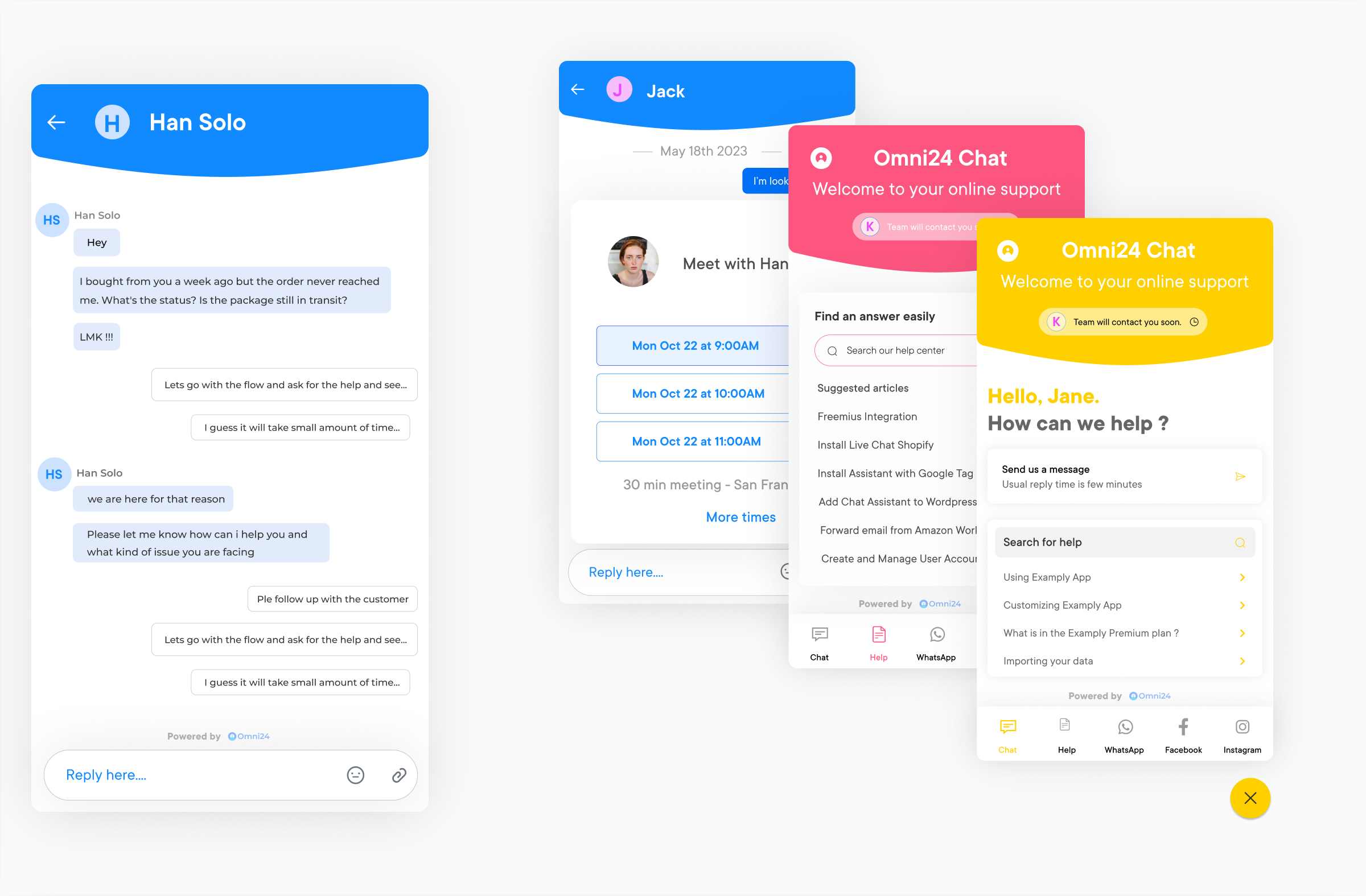
Omni24 delivers comprehensive customer experience management with AI-powered sales automation across multiple communication channels. The platform combines conversational AI with robust analytics to help sales teams engage prospects and close deals faster. Integration capabilities connect seamlessly with existing CRM systems and business tools.
Key Features

Veemo chat revolutionizes sales conversations through AI-powered chat that engages prospects instantly and qualifies leads automatically. The platform combines conversational marketing with intelligent routing to connect high-value prospects to sales representatives at the perfect moment for conversion.
Key Features:
Gong analyzes sales calls and meetings to provide insights on what works as well as what doesn’t in conversations. The platform captures every customer interaction and uses AI to identify successful patterns as well as coaching opportunities. Sales leaders see which reps mention ROI most effectively or handle objections skillfully.
Drift specializes in website conversational marketing that turns anonymous visitors into qualified sales meetings instantly. The chatbot engages prospects in real-time and qualifies their interest as well as books meetings directly on rep calendars. Integration with major CRM platforms ensures seamless handoffs from AI conversations to human sales follow-up.
Conversica deploys AI assistants that conduct two-way email and SMS conversations with leads autonomously over weeks. The system nurtures prospects through persistent follow-up until they’re ready to speak with sales or clearly disengaged. This automation prevents leads from going cold while freeing reps to focus on active deal progression.
Different industries leverage conversational AI in unique ways to address their specific sales challenges and customer needs.
Electronics Retailer with Shopify Chatbot
Electronics retailers using Shopify integrate AI chatbots to help customers compare product specifications. The bots answer technical questions and recommend accessories based on purchased items. Automated order tracking and warranty information requests reduce support tickets significantly.
Morgan Stanley Next Best Action
Morgan Stanley uses AI tools that analyze client data to suggest relevant investment opportunities. The system processes market data and portfolios to surface actionable insights. Advisors receive intelligent prompts about products aligning with client goals and risk profiles.
Zillow’s AI Chat Assistant
Zillow’s conversational AI helps buyers narrow property searches through interactive chat. The bot asks about budget and locations as well as must-have features. Interested buyers connect with listing agents after AI confirms their timeline.
Redfin Virtual Tour Scheduler
Redfin’s AI coordinates property viewings by checking agent and buyer schedules through conversation. The system sends reminders and directions as well as property details before scheduled tours. Agents arrive prepared with buyer preferences already documented by the assistant.
AXA
AXA’s conversational AI guides customers through selecting coverage by asking about situations. The bot explains policy terms simply and compares different options. Customers purchase policies through chat or transfer to agents.
Conversational AI has moved beyond experimental technology to become essential infrastructure for modern sales teams. The tools now handle everything from initial lead qualification to complex multilingual support across channels.
Your competitors are already deploying these systems to capture leads faster and close deals more efficiently. The question isn’t whether to adopt conversational AI in sales but how quickly you can implement it to stay competitive in your market.

How does Conversational AI in Sales improve lead generation?
AI engages website visitors instantly and asks qualifying questions to identify serious buyers. The system captures contact information and schedules meetings automatically around the clock. This availability means you never miss potential customers who visit outside business hours.
How do you measure ROI from Conversational AI in Sales?
Track metrics like lead qualification rates and time saved by reps as well as conversion improvements. Calculate costs including software subscription and implementation expenses against revenue gains. Most businesses see positive returns within six to twelve months of deployment.
Can Conversational AI in Sales replace human sales reps?
AI handles repetitive tasks like answering questions and scheduling appointments but cannot replace human relationship building. Complex negotiations and emotional intelligence still require human sales professionals. The technology amplifies rep productivity rather than replacing them entirely.
How does Conversational AI in Sales personalize buyer interactions?
AI analyzes previous conversations and purchase history as well as browsing behavior to tailor responses. The system references specific pain points and suggests relevant products based on individual needs. Machine learning improves personalization as the AI processes more customer interactions.
Does Conversational AI in Sales work across chat and messaging apps?
Modern platforms integrate with websites, WhatsApp, Facebook Messenger and SMS seamlessly. Prospects start conversations on their preferred channel and the AI maintains context across platforms. It ensures consistent experiences regardless of how customers choose to communicate.
 https://omni24.io/wp-content/uploads/2026/08/AI-Customer-Service-Agents.png
1256
2400
Webvision Solution
https://omni24.io/wp-content/uploads/2023/04/Omni-Logo-1.svg
Webvision Solution2026-09-21 04:48:512026-09-21 04:48:51How to Build an AI Customer Service Agents: 8 Key Steps
https://omni24.io/wp-content/uploads/2026/08/AI-Customer-Service-Agents.png
1256
2400
Webvision Solution
https://omni24.io/wp-content/uploads/2023/04/Omni-Logo-1.svg
Webvision Solution2026-09-21 04:48:512026-09-21 04:48:51How to Build an AI Customer Service Agents: 8 Key Steps https://omni24.io/wp-content/uploads/2026/08/Omnichannel-Conversational-AI.png
1256
2400
Tushar Joshi
https://omni24.io/wp-content/uploads/2023/04/Omni-Logo-1.svg
Tushar Joshi2026-09-16 03:51:072026-09-16 03:51:07How to Build Omnichannel Conversational AI Strategy
https://omni24.io/wp-content/uploads/2026/08/Omnichannel-Conversational-AI.png
1256
2400
Tushar Joshi
https://omni24.io/wp-content/uploads/2023/04/Omni-Logo-1.svg
Tushar Joshi2026-09-16 03:51:072026-09-16 03:51:07How to Build Omnichannel Conversational AI Strategy https://omni24.io/wp-content/uploads/2026/08/Customer-Service-Teams.png
1256
2400
Tushar Joshi
https://omni24.io/wp-content/uploads/2023/04/Omni-Logo-1.svg
Tushar Joshi2026-09-15 04:01:522026-09-15 04:02:16How to Build Customer Service Teams: 6 Key Steps
https://omni24.io/wp-content/uploads/2026/08/Customer-Service-Teams.png
1256
2400
Tushar Joshi
https://omni24.io/wp-content/uploads/2023/04/Omni-Logo-1.svg
Tushar Joshi2026-09-15 04:01:522026-09-15 04:02:16How to Build Customer Service Teams: 6 Key Steps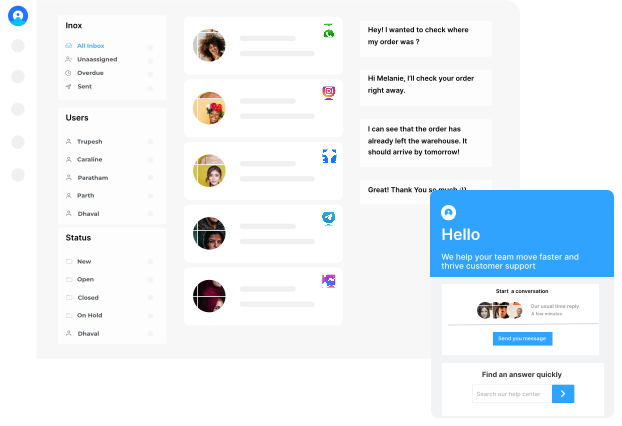
Whether it’s about acquire, engage or support – Omni24 covers all your customer engagement needs in one complete platform.

Copyright ©2026 Veemo All rights reserved.
CA, Los Angeles, Hall Ave, 19011