How to Measure & Improve Customer Experience (CX) Benchmarking?
Customer experience (CX) benchmarking reveals how your brand compares to industry standards and pinpoints gaps for lasting improvements.

Customer experience (CX) benchmarking reveals how your brand compares to industry standards and pinpoints gaps for lasting improvements.
Ever wondered how your company’s customer experience (CX) stacks up against the competition? You’re not alone. In today’s hyper-connected world, delivering top-notch CX is essential to prevail.
Customer experience benchmarking is like a health check-up for your business, helping to gauge where the brand might shine or need polish. 70% of customers will abandon a brand after just two bad experiences and 72% will switch after three or fewer poor interactions. But diving into the world of CX metrics can be overwhelming.
In this blog, we will break down the ins and outs of customer experience (CX) benchmarking. Also share practical insights to understand where the company stands and how to level up your game.
Let’s dive in!
Benchmarking is a strategic process where organizations compare their performance, practices and processes against industry leaders or competitors. It involves analyzing data to identify best practices, set performance targets and implement improvements.
The systematic approach helps businesses enhance efficiency, competitiveness and overall performance by learning from top performers in their related industries.
Three key goals of benchmarking:
Customer experience benchmarking is the process of measuring and comparing a company’s CX performance against industry standards or competitors. It involves collecting data on various aspects of customer interactions, analyzing the information and identifying areas for improvement.
It is like evaluation from your customers that shows the areas where brands are doing great and improvement is needed. The benchmarking practice helps businesses understand their strengths and weaknesses in delivering customer satisfaction, allowing them to implement strategies to enhance their overall customer experience.
Key components :
Explore the benefits of a CX benchmarking report, including actionable insights and enhanced customer satisfaction.
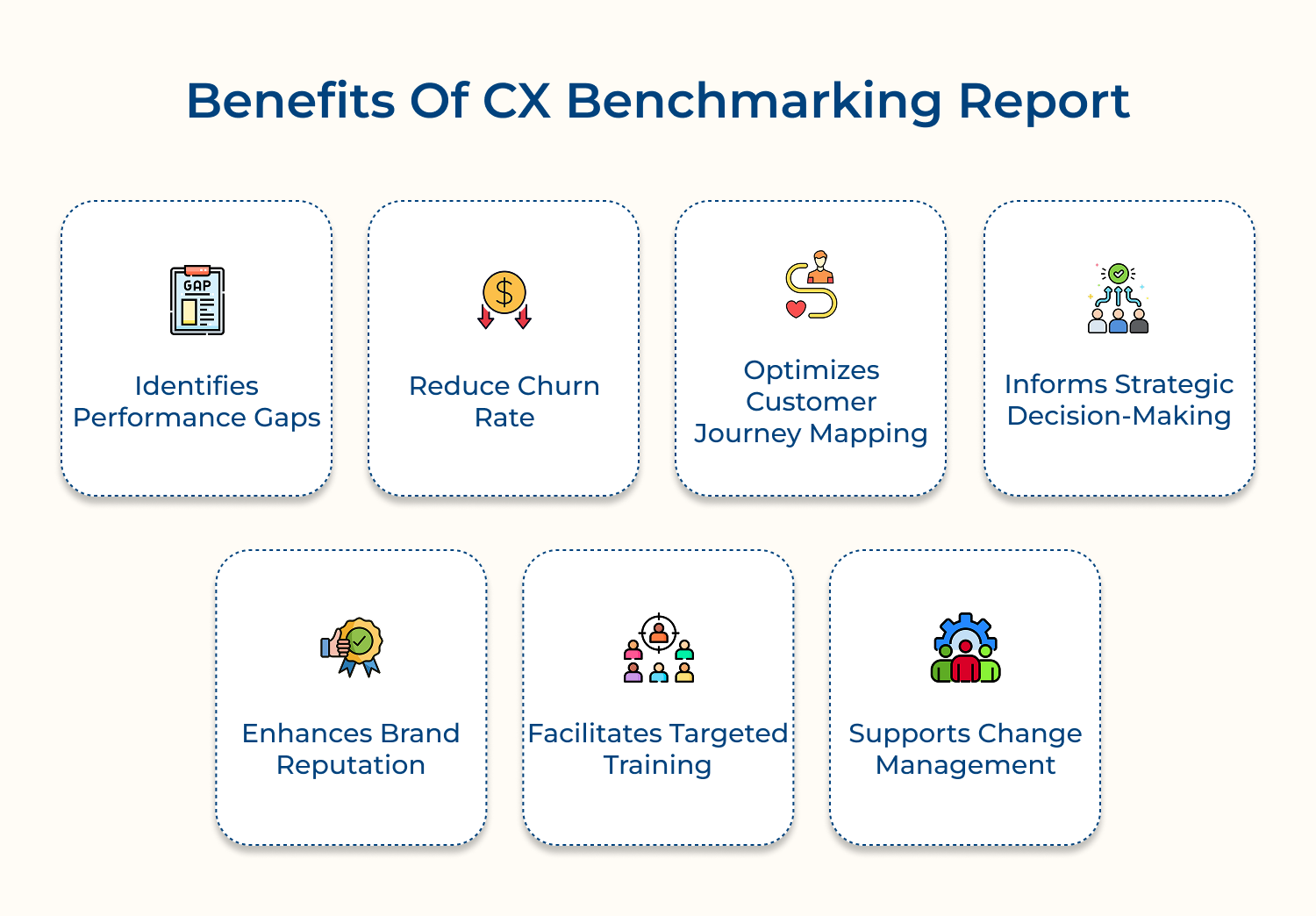
Benchmarking helps businesses measure their CX against industry standards, revealing insights to enhance service quality and competitiveness.

Defining metrics involves selecting key performance indicators (KPIs) that reflect critical aspects of customer experience, such as satisfaction scores, Net Promoter Score (NPS) and response times.
These CX metrics should align with your business goals and customer expectations, providing clear, quantifiable measures to assess and compare your customer experience performance against industry standards.
Best practices:
Data collection involves gathering information from various sources to evaluate customer experience. It can include customer surveys, feedback forms, social media insights and performance metrics from service interactions.
Accurate and comprehensive data is essential for a reliable assessment, enabling a thorough analysis of current customer experience levels & identifying trends or issues.
Tips for data collection:
Internal analysis involves examining collected data to assess your company’s current customer experience performance. The analysis includes evaluating metrics against historical data, identifying strengths, weaknesses and understanding patterns.
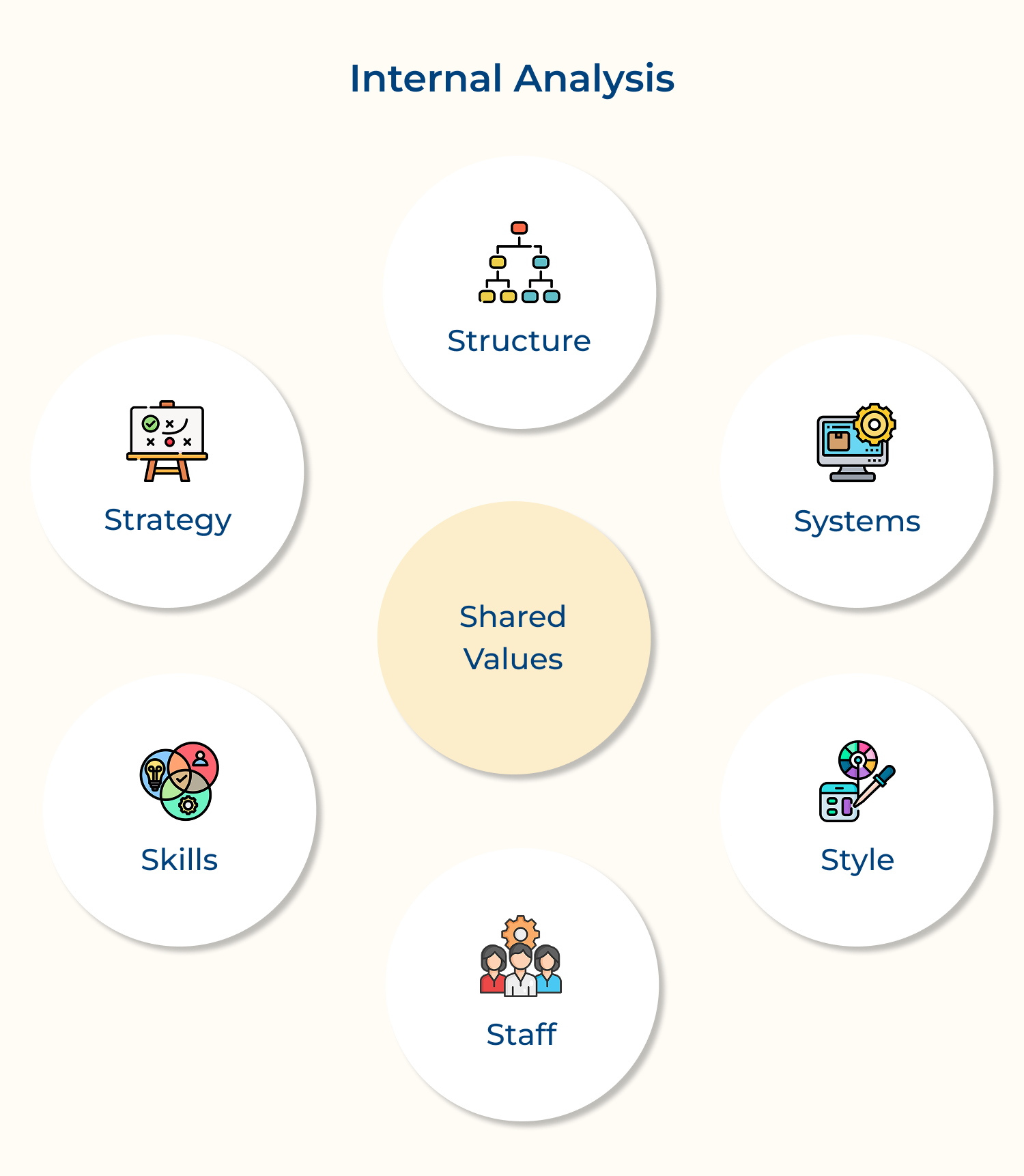
The goal is to gain insights into how well your company meets customer expectations and to pinpoint areas needing improvement.
Pro tips for analysis:
External comparison involves benchmarking your performance against industry standards and competitors. By analyzing how your metrics compare with those of leading companies or industry averages, businesses can gain a clearer understanding of where your customer experience stands in the market. The comparison helps identify relative strengths and areas where brands may lag behind.
Best practices:
Identifying gaps involves pinpointing discrepancies between your company’s performance and industry benchmarks or competitors. The step focuses on recognizing specific areas where customer experience falls short, such as slower response times or lower satisfaction scores.
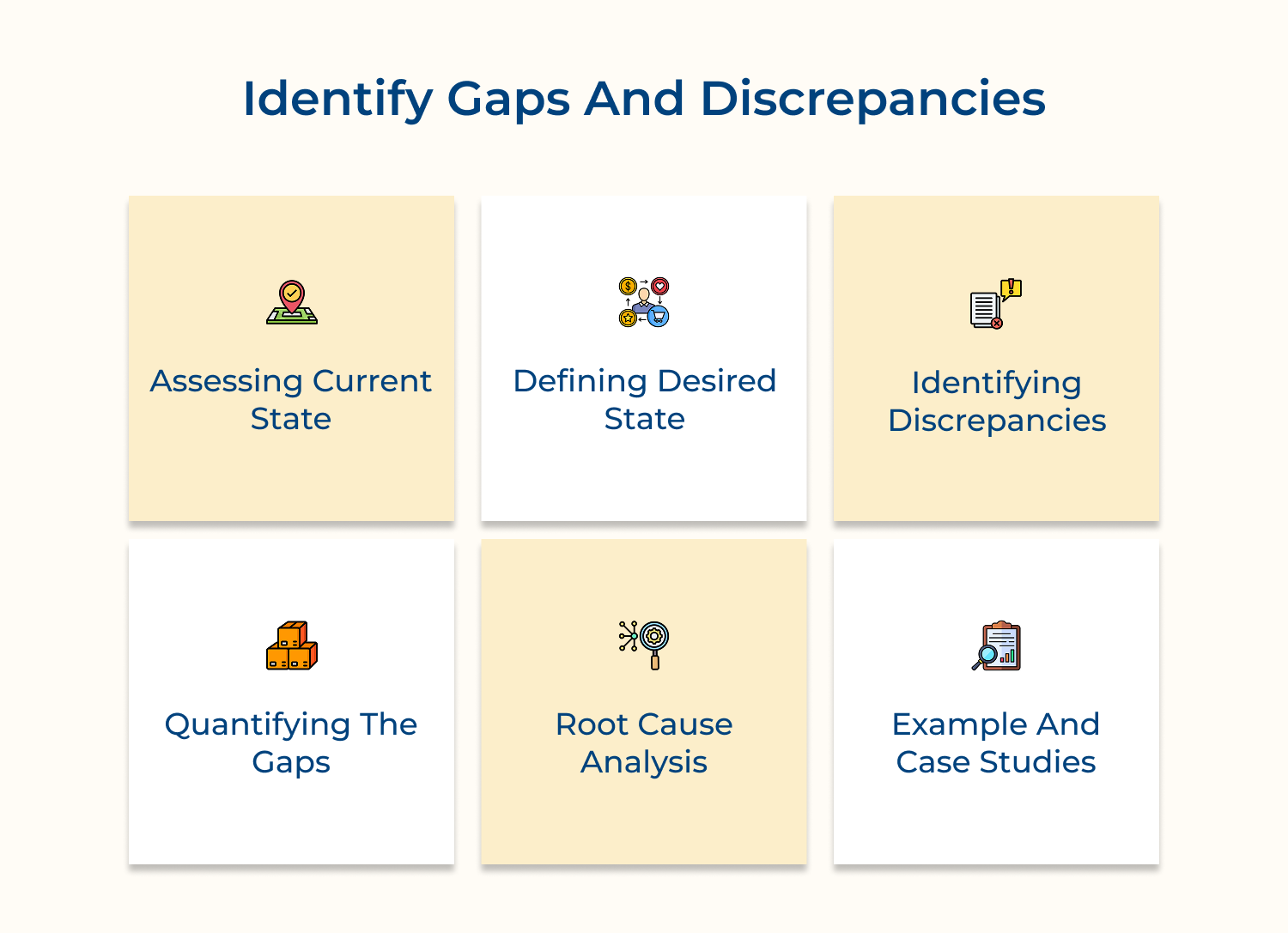
Understanding these gaps is crucial for developing targeted strategies to address deficiencies and enhance overall customer experience.
Tips to identify gaps:
Setting goals involves establishing specific, measurable, achievable, relevant and time-bound (SMART) objectives based on the insights gained from benchmarking.
These goals should address the identified gaps and aim to improve performance in key areas. Clear goals help guide efforts and provide a focus for initiatives aimed at enhancing customer experience.
Tips for setting goals:
Action planning involves creating a detailed plan to achieve the set goals. The plan includes outlining specific actions, assigning responsibilities, setting timelines and allocating resources.
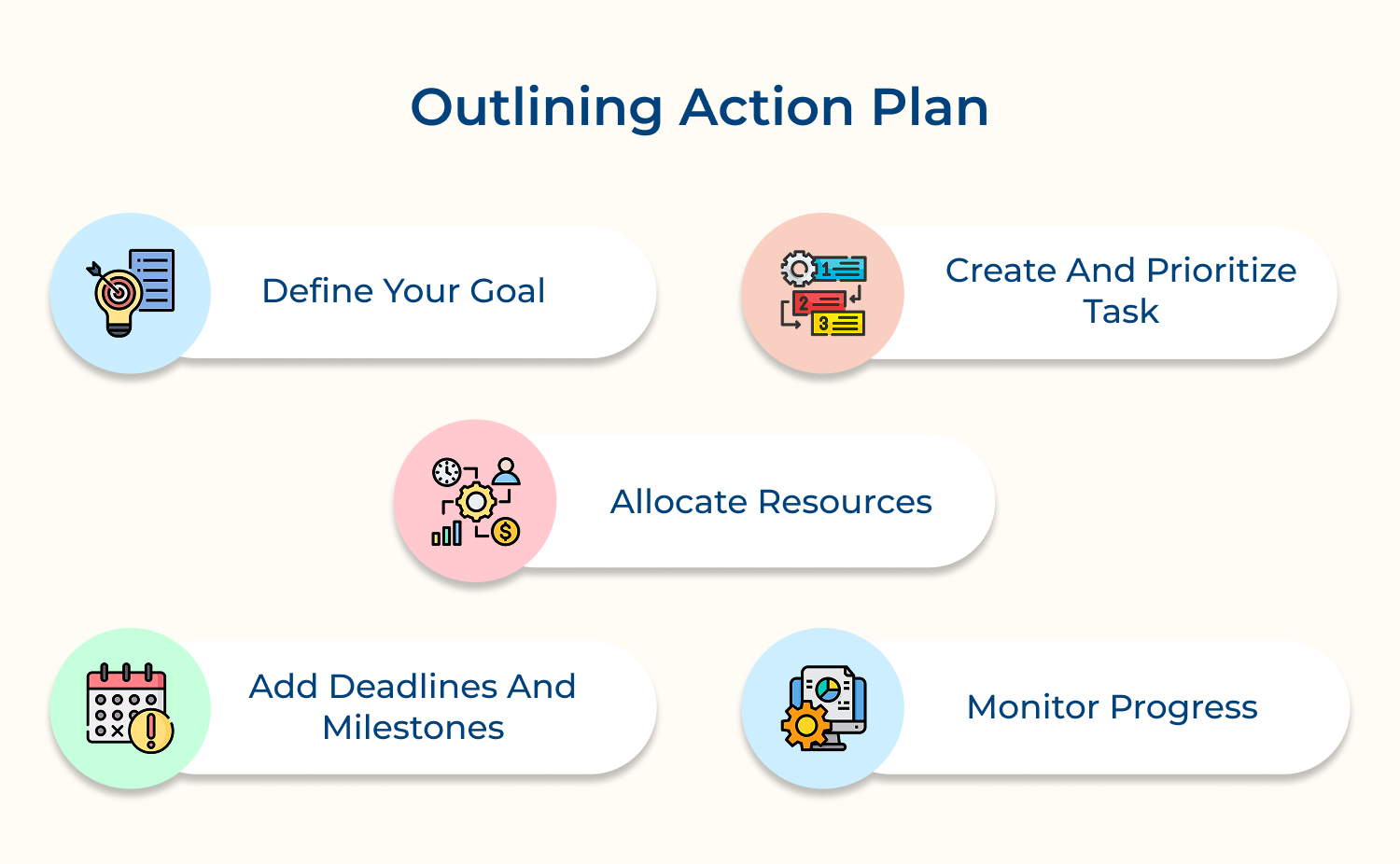
The plan should address the identified gaps, implement improvements and incorporate strategies for enhancing customer experience, ensuring that each step is aligned with the overall objectives.
Pro tips:
Implementation involves executing the action plan to improve customer experience. The step includes rolling out new processes, training employees and integrating tools or technologies designed to address performance gaps.
Effective implementation requires monitoring progress, ensuring adherence to the plan and making adjustments as necessary to achieve the desired improvements in customer experience.
Best practices:
Understanding the key standards for customer experience benchmarking is essential for businesses aiming to enhance satisfaction.
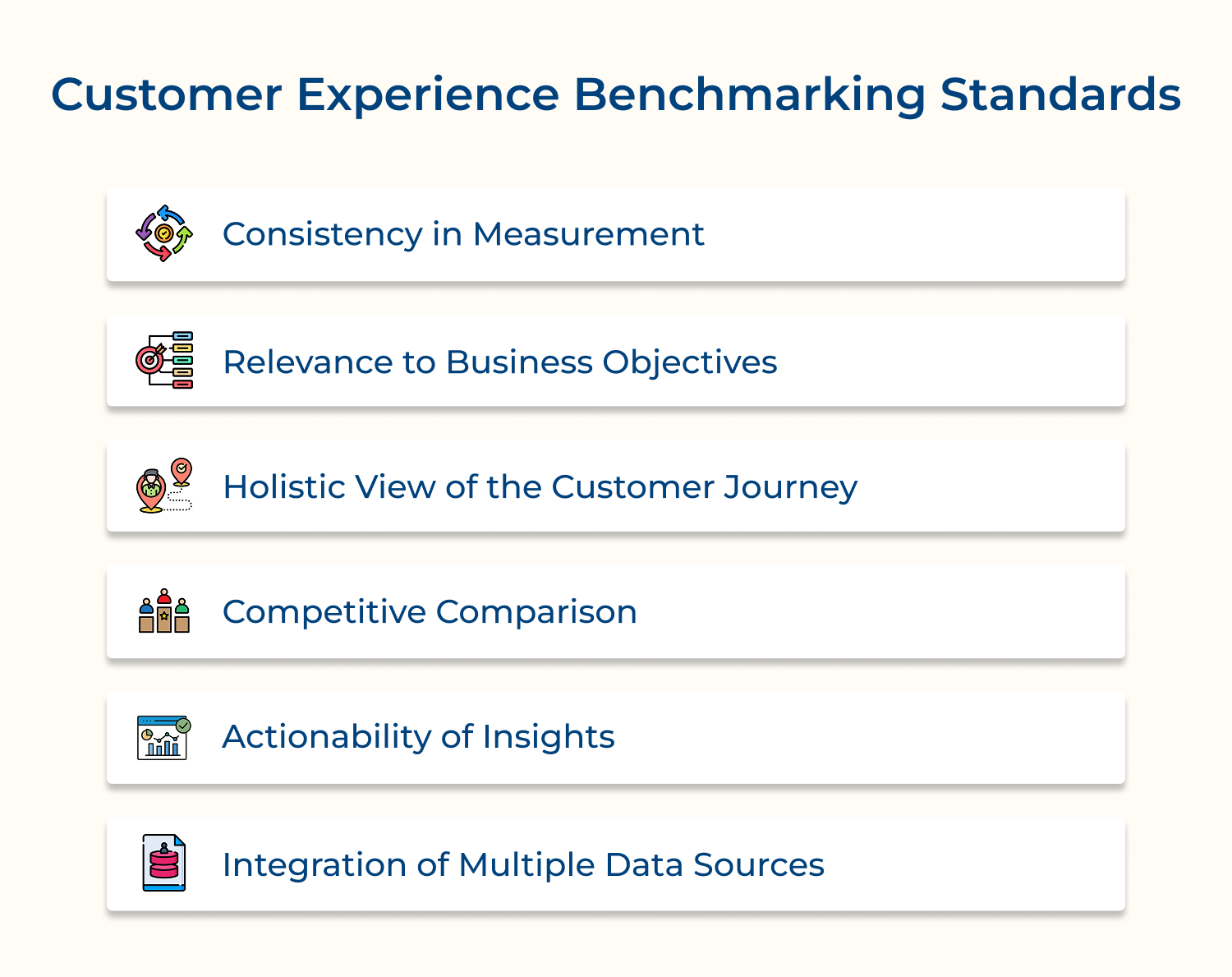
1. Consistency in Measurement
Consistency is crucial when it comes to CX benchmarking. This standard involves using the same metrics, methodologies and data collection techniques consistently over time and across different touchpoints.
For example, if you’re measuring customer satisfaction, use the same scale (e.g., 1-10) and question format across all channels, whether it’s in-store, online or via phone support. Consistency allows accurate comparisons over time and between different parts of your business. It’s also important to maintain consistency in the frequency of measurement. Whether a brand decides to conduct surveys monthly, quarterly, or annually, stick to that schedule to ensure you’re comparing like with like.
2. Relevance to Business Objectives
Your CX benchmarking should directly align with your overall business objectives. It means selecting metrics that are not just easy to measure but are genuinely indicative of your business’s success.
For instance, if your business strategy focuses on customer retention, it might prioritize metrics like customer lifetime value or churn rate. If you’re aiming for growth through word-of-mouth, Net Promoter Score (NPS) might be more relevant.
Remember, the goal isn’t to track every possible metric but to focus on those that provide actionable insights aligned with your strategic goals.
3. Holistic View of the Customer Journey
Effective CX benchmarking takes into account the entire customer journey, not just isolated touchpoints. The standard recognizes that customer experience is cumulative and interconnected.
Map out your entire customer journey, from awareness to post-purchase support and ensure your benchmarking covers each significant stage. It might involve measuring awareness metrics, website usability scores, purchase satisfaction and after-sales support quality. By benchmarking across the entire journey, brands can identify weak links and understand how different stages of the experience impact overall customer satisfaction.
4. Competitive Comparison
While internal benchmarking is valuable, comparing your CX performance against competitors provides a crucial context. This standard involves regularly assessing how your customer experience measures up to industry leaders and direct competitors.
The comparison involves participating in industry benchmark studies, analyzing publicly available data, or even mystery shopping your competitors. The goal is to understand where businesses stand in the market and identify areas where you’re falling behind or leading the pack.
Remember, the aim isn’t just to match your competitors, but to find ways to differentiate and excel in areas that matter most to your customers.
5. Actionability of Insights
Benchmarking is only valuable if it leads to action. The standard emphasizes the importance of generating insights that can be translated into concrete improvements.
When designing your benchmarking process, always ask: “If we discover X, what action would we take?” If you can’t answer this question, you might need to reconsider that particular metric or data point.
For example, if brands benchmark customer effort scores and find they’re below industry standard, businesses should have a clear plan for how to simplify processes or improve user interfaces.
6. Integration of Multiple Data Sources
Robust CX benchmarking doesn’t rely on a single data source. The standard involves integrating multiple types of data to get a comprehensive view of your customer experience.
Combine quantitative data (like survey scores or operational metrics) with qualitative insights (like customer feedback comments or social media sentiment). Also, consider integrating internal data (like customer service logs) with external data (like third-party reviews or industry reports).
Explore key metrics to measure customer experience, uncovering essential data points that drive insights and improvements for exceptional service.
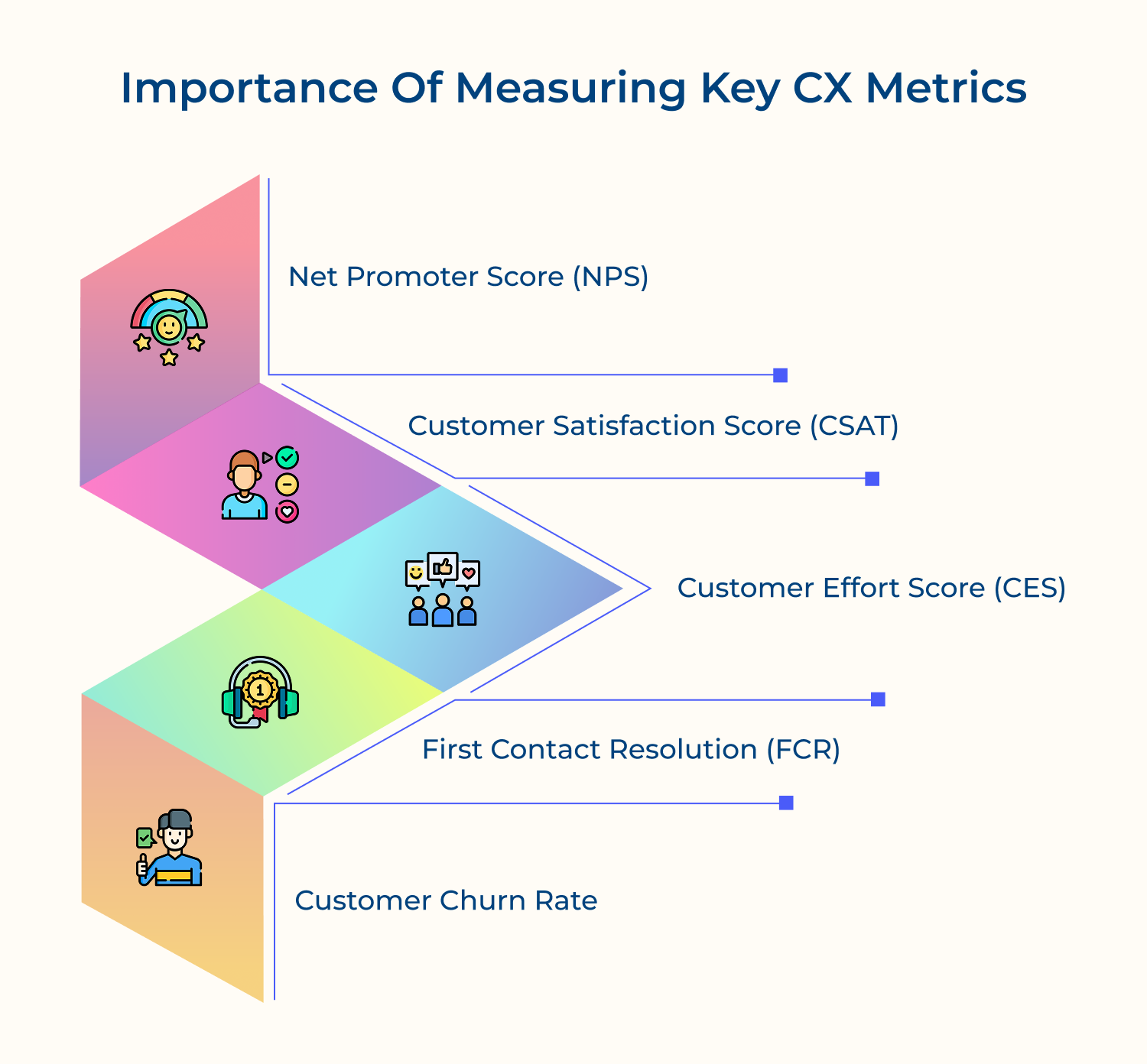
NPS measures customer loyalty and the likelihood of customers recommending a company’s products or services to others. It categorizes customers into Promoters, Passives and Detractors based on their response to a single question about recommendation likelihood.
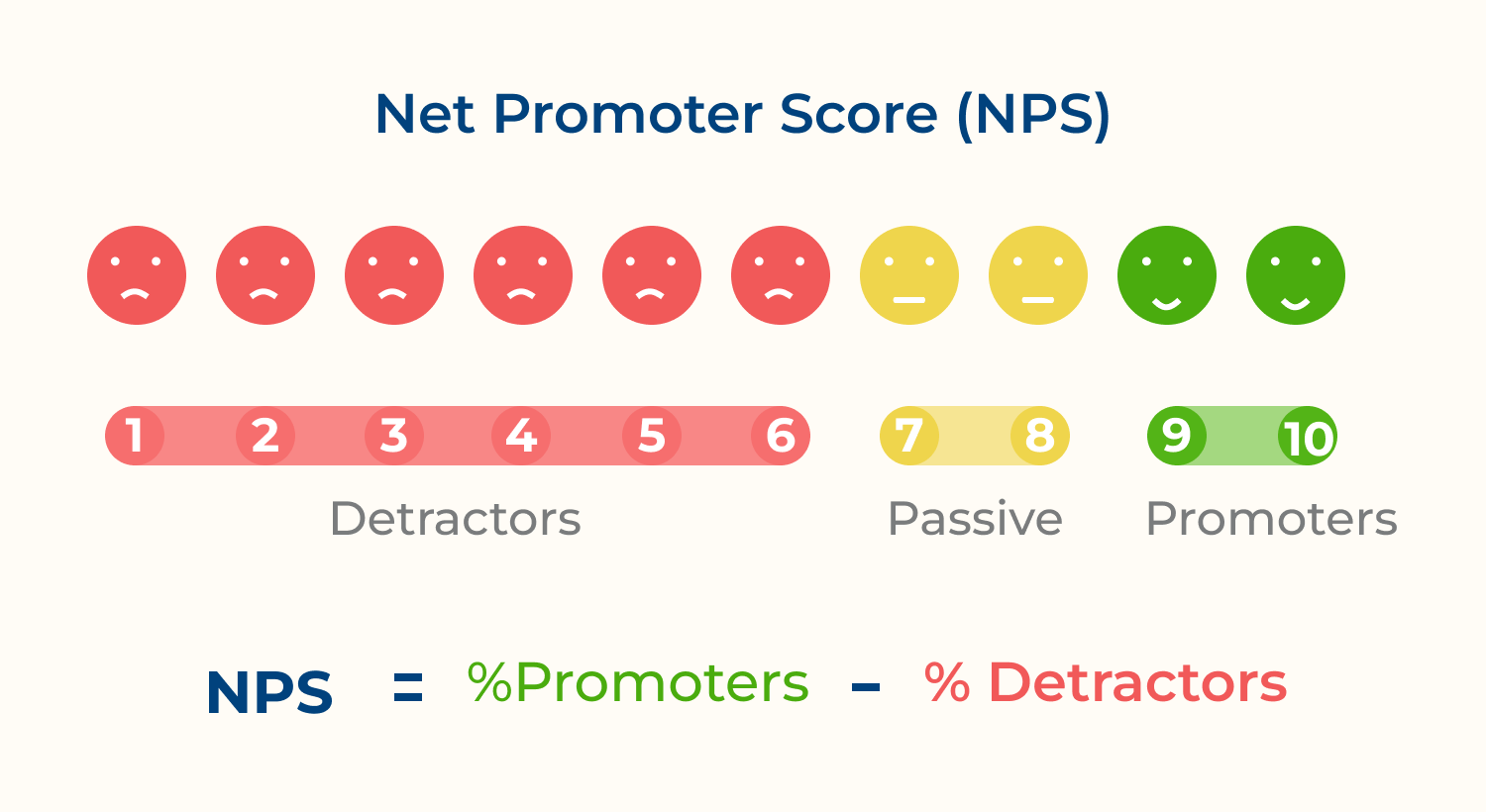
Why it matters: NPS provides a simple, standardized measure of customer loyalty that correlates with business growth. It helps companies identify areas for improvement, track changes in customer sentiment over time and compare performance across different business units or competitors.
How to calculate: Ask customers, “On a scale of 0-10, how likely are you to recommend our company?” Calculate the percentage of Promoters (9-10) minus the percentage of Detractors (0-6). The result ranges from -100 to 100.
CSAT measures how satisfied customers are with a company’s products, services, or specific interactions. It typically uses a 5-point scale ranging from “Very Unsatisfied” to “Very Satisfied” to gauge overall customer contentment.
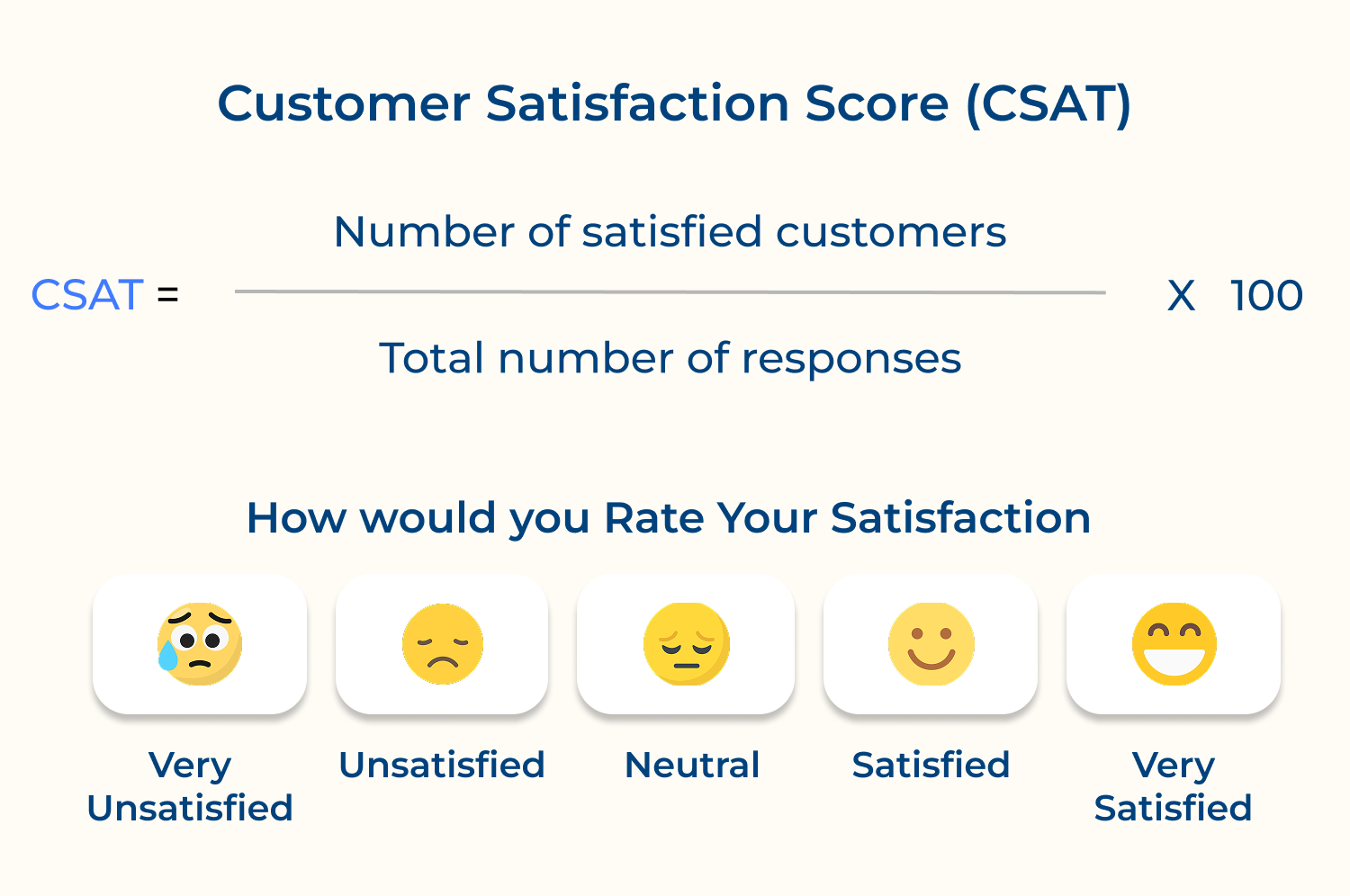
Why it matters: CSAT provides direct feedback on customer happiness, helping companies identify pain points and areas of excellence. High satisfaction scores often correlate with increased customer loyalty, positive word-of-mouth and repeat business, ultimately driving revenue growth.
How to calculate: Ask customers to rate their satisfaction on a scale (often 1-5). Calculate the percentage of satisfied customers (usually those who select 4 or 5) out of the total number of respondents.
CES measures the ease of customer interactions with a company, typically focusing on specific touchpoints or processes. It assesses how much effort customers must expend to get their issues resolved or complete desired actions.
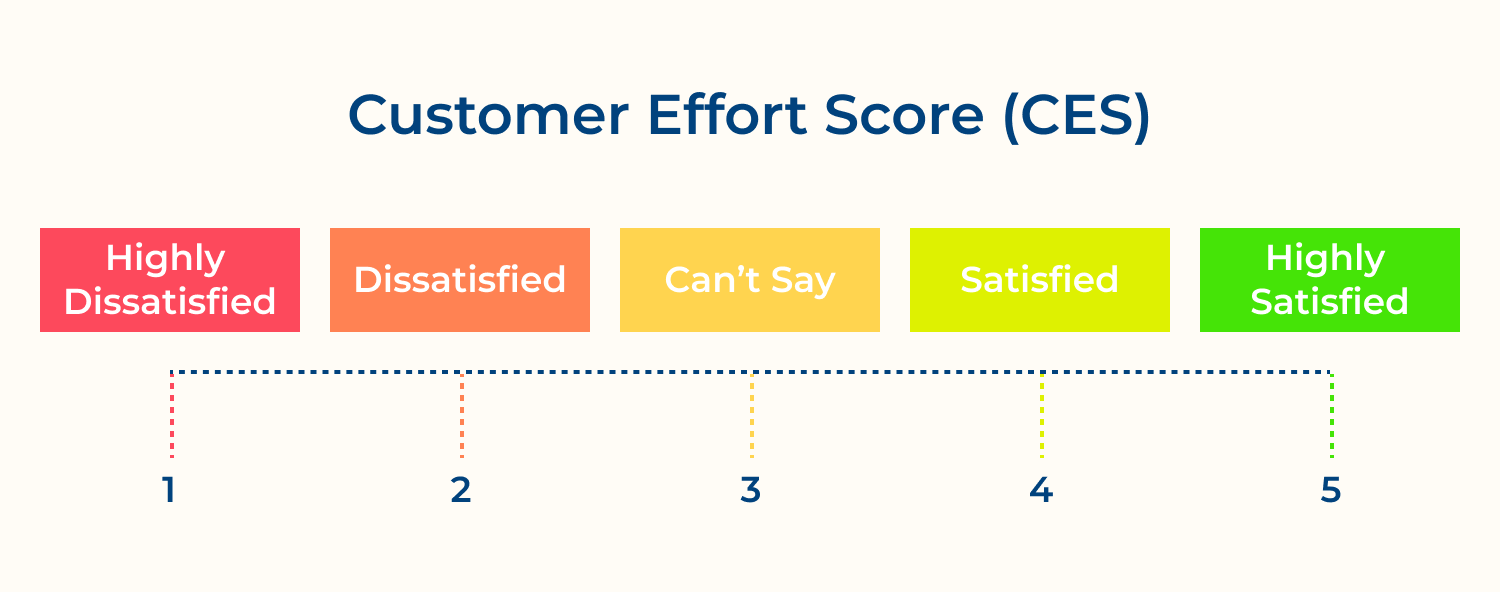
Why it matters: CES is a strong predictor of customer loyalty. Lower effort experiences lead to higher satisfaction and increased likelihood of repurchase. By identifying high-effort touchpoints, companies can streamline processes and reduce customer frustration, improving overall experience.
How to calculate: Ask customers to rate the ease of their experience on a scale (e.g., 1-7). Calculate the average score or the percentage of customers who found the experience easy (typically those who select 5-7).
FCR measures the percentage of customer issues or inquiries that are resolved during the first interaction, without the need for follow-ups or escalations. It reflects the efficiency and effectiveness of a company’s customer service.
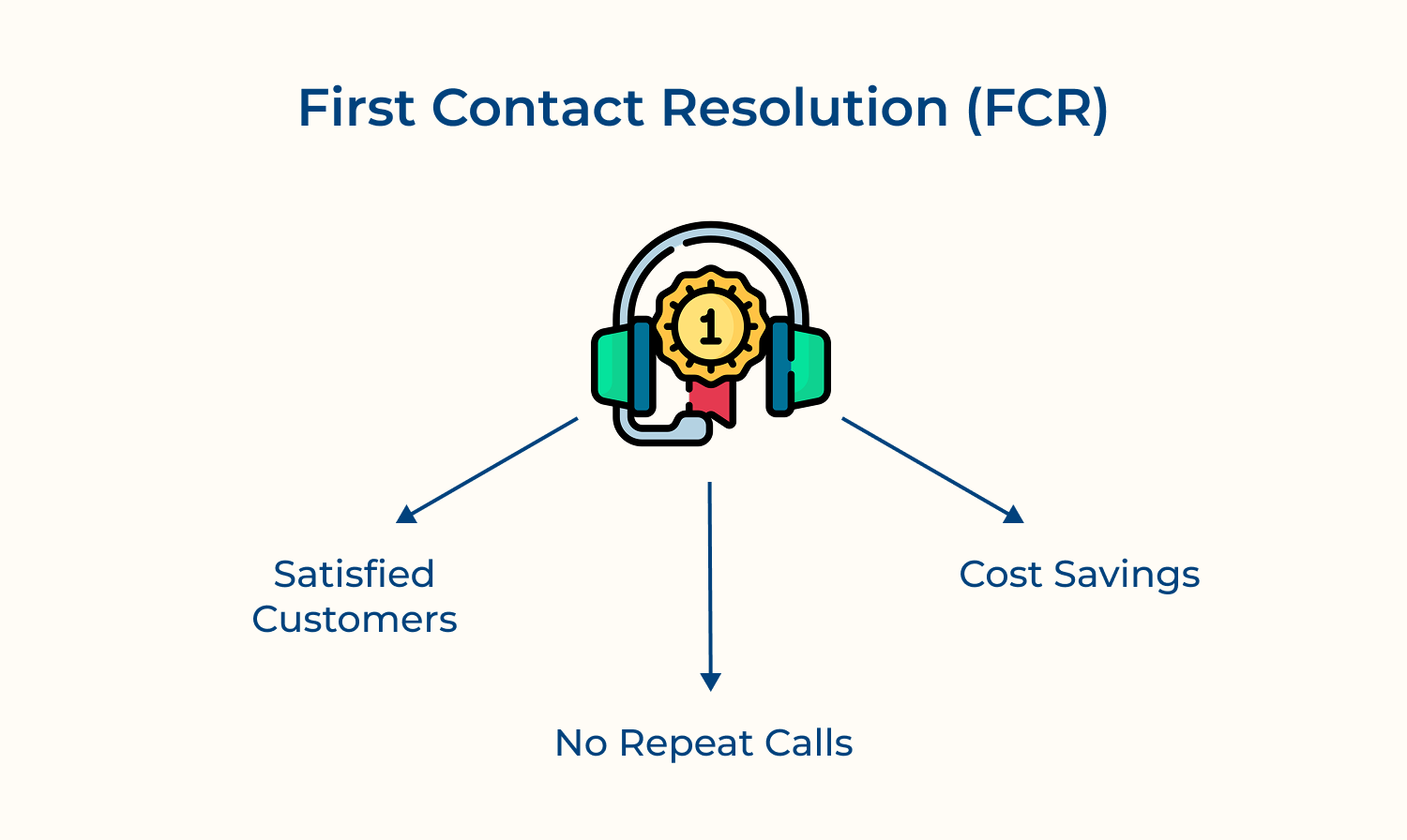
Why it matters: High FCR rates indicate efficient problem-solving, leading to increased customer satisfaction and reduced operational costs. It demonstrates the company’s ability to address issues promptly, enhancing customer trust and loyalty while minimizing frustration.
How to calculate: Divide the number of issues resolved on first contact by the total number of issues, then multiply by 100. It can be tracked through customer service software or post-interaction surveys.
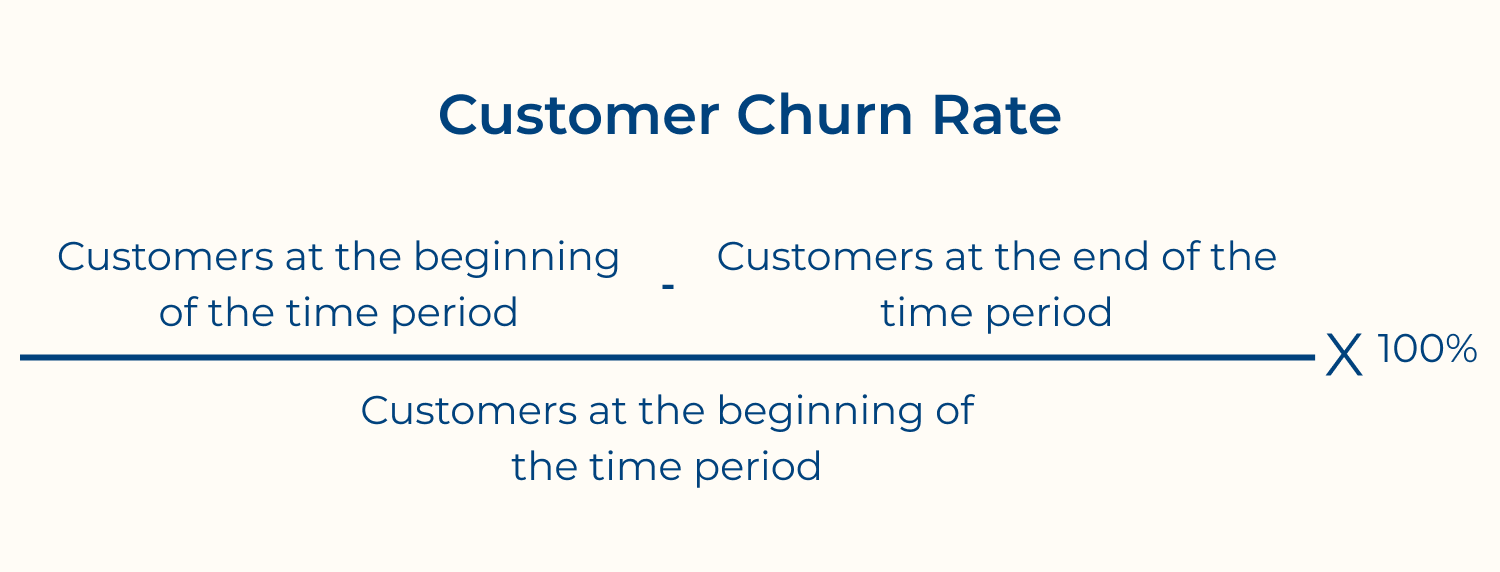
Customer Churn Rate measures the percentage of customers who stop doing business with a company over a specific period. It indicates the rate at which a company is losing customers, reflecting customer dissatisfaction or competitive pressures.
Why it matters: A high churn rate can significantly impact revenue and growth. Understanding churn helps companies identify retention issues, improve products or services and implement strategies to keep valuable customers. Reducing churn is often more cost-effective than acquiring new customers.
How to calculate: Divide the number of customers lost during a period by the total number of customers at the start of that period, then multiply by 100. Churn rate is typically calculated on a monthly, quarterly or annual basis.
Discover future trends in CX benchmarking programs, highlighting emerging innovations and strategies to stay ahead in delivering exceptional customer experiences.

AI and machine learning are revolutionizing CX benchmarking by providing advanced data analysis or predictive capabilities. These technologies analyze large datasets to uncover hidden patterns and forecast future customer behavior.
Implementation: Organizations will integrate AI tools for real-time sentiment analysis and predictive modeling. Machine learning algorithms will be used to continuously refine benchmarks and tailor CX strategies based on evolving customer data.
Integrating omnichannel data is crucial for a comprehensive view of customer interactions across multiple touchpoints. A unified data view improves accuracy in CX benchmarking and strategy development.
Implementation: Companies will adopt unified data platforms that consolidate information from various channels. The approach will enable a holistic analysis of customer behavior and enhance the alignment of CX strategies with real-world interactions.
Real-time feedback and agile benchmarking facilitate immediate responses to customer input and adaptive CX strategies. The trend emphasizes the importance of quick adjustments based on up-to-date feedback. Agile methodologies enable more flexible and responsive CX management.
Implementation: Businesses will deploy real-time feedback tools, such as instant surveys and feedback widgets. Agile practices will be incorporated to continuously refine benchmarks and adjust CX strategies based on the latest customer insights.
Personalization is evolving into hyper-personalization, where CX metrics and experiences are tailored to individual customer preferences, rather than broad segments. The approach enhances customer loyalty and helps organizations address specific needs more effectively.
Implementation: Organizations will utilize advanced analytics and AI to create detailed customer profiles. Personalization tools will be used to design bespoke surveys and feedback mechanisms, ensuring that benchmarks reflect individual customer experiences.
Future CX benchmarking will increasingly focus on emotional and experiential metrics, assessing not just satisfaction but the emotional impact of customer interactions.
Implementation: Benchmarking programs will integrate tools for measuring emotions and experiences, such as sentiment analysis and emotion detection. The insights will guide improvements and help design experiences that evoke positive emotional responses.
Enhanced customer journey mapping will offer a detailed view of the entire customer experience, from initial contact through post-purchase support, highlighting all touchpoints.
Implementation: Organizations will develop detailed journey maps using data from various customer interactions. The maps will guide CX strategies, helping to ensure that improvements are aligned with the complete customer journey and address identified challenges.
Customer experience benchmarking involves comparing real-world performance against industry leaders. Here are four real-life examples showcasing the benchmarking approach:
1. Starbucks’ Customer Service Benchmarking
Starbucks benchmarks its customer service by evaluating customer satisfaction scores and in-store experiences against leading coffee chains. They use customer feedback surveys reports to identify areas for improvement, such as speed of service and staff friendliness. Implementing changes based on these insights has enhanced the customer experience, contributing to Starbucks’ continued market leadership.
2. Amazon’s Delivery Experience Benchmarking
Amazon benchmarks its delivery experience by comparing delivery times, accuracy and customer satisfaction against top e-commerce competitors. They utilize extensive data analytics and customer feedback to measure performance. By addressing gaps, such as improving delivery speed and reducing errors, Amazon has optimized its logistics, leading to higher customer satisfaction and maintaining its competitive edge in the e-commerce sector.
3. Delta Airlines’ In-Flight Service Benchmarking
Delta Airlines benchmarks its in-flight service by assessing passenger satisfaction, seat comfort and in-flight amenities against other major airlines. They collect feedback through post-flight surveys and analyze competitor offerings. Improvements, such as enhanced in-flight entertainment and better customer service, are implemented to elevate the passenger experience.
4. Apple’s Retail Store Experience Benchmarking
Apple benchmarks its retail store experience by evaluating factors like customer service, store layout and product knowledge against leading tech retailers. They use customer satisfaction surveys and competitive analysis to identify strengths and areas for improvement. Enhancing store design and staff training has led to a more engaging shopping experience, reinforcing Apple’s reputation for exceptional customer service.
Customer experience benchmarking is a powerful tool for understanding and enhancing how your organization interacts with customers. By systematically comparing your performance against industry leaders and identifying key areas for improvement, benchmarking enables refine strategies, address service gaps and drive customer satisfaction.
As customer expectations evolve, leveraging these insights becomes essential for staying competitive and achieving long-term success. Embracing the lessons learned from benchmarking can lead to a more personalized customer experience, strengthening customer loyalty and driving growth. Continuously integrating benchmarking insights will help to adapt and excel in the dynamic landscape of customer experience.

How can businesses effectively measure customer experience benchmarking?
Businesses can measure customer experience benchmarking through various methods such as surveys, feedback forms, social media monitoring, customer interviews and analyzing customer data. It is important to collect data consistently and regularly to track progress over time.
Why is customer experience benchmarking important for businesses?
Customer experience benchmarking is crucial for businesses to understand how they are performing to their competitors and industry standards. By measuring customer experience, businesses can identify strengths, weaknesses and implement improvements to enhance customer satisfaction.
What tools and methods can be utilized for customer experience benchmarking?
Businesses can utilize tools such as CRM systems, customer feedback software, social media monitoring tools and analytics platforms to measure customer experience. Mystery shopping, focus groups and customer journey mapping can provide valuable insights.
How often should businesses conduct customer experience benchmarking?
Businesses should conduct customer experience benchmarking regularly to track progress, identify trends and make data-driven decisions. It is recommended to conduct benchmarking at least quarterly or semi-annually to stay competitive and responsive to customer needs.
 https://omni24.io/wp-content/uploads/2026/08/AI-Customer-Service-Agents.png
1256
2400
Webvision Solution
https://omni24.io/wp-content/uploads/2023/04/Omni-Logo-1.svg
Webvision Solution2026-09-21 04:48:512026-09-21 04:48:51How to Build an AI Customer Service Agents: 8 Key Steps
https://omni24.io/wp-content/uploads/2026/08/AI-Customer-Service-Agents.png
1256
2400
Webvision Solution
https://omni24.io/wp-content/uploads/2023/04/Omni-Logo-1.svg
Webvision Solution2026-09-21 04:48:512026-09-21 04:48:51How to Build an AI Customer Service Agents: 8 Key Steps https://omni24.io/wp-content/uploads/2026/08/Omnichannel-Conversational-AI.png
1256
2400
Tushar Joshi
https://omni24.io/wp-content/uploads/2023/04/Omni-Logo-1.svg
Tushar Joshi2026-09-16 03:51:072026-09-16 03:51:07How to Build Omnichannel Conversational AI Strategy
https://omni24.io/wp-content/uploads/2026/08/Omnichannel-Conversational-AI.png
1256
2400
Tushar Joshi
https://omni24.io/wp-content/uploads/2023/04/Omni-Logo-1.svg
Tushar Joshi2026-09-16 03:51:072026-09-16 03:51:07How to Build Omnichannel Conversational AI Strategy https://omni24.io/wp-content/uploads/2026/08/Customer-Service-Teams.png
1256
2400
Tushar Joshi
https://omni24.io/wp-content/uploads/2023/04/Omni-Logo-1.svg
Tushar Joshi2026-09-15 04:01:522026-09-15 04:02:16How to Build Customer Service Teams: 6 Key Steps
https://omni24.io/wp-content/uploads/2026/08/Customer-Service-Teams.png
1256
2400
Tushar Joshi
https://omni24.io/wp-content/uploads/2023/04/Omni-Logo-1.svg
Tushar Joshi2026-09-15 04:01:522026-09-15 04:02:16How to Build Customer Service Teams: 6 Key Steps
Whether it’s about acquire, engage or support – Omni24 covers all your customer engagement needs in one complete platform.

Copyright ©2026 Veemo All rights reserved.
CA, Los Angeles, Hall Ave, 19011