What is Social Media Lead Generation & How to Generate Lead?
Turn social followers into leads using tailored campaigns, automation tools and proven engagement strategies that drive measurable business results.

Turn social followers into leads using tailored campaigns, automation tools and proven engagement strategies that drive measurable business results.
Are you struggling to convert social media followers into actual customers? Despite growing engagement metrics, your lead pipeline remains frustratingly empty.
This disconnect between social activity and business results leaves marketing teams questioning their approach. Meanwhile, competitors somehow transform similar platforms into powerful revenue engines with 65% of socially-integrated organizations reporting increased revenue year over year.
These nine proven social media lead generation strategies will revolutionize how you use social media platforms. By implementing these targeted techniques, you’ll transform casual scrollers into qualified prospects who willingly share their contact information. Stop settling for meaningless likes when 87% of buyers are already searching on digital channels, your platforms could consistently deliver motivated leads directly to your sales team.
Social media lead generation is the strategic process of identifying and collecting information from potential customers who show interest in your business through social media platforms. It uses creative content strategies to transform casual followers into qualified prospects by encouraging them to share their contact details or take specific CTAs.
Social media lead generation relies on understanding audience behavior and crafting compelling reasons for people to willingly provide their information rather than simply scrolling past your content.
The technical side involves implementing specialized tools that track user interactions and capture data efficiently across different platforms. Companies use lead generation forms native to platforms (like LinkedIn or Facebook) along with tracking pixels and custom landing pages that integrate your customer relationship management systems.
Lead Generation is followed by:
Let’s explore the factors that can transform your social media platforms into powerful lead-generating machines.
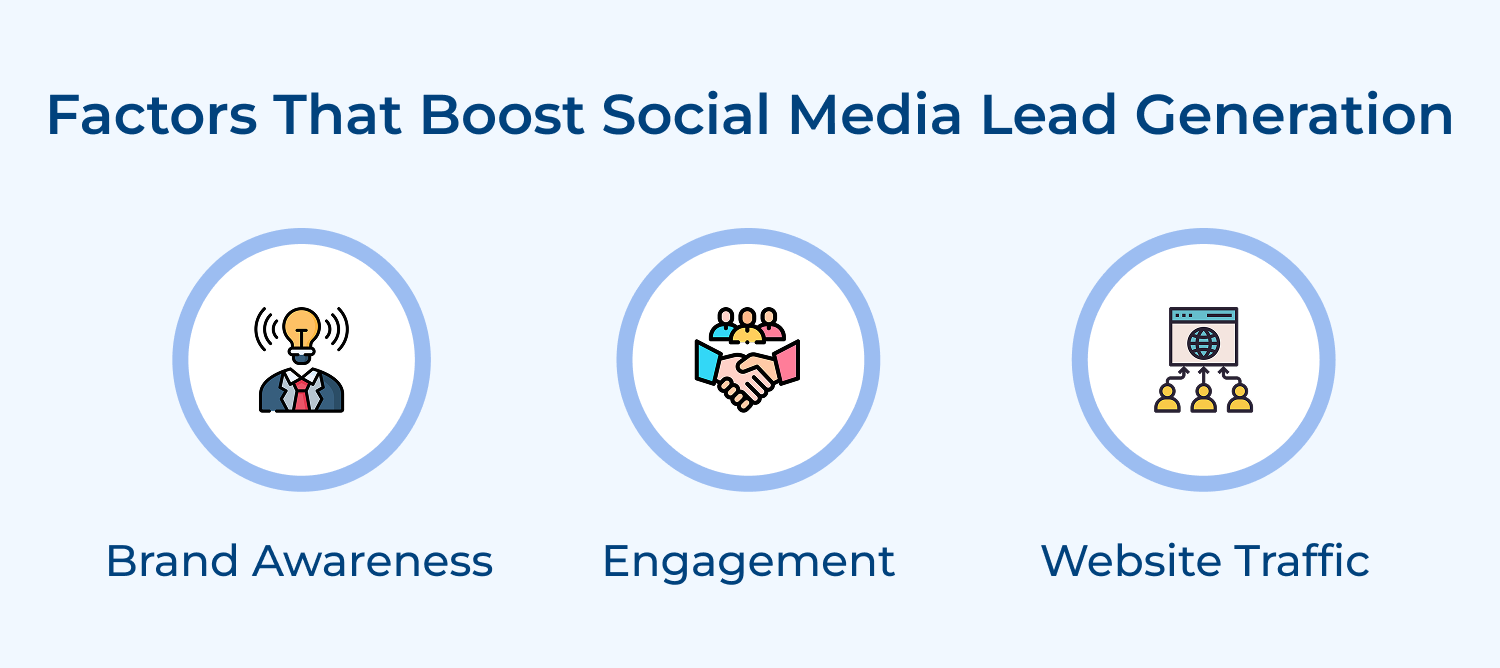
Building a recognizable presence across platforms helps potential customers remember and trust your business when making decisions. When people consistently see your content and messaging, they develop familiarity that makes them more likely to engage with lead generation efforts rather than ignoring them as spam.
Your brand voice and visual identity need to remain consistent while adapting to each platform’s unique environment, creating an authentic presence that people recognize instantly. This foundation of recognition creates the necessary trust that encourages hesitant prospects to share their contact information with you.
Creating two-way conversations with your audience transforms passive scrollers into active participants who feel connected to your brand. When people comment on your content or respond to your questions, they become invested in your brand story and develop the emotional connection. Below engagement types particularly drive lead generation success:
The highest-converting social media strategy involves creating opportunities for meaningful interaction rather than superficial likes. When followers invest time in communicating with your brand, they demonstrate interest levels that correlate strongly with willingness to become leads and eventually customers.
Directing active users of social media to your website creates opportunities for deeper connections through dedicated landing pages designed specifically for conversion. Unlike platform-native lead forms, your website offers unlimited customization options and integration capabilities with your entire marketing technology stack.
Social traffic allows you to implement complete tracking that follows visitor journeys from initial platform interaction through final conversion, providing valuable data for optimization. This comprehensive approach helps identify which content themes and formats most effectively drive not just any traffic but qualified visitors who become leads.
These benefits directly impact your business growth by creating efficient pathways to connect with qualified prospects exactly where they spend their time.
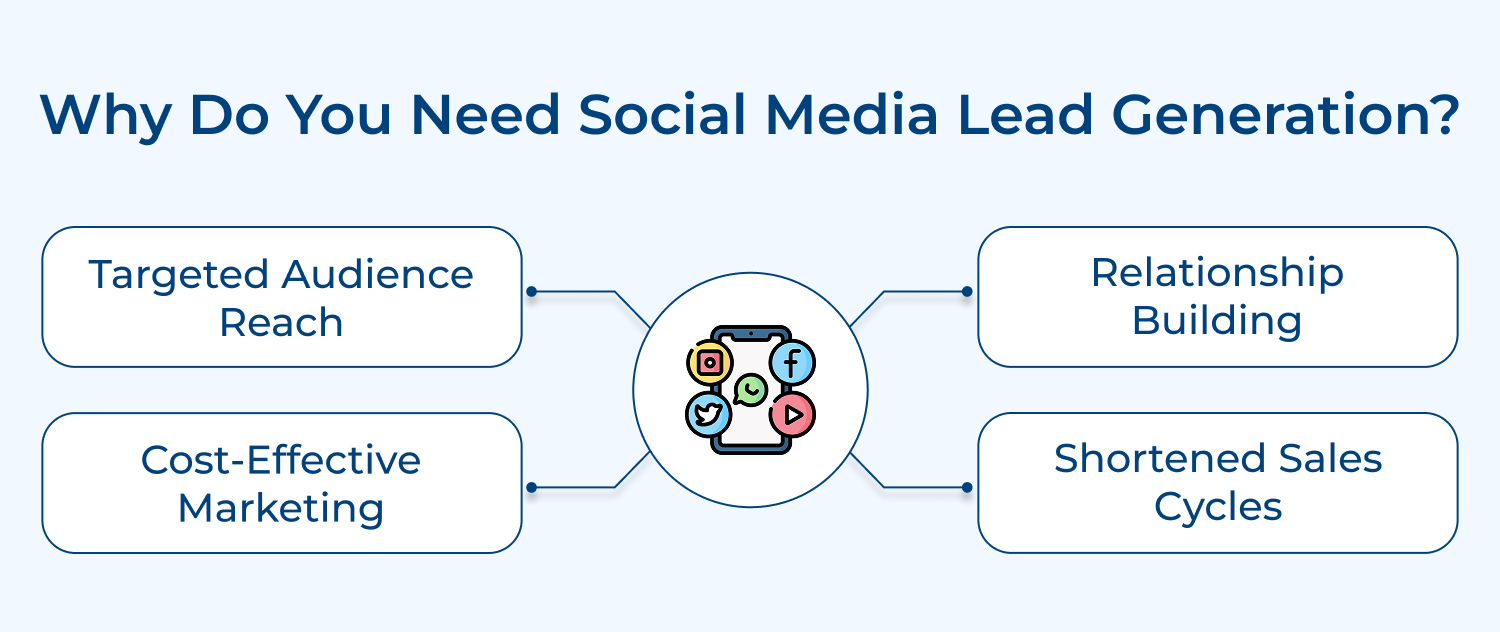
1. Targeted Audience Reach
Social media ads let you target people by age, location, interests and even life events. Instead of reaching random users, you can connect with those who match your ideal buyers. With the right social media profiles, your ads go directly to people more likely to engage and share their email address for follow-ups.
2. Cost-Effective Marketing
Running social media ads is cheaper than traditional marketing. You can begin with a small budget and scale only when results show. Since you get instant feedback, it’s easy to stop what doesn’t work as well as focus on ads that drive clicks, email address sign-ups, or profile engagement.
3. Relationship Building
Social media profiles allow ongoing conversations with potential customers. By engaging through posts, comments and ads, you build trust before asking for sales. These interactions make people more likely to share their email address and respond positively when you introduce offers.
4. Shortened Sales Cycles
Prospects can message you directly to clear doubts with social media ads. Quick responses help them decide faster. When customers see active social media profiles, they gain confidence in your brand and may share their email address sooner, speeding up the buying process.
Let’s explore nine powerful strategies that can transform your social media channels into robust lead generation tools, propelling your business towards sustainable growth.
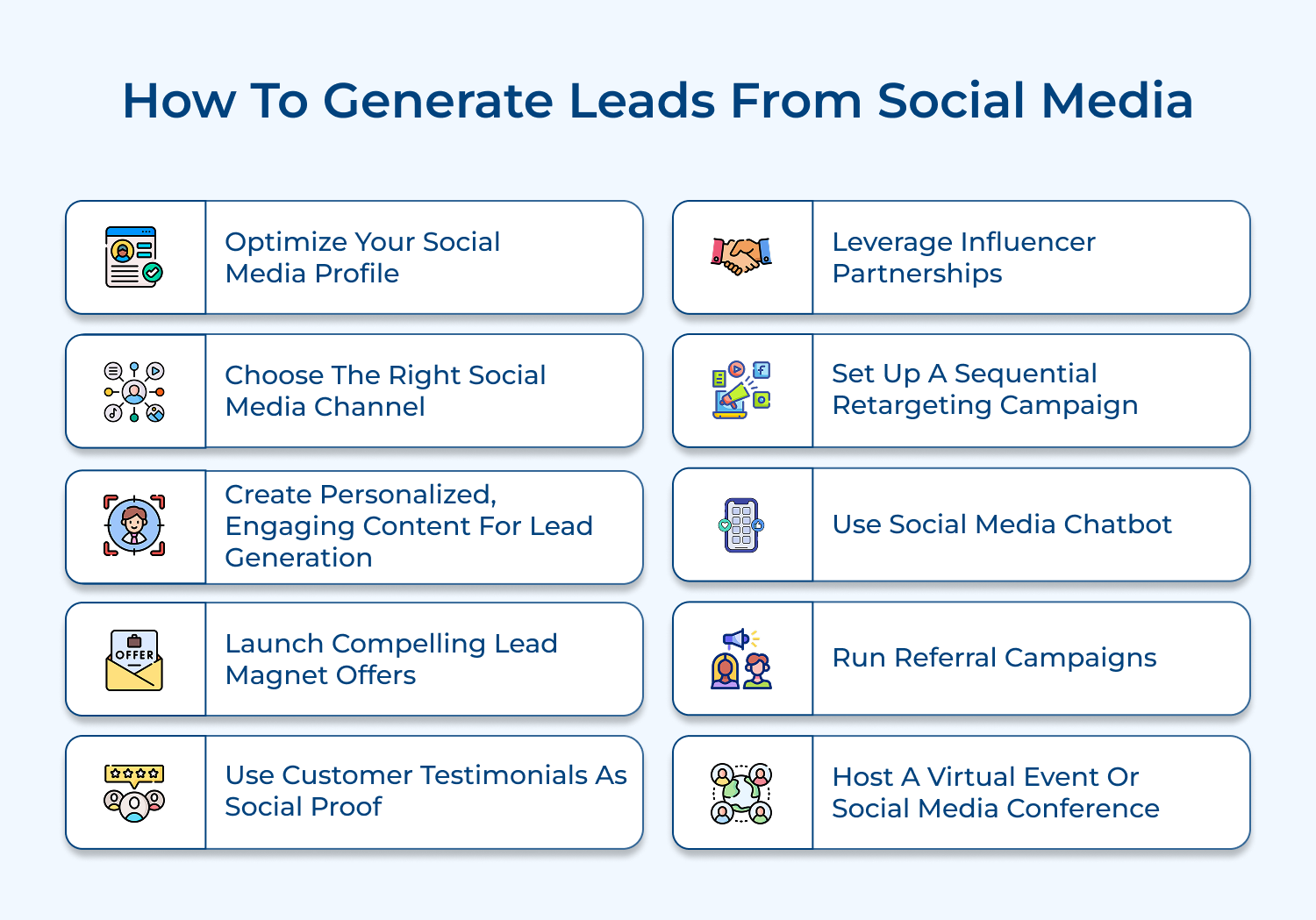
Your social media profile is your digital storefront. A well-optimized profile helps visitors understand your value and take action quickly.
Example: When a financial advisor replaced credentials with client outcomes, added a savings calculator link and shared success stories on the website, you can expect the leads to grow faster than expected.
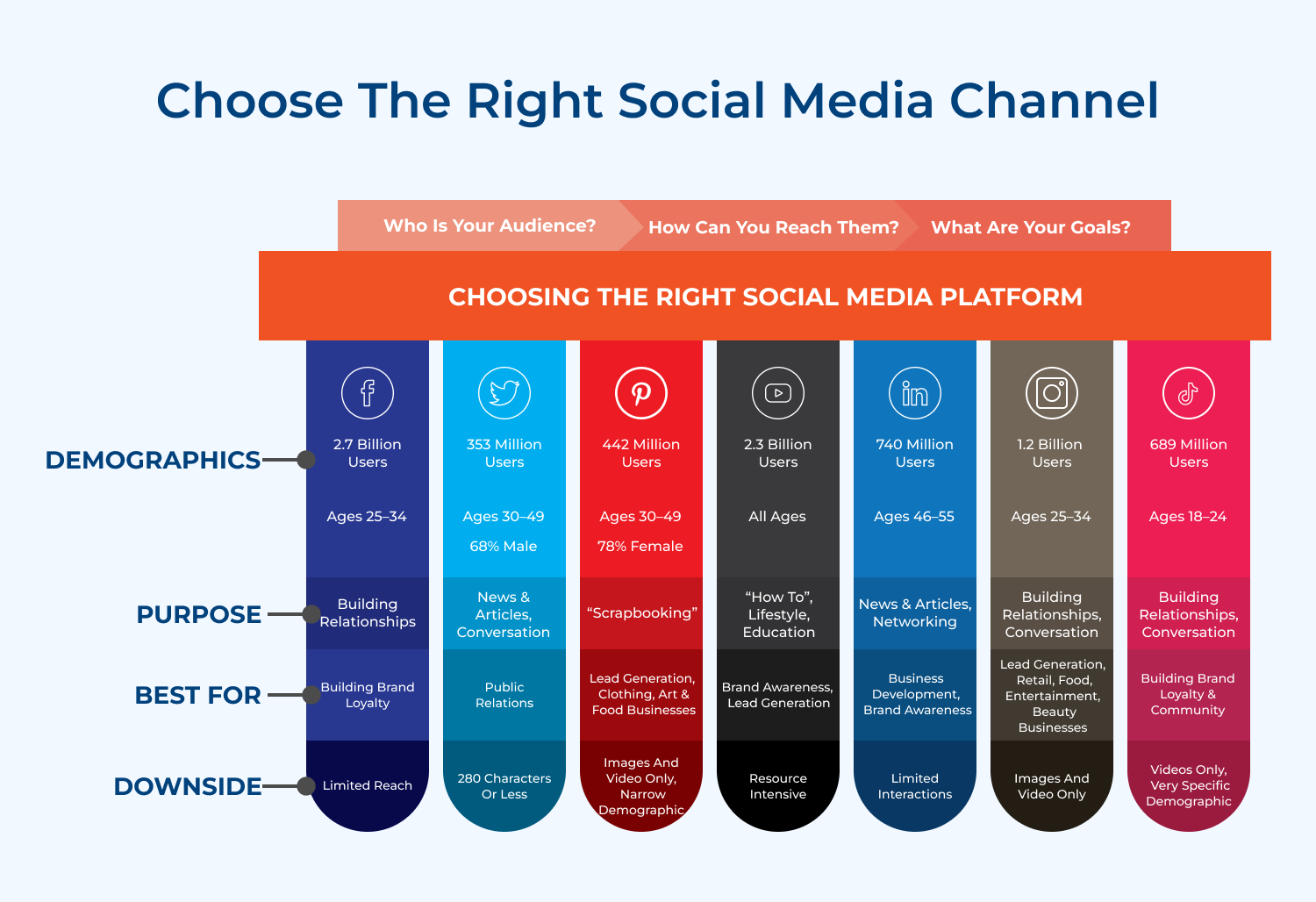
Choosing the right platform helps you reach customers where they spend the most time. Many businesses waste effort on every platform instead of focusing on the ones that truly convert.
Start by researching where your customers found you. Track competitor activity and test channels to see which deliver the best-quality leads.
Personalized content speaks directly to audience needs and interests. It is more effective than generic posts that attract little attention. This approach works well in busy social feeds because people stop when content feels relevant to their problems.
Create posts for different audience segments based on their industry, role, or stage in the buying journey. Use platform analytics to see which topics get the most engagement. Then, create more detailed content on those topics.
Add simple lead capture opportunities within the content so interested users can share their email address easily.
Best practices:
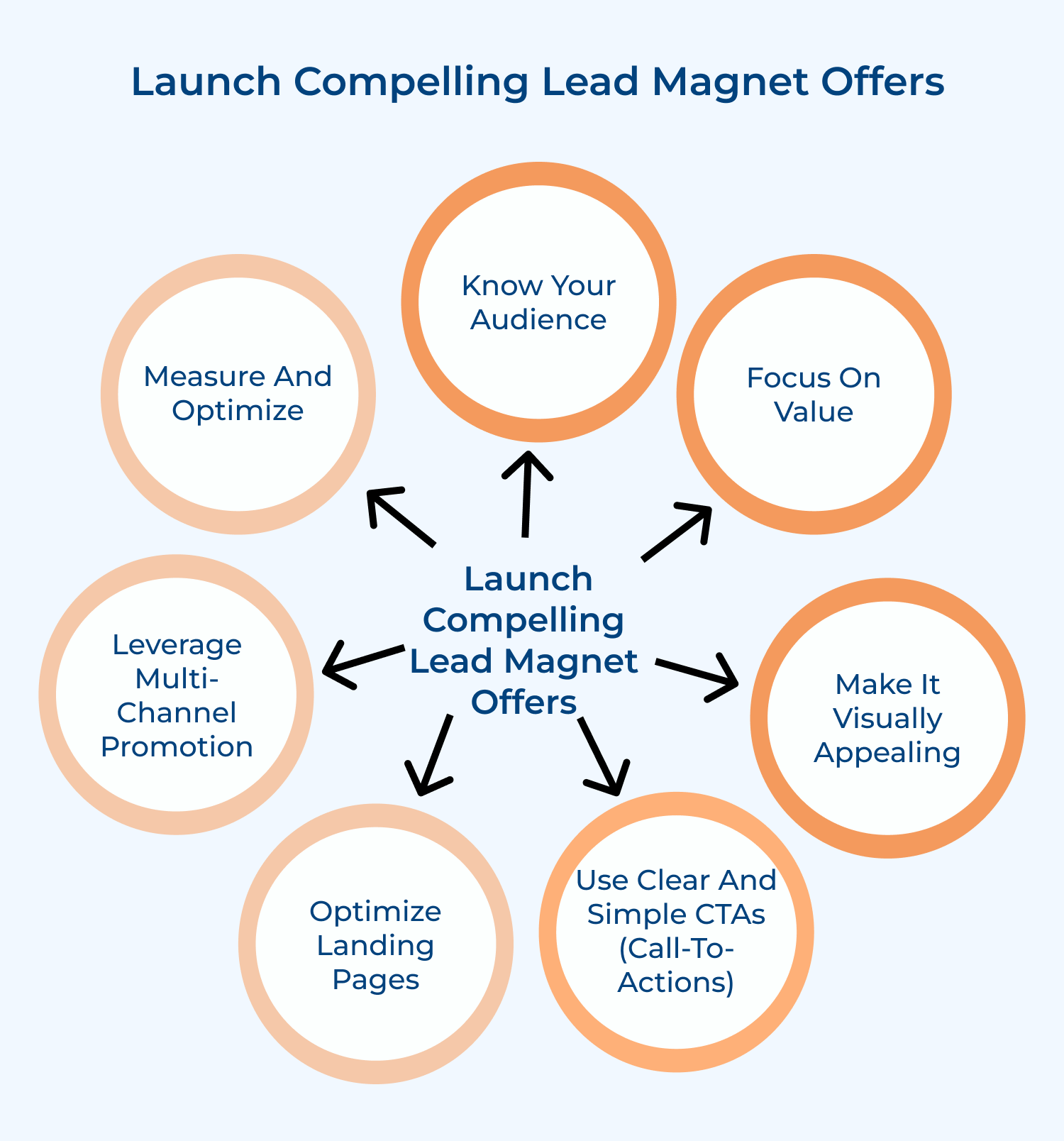
Lead magnets give people valuable resources in exchange for their contact details. This feels like a fair trade instead of asking them to join a generic newsletter. These offers also show your expertise and attract leads who already care about the problems you solve.
Create different lead magnets for each audience segment or platform. Focus on solving one clear pain point at a time. Try formats like checklists, templates, mini-courses, or calculators. Test which ones bring not just the most leads but those who later convert into paying customers.
For example, a marketing agency offered a “Local SEO Audit Template.” Business owners used it right away and it attracted local clients ready for SEO services.
Best practices:
Customer testimonials build trust because people believe other users more than company claims. They show real results and prove your solution works. Adding testimonials to your social media marketing strategy helps overcome doubts and increases conversions.
Ways to use testimonials:
Always get permission before sharing. Choose testimonials that address common objections, not just praise. This makes potential customers feel confident about moving forward.
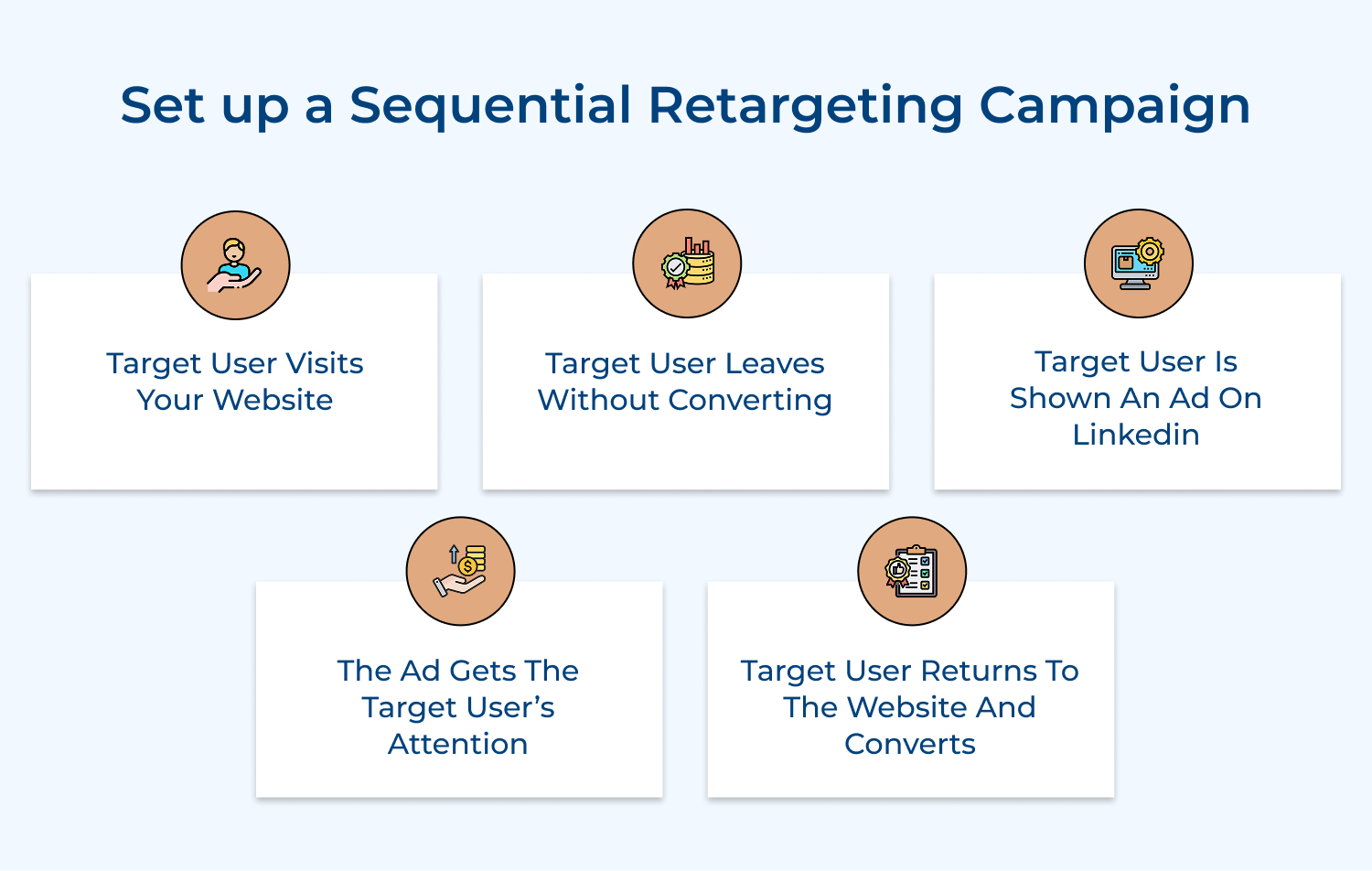
Sequential retargeting shows ads in steps, based on how users interact with your content. Instead of one ad, prospects see a series that moves them from awareness to decision.
Key questions to plan your campaign:
Balance timing and frequency. Too many ads feel intrusive, while long gaps lose momentum. Test intervals until you find the right pace that keeps interest without creating fatigue.
Social media chatbots answer questions instantly, even outside business hours. This quick response captures leads while interest is high.
How chatbots help lead generation:
Example: A real estate agency used a Facebook Messenger bot that asked about budget and property type. It captured 40% more leads than traditional forms, especially after hours.
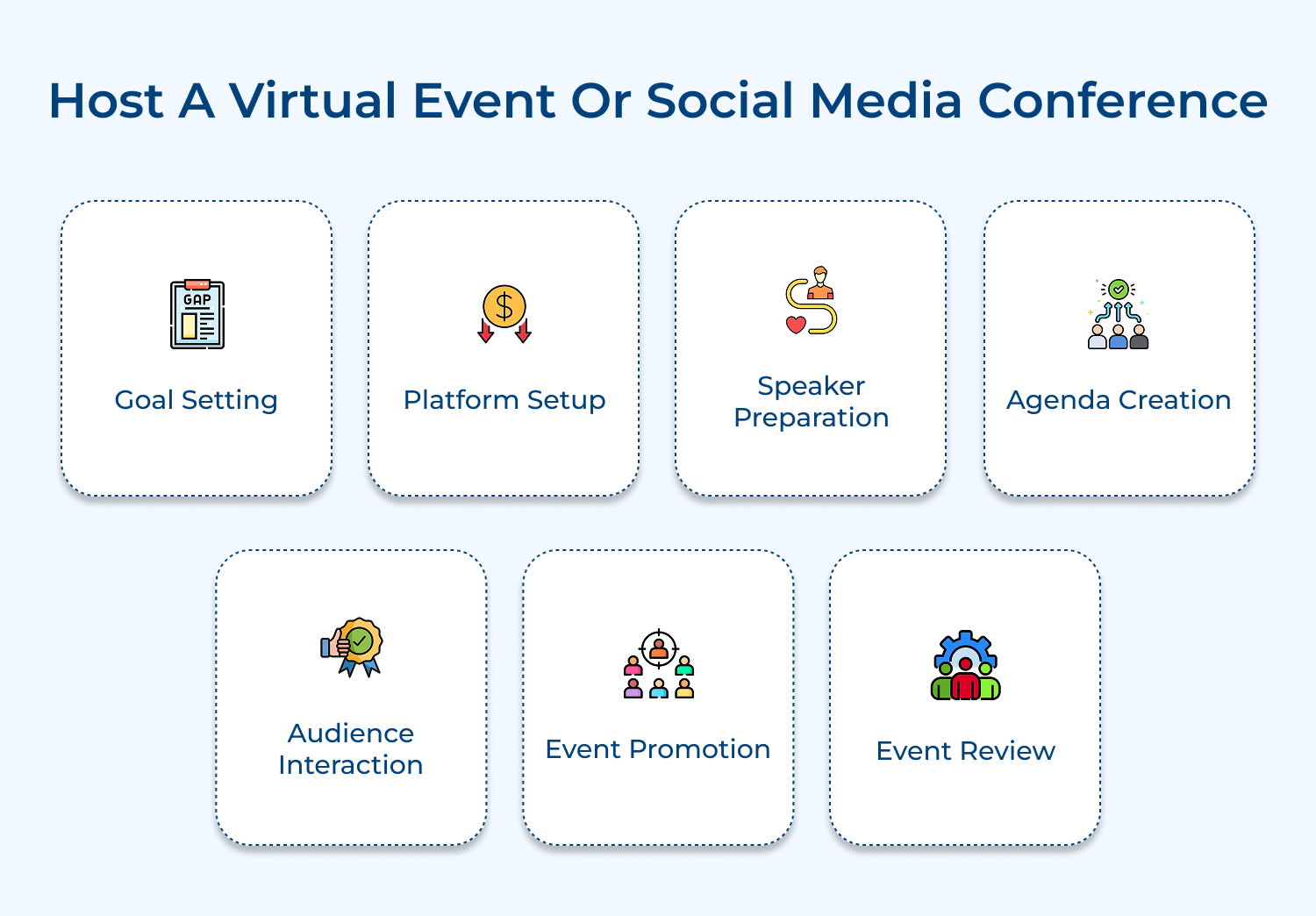
Virtual events create deeper engagement than regular posts and help capture leads through registrations. Here are effective ways to maximize results:
These events build authority while collecting high-quality leads. By offering practical solutions and trusted voices, participants feel their time is well-spent, making them more open to future conversations with your team.
We’ve compiled a list of the four best social media lead generation tools that will help you target your audience precisely and convert followers into loyal customers
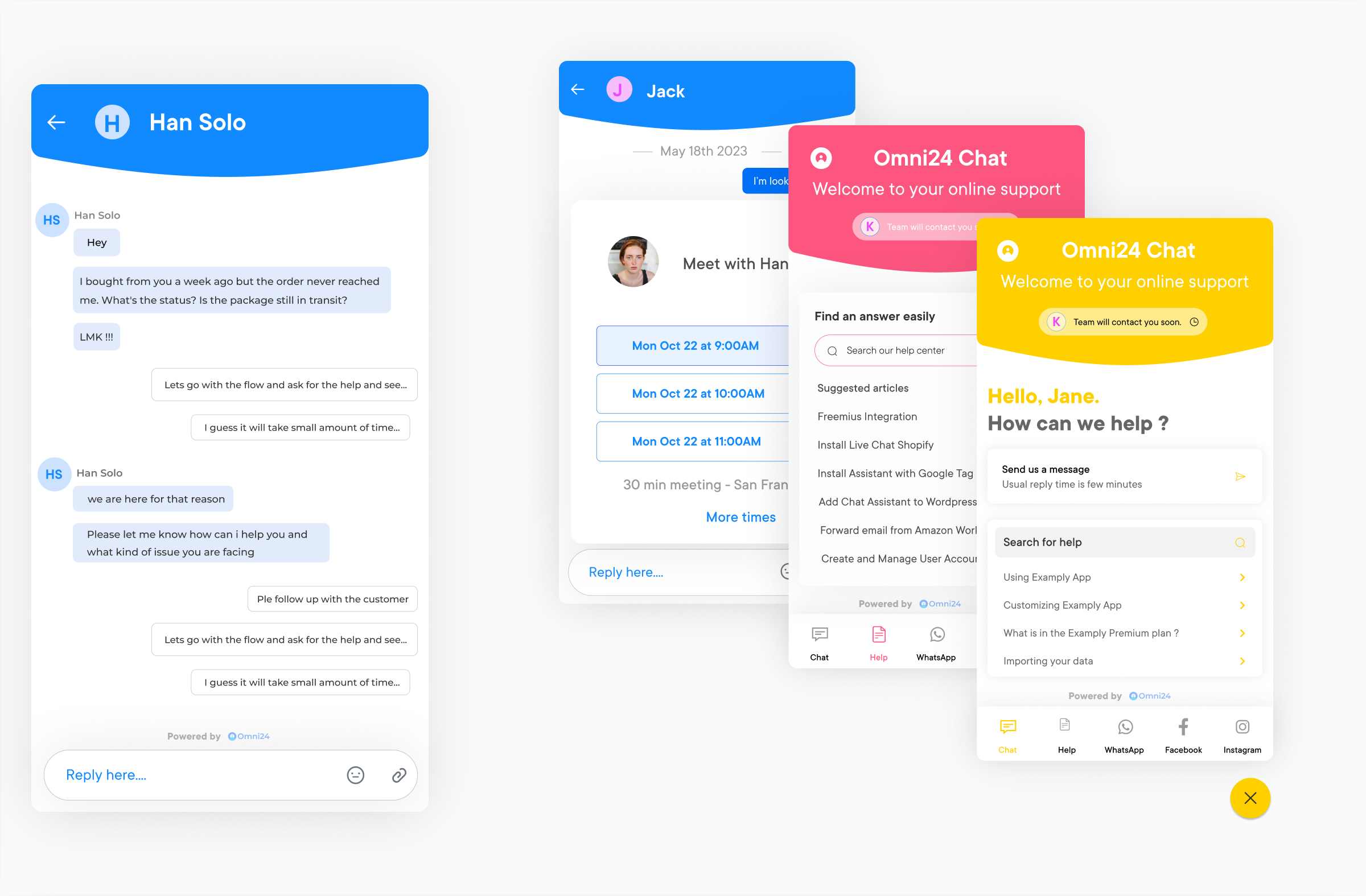
Omni24 delivers an all-in-one customer experience platform that unifies social media interactions with comprehensive support tools across multiple communication channels.
Their system connects social media conversations directly to your customer database through chatbot while providing agents with complete conversation history and context.
This integrated approach helps businesses transform casual social media interactions into qualified leads through structured workflows and automated follow-up sequences.
Key Features:
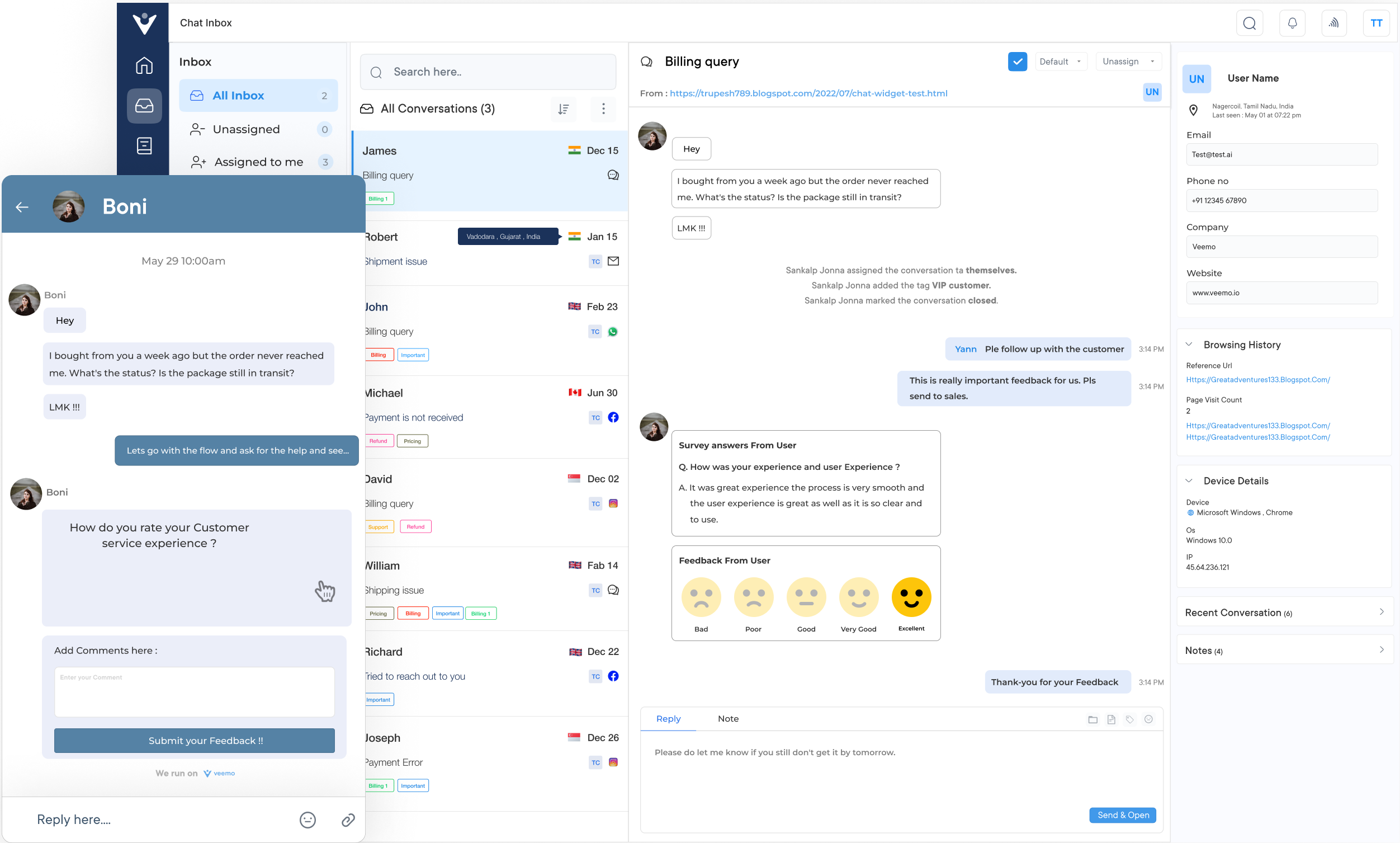
Veemo Chat unifies customer service interactions with powerful lead generation capabilities across all major social platforms. This integrated approach transforms standard support conversations into potential sales opportunities without feeling pushy to customers.
The system captures valuable prospect information during natural conversations and automatically routes qualified leads to your sales team based on specific trigger actions or conversation topics.
Key Features:
Sprout Social combines comprehensive social media management capabilities with specific features designed to identify and nurture potential leads across multiple platforms. The tool centralizes all your social interactions in one dashboard and provides team collaboration features that ensure prompt responses to inquiries from potential customers regardless of which team member is available.
Sprout Social distinguishes itself through exceptional customer interaction management that helps businesses respond quickly. The platform’s Smart Inbox consolidates messages across all platforms, automated tagging identifies high-priority leads based on custom criteria and detailed analytics reveal which content types generate the most valuable prospect engagements.
Hootsuite Insights combines social listening capabilities with lead generation tools to help businesses identify potential customers based on conversations happening across platforms. The platform monitors relevant keywords and industry discussions to uncover prospects actively seeking solutions you provide as well as creates opportunities to join these conversations at exactly the right moment.
Hootsuite’s strength lies in its ability to discover leads through relevant conversations happening across the social landscape beyond your existing followers. The tool provides customizable dashboards that track industry-specific topics, sentiment analysis that helps identify frustrated customers seeking alternatives and integration capabilities that connect identified leads directly to your CRM for immediate follow-up.
These real-world examples demonstrate how different businesses leverage social platforms to capture qualified leads through strategic approaches. Each showcases unique tactics that you can adapt for your own lead generation efforts regardless of your industry or company size.
Warby Parker’s Instagram Try-On Campaign
Warby Parker created an Instagram campaign allowing users to virtually try on glasses using augmented reality filters. Users who enjoyed the experience could click through to a simple form requesting their prescription information and style preferences. The company followed up with personalized recommendations and home try-on options based on this captured information.
This interactive approach transformed passive Instagram scrollers into engaged potential customers while collecting valuable contact information and style preferences. The interactive nature of the campaign resulted in higher-quality leads who had already experienced the brand’s products virtually, creating emotional connection before any purchase decision.
Canva’s Design Challenge
Canva runs regular design challenges through Facebook, Instagram and X where participants create projects using their platform. Users submit entries by joining Canva’s email list and downloading template resources. Community voting for favorites creates additional engagement while the company provides constructive feedback that showcases premium features available in paid versions.
This community-building approach creates an engaged audience that experiences the product’s capabilities through practical application rather than passive marketing messages. Participants develop platform familiarity and dependency through repeated use during challenges, significantly increasing their likelihood of converting to paid subscriptions after experiencing limitations in free versions.
Sephora’s Pinterest Beauty Quiz
Sephora created an interactive beauty quiz delivered through Pinterest that asks users about their skin concerns, makeup preferences and beauty goals. Upon completion, users submit their email to receive personalized product recommendations. Each recommendation includes direct shopping links alongside educational content about proper product usage.
This value-first approach helps Sephora collect both contact information and detailed preference data simultaneously. The personalization creates immediate relevance that significantly improves email engagement rates compared to generic messaging. This targeted approach also increases average order values as customers purchase complete recommended routines rather than single products.
Effective social media lead generation requires strategic platform selection and content creation rather than scattered efforts across every channel. Focus your resources where your ideal customers actually spend time and create value-first interactions that earn the right to request contact information.
Establish regular posting schedules and response protocols that maintain momentum while testing different approaches to discover what resonates with your specific audience.
The most successful businesses view social media lead generation as an ongoing experiment rather than a fixed strategy. Continuously analyze which content types and platforms deliver qualified leads then refine your approach based on real performance data.

What are the best social media platforms for lead generation?
The most effective platforms depend entirely on your target audience and business type. LinkedIn excels for B2B companies targeting professionals. Facebook works well for local businesses and consumer products. Instagram resonates with visually-driven brands. Rather than spreading yourself thin, research where your specific audience actively engages and focus your efforts there.
Why is social media a powerful tool for generating business leads?
Social media provides unprecedented access to targeted audiences based on specific interests, behaviors and demographics. These platforms facilitate two-way conversations rather than one-way broadcasting, building relationships before requesting contact information. The interactive nature allows you to demonstrate value and establish trust through consistent engagement before moving prospects into your sales funnel.
How can I measure the ROI of my social media lead generation efforts?
Track the complete journey from initial social engagement through final conversion using UTM parameters and platform analytics. Assign monetary value to different lead types based on their typical conversion rates and customer lifetime value. Compare your total investment (including staff time and tool costs) against revenue generated from social-sourced leads to calculate actual return.
What types of content work best for generating leads on social media?
Educational content addressing specific pain points consistently outperforms purely promotional materials. Interactive elements like polls, quizzes and calculators generate higher engagement as well as lead capture rates. Behind-the-scenes glimpses and customer stories build authentic connections. The optimal mix varies by platform but should always provide genuine value before requesting contact information.
How often should I post on social media for effective lead generation?
Quality consistently trumps quantity for lead generation purposes. Posting 2-3 high-value pieces weekly that genuinely help your audience perform better than daily low-value content. Focus on creating substantial resources that address specific challenges rather than maintaining arbitrary posting schedules that prioritize frequency over relevance to your potential customers.
 https://omni24.io/wp-content/uploads/2026/08/AI-Customer-Service-Agents.png
1256
2400
Webvision Solution
https://omni24.io/wp-content/uploads/2023/04/Omni-Logo-1.svg
Webvision Solution2026-09-21 04:48:512026-09-21 04:48:51How to Build an AI Customer Service Agents: 8 Key Steps
https://omni24.io/wp-content/uploads/2026/08/AI-Customer-Service-Agents.png
1256
2400
Webvision Solution
https://omni24.io/wp-content/uploads/2023/04/Omni-Logo-1.svg
Webvision Solution2026-09-21 04:48:512026-09-21 04:48:51How to Build an AI Customer Service Agents: 8 Key Steps https://omni24.io/wp-content/uploads/2026/08/Omnichannel-Conversational-AI.png
1256
2400
Tushar Joshi
https://omni24.io/wp-content/uploads/2023/04/Omni-Logo-1.svg
Tushar Joshi2026-09-16 03:51:072026-09-16 03:51:07How to Build Omnichannel Conversational AI Strategy
https://omni24.io/wp-content/uploads/2026/08/Omnichannel-Conversational-AI.png
1256
2400
Tushar Joshi
https://omni24.io/wp-content/uploads/2023/04/Omni-Logo-1.svg
Tushar Joshi2026-09-16 03:51:072026-09-16 03:51:07How to Build Omnichannel Conversational AI Strategy https://omni24.io/wp-content/uploads/2026/08/Customer-Service-Teams.png
1256
2400
Tushar Joshi
https://omni24.io/wp-content/uploads/2023/04/Omni-Logo-1.svg
Tushar Joshi2026-09-15 04:01:522026-09-15 04:02:16How to Build Customer Service Teams: 6 Key Steps
https://omni24.io/wp-content/uploads/2026/08/Customer-Service-Teams.png
1256
2400
Tushar Joshi
https://omni24.io/wp-content/uploads/2023/04/Omni-Logo-1.svg
Tushar Joshi2026-09-15 04:01:522026-09-15 04:02:16How to Build Customer Service Teams: 6 Key Steps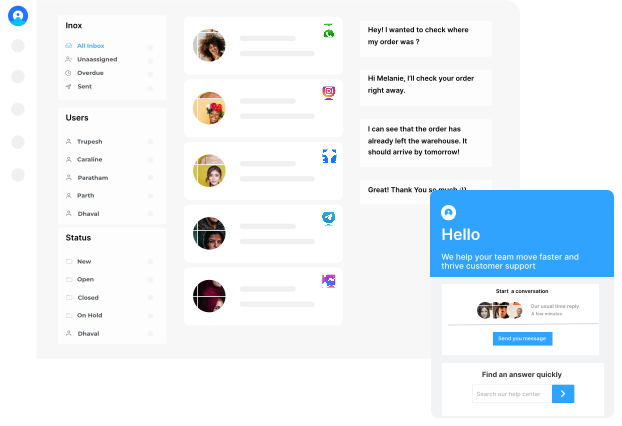
Whether it’s about acquire, engage or support – Omni24 covers all your customer engagement needs in one complete platform.

Copyright ©2026 Veemo All rights reserved.
CA, Los Angeles, Hall Ave, 19011