What is a Customer Engagement Portal & How to Build One?
Know your audience’s pulse to cater them a portal that enables them to find information, offer feedback while also getting personalized recommendations on the products they like.
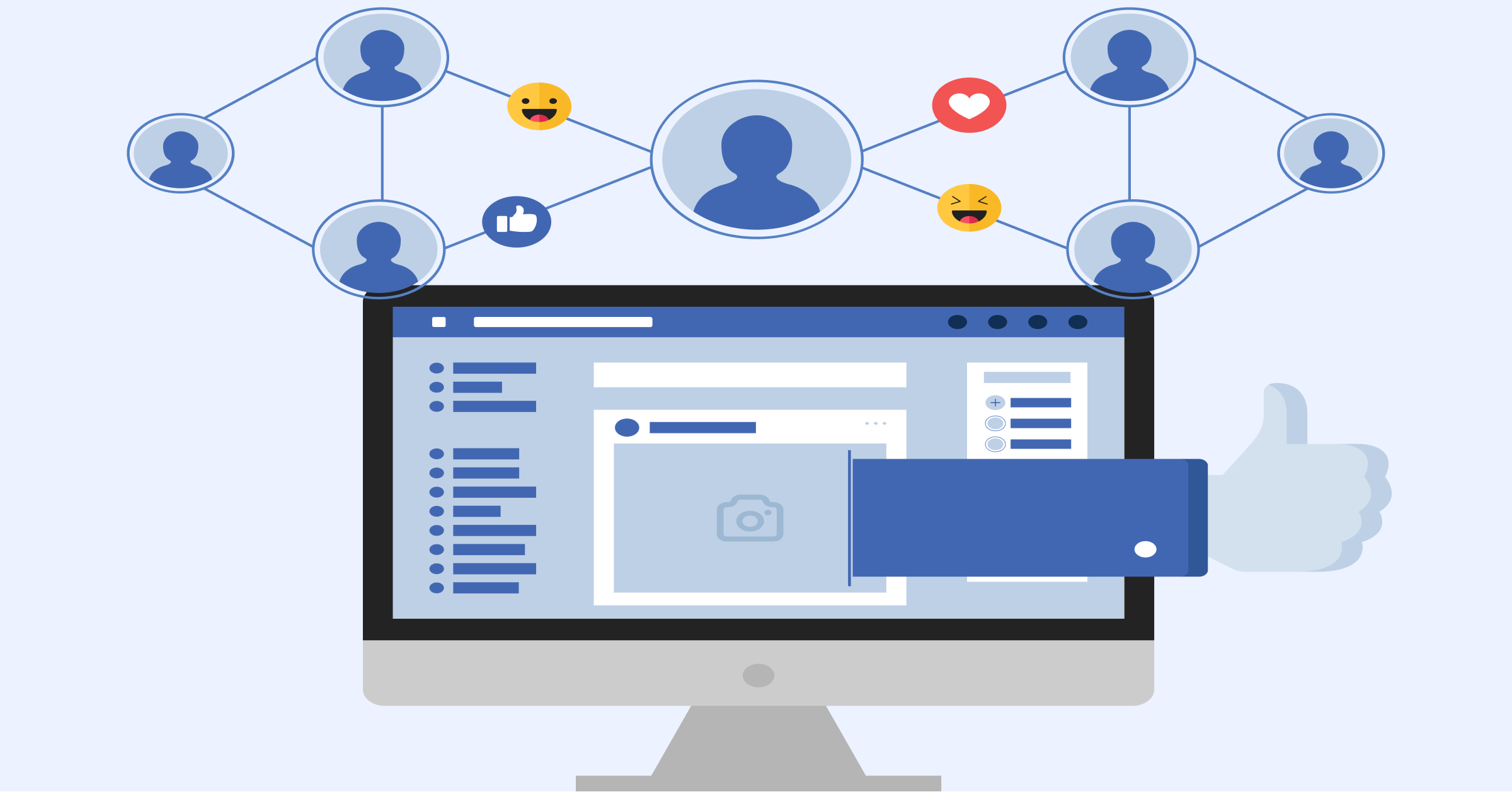
Know your audience’s pulse to cater them a portal that enables them to find information, offer feedback while also getting personalized recommendations on the products they like.
As an active customer engaging business, you need to fundamentally transform how the brand engages with the audience. Although, this is not just my opinion alone, but of all the 54% of the customers that participated in a survey.
The modern customer journey is all about how seamless the interaction is. Of course, customer engagement platforms are a revolutionary way to connect with the audience on a personal level.
In our blog today, we’ll touch base on what benefits does a customer engagement portal bring to the business and how to optimize the service offerings.
Shall we get into the topic already? Okay!
Think of a customer engagement portal as a friendly acquaintance who understands individual needs and caters the same through seamless customer experience. The portal is simply the main hub for customers to find information, ask questions, give feedback and everything that comes in between.
The primary goal for any customer engagement portal is to elevate customer satisfaction, their loyalty along with retaining as much as their existing customers. It can only be achieved only when the platform is user-friendly as well as efficient.
key objectives:
Does your business provide apps for customers? If so, you must have observed 30% of lapsed users coming back to the app when offered with discounts. Let’s explore why these are crucial:
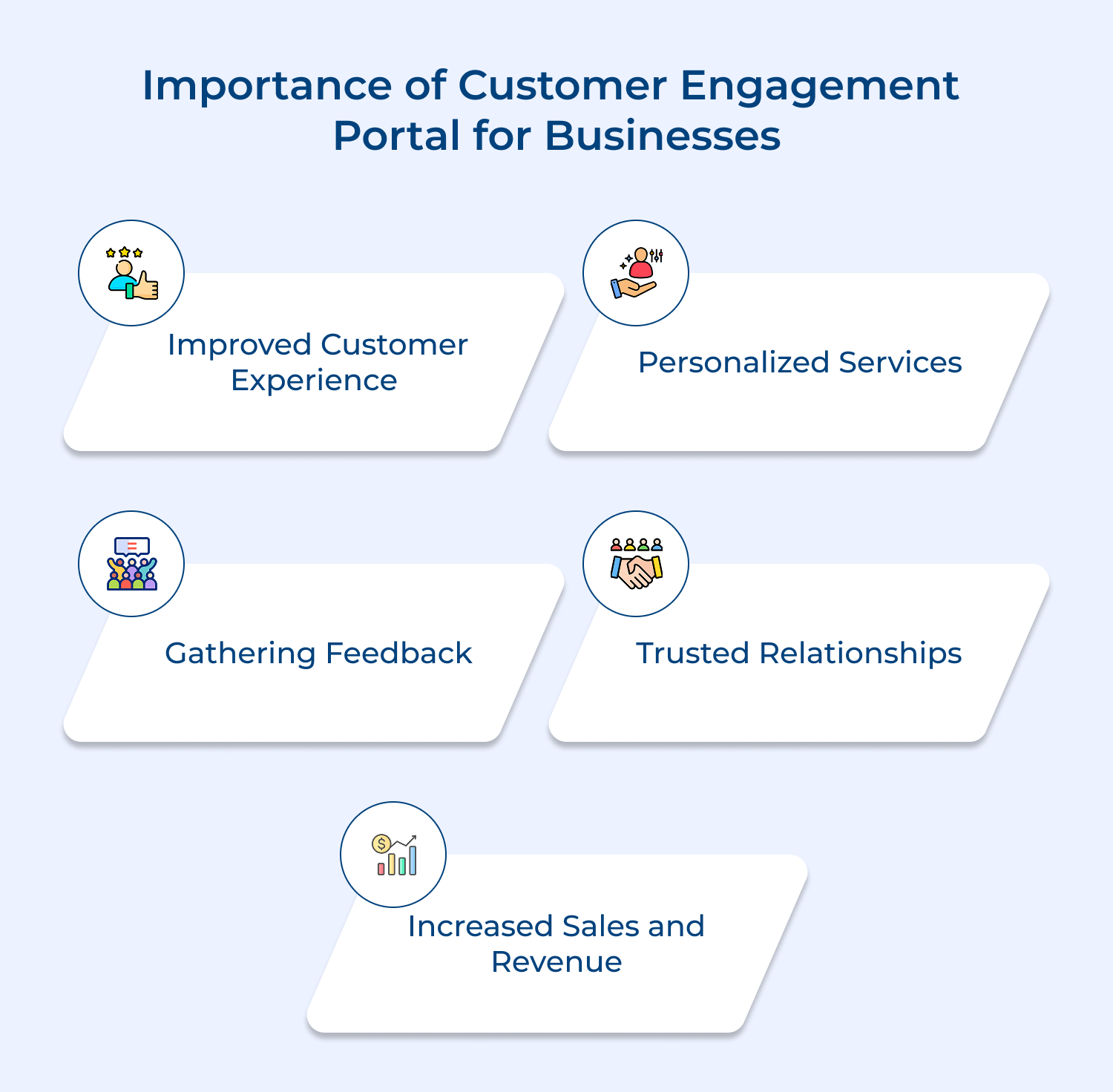
1. Improved customer experience: Customer engagement portals allow businesses to provide a convenient experience for their customers. From accessing product information to resolving issues, customers can easily interact with the business through a centralized portal. It improves overall customer satisfaction as well as gains their loyalty.
2. Personalized services: By collecting data from customer interactions on the portal, businesses get a chance to tailor their services that answers the very unique and specific needs of the customer. The personalized approach can lead to increased customer retention.
3. Gathering feedback: Customer engagement portals provide a direct channel for customers to share their feedback and suggestions with the business. The valuable information can then be used to improve products as well as address any issues or concerns that customers may have.
4. Trusted relationships: Regular communication with customers through the portal builds trust and loyalty. Having a platform that is open and transparent with communication strengthens customers relationships while also being established as a trusted partner.
5. Increased sales and revenue: A well-designed customer engagement portal drives sales and revenue for businesses. Businesses can encourage customers to make purchases through targeted promotions along with easy access to product information.
Building a customer engagement portal is a great way to connect with your customers. Let’s delve into the key steps to building a portal that will help you drive business growth.

Not every company comes with the same set of vision though revenue growth is the most common goal. Here you need to understand what your company’s vision is and what goals should align with it. When improving customer communication is the primary agenda, how do you plan to achieve it? Through loyalty programs and exclusive deals are one way to think but, have a brainstorming session with your team, will you?
Ways to define your goals:
1. Conduct market research to understand the needs of your target audience. It will help in defining clear goals for the customer engagement portal.
2. Align your goals with your overall business objectives to ensure that the portal contributes to the success of the company.
3. Set specific, measurable and realistic goals for the portal, such as increasing customer retention rates or driving user engagement.
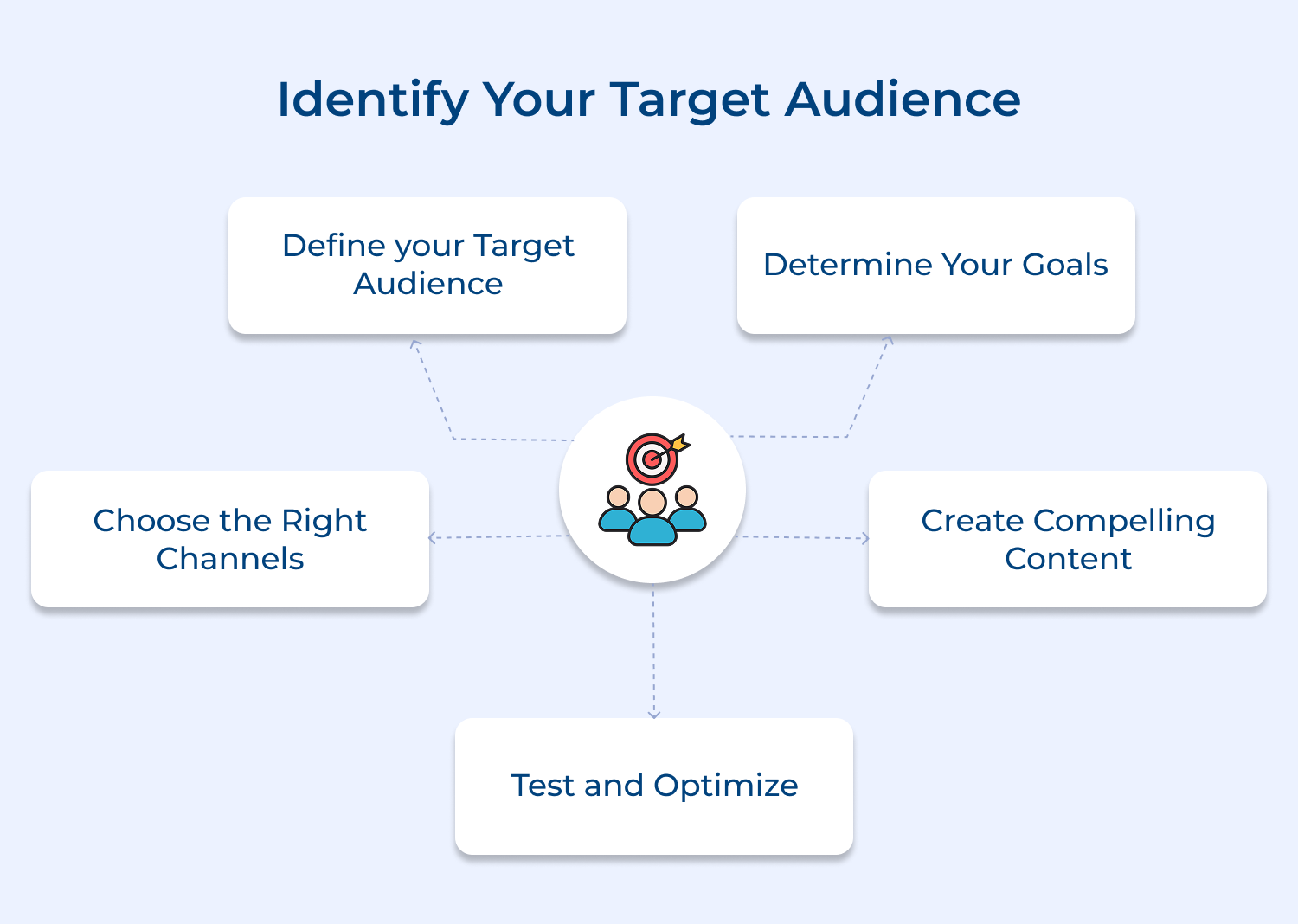
Of course, running a business would mean that you already know who your audience is. However, refining them never hurt anyone! Designing a portal that resonates with them and provides value is always beneficial. Always remember, providing a niche offering would mean that you know the precise problem and offer a specific solution. Now that makes you stand out in the audience. Try avoiding being a jack of all trades!
Tips to target your audience:
1. Conduct market research to understand the demographics, preferences and behaviors of your target audience.
2. Create buyer personas to represent different segments of your target audience and tailor your portal’s features accordingly.
3. Use analytics tools to gather data on user activity and engagement to continually refine your understanding of your target audience.
When you’re done with defining your goals and your ideal audience, the next best step is to select the right customer engagement software portal. There are varieties of platforms available in the market right now like content management systems (CMS) like WordPress, customer relationship management (CRM) software and customer-built solutions. Weigh in the options with budget, technical expertise as well as scalability requirements when choosing your platform.
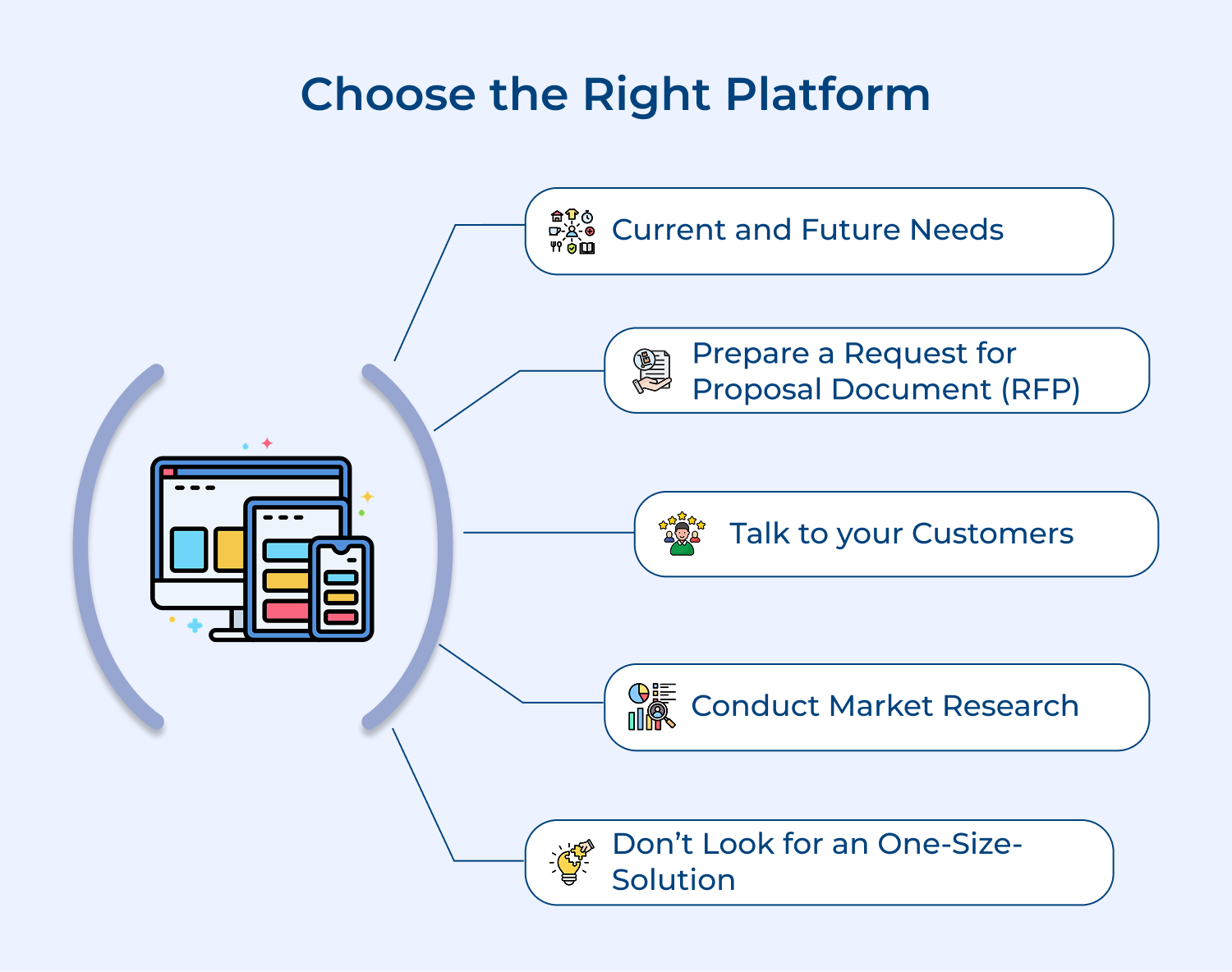
Ways to choose platform:
1. Research different customer engagement portal platforms that align with your business goals and budget.
2. Consider scalability and customization options to ensure the platform can grow with your business as well as adapt to changing customer needs.
3. Test out different platforms with a pilot program or trial period to determine which one best meets your requirements before committing to a long-term contract.
The key to building a successful customer engagement portal is to create a user-friendly interface. Your portal should be easy to navigate, visually appealing and intuitive to use. Consider using a clean design, incorporating high-quality images and graphics, while also organizing content in a structured manner. Remember, the goal is to provide a seamless along with engaging experience for your customers.
Tips to design:
1. Conduct user testing to gather feedback on the portal’s ease of navigation, layout and overall user experience.
2. Use responsive design principles to ensure a seamless experience across various devices and screen sizes.
3. Incorporate intuitive navigation features, such as search functionality and clear calls-to-action, to guide users through the portal easily.
Personalization is essential for driving customer engagement. Personalizing the user experience on your portal can show your customers that you understand their preferences. Consider implementing features like personalized recommendations, targeted content and customized messaging. Personalization will help you build stronger relationships with your customers and increase their loyalty to your brand.
Consider following tips:
1. Implement personalized content recommendations based on user preferences, browsing history, and past interactions with the portal.
2. Offer customization options for users to personalize their profiles, preferences and notifications to enhance their overall experience.
3. Utilize data analytics to track user behavior and continually refine the personalization features of the portal.
One of the most effective ways to engage customers is by providing valuable content. Your customer engagement portal should offer a variety of content, including articles, videos, infographics, case studies and more. Ensure that your content is relevant, informative as well as engaging to keep your customers coming back for more. Consider creating a content calendar to plan and organize your content strategy.

Here are few ways to write:
1. Create a content strategy that aligns with your target audience’s interests and pain points.
2. Offer a mix of informative, educational and entertaining content to keep users coming back to the portal.
3. Collaborate with subject matter experts, thought leaders and influencers to provide high-quality as well as relevant content that adds value to the user experience.
Interactive features are a great way to engage customers and encourage them to interact with your portal. Consider implementing features like live chat, polls, quizzes, forums and feedback forms. Interactive features will not only make your portal more engaging but also provide valuable insights into your customers’ behaviors. Use these insights to continuously improve your portal and enhance the customer experience.
Here are some pro tips:
1. Incorporate interactive elements such as quizzes, polls, surveys and contests to encourage user participation.
2. Include social sharing buttons and user-generated content features to build community interaction.
3. Use gamification techniques like badges, points, rewards etc to incentivize user engagement and create a sense of achievement.
Self-service options are a valuable feature to include in a customer engagement portal. Offering self-service functionalities like FAQ sections and tutorials assists you to empower customers to find answers to their questions independently. It not only saves time for both customers and your support team but also enhances the overall customer experience.

Consider following tips:
1. Provide self-service options such as knowledge bases, FAQs, tutorials and troubleshooting guides to empower users to find solutions independently.
2. Offer live chat support, chatbots, or virtual assistants to assist users in real-time and enhance the self-service experience.
3. Implement a robust help center with comprehensive resources to address common customer queries and issues efficiently.
Customer feedback is essential for the success of a customer engagement portal. Encourage customers to provide feedback through surveys, ratings and reviews. Use this feedback to identify areas for improvement while also making necessary adjustments to enhance the user experience. Continuously seeking feedback and iteratively improving your portal helps you ensure its long-term success.
Here are some tips:
1. Collect user feedback through surveys, feedback forms and ratings to gather insights on areas for enhancements.
2. Analyze user data metrics to identify trends, patterns and opportunities for refinement.
3. Continually iterate on the customer engagement portal based on user feedback, data analysis and industry best practices to ensure its relevance in meeting customer expectations.
67% of the marketers agree to increase in experimentation to stay competitive in the market. Here are some tips to help you develop an effective customer engagement portal:
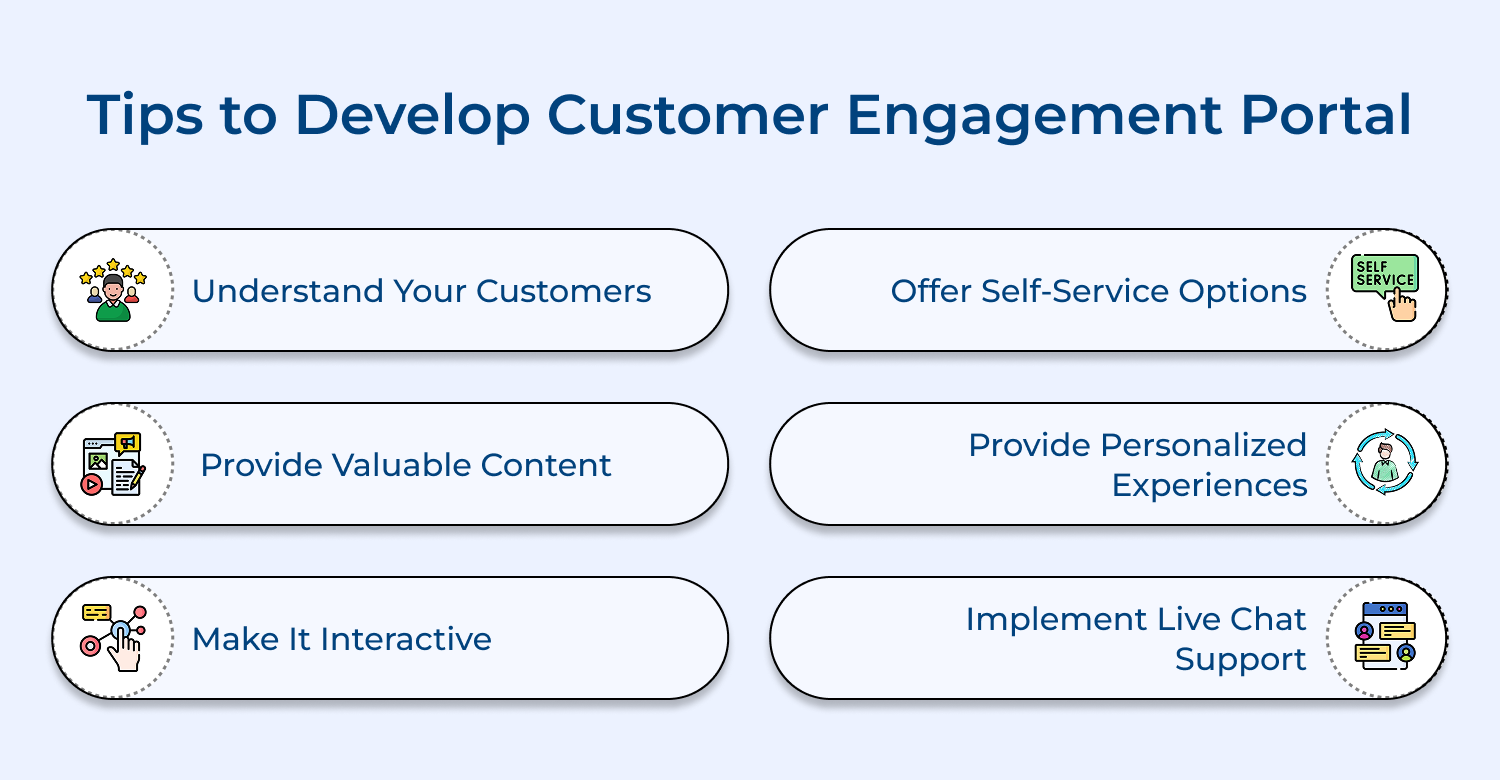
1. Understand your customers: Before creating a customer engagement portal, it’s important to understand your target audience. Conduct research to gain insights into their preferences, behaviors and needs. It will help you tailor your portal to meet their expectations and provide a personalized experience.
2. Provide valuable content: To keep customers engaged, make sure your portal offers valuable content that is relevant to their interests. It could include blog posts, how-to guides, videos or industry news. The key is to provide information that is useful and informative to your customers.
3. Make it interactive: Encourage customer participation, incorporate interactive elements into your portal such as surveys, quizzes, polls or forums. It will not only engage customers but also allow you to gather feedback and insights to improve your products.
4. Offer self-service options: Customers appreciate being able to find answers to their questions quickly and easily. Incorporate self-service options such as FAQs, knowledge bases, or troubleshooting guides to help customers find the information they need without having to contact customer support.
5. Provide personalized experiences: Personalization is key to keeping customers engaged. Use customer data to customize their experience on the portal, such as recommending products based on their browsing history or sending personalized messages / offers.
6. Implement live chat support: Offering live chat support on your customer engagement portal can help customers get instant assistance when they have questions or issues. It can improve customer satisfaction and loyalty by providing a seamless way to communicate with your brand.
For 78% of customers, a poor customer experience makes them lose trust in the brand. Give them world-class offerings with these must-have features and elevate their experience.
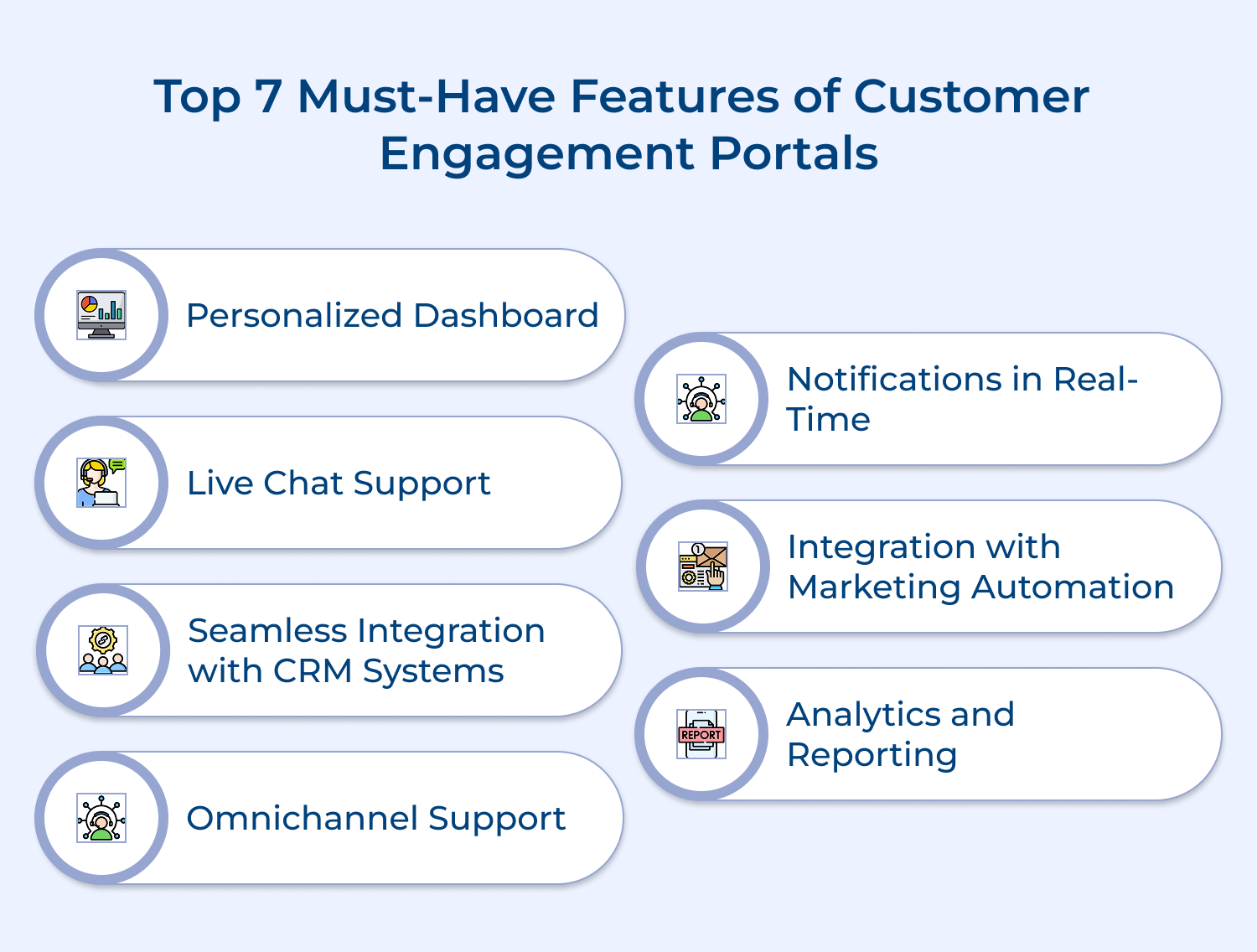
A personalized dashboard permits customers to view relevant information and updates tailored to their needs as well as preferences. Not only is there a drastic increase in user experience, it makes things easier for customers to find what they’re looking for. Moreover, 87% of marketers said there was drastic change in customers’ experience post adding personalization to their agenda.
Live chat support is a crucial feature for any customer engagement portal. It enables customers to connect with a support agent in real-time, ask questions and get immediate assistance for any issues they may be facing. These simple features enhance the overall experience along with customer satisfaction.
Integration with customer relationship management (CRM) systems empower businesses to track and manage customer interactions effectively. This feature ensures that all customer data is captured and stored in one central location, making it easier to provide personalized service.
An effective customer engagement portal should support multiple communication channels, such as email, social media and phone. The feature allows customers to contact the company through their preferred channel, enhancing customer satisfaction.
Notifications are a great way to connect to customers instantly. Real-time notifications ensure that the customers get to act on the said actions quite immediately. They will always be informed with important information such as status, promotions as well as new product launches. These features initiate effective customer engagement while also encouraging repeat business.
Integration with marketing automation tools allows businesses to create personalized marketing campaigns and target specific customer segments. This feature helps businesses engage with customers in a more targeted as well as efficient manner.
Analytics and reporting tools provide businesses with valuable insights into customer engagement. The said feature enables businesses to track key metrics, such as customer interactions, satisfaction levels and overall portal performance, while making data-driven decisions to improve customer engagement.
In conclusion, utilizing customer engagement portals is essential for enhancing the overall customer experience (CX). Providing customers with easy access to information as well as the opportunity to provide feedback helps businesses create a more seamless and satisfying experience for their customers. The portals facilitate businesses to gather valuable insights and data that can be used to further improve their products.
According to me, investing in customer engagement portals is a smart strategy for any business looking to prioritize customer satisfaction and loyalty. Stay ahead of the competition by embracing technology and creating a positive CX through customer engagement portals.

What is the purpose of a customer engagement portal?
A customer engagement portal is designed to provide customers a centralized platform where they can interact with a business, access information, make purchases and receive support. It serves as a one-stop shop for all customer-related activities, enhancing the overall customer experience and increasing customer satisfaction.
How does a customer engagement portal work?
A customer engagement portal typically integrates with a business’s existing systems, such as CRM software and e-commerce platforms, to provide customers a seamless experience. Customers can log in to the portal to access their account information, track orders, communicate with customer service representatives and more. The portal may also offer self-service options, such as FAQs and troubleshooting guides, to help customers find answers to their questions quickly.
What should you look for in a customer engagement portal?
When choosing a customer engagement portal for your business, it’s important to consider factors such as ease of use, customization options, integration capabilities, security features and scalability. You’ll want a portal that is user-friendly for both customers and employees, can be tailored to your brand’s identity, can connect with your existing systems, prioritizes data security, as well as evolve alongside your business.
How is a customer engagement portal beneficial for your business?
A customer engagement portal offers numerous benefits for businesses, including improved customer satisfaction, increased customer loyalty, reduced customer service costs, enhanced data collection & analysis capabilities and streamlined communication between customers as well as employees. Providing a personalized experience for customers helps businesses build stronger relationships and drive repeat business.
What are the examples of customer engagement portals?
Some popular examples of customer engagement portals include Zendesk, HubSpot, Salesforce Customer 360 and Microsoft Dynamics 365. These platforms offer a range of capabilities, such as ticketing systems, knowledge bases, live chat support and analytics tools, to help businesses engage with customers effectively.
 https://omni24.io/wp-content/uploads/2026/09/Social-commerce-scaled.png
1340
2560
Webvision Solution
https://omni24.io/wp-content/uploads/2023/04/Omni-Logo-1.svg
Webvision Solution2026-10-23 12:18:272026-10-23 12:18:27What is Social Commerce and Why Does It Matter?
https://omni24.io/wp-content/uploads/2026/09/Social-commerce-scaled.png
1340
2560
Webvision Solution
https://omni24.io/wp-content/uploads/2023/04/Omni-Logo-1.svg
Webvision Solution2026-10-23 12:18:272026-10-23 12:18:27What is Social Commerce and Why Does It Matter? https://omni24.io/wp-content/uploads/2026/08/AI-Customer-Service-Agents.png
1256
2400
Webvision Solution
https://omni24.io/wp-content/uploads/2023/04/Omni-Logo-1.svg
Webvision Solution2026-09-21 04:48:512026-09-21 04:48:51How to Build an AI Customer Service Agents: 8 Key Steps
https://omni24.io/wp-content/uploads/2026/08/AI-Customer-Service-Agents.png
1256
2400
Webvision Solution
https://omni24.io/wp-content/uploads/2023/04/Omni-Logo-1.svg
Webvision Solution2026-09-21 04:48:512026-09-21 04:48:51How to Build an AI Customer Service Agents: 8 Key Steps https://omni24.io/wp-content/uploads/2026/08/Omnichannel-Conversational-AI.png
1256
2400
Tushar Joshi
https://omni24.io/wp-content/uploads/2023/04/Omni-Logo-1.svg
Tushar Joshi2026-09-16 03:51:072026-09-16 03:51:07How to Build Omnichannel Conversational AI Strategy
https://omni24.io/wp-content/uploads/2026/08/Omnichannel-Conversational-AI.png
1256
2400
Tushar Joshi
https://omni24.io/wp-content/uploads/2023/04/Omni-Logo-1.svg
Tushar Joshi2026-09-16 03:51:072026-09-16 03:51:07How to Build Omnichannel Conversational AI Strategy
Whether it’s about acquire, engage or support – Omni24 covers all your customer engagement needs in one complete platform.

Copyright ©2026 Veemo All rights reserved.
CA, Los Angeles, Hall Ave, 19011