How to Use AI Customer Analytics in Your Business: 10 Key Steps
AI customer analytics transforms vast amounts of customer data into actionable insights, helping businesses predict behavior and optimize customer engagement.
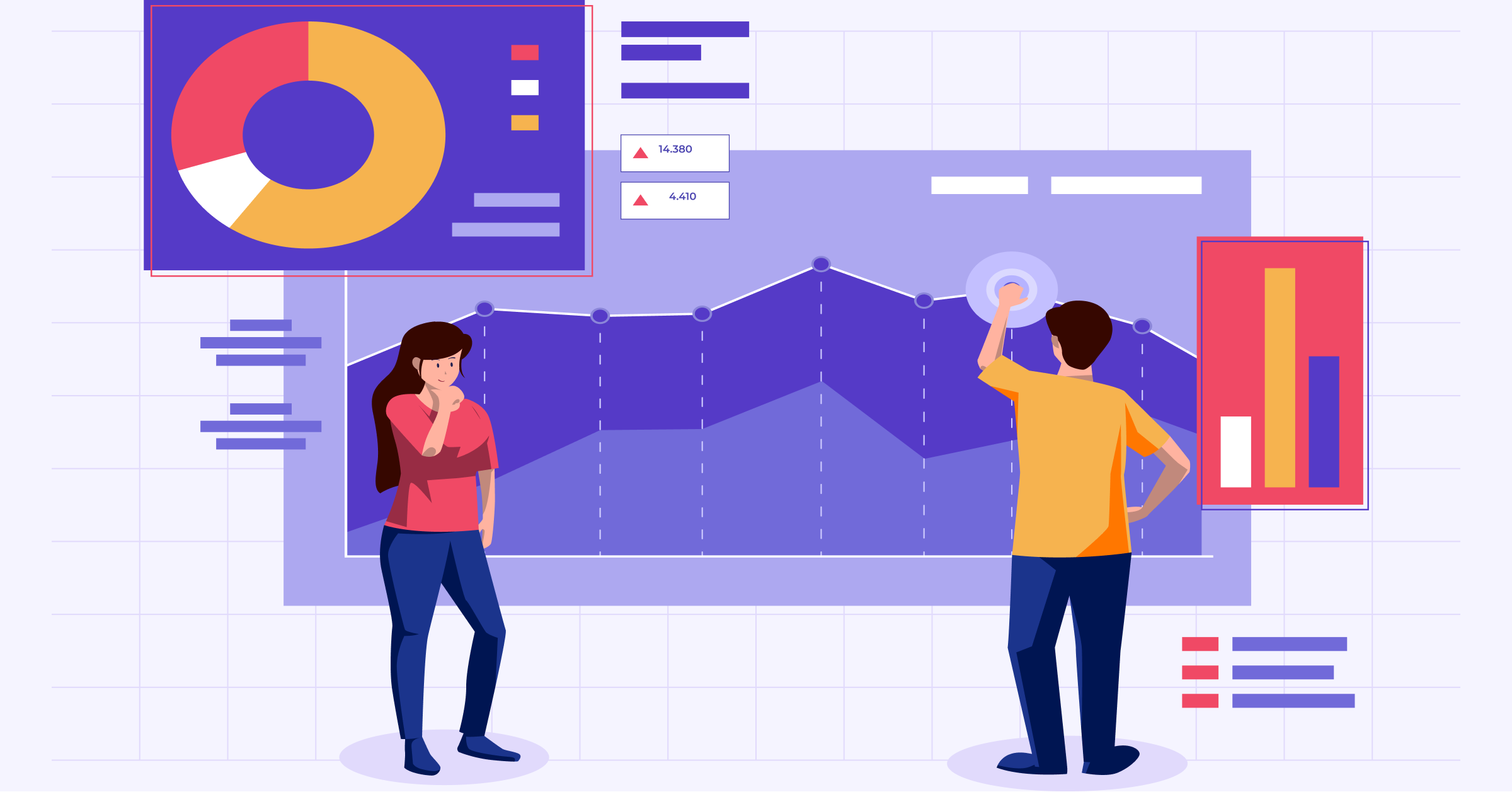
AI customer analytics transforms vast amounts of customer data into actionable insights, helping businesses predict behavior and optimize customer engagement.
Many ecommerce businesses drown in customer data but struggle to turn it into growth-driving insights. Without proper analysis, companies miss key opportunities, leading to wasted marketing effort and disappointing customer experiences.
AI customer analytics changes the game by using advanced tech to uncover patterns, predict behavior, and create real-time action points. In fact, 84% of ecommerce brands use AI to personalize experiences and sites with AI recommendations can see conversion increases up to 70%.
These smart insights let businesses make data-driven decisions that improve satisfaction, boost loyalty, and fuel revenue growth.
AI Customer Analytics involves the use of artificial intelligence technologies such as machine learning, natural language processing, and predictive modeling to analyze customer data. It allows businesses to process vast amounts of both structured and unstructured data, including customer interactions, purchasing behavior, feedback, etc. Through this analysis, companies can gain valuable insights into customer preferences and behaviors.
As customer behaviors and expectations evolve, AI-powered analytics provide a deeper understanding of the audience. This ensures that companies remain competitive as well as relevant in the market.
Key objectives:
AI customer analytics delivers deeper insights by turning complex data into actionable intelligence. Let’s explore the benefits and how it helps businesses improve user experience.
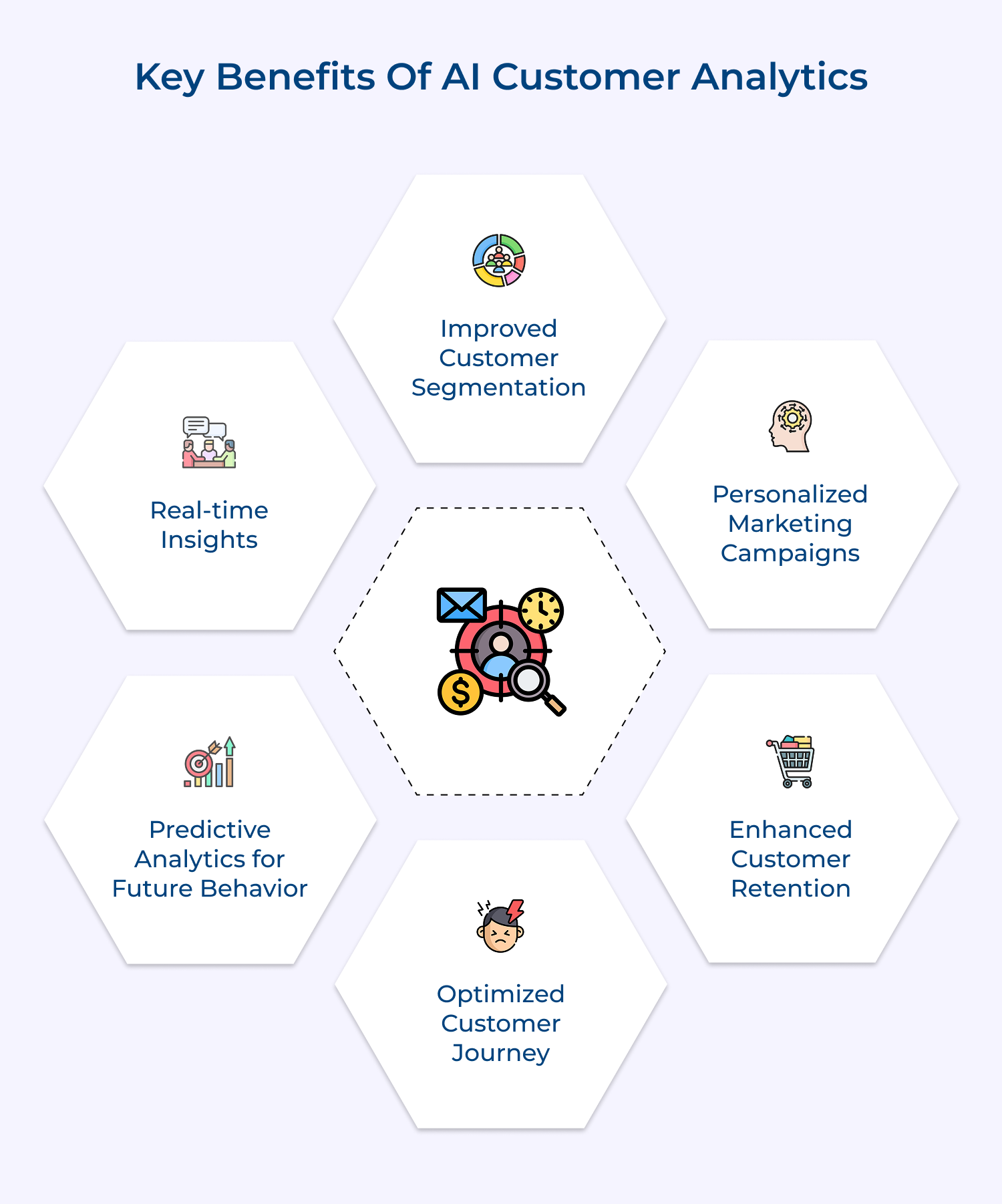
Improved Customer Segmentation
AI-powered analytics enhance customer segmentation, allowing businesses to analyze behaviors, preferences, and demographics in greater detail. Targeted marketing strategies can be developed, ensuring more effective messaging and offerings tailored to specific audience segments.
Personalized Marketing Campaigns
AI enables businesses to customize marketing campaigns for individual customers based on their past behaviors and predicted future needs. Personalization leads to more meaningful interactions, boosting customer engagement, satisfaction, and conversion rates.
Enhanced Customer Retention
The analytics helps spot customers who may be at risk of leaving by identifying churn patterns early. These insights help businesses step in with personalized offers or support, improving loyalty and long-term retention.
Optimized Customer Journey
It tracks interactions across multiple touchpoints to reveal how customers move through the journey. Optimizing each stage creates smoother experiences that improve satisfaction, encourage loyalty, and drive higher conversions.
Predictive Analytics for Future Behavior
Analytics uses historical data to predict future actions such as purchases or churn risks. These insights help businesses plan ahead, adjust strategies and stay aligned with changing customer needs.
Real-time Insights
Real-time analytics powered by AI provide businesses with up-to-the-minute data, enabling them to respond quickly to customer needs or market changes. Immediate action can be taken to resolve issues or seize new opportunities.
Customer service teams handle endless chats, tickets, and customer feedback every day. Here’s how AI customer service analytics helps turn that data into smarter actions.
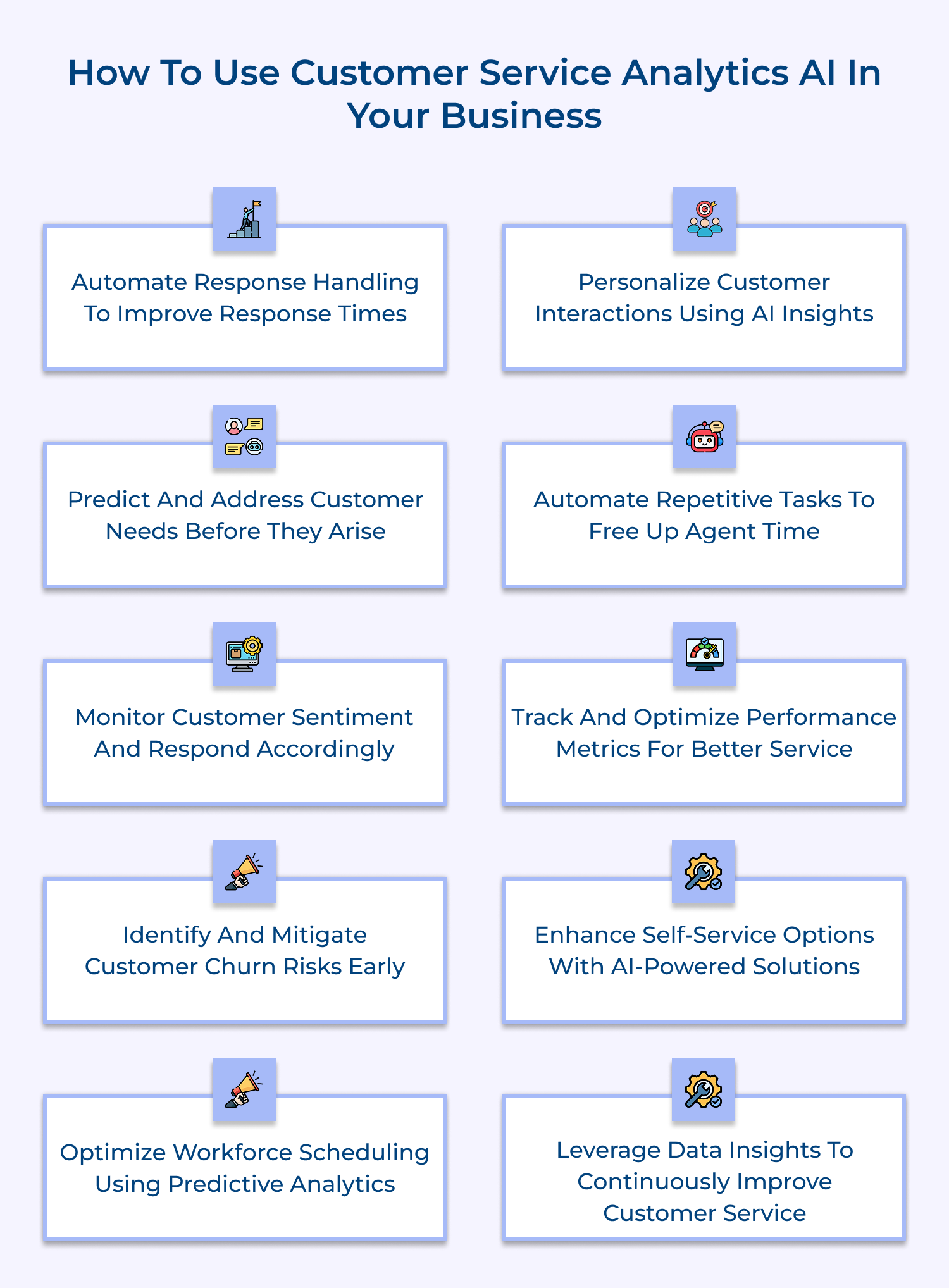
AI-powered tools like chatbots and virtual assistants can handle common customer questions instantly, without making customers wait.
Since people expect quick replies, automating basic queries helps deliver faster support and reduces pressure on service teams. This allows agents to focus on more complex issues.
By using AI chatbots on your website or app, simple questions get resolved quickly while human agents step in where personal support is needed.
Tips
AI uses customer data like purchase history, browsing behavior, and preferences to personalize interactions as well as responses.
Customers value support that feels relevant and thoughtful, not generic. Personalized experiences lead to higher engagement, stronger loyalty and better satisfaction.
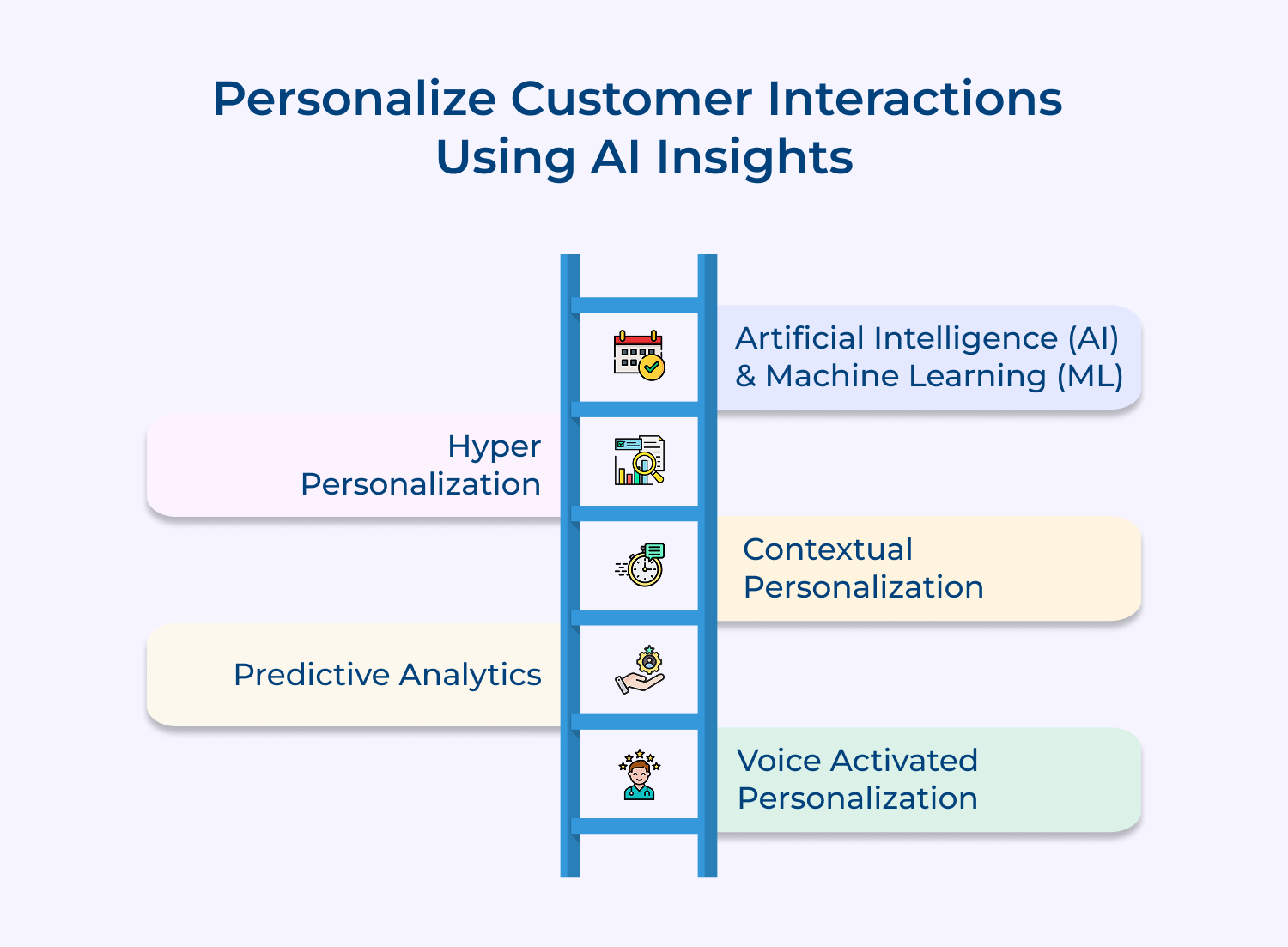
Integrate AI with your CRM to use these insights to tailor emails, campaigns, and customer service responses based on each customer’s past actions.
Pro tips:
AI uses predictive analytics to spot patterns in customer data and predict what customers might need next or where issues could arise. This allows businesses to act early instead of reacting later.
Anticipating customer needs creates smoother, more thoughtful experiences. Potential problems are resolved before they escalate, helping build trust and improve customer retention.
AI can analyze behaviors like repeat purchases or frequent support requests and trigger timely alerts or personalized solutions—often before customers ask for help.
Tips
AI handles repetitive tasks like data entry, ticket sorting, and follow-ups, easing the workload for support teams.
Automation boosts efficiency, cuts down errors, and keeps processes consistent. This frees agents to focus on complex issues while routine tasks are handled quickly and accurately.
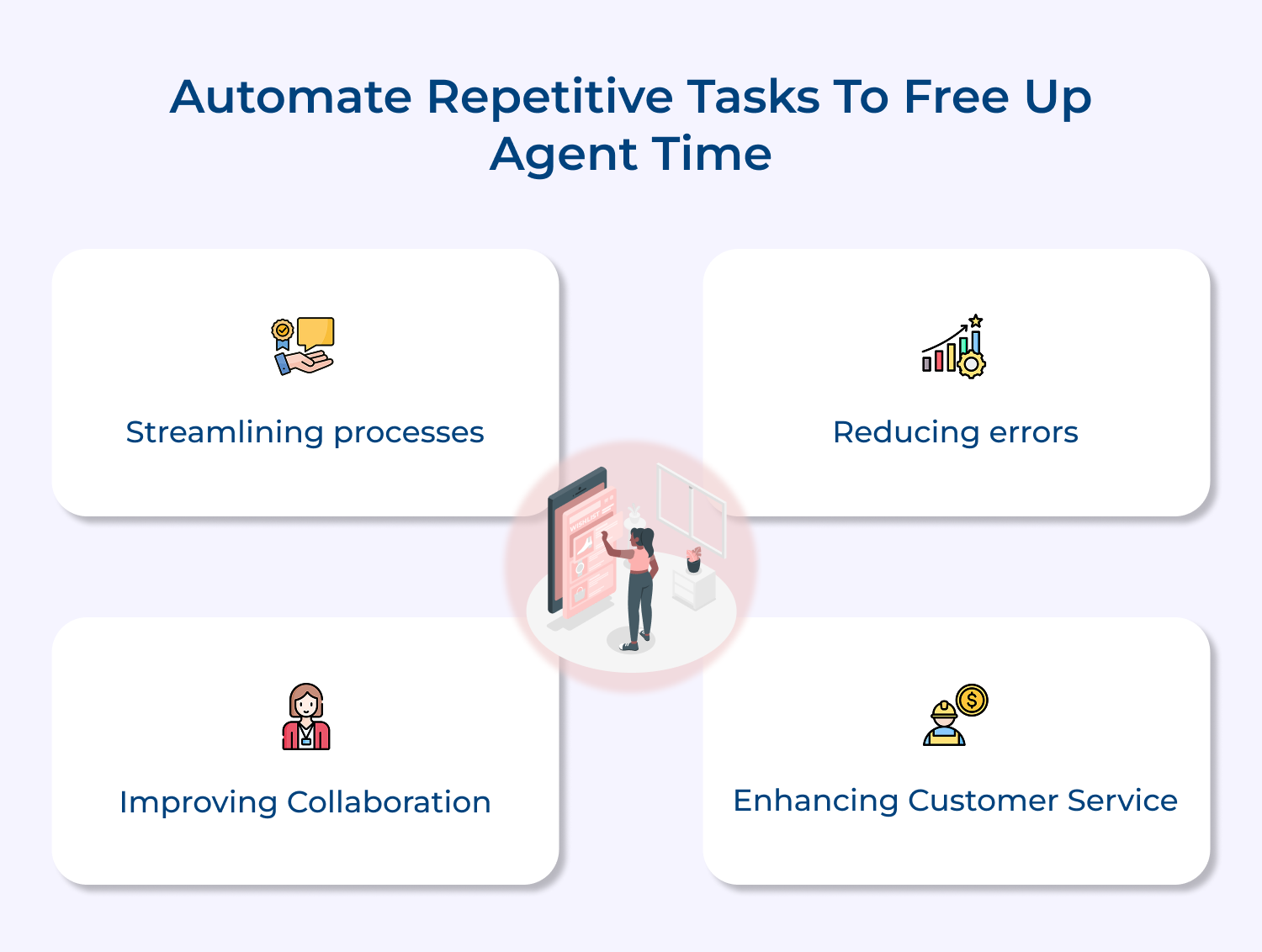
AI can prioritize incoming tickets and send automatic follow-ups after interactions, saving time and making sure no customer request slips through.
Pro tips:
AI sentiment analysis tools scan customer feedback, reviews, and conversations to understand how people truly feel about a brand—whether positive, neutral, or negative.
Clear insight into customer sentiment helps businesses respond faster. Negative feedback can be addressed before it escalates, while positive feedback can be amplified to strengthen brand perception.
These tools can track social media, review platforms, and customer interactions in real time, flagging negative sentiment for quick action while highlighting positive responses worth celebrating.
Tips
AI analyzes key performance indicators (KPIs) such as response time, resolution rate, and customer satisfaction to track the performance of customer service teams.
Tracking performance helps businesses measure the effectiveness of their customer service operations. It identifies areas for improvement, optimizing workflows, and ensuring a consistently high level of service.
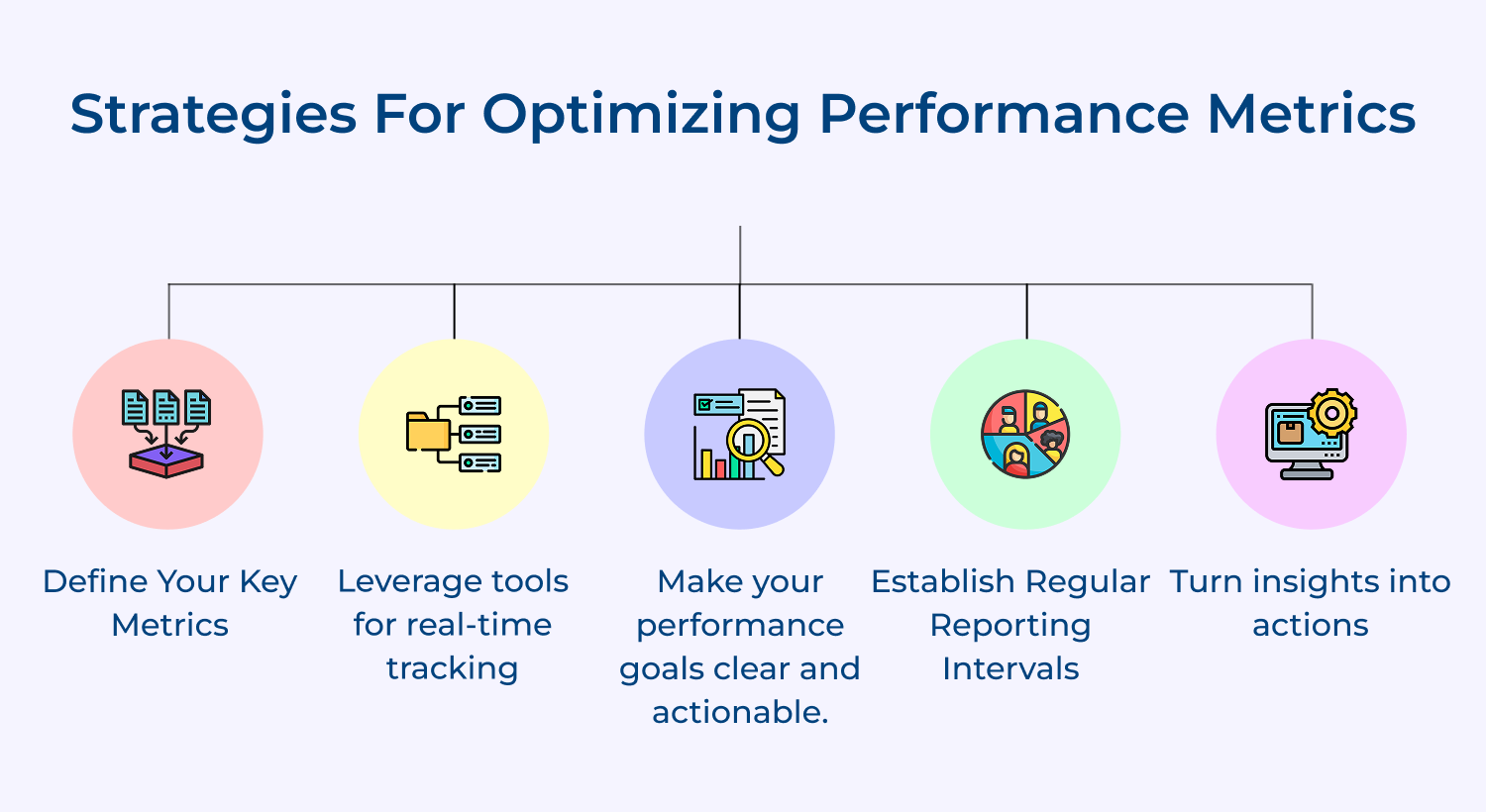
AI tools collect and analyze performance data, presenting it in easy-to-read reports or dashboards. Businesses can identify trends, adjust strategies, and implement changes to enhance service levels based on data-driven insights.
Pro tips:
AI studies customer behavior to spot early signs of churn, like reduced engagement or negative feedback, giving businesses time to step in.
Early detection makes it easier to retain customers through timely incentives or quick issue resolution. Keeping existing customers costs less and supports long-term revenue growth.
The tools track engagement patterns and predict churn risks, helping teams personalize offers, solutions, or outreach to re-engage customers before they leave.
Tips
AI-driven self-service tools, such as chatbots and knowledge bases, allow customers to resolve issues on their own without needing to contact customer support.
Self-service options provide convenience for customers, allowing them to find solutions quickly. This reduces the workload on customer service agents, lowers operational costs, and improves service speed for both customers as well as support teams.
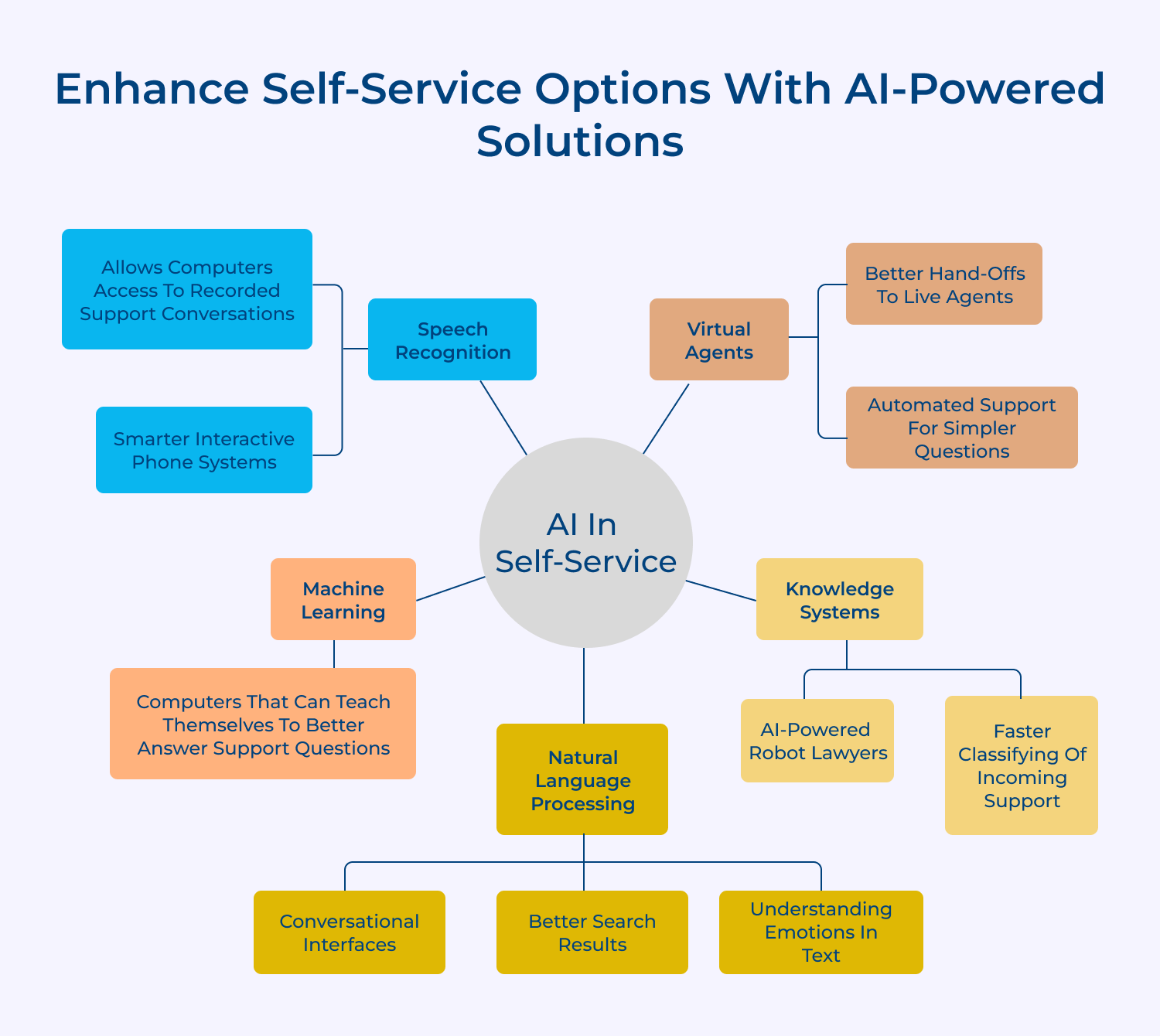
AI-powered chatbots can guide customers through troubleshooting steps, while knowledge bases offer articles and guides to address common issues. Customers can solve problems independently, which improves efficiency and satisfaction.
Pro tips:
AI looks at past customer service data to predict when demand will increase, helping businesses plan staffing more effectively.
Accurate forecasting makes sure the right number of agents are available during busy times. This reduces wait times, improves service quality, and keeps labor costs under control.
AI tools can highlight peak periods in advance, allowing teams to adjust schedules and stay prepared without delays or last-minute rushes.
Tips
AI analyzes customer service interactions, identifying patterns and providing insights that businesses can use to refine their customer service strategies.
Continuous improvement ensures businesses stay competitive by adapting to changing customer expectations. AI-generated insights highlight areas of service that need optimization, helping businesses deliver exceptional experiences consistently.
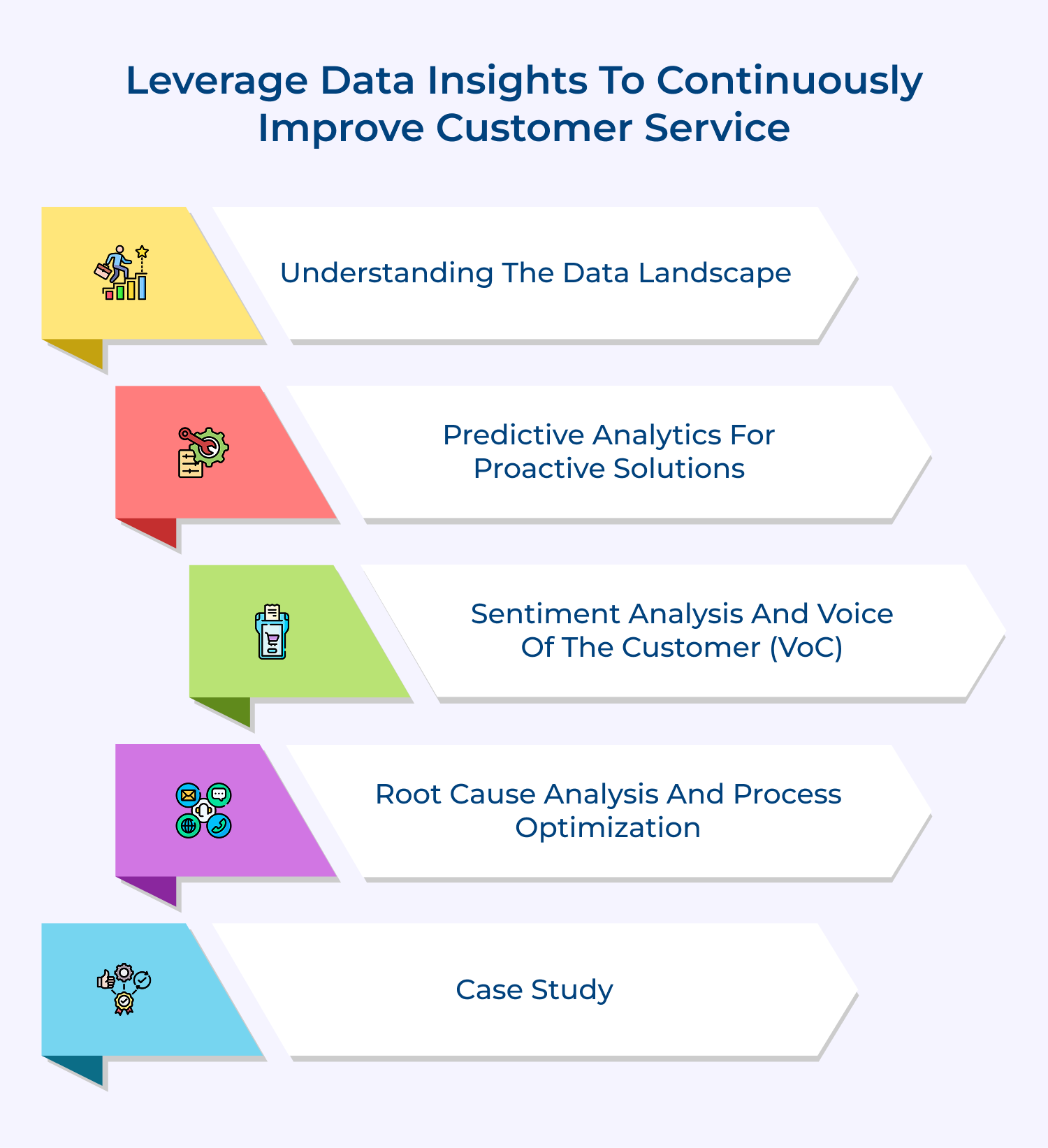
AI tools collect and analyze customer interaction data, identifying service gaps as well as areas for improvement. Businesses can use these insights to update processes, train staff, or adjust customer service tactics to enhance overall performance.
Tips
AI customer analytics helps businesses understand customer behavior and make smarter decisions. Following best practices ensures these insights are accurate and impactful.
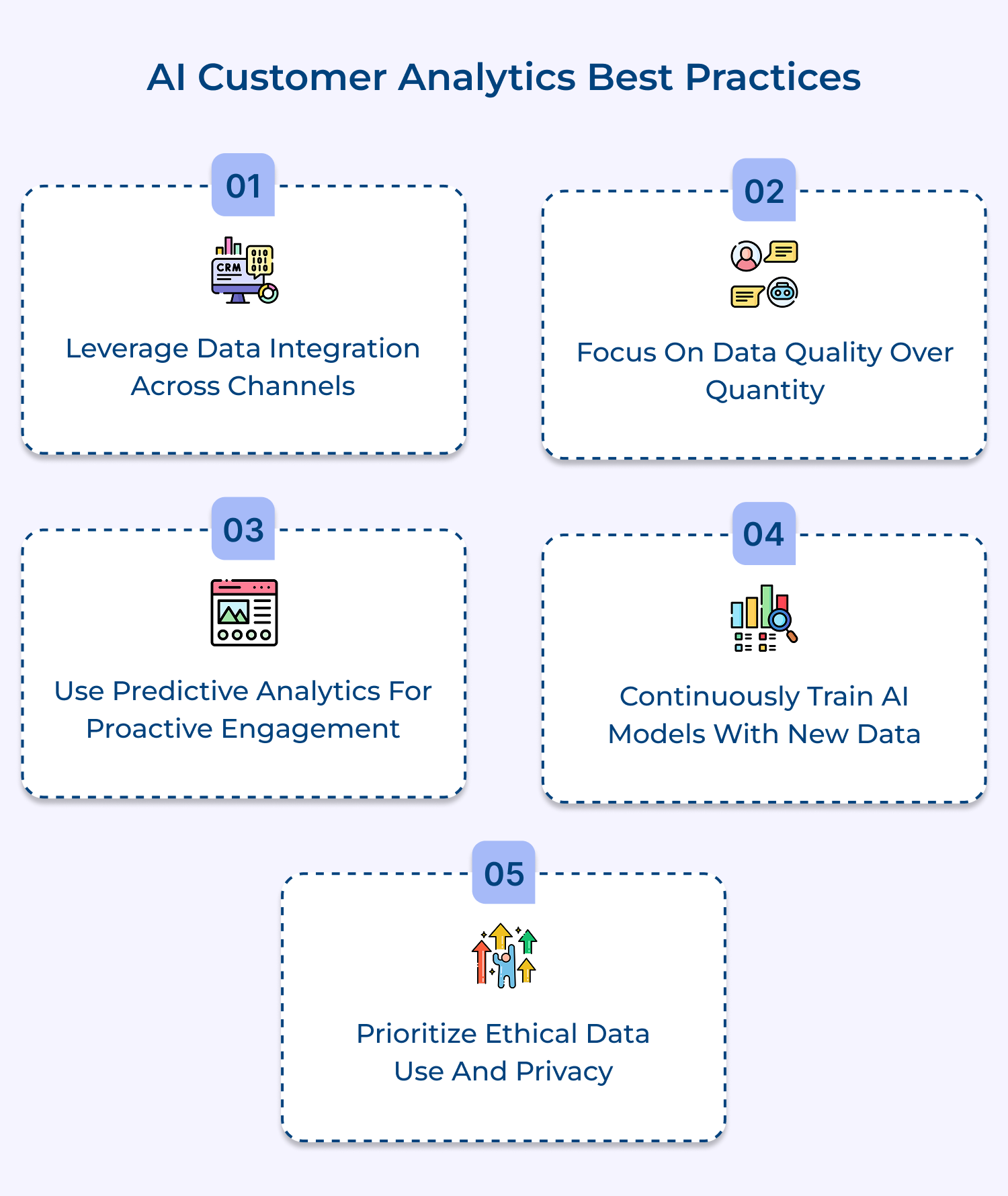
1. Leverage Data Integration Across Channels
Integrate data from all customer touchpoints, including website, social media, and customer support channels, to create a unified customer profile. This comprehensive view helps AI generate more accurate insights and personalized experiences.
2. Focus on Data Quality Over Quantity
Ensure that the data fed into AI systems is clean, accurate, and relevant. High-quality data leads to better AI-driven analytics, producing more reliable insights while enabling more effective decision-making and customer strategies.
3. Use Predictive Analytics for Proactive Engagement
Implement AI-driven predictive analytics to forecast customer behavior and needs. This approach enables businesses to address potential issues before they arise, improving customer satisfaction while creating stronger relationships through timely interventions.
4. Continuously Train AI Models with New Data
Regularly update and train AI models with fresh data to adapt to changing customer behaviors as well as preferences. Constant learning ensures that AI remains effective in providing relevant insights and recommendations, keeping the customer experience optimized.
5. Prioritize Ethical Data Use and Privacy
Ensure that customer data is collected, stored, and used responsibly. Comply with privacy regulations and prioritize customer consent. Ethical data practices build trust and improve brand loyalty, which is essential for long-term success.
AI customer analytics offers powerful insights, but turning data into actionable insight isn’t always easy. Businesses often face technical and adoption challenges that limit real impact.
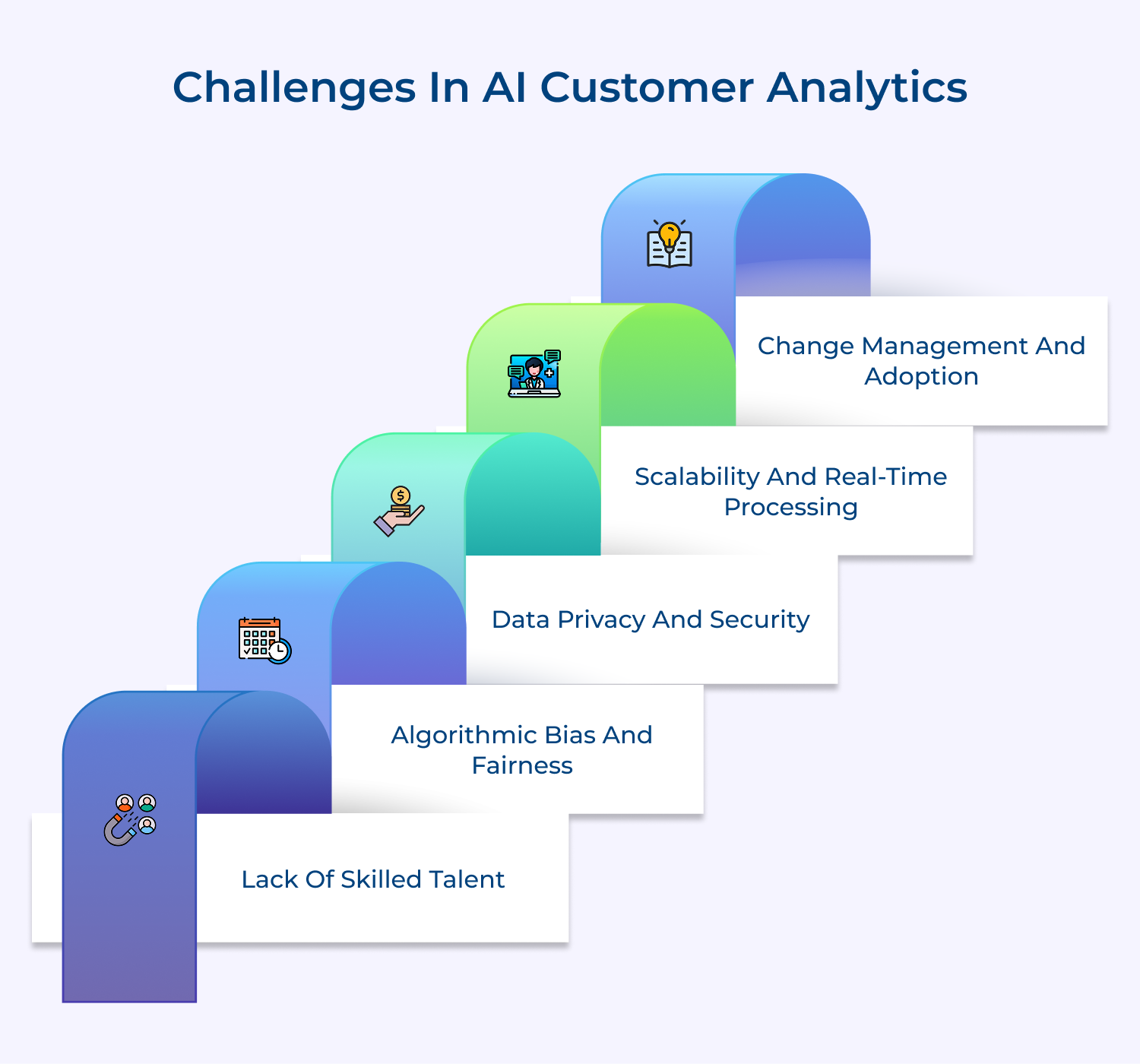
Lack of Skilled Talent
Shortage of professionals with expertise in AI, machine learning, and data science can limit the implementation as well as effectiveness of AI customer analytics.
Solution:
Algorithmic Bias and Fairness
AI models can inadvertently incorporate biases present in historical data, leading to unfair or discriminatory outcomes.
Solution:
Data Privacy and Security
Collecting as well as analyzing customer data raises concerns about privacy, security and regulatory compliance.
Solution:
Scalability and Real-time Processing
Handling large volumes of customer data and enabling real-time analytics can strain computational resources as well as infrastructure.
Solution:
Change Management and Adoption
Resistance to change and skepticism towards AI-driven insights can hinder the successful adoption of AI customer analytics.
Solution:
AI-enhanced customer analytics significantly maximize ROI, offering deeper insights into customer behavior and preferences. Leveraging this data empowers businesses to make informed decisions, refine marketing strategies while providing personalized experiences.
Operational efficiency improves, costs are reduced and profitability increases, ensuring long-term success as well as a competitive edge.

What types of customer insights can AI provide?
AI can provide insights into customer preferences, purchasing behavior, sentiment analysis, engagement patterns and churn risks. It can also predict future needs, identify trends and help tailor marketing or sales strategies.
How does AI customer analytics differ from traditional analytics?
AI customer analytics goes beyond traditional analytics by employing advanced algorithms and machine learning techniques to automatically identify patterns, predict future behavior, while generating actionable insights. It can process large volumes of structured and unstructured data in real-time, enabling more accurate as well as timely decision-making.
Can AI help predict customer behavior?
Yes, AI can analyze past customer behavior and trends to predict future actions. It helps businesses forecast purchasing patterns, identify potential churn and recommend products or services customers are likely to engage with.
How does AI benefit customer service teams?
AI can provide customer service teams with actionable insights about customer preferences, pain points and satisfaction levels. This helps agents offer more personalized and efficient support, improving overall service quality.
How can businesses measure the success of AI customer insights initiatives?
Success can be measured through KPIs such as improved customer satisfaction scores, increased customer lifetime value, reduced churn rates, higher conversion rates and revenue growth. Regularly monitoring and assessing the impact of AI insights on business outcomes is essential.
 https://omni24.io/wp-content/uploads/2026/08/AI-Customer-Service-Agents.png
1256
2400
Webvision Solution
https://omni24.io/wp-content/uploads/2023/04/Omni-Logo-1.svg
Webvision Solution2026-09-21 04:48:512026-09-21 04:48:51How to Build an AI Customer Service Agents: 8 Key Steps
https://omni24.io/wp-content/uploads/2026/08/AI-Customer-Service-Agents.png
1256
2400
Webvision Solution
https://omni24.io/wp-content/uploads/2023/04/Omni-Logo-1.svg
Webvision Solution2026-09-21 04:48:512026-09-21 04:48:51How to Build an AI Customer Service Agents: 8 Key Steps https://omni24.io/wp-content/uploads/2026/08/Omnichannel-Conversational-AI.png
1256
2400
Tushar Joshi
https://omni24.io/wp-content/uploads/2023/04/Omni-Logo-1.svg
Tushar Joshi2026-09-16 03:51:072026-09-16 03:51:07How to Build Omnichannel Conversational AI Strategy
https://omni24.io/wp-content/uploads/2026/08/Omnichannel-Conversational-AI.png
1256
2400
Tushar Joshi
https://omni24.io/wp-content/uploads/2023/04/Omni-Logo-1.svg
Tushar Joshi2026-09-16 03:51:072026-09-16 03:51:07How to Build Omnichannel Conversational AI Strategy https://omni24.io/wp-content/uploads/2026/08/Customer-Service-Teams.png
1256
2400
Tushar Joshi
https://omni24.io/wp-content/uploads/2023/04/Omni-Logo-1.svg
Tushar Joshi2026-09-15 04:01:522026-09-15 04:02:16How to Build Customer Service Teams: 6 Key Steps
https://omni24.io/wp-content/uploads/2026/08/Customer-Service-Teams.png
1256
2400
Tushar Joshi
https://omni24.io/wp-content/uploads/2023/04/Omni-Logo-1.svg
Tushar Joshi2026-09-15 04:01:522026-09-15 04:02:16How to Build Customer Service Teams: 6 Key Steps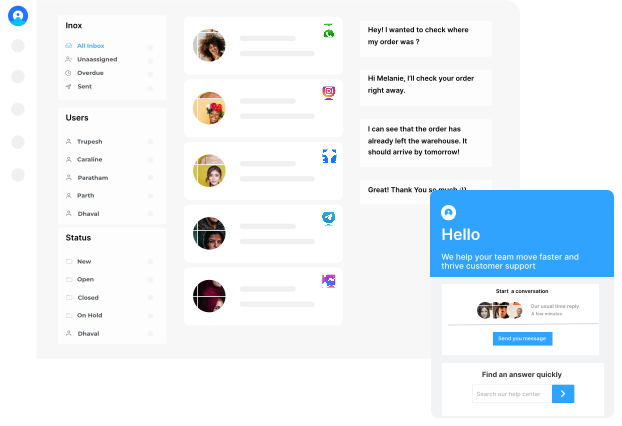
Whether it’s about acquire, engage or support – Omni24 covers all your customer engagement needs in one complete platform.

Copyright ©2026 Veemo All rights reserved.
CA, Los Angeles, Hall Ave, 19011