How to Ask & Get Good Customer Reviews: Top 10 Ways
Customer reviews give honest feedback helping buyers decide and guiding businesses to improve products, services and experience.

Customer reviews give honest feedback helping buyers decide and guiding businesses to improve products, services and experience.
Many businesses struggle to establish trust with new customers in a competitive market. Without social proof, such as customer reviews, it’s challenging to demonstrate credibility and reliability.
Potential customers often hesitate to make purchases if they don’t see feedback from others. 95% of consumers read online reviews before purchasing, influencing 32% of buying decisions.
Negative reviews can result in missed sales opportunities and damaged reputations. Customer reviews offer an effective way to build trust and credibility.
Explore how leveraging positive reviews and addressing negative ones can enhance your business’s reputation, attract more customers.
A customer review is a form of feedback provided by a consumer about their experience with a product, service or business. It typically includes an evaluation of various aspects such as quality, value and overall satisfaction. Customer reviews can be found on e-commerce websites, dedicated review platforms and social media.
Customer reviews provide social proof, influencing purchasing decisions and building trust among potential customers. For businesses, reviews offer insights into customer satisfaction, product performance and areas for improvement. They also contribute to search engine optimization and can significantly impact a company’s online reputation.
Key objectives :
Customer reviews build trust, drive decisions and turn skeptical visitors into confident, loyal buyers for your business.
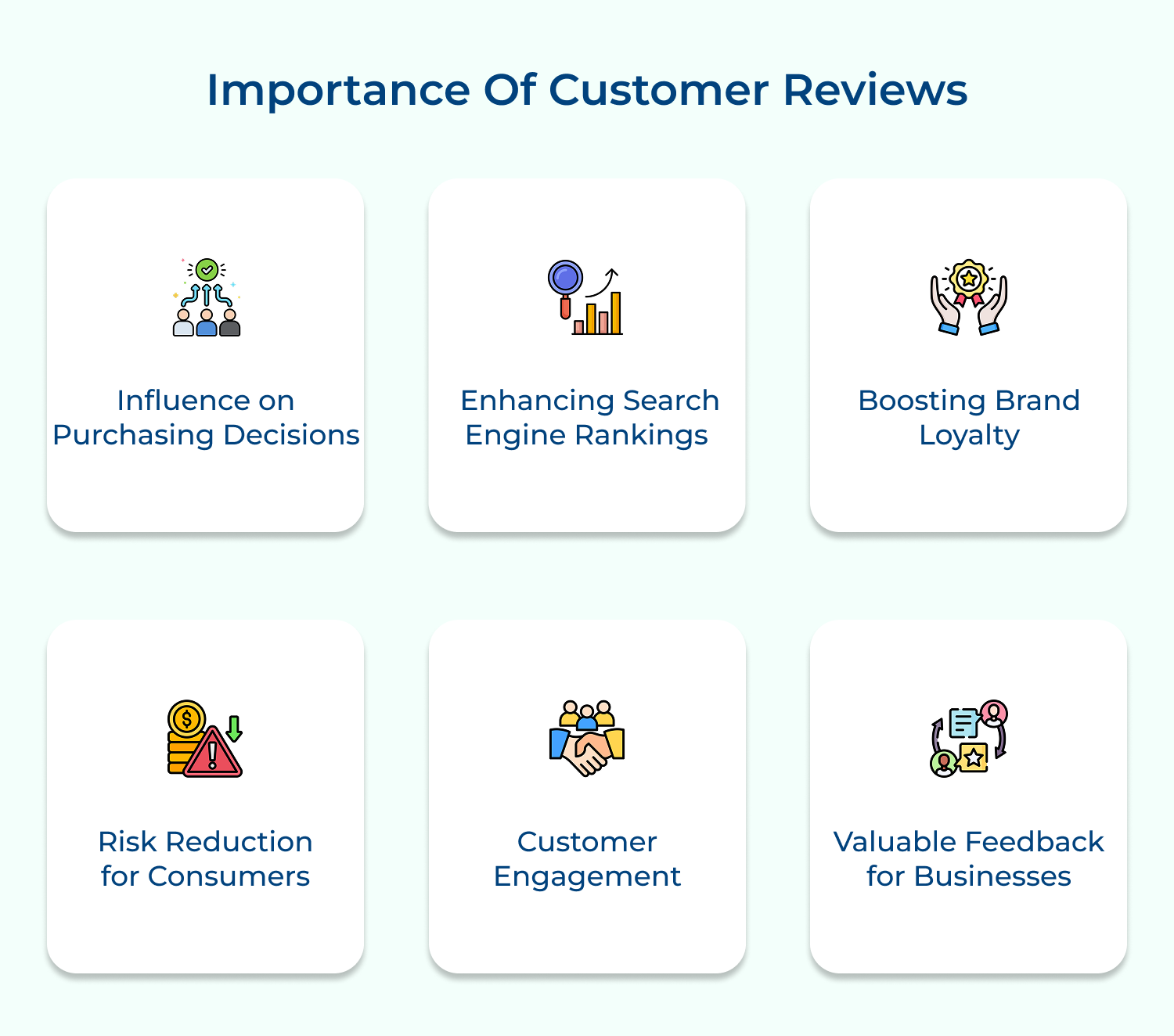
1. Influence on purchasing decisions: Customer reviews significantly impact buying choices by providing real-world insights from other consumers. They act as social proof, helping potential customers gauge product quality and suitability. Positive reviews can boost confidence in a purchase, shaping consumer behavior and influencing sales outcomes.
2. Enhancing search engine rankings: Customer reviews play a crucial role in improving a business’s search engine visibility. Search algorithms favor websites with user-generated content like reviews. They also contain relevant keywords naturally, further boosting SEO. Higher rankings lead to increased organic traffic, potentially resulting in more conversions.
3. Boosting brand loyalty: Encouraging and responding to customer reviews fosters a sense of community engagement. When customers feel heard and valued, they’re more likely to develop a strong emotional connection with the brand. The increased loyalty often translates to repeat purchases and positive word-of-mouth recommendations.
4. Risk reduction for consumers: Reviews help potential buyers make informed decisions by providing insights into product performance, durability and value. This information reduces the perceived risk associated with purchases, especially for high-value items or services. By learning from others’ experiences and making choices that better align with their needs.
5. Customer engagement: Reviews create a platform for two-way communication between businesses and consumers. They encourage customers to share their experiences and opinions, fostering a sense of involvement with the brand. The engagement can lead to valuable discussions, allowing businesses to address concerns and highlight positive experiences.
6. Valuable feedback for businesses: Customer reviews offer a wealth of insights for companies to improve their products, services and overall customer experience. They highlight strengths to capitalize on and weaknesses to address. The feedback can drive innovation, inform product development and help businesses align their offerings more closely with customer needs.
Getting good customer reviews starts with knowing when and how to ask. A simple, genuine request at the right moment encourages customers to share meaningful feedback.
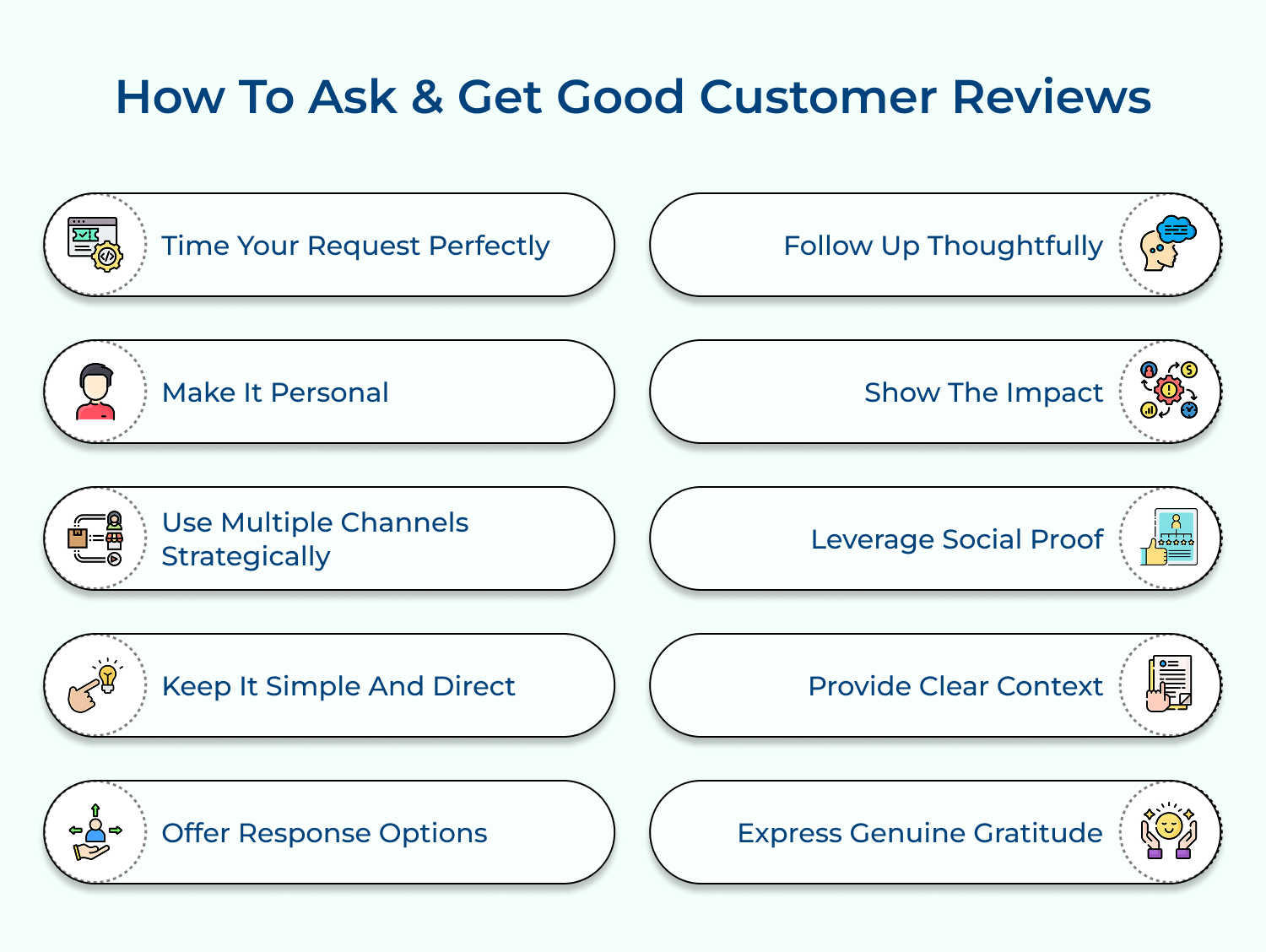
A strategic approach to sending review requests at specific moments when customers are most likely to respond positively, such as after successful purchases, positive interactions, or problem resolutions.
Timing significantly impacts review quality and response rates. Asking too early may result in incomplete feedback, while waiting too long risks losing customer enthusiasm. Perfect timing catches customers at their peak satisfaction.
Create triggered review requests based on customer actions or milestones. Set up automated systems that track customer interactions and send requests after positive experiences or successful product usage.
Example: “Hi Emma! We noticed you’ve been using our fitness app consistently for 30 days and achieved your first milestone. Would you share how the app has helped your fitness journey?”
Actionable Tips:
Customizing review requests to reference specific interactions, purchases, or experiences the customer had with your business, making the request more relevant and engaging.
Generic requests often get ignored. Personalization shows customers you value their specific experience and increases the likelihood of detailed, meaningful reviews that help other customers.
Use CRM data to include specific details about the customer’s purchase or interaction. Reference product names, service providers, or specific experiences in the request.
Example: “Thanks for dining at Luigi’s tonight! Chef Mario mentioned you enjoyed the new truffle pasta. Would you share your experience to help other pasta enthusiasts?”
Actionable Tips:
An integrated approach using various communication channels (email, SMS, in-app, social media) to request reviews, choosing the most appropriate channel based on customer preferences and behaviors.
Different customers prefer different communication channels. Using multiple channels increases reach and response rates while respecting customer preferences for how they want to interact.
Implement omnichannel review request systems that track which channels each customer engages with most. Coordinate timing and messaging across channels to avoid overwhelming customers.
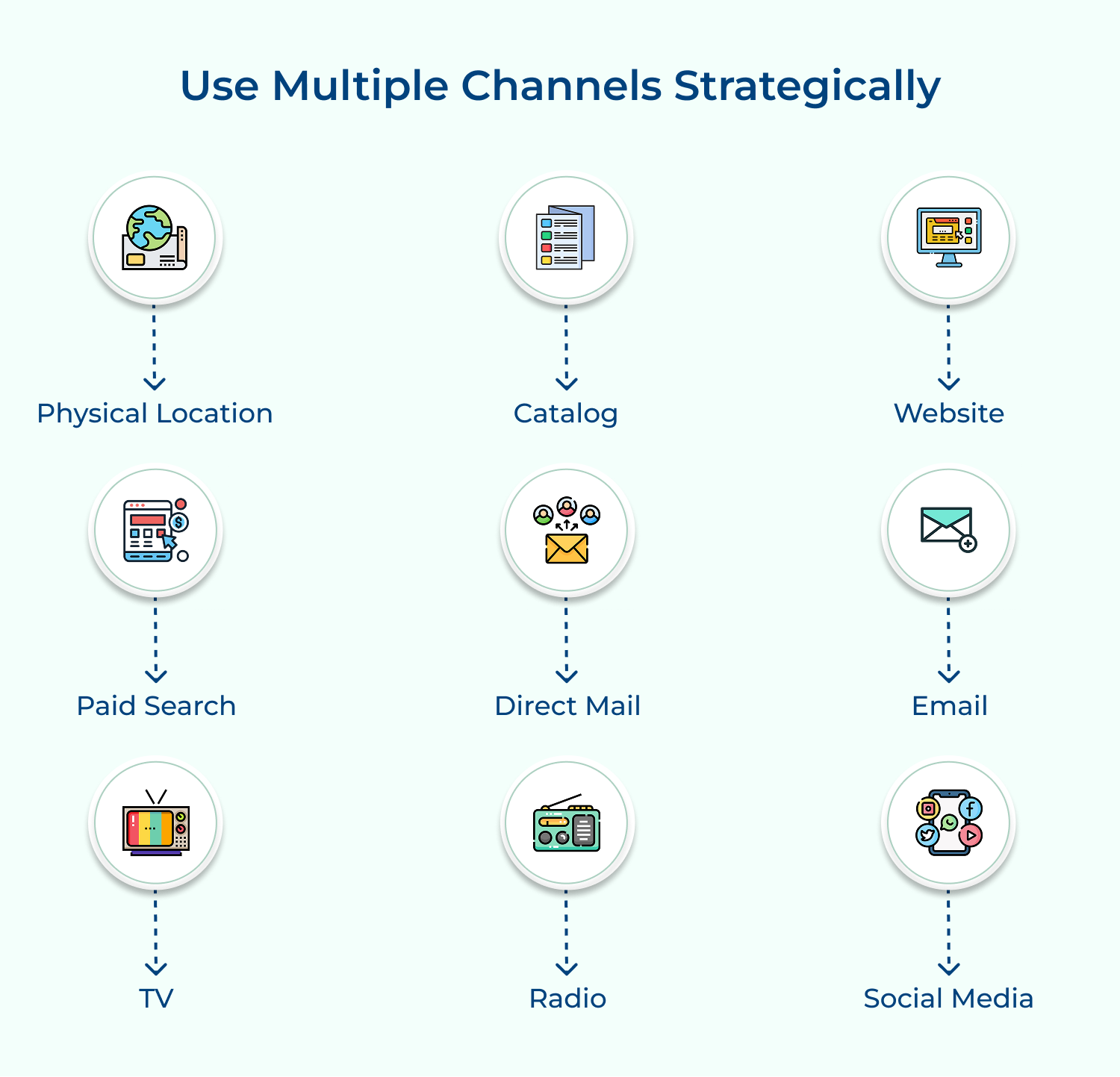
Example: “Thanks for your recent purchase! Leave a review: Text REVIEW to 12345. Click the email link. Visit our website Choose what’s easiest for you!”
Actionable Tips:
A streamlined review collection process that minimizes steps and complications, making it as easy as possible for customers to share their feedback quickly.
Complex review processes discourage participation. Customers are more likely to complete short, straightforward review requests that respect their time and effort.
Design one-click review systems with optional detailed feedback. Create clear, concise instructions and minimize the number of steps required to submit a review.
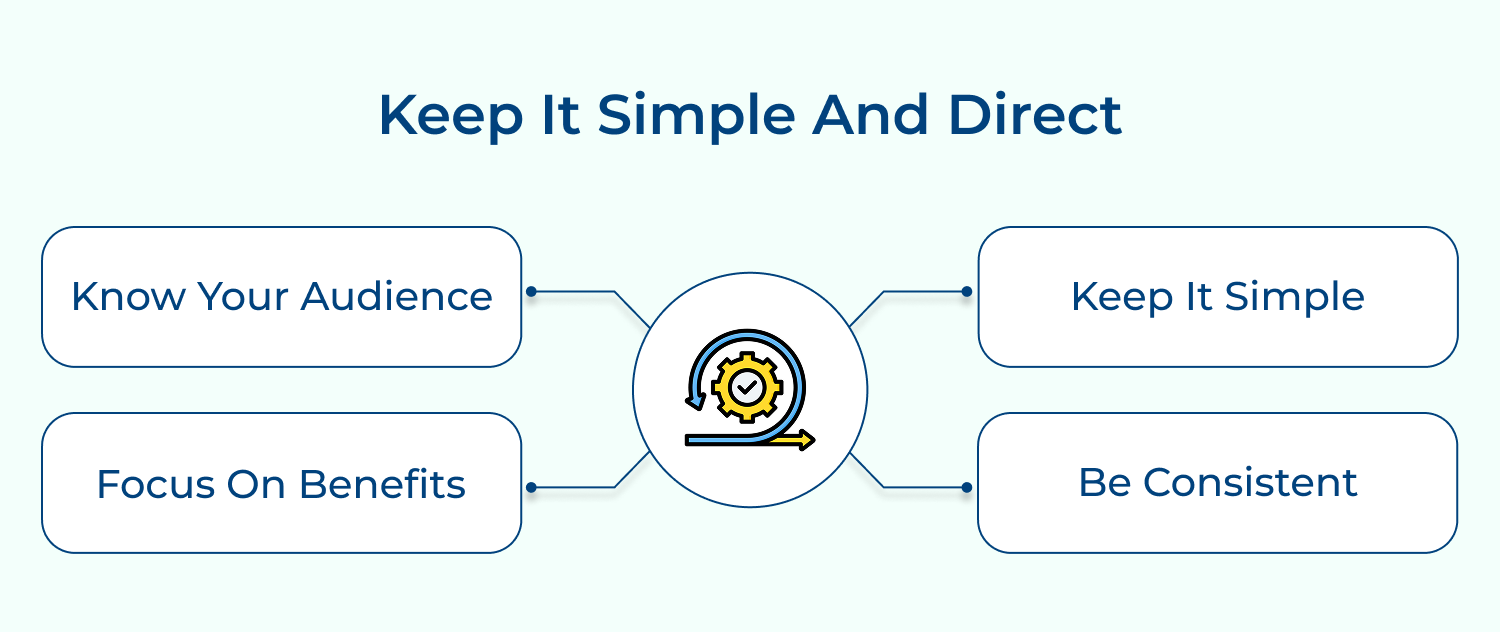
Example: “How was your haircut today? Just one click to rate: ⭐ ⭐⭐ ⭐⭐⭐ ⭐⭐⭐⭐ ⭐⭐⭐⭐⭐ Optional: Add comments below”
Actionable Tips:
Providing multiple formats for customers to leave reviews, from quick ratings to detailed written feedback or video testimonials, accommodating different preferences.
Customers have varying comfort levels with different review formats. Offering choices increases participation and captures diverse feedback types.
Create tiered review options ranging from simple star ratings to detailed testimonials. Allow customers to choose their preferred feedback method.
Example: “Love your new shoes? Share your thoughts: ✓ Quick Rating (5 sec) ✓ Written Review (2 min) ✓ Photo Review (3 min) Choose your preferred option!”
Actionable Tips:
A careful approach to sending review request reminders that maintains engagement without becoming annoying or pushy.
Initial requests may be overlooked, but excessive follow-ups can irritate customers. Balanced reminder strategies maximize review collection while maintaining positive relationships.
Create a measured follow-up schedule with decreasing frequency. Use gentle, respectful language that acknowledges the customer’s time and choice.
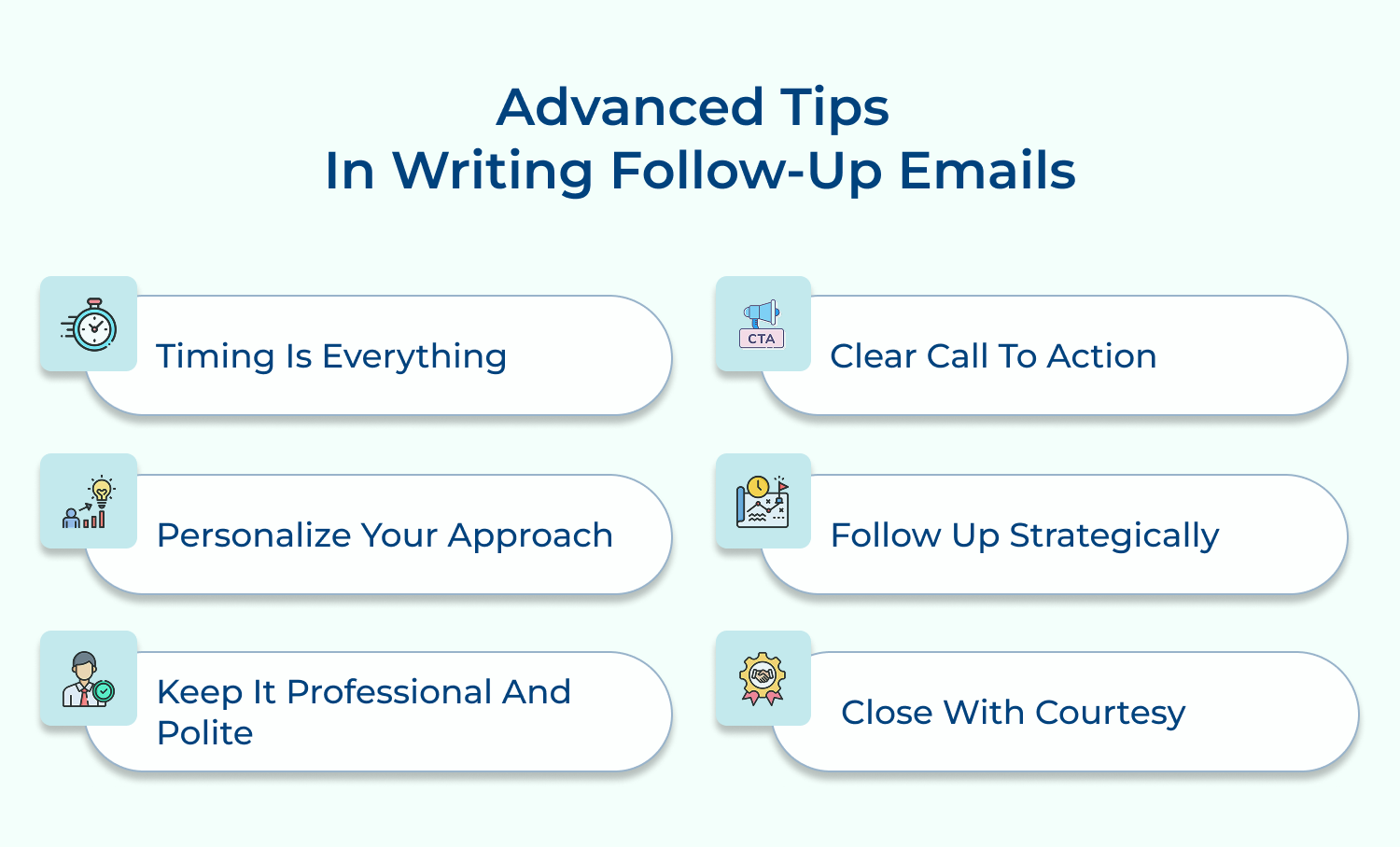
Example: “Just a friendly reminder – your feedback helps others! If you have a moment, we’d still love to hear about your recent purchase.”
Actionable Tips:
Demonstrating how customer reviews directly benefit other shoppers and help improve products or services.
Understanding the value of their feedback motivates customers to leave reviews. Showing impact creates purpose and encourages detailed, helpful reviews.
Share specific examples of how previous reviews have helped other customers or influenced business improvements.
Example: “Your last review helped us improve our delivery service! Would you share your thoughts on our new packaging? 2,000+ customers use reviews monthly to choose products.”
Actionable Tips:
Using existing customer reviews and statistics to encourage new customers to contribute their own feedback, joining the community.
Social proof builds trust and shows that reviewing is a normal, valuable activity. It helps overcome hesitation about leaving reviews.
Highlight review statistics, showcase exemplary reviews and create a sense of community around customer feedback.
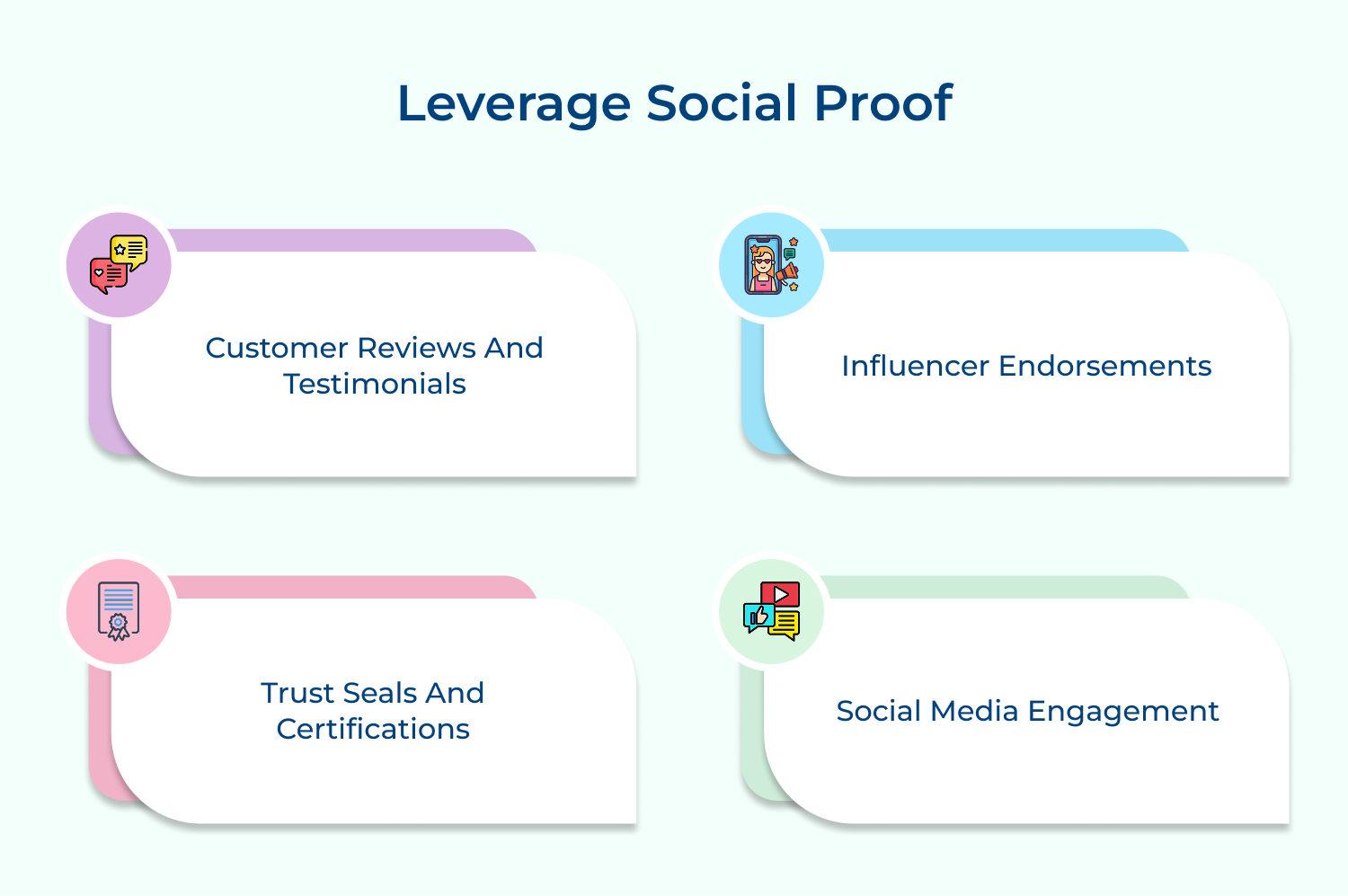
Example: “Join 5,000+ happy customers who’ve shared their experiences! Your review will help us maintain our 4.8-star rating and assist future customers.”
Actionable Tips:
Referencing specific aspects of the customer’s experience to help them frame their review and recall important details.
Customers may forget details or feel unsure what to mention. Context helps trigger memories and encourages more detailed, helpful reviews.
Mention specific products, features, or experiences in review requests. Provide gentle prompts about key aspects to consider.
Example: “How was your spa day? We’d love to hear about your deep-tissue massage with Sarah and the new aromatherapy options you tried.”
Actionable Tips:
Showing sincere appreciation for both customer business and their time spent leaving reviews.
Genuine gratitude strengthens customer relationships and encourages future engagement. It shows customers their feedback is valued and appreciated.
Personalize thank-you messages for reviews. Acknowledge specific aspects of their feedback and how it helps.
Example: “Thank you for being a loyal customer since 2023! Your detailed feedback about our new coffee blend will help other coffee lovers make informed choices.”
Actionable Tips:
Negative reviews are an opportunity to listen, learn and improve. Handling them with empathy and transparency can turn criticism into trust and credibility.
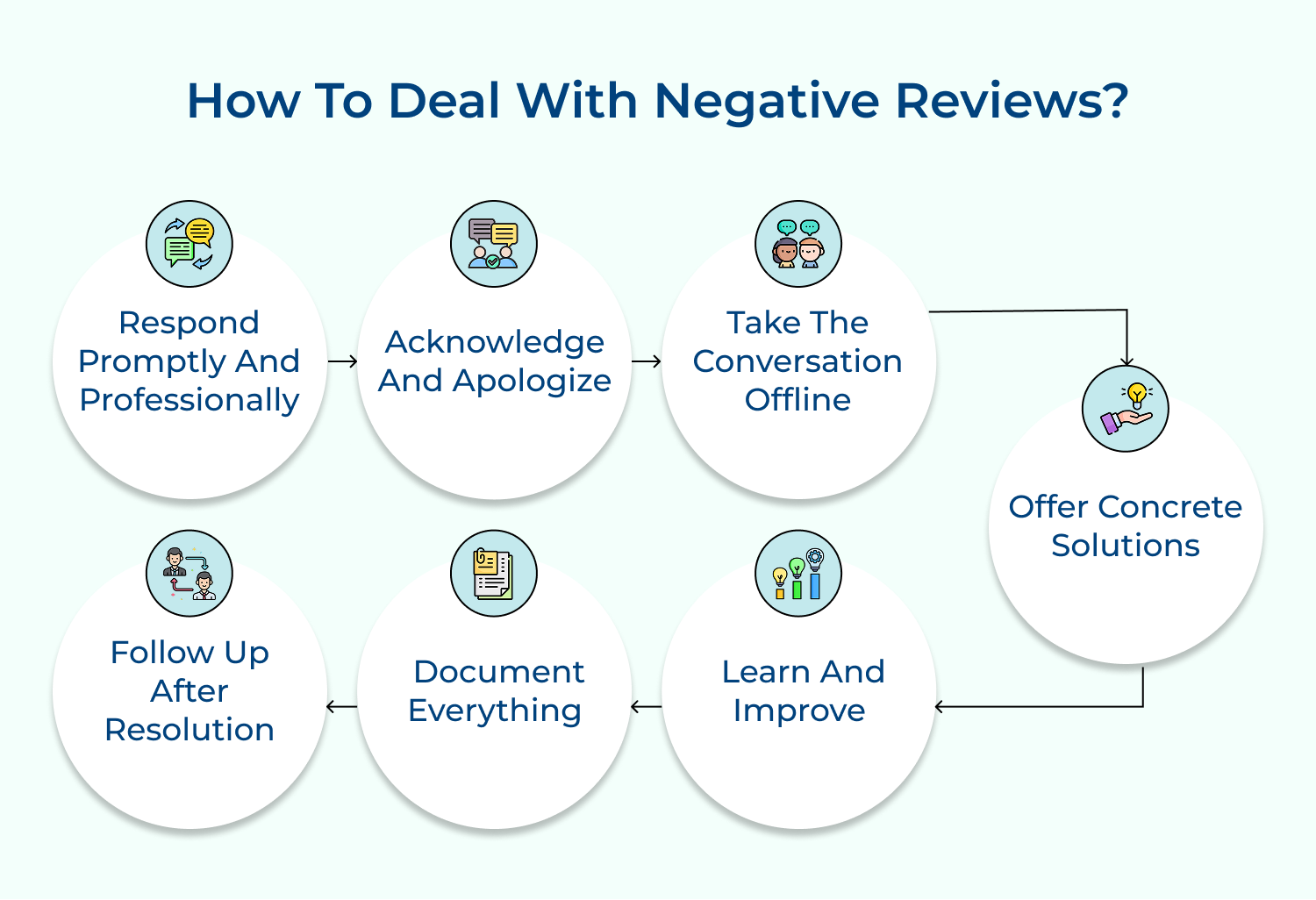
1. Respond Promptly and Professionally
Address negative reviews within 24-48 hours to show you take customer feedback seriously. Maintain a professional tone regardless of the review’s nature. Your response shows potential customers how you handle difficulties and demonstrates your commitment to customer satisfaction.
2. Acknowledge and Apologize
Start with a sincere acknowledgment of the customer’s experience and apologize for not meeting expectations. Even if you disagree with some points, showing empathy and understanding helps de-escalate tensions. Use phrases like “We understand your frustration” and “We apologize for falling short of your expectations.”
3. Take the Conversation Offline
After the initial response, provide a direct contact method (email, phone number) to discuss the issue privately. This prevents public back-and-forth exchanges and shows commitment to finding a resolution. Include specific contact information and the name of a team member who will handle their case.
4. Offer Concrete Solutions
Present clear, actionable solutions to address the customer’s concerns. Whether it’s a refund, replacement or service correction, be specific about how you plan to resolve the issue. Follow through on promised actions promptly and keep the customer updated on progress.
5. Learn and Improve
Use negative reviews as opportunities for improvement. Analyze patterns in feedback to identify recurring issues and implement systematic changes. Share constructive feedback with relevant team members and develop action plans to prevent similar situations.
6. Document Everything
Keep detailed records of all interactions, including the original review, your response, follow-up communications and resolution steps. This documentation helps track pattern resolution effectiveness and can inform future customer service training.
7. Follow Up After Resolution
Once the issue is resolved, follow up with the customer to ensure satisfaction. If appropriate, politely ask if they would consider updating their review to reflect the resolution. However, avoid pressuring them to do so.
Customer reviews reflect the experiences you deliver to your customers. Following best practices helps you earn authentic feedback, build trust and strengthen your brand reputation.
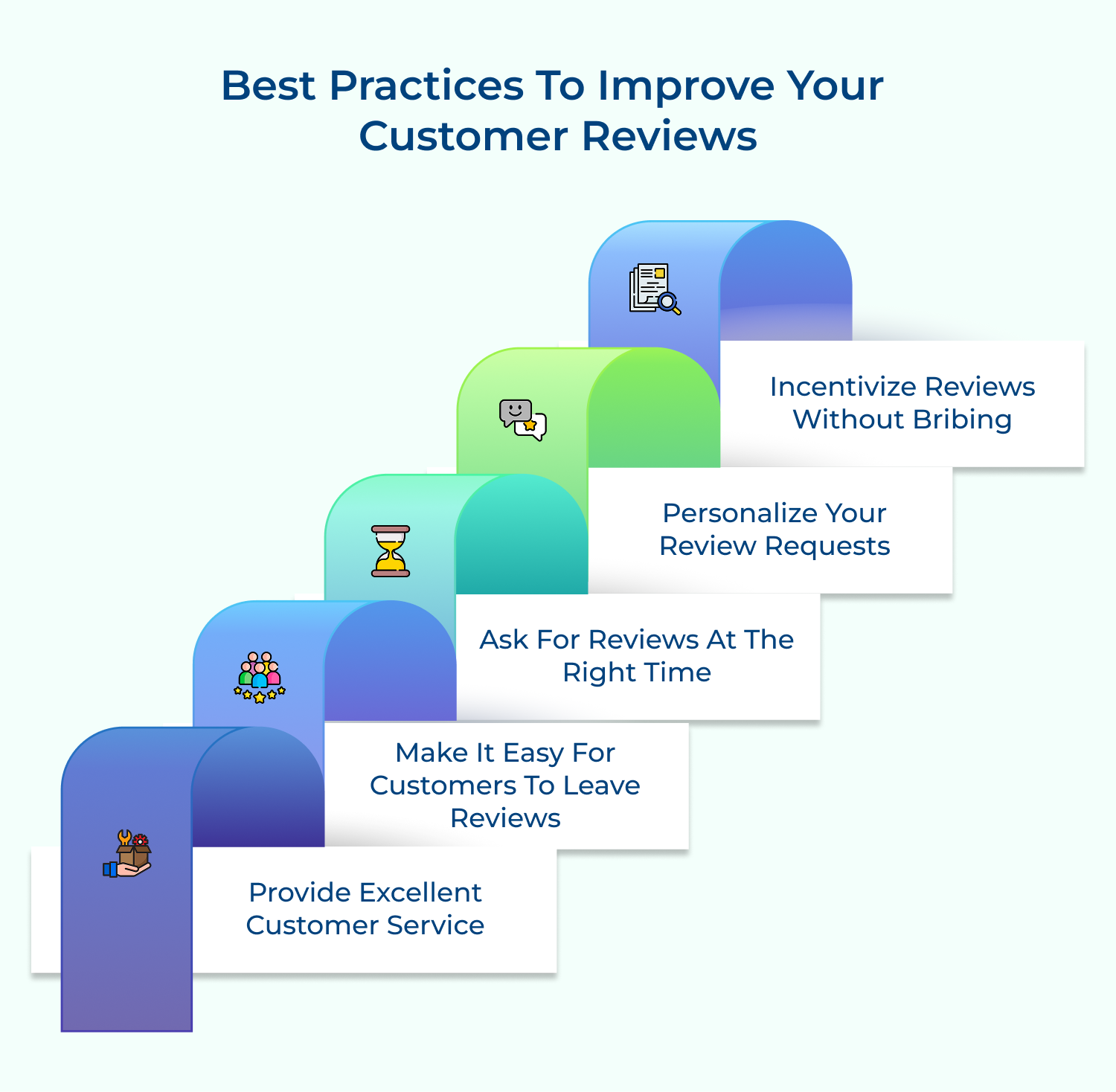
1. Provide Excellent Customer Service
The foundation of good reviews starts with exceptional service. When customers have a positive experience with your product or service, they are much more likely to leave positive feedback. Ensure your customer service team is responsive, empathetic and knowledgeable, with issues resolved promptly.
Tip: Train your staff to go above and beyond in assisting customers, making them feel valued at every touchpoint.
2. Make It Easy for Customers to Leave Reviews
If you want reviews, make sure it’s simple for customers to leave them. Long, complicated review processes will discourage customers from taking the time to provide feedback. Keep the review process straightforward and give clear instructions on how to leave a review, including links to platforms like Google, Yelp or Trustpilot.
Tip: Send customers a direct link to the review page in your follow-up emails or text messages.
3. Ask for Reviews at the Right Time
Timing plays a crucial role in receiving customer reviews. Ask for reviews when the customer experience is still fresh in their mind. The best times are after a successful purchase, following a service interaction, or after a milestone such as a product delivery.
Tip: If you’re a product-based business, ask for a review a few days after the product has arrived and been used.
4. Personalize Your Review Requests
A generic request for a review can often get ignored. Personalize your review request by addressing the customer by name and referencing their recent experience with your business. This shows that you value their individual opinion and creates a connection.
Tip: A personalized email or message will likely increase response rates, as it feels more genuine and less like a mass solicitation.
5. Incentivize Reviews Without Bribing
While you should never pay for positive reviews, offering an incentive can encourage customers to leave feedback. Consider giving a discount, a small gift or a loyalty reward as a thank-you for leaving a review, but make sure to focus on the feedback rather than rewarding for a positive review specifically.
Tip: A small thank-you gesture for taking the time to write a review can go a long way in motivating customers to share their experiences.
Customer reviews are integral to your brand’s success. They provide potential buyers with confidence while offering insights into your strengths and areas for improvement. Requesting reviews at the right moments, personalizing your approach and responding thoughtfully will enhance your review management process.
Positive feedback nurtures loyalty, while constructive criticism fuels growth. Leverage the power of customer reviews to elevate your brand credibility and improve the customer experience.

How many reviews should a business aim to get per month?
The target varies by industry and business size, but generally aim for 10-20 new reviews monthly. Focus on quality over quantity. Consistent, authentic reviews spread across time appear more credible than large batches of reviews posted simultaneously.
When is the best time to ask for reviews?
Request reviews when customer satisfaction is highest – typically right after a positive interaction, successful purchase, or problem resolution. For products, wait 2-7 days after delivery to allow testing. For services, ask within 24-48 hours of completion.
Should we respond to every review?
Yes, respond to both positive and negative reviews within 24-48 hours. This shows you value customer feedback and actively engage with your community. Personalize responses, address specific points mentioned and maintain a professional tone.
How can we get customers to leave detailed reviews?
Provide gentle prompts about specific aspects of their experience. Include optional questions about key features or service elements. Make the process easy with a mix of rating scales and optional text fields.
Is it okay to offer incentives for reviews?
No, offering incentives for reviews violates most platform policies and can result in penalties. It also compromises review authenticity and trustworthiness. Focus on providing excellent service that naturally encourages positive feedback.
How should we handle fake negative reviews?
Report suspicious reviews to the platform while following their specific procedures. Respond professionally, stating you have no record of the claimed interaction. Keep documentation of all genuine customer interactions for verification.
 https://omni24.io/wp-content/uploads/2026/08/AI-Customer-Service-Agents.png
1256
2400
Webvision Solution
https://omni24.io/wp-content/uploads/2023/04/Omni-Logo-1.svg
Webvision Solution2026-09-21 04:48:512026-09-21 04:48:51How to Build an AI Customer Service Agents: 8 Key Steps
https://omni24.io/wp-content/uploads/2026/08/AI-Customer-Service-Agents.png
1256
2400
Webvision Solution
https://omni24.io/wp-content/uploads/2023/04/Omni-Logo-1.svg
Webvision Solution2026-09-21 04:48:512026-09-21 04:48:51How to Build an AI Customer Service Agents: 8 Key Steps https://omni24.io/wp-content/uploads/2026/08/Omnichannel-Conversational-AI.png
1256
2400
Tushar Joshi
https://omni24.io/wp-content/uploads/2023/04/Omni-Logo-1.svg
Tushar Joshi2026-09-16 03:51:072026-09-16 03:51:07How to Build Omnichannel Conversational AI Strategy
https://omni24.io/wp-content/uploads/2026/08/Omnichannel-Conversational-AI.png
1256
2400
Tushar Joshi
https://omni24.io/wp-content/uploads/2023/04/Omni-Logo-1.svg
Tushar Joshi2026-09-16 03:51:072026-09-16 03:51:07How to Build Omnichannel Conversational AI Strategy https://omni24.io/wp-content/uploads/2026/08/Customer-Service-Teams.png
1256
2400
Tushar Joshi
https://omni24.io/wp-content/uploads/2023/04/Omni-Logo-1.svg
Tushar Joshi2026-09-15 04:01:522026-09-15 04:02:16How to Build Customer Service Teams: 6 Key Steps
https://omni24.io/wp-content/uploads/2026/08/Customer-Service-Teams.png
1256
2400
Tushar Joshi
https://omni24.io/wp-content/uploads/2023/04/Omni-Logo-1.svg
Tushar Joshi2026-09-15 04:01:522026-09-15 04:02:16How to Build Customer Service Teams: 6 Key Steps
Whether it’s about acquire, engage or support – Omni24 covers all your customer engagement needs in one complete platform.

Copyright ©2026 Veemo All rights reserved.
CA, Los Angeles, Hall Ave, 19011