What Is Social CRM & How to Choose the Best One?
Technological advancements in communication and social media have raised customer expectations; businesses need strong social CRM strategies for reach, visibility and retention.

Technological advancements in communication and social media have raised customer expectations; businesses need strong social CRM strategies for reach, visibility and retention.
Social media has revolutionized the way businesses interact with their customers.
74% of companies agreed that they improved access to customer data by using social CRM. It’s now more important than ever to have a strong presence on these platforms and maintain a solid connection with customers through effective communication.
Customer service is key to building and maintaining long-term relationships with customers, which is why businesses must know how to provide exceptional customer service on social media.
From timely responses to personalized interactions, the ultimate guide to social media customer service can help businesses create a positive brand experience and retain loyal customers.
Social customer relationship management (CRM) is defined as the integration of social media channels into an organization’s existing CRM system. It enables companies to manage and analyze their social media interactions more effectively.
Social CRM enhances the traditional concept of CRM by adding tools such as listening, monitoring channels, engagement platforms, and analytics to follow up on customer conversations in real-time. Social CRMs provide businesses with insights into customer behavior so they can better understand what customer needs or expect.
Key objectives:
According to Erik Qualman, “We don’t have a choice on whether we do social media, the question is how well we do it.” Social relationship management acts as a powerful customer service tool that companies cannot afford to ignore.
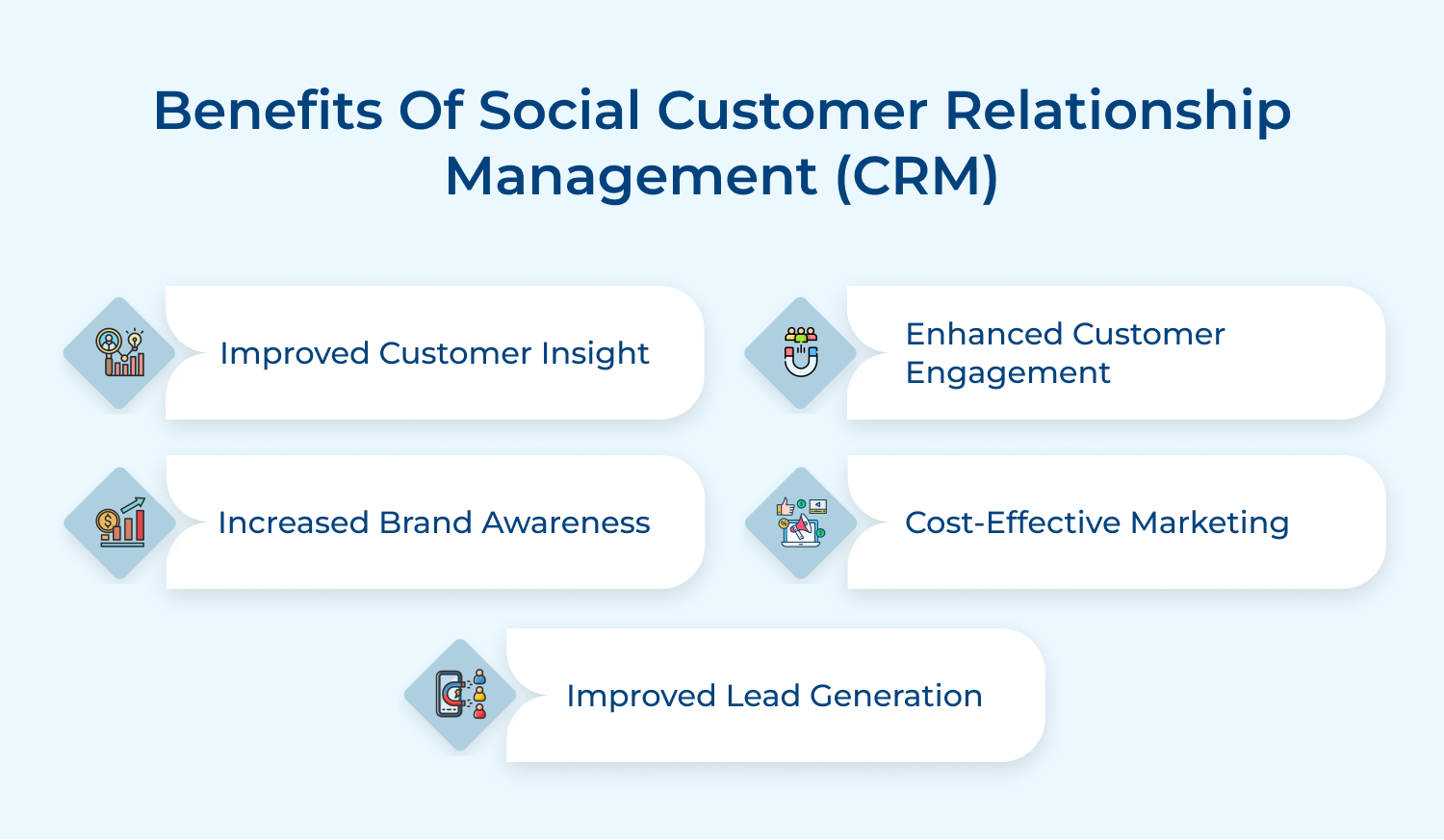
Social media provides a wealth of opportunities for businesses to learn more about their customers – from what they like or dislike, to their preferences and behaviors. With the right strategies in place, businesses can access this information in order to better understand their customer base and tailor their offerings accordingly.
Social media allows for a two-way conversation between businesses and customers, making it an effective channel for building stronger relationships. With social CRM, businesses can engage on a more personal level, responding to inquiries promptly and providing relevant content that aligns with customer interests.
Through the use of social media, businesses have the ability to broadcast brand messaging far beyond traditional marketing channels. By actively managing social profiles and engaging with followers in meaningful ways, businesses can increase brand awareness and provide value-added messaging to the target audiences.
When compared to traditional marketing channels like print or radio advertising, social media marketing is often much more cost-effective. Social media CRM takes it a step further by leveraging customer insights to create targeted campaigns that speak directly to key segments within your audience – ensuring maximum ROI on your marketing spend.
By using social media CRM data to identify key influencers and purchase behaviors amongst your audience, you can source new leads that are highly relevant for your business. The personalized nature of social media interactions means that leads sourced through these channels often have higher conversion rates than those sourced through other means.
Social CRM enables businesses to leverage social media for their customer retention and acquisition efforts. By giving you a unified look, social CRM can enrich different aspects of your business.
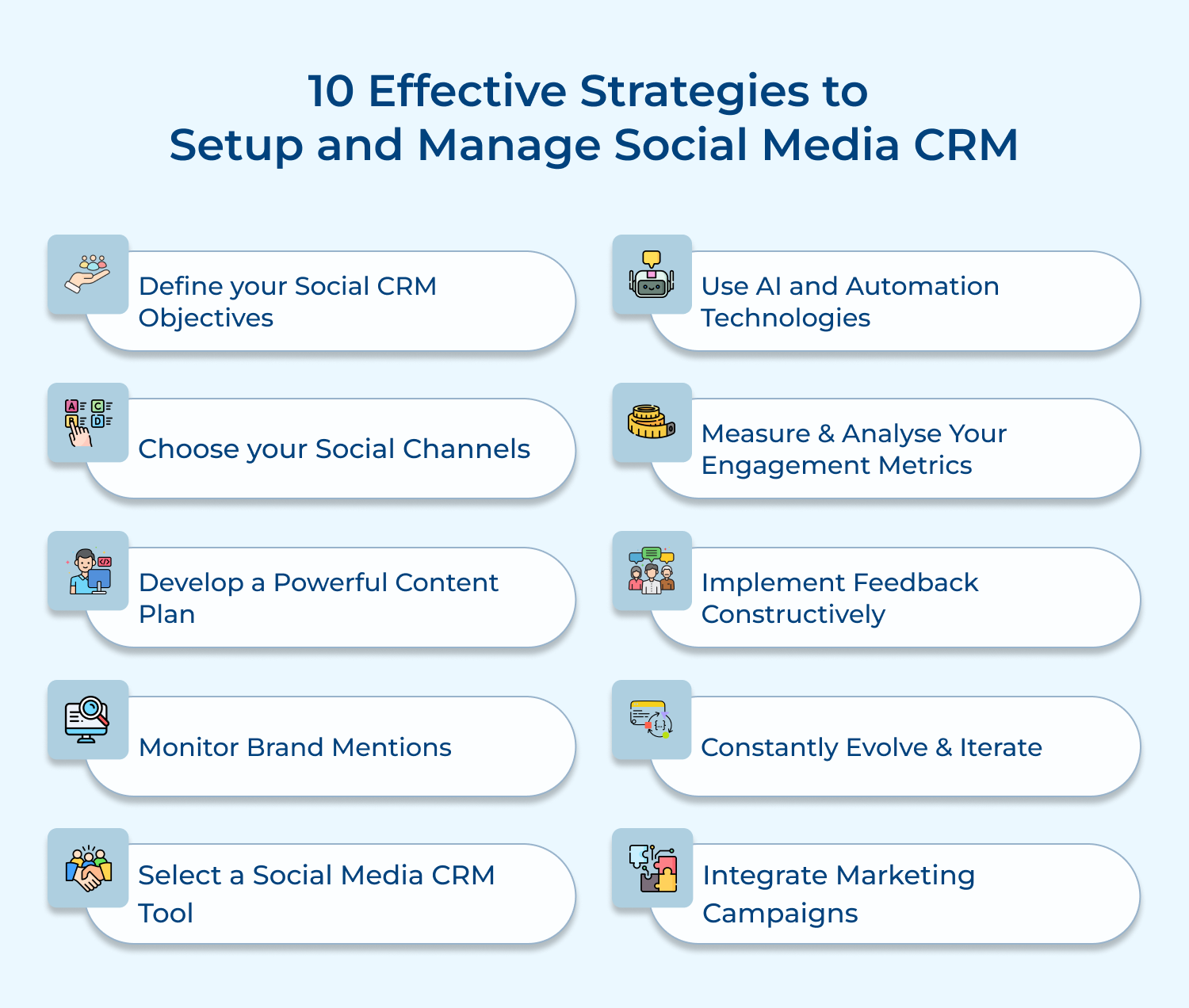
Before implementing any social media customer relationship management strategy, you need to define your objectives clearly. Establishing clear goals will help develop a focused and measurable plan that aligns with your business’s overall objectives.
For instance, your objective may be to improve customer engagement, increase brand awareness or loyalty, drive sales or generate leads.
Social media CRM best practices
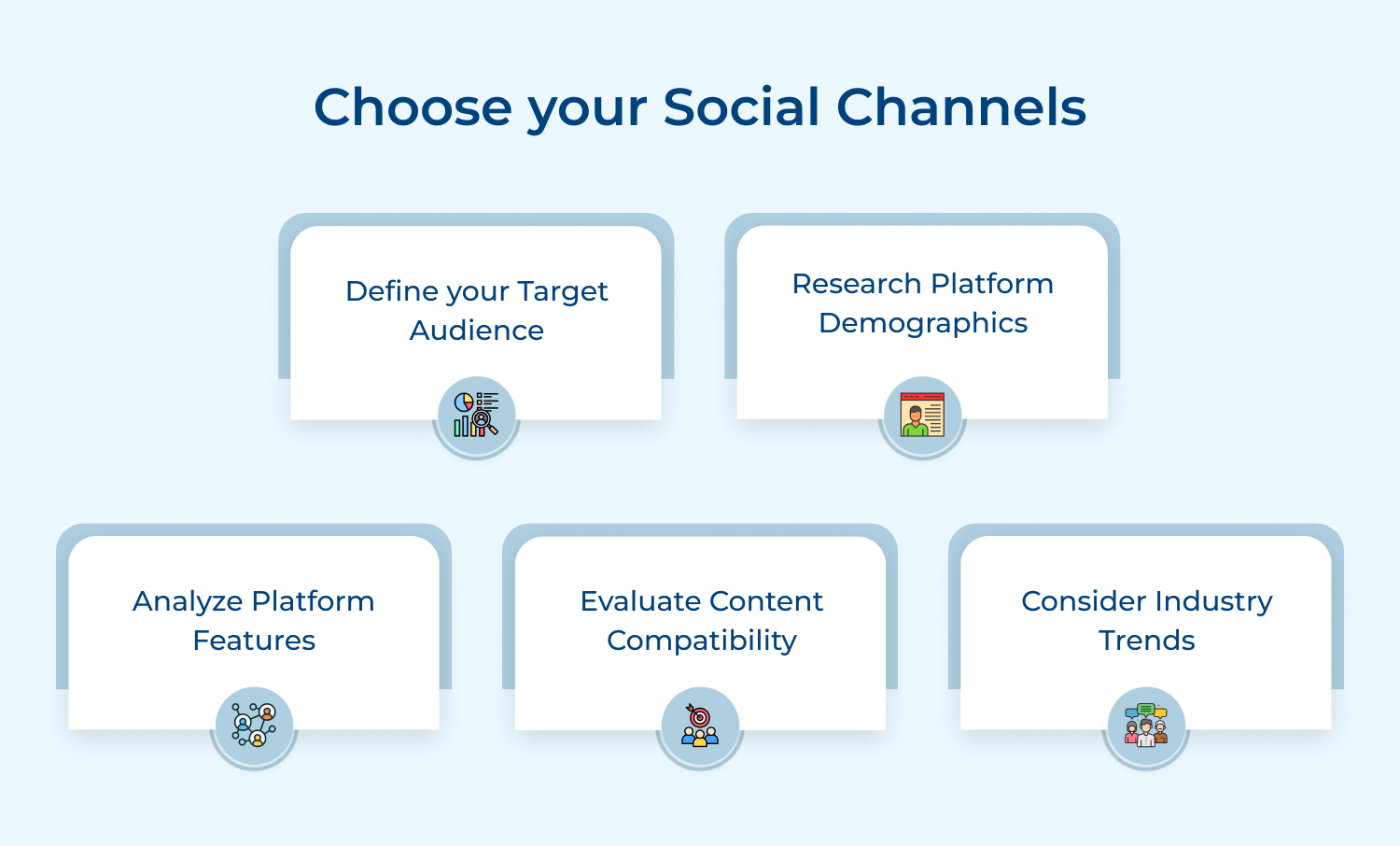
Researching which platforms work best for your business by examining user demographics and engagement patterns is crucial in choosing the right ones.
A good practice is to match demographic insights with buyer personas – a semi-fictional representation of who ideal customers are based on their social behavior – to determine which channel can bring you closer to your target market.
One of the social CRM best practice to be followed is:
Once you have determined the right channels for your brand and audience persona(s), devise content strategies that align with each channel’s tone of voice while keeping consistent messaging across all channels so as not to dilute customer perceptions of your product/ service offering.
One of the first steps in setting up your social CRM is to select the right tool for your business. There are many CRM tools available on the market, but not all of them are created equal.
You should look for a tool that integrates well with your current systems and has superior analytics capabilities, so that you can keep track of customer interactions across multiple channels.
Best practices to select a social media CRM tool:
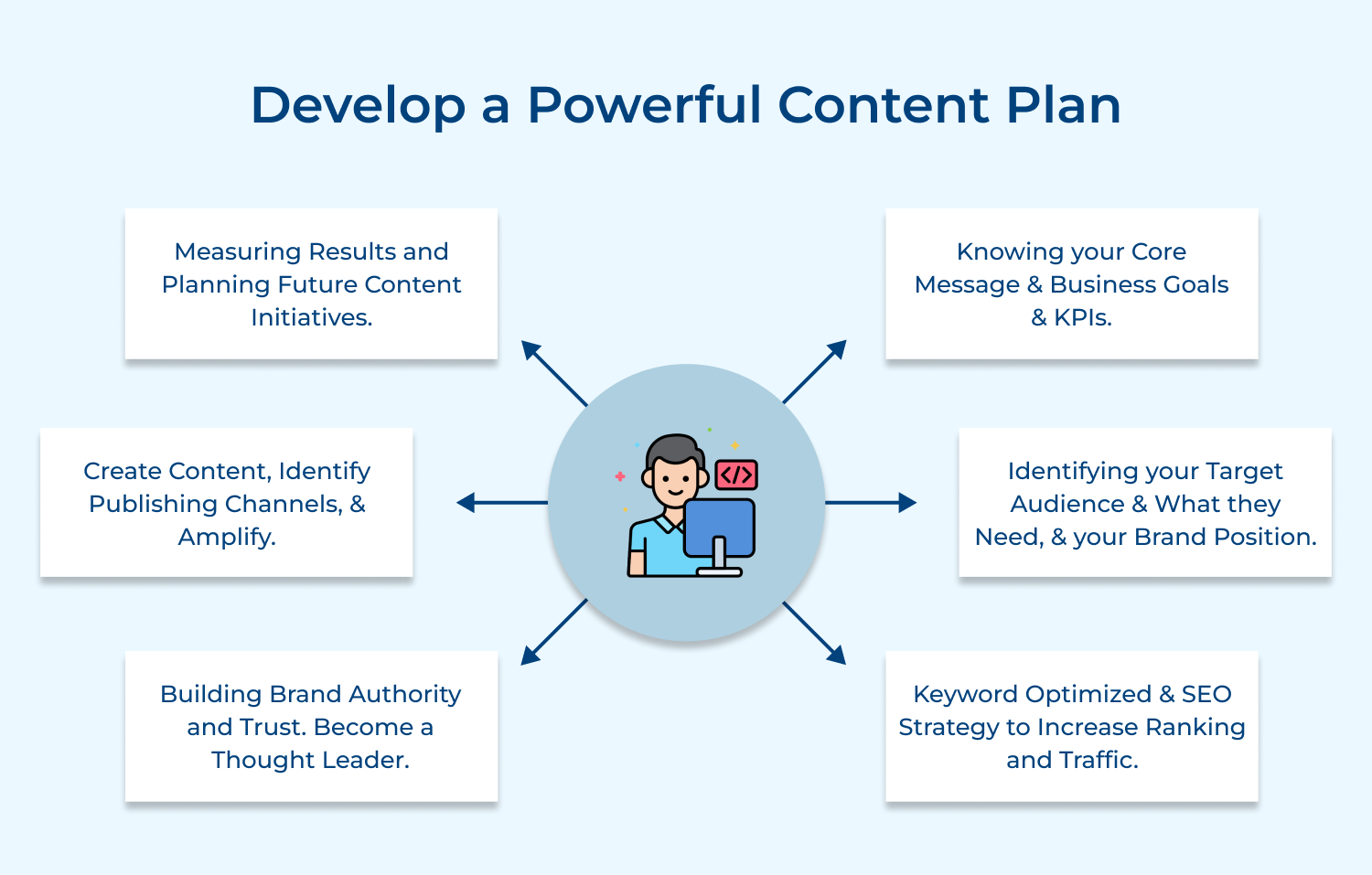
Creating engaging content is an essential aspect of any successful social CRM strategy. It’s crucial to provide valuable information about your product or service through social media platforms that resonate with customers.
A content plan helps streamline this process so that you aren’t scrambling every time there’s an opportunity to post something relevant.
To develop a content plan, start by creating an editorial calendar that outlines the types of content you want to share and when you want to post it.
You can follow the social CRM best practices:
One of the most important aspects of social CRM is monitoring brand mentions. By keeping an eye on what people are saying about your brand on social media platforms, you can gain valuable insights into customer sentiment and identify potential issues before they spiral out of control.
There are many tools available online that allow you to track brand mentions across different channels in real-time.
Social media CRM best practices:
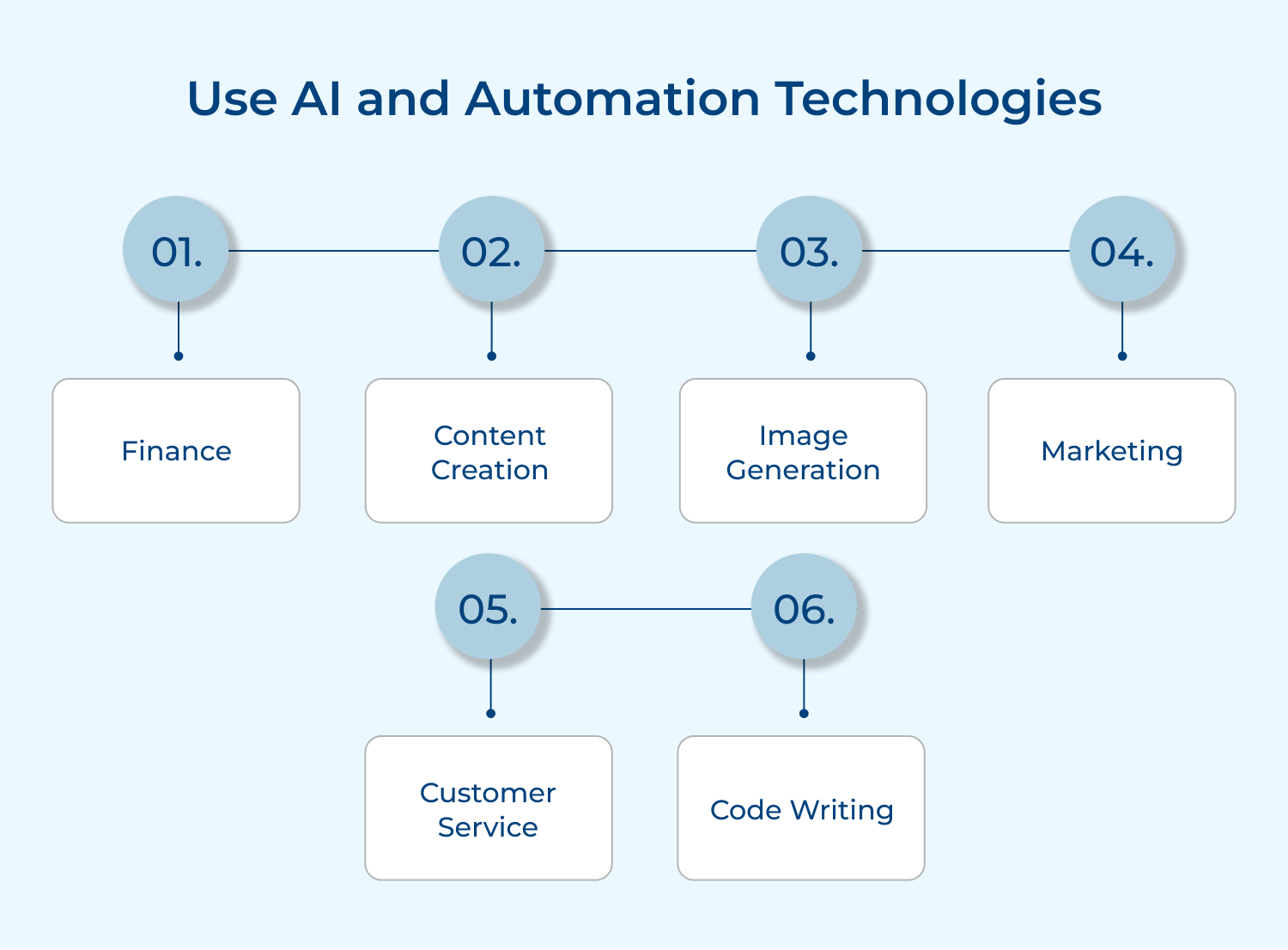
Another effective strategy for managing social CRM is using AI and automation technologies.
Leveraging machine learning algorithms and natural language processing (NLP) tools makes it possible to automate many tasks involved in responding to customer inquiries and managing social media campaigns.
Similarly, AI-powered social listening tools can analyze large volumes of data across multiple channels to identify patterns in customer behavior and preferences. This data can then be used to tailor marketing campaigns or product offerings more effectively.
Measuring and analyzing your engagement metrics is crucial in managing your social CRM effort. By analyzing data from your customer interactions on social media platforms, you can develop insights into how your customers engage with your brand.
To make the most out of engagement metrics, you need to establish a baseline of data that represents typical customer behavior for a set period of time. Afterward, it is important to track specific metrics such as likes, comments, shares, clicks or views on individual content pieces or overall campaigns.
Social CRM best practices to be followed:
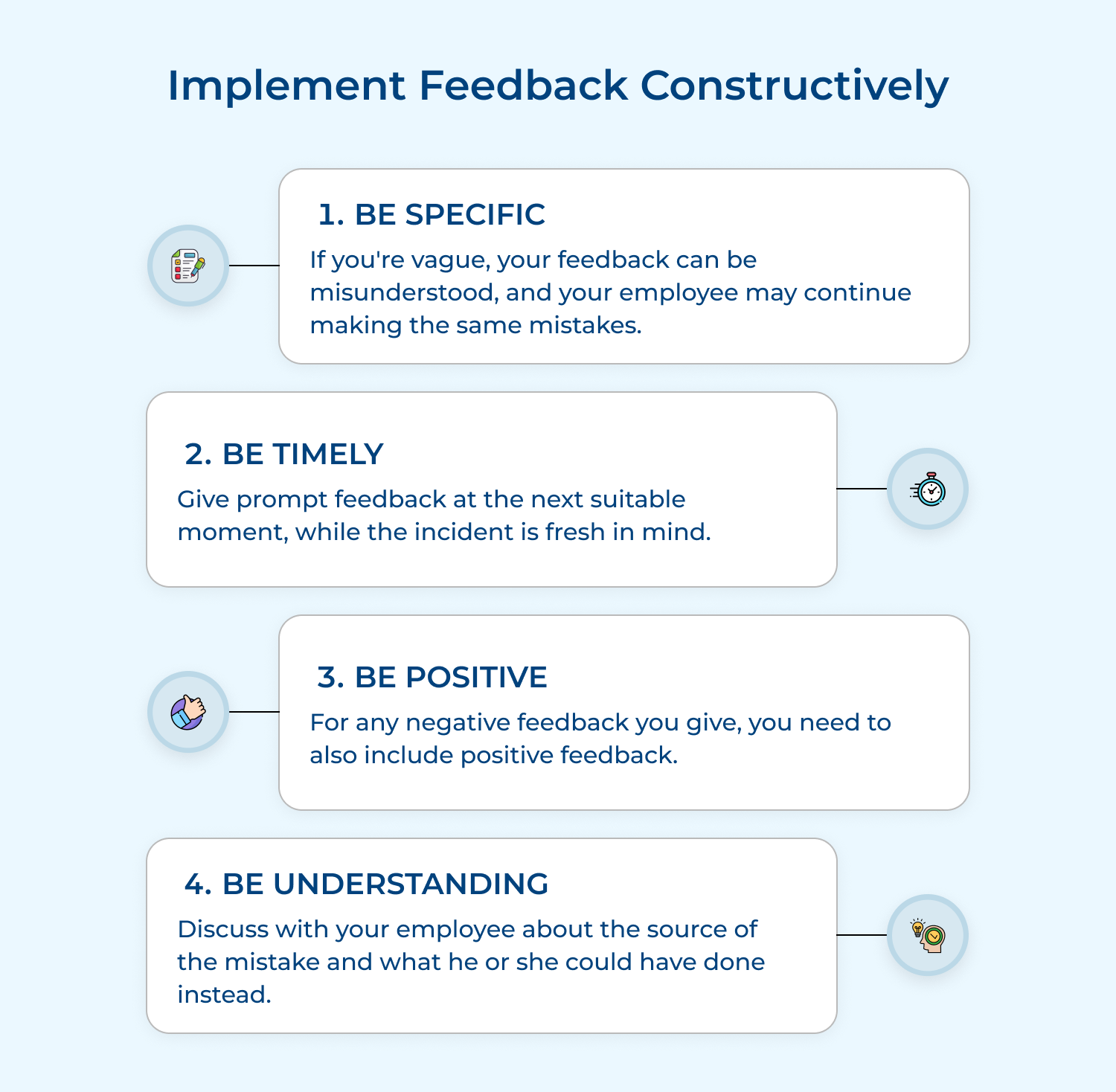
One of the key benefits of using social media for customer relationship management is that it provides businesses with instant feedback from their customers.
Customers can provide comments or ask questions about products or services on a company’s social media accounts. To make the most out of this feedback, it is important to implement it constructively. Businesses should monitor their social media accounts regularly so they can respond promptly to any questions or concerns raised by customers. In addition, organizations should analyze the feedback they receive in order to identify areas that need improvement.
By implementing constructive changes based on customer feedback, businesses can show their clients that they value their opinions and are working towards providing them with better experiences.
Social media platforms are constantly evolving; therefore, it is important for businesses to evolve as well if they want to remain competitive in the digital arena.
In order to stay ahead of the competition and keep customers engaged, companies need to continuously evolve their social CRM strategies.
By continuously evaluating their social CRM initiatives – experimenting with new tools or tactics – businesses can determine what works best for their particular audience while identifying areas where improvements could be made.
Adopting a continuous improvement cycle allows an organization to stay abreast of market trends while also keeping up with new technologies and approaches.
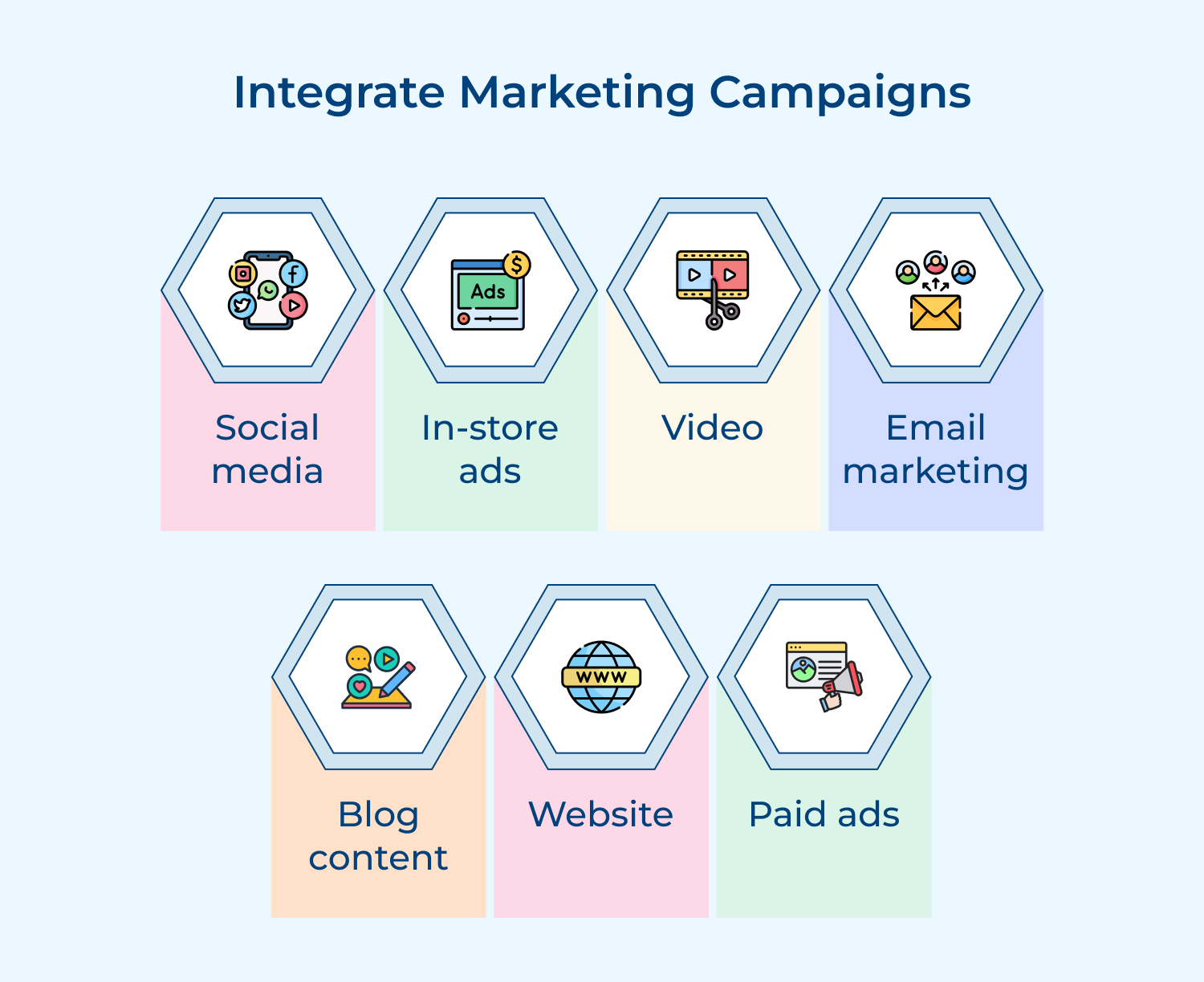
An integrated marketing campaign involves targeting multiple channels in a cohesive way allowing them all to work together toward a shared goal: engaging customers at every stage of their journey.
To implement an integrated marketing campaign effectively, firstly identify goals and targets for each channel that aligns consistently across all customer touchpoints – aiming at consistent communication across all channels.
Then create messaging for each channel in alignment with the broader targeted message. Once messaging has been established for each channel, implement automation software like Hubspot Automation or Pardot to get messages out through multiple outlets in real-time coordination.
Therefore, providing seamless & continuous communication increases user satisfaction levels towards the organization’s branding efforts by making them feel valued, known, heard, and supported.
Social CRM is an important tool that businesses use to manage their interactions with customers across social media channels.
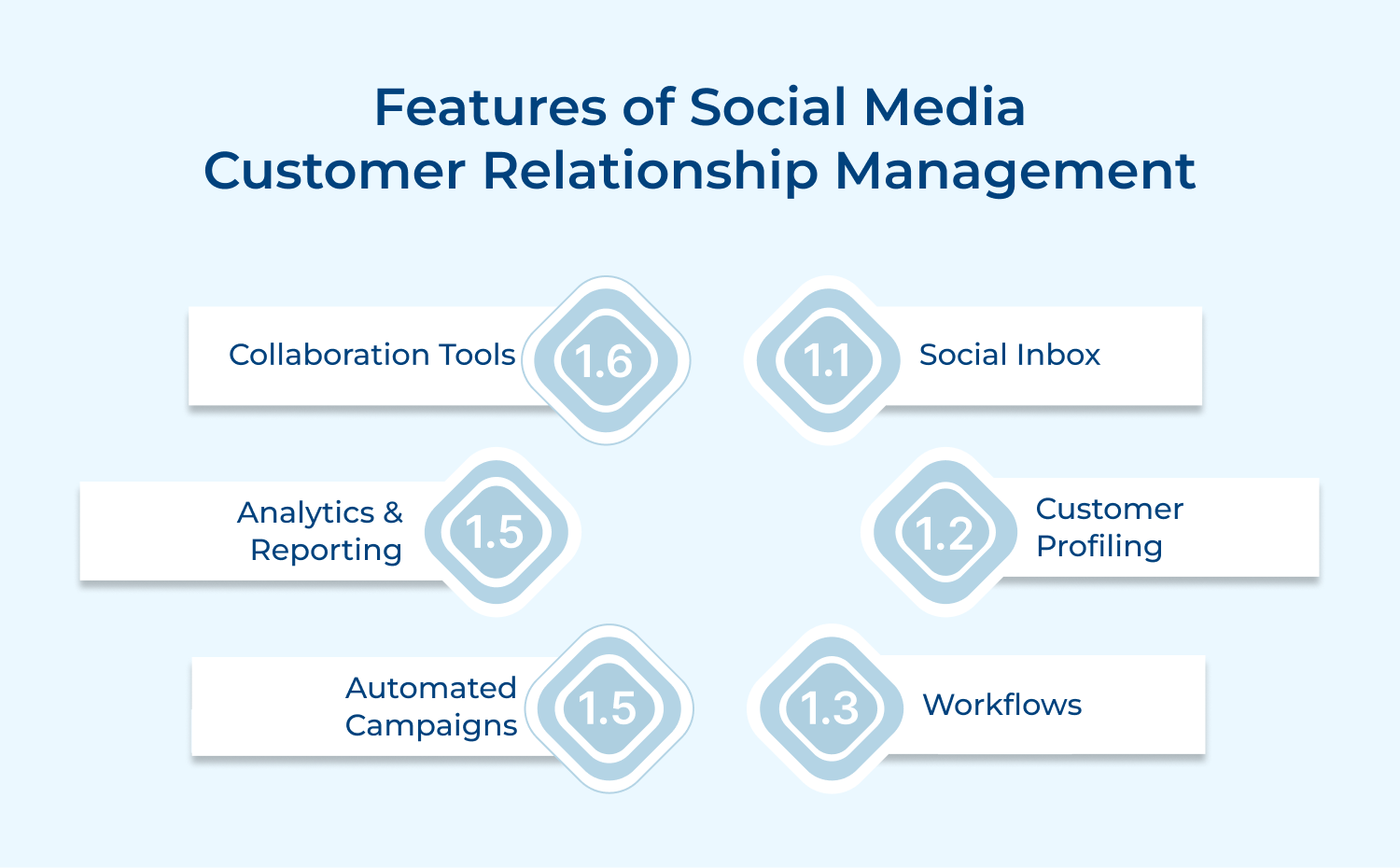
There are many social CRM tools available, but it is important to evaluate the features thoroughly before investing in one. Choosing the best Social CRM tool might be tricky, but we have got you covered.
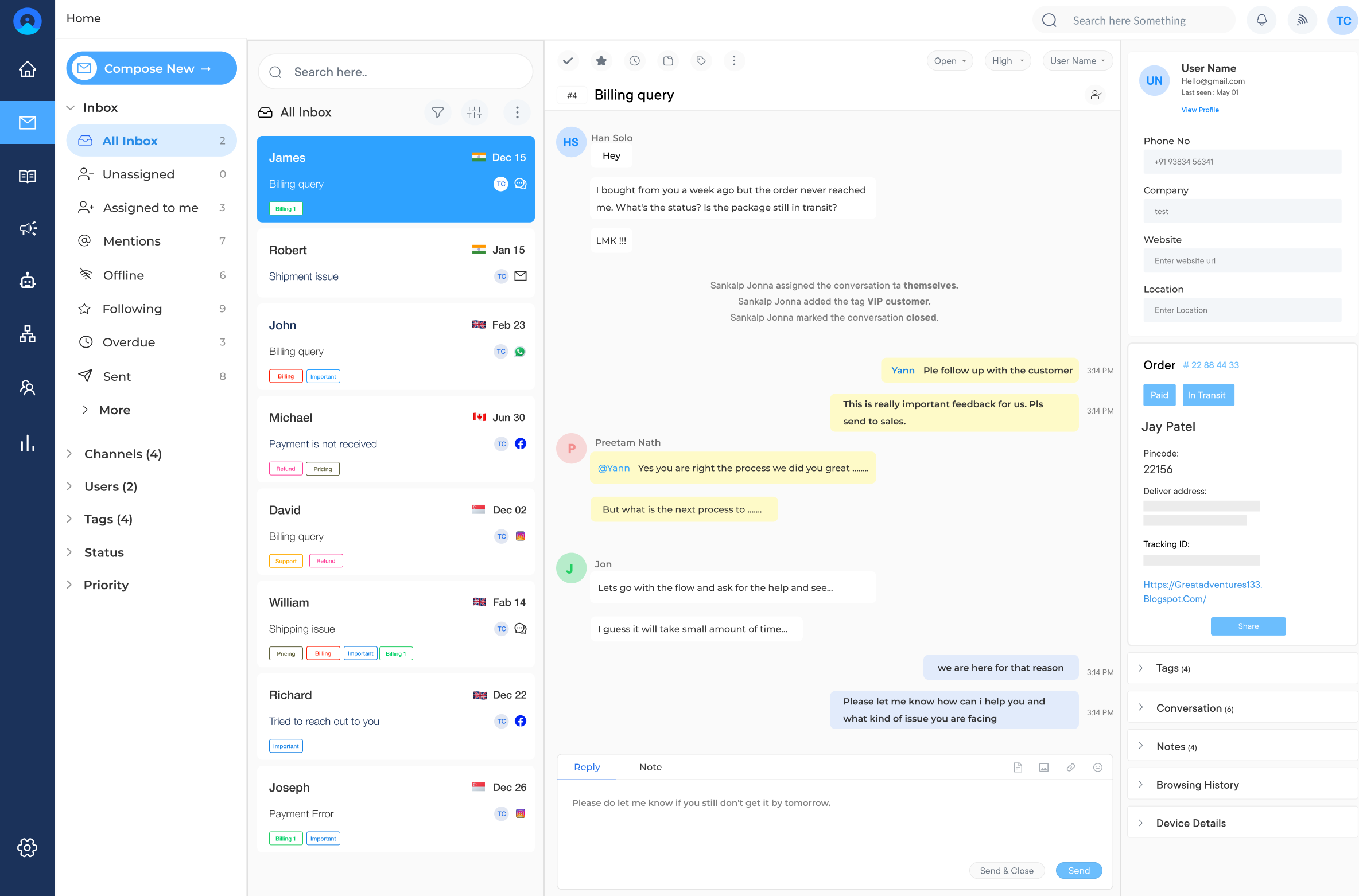
Omni24 is an omnichannel customer experience (CX) platform that offers a wide range of tools for businesses to connect and interact with their customers. Omni24 allows brands to streamline their customer service and boost customer satisfaction with its comprehensive suite of customer communication tools.
Key features:
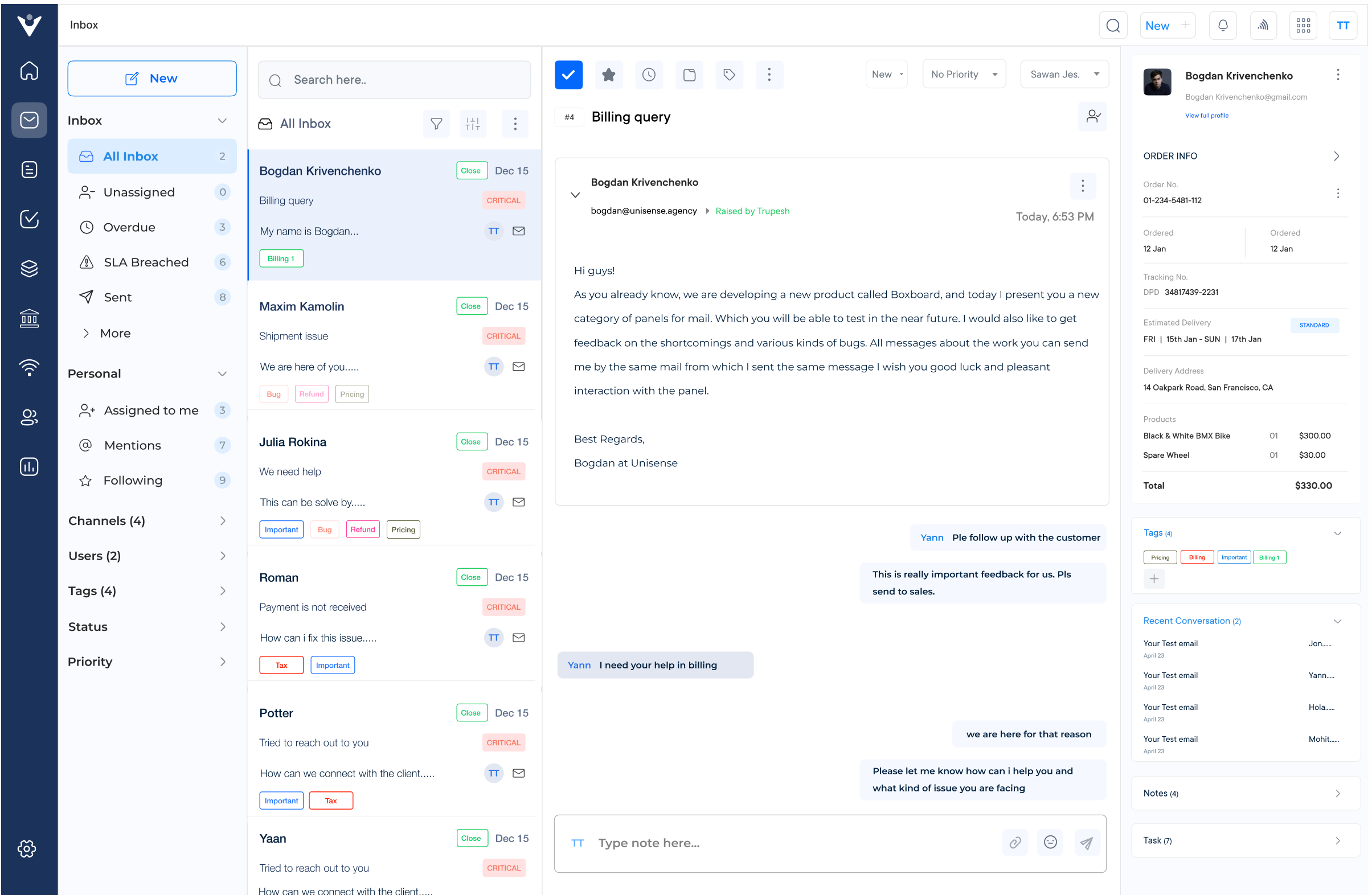
Veemo is a leading customer engagement software platform that provides a suite of products to help businesses manage their customer relationships effectively. Veemo helps businesses effectively manage their social media presence with features like social media monitoring, automated ticketing, and customer engagement analytics.
Key features:
Hootsuite is one of the most popular social CRM tools available for social CRM. It offers advanced capabilities to manage multiple social media accounts across platforms, including Facebook, Twitter, LinkedIn, Instagram, YouTube, and more.
Key features:
Wati.io is another powerful social CRM tool that offers many advanced features that help businesses effectively connect with their customers. This tool offers unique messaging applications such as WhatsApp and Facebook Messenger integration.
Key features:
Despite overwhelming advantages and benefits of social CRM, there are some inherent challenges that businesses face while implementing.
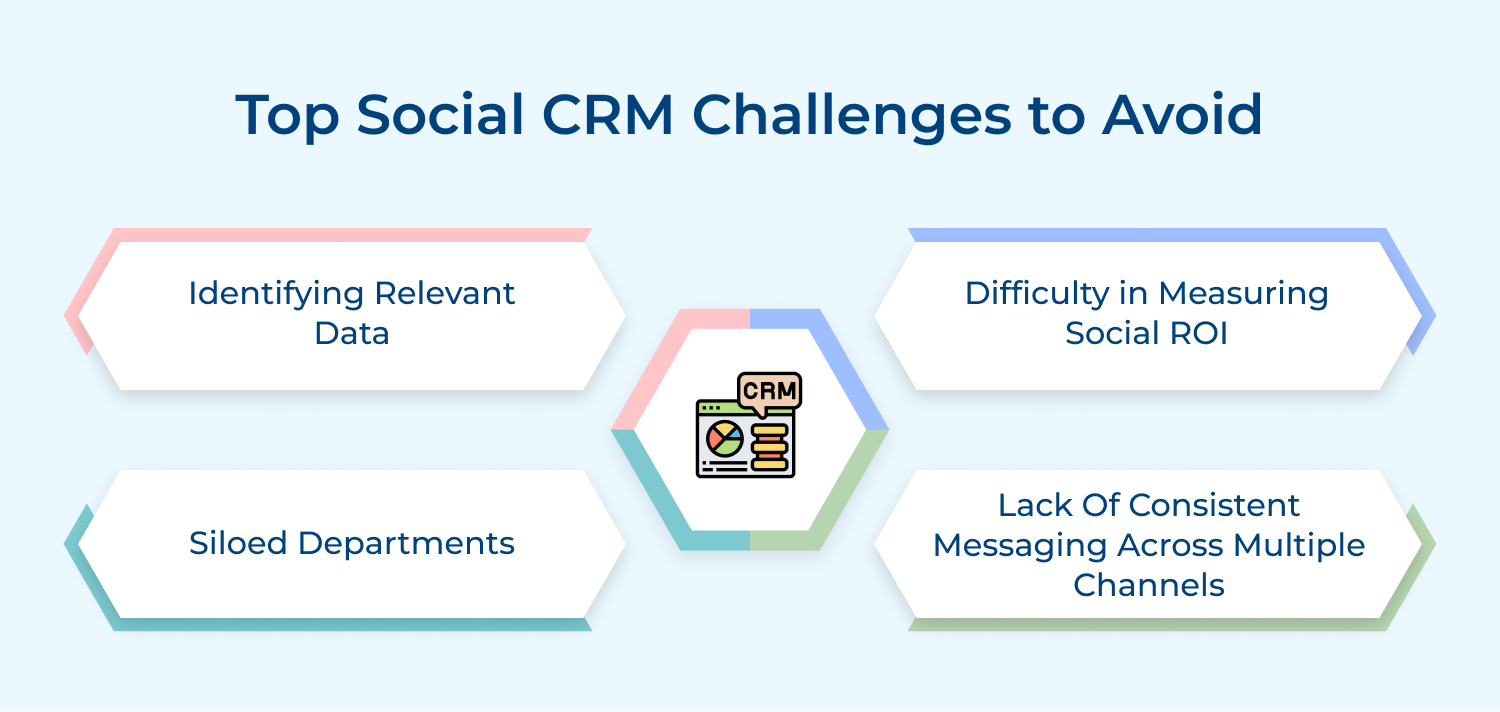
One of the challenges in social CRM is finding out which among the plethora of available data points are truly relevant for each business’s specific needs. Without this critical insight into their customers’ behavior, companies might not be able to target campaigns appropriately or personalize messages that resonate with their audience.
Evaluating the return on investment (ROI) from social media activities is another significant challenge faced by companies trying to implement a Social CRM strategy. One solution is investing in advanced analytics tools that track metrics such as engagement rates, click-through-rates, and onsite conversions.
One significant challenge often encountered by organizations is disparate departments managing different aspects of customer service with no centralized way of sharing information. This siloing issue creates hiccups when addressing client concerns and tracking vital metrics across all levels within the organization.
Breaking down departmental walls through transparency in communication via one platform can significantly aid in creating a more synchronized whole-team approach, effective at tackling customer issues better immediately.
Social CRM aims to help businesses interact with customers through various channels. Unfortunately, many firms fail to implement consistent messaging across all of these platforms, leading to branding inconsistencies that could significantly damage their reputation.
To overcome this challenge, invest in social media training programs for your employees and develop a concise and clear plan for social media messaging. Ensure that all employees adhere strictly to the guidelines so that there’s consistency in tone and messaging, no matter which channel clients choose to use.
Social CRM is an essential tool that can help you take your customer communication strategies to the next level. By utilizing this approach, businesses can more effectively manage their customer interactions on social media platforms and gain valuable insights into their target audience’s preferences.
When using a social CRM system, it becomes easier to have a streamlined approach to managing all customer inquiries and complaints. This allows for quicker response times and improved overall customer satisfaction.
Social CRM systems enable businesses to gain deeper analytical insights into their customers’ behavior patterns. With the extensive data gathering capabilities of a social CRM system, businesses can make data-driven decisions that lead to better operational efficiency and ultimately increased profitability.

Why do you need social crm for your business?
Social customer relationship management is very important for businesses as it provides detailed insights about your customers regarding their demographics, tastes, preferences, buying behavior, etc. The complete picture of customers helps businesses to accelerate the sales process by allowing you to identify the leads that have the highest probability of being converted into deals.
Why is social CRM important for businesses in today’s digital age?
Social media management with CRM can help businesses monitor their social media channels easily to identify potential issues or negative feedback. This way, you can respond promptly and provide exceptional customer service.
What are the key benefits of implementing a social CRM strategy?
The major benefit of social CRM is that the tool allows businesses to track and analyze social media conversations. This data can provide valuable insights into customer behavior and preferences. It can also help businesses identify emerging trends so that they can quickly adapt their strategies.
How can social CRM help businesses improve customer relationships and loyalty?
Companies rely on social CRM to collect data on customers, engage with new customers and build customer loyalty. Customers can be categorized based on their buying needs, habits and purchase history, as well as their feedback on products and services, which enables companies to provide personalized customer service.
What are the main challenges businesses may face when implementing a social CRM system?
Businesses implementing and maintaining a social customer relationship management system may run into five main CRM challenges:
How can social CRM tools and platforms be integrated with existing customer data and systems?
Integrating social media into your CRM also allows you to create a fuller picture of the success of your social marketing strategy. Customer interactions on social networks can be clearly tied to business outcomes like a purchase or subscription. Finally, social CRM data enables you to create highly targeted custom audiences for social ads.
What are some best practices for effectively utilizing social CRM for sales and marketing?
Some best practices of the effective use of social CRM for sales and marketing are as follows:
 https://omni24.io/wp-content/uploads/2026/09/Social-commerce-scaled.png
1340
2560
Webvision Solution
https://omni24.io/wp-content/uploads/2023/04/Omni-Logo-1.svg
Webvision Solution2026-10-23 12:18:272026-10-23 12:18:27What is Social Commerce and Why Does It Matter?
https://omni24.io/wp-content/uploads/2026/09/Social-commerce-scaled.png
1340
2560
Webvision Solution
https://omni24.io/wp-content/uploads/2023/04/Omni-Logo-1.svg
Webvision Solution2026-10-23 12:18:272026-10-23 12:18:27What is Social Commerce and Why Does It Matter? https://omni24.io/wp-content/uploads/2026/08/AI-Customer-Service-Agents.png
1256
2400
Webvision Solution
https://omni24.io/wp-content/uploads/2023/04/Omni-Logo-1.svg
Webvision Solution2026-09-21 04:48:512026-09-21 04:48:51How to Build an AI Customer Service Agents: 8 Key Steps
https://omni24.io/wp-content/uploads/2026/08/AI-Customer-Service-Agents.png
1256
2400
Webvision Solution
https://omni24.io/wp-content/uploads/2023/04/Omni-Logo-1.svg
Webvision Solution2026-09-21 04:48:512026-09-21 04:48:51How to Build an AI Customer Service Agents: 8 Key Steps https://omni24.io/wp-content/uploads/2026/08/Omnichannel-Conversational-AI.png
1256
2400
Tushar Joshi
https://omni24.io/wp-content/uploads/2023/04/Omni-Logo-1.svg
Tushar Joshi2026-09-16 03:51:072026-09-16 03:51:07How to Build Omnichannel Conversational AI Strategy
https://omni24.io/wp-content/uploads/2026/08/Omnichannel-Conversational-AI.png
1256
2400
Tushar Joshi
https://omni24.io/wp-content/uploads/2023/04/Omni-Logo-1.svg
Tushar Joshi2026-09-16 03:51:072026-09-16 03:51:07How to Build Omnichannel Conversational AI Strategy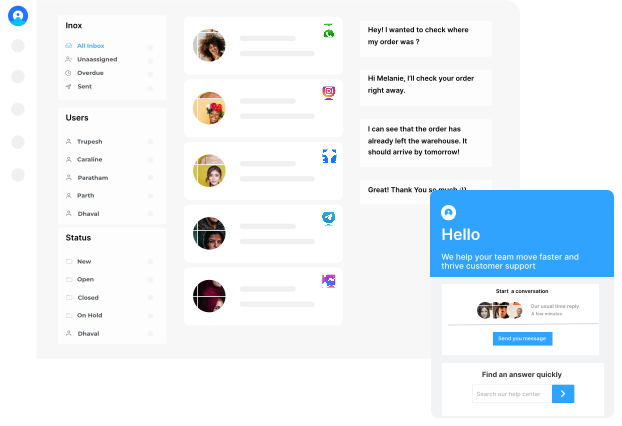
Whether it’s about acquire, engage or support – Omni24 covers all your customer engagement needs in one complete platform.

Copyright ©2026 Veemo All rights reserved.
CA, Los Angeles, Hall Ave, 19011