How to Create a Predictive Customer Service Strategy?
Predictive customer service uses data to foresee issues and expectations, shifting from reactive to proactive support for better experience and trust.

Predictive customer service uses data to foresee issues and expectations, shifting from reactive to proactive support for better experience and trust.
Your customers are frustrated before they ever contact support because problems keep catching them off guard. By the time they reach out, small issues have already turned into major headaches that damage their trust in your business.
84% of leaders say AI accelerates resolutions up to 25% faster, 47% for assisted agents, enabling proactive personalization (66% using GenAI).
What if you could spot problems brewing and fix them before customers even noticed something was wrong? Predictive customer service uses data and AI to identify issues early so you can intervene proactively instead of reactively.
Dive into the guide to explore how to build a predictive customer service strategy from scratch.
Predictive customer service uses data analysis and technology to anticipate customer needs before they arise. Instead of waiting for customers to reach out with problems, businesses proactively identify potential issues and address them early. Such an approach shifts support from reactive firefighting to proactive problem prevention.
AI powers predictive customer service by analyzing vast amounts of customer data to spot patterns and trends. Machine learning algorithms identify early warning signs of dissatisfaction or technical issues. It enables support teams to intervene before customers even realize they need help.
Key features:
Predictive customer service transforms how businesses interact with their customers. Here are the key advantages it brings to both companies and their customers.
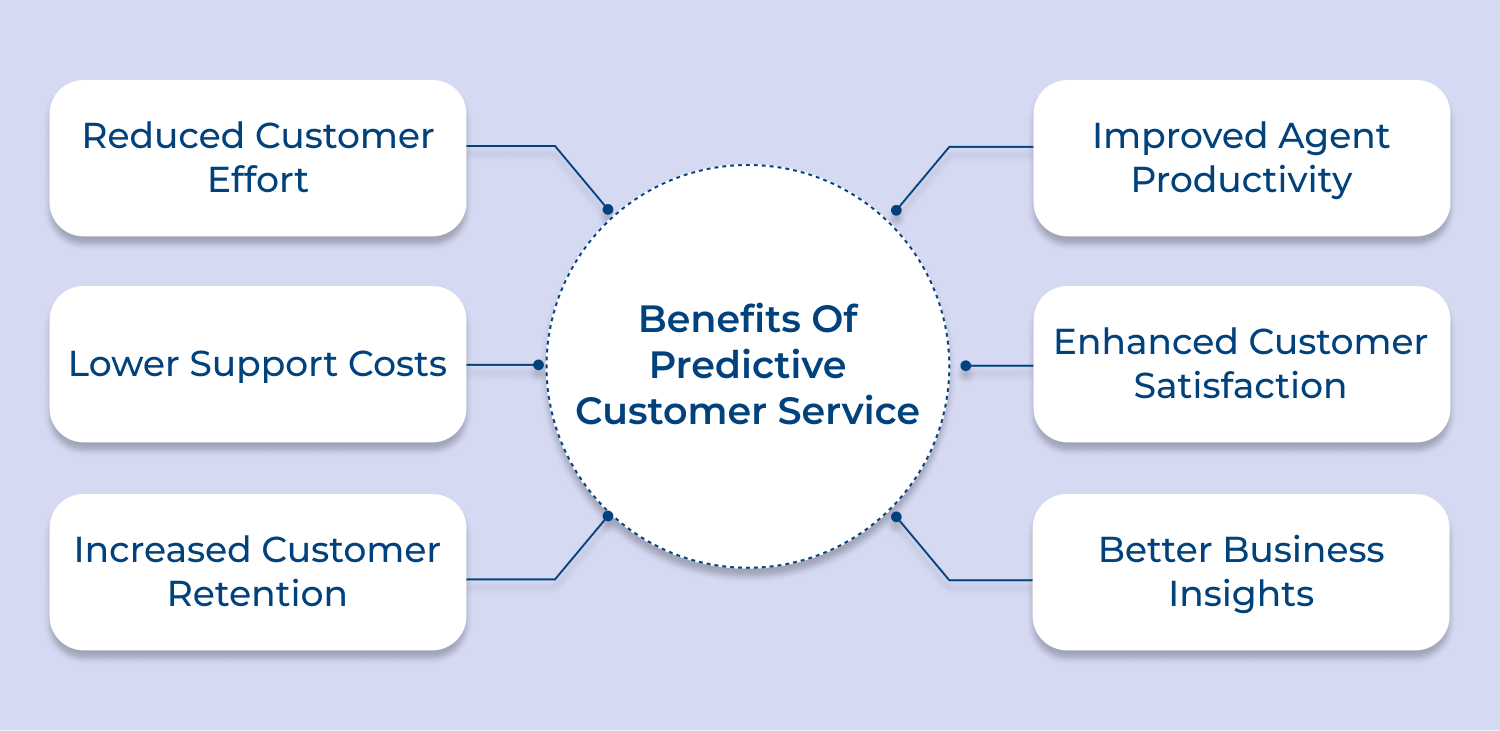
1. Reduced Customer Effort
Customers don’t have to waste time reporting issues or searching for solutions. Problems get resolved before they even notice something is wrong. This creates a smoother experience that feels almost magical.
2. Lower Support Costs
Preventing problems costs less than fixing them after they escalate. Proactive outreach reduces ticket volume and frees up agents for complex cases. Companies spend less while delivering better service overall.
3. Increased Customer Retention
When businesses solve problems before customers complain, loyalty naturally increases. People appreciate companies that understand their needs without being asked. This leads to longer relationships and higher lifetime value.
4. Improved Agent Productivity
Support teams spend less time on repetitive issues and basic troubleshooting. They can focus on meaningful conversations that require human insight. This makes their work more satisfying and impactful.
5. Enhanced Customer Satisfaction
Nothing beats the feeling of having issues resolved without lifting a finger. Customers feel valued when companies anticipate their needs proactively. This positive experience translates directly into higher satisfaction scores.
6. Better Business Insights
Predictive analytics reveal patterns about what frustrates customers most. Companies learn which features cause confusion or which processes need improvement. These insights drive smarter product development and service design.
Explore the eight best practices that can help businesses shift from a reactive stance to a proactive, predictive model, thereby elevating their service standards.
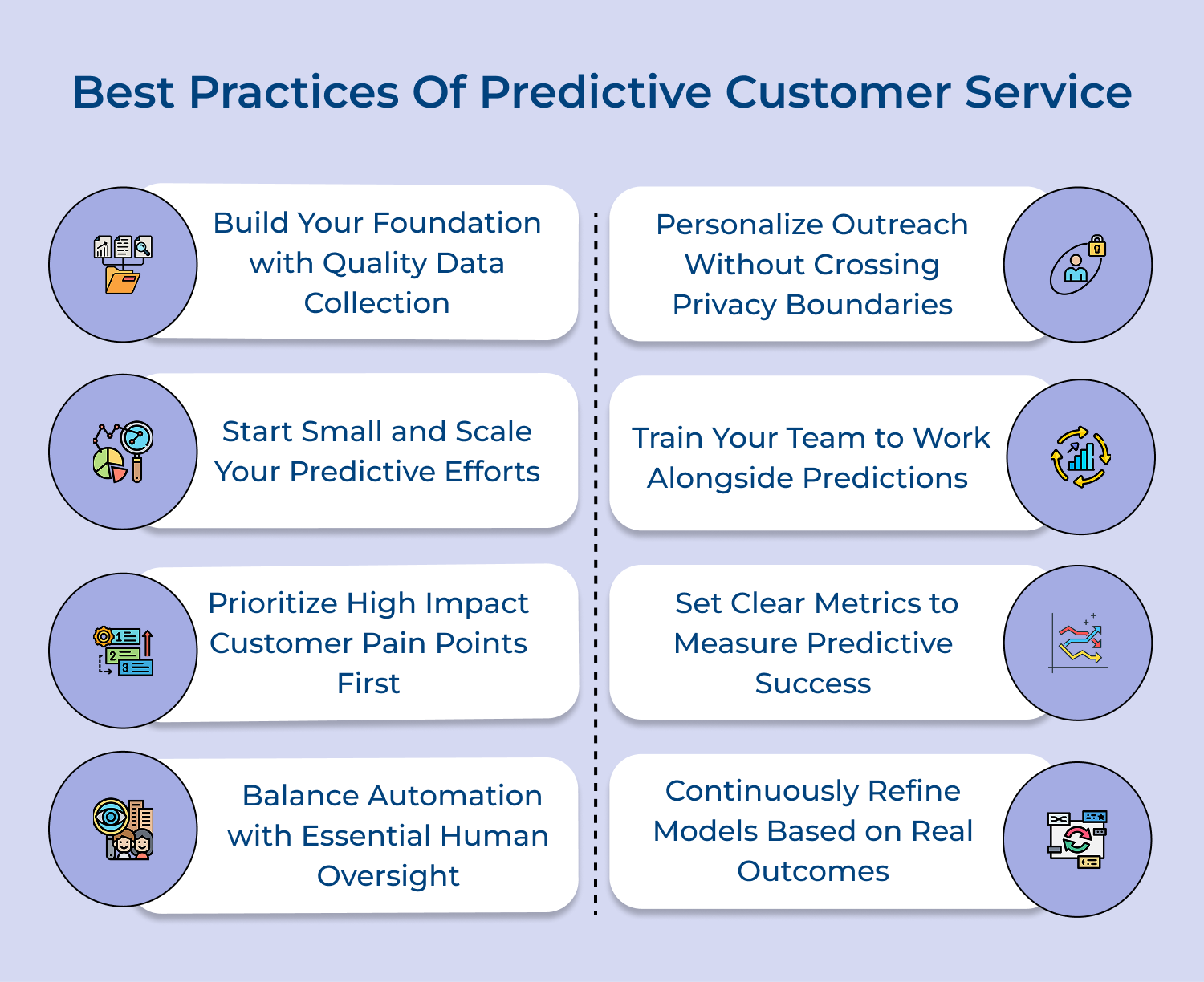
Quality data forms the backbone of every successful predictive system. Without accurate and comprehensive information, even the most sophisticated algorithms will produce unreliable predictions. Your predictive customer service is only as good as the data feeding it.
Here are proven strategies to establish strong data collection practices:
For example, a telecom company collected data from billing systems, network performance logs and customer service calls. They discovered that customers who experienced three dropped calls within a week were 60% likely to churn. Armed with this insight, they now proactively reach out and offer solutions before frustration builds.
Strong data collection practices turn raw information into actionable predictions that genuinely help customers. The time invested in building this foundation pays dividends through more accurate insights and better service outcomes.
Starting with a limited scope allows you to learn without overwhelming your team or risking major failures. You can test assumptions, refine your approach and build confidence before committing significant resources. Small wins create momentum that justifies larger investments down the road.
Pick one specific customer journey or product feature where you have rich data available. Build a simple predictive model that addresses one clear problem. Measure the impact carefully and use those learnings to improve before expanding to other areas.
Pro Tips:
Focusing on problems that matter most to customers ensures your predictive efforts deliver real value. Not all issues deserve the same level of attention or predictive investment. Targeting high-impact pain points maximizes your return and builds credibility for future initiatives.
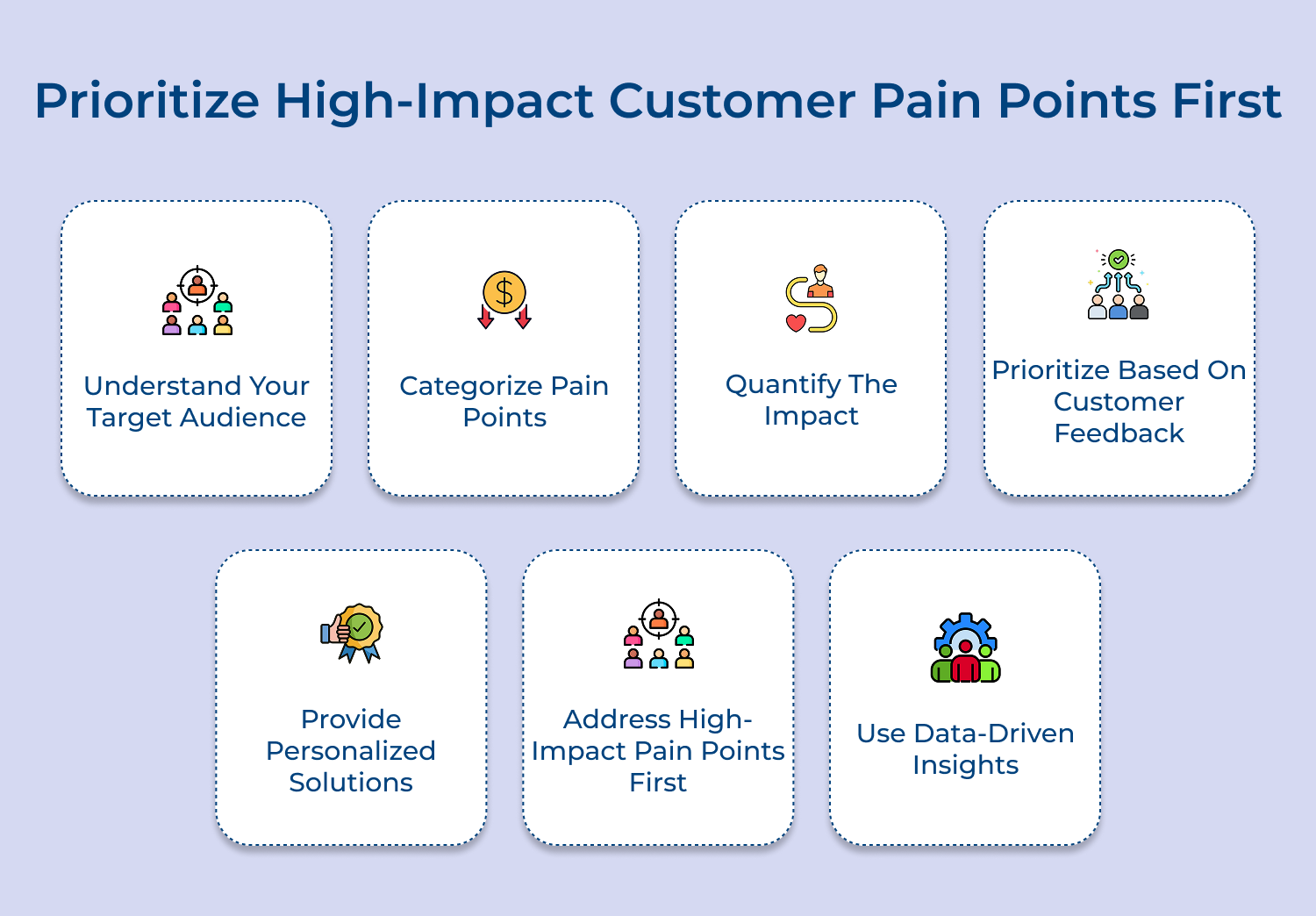
Automation handles routine predictions efficiently but humans provide judgment that machines lack. Fully automated systems can make embarrassing mistakes or miss important context that affects decisions. The sweet spot combines machine speed with human wisdom for optimal results.
Here’s how to strike the right balance in practice:
Won’t human oversight slow down the whole point of predictive automation? Not if you design smart workflows. Route low-risk predictions straight to automation while flagging high-stakes decisions for quick human review.
Customers appreciate proactive help but feel uncomfortable when companies seem to know too much about them. The line between helpful and creepy is thinner than most businesses realize.
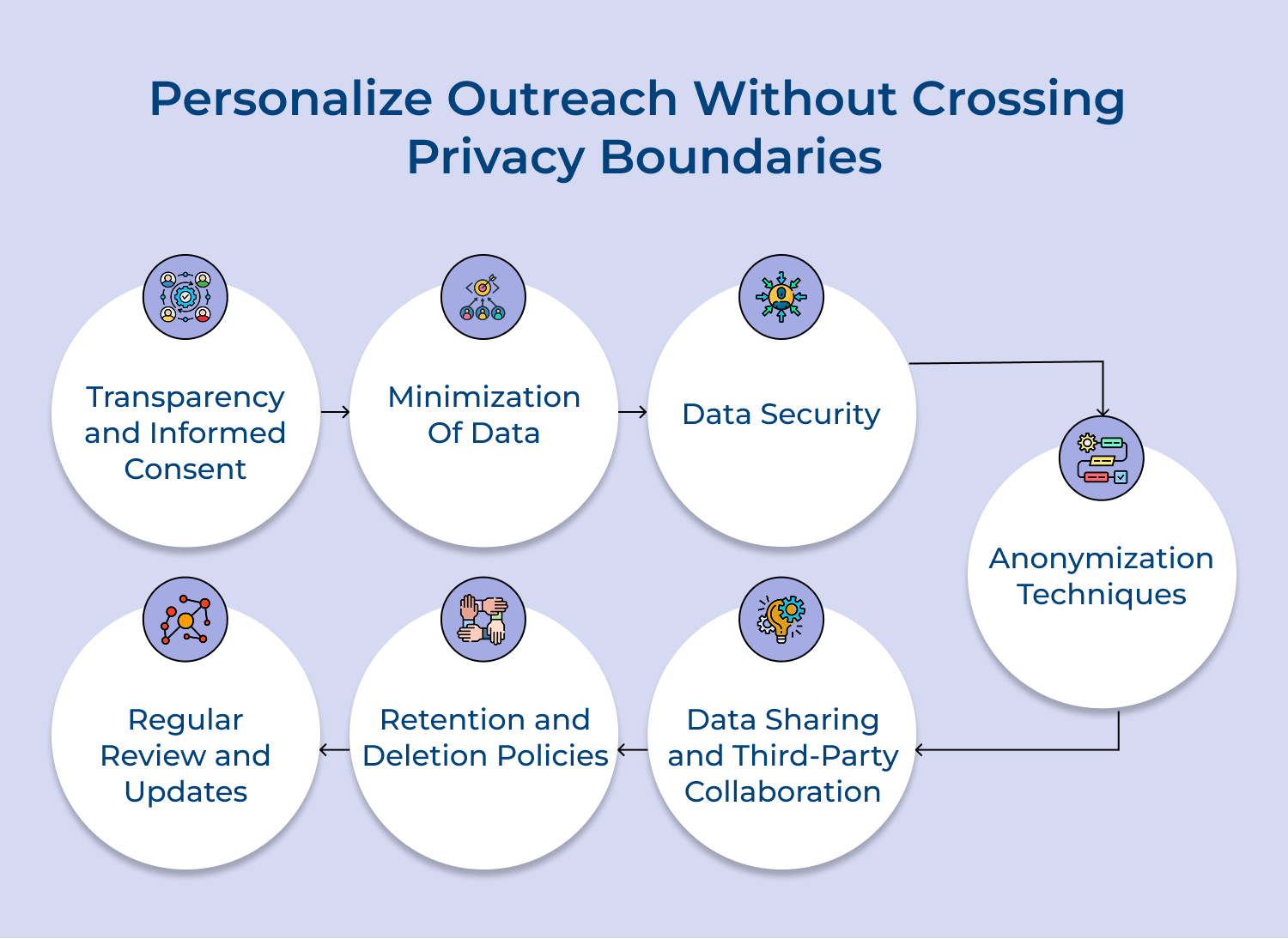
Respecting privacy while delivering personalized service builds trust that strengthens long-term relationships.
Balance personalization with privacy through these essential guidelines:
To implement the best practices start by auditing what data you actually need versus what you’re collecting out of habit.
Predictive tools only work when your team understands and trusts them enough to act confidently. Agents who don’t grasp how predictions are generated will ignore valuable insights or misuse them.
Create hands-on training sessions where agents see real examples of how predictions helped past customers. Walk through specific scenarios showing when to trust predictions and when to question them. Encourage team members to share their experiences so everyone learns from both successes and failures.
Pro Tips:
Measuring results proves whether your predictive efforts are actually working or just consuming resources. Without concrete metrics, you can’t identify what needs improvement or justify continued investment. Clear measurements turn vague promises into demonstrable business value.
What metrics actually matter when you’re trying to prove predictive service works? Focus on outcomes that connect directly to business goals and customer satisfaction. Track metrics that show whether you’re preventing problems rather than just responding faster to existing ones.
Here are the essential metrics to track your progress:
These measurements reveal whether predictions are catching real problems before they escalate into complaints. They show if customers appreciate your proactive approach or find it annoying. Most importantly, they help you calculate the return on your predictive service investment.
Predictive customer service is transforming how businesses in every sector support their customers. Here are real-world examples showing this technology in action across different industries.
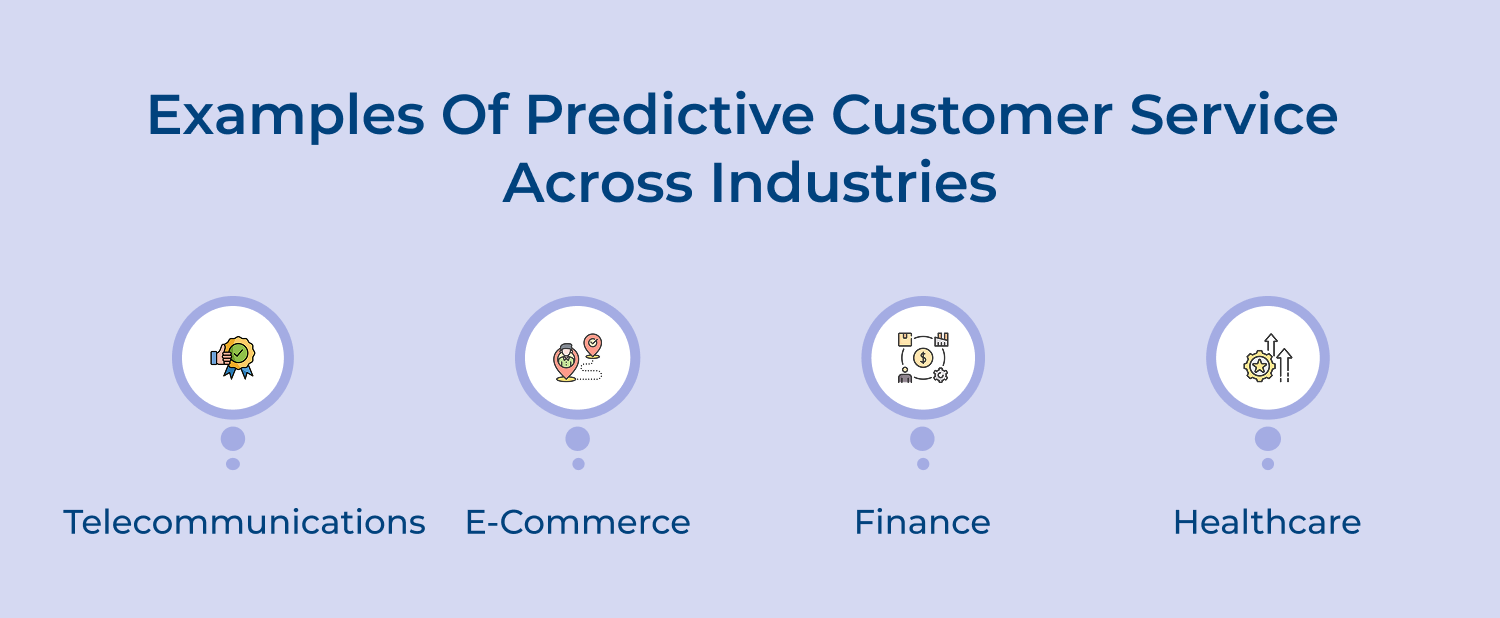
Telecom companies monitor network performance data to detect service issues before customers notice dropped calls or slow speeds. When patterns indicate a customer’s area will experience connectivity problems, they send proactive notifications with expected resolution times. This prevents frustrated calls to support and maintains trust during inevitable technical hiccups.
Online retailers track browsing behavior and cart abandonment patterns to predict when shoppers need assistance completing purchases. If a customer repeatedly views a product but doesn’t buy, the system might trigger a chat offer or send a targeted discount. They also predict delivery issues based on carrier data and reach out before packages arrive late.
Banks analyze transaction patterns to identify unusual activity that might indicate fraud or account compromise. When the system detects irregular spending, it can temporarily freeze the card and send instant alerts. They also predict when customers might overdraft based on spending trends and offer timely alerts or credit line adjustments.
Healthcare providers use appointment history and patient data to predict which individuals are likely to miss upcoming visits. They send personalized reminders through preferred channels and offer flexible rescheduling options before no-shows occur. Predictive tools also identify patients at risk of medication non-compliance and trigger pharmacy outreach for refill support.
Implementing predictive customer service isn’t without its obstacles and complexities. Understanding these challenges helps you prepare solutions before problems derail your efforts.
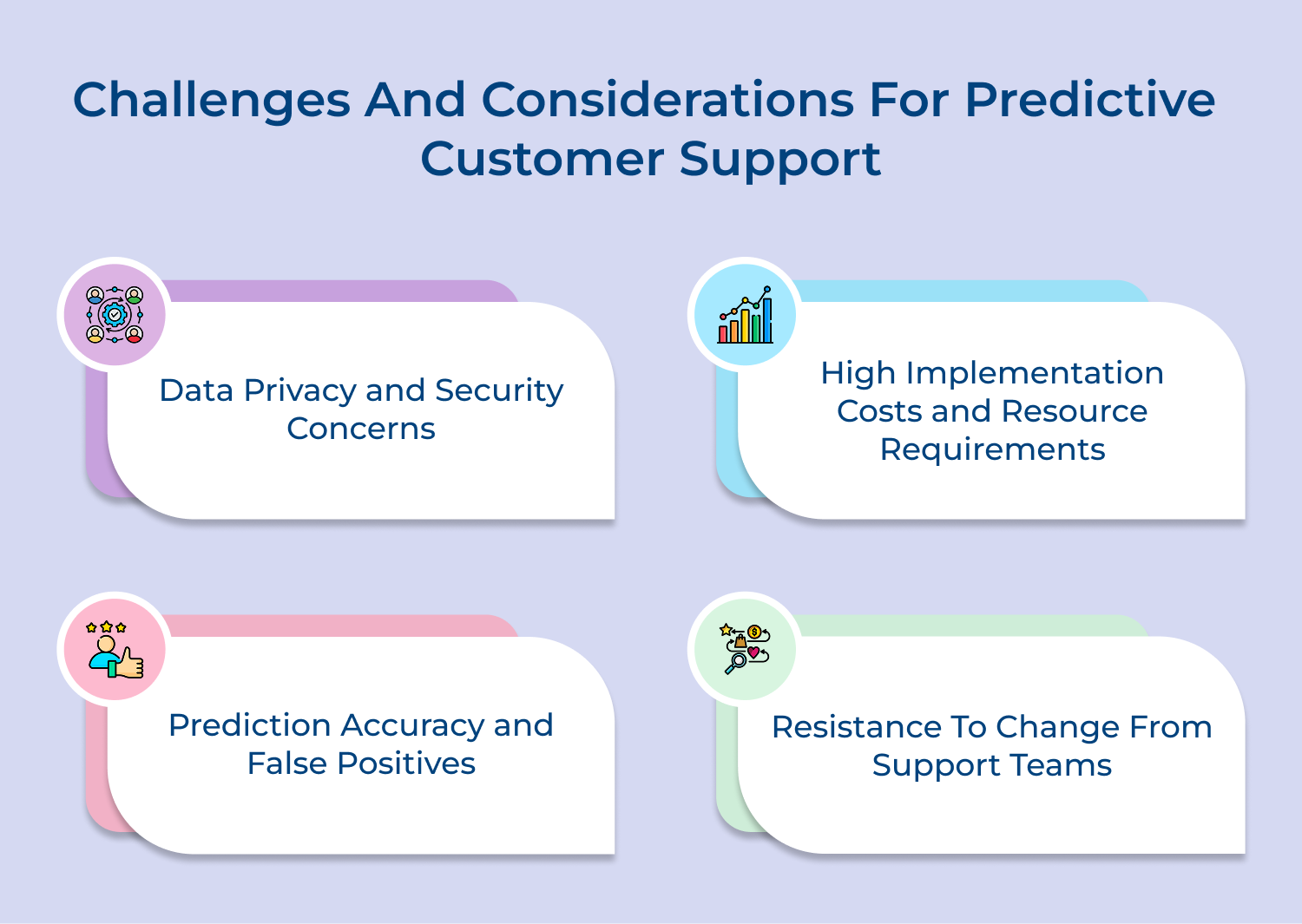
Data Privacy and Security Concerns
Collecting and analyzing customer data for predictions raises serious privacy questions, along with regulatory compliance requirements. Customers worry about how their information is stored and who has access to it. One data breach or privacy violation can destroy the trust you’ve worked hard to build through service.
High Implementation Costs and Resource Requirements
Building predictive systems requires significant upfront investment in technology, data infrastructure and specialized talent. Small businesses often struggle to justify the expense when ROI isn’t immediately clear. The costs of maintaining and updating these systems can strain budgets over time.
Prediction Accuracy and False Positives
Even sophisticated algorithms make mistakes that lead to unnecessary interventions or missed problems entirely. False positives waste agent time and annoy customers with irrelevant outreach attempts. Inaccurate predictions erode trust in the system and cause teams to ignore valuable alerts.
Resistance to Change from Support Teams
Support agents accustomed to reactive work may resist adopting predictive tools they don’t understand. Some fear that automation will replace their jobs or undermine their expertise. Without buy-in from frontline staff, even the best predictive system sits unused.
Solutions to Overcome These Challenges
Predictive customer service shifts your team from constantly putting out fires to preventing them entirely. When you anticipate customer needs before they become problems, everyone wins through reduced effort and stronger relationships.
Start small with quality data and clear metrics that prove value over time. Balance automation with human judgment while respecting privacy boundaries. The future of customer service isn’t about responding faster but about solving problems before customers even notice they exist.

How is AI used in Predictive customer support?
AI analyzes historical customer data to identify patterns that signal upcoming problems or needs. Machine learning algorithms process information from support tickets, product usage and customer interactions. These insights trigger automated alerts or proactive outreach before issues escalate into complaints.
How is artificial intelligence used in predicting customer behaviors?
AI tracks how customers interact with products and services to spot deviations from normal patterns. It identifies behavioral signals like decreased usage or repeated failed actions that indicate dissatisfaction. The system then predicts likely next steps such as churn or support requests.
How does Predictive Customer Service prevent customer issues?
It monitors systems and customer behavior continuously to catch problems in their earliest stages. When patterns indicate potential issues, the system alerts support teams to intervene immediately. This stops small frustrations from growing into major complaints or service failures.
How does Predictive Customer Service improve customer satisfaction?
Customers appreciate when businesses solve problems without requiring them to reach out for help. Proactive service demonstrates that companies truly understand and care about customer needs. This effortless experience builds loyalty and generates positive word-of-mouth recommendations.
Is Predictive Customer Service suitable for small businesses?
Yes, small businesses can start with affordable tools that analyze basic customer data. They don’t need enterprise-level systems to predict simple patterns like purchase timing or common support issues. Starting small with focused use cases delivers value without overwhelming limited resources.
 https://omni24.io/wp-content/uploads/2026/07/Web-Self-Service.png
1257
2400
Webvision Solution
https://omni24.io/wp-content/uploads/2023/04/Omni-Logo-1.svg
Webvision Solution2026-07-23 05:39:582026-07-23 05:39:58Web Self Service: What it is, Features and its Benefits
https://omni24.io/wp-content/uploads/2026/07/Web-Self-Service.png
1257
2400
Webvision Solution
https://omni24.io/wp-content/uploads/2023/04/Omni-Logo-1.svg
Webvision Solution2026-07-23 05:39:582026-07-23 05:39:58Web Self Service: What it is, Features and its Benefits https://omni24.io/wp-content/uploads/2026/07/Knowledge-Base-SEO-1.png
1396
2400
Webvision Solution
https://omni24.io/wp-content/uploads/2023/04/Omni-Logo-1.svg
Webvision Solution2026-07-22 09:44:572026-07-23 06:16:41What is Knowledge Base SEO & How to Create it?
https://omni24.io/wp-content/uploads/2026/07/Knowledge-Base-SEO-1.png
1396
2400
Webvision Solution
https://omni24.io/wp-content/uploads/2023/04/Omni-Logo-1.svg
Webvision Solution2026-07-22 09:44:572026-07-23 06:16:41What is Knowledge Base SEO & How to Create it? https://omni24.io/wp-content/uploads/2026/07/customer-experience-benefits.png
1257
2400
Tushar Joshi
https://omni24.io/wp-content/uploads/2023/04/Omni-Logo-1.svg
Tushar Joshi2026-07-20 06:28:322026-07-20 06:28:32What are the Benefits of Customer Experience for Business?
https://omni24.io/wp-content/uploads/2026/07/customer-experience-benefits.png
1257
2400
Tushar Joshi
https://omni24.io/wp-content/uploads/2023/04/Omni-Logo-1.svg
Tushar Joshi2026-07-20 06:28:322026-07-20 06:28:32What are the Benefits of Customer Experience for Business?
Whether it’s about acquire, engage or support – Omni24 covers all your customer engagement needs in one complete platform.

Copyright ©2026 Veemo All rights reserved.
CA, Los Angeles, Hall Ave, 19011