How to Measure Customer Experience (CX): A Complete Guide
Understanding the right metrics of CX measurement is vital because it shows how your clients feel about your business when they reach out with a question or concern.

Understanding the right metrics of CX measurement is vital because it shows how your clients feel about your business when they reach out with a question or concern.
A competitive business market, providing a positive customer experience has become more important than ever. It can be the determining factor in whether a customer becomes a loyal advocate for your brand or walks away and never comes back.
86% of consumers would leave a brand after as few as two poor experiences.
Customer experience metrics measure how easy, enjoyable, and useful customers find their experience with your business across the entire customer journey. Measuring and optimizing for improved customer experience results in increased customer loyalty and customer satisfaction.
Let us explore how to measure customer experience and discuss the key CX measurement metrics to understand brand performance.
Customer experience (CX) measurement refers to the process of evaluating, tracking and analyzing the interactions between a customer as well as company over a particular period. It involves collecting data from various touchpoints of the customer journey to get an in-depth understanding of how they feel about their experience with the business.
CX measurement is an essential part of customer experience design (CX design) as it helps businesses make informed decisions that reflect on delivering delightful experiences and achieving business goals.
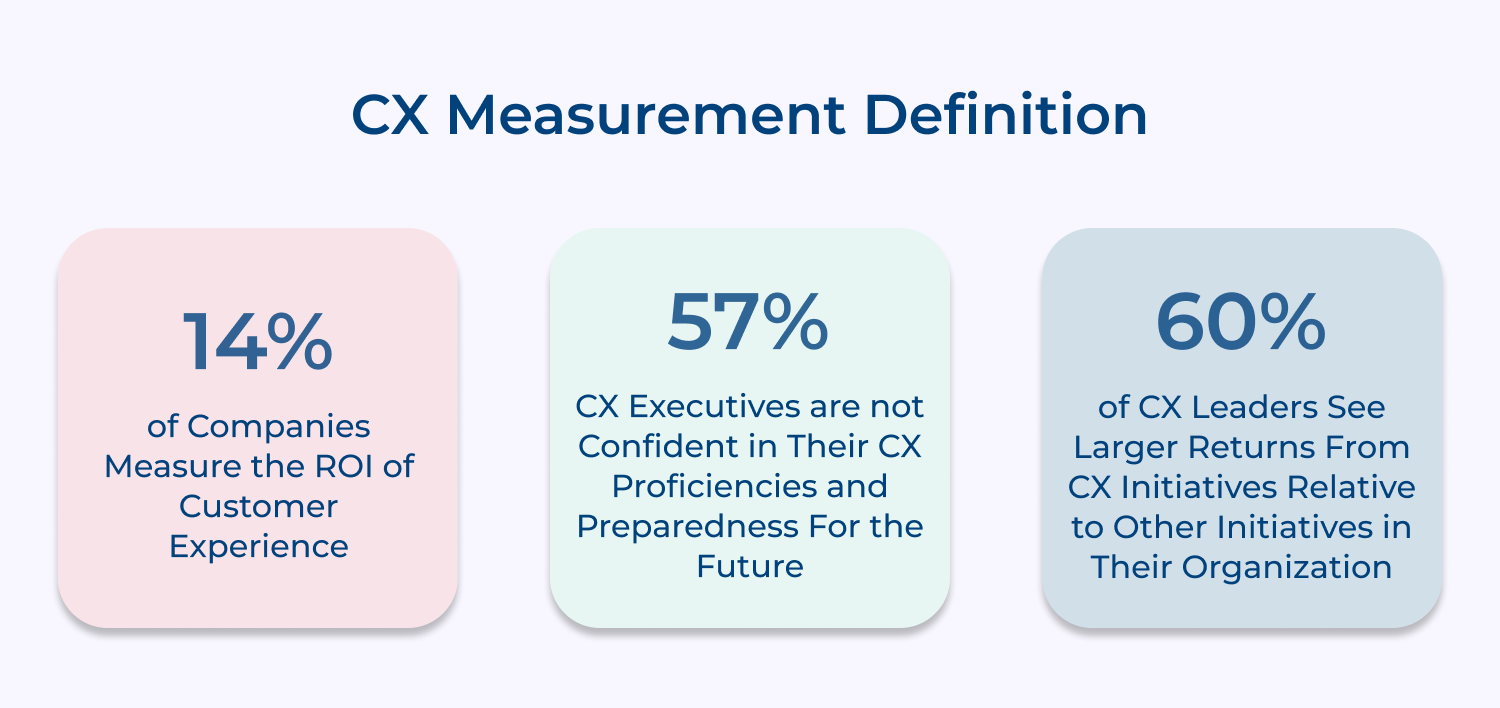
Key Objectives:
Measuring customer experience (CX) has numerous benefits for businesses, ranging from improving customer satisfaction to increasing revenue and profitability.
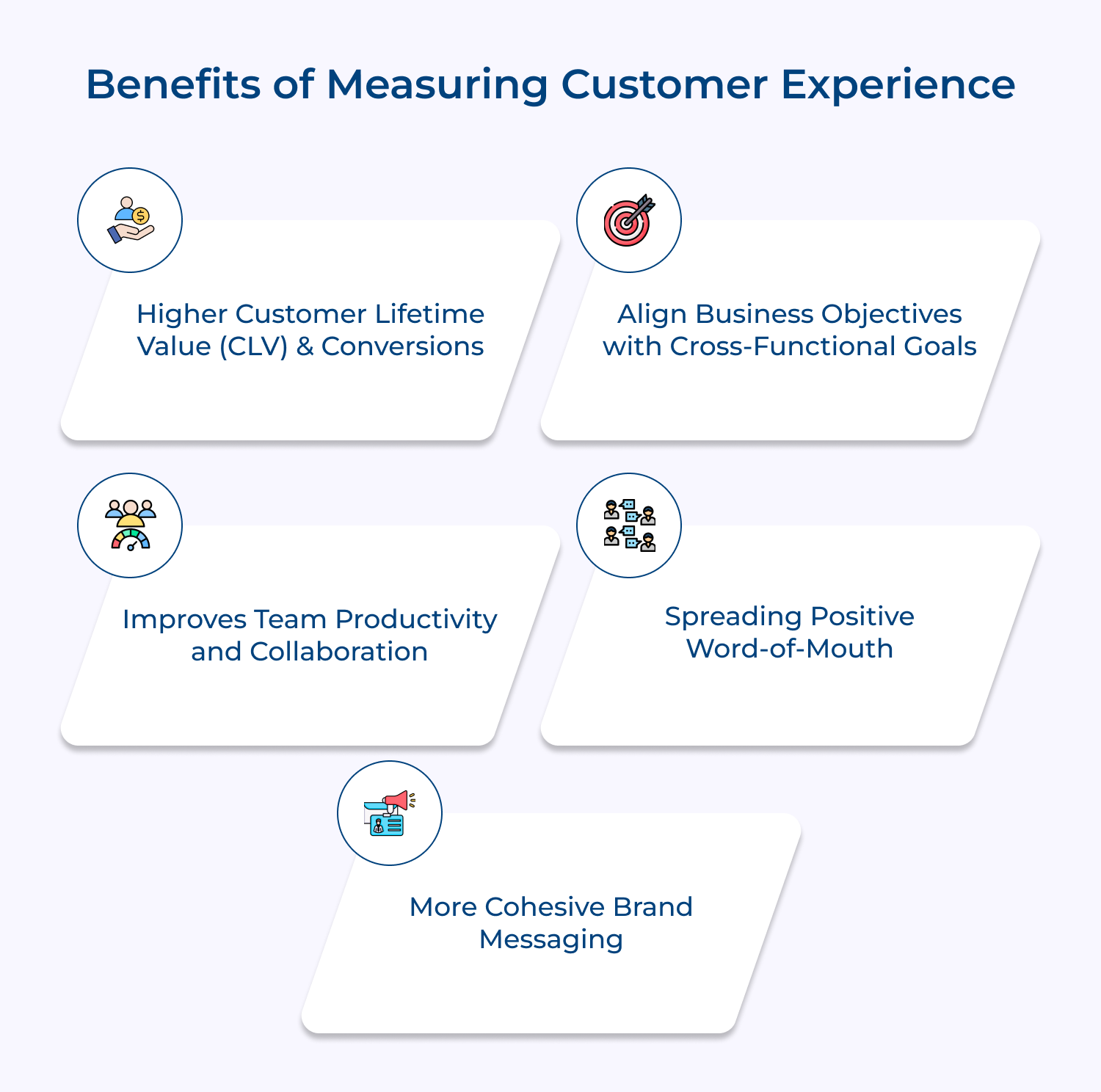
When you measure customer experience regularly, you can identify what delights your customers and what frustrates them. This knowledge lets you make targeted improvements that keep customers coming back and spending more over time. Better experiences also naturally lead to higher conversion rates as potential customers encounter fewer friction points in their journey to purchase.
Customer experience metrics give everyone in your organization a common language to understand success. Teams stop working in isolation and start seeing how their individual contributions affect the customer journey. This shared understanding helps marketing talk to product development who can better collaborate with customer service, all focused on improving those key metrics that matter most.
When teams have clear customer experience targets, they waste less time on initiatives that don’t move the needle. People become more motivated when they see how their work directly impacts real customers. The focus shifts from internal politics to external results, and teams naturally find better ways to work together when united by customer-centered goals.
Customers who have their expectations measured and met become your best marketers. They tell friends about their great experiences and post positive reviews online without prompting. This organic promotion builds trust with potential customers in ways paid advertising simply cannot match. Word-of-mouth recommendations continue working for you long after the initial interaction.
Measuring customer experience helps you understand which parts of your brand promise resonate most. You can then refine your messaging to emphasize these strengths across all touchpoints. Your marketing materials begin to reflect actual customer experiences rather than aspirational claims. This authentic alignment between what you say and what you deliver builds lasting credibility.
Measuring customer experience can be challenging. The use of specific key metrics enables businesses to gauge the effectiveness of their CX design strategies.
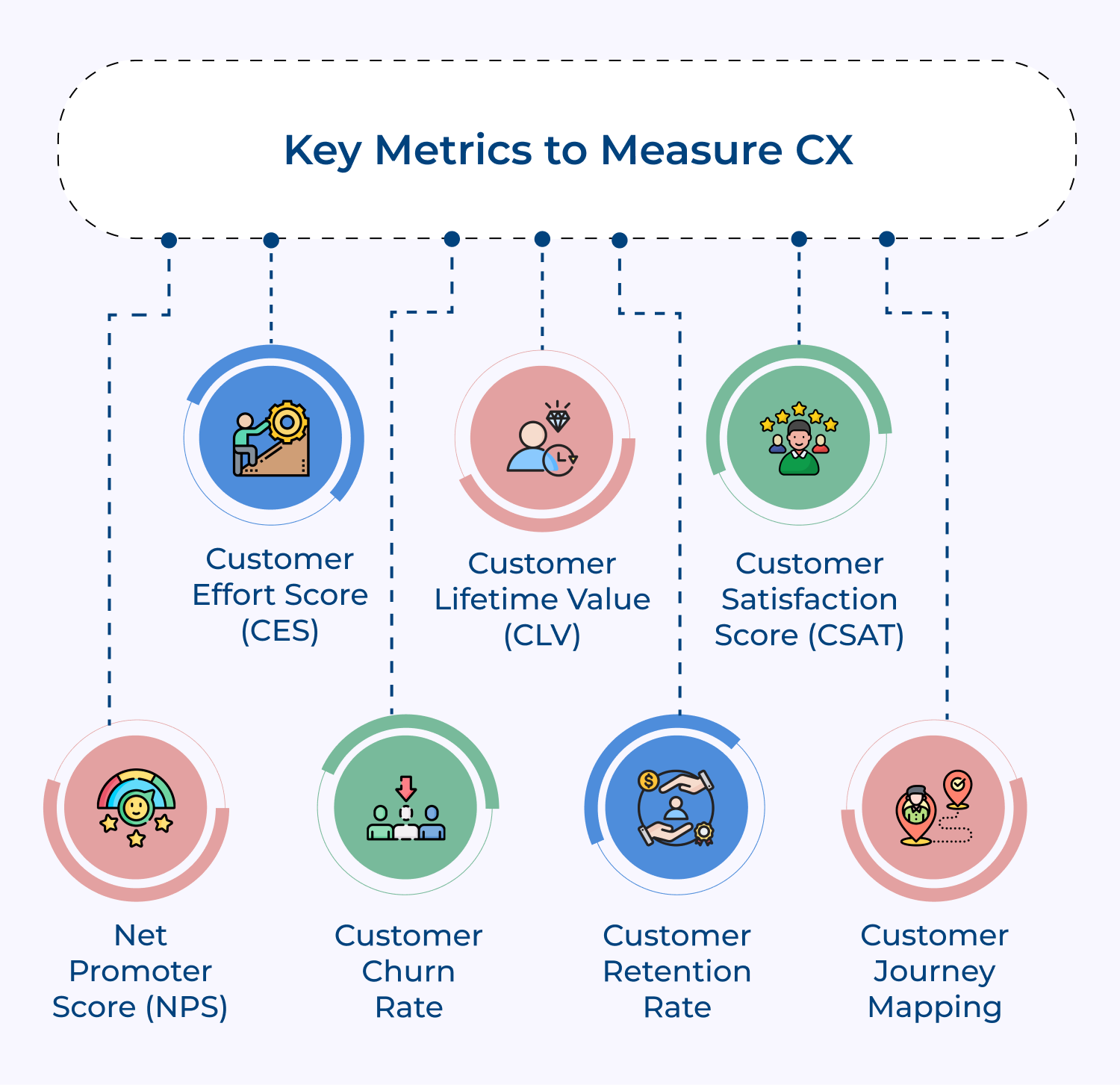
Net Promoter Score (NPS) is a metric used to measure customer loyalty by assessing the likelihood of customers recommending a product or service to others. It is a powerful tool for evaluating customer satisfaction levels, as it helps businesses to identify both satisfied and dissatisfied customers.
Why is NPS important?
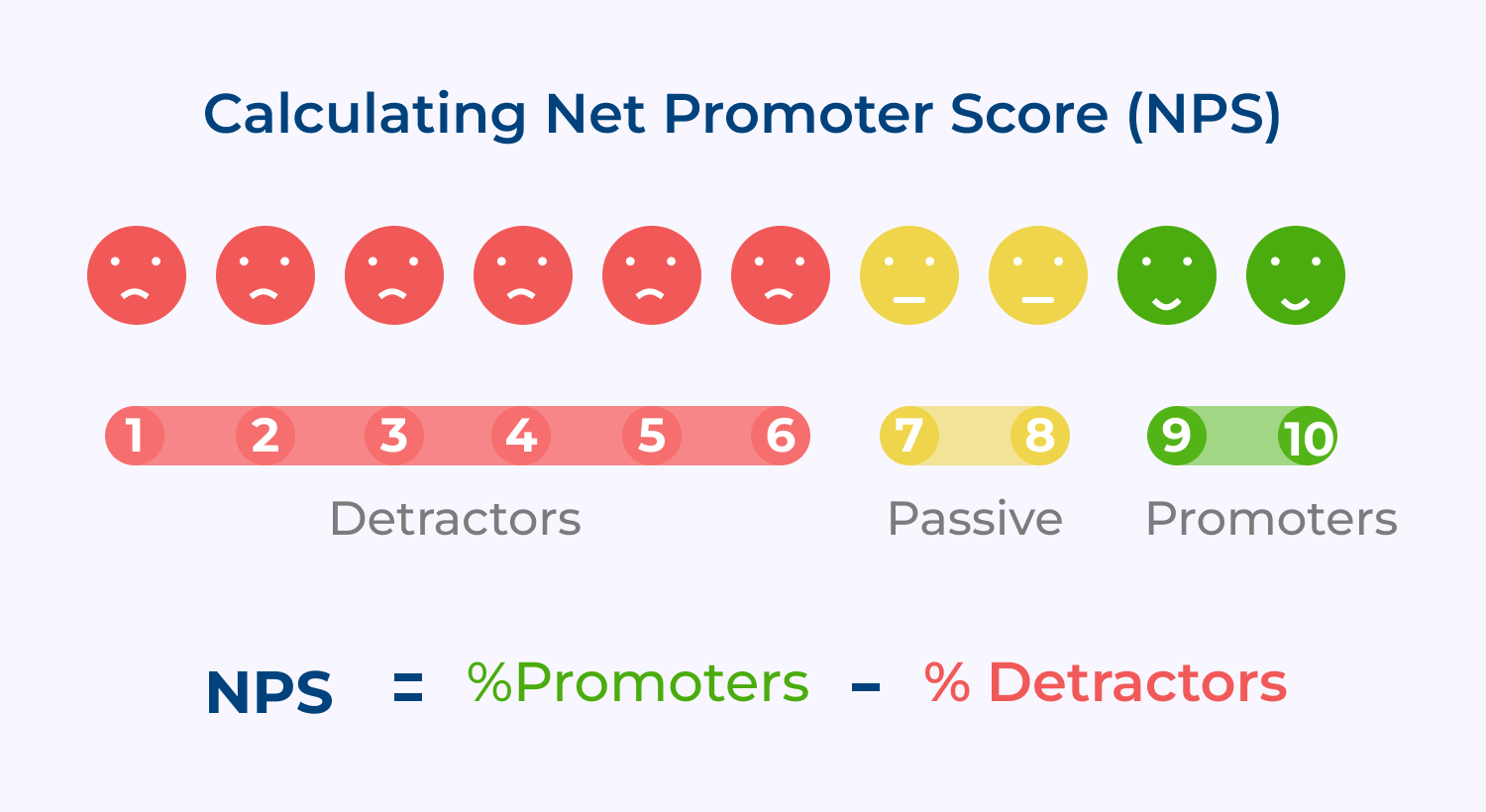
Customers are asked to rate their likelihood of recommending a product or service on a scale of 0 to 10; they are then divided into three categories:
Calculate the NPS score: subtract the percentage of detractors from the percentage of promoters. The score ranges from -100 to 100.
Customer Effort Score (CES) represents the amount of effort a customer has to put in to complete a task or interaction with a business. It can be used to measure the ease and effectiveness of customer interactions.
Why is CES important?
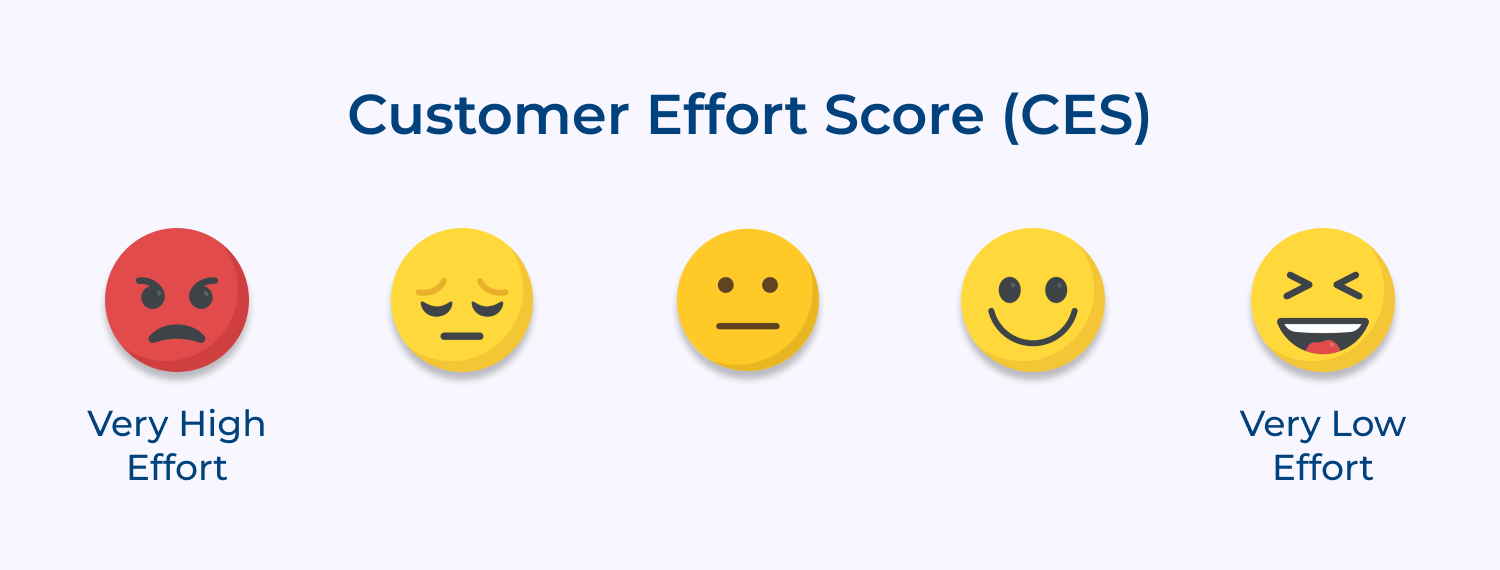
CES is assessed by asking customers to rate their level of effort to complete a specific task or interaction using a scale of 1-7 (1 being low effort and 7 being high effort).
Customer churn rate measures the percentage of customers who stop using a product or service over a specific period.
The churn rate metric is vital because it can indicate whether a business is losing customers, which could impact revenue and overall profitability. By reducing churn rate, businesses can increase customer lifetime value as well as improve customer acquisition rates.
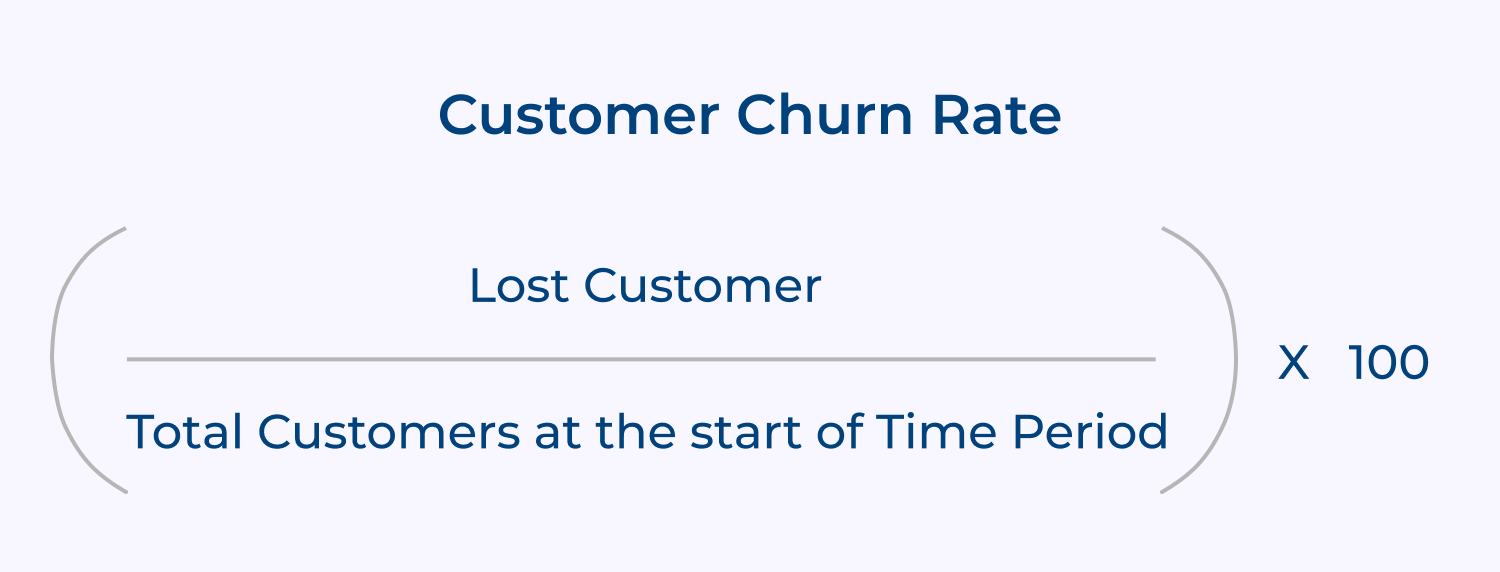
Why is Customer Churn Rate important?
Customer Lifetime Value (CLV) is the net profit that a business can expect to earn from one customer throughout its relationship with the business. CLV can guide how much a business should invest in acquiring new customers and retaining existing ones.
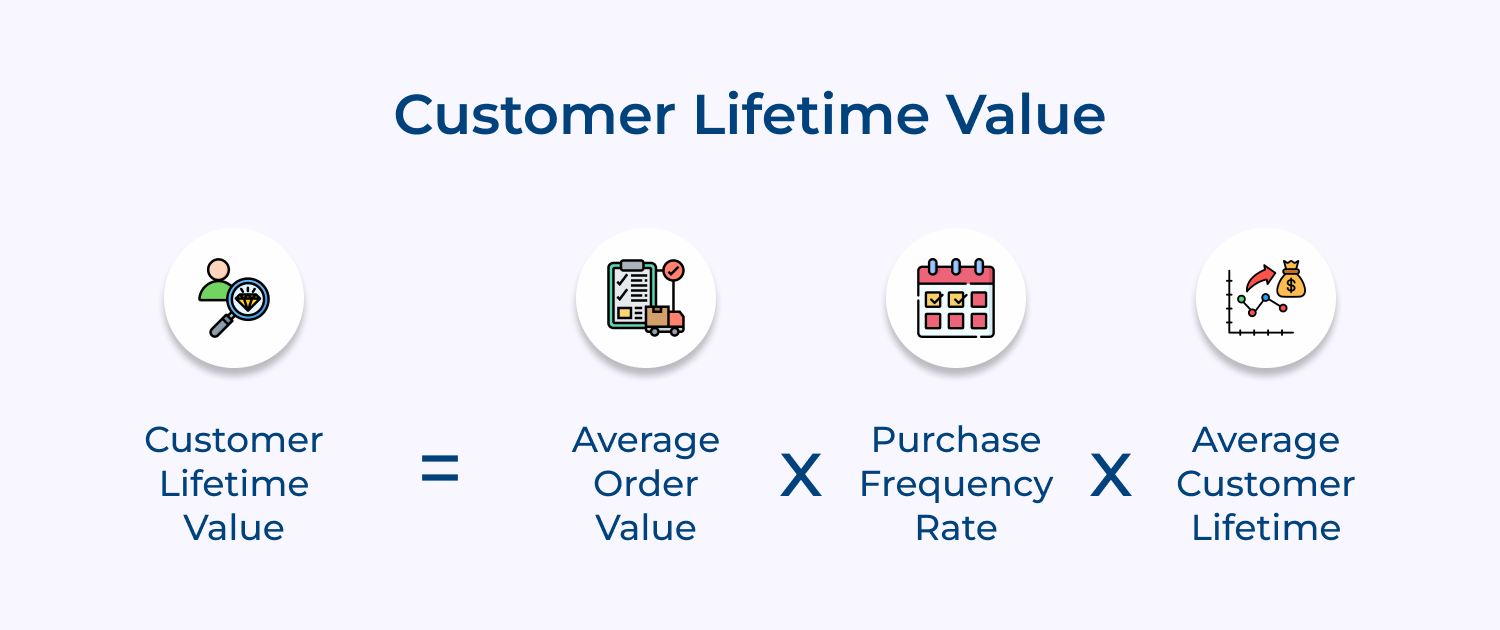
Businesses with a higher CLV can invest more in customer acquisition and retention in order to maximize profit.
Why is Customer Lifetime Value important?
Customer retention rate measures the percentage of customers that a business has retained over a specified period. Retention rate is critical to long-term business success as retaining customers is more cost-effective than acquiring new ones.
A high retention rate is a sign of customer satisfaction and loyalty.
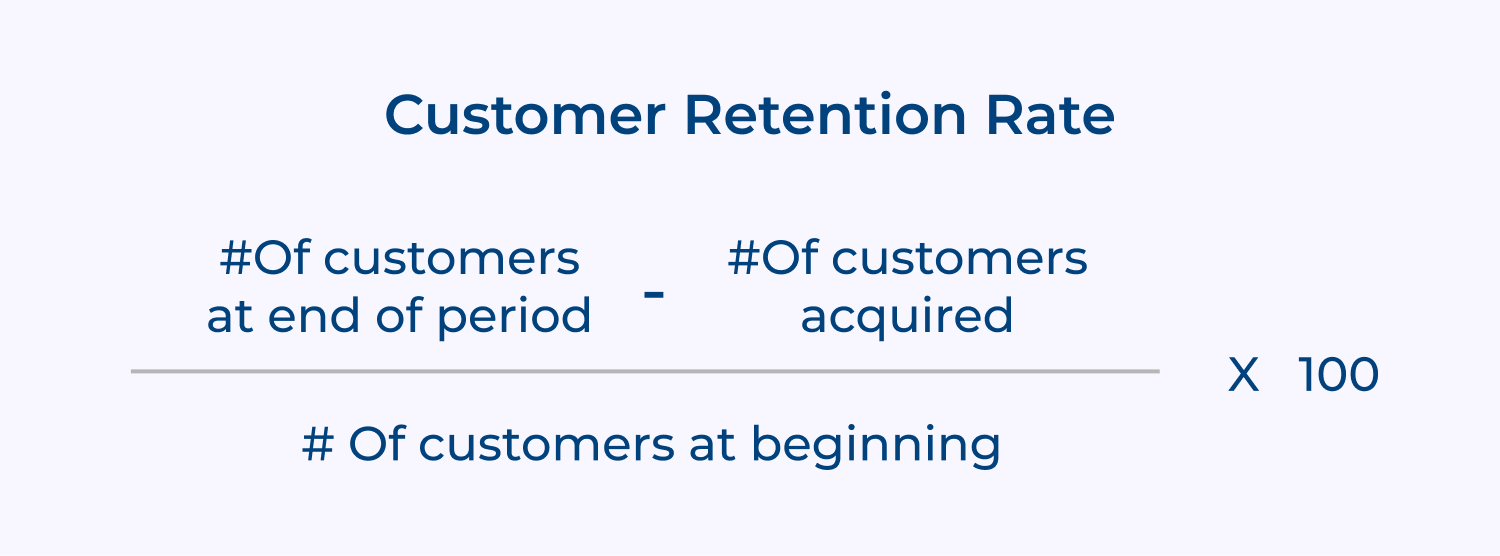
Why is Customer Retention Rate Important?
Customer Satisfaction Score (CSAT) measures how satisfied customers are with a product, service, or interaction. CSAT is determined by asking customers to rate their satisfaction levels using a scale of 1-5 or 1-10.
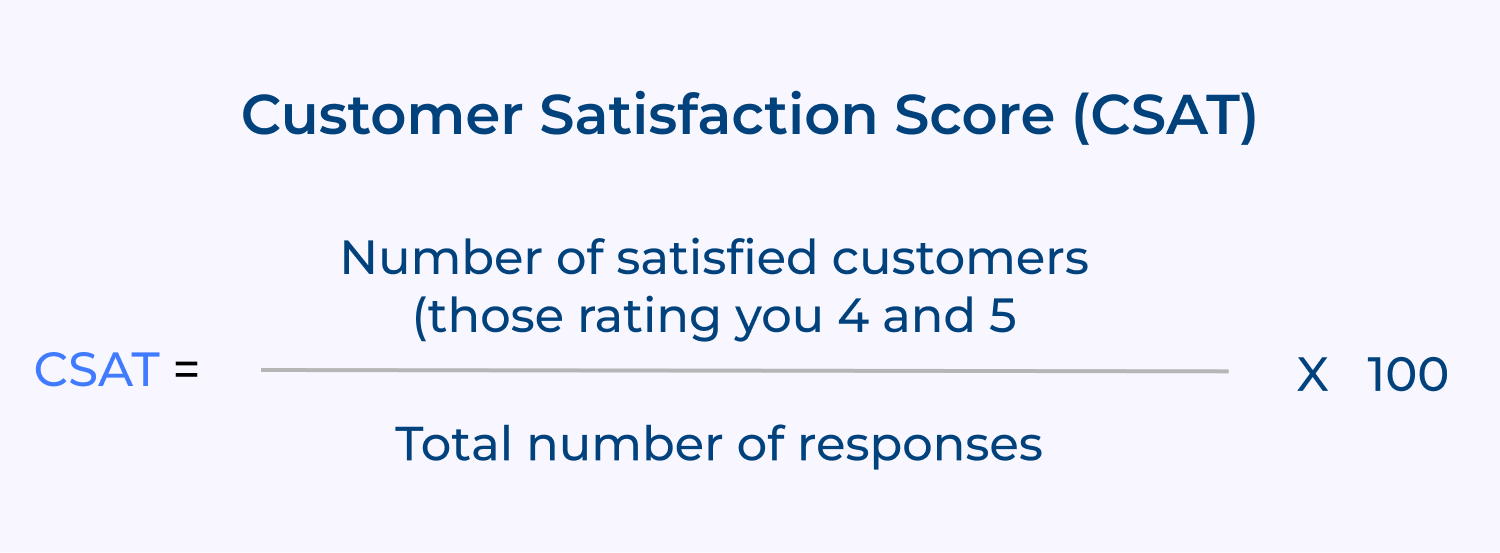
Why is CSAT important?
The mapping client journey refers to a process of documenting each step of a customer’s interaction with a business, from initial awareness to advocacy.
Businesses can gain a more comprehensive understanding of each touchpoint in the journey, enabling them to identify gaps and make improvements by mapping customer journeys.
Why is customer journey mapping important?
Brands can create a better and more tailored experience for their customers by designing the customer experience with the customer in mind. Implementing CX design best practices, such as developing customer personas as well as using multiple metrics for measurement allows businesses to gain a more holistic understanding of customers.
Through effective CX design and measurement, businesses can create a sustainable competitive advantage. It also provides a positive and memorable experience to its customers. The benefits of actionable insights and improved customer loyalty make it a worthwhile investment for businesses.

Why is measuring customer experience important?
Measuring customer experience is crucial for several reasons. It helps companies identify the strengths and weaknesses of their customer experience. The insights gained from customer feedback, surveys, and other measurement tools provide businesses with actionable insights that can help them improve their customer experience. The data can then be used to retain customers through personalized and targeted marketing strategies.
How do you measure KPI for customer experience?
Measuring Key Performance Indicators (KPIs) is a critical part of measuring customer experience. Below are some KPIs that businesses can use to measure customer experience
What is a CX scorecard?
A Customer Experience CX scorecard is a vital tool that helps businesses track their progress toward their customer experience goals. The scorecard provides a summary of the company’s performance and highlights areas that require improvement. The key components of a CX scorecard include
What is a meaningful measurement of the customer experience?
Meaningful measurement of the customer experience involves collecting data that provides insights into customer behavior, customer satisfaction and customer sentiment. The data should be analyzed to gain insights into what is driving customer satisfaction, dissatisfaction and loyalty. The measurement should be precise, comprehensive and actionable.
 https://omni24.io/wp-content/uploads/2026/08/AI-Customer-Service-Agents.png
1256
2400
Webvision Solution
https://omni24.io/wp-content/uploads/2023/04/Omni-Logo-1.svg
Webvision Solution2026-09-21 04:48:512026-09-21 04:48:51How to Build an AI Customer Service Agents: 8 Key Steps
https://omni24.io/wp-content/uploads/2026/08/AI-Customer-Service-Agents.png
1256
2400
Webvision Solution
https://omni24.io/wp-content/uploads/2023/04/Omni-Logo-1.svg
Webvision Solution2026-09-21 04:48:512026-09-21 04:48:51How to Build an AI Customer Service Agents: 8 Key Steps https://omni24.io/wp-content/uploads/2026/08/Omnichannel-Conversational-AI.png
1256
2400
Tushar Joshi
https://omni24.io/wp-content/uploads/2023/04/Omni-Logo-1.svg
Tushar Joshi2026-09-16 03:51:072026-09-16 03:51:07How to Build Omnichannel Conversational AI Strategy
https://omni24.io/wp-content/uploads/2026/08/Omnichannel-Conversational-AI.png
1256
2400
Tushar Joshi
https://omni24.io/wp-content/uploads/2023/04/Omni-Logo-1.svg
Tushar Joshi2026-09-16 03:51:072026-09-16 03:51:07How to Build Omnichannel Conversational AI Strategy https://omni24.io/wp-content/uploads/2026/08/Customer-Service-Teams.png
1256
2400
Tushar Joshi
https://omni24.io/wp-content/uploads/2023/04/Omni-Logo-1.svg
Tushar Joshi2026-09-15 04:01:522026-09-15 04:02:16How to Build Customer Service Teams: 6 Key Steps
https://omni24.io/wp-content/uploads/2026/08/Customer-Service-Teams.png
1256
2400
Tushar Joshi
https://omni24.io/wp-content/uploads/2023/04/Omni-Logo-1.svg
Tushar Joshi2026-09-15 04:01:522026-09-15 04:02:16How to Build Customer Service Teams: 6 Key Steps
Whether it’s about acquire, engage or support – Omni24 covers all your customer engagement needs in one complete platform.

Copyright ©2026 Veemo All rights reserved.
CA, Los Angeles, Hall Ave, 19011