How to Improve Buying Experience: 10 Best Strategies
A strong buying experience removes friction, builds confidence and turns interested shoppers into loyal customers through personalized purchase journeys.
A strong buying experience removes friction, builds confidence and turns interested shoppers into loyal customers through personalized purchase journeys.
In a competitive market, businesses often struggle to create a seamless customer buying experience. This can lead to abandoned carts, lost sales and frustrated shoppers. In fact, recent data shows that about 70% of online shopping carts are abandoned before checkout — largely due to friction in the buying journey.
Customers now expect faster and more personalized shopping journeys. If these expectations aren’t met, they will likely turn to competitors. A complicated purchasing process can also result in negative reviews and harm your brand’s reputation.
Let’s explore how optimizing your buying experience can boost conversions, enhance customer loyalty and build brand trust.
The buying experience refers to the overall journey a customer undergoes when purchasing a product or service, including all interactions with a brand or retailer from the initial discovery to the post-purchase phase. It encompasses a range of elements such as ease of navigation, product availability, customer service and even the emotional responses that influence decisions. This experience is shaped by both online and offline channels, ensuring that each touchpoint reinforces the customer’s perception of a brand.
A well-crafted buying experience builds customer loyalty, drives repeat purchases and generates positive word-of-mouth marketing. Research shows that customers are willing to pay more for better experiences, making it a crucial differentiator for businesses.
Key objectives:
A strong buying experience depends on clear communication methods and well-defined project plans that guide customers smoothly. Let’s explore its importance:
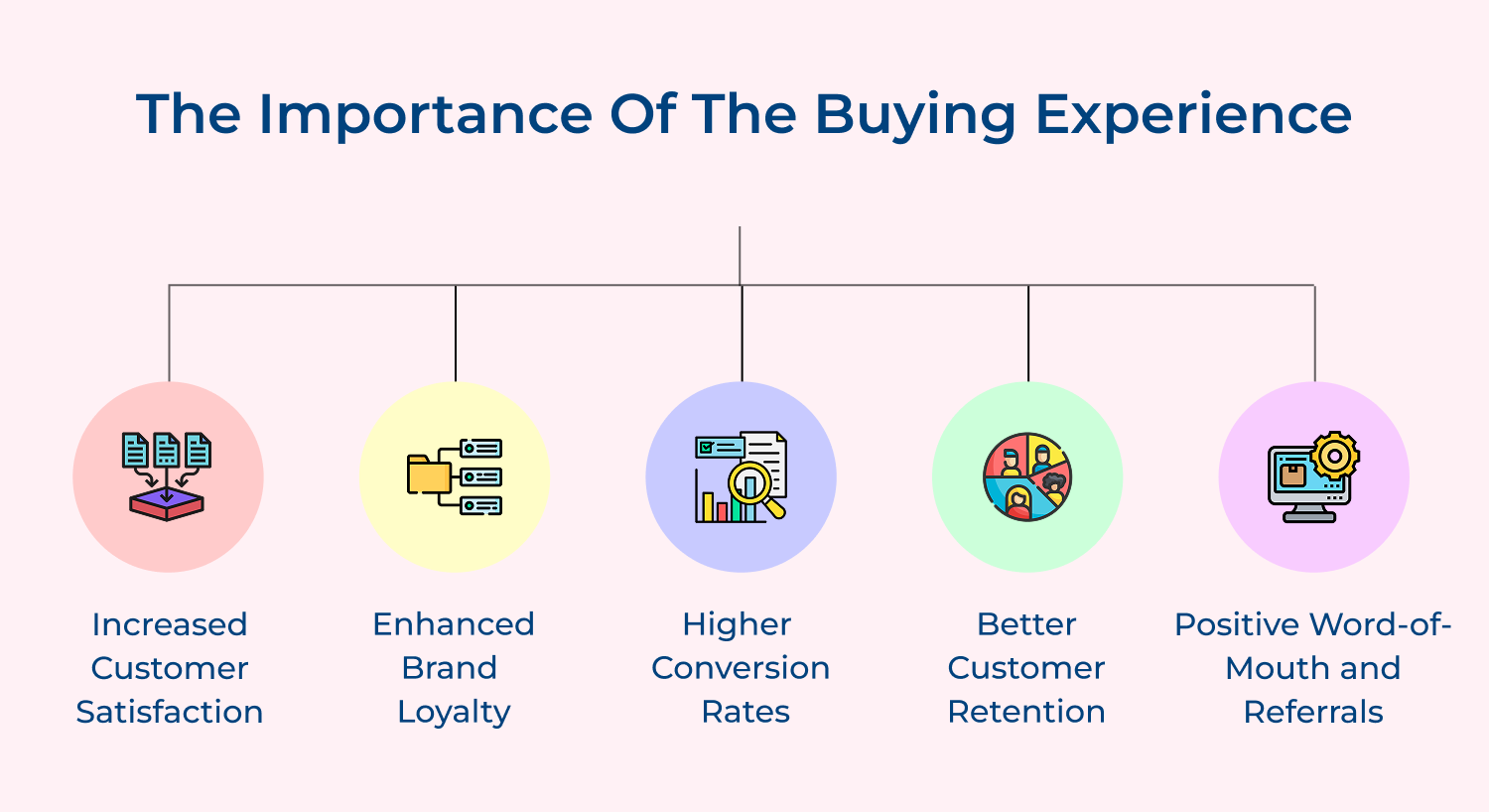
1. Increased Customer Satisfaction
A well-designed buying experience plays a huge role in keeping customers happy. When the process feels smooth and customers feel valued, they’re more likely to complete their purchase without hesitation. Clear project plans help structure the journey and align it with key project objectives, making each step feel purposeful. This clarity reduces confusion as well as builds confidence. Customers remember how easy the experience felt and are more likely to return or talk positively about it.
2. Enhanced Brand Loyalty
A positive buying experience goes a long way in building long-term loyalty. When customers enjoy consistent and easy interactions, they naturally feel closer to the brand. Removing common communication barriers ensures expectations are clear at every stage. This sense of reliability strengthens trust. Loyal customers also tend to be more understanding if minor issues arise, which helps maintain strong relationships over time.
3. Higher Conversion Rates
An optimized buying experience directly impacts conversion rates. When customers can quickly find what they need and move through checkout without friction, they’re more likely to complete the purchase. Aligning the journey with clear project objectives keeps the process focused and intuitive. Fewer distractions and smoother steps reduce hesitation while encouraging faster decisions, often leading to higher sales as well as impulse purchases.
4. Better Customer Retention
Happy customers are far more likely to come back. A consistent and frictionless buying experience ensures satisfaction at every touchpoint, from browsing to post-purchase support. When customers know what to expect, they feel comfortable returning. This consistency builds trust over time, leading to repeat purchases. Small rewards or incentives for returning customers can further strengthen their commitment to your brand.
5. Positive Word-of-Mouth and Referrals
Customers who enjoy a smooth buying experience often share it with others. Positive word-of-mouth carries strong influence because people trust recommendations from friends and family. These shared experiences act as organic marketing for your brand. When customers genuinely enjoy the journey, referrals happen naturally, helping you attract new customers without significant marketing costs.
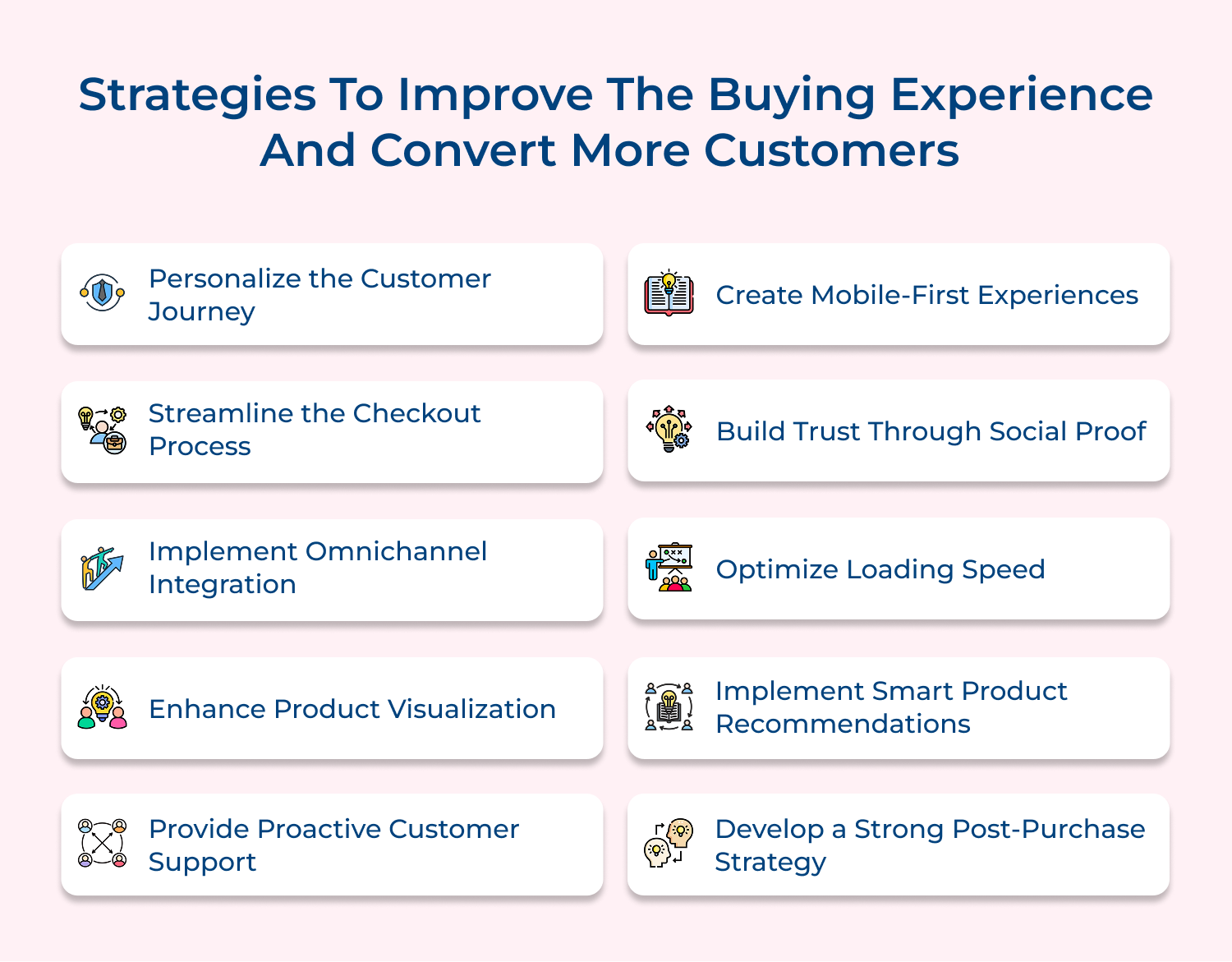
Improving the buying experience starts with structured planning and clear project schedules that keep every touchpoint consistent. Here are 10 strategies to improve buying experience:
Personalization tailors the buying journey to individual preferences, behaviors and past interactions, making each experience feel relevant while also being thoughtful. Modern shoppers expect brands to anticipate their needs and deliver value at every step.
When personalization stays within a clear project scope, it improves engagement, strengthens emotional connections and boosts conversions. Using customer data, AI and insights helps deliver targeted recommendations, content, as well as offers that build lasting brand loyalty.
Pro tips:
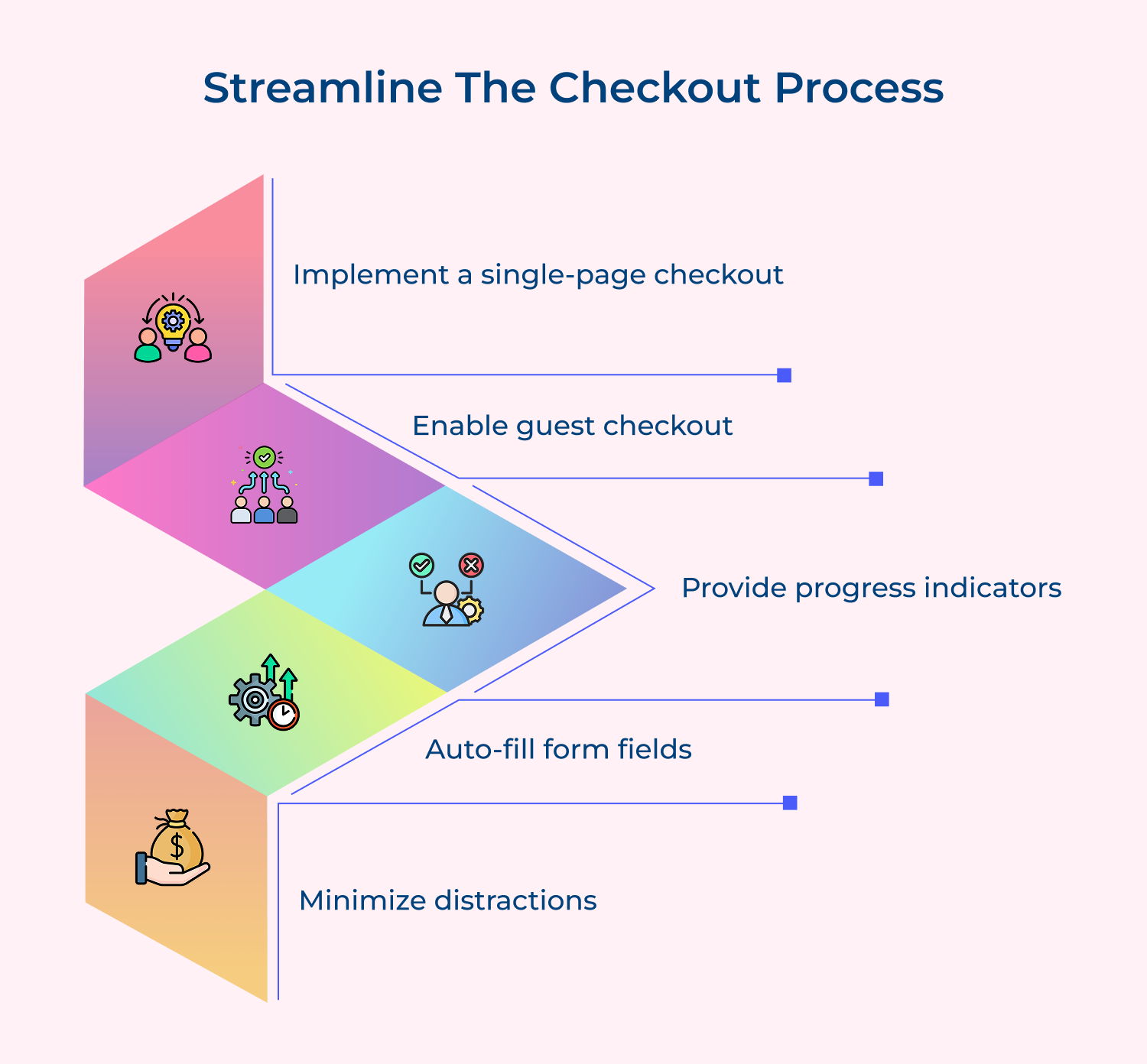
A simplified, efficient checkout process that minimizes steps, reduces friction and makes it easy for customers to complete their purchase without unnecessary complications or barriers.
Cart abandonment often occurs due to complicated checkout processes. A streamlined checkout reduces frustration, increases conversion rates and improves overall customer satisfaction.
Design a minimal-step checkout flow with clear progress indicators, guest checkout options and multiple payment methods. Focus on removing unnecessary fields and providing a clear path to purchase completion.
Tips:
A unified approach to commerce that creates a consistent experience across all channels, allowing customers to seamlessly move between online, mobile and physical touchpoints.
Customers expect consistency across all shopping channels. Omnichannel integration ensures a smooth transition between platforms, enhancing customer satisfaction while increasing the likelihood of purchase completion.
Create a centralized system that synchronizes inventory, pricing and customer data across all channels. Enable features like buy online, pick up in-store (BOPIS) and cross-channel returns.
Pro tips:
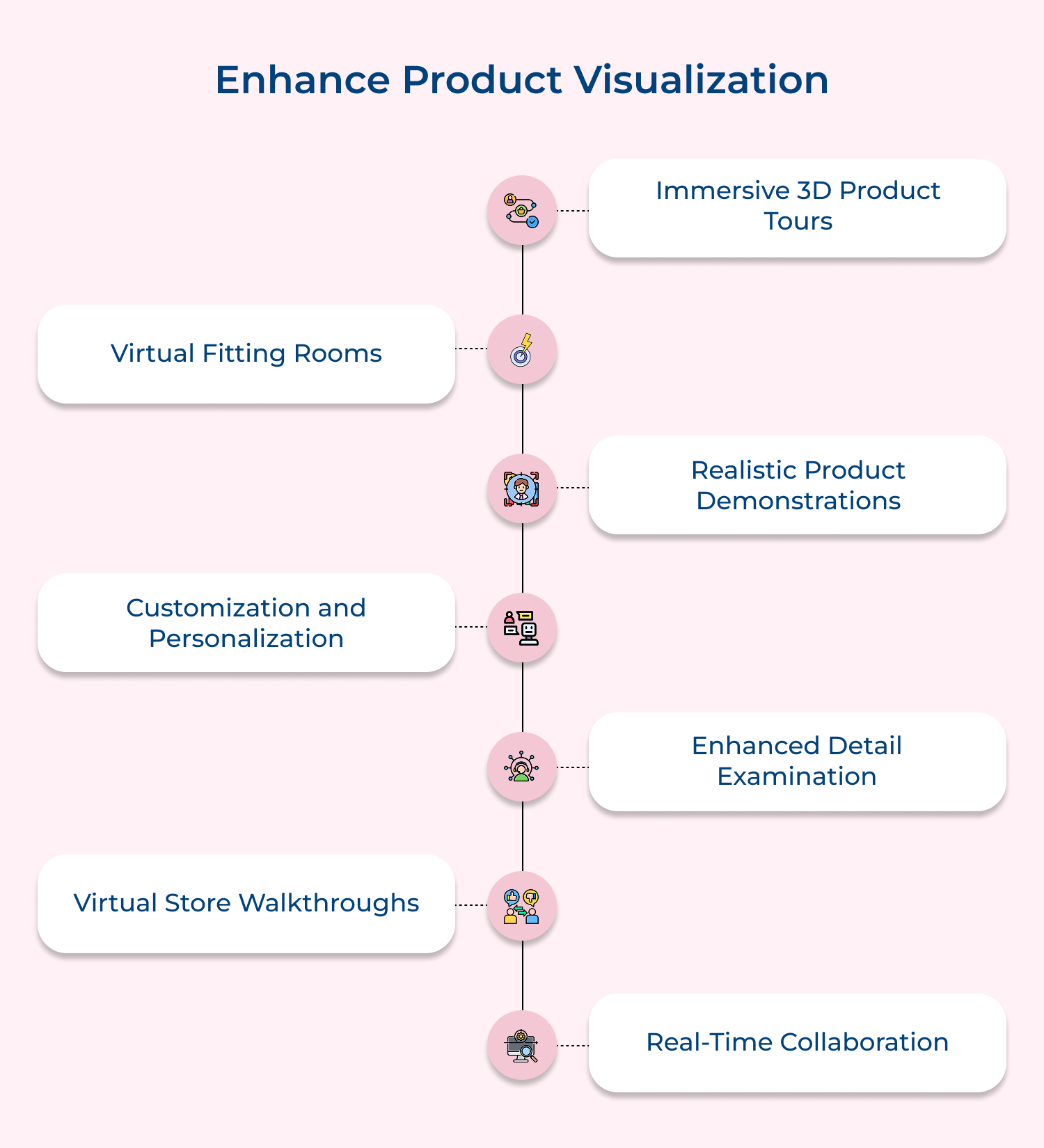
High-quality visual representation of products through multiple formats including images, videos, 360-degree views and augmented reality experiences.
Online shoppers can’t physically interact with products, making visual representation crucial. Enhanced visualization reduces uncertainty, builds confidence in purchase decisions and decreases return rates.
Invest in professional photography, create detailed product videos and implement AR technology to allow customers to visualize products in their space.
Tips:
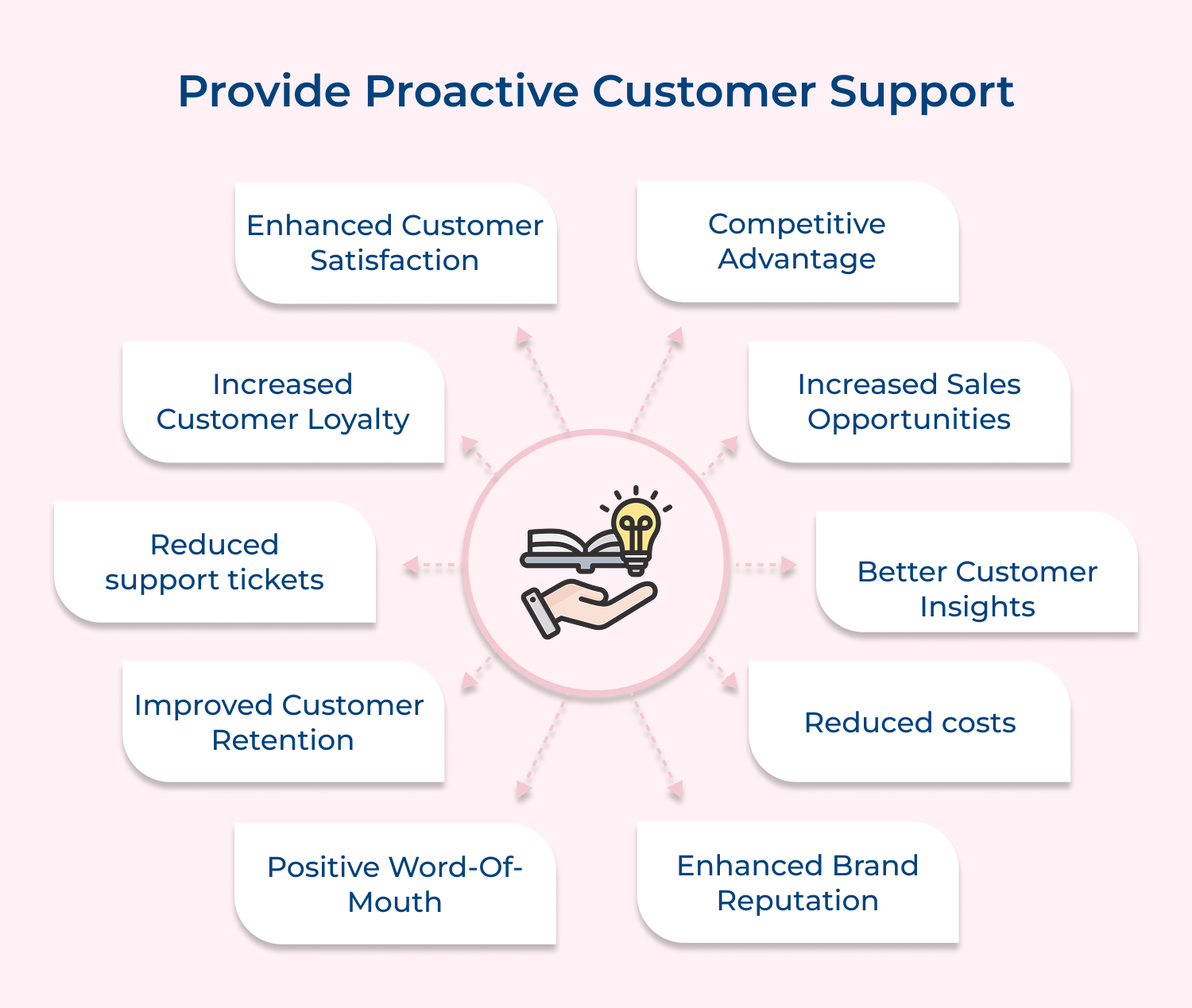
Anticipatory customer service that addresses potential issues before they arise, offering immediate assistance through multiple channels during the buying process.
Proactive support prevents customer frustration, reduces abandonment rates, as well as builds trust. It shows customers you value their time and are committed to their success.
Deploy AI chatbots for instant responses, implement live chat with real agents, while creating comprehensive FAQs and help resources.
Actionable Tips:
A design approach that prioritizes mobile device functionality, ensuring optimal performance and usability on smartphones as well as tablets.
Mobile commerce is growing rapidly. An excellent mobile experience is crucial to capture sales from on-the-go shoppers and stay competitive.
Design responsive interfaces, optimize page load times for mobile networks, while creating touch-friendly navigation and checkout processes.
Tips:
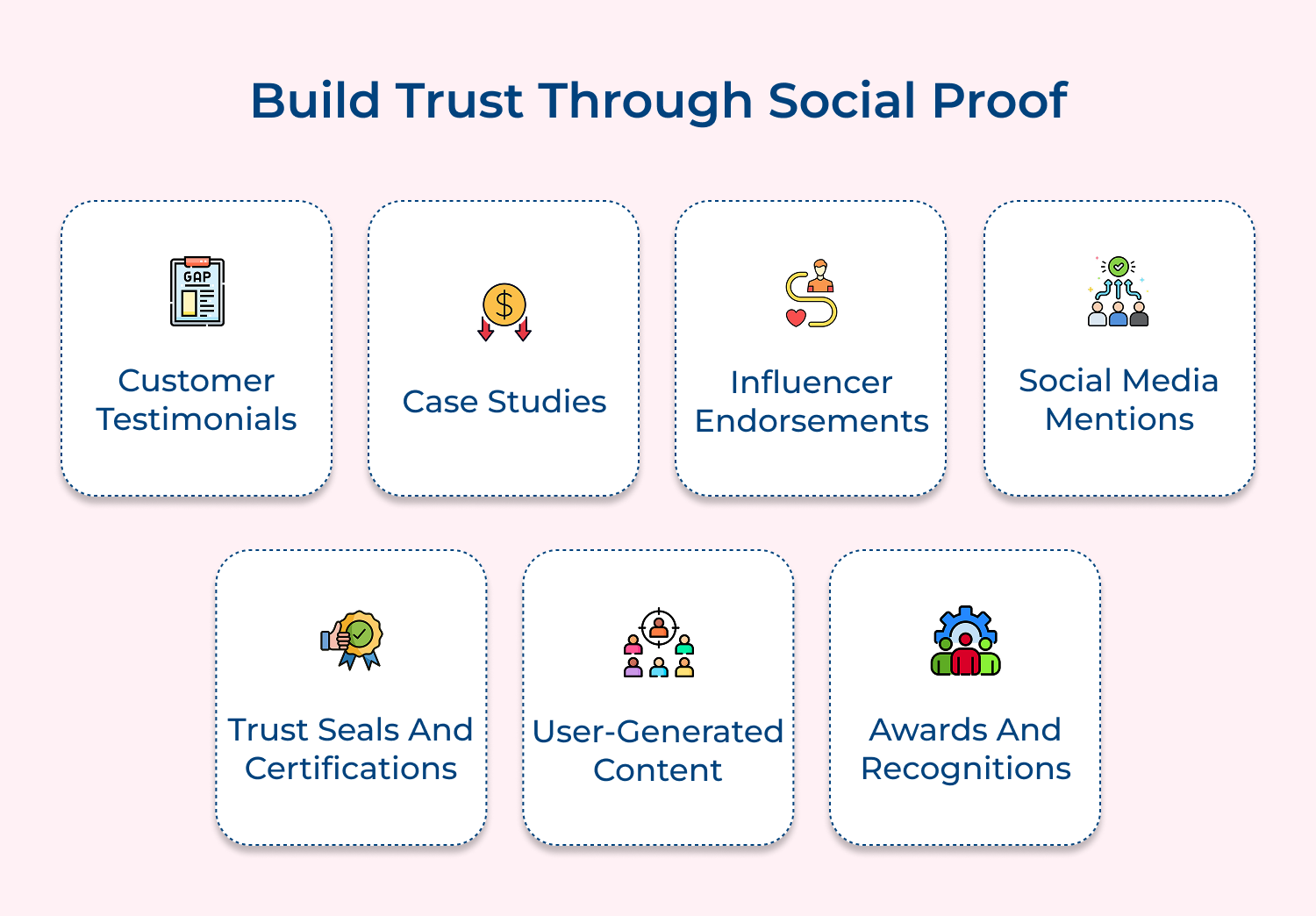
Evidence of product quality and reliability through customer reviews, ratings, testimonials as well as user-generated content that validates purchasing decisions.
Customers rely heavily on others’ experiences when making purchase decisions. Social proof builds confidence, reduces purchase anxiety and increases conversion rates.
Display verified customer reviews, showcase user-generated content and highlight testimonials throughout the buying journey.
Actionable Tips:
Technical optimization to ensure all website elements load quickly and efficiently, providing a smooth, uninterrupted shopping experience.
Slow loading times directly impact conversion rates and user satisfaction. Fast-loading pages reduce bounce rates while improving search engine rankings.
Implement technical optimizations like image compression, browser caching and code minification to improve page load times.
Tips:
AI-powered suggestions that present relevant products based on customer behavior, purchase history and similar customer profiles.
Smart recommendations increase average order value, improve product discovery and enhance the shopping experience by showing customers relevant items they might be interested in.
Use machine learning algorithms to analyze customer data and create personalized product suggestions throughout the customer journey.
Tips:
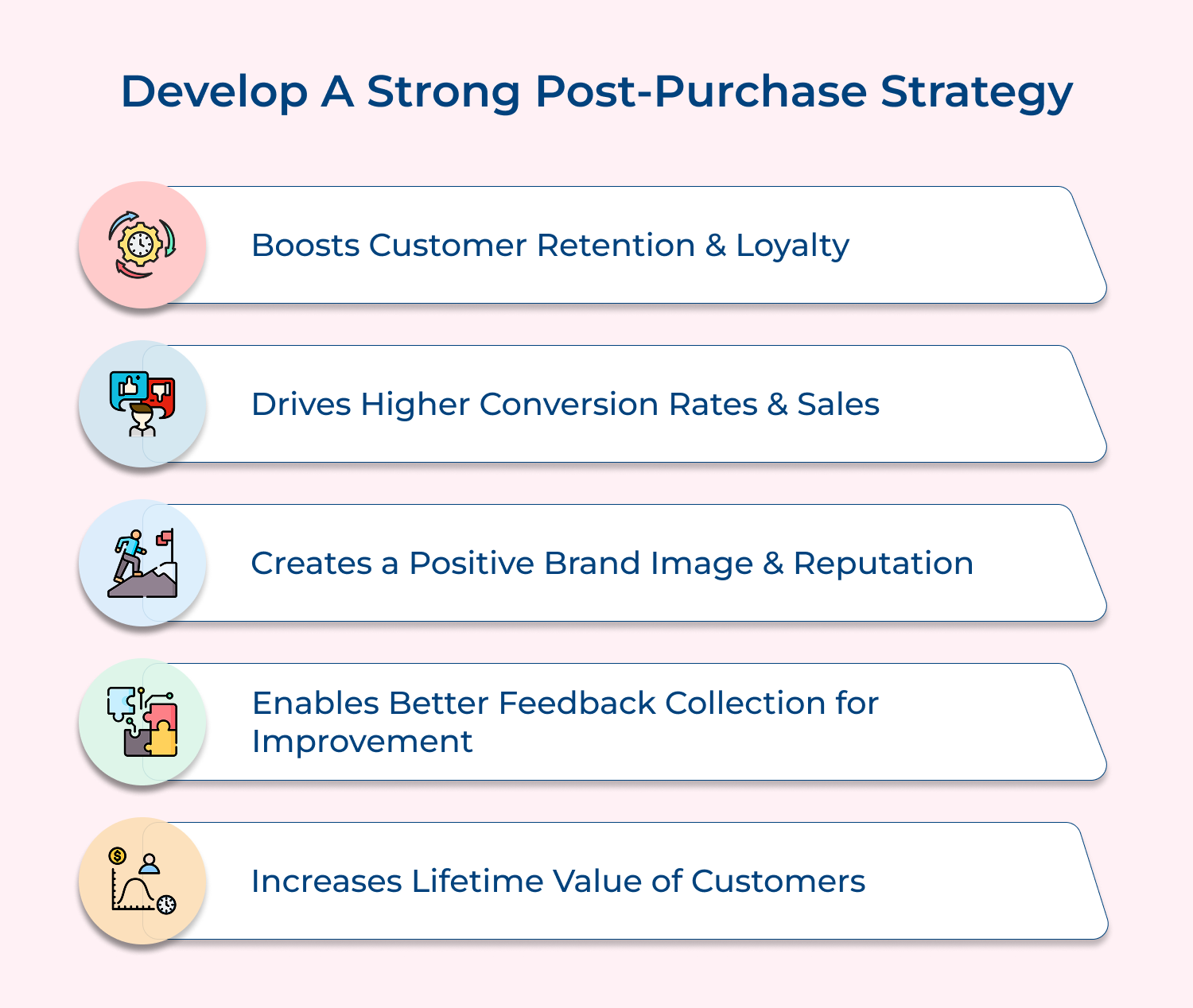
A systematic approach to maintaining customer engagement after purchase through order updates, follow-up communications and loyalty programs.
Post-purchase communication builds long-term relationships, encourages repeat purchases and turns customers into brand advocates through positive experiences.
Create automated email sequences for order updates, implement loyalty programs and gather feedback to improve future experiences.
Pro tips:
Customer experience and buying experience are often used interchangeably, but they serve different purposes. Explore how their differences help you design smoother purchase journeys.
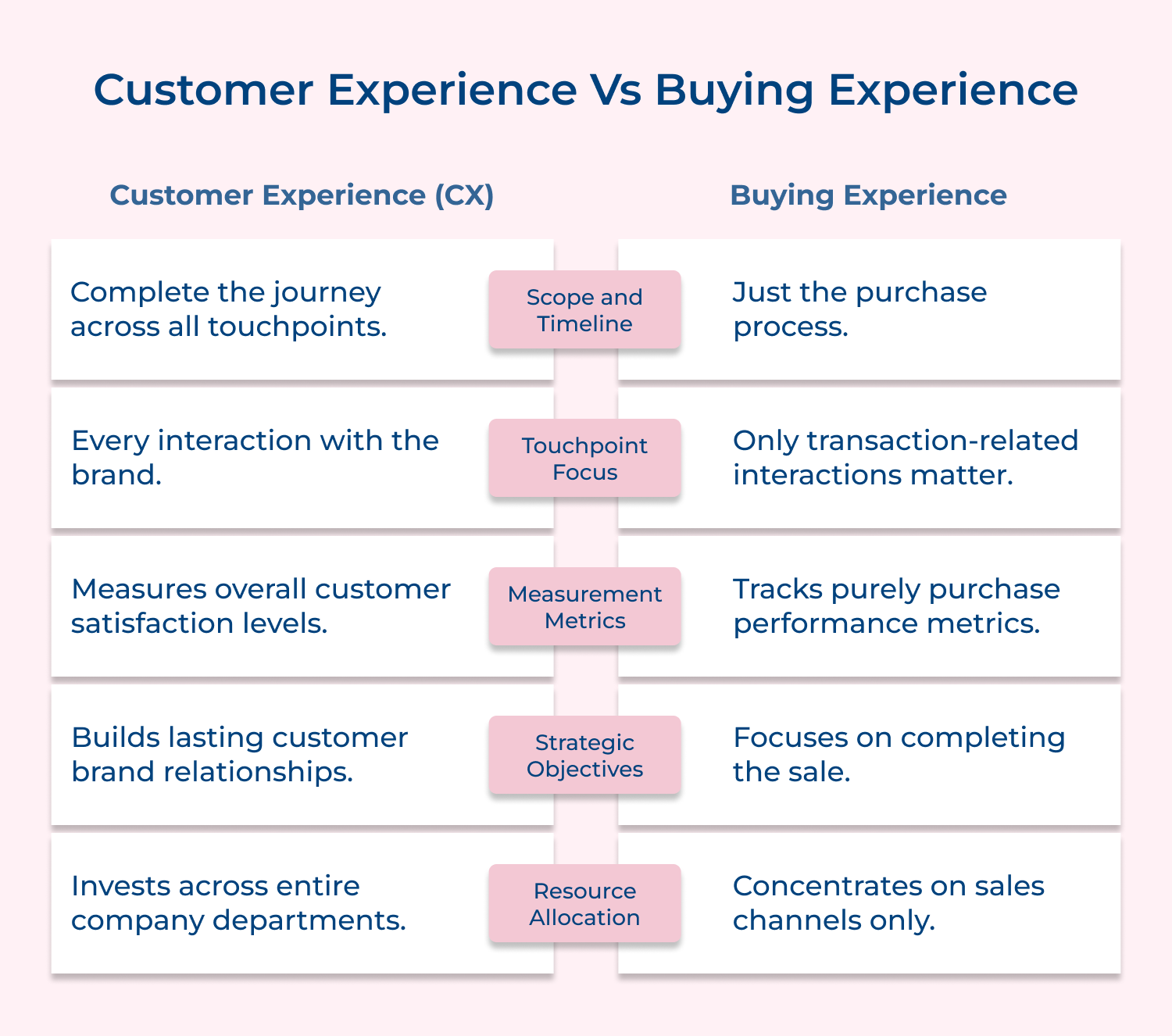
1. Scope and Timeline
2. Touchpoint Focus
3. Measurement Metrics
4. Strategic Objectives
5. Resource Allocation
A well-designed buying experience removes friction and makes purchasing effortless. These examples show how small improvements can directly influence conversions and sales.
Amazon’s One-Click Ordering
Amazon revolutionized online shopping with its One-Click ordering system. This streamlined process saves customers’ preferred payment and shipping information, enabling instant purchases with a single button press. The reduced friction dramatically increases conversion rates and encourages spontaneous buying decisions, particularly for returning customers.
Apple’s In-Store Experience
Apple stores combine minimalist design with hands-on product testing. Customers can freely explore devices while knowledgeable staff provide personalized assistance. The absence of traditional checkout counters, replaced by mobile point-of-sale systems, creates a more relaxed and engaging shopping environment.
Nike’s Personalization Studio
Nike offers custom shoe design through their online NIKEiD platform and in-store studios. Customers can personalize colors, materials and add personal text to create unique products. This interactive experience increases engagement, justifies premium pricing and creates emotional connection with the brand.
Sephora’s Virtual Try-On
Sephora’s digital mirrors and mobile app let customers virtually test makeup products. Using augmented reality technology, shoppers can experiment with different looks without physical application. This technology reduces purchase uncertainty and increases confidence in online as well as in-store buying decisions.
Starbucks’ Mobile Ordering
Starbucks’ mobile app enables customers to order and pay before arriving at the store. The system remembers favorite orders, tracks rewards, as well as provides estimated pickup times. This convenience enhances the buying experience by eliminating wait times and personalizing interactions.
Improving buyer experience is about making every step of the purchase journey customer-friendly. The right strategies can reduce drop-offs while building trust.
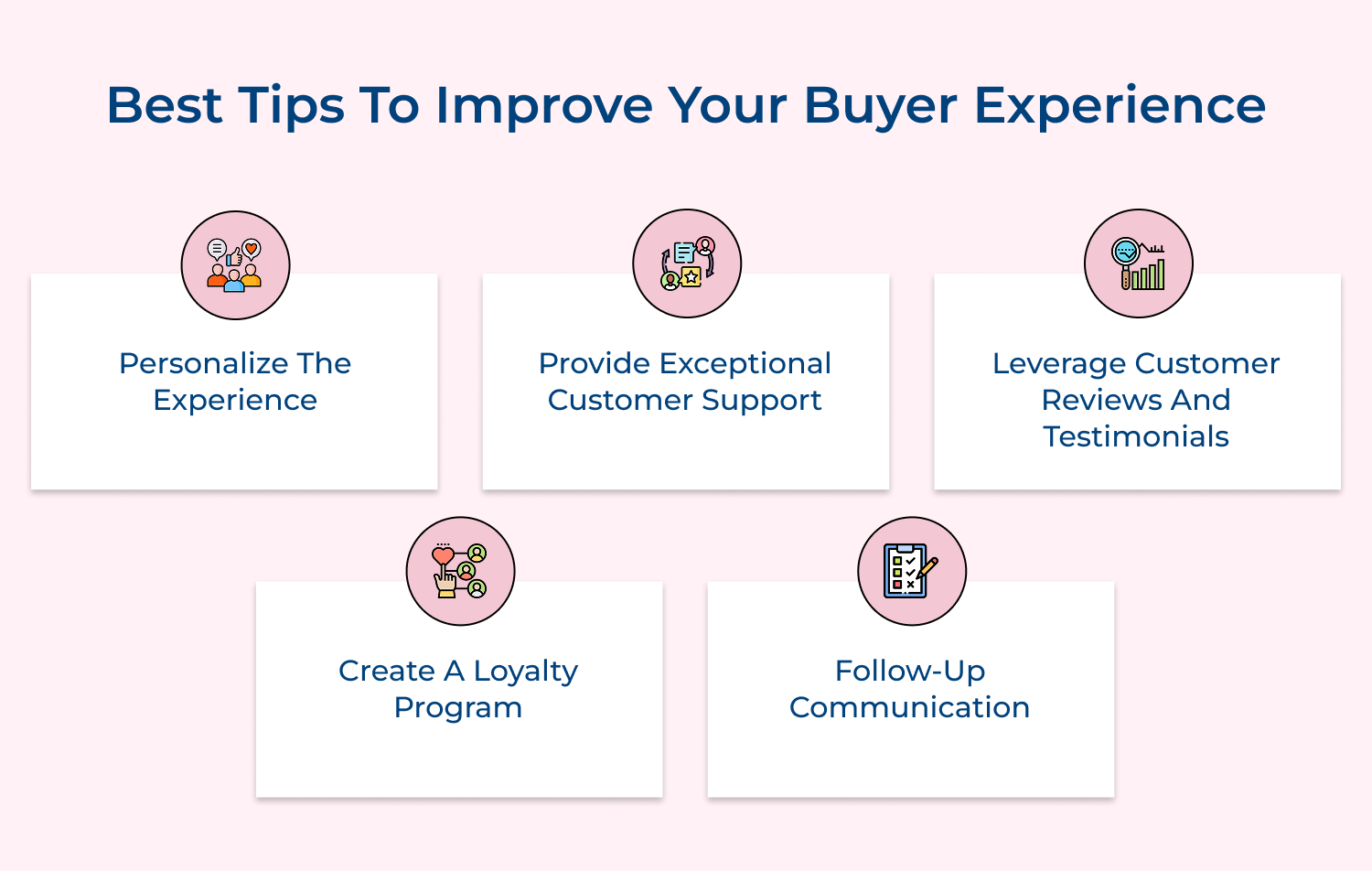
Personalize the Experience
Use customer data to recommend relevant products and create tailored promotions. Remember previous purchases while browsing history to provide a customized shopping experience that resonates with individual preferences.
Provide Exceptional Customer Support
Offer multiple support channels, such as live chat, email and phone support, to address customer concerns. Be quick to respond and provide helpful solutions. A supportive environment reassures customers throughout their buying journey.
Leverage Customer Reviews and Testimonials
Showcase customer reviews and testimonials on product pages. Genuine feedback helps build trust as well as social proof, influencing others’ buying decisions. Customers feel more confident when they can see others’ positive experiences with your products.
Create a Loyalty Program
Reward repeat customers with a loyalty program. Offer discounts, points or exclusive deals to incentivize customers to return. This can foster long-term relationships and encourage higher spending with each visit.
Follow-up Communication
Send order confirmations and shipping updates promptly. Request feedback after purchase as well as address any concerns quickly. Maintain engagement through personalized recommendations and relevant promotional offers.
The bottom line is clear: a great buying experience translates into happy customers. Removing friction, offering personalized recommendations, while supporting customers throughout their journey encourage repeat purchases and brand loyalty.
Customers who feel confident as well as supported in their decision-making are less likely to abandon their cart and they’re more likely to convert. A streamlined buying process not only increases sales but also strengthens relationships that lead to continued business growth.

1. How is buyer experience different from customer experience?
The buyer experience specifically focuses on the purchase journey, from initial consideration to transaction completion. While customer experience encompasses all interactions with a brand over time, buyer experience concentrates on optimizing the path to purchase, including product discovery, evaluation, selection and checkout processes.
2. Why do you need to focus on the buying experience?
A well-optimized buying experience directly impacts conversion rates and revenue. When customers encounter a smooth, intuitive purchasing process, they’re more likely to complete transactions and return for future purchases.Positive buying experiences lead to increased customer satisfaction, reduced cart abandonment and stronger brand loyalty.
3. How to improve your buyer experience?
Enhance your buyer experience by streamlining the checkout process, offering multiple payment options, providing clear product information and implementing personalized recommendations. Focus on reducing friction points, improving site navigation, ensuring mobile optimization and offering proactive customer support throughout the buying journey.
4. What metrics should I track to measure buyer experience?
Key metrics include conversion rates, cart abandonment rates, average order value, time to purchase, customer feedback scores, as well as return customer rates. Also monitor checkout completion rates, payment success rates and customer support interactions during the purchase process.
5. How does mobile optimization affect buyer experience?
Mobile optimization is crucial as an increasing number of buyers research and purchase via mobile devices. A responsive design, fast loading times, simplified navigation and mobile-friendly checkout process significantly impact conversion rates along with overall buyer satisfaction.
6. What role does personalization play in buyer experience?
Personalization enhances the buying experience by providing relevant product recommendations, customized pricing and targeted content based on previous interactions. This tailored approach helps buyers find what they need more quickly as well as makes their purchasing decisions easier.
 https://omni24.io/wp-content/uploads/2026/09/Social-commerce-scaled.png
1340
2560
Webvision Solution
https://omni24.io/wp-content/uploads/2023/04/Omni-Logo-1.svg
Webvision Solution2026-10-23 12:18:272026-10-23 12:18:27What is Social Commerce and Why Does It Matter?
https://omni24.io/wp-content/uploads/2026/09/Social-commerce-scaled.png
1340
2560
Webvision Solution
https://omni24.io/wp-content/uploads/2023/04/Omni-Logo-1.svg
Webvision Solution2026-10-23 12:18:272026-10-23 12:18:27What is Social Commerce and Why Does It Matter? https://omni24.io/wp-content/uploads/2026/08/AI-Customer-Service-Agents.png
1256
2400
Webvision Solution
https://omni24.io/wp-content/uploads/2023/04/Omni-Logo-1.svg
Webvision Solution2026-09-21 04:48:512026-09-21 04:48:51How to Build an AI Customer Service Agents: 8 Key Steps
https://omni24.io/wp-content/uploads/2026/08/AI-Customer-Service-Agents.png
1256
2400
Webvision Solution
https://omni24.io/wp-content/uploads/2023/04/Omni-Logo-1.svg
Webvision Solution2026-09-21 04:48:512026-09-21 04:48:51How to Build an AI Customer Service Agents: 8 Key Steps https://omni24.io/wp-content/uploads/2026/08/Omnichannel-Conversational-AI.png
1256
2400
Tushar Joshi
https://omni24.io/wp-content/uploads/2023/04/Omni-Logo-1.svg
Tushar Joshi2026-09-16 03:51:072026-09-16 03:51:07How to Build Omnichannel Conversational AI Strategy
https://omni24.io/wp-content/uploads/2026/08/Omnichannel-Conversational-AI.png
1256
2400
Tushar Joshi
https://omni24.io/wp-content/uploads/2023/04/Omni-Logo-1.svg
Tushar Joshi2026-09-16 03:51:072026-09-16 03:51:07How to Build Omnichannel Conversational AI Strategy
Whether it’s about acquire, engage or support – Omni24 covers all your customer engagement needs in one complete platform.

Copyright ©2026 Veemo All rights reserved.
CA, Los Angeles, Hall Ave, 19011