How to Do Customer Feedback Analysis Effectively
Discover how customer feedback analysis helps businesses identify trends, improve satisfaction and make data-driven decisions for long-term growth.

Discover how customer feedback analysis helps businesses identify trends, improve satisfaction and make data-driven decisions for long-term growth.
In fast-paced business settings, companies often struggle to analyse the flood of customer feedback and miss growth chances. A strong feedback analysis process converts raw comments into clear trends and actionable insights with data like: firms using feedback analytics report a 10-15% revenue uplift.
By adopting systematic feedback review, businesses can pinpoint pain points, improve satisfaction and build stronger customer relationships. Prioritising feedback analysis helps drive loyalty, retention and profitability — making insight-driven action central to success.
Customer feedback analysis is the systematic process of collecting as well as interpreting customer opinions, suggestions and experiences regarding a product or service. This analysis helps organizations understand their customers’ needs, preferences and pain points. Hence, enabling data-driven decision-making.
Engaging in customer feedback analysis enhances customer satisfaction and loyalty. Actively listening to customers allows businesses to identify areas for improvement, innovate offerings and strengthen relationships with their clientele. This approach boosts sales as well as builds a customer-centric culture.
Key objectives:
Understanding customer feedback analysis is essential for businesses to enhance customer satisfaction, inform strategic decisions and build long-term loyalty. Here are the key reasons.
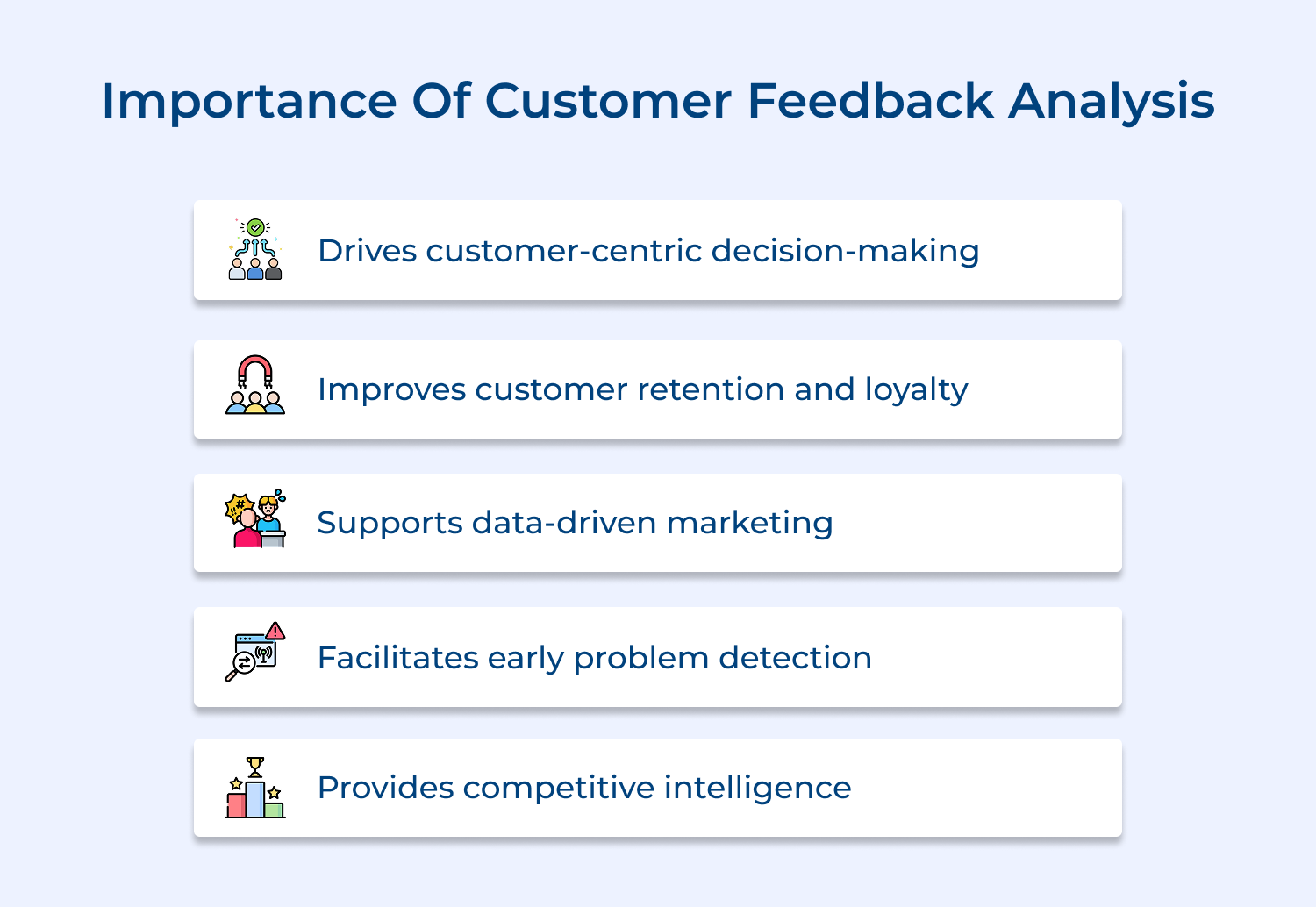
Analyzing customer feedback effectively involves systematic processes to extract valuable insights, guiding improvements in products and services. Here are the essential steps.
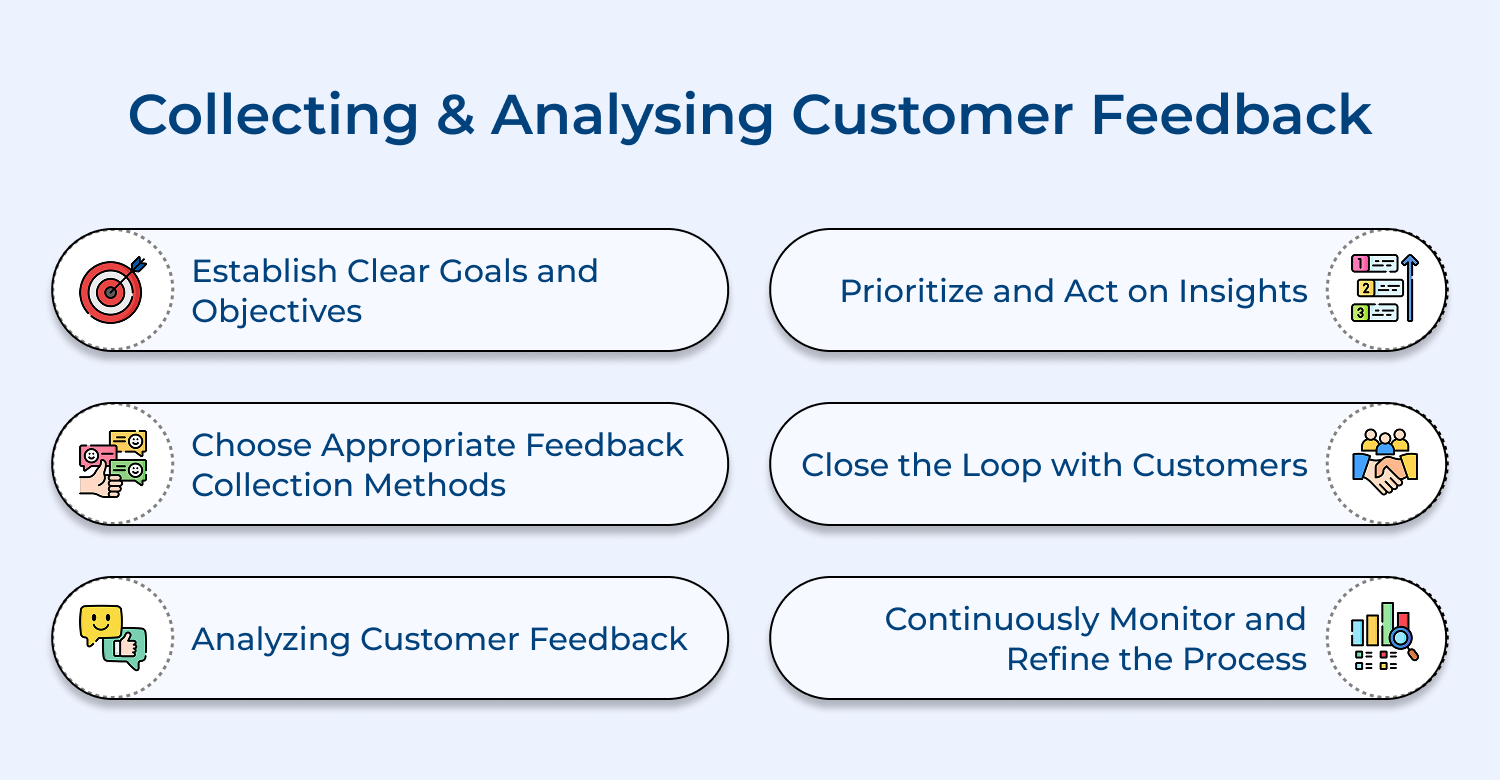
Defining goals and objectives ensures that your customer feedback efforts are aligned with your business priorities. Clear goals help you determine the right questions to ask, the appropriate methods to use and how to measure success.
Use your goals and objectives as a guide when designing your feedback collection process. Ensure that the questions you ask and the data you collect are relevant to your goals. Regularly evaluate your progress against these objectives to make data-driven decisions.
Actionable Tips:
Choosing the right way to collect feedback helps you get useful insights from your customers. Each method suits different customer preferences and reveals unique perspectives.
Use more than one method to collect both numbers and opinions. For example:
Combining these methods gives a complete view of what your customers think and feel.
Actionable Tips:
Analyzing customer feedback helps you identify patterns, trends and areas for improvement. It turns raw data into actionable insights that can drive business decisions and enhance the customer experience.
Data analysis techniques can uncover insights from customer feedback. Identify common themes, sentiment and pain points. Segment feedback by customer demographics, product categories, or touchpoints to gain a more granular understanding.
Actionable Tips:
A prioritization framework helps rank insights based on their impact and feasibility. This ensures your team focuses on changes that make the biggest difference. Create clear action plans for high-priority areas and assign responsibilities to the right teams.
Regularly track progress and measure the results to understand how your improvements affect customer satisfaction as well as business performance.
Actionable Tips:
Closing the loop with customers shows that you value their feedback and are committed to improving their experience. It builds trust, strengthens relationships and encourages future feedback.
Communicate with customers who provided feedback to thank them, acknowledge their input and share how you plan to use their insights. Provide updates on the progress of improvements along with the impact of their feedback.
Actionable Tips:
Continuously monitoring and refining your feedback process ensures that it remains effective. It allows you to adapt to changing customer needs, business priorities and industry trends.
Regularly review your feedback collection methods, analysis techniques and action plans. Seek input from customers as well as internal stakeholders on how to improve the process. Stay up-to-date with industry best practices and emerging technologies.
Actionable Tips:
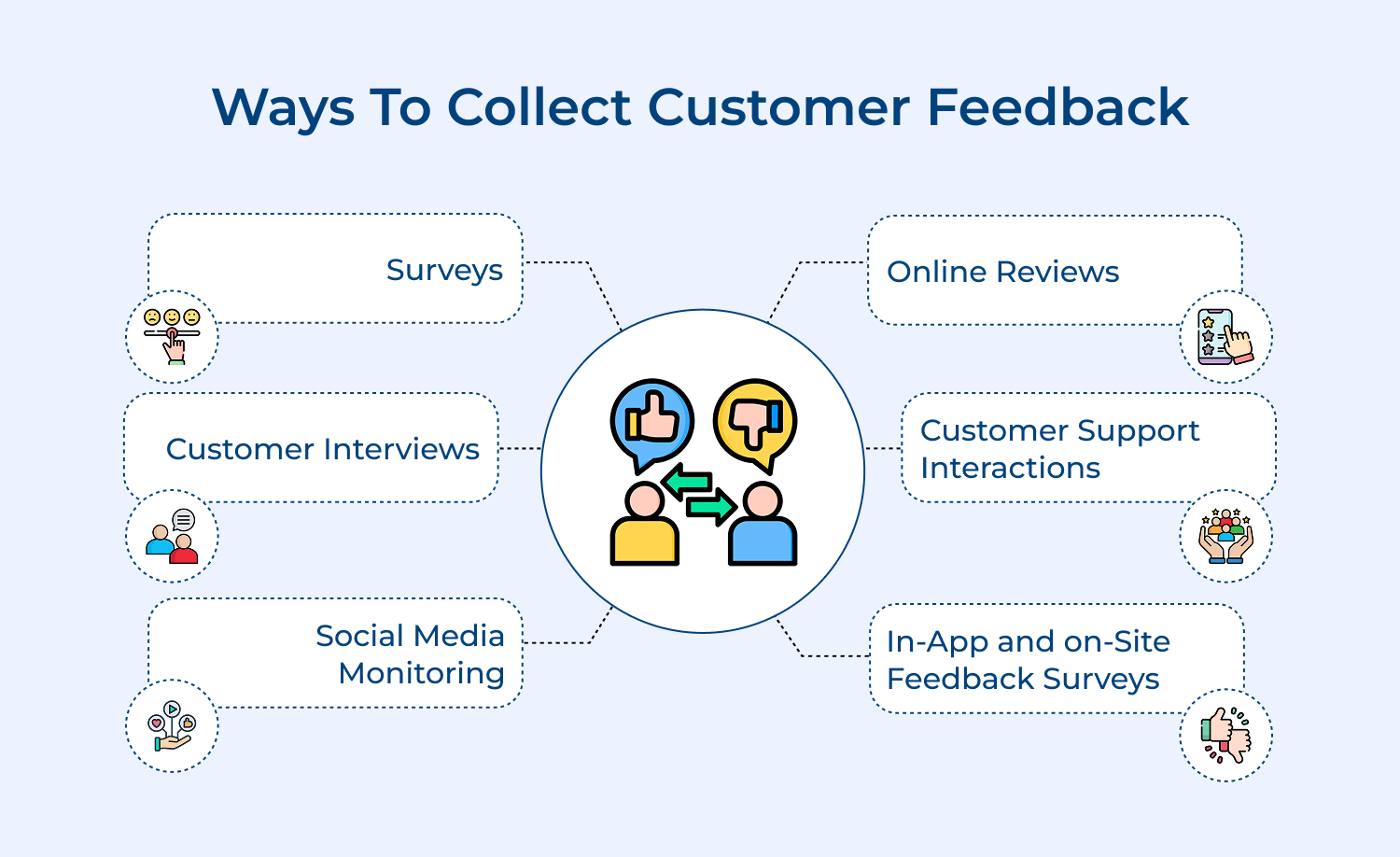
Collecting customer feedback can take many forms, providing crucial insights into their experiences and preferences. Here are various effective methods.
Surveys
Surveys are a structured way to gather feedback from a large number of customers. They can be conducted online, via email, or through mobile apps. Surveys allow you to ask specific questions and gather quantitative data for analysis.
Example: A retail company sends out a post-purchase survey to customers, asking them to rate their experience on a scale of 1-5 and provide comments on what they liked or disliked about their shopping experience.
Customer Interviews
Interviews provide an opportunity for in-depth, one-on-one conversations with customers. They allow you to gather detailed qualitative feedback and explore specific issues or topics in greater detail.
Example: A software company conducts interviews with a select group of high-value customers to understand their pain points, feature requests and overall satisfaction when using the product.
Social Media Monitoring
Social media platforms like Twitter, Facebook and Instagram provide a wealth of unsolicited customer feedback. By monitoring social media mentions and conversations related to your brand, you can gather insights into customer sentiment while identifying common issues or praise.
Example: A restaurant uses social media monitoring tools to track mentions of their brand and respond to customer complaints or positive reviews in real-time.
Online Reviews
Online review sites like Yelp, Google My Business and industry-specific platforms provide a platform for customers to share their experiences as well as opinions about your business. Monitoring and analyzing these reviews can provide valuable insights into customer satisfaction along with areas for improvement.
Example: A hotel regularly monitors its reviews on TripAdvisor to identify common themes in customer feedback, such as room cleanliness, staff friendliness and amenities.
Customer Support Interactions
Your customer support team interacts with customers on a daily basis, handling inquiries, complaints and feedback. Analyzing these interactions can provide insights into common issues, customer pain points and opportunities for improvement.
Example: A telecommunications company analyzes its customer support call logs and chat transcripts to identify the most common reasons for customer contact while developing targeted solutions to address these issues.
In-App and on-Site Feedback Surveys
Embedding surveys within your website or application allows you to gather feedback while the experience is fresh in customers’ minds. These surveys can be triggered by specific actions or appear at key points in the customer journey.
Example: An e-commerce site displays a brief survey after a customer completes a purchase, asking about their browsing and checkout experience. The insights reveal that the search functionality could be improved, prompting a redesign
Utilizing the right tools can streamline the customer feedback analysis process, enabling better insights and improved decision-making. Here are the top options available.
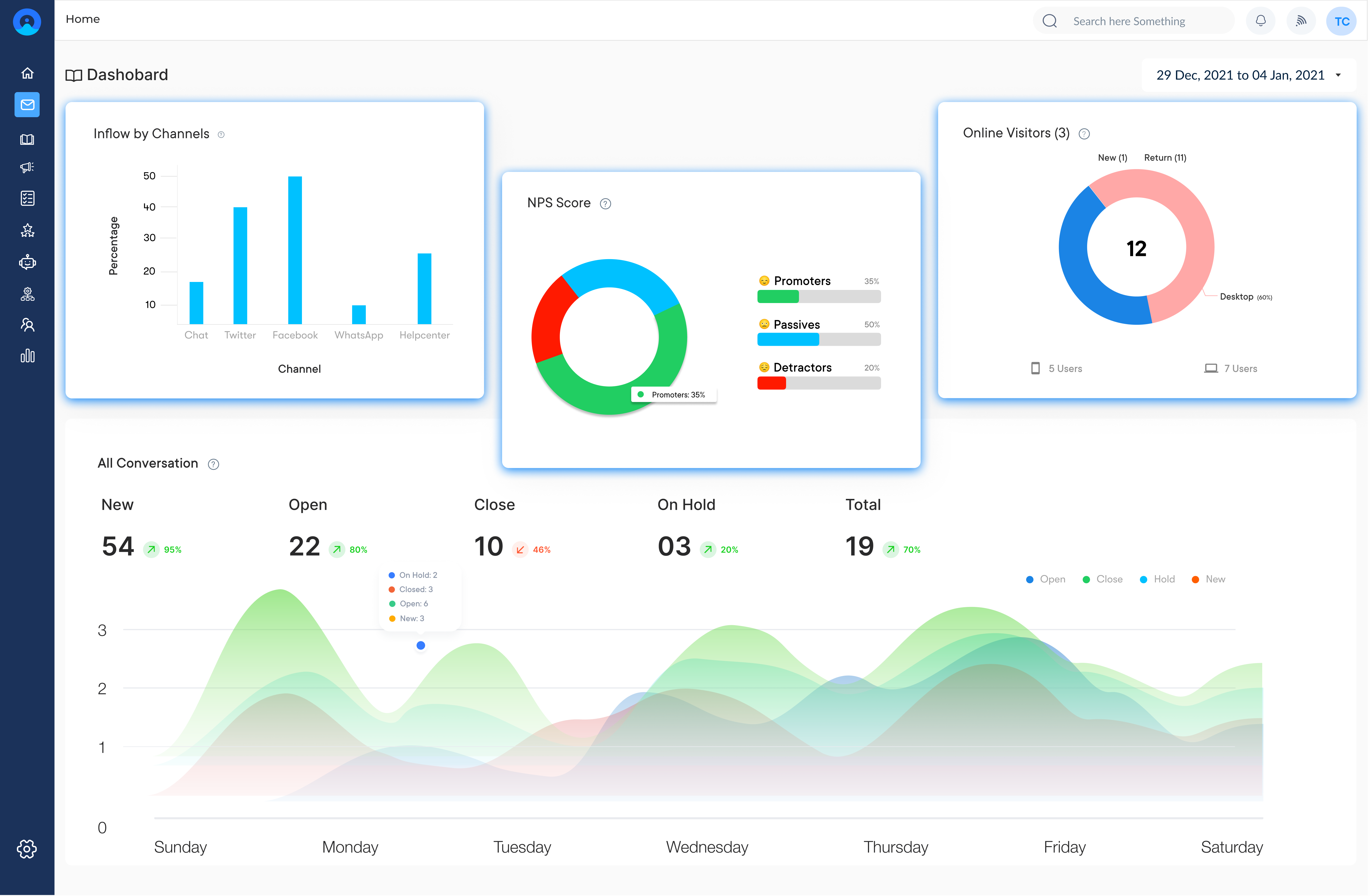
Omni24 is an omnichannel customer experience software that integrates multi-channel support, an AI-powered chatbot and automated ticketing. It offers advanced research tools, customer experience management and employee insights. The software is known for its robust features and is often used by all size enterprises for in-depth market research as well as customer analysis.
Key features:
Pricing: Omni24’s pricing starts from $29/user/month and goes up to $149/user/month based on the features along with add-ons. All plans come with 14 days free trial and include a shared inbox, known base base as well as omnichannel support.
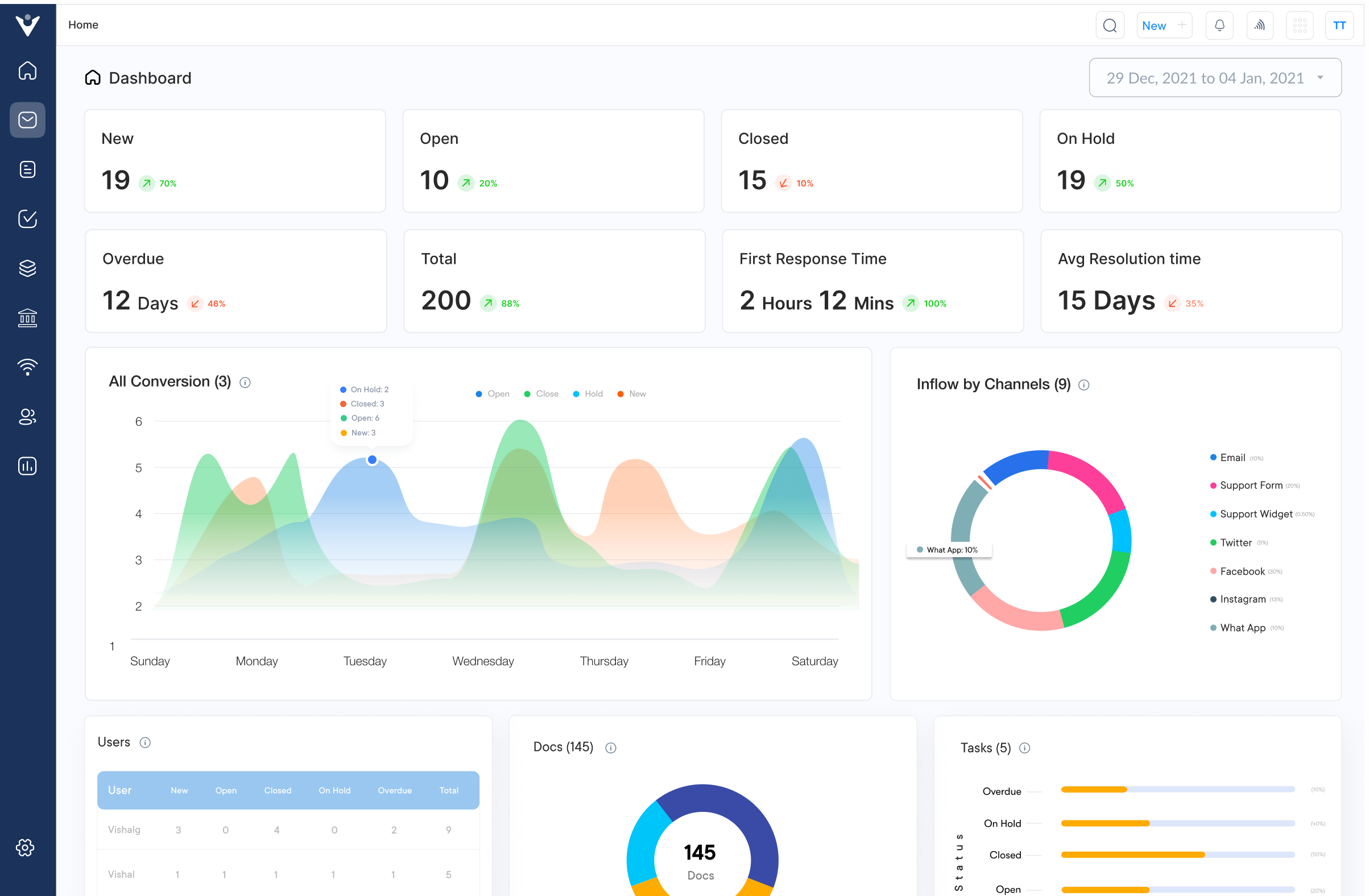
Veemo Survey is a customer engagement platform which offers engaging surveys and collects feedback across various touchpoints. The software is a part of Veemo’s suite of products designed to streamline and enhance various aspects of business operations. It provides conversational interface that improves survey completion rates and gives actionable insights for better decision-making
Key Features:
Pricing: Veemo’s pricing plans start from $29/user/month and go up to $129/user/month based on the features and add-ons. The software pricing is also customizable as per business requirements. Signup now!
Clarabridge is a customer experience management solution that focuses on analyzing and deriving insights from unstructured customer feedback data. It uses advanced natural language processing (NLP) and machine learning techniques to uncover insights as well as drive action.
Key features include automated data ingestion from various sources (surveys, social media, chat etc.), advanced NLP and sentiment analysis for unstructured data, customizable dashboards & reporting, predictive analytics / trend identification, all while integrating with business intelligence / visualization tools.
Thematic is a powerful feedback analysis tool that uses AI and machine learning to analyze large volumes of unstructured customer feedback data. It automatically identifies themes, sentiment and actionable insights from customer comments as well as reviews.
Key features include automated theme and sentiment analysis for unstructured data, customizable taxonomies / categorization, real-time dashboards, integrations with various feedback collection tools as well as a collaborative workspace for teams to analyze as well as act on insights.
Chattermill is an AI-powered customer feedback analysis platform that helps businesses uncover insights from unstructured customer feedback data. It uses advanced natural language processing and machine learning techniques to analyze customer comments, reviews, support conversations, etc.
Key features include automated data ingestion from various sources (surveys, reviews, support tickets, etc.), AI-driven theme and sentiment analysis, customizable dashboards, integration with popular business tools and action management as well as collaboration features for teams.
Enhancing your approach to customer feedback analysis ensures more accurate insights and actionable outcomes. Here are practical tips to consider:
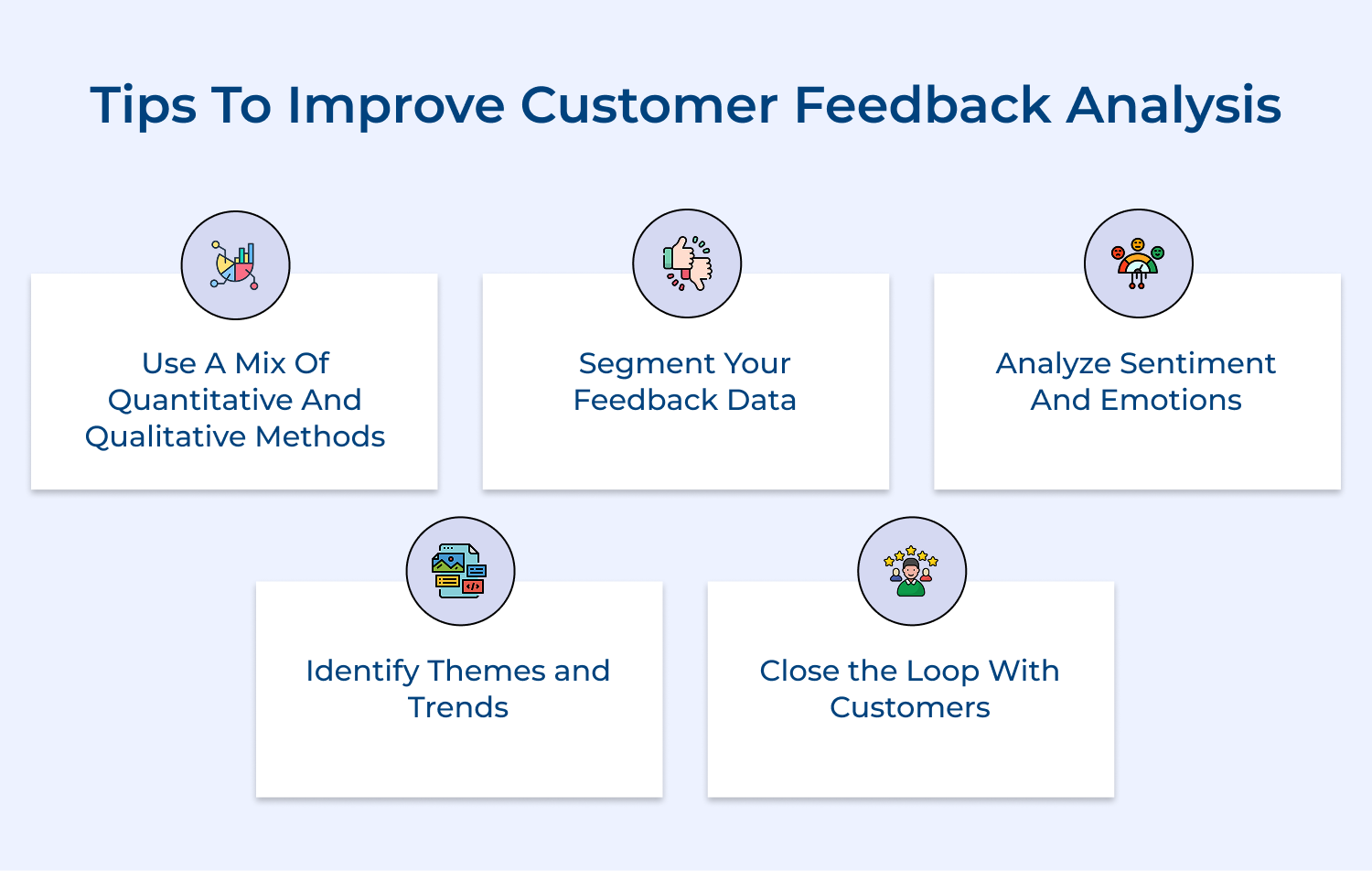
Effectively analyzing customer feedback is essential for unlocking valuable insights that drive business success. Proper analysis goes beyond just collecting data; it involves identifying trends, understanding customer sentiments and translating findings into actionable strategies. When businesses invest time in this process, the outcomes can lead to enhanced product offerings, improved customer experiences and increased loyalty.
The impact of well-analyzed feedback is profound, enabling companies to adapt to changing preferences and address pain points proactively. Ultimately, a robust customer feedback analysis framework empowers organizations to make informed decisions that resonate with their audience, building sustainable growth and competitiveness.

Why should you analyze customer feedback?
Analyzing customer feedback is essential for understanding customer needs, preferences and experiences. It helps identify areas for improvement, prioritize initiatives and make data-driven decisions. By actively listening to and acting on feedback, businesses can enhance customer satisfaction, loyalty as well as advocacy. Ultimately, driving growth and competitive advantage.
How to differentiate insightful data from non-insightful data?
Insightful data is relevant, actionable and aligned with your business objectives. It reveals patterns, trends, or issues that have a significant impact on customer experience and outcomes. Non-insightful data is often irrelevant, anecdotal or lacks context. To differentiate, consider the source, sample size, consistency and potential for meaningful change.
Why is analyzing customer feedback difficult?
Analyzing customer feedback can be challenging due to the volume, variety and complexity of data. Feedback comes from multiple sources, in different formats and with varying levels of detail. Interpreting sentiment, identifying themes while prioritizing actions require time, skills, as well as resources. Balancing competing priorities while ensuring organization-wide buy-in also adds to the difficulty.
 https://omni24.io/wp-content/uploads/2026/09/Social-commerce-scaled.png
1340
2560
Webvision Solution
https://omni24.io/wp-content/uploads/2023/04/Omni-Logo-1.svg
Webvision Solution2026-10-23 12:18:272026-10-23 12:18:27What is Social Commerce and Why Does It Matter?
https://omni24.io/wp-content/uploads/2026/09/Social-commerce-scaled.png
1340
2560
Webvision Solution
https://omni24.io/wp-content/uploads/2023/04/Omni-Logo-1.svg
Webvision Solution2026-10-23 12:18:272026-10-23 12:18:27What is Social Commerce and Why Does It Matter? https://omni24.io/wp-content/uploads/2026/08/AI-Customer-Service-Agents.png
1256
2400
Webvision Solution
https://omni24.io/wp-content/uploads/2023/04/Omni-Logo-1.svg
Webvision Solution2026-09-21 04:48:512026-09-21 04:48:51How to Build an AI Customer Service Agents: 8 Key Steps
https://omni24.io/wp-content/uploads/2026/08/AI-Customer-Service-Agents.png
1256
2400
Webvision Solution
https://omni24.io/wp-content/uploads/2023/04/Omni-Logo-1.svg
Webvision Solution2026-09-21 04:48:512026-09-21 04:48:51How to Build an AI Customer Service Agents: 8 Key Steps https://omni24.io/wp-content/uploads/2026/08/Omnichannel-Conversational-AI.png
1256
2400
Tushar Joshi
https://omni24.io/wp-content/uploads/2023/04/Omni-Logo-1.svg
Tushar Joshi2026-09-16 03:51:072026-09-16 03:51:07How to Build Omnichannel Conversational AI Strategy
https://omni24.io/wp-content/uploads/2026/08/Omnichannel-Conversational-AI.png
1256
2400
Tushar Joshi
https://omni24.io/wp-content/uploads/2023/04/Omni-Logo-1.svg
Tushar Joshi2026-09-16 03:51:072026-09-16 03:51:07How to Build Omnichannel Conversational AI Strategy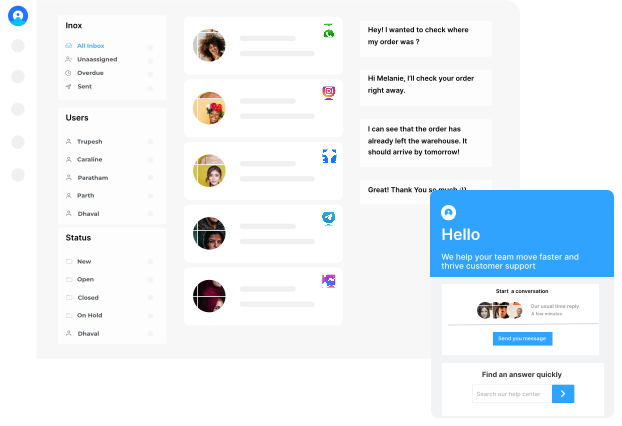
Whether it’s about acquire, engage or support – Omni24 covers all your customer engagement needs in one complete platform.

Copyright ©2026 Veemo All rights reserved.
CA, Los Angeles, Hall Ave, 19011