How To Ask Customer Feedback in the Right Way
How to ask customer feedback properly determines quality; the right method and timing yield genuine insights that improve overall business performance.

How to ask customer feedback properly determines quality; the right method and timing yield genuine insights that improve overall business performance.
Are you struggling to gather meaningful customer feedback that could transform your business?
Most companies remain in the dark about what their customers truly think, watching helplessly as opportunities for improvement and growth slip away. Without strategic feedback collection methods, you risk making uninformed decisions that alienate your customer base.
Companies that regularly listen to customers experience 43% higher retention.
Explore the comprehensive guide to customer feedback methods. By implementing these eight proven strategies, you’ll create feedback channels that customers actually want to use.
From perfectly timed email surveys to innovative in-app prompts, these approaches solve the feedback drought while respecting your customers’ time and building stronger relationships.
Customer feedback is defined as the collective response from customers to a company’s products or services. It can come in various forms, such as reviews, surveys, comments, and suggestions. Client feedback is an essential tool for businesses as it provides valuable insights into customer preferences, needs, and satisfaction levels.
The purpose of customer feedback is multifaceted. It helps businesses understand their customers better. By listening to what customers have to say, businesses can gain a deeper understanding of their preferences, pain points, and expectations. This insight can then be used to improve products /services, tailor marketing strategies, and enhance the overall customer experience.
key objective:
Feedback offers valuable insights into customer perception and is key to improving experiences. Without it, negative reviews can spread quickly—especially on social media—damaging brand reputation.
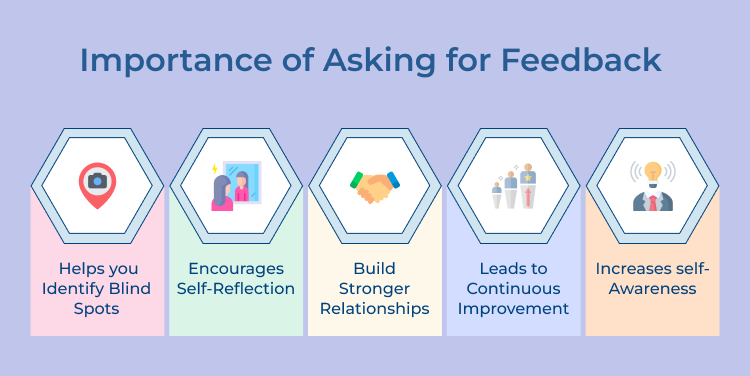
Asking clients for feedback is an essential part of running a successful business. Not only does it help you improve your products or services, but it also shows your clients that you value their opinions and are committed to providing them with the best experience possible.
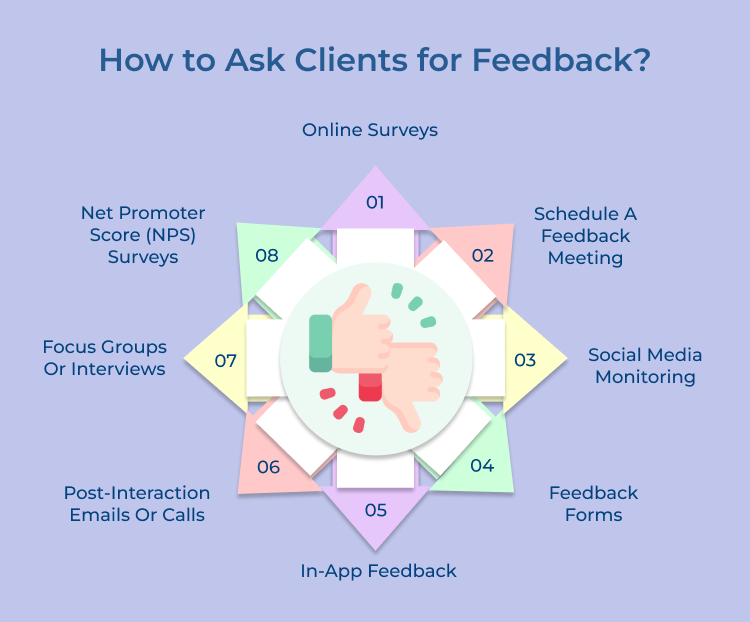
One of the most common and convenient ways to gather feedback from clients is through online surveys. You can create a survey using a platform like SurveyMonkey or Google Forms and send it out to your clients via email or through your website.
Pro tips:
You can consider scheduling a feedback meeting if you have a good relationship with your client, to discuss their thoughts and opinions in person or over a video call. It can provide you with more detailed feedback and allow for a more personalized conversation.
Pro tips:
Keeping an eye on your social media channels for all the comments/messages from clients regarding their experiences with your business helps you to identify your customer satisfaction level. It can provide you with real-time feedback and allow you to respond promptly.
Pro tips:
Feedback forms are a very useful way how to ask customer feedback methods. Place feedback forms on your website or in your physical location for clients to fill out after completing a purchase or using your services.
Ensure the forms are easy to fill out and include open-ended questions for more detailed responses.
Pro tips:
Businesses that have their mobile app, consider adding a feedback feature that allows users to leave comments or suggestions directly within the app. It gathers feedback from clients while they are actively using your services.
Pro tips:
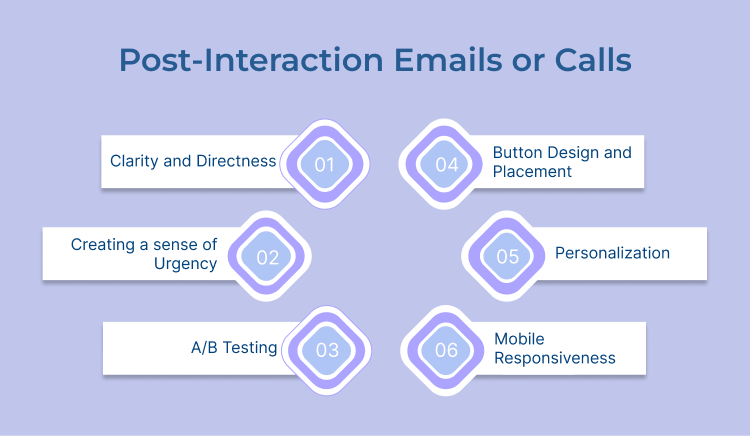
Post-purchase/interaction follow-up with clients is very important especially after they have interacted with your business, whether it’s making a purchase or attending an event. Send a personalized email or make a quick phone call to ask for their feedback on their experience.
Pro tips:
Consider hosting focus groups or conducting one-on-one interviews with a select group of clients to gather in-depth feedback on specific aspects of your business. It can provide you with valuable insights that make informed decisions.
Pro tips:
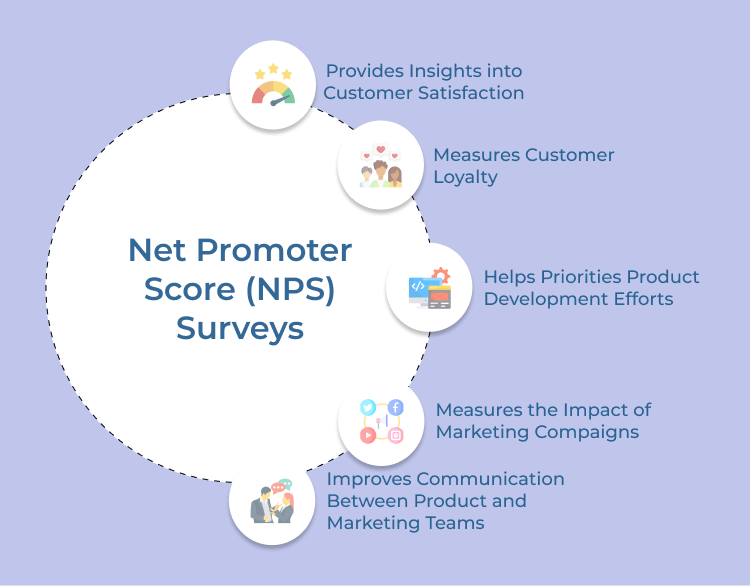
NPS surveys are a popular method for measuring client satisfaction and loyalty. Clients are asked to rate how likely they are to recommend your business to others on a scale of 0 to 10. This identifies promoters, passives and detractors within your client base.
Best practices:
Feedback from customers is essential for any business looking to improve and grow, but it’s important to ask for feedback in a way that is respectful as well as considerate of the customer’s time.
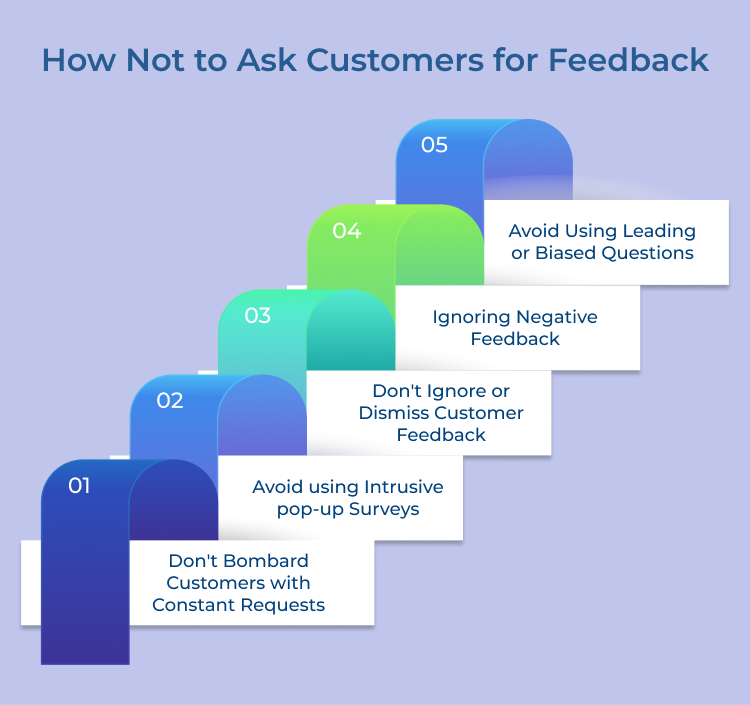
1. Don’t bombard customers with constant requests
Sending multiple surveys or feedback requests to the same customer can be overwhelming and annoying. It’s important to strike a balance between gathering valuable feedback and respecting the customer’s time.
2. Avoid using intrusive pop-up surveys
Pop-up surveys that appear while a customer is browsing a website can be disruptive and off-putting. Instead, consider using subtle and non-intrusive methods of gathering feedback, such as post-interaction emails or surveys.
3. Don’t ignore or dismiss customer feedback
Once you’ve collected feedback from customers, it’s important to take the time to review and act on the insights provided. Ignoring or dismissing feedback can damage the customer relationship and hinder opportunities for improvement.
4. Ignoring Negative Feedback
Negative feedback can be difficult to hear, but it is essential for growth and improvement. Avoid dismissing or ignoring negative feedback, instead use it as an opportunity to learn and make positive changes to your business.
5. Avoid using leading or biased questions
Leading questions can skew the results of feedback surveys and provide inaccurate insights. It’s important to ask open-ended and neutral questions that allow customers to provide honest feedback.
Consumer feedback is crucial to improve products and services in any industry. But, there are certain industries where consumer feedback is especially valuable due to the nature of the products or services being offered.
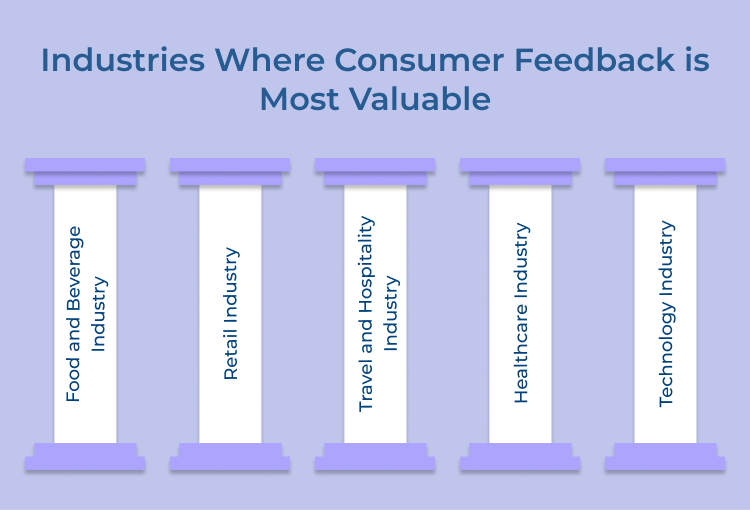
1. Food and Beverage Industry
Consumer feedback is essential for the food and beverage sector ensuring that products meet consumer preferences in terms of taste, packaging, pricing, and overall quality. Companies in this industry often rely on consumer feedback to develop new products, improve existing ones, and address any issues that arise.
2. Retail Industry
Acquiring feedback is important for the retail sector to understand customer preferences, shopping habits, and overall satisfaction with the shopping experience. Retailers use consumer feedback to make decisions about product selection, pricing, store layout and customer service initiatives.
3. Travel and Hospitality Industry
Asking for customer feedback in the travel and hospitality industry is crucial for ensuring that guests have a positive experience when staying at hotels, dining at restaurants, or using other travel-related services. Companies use consumer feedback to identify areas for improvement, enhance customer service, and maintain a high level of customer satisfaction.
4. Healthcare Industry
In the healthcare industry, customer feedback is valuable for understanding patient preferences, experiences, and outcomes. Healthcare providers use patient feedback to improve the quality of care, address any issues that arise, and enhance overall patient satisfaction.
5. Technology Industry
Customer feedback in the technology industry, consumer feedback is essential for developing new products, improving existing ones and staying ahead of the competition. Companies in this industry rely on consumer feedback to identify bugs, gather feature requests and ensure that products meet consumer needs.
Customer feedback is a valuable tool for businesses looking to continuously improve and stay ahead of the competition. By listening to customer needs, companies can make informed decisions that lead to better products, services, and overall customer satisfaction.
Implementing a system for collecting and analyzing customer feedback is crucial for success in today’s competitive market. With a commitment to incorporating customer feedback into their strategies, businesses can pave the way to a successful road ahead.

Why do customers avoid leaving feedback?
Customers typically avoid leaving feedback due to perceived time investment versus value return. Many feel their opinions won’t actually lead to changes, creating a “why bother?” mentality. Some worry about potential confrontation if they share negative experiences, while others simply experience feedback fatigue from too many simultaneous requests. The process itself may also feel cumbersome if it requires multiple steps or creating accounts.
How do you politely ask for client feedback?
Begin by expressing genuine appreciation for their time and business relationship. Be specific about what feedback you’re seeking and why their input matters. Offer multiple convenient response options (email, phone, survey) and clearly communicate the time commitment required. Personalize your request rather than using generic templates, and consider timing your request after positive interactions or successful project completions when they’re most receptive.
How should I respond to negative client feedback?
Start by sincerely thanking them for their honesty—negative feedback provides invaluable growth opportunities. Acknowledge their concerns without being defensive, demonstrating that you truly understand their perspective. Explain specific steps you’ll take to address the issues, providing a timeline if possible. Follow up later to show how their feedback led to improvements, and consider offering appropriate compensation if their experience caused significant inconvenience.
What is an example of useful customer feedback?
“Your checkout process required too many steps, causing me to abandon my purchase halfway through. The mandatory account creation particularly frustrated me since I only wanted to make a one-time purchase. However, I appreciated the detailed product descriptions and responsive customer service chat that answered my questions quickly. I’d recommend simplifying the checkout process to a single page with a guest option.”
How to encourage customer feedback?
Make the feedback process exceptionally easy by integrating it naturally into the customer journey with minimal steps. Demonstrate that feedback directly influences improvements by sharing specific changes made based on previous customer input. Offer incentives like small discounts or loyalty points, but keep them modest to maintain authenticity. Create multiple feedback channels and time requests strategically when customers are most engaged, such as after successful purchases.
 https://omni24.io/wp-content/uploads/2026/09/Social-commerce-scaled.png
1340
2560
Webvision Solution
https://omni24.io/wp-content/uploads/2023/04/Omni-Logo-1.svg
Webvision Solution2026-10-23 12:18:272026-10-23 12:18:27What is Social Commerce and Why Does It Matter?
https://omni24.io/wp-content/uploads/2026/09/Social-commerce-scaled.png
1340
2560
Webvision Solution
https://omni24.io/wp-content/uploads/2023/04/Omni-Logo-1.svg
Webvision Solution2026-10-23 12:18:272026-10-23 12:18:27What is Social Commerce and Why Does It Matter? https://omni24.io/wp-content/uploads/2026/08/AI-Customer-Service-Agents.png
1256
2400
Webvision Solution
https://omni24.io/wp-content/uploads/2023/04/Omni-Logo-1.svg
Webvision Solution2026-09-21 04:48:512026-09-21 04:48:51How to Build an AI Customer Service Agents: 8 Key Steps
https://omni24.io/wp-content/uploads/2026/08/AI-Customer-Service-Agents.png
1256
2400
Webvision Solution
https://omni24.io/wp-content/uploads/2023/04/Omni-Logo-1.svg
Webvision Solution2026-09-21 04:48:512026-09-21 04:48:51How to Build an AI Customer Service Agents: 8 Key Steps https://omni24.io/wp-content/uploads/2026/08/Omnichannel-Conversational-AI.png
1256
2400
Tushar Joshi
https://omni24.io/wp-content/uploads/2023/04/Omni-Logo-1.svg
Tushar Joshi2026-09-16 03:51:072026-09-16 03:51:07How to Build Omnichannel Conversational AI Strategy
https://omni24.io/wp-content/uploads/2026/08/Omnichannel-Conversational-AI.png
1256
2400
Tushar Joshi
https://omni24.io/wp-content/uploads/2023/04/Omni-Logo-1.svg
Tushar Joshi2026-09-16 03:51:072026-09-16 03:51:07How to Build Omnichannel Conversational AI Strategy
Whether it’s about acquire, engage or support – Omni24 covers all your customer engagement needs in one complete platform.

Copyright ©2026 Veemo All rights reserved.
CA, Los Angeles, Hall Ave, 19011