How to Measure Your NPS Customer Experience?
NPS customer experience measures loyalty and satisfaction by gauging referral likelihood and providing actionable insights to improve engagement and relationships.

NPS customer experience measures loyalty and satisfaction by gauging referral likelihood and providing actionable insights to improve engagement and relationships.
How important is the Net Promoter Score (NPS) in measuring customer experience (CX)? Are businesses using this metric to improve customer satisfaction and loyalty?
The repeat purchase rate of “totally satisfied” customers is 3 to 10 times higher than that of “somewhat satisfied” customers. Hence, delivering exceptional customer experience is crucial for businesses to stand out.
Many companies rely on NPS as a key indicator of customer satisfaction. But, the impact of NPS on CX goes beyond just a simple score – it can provide valuable insights that shape business decisions and strategies.
Understanding the impact of NPS in CX is essential for businesses looking to build stronger relationships with their customers.
Let us explore the significance of NPS in measuring CX and how businesses can effectively leverage this metric to drive growth.
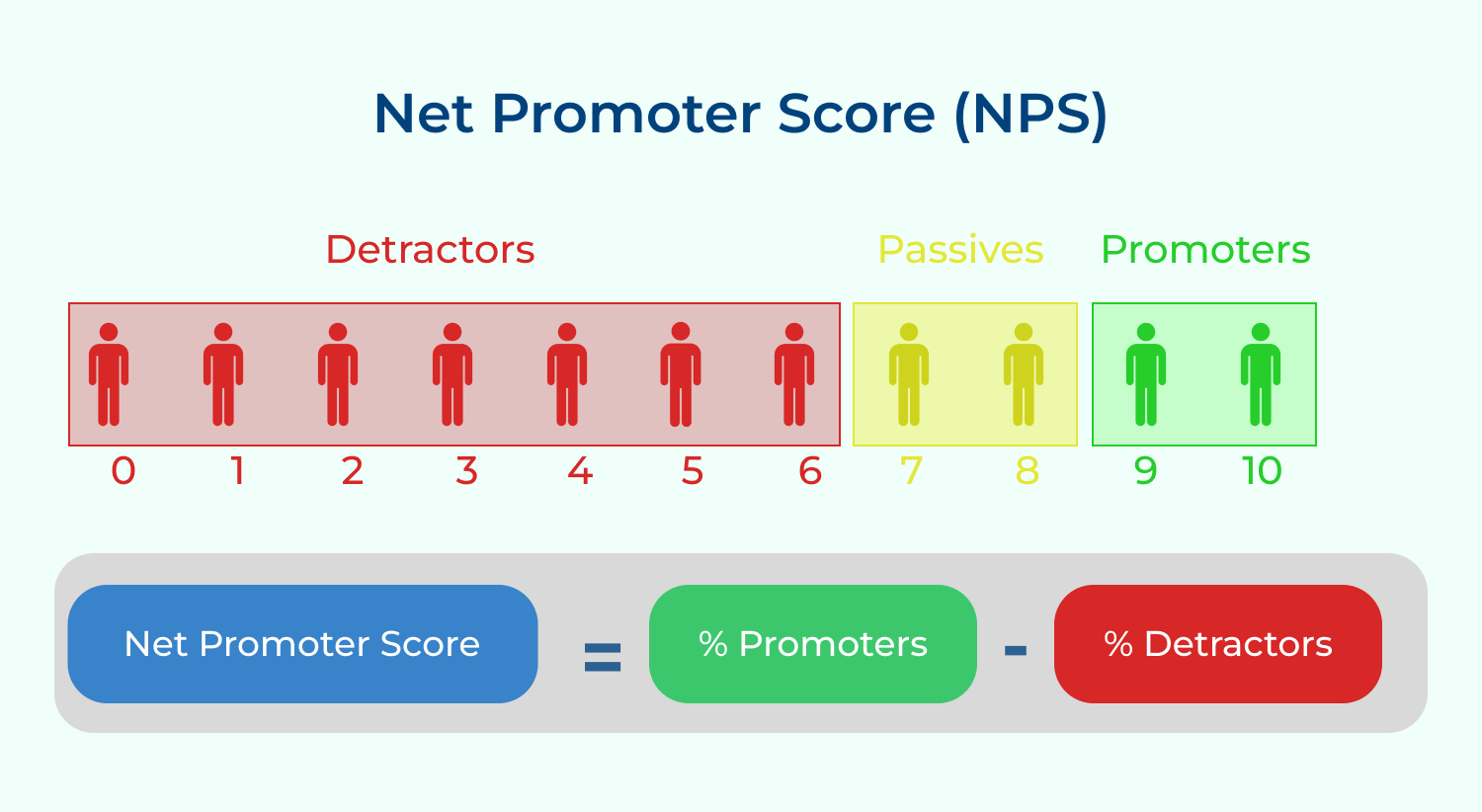
Net Promoter Score or NPS acts as a tool used by companies to measure customer loyalty and satisfaction. It is based on the premise that customers can be divided into three categories: Promoters, Passives and Detractors.
Calculating NPS is a straightforward process that involves asking customers a single question: “On a scale of 0-10, how likely are you to recommend our company to a friend or colleague?” Based on their responses, customers are categorized into the three groups mentioned above.
To calculate NPS, you first need to determine the percentage of responses in each category.
Next, subtract the percentage of Detractors from the percentage of Promoters. It will give you a score between -100 and 100, with a higher score indicating higher customer satisfaction.
For example, if 70% of responses are Promoters, 15% are Passives and 15% are Detractors, the NPS would be 55 (70%-15%=55).
Tracking NPS scores help businesses to identify areas for growth. The importance of NPS in measuring customer experience cannot be overstated.

If you want to understand how satisfied your customers are with your products/ services. NPS programs can be a valuable tool. Here are the steps how it can measure customer experience:
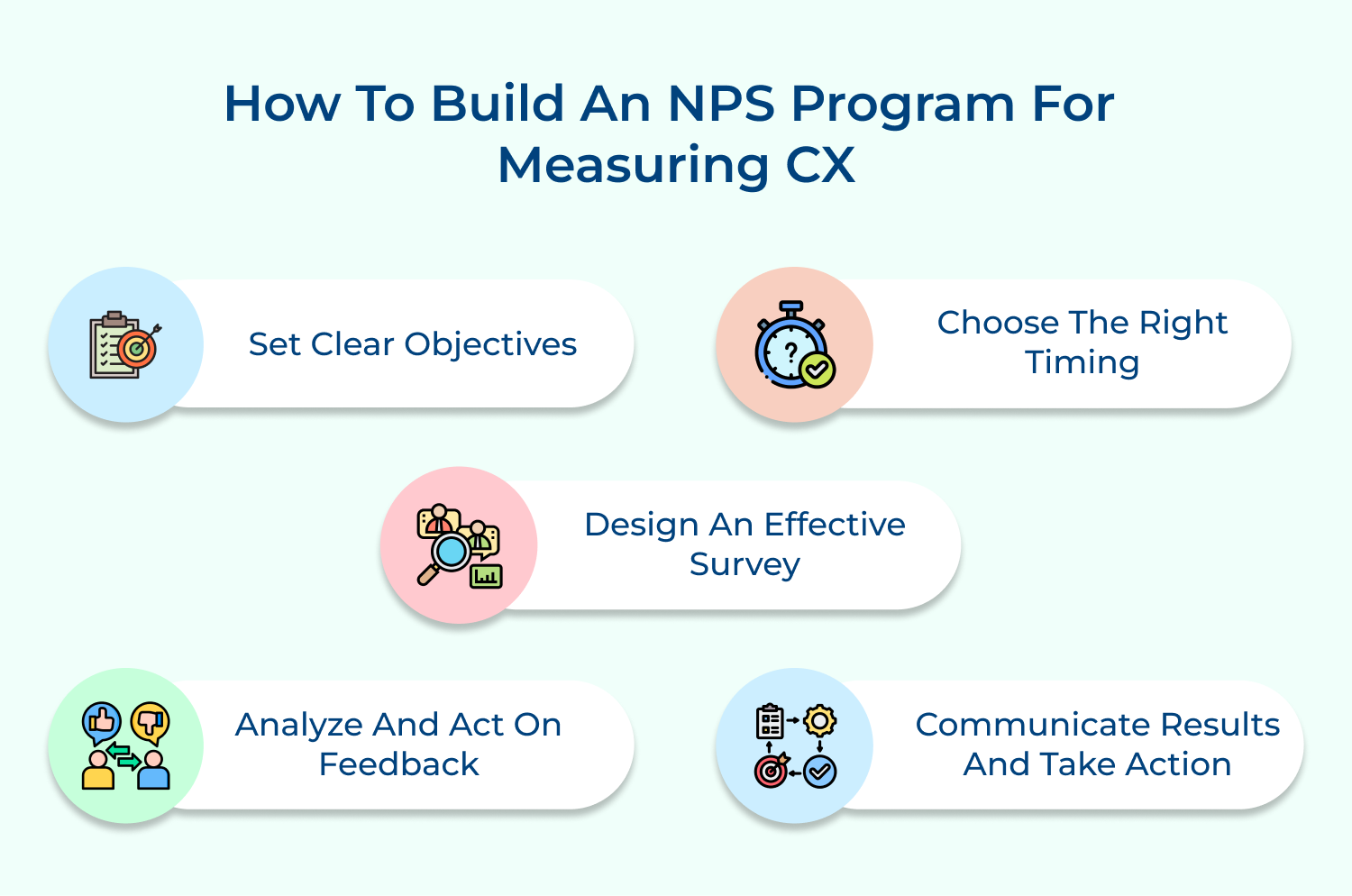
Before starting your NPS program, you need to define what you want to achieve.
Are you looking to improve customer satisfaction, increase customer retention, or identify areas for improvement? Setting clear objectives will help guide your NPS program and ensure you get the most out of the feedback you receive.
Best practices:
When implementing an NPS program, it’s important to ask for feedback at the right time. Sending surveys too soon after a customer interaction may result in inaccurate responses, while waiting too long may cause customers to forget their experience.
Best practices:
Keep your NPS survey short and simple to maximize response rates. Include the NPS question, followed by an open-ended question to gather additional insights from customers. Customize the survey to reflect your brand’s tone and style to ensure a positive customer experience.
Best practices:
Once you start receiving feedback from your NPS surveys, analyze the results to identify trends and areas for improvement.
It is important to pay attention to both the Net Promoter Score itself and the qualitative feedback provided by customers. Use this information to make data-driven decisions and take action to address any issues raised by customers.
Best practices:
Share the results of your NPS program with key stakeholders in your organization to create visibility and accountability.
Celebrate successes and communicate areas for improvement to drive change. Make sure to follow up with customers who provide feedback to show that you value their input and are committed to improving their experience.
Best practices:
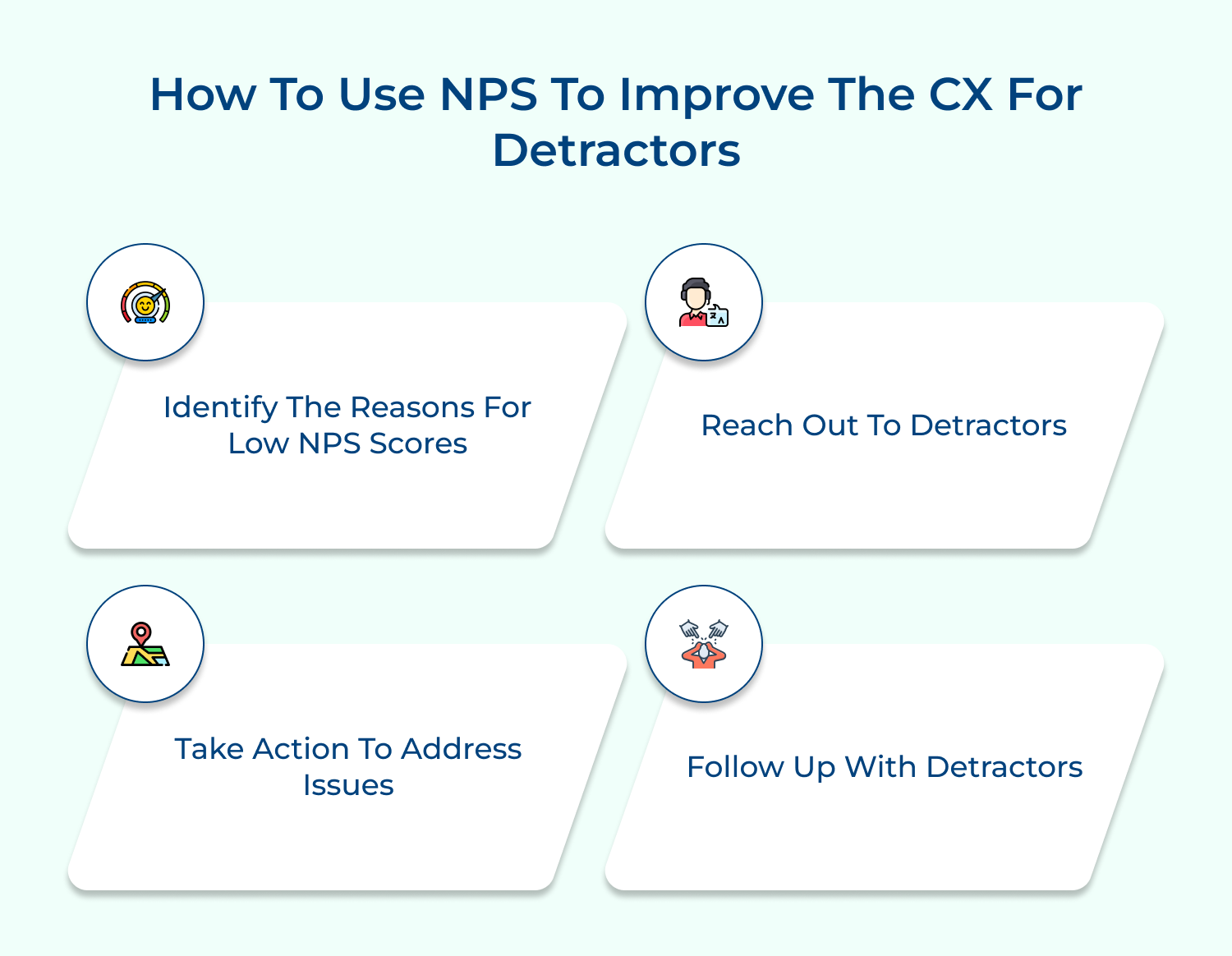
NPS (Net Promoter Score) metric focuses on satisfying promoters (customers who are likely to recommend your business), it is equally important to address the concerns of detractors (customers who are unhappy with your service).
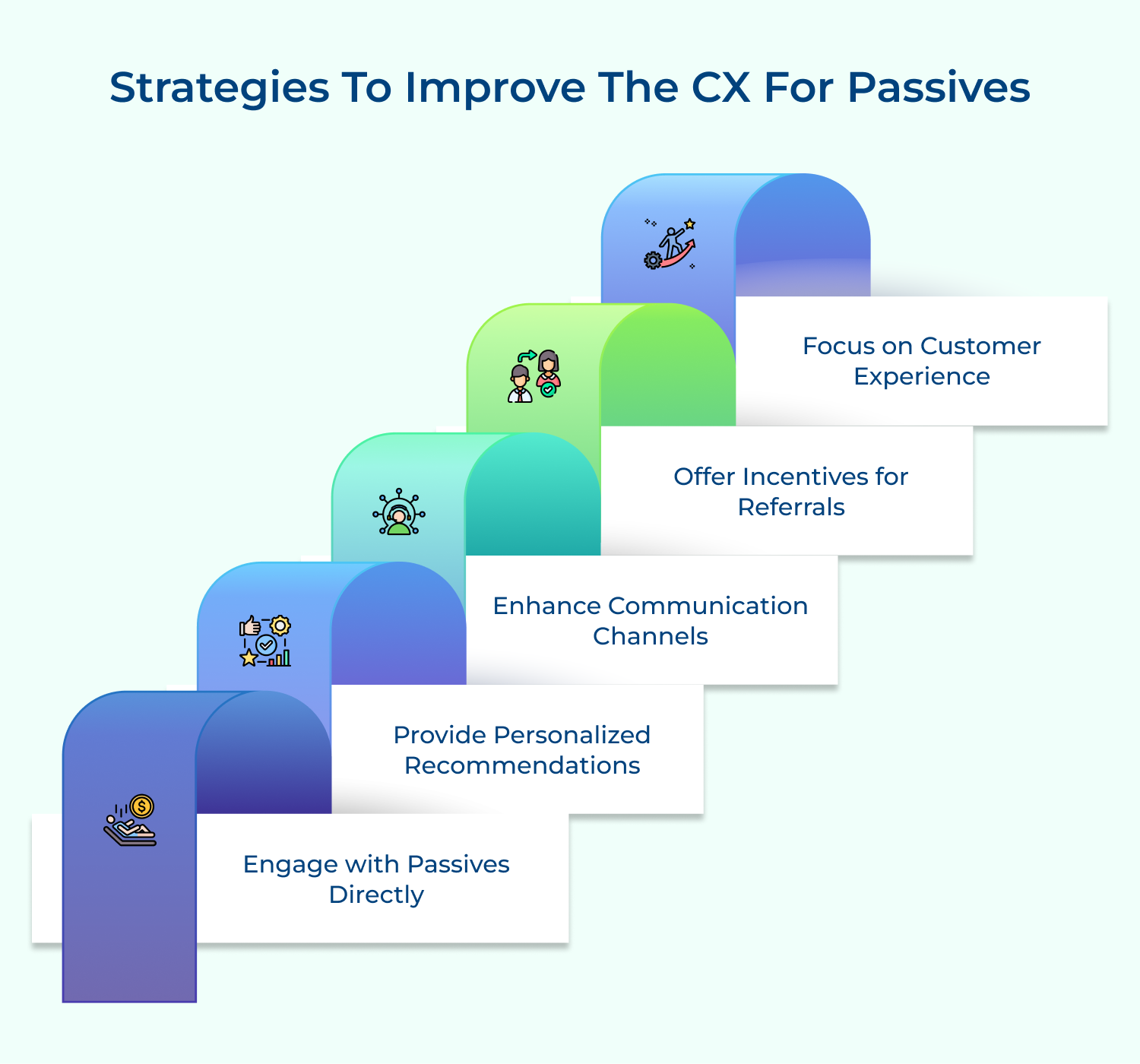
Passives do not actively promote your business, but they also do not have any negative feelings. Still, they are at risk of being swayed by competitors if their experience doesn’t improve.
Promoters are customers who are highly satisfied with your product or service and are likely to recommend it to others.

In order to gather the most useful information from these surveys, it’s important to ask the right questions.
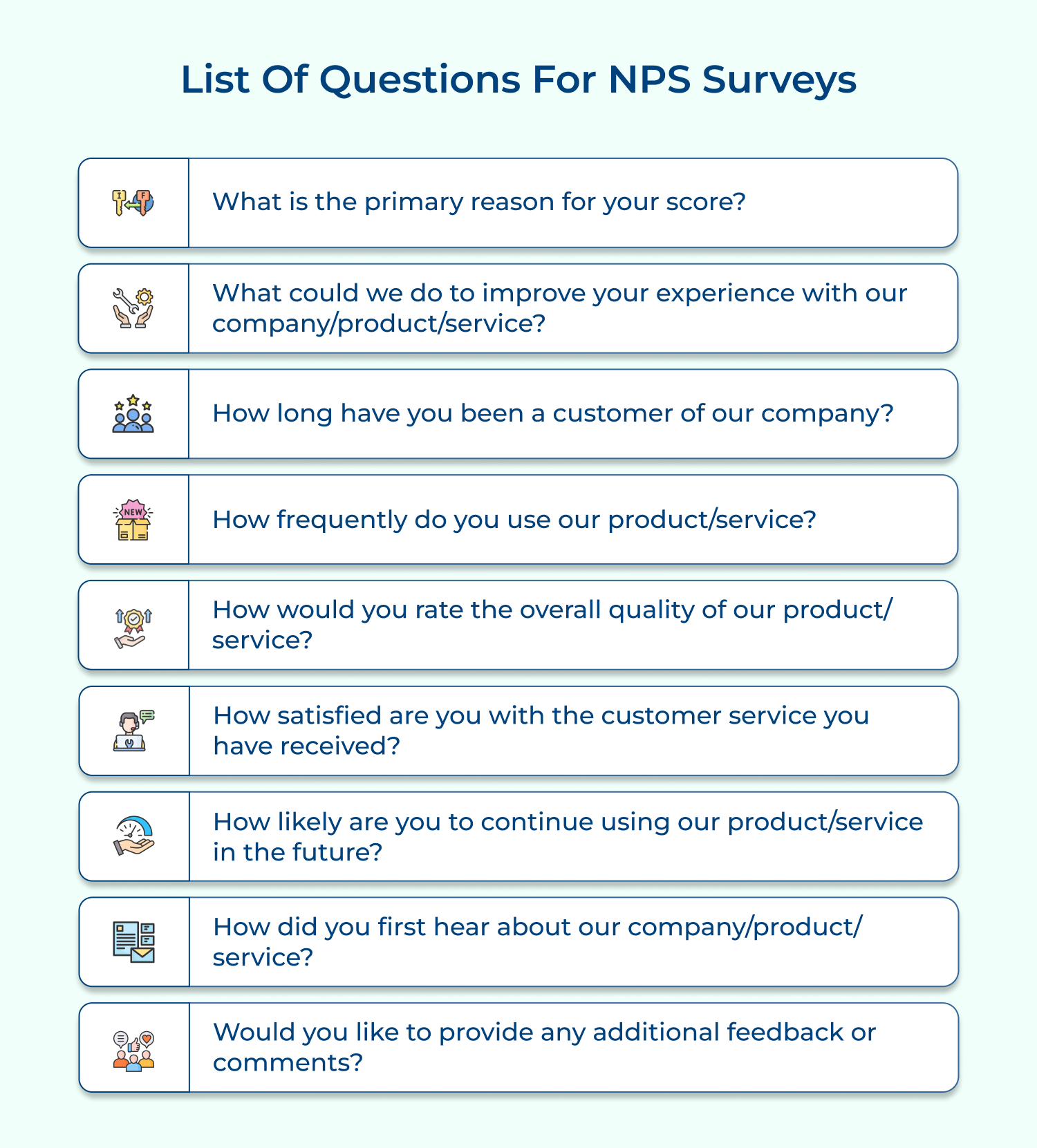
Focusing on improving customer experience (CX) can have a direct impact on your Net Promoter Score (NPS). By delivering better CX, you are more likely to create satisfied and loyal customers who will not only continue to support your business but also recommend it to others.
The positive word-of-mouth advertising can lead to increased brand awareness and growth in customer acquisition. Investing in CX improvements is not only beneficial for your current customers but also for the long-term success and profitability of your business. Better CX truly does lead to better NPS.

Why use NPS for measuring customer experience?
NPS is an effective tool for measuring customer experience because it provides a simple way to gauge customer loyalty and satisfaction. By asking customers how likely they are to recommend your company to others, you can quickly assess their overall satisfaction and identify areas for improvement.
When should I send an NPS survey?
When it comes to sending an NPS survey, timing is key. You’ll want to send the survey shortly after a customer has interacted with your company, such as after a purchase or customer service interaction. This way, the experience is still fresh in their minds and you can capture their feedback while it’s most relevant.
How should I distribute my NPS survey?
There are several ways to distribute an NPS survey, including email, SMS, website pop-ups, or even through a phone call. The key is to choose a method that is convenient for your customers and easy for them to respond to. Be sure to follow up with reminders for those who haven’t responded initially to improve your response rate.
How does the Net Promoter Score system work?
The Net Promoter Score system asks customers to rate their likelihood of recommending your company on a scale of 0-10. Based on their response, customers are categorized into three groups: promoters (9-10), passives (7-8) and detractors (0-6). The NPS score is then calculated by subtracting the percentage of detractors from the percentage of promoters. This score gives you a clear indication of how likely your customers are to recommend your business.
 https://omni24.io/wp-content/uploads/2026/08/AI-Customer-Service-Agents.png
1256
2400
Webvision Solution
https://omni24.io/wp-content/uploads/2023/04/Omni-Logo-1.svg
Webvision Solution2026-09-21 04:48:512026-09-21 04:48:51How to Build an AI Customer Service Agents: 8 Key Steps
https://omni24.io/wp-content/uploads/2026/08/AI-Customer-Service-Agents.png
1256
2400
Webvision Solution
https://omni24.io/wp-content/uploads/2023/04/Omni-Logo-1.svg
Webvision Solution2026-09-21 04:48:512026-09-21 04:48:51How to Build an AI Customer Service Agents: 8 Key Steps https://omni24.io/wp-content/uploads/2026/08/Omnichannel-Conversational-AI.png
1256
2400
Tushar Joshi
https://omni24.io/wp-content/uploads/2023/04/Omni-Logo-1.svg
Tushar Joshi2026-09-16 03:51:072026-09-16 03:51:07How to Build Omnichannel Conversational AI Strategy
https://omni24.io/wp-content/uploads/2026/08/Omnichannel-Conversational-AI.png
1256
2400
Tushar Joshi
https://omni24.io/wp-content/uploads/2023/04/Omni-Logo-1.svg
Tushar Joshi2026-09-16 03:51:072026-09-16 03:51:07How to Build Omnichannel Conversational AI Strategy https://omni24.io/wp-content/uploads/2026/08/Customer-Service-Teams.png
1256
2400
Tushar Joshi
https://omni24.io/wp-content/uploads/2023/04/Omni-Logo-1.svg
Tushar Joshi2026-09-15 04:01:522026-09-15 04:02:16How to Build Customer Service Teams: 6 Key Steps
https://omni24.io/wp-content/uploads/2026/08/Customer-Service-Teams.png
1256
2400
Tushar Joshi
https://omni24.io/wp-content/uploads/2023/04/Omni-Logo-1.svg
Tushar Joshi2026-09-15 04:01:522026-09-15 04:02:16How to Build Customer Service Teams: 6 Key Steps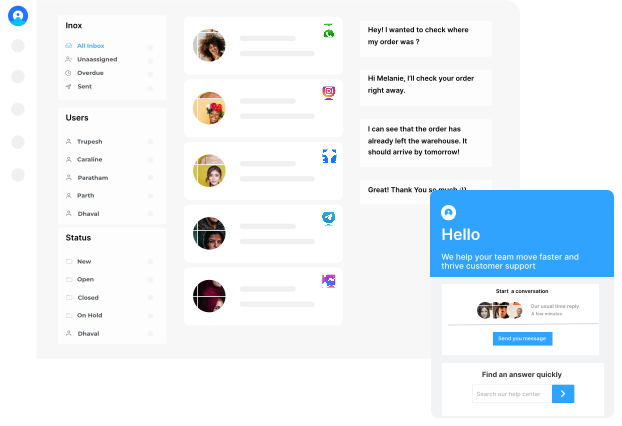
Whether it’s about acquire, engage or support – Omni24 covers all your customer engagement needs in one complete platform.

Copyright ©2026 Veemo All rights reserved.
CA, Los Angeles, Hall Ave, 19011