Top 21 Chatbot Metrics & KPIs to Track in 2026
Chatbot KPIs guide brand experiments; learn how to use chatbot metrics across use cases from social commerce to customer service.

Chatbot KPIs guide brand experiments; learn how to use chatbot metrics across use cases from social commerce to customer service.
Are you struggling to measure the effectiveness of your chatbot? With the rapid adoption of conversational AI, businesses are realizing the importance of tracking chatbot performance.
By 2026, the number of businesses using AI chatbots is projected to increase by 34% and when it comes to tracking bot efficiency, knowing the right chatbot KPIs & metrics is very important.
Using the chatbot metrics & KPIs, help businesses to provide invaluable insights into how well the bot is engaging users, handling inquiries and contributing to business goals. By monitoring the right indicators, you can optimize your chatbot to deliver great user experiences.
Let us explore the essential chatbot metrics and KPIs you should be tracking. From conversation completion rates to user satisfaction scores, we’ll cover the key measures that will help you assess and improve your chatbot’s performance. Let’s get started!
A chatbot is an AI-powered software application designed to simulate human-like conversations through text or voice interactions. These virtual assistants use natural language processing and machine learning to understand user queries and provide appropriate responses.
Chatbots offer businesses a cost-effective way to enhance customer service, streamline operations and improve user engagement. They provide 24/7 availability, handle multiple interactions simultaneously and offer consistent responses to common queries.
Key objectives:
Chatbot metrics & KPIs (Key Performance Indicators) are quantifiable measures used to track, analyze and optimize the performance of chatbots. These metrics provide valuable insights into how well a chatbot is engaging with users, handling their queries and contributing to business goals.
Monitoring chatbot metrics helps identify areas for improvement in the chatbot’s functionality, user experience and content. By tracking these KPIs over time, businesses can continuously refine their chatbots to better serve user needs. Chatbot metrics demonstrate the ROI and justify the importance of chatbot technology.
Key objectives:
Chatbot KPIs offer critical insights into performance and efficiency. Here are the key benefits of tracking these metrics effectively.
Tracking essential metrics helps evaluate chatbot effectiveness. Here’s a look at the key metrics for assessing chatbot performance.
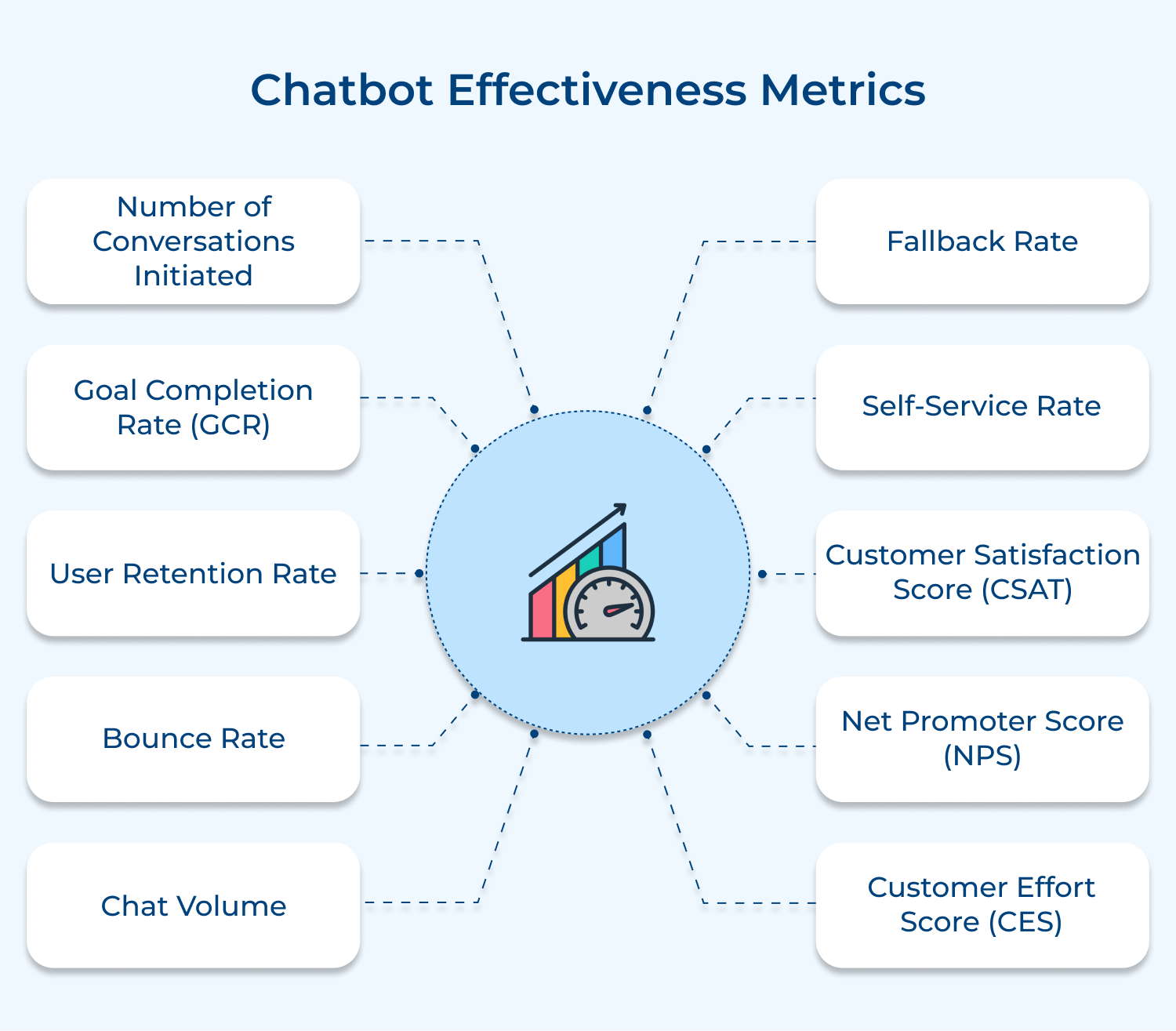
The key chatbot KPI monitors how users engage with the chatbot through various interactions to assess overall engagement levels.

GCR measures how often users successfully achieve their intended objectives when interacting with the chatbot. It’s a key indicator of the chatbot’s effectiveness in resolving user queries and fulfilling user needs.
Analyzing GCR to identify areas where the chatbot excels or struggles in meeting user goals. The information guides improvements in conversation flows, knowledge base updates and feature enhancements.
Pro tips:
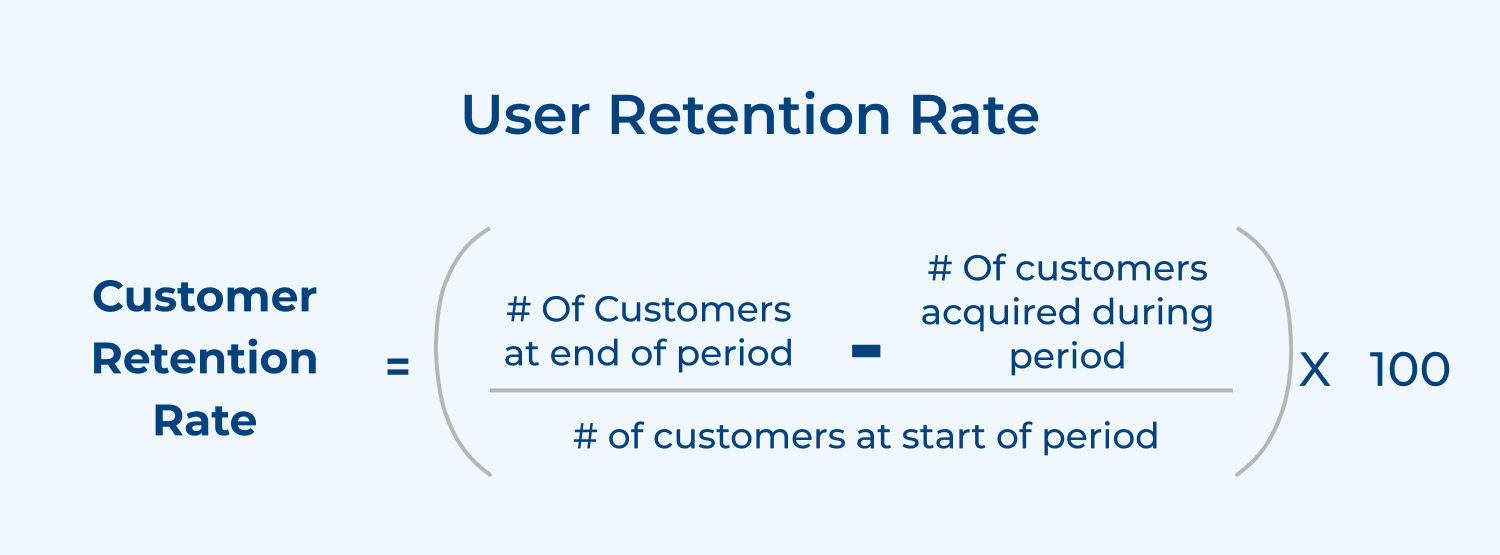
The user retention rate shows how many users return to interact with the chatbot after their initial engagement. It indicates user satisfaction and the chatbot’s ability to provide ongoing value, which is crucial for long-term success.
Monitoring retention rates to assess the chatbot’s effectiveness in building user loyalty. Low retention rates may signal the need for improvements in the chatbot’s functionality, conversation quality, or range of services offered.
Pro tips:
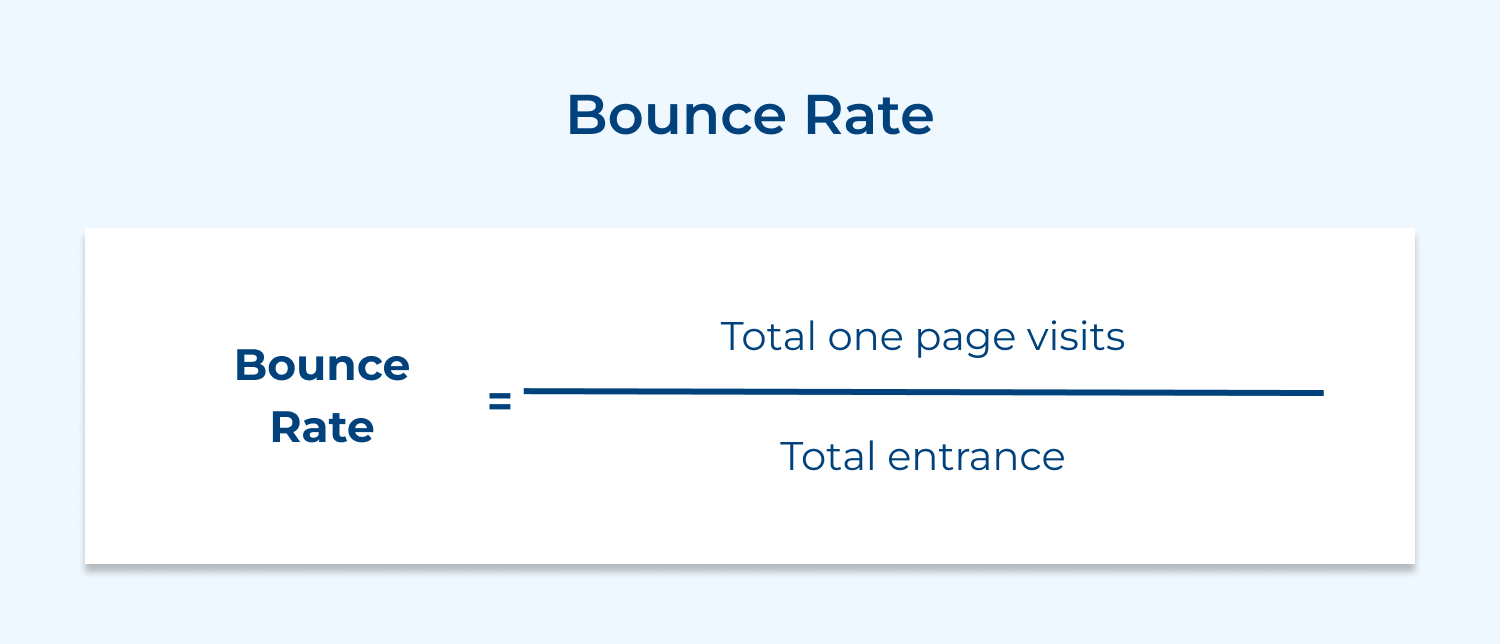
Bounce rate measures how often users abandon the conversation after the first message. It helps identify potential issues with the chatbot’s initial engagement, which is crucial for retaining user interest and proceeding towards meaningful interactions.
A high bounce rate may indicate problems with the chatbot’s welcome message, response relevance, or user interface. Analyzing this metric helps in refining the chatbot’s initial approach to better capture and maintain user interest.
Pro tips:
Chat volume measures the total number of messages exchanged between users and the chatbot. It provides insights into overall chatbot usage and can indicate changes in user behavior or chatbot performance over time.
Tracking chat volume, assisting in identifying trends in usage patterns, assessing the impact of updates or new features and planning for resource allocation. Sudden changes in chat volume may signal issues or opportunities that require attention.
Pro tips:
These categories of chatbot metrics evaluate the effectiveness of AI enabled bot conversations by analyzing how well dialogues meet user needs or expectations.
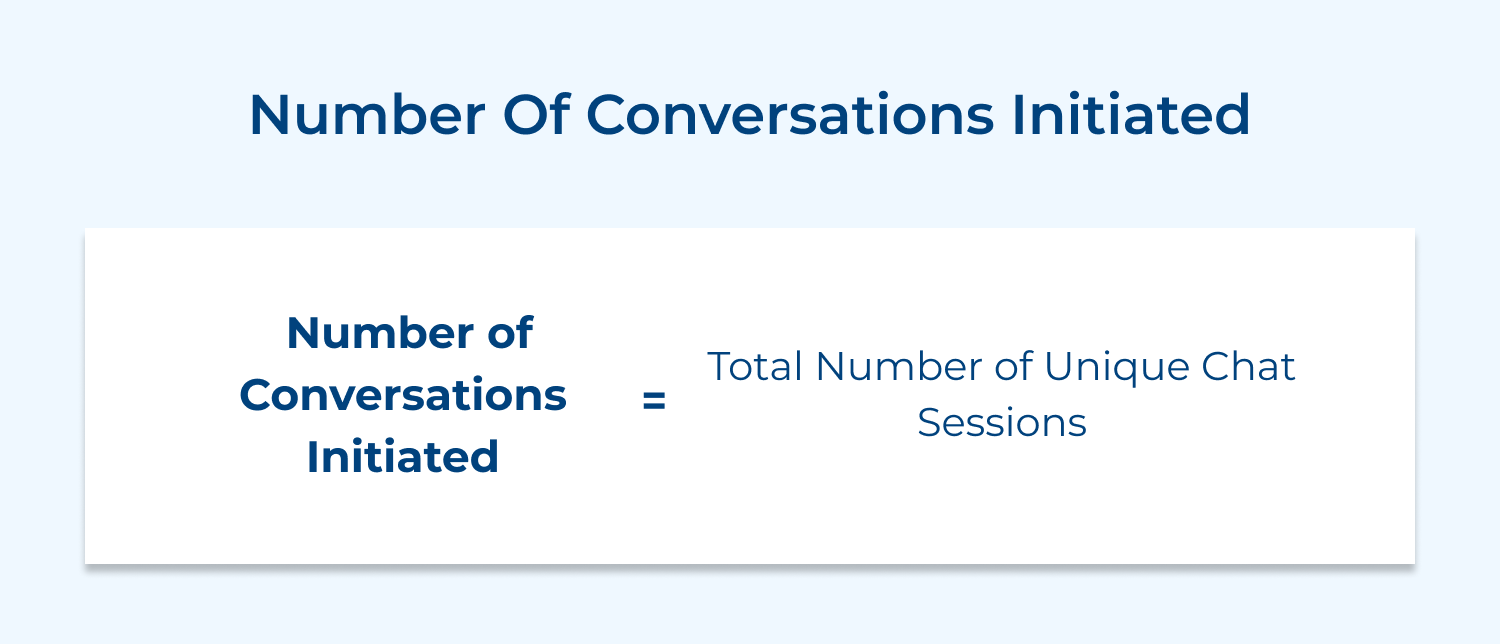
Tracking conversation initiation trends to identify peak usage times, assess the impact of promotional efforts and determine if the chatbot is meeting user needs or requires improvements to encourage more interactions.
The metric indicates the chatbot’s popularity and usage frequency. It helps gauge user adoption and the chatbot’s effectiveness in attracting interactions, providing insights into its visibility.
Pro tips:
The fallback rate indicates how often the chatbot fails to understand or appropriately respond to user inputs. It helps identify gaps in the chatbot’s knowledge or language processing capabilities, which is crucial for improving overall performance.
Analyzing instances where the chatbot falls back to default responses to identify common misunderstandings, expand the chatbot’s knowledge base and improve its natural language processing capabilities to handle a wider range of user inputs.
Pro tips:
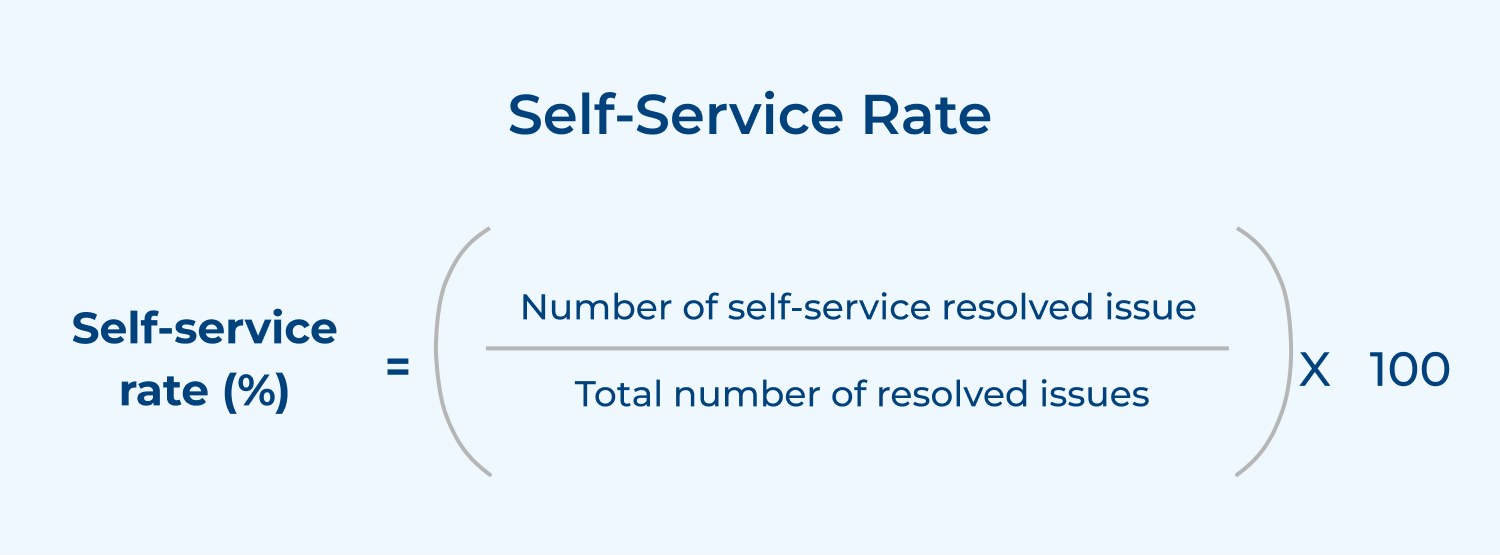
The self-service rate measures the percentage of user inquiries resolved by the chatbot without human intervention. It indicates the chatbot’s effectiveness in handling queries independently, which is crucial for reducing operational costs and improving efficiency.
Self-service rates help to assess the chatbot’s impact on reducing human workload and identify areas where additional automation can be implemented. It also helps in prioritizing improvements to increase the chatbot’s autonomy.
Pro tips:

The human escalation rate measures how often conversations are transferred from the chatbot to human agents. It helps balance automation with human support, ensuring complex issues are appropriately handled while monitoring the chatbot’s limitations.
Businesses can identify types of queries or situations where the chatbot struggles by analyzing human escalation patterns. This information guides improvements in the chatbot’s capabilities and helps optimize the allocation of human resources for complex issues.
Pro tips:
These chatbot metrics assess user satisfaction with chatbot interactions by collecting, then analyzing feedback as well as satisfaction ratings.
CSAT directly measures user satisfaction with the chatbot interaction. It provides valuable feedback on the overall quality of the experience and helps identify areas for improvement to enhance user satisfaction.
Measuring CSAT scores across different types of interactions helps businesses to gauge the impact of chatbot improvements, identify pain points in the user experience and prioritize enhancements that will have the most significant impact on satisfaction.
Pro tips:
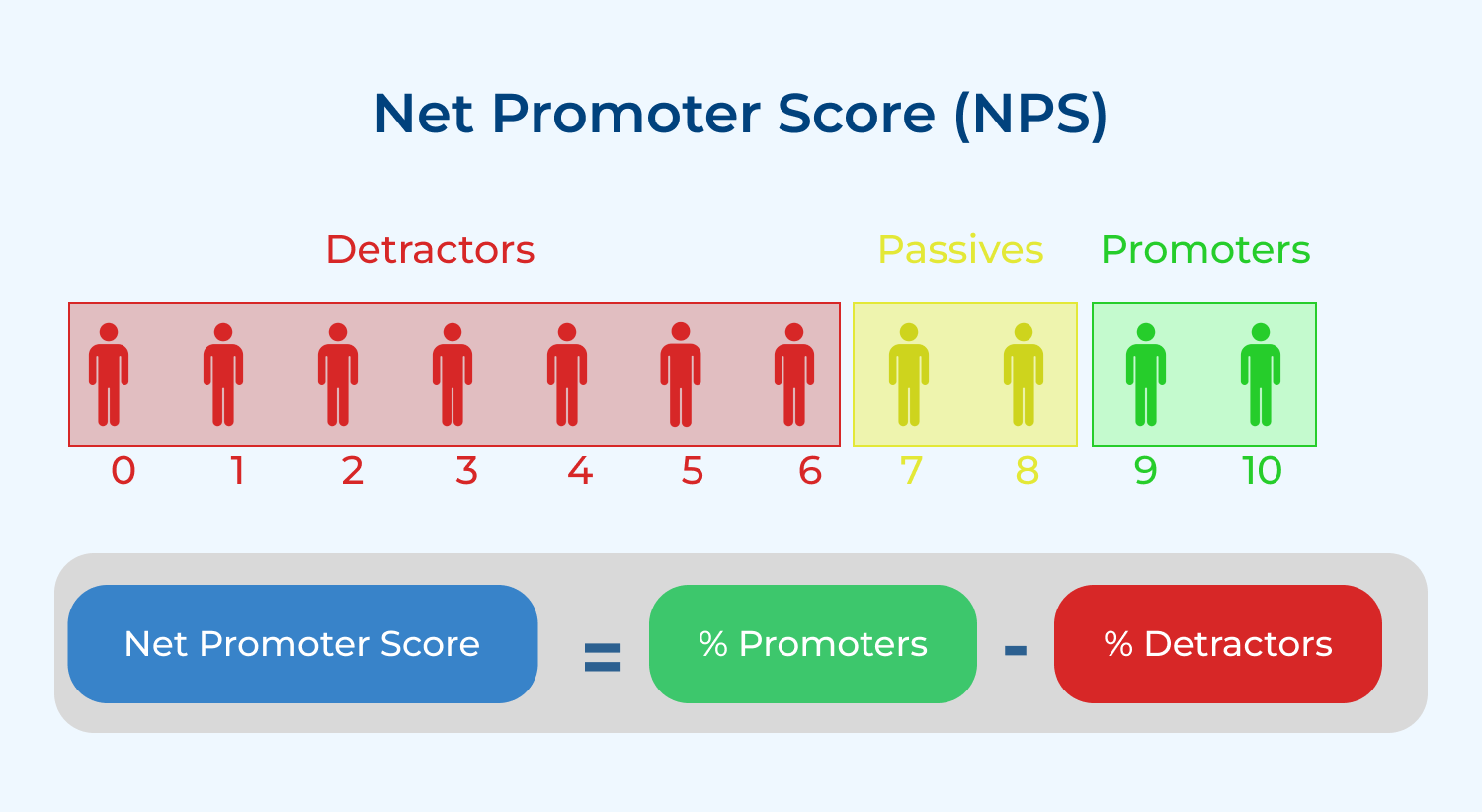
NPS measures user loyalty and the likelihood of recommending the chatbot service to others. It provides a broader view of user sentiment and the chatbot’s impact on brand perception along with customer relationships.
Tracking NPS helps to assess the long-term impact of their chatbot on customer loyalty. Low NPS scores may indicate the need for significant improvements in the chatbot’s performance or overall service strategy.
Pro tips:
CES measures the ease of using the chatbot to resolve issues or complete tasks. It helps identify friction points in the user experience, which is crucial for streamlining interactions and improving overall satisfaction.
Analyzing CES to pinpoint specific aspects of chatbot interactions that users find difficult or frustrating. This information guides targeted improvements to simplify processes and enhance the overall user experience.
Pro tips:
KPIs for chatbot performance analytics are crucial as they provide critical insights into effectiveness and efficiency. Here’s a guide to key performance indicators.
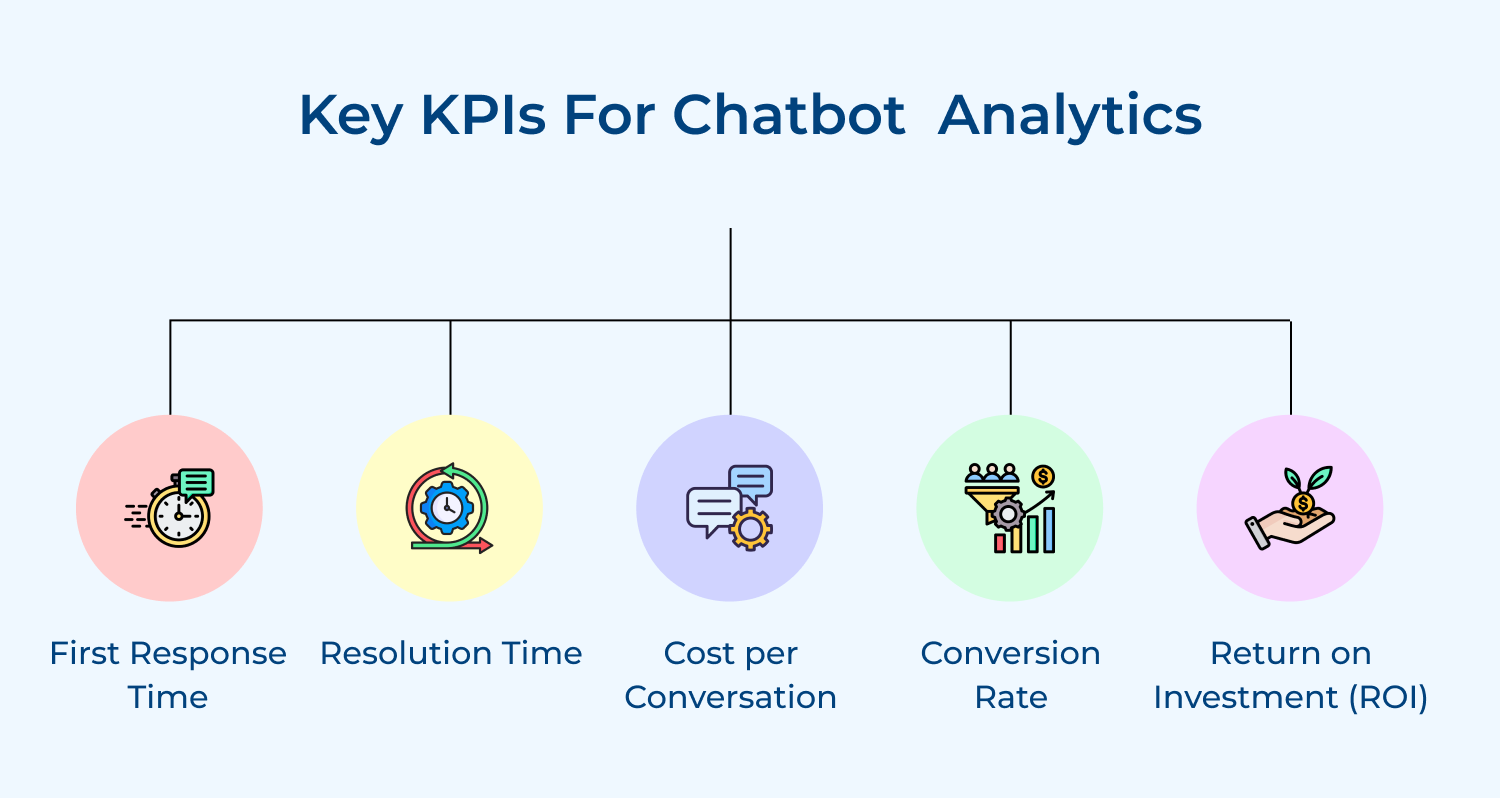
These KPIs measure how efficiently the chatbot handles tasks and interactions to optimize overall operational performance.
First response time measures how quickly the chatbot initially responds to user inquiries. It’s crucial for setting a positive first impression and maintaining user engagement, as quick responses are often associated with better user experiences.
Monitoring first response time helps businesses ensure the chatbot meets user expectations for quick engagement. Consistently low first response times can improve user satisfaction and encourage continued interaction with the chatbot.
Pro tips:
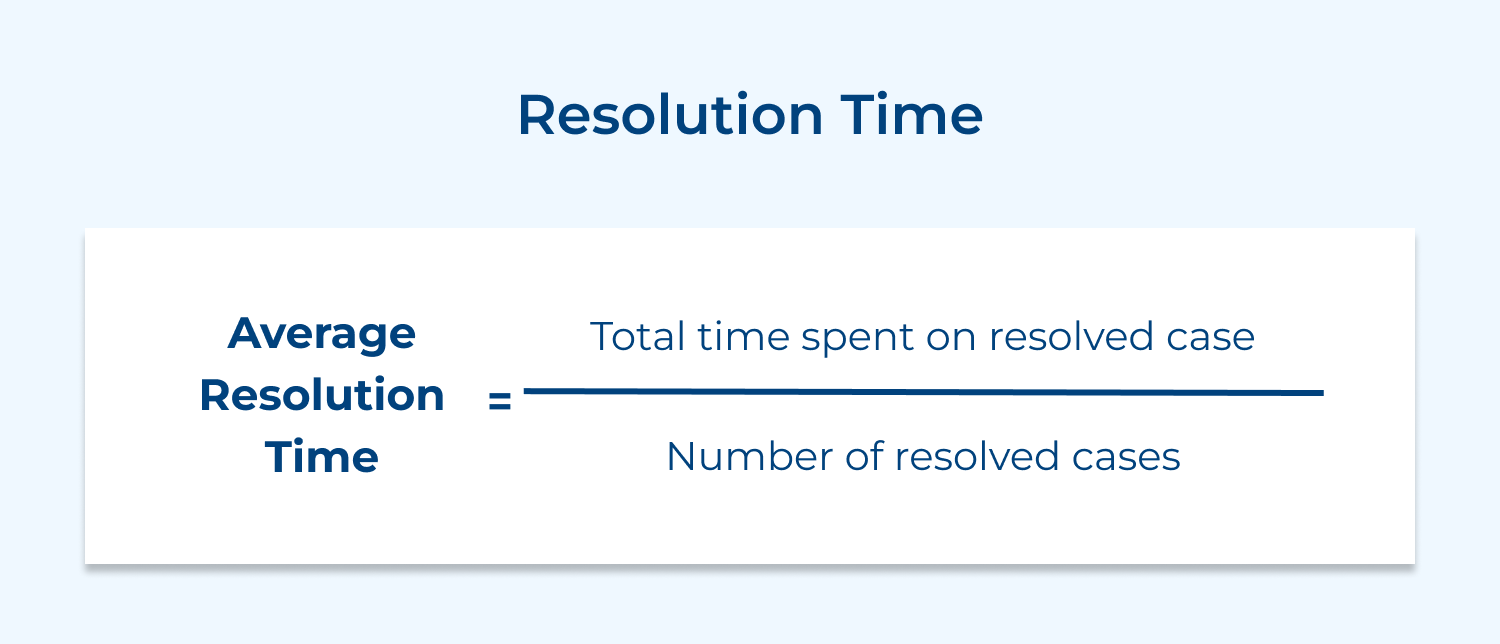
Resolution time measures how long it takes to fully resolve a user’s query or complete a requested task. It provides insights into the chatbot’s efficiency in addressing user needs and the complexity of typical user requests.
Analyzing resolution times, businesses can identify opportunities to streamline processes, improve the chatbot’s decision-making capabilities and enhance its ability to provide relevant information. The metric also helps in setting realistic user expectations.
Pro tips:

Cost per conversation measures the financial efficiency of the chatbot by calculating the average cost of each interaction. It helps assess the ROI of the chatbot implementation on resource allocation and further automation efforts.
Tracking cost per conversation helps businesses compare the efficiency of chatbot interactions with other customer service channels. The metric helps justify investments in chatbot technology and identifies areas where increased automation can lead to cost savings.
Pro tips:
Analyze the financial impact of chatbot implementation by evaluating metrics related to revenue, cost savings and ROI.
Conversion rate measures the percentage of chatbot interactions that result in desired outcomes, such as purchases or sign-ups. It’s essential for evaluating the chatbot’s effectiveness in driving business goals and generating tangible results from user interactions.
Businesses can assess the chatbot’s impact on sales and lead generation by tracking conversion rates. This metric helps identify areas where the chatbot excels in converting users and where improvements are needed to enhance its persuasive capabilities.
Pro tips:
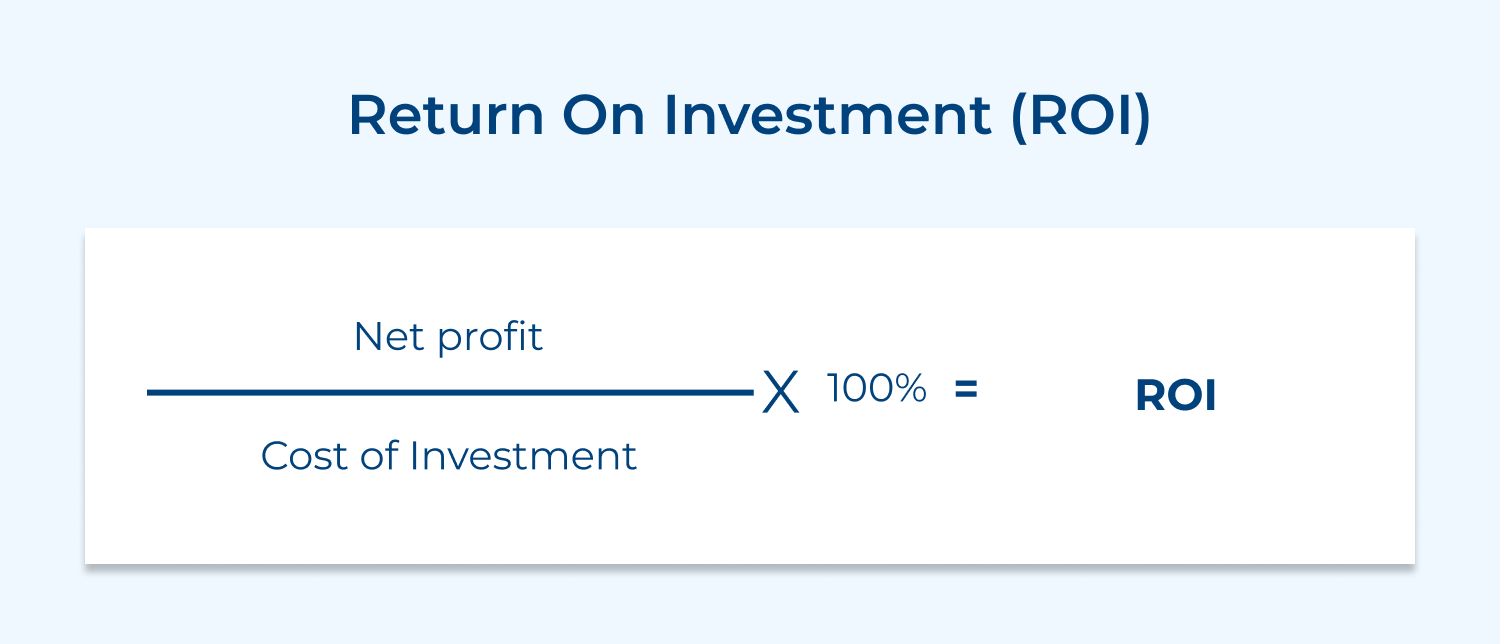
ROI provides a comprehensive view of the chatbot’s financial impact, considering both the costs of implementation and maintenance against the benefits realized. It’s essential for justifying chatbot investments and guiding future development decisions.
Calculating ROI helps businesses assess the overall value of their chatbot solution, compare it to other investments and make data-driven decisions about scaling or enhancing chatbot capabilities.
Pro tips:
Chatbots have become integral to modern business operations, yet accurately assessing their performance remains a complex task with numerous challenges to overcome.
One of the primary challenges in measuring chatbot performance is quantifying user satisfaction. Traditional metrics like task completion rates or response times don’t always reflect the nuanced nature of human-chatbot interactions. Users may complete a task but still feel frustrated with the experience.
Solution:
Chatbots often struggle with ambiguous or complex queries, making it challenging to measure their effectiveness in handling these situations.
Solution:
While it’s relatively easy to measure quantitative metrics like response time or number of interactions, assessing the quality of conversations is more challenging.
Solution:
For chatbots serving diverse user bases, performance can vary significantly across languages and cultures, making standardized measurement challenging.
Solution:
Users often don’t provide detailed feedback about their chatbot interactions, making it difficult to gather insights for improvement.
Solution:
Tracking chatbot KPIs and metrics is essential for evaluating the effectiveness of chatbot implementations. These performance indicators provide insights into response accuracy, user satisfaction and operational efficiency, which are crucial for assessing whether the chatbot meets its intended goals.
Businesses can leverage chatbot KPIs to enhance profitability by improving customer service and reducing operational costs. By optimizing response times, businesses can increase user satisfaction and engagement, leading to higher conversion rates and customer retention.

How can I measure the impact of my chatbot on sales?
Assess chatbot sales impact by tracking revenue generated through chatbot interactions, conversion rates for chatbot-assisted transactions and average order value. Monitor the number of leads captured and nurtured by the chatbot. Analyze how the chatbot influences consumer purchasing decisions and time to purchase.
What metrics should I use to improve my chatbot’s support capabilities?
Track the most common customer inquiries and monitor the chatbot’s ability to provide accurate, relevant answers to enhance chatbot support. Measure the percentage of interactions that require human agent escalation and analyze the reasons behind escalations. Continuously update the chatbot’s knowledge base based on customer feedback and new support topics.
What chatbot metrics should I focus on to demonstrate ROI?
Show chatbot ROI, track cost savings from reduced human agent support, increase revenue from chatbot-assisted sales and improve customer lifetime value. Monitor chatbot usage, engagement rates and conversion rates to optimize performance. Compare chatbot metrics to traditional support channels to quantify benefits.
What chatbot metrics are important for improving customer engagement?
Boost customer engagement with your chatbot and track metrics like user retention rate or session duration. Monitor the click-through rates on chatbot-recommended content or promotions. Analyze the types of interactions that drive the highest engagement and optimize the chatbot’s content as well as user journey accordingly.
 https://omni24.io/wp-content/uploads/2026/09/Social-commerce-scaled.png
1340
2560
Webvision Solution
https://omni24.io/wp-content/uploads/2023/04/Omni-Logo-1.svg
Webvision Solution2026-10-23 12:18:272026-10-23 12:18:27What is Social Commerce and Why Does It Matter?
https://omni24.io/wp-content/uploads/2026/09/Social-commerce-scaled.png
1340
2560
Webvision Solution
https://omni24.io/wp-content/uploads/2023/04/Omni-Logo-1.svg
Webvision Solution2026-10-23 12:18:272026-10-23 12:18:27What is Social Commerce and Why Does It Matter? https://omni24.io/wp-content/uploads/2026/08/AI-Customer-Service-Agents.png
1256
2400
Webvision Solution
https://omni24.io/wp-content/uploads/2023/04/Omni-Logo-1.svg
Webvision Solution2026-09-21 04:48:512026-09-21 04:48:51How to Build an AI Customer Service Agents: 8 Key Steps
https://omni24.io/wp-content/uploads/2026/08/AI-Customer-Service-Agents.png
1256
2400
Webvision Solution
https://omni24.io/wp-content/uploads/2023/04/Omni-Logo-1.svg
Webvision Solution2026-09-21 04:48:512026-09-21 04:48:51How to Build an AI Customer Service Agents: 8 Key Steps https://omni24.io/wp-content/uploads/2026/08/Omnichannel-Conversational-AI.png
1256
2400
Tushar Joshi
https://omni24.io/wp-content/uploads/2023/04/Omni-Logo-1.svg
Tushar Joshi2026-09-16 03:51:072026-09-16 03:51:07How to Build Omnichannel Conversational AI Strategy
https://omni24.io/wp-content/uploads/2026/08/Omnichannel-Conversational-AI.png
1256
2400
Tushar Joshi
https://omni24.io/wp-content/uploads/2023/04/Omni-Logo-1.svg
Tushar Joshi2026-09-16 03:51:072026-09-16 03:51:07How to Build Omnichannel Conversational AI Strategy
Whether it’s about acquire, engage or support – Omni24 covers all your customer engagement needs in one complete platform.

Copyright ©2026 Veemo All rights reserved.
CA, Los Angeles, Hall Ave, 19011